Dec 9, 2025
Iranian Media Lashes Out at UAE and Bahrain Over GCC Statement
The December 9 edition of the Iran Media Review analyzes Iranian media attacks on the United Arab Emirates and Bahrain in response to a Gulf Cooperation Council communique.

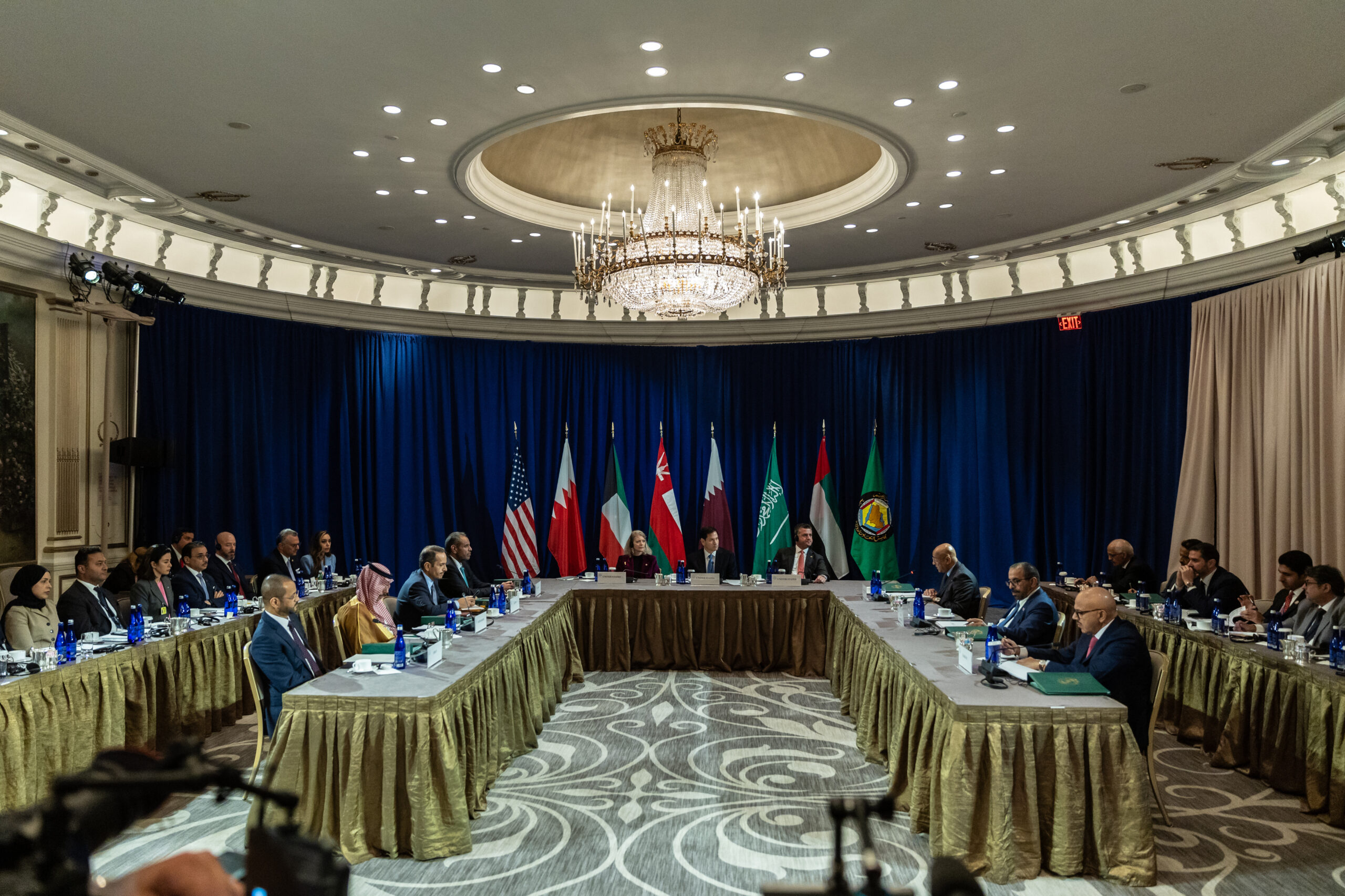
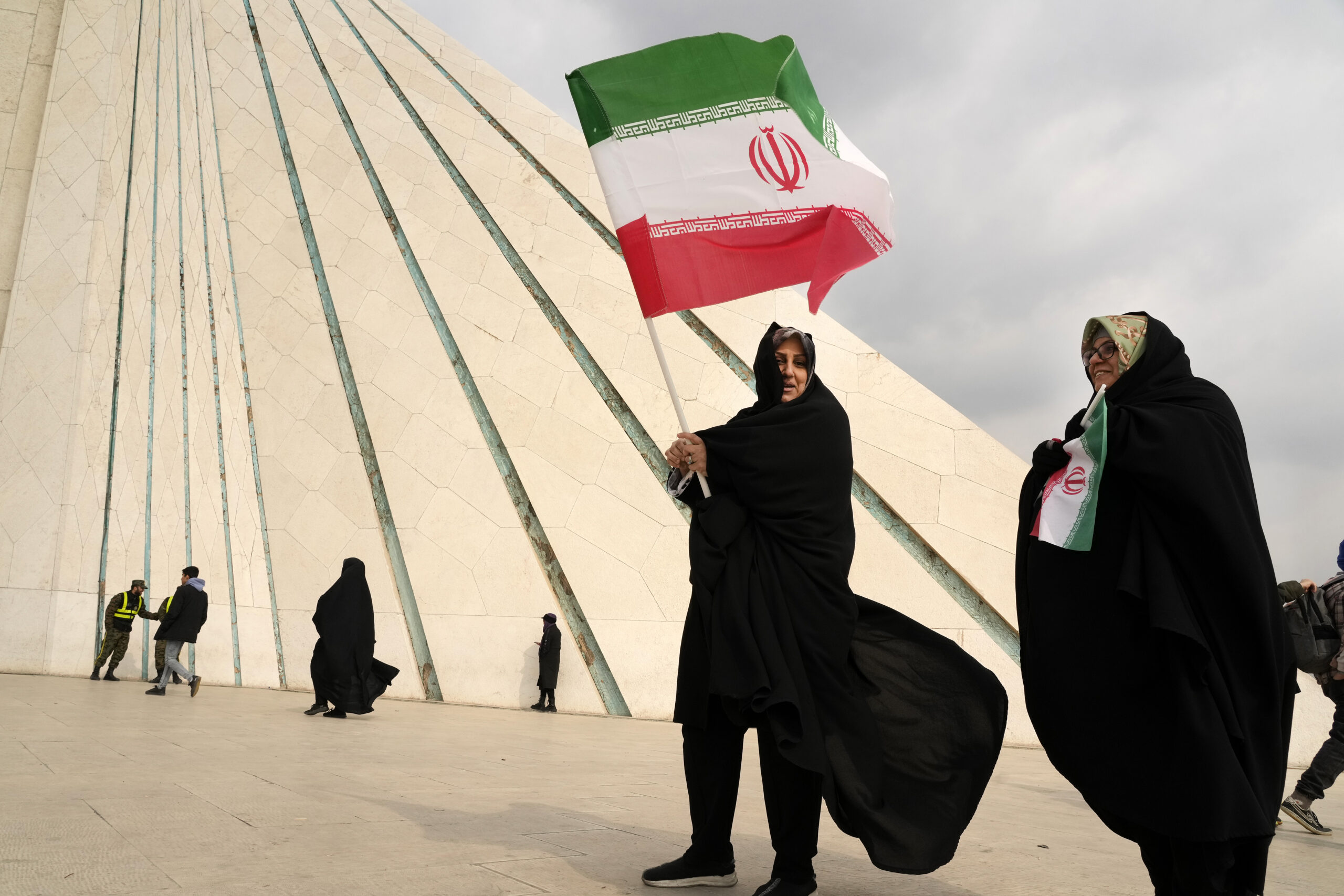
Following the Iranian media’s initial angry reactions to the final statement of the 46th session of the Supreme Council of the Gulf Cooperation Council supporting the sovereignty of the United Arab Emirates over three islands and Kuwaiti and Saudi ownership of an oil field, hard-line Kayhan and Islamic Revolutionary Guard Corps-affiliated Javan launched even sharper attacks. Their tone can be explained by several factors: First, ideologically bankrupt, the regime is attempting to replace Islamism with nationalism as its state ideology. Second, embarrassed by the outcome of the 12-day war in June, the regime feels compelled to project strength. Third, fearing renewed Israeli strikes, the regime is signaling that any retaliation will be directed at Arab states rather than Israel. By doing so, it hopes to encourage energy importers and exporters to pressure Israel not to strike Iran.
- December 6: In hard-line Kayhan, Editor Hossein Shariatmadari wrote:
- “The offspring of pirates, urbanized by the British, are now claiming three Iranian islands … Today, the people of Bahrain’s principal demand is the return of this province – severed from Iran – to its main and motherland, Islamic Iran. This is the inalienable right of Iran and of the people of that separated province, a right that must not and cannot be ignored … Britain and America decided that Bahrain should be ruled by the Khalifa dynasty, who were previously engaged in banditry in the deserts of Najd.”
- “The rulers of these so-called countries have repeatedly shown that they do not possess even the slightest independence. A mere glance at their joint positions on regional events makes it abundantly clear that they have never – never – taken a stance that diverged from the officially declared wishes of the United States and Israel. For this reason, the latest statement of the Persian Gulf Cooperation Council – which is even more brazen than its previous communiques – cannot be seen as unrelated to the recent defeat of America and Israel in the 12-day war. After all, have we ever seen ‘milk cows’ exercise any will of their own?”
- December 6: In Islamic Revolutionary Guard Corps-affiliated Javan, Editor Gholam-Reza Sadeqian wrote:
- “The United Arab Emirates – known until 40 years ago among both Arabs and Persians simply as ‘the sand dunes along the southern shores of the Persian Gulf’ – has, over these four decades, advanced only by paying tribute to its former colonial masters. It has now reached a point in which it pursues its own colonial impulses in Yemen, Sudan, Lebanon, and Syria and has even issued a sharper threat: ‘If you do not return the three islands to the UAE, we will take the matter to the International Court of Justice!’”
- “These claims reflect the demands of the United States and Europe not the decisions of the sheikhs themselves … As for the three islands, they undoubtedly want them to hand them over to Trump and turn them into a U.S. base, for these islands have rendered the U.S. bases inside the sheikhs’ own territory ineffective more than anything else … If Iran were to begin – formally and informally – pressing each day for the return of Bahrain, the sheikhs might well retreat from their current assertions.”
- “Therefore, I propose, first, that the Ministry of Foreign Affairs file a complaint at the same court to which the UAE threatens to appeal seeking the return of Bahrain to Iran, even though Iran’s strength does not lie in such formalities. Second, Iran should remind the sheikhs that relying on the United States is either useless or carries the cost of the total looting of their peoples’ wealth. The one eager to ‘milk’ them – and who repeatedly uses that very term – will not be satisfied with anything less than the entirety of the Arabs’ riches. Recognizing Iran’s rights, and indeed relying on Iran, carries no cost – and even yields benefit.”
- “The ‘sand dunes’ of the Persian Gulf today resemble a balloon that, if punctured, will collapse entirely. The main air is blown into it by the United States. Yet the United States was unwilling to defend Saudi Arabia against Yemen or during the attack on Saudi Aramco or even to prevent the bombing of these countries after receiving a multihundred-million-dollar jumbo jet from Qatar. Sometimes this ‘air’ takes the form of unsupported technological transfers; at other times, it is merely air blown into their heads.”
- December 7: On its front page, reformist Etemad featured the article “Forever Iranian Islands” authored by international public law expert Minoo Khaleqi.
The views represented herein are the author's or speaker's own and do not necessarily reflect the views of AGSI, its staff, or its board of directors.
Related
Iran Media Review
Dec 5, 2025
Is Tehran Rethinking Its Approach to the GCC States?
The December 5 edition of the Iran Media Review examines Iranian responses to a new communique from the Gulf Cooperation Council on three contested islands and a disputed oil field.
Iran Media Review
Dec 2, 2025
Shadow of 2019 Unrest Looms Over Gasoline Subsidy Reform
The December 2 edition of the Iran Media Review explores commentary regarding the Iranian government’s proposed gas price reforms.
Iran Media Review
Nov 25, 2025
Tehran Reacts to Assassination of Lebanese Hezbollah Commander
The November 25 edition of the Iran Media Review examines Iranian reactions to Israel’s killing of Haytham Ali Tabatabaei, Lebanese Hezbollah's chief of staff.
Dec 5, 2025
Is Tehran Rethinking Its Approach to the GCC States?
The December 5 edition of the Iran Media Review examines Iranian responses to a new communique from the Gulf Cooperation Council on three contested islands and a disputed oil field.
Dec 2, 2025
Shadow of 2019 Unrest Looms Over Gasoline Subsidy Reform
The December 2 edition of the Iran Media Review explores commentary regarding the Iranian government’s proposed gas price reforms.
Nov 25, 2025
Tehran Reacts to Assassination of Lebanese Hezbollah Commander
The November 25 edition of the Iran Media Review examines Iranian reactions to Israel’s killing of Haytham Ali Tabatabaei, Lebanese Hezbollah's chief of staff.
Analysis
Protests in Iran: Regime Deal With Trump or Degrade Toward Collapse?
Though the Iranian regime is facing increasing pressure from protesters and armed insurgent groups, it is not yet doomed – but without a deal with the United States, the regime is likely headed for a slow collapse.
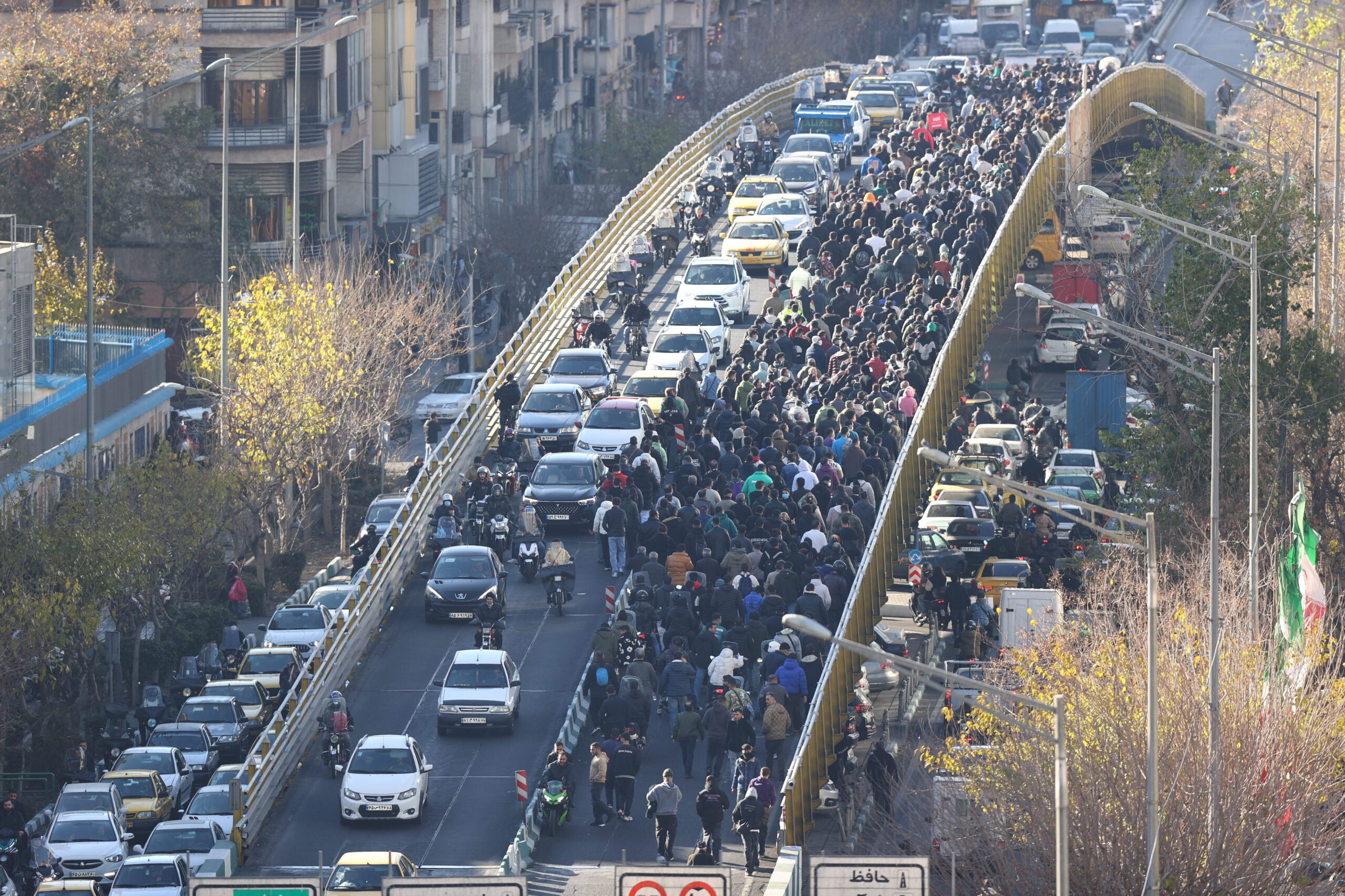
Iran Looms Over Saudi Visit to Washington
Saudi Arabia seeks a U.S. security umbrella strong enough to deter Iran but a diplomatic posture measured enough to avoid provoking Iran unnecessarily.
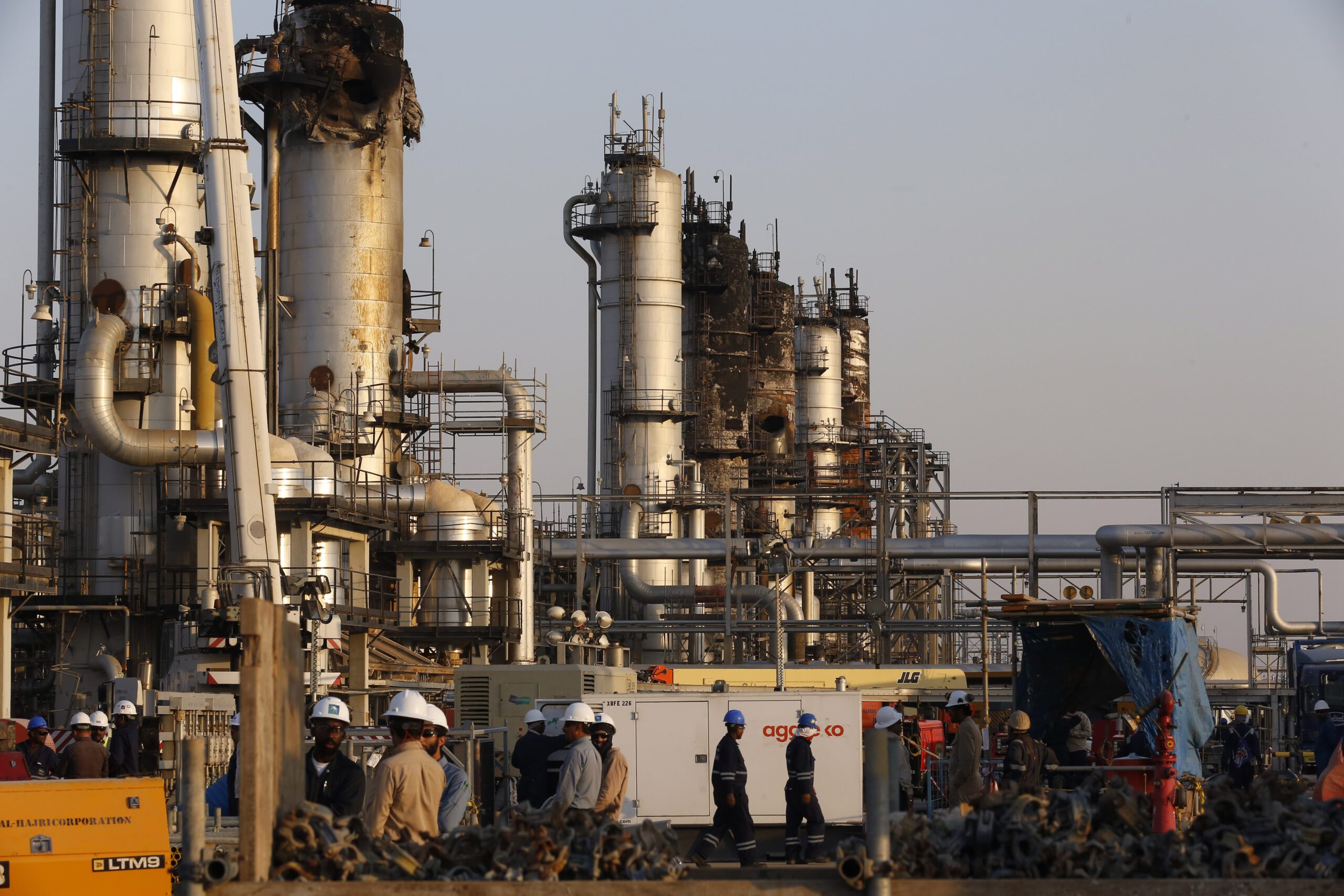
The Pragmatist Who Came In From the Cold: Ali Larijani, Iran’s New Supreme National Security Council Secretary
An Iraqi-born native of Najaf but an unmistakably Iranian nationalist, Ali Larijani is expected to leverage his record of bureaucratic competence and global fluency to coordinate Iran’s security bureaucracy.
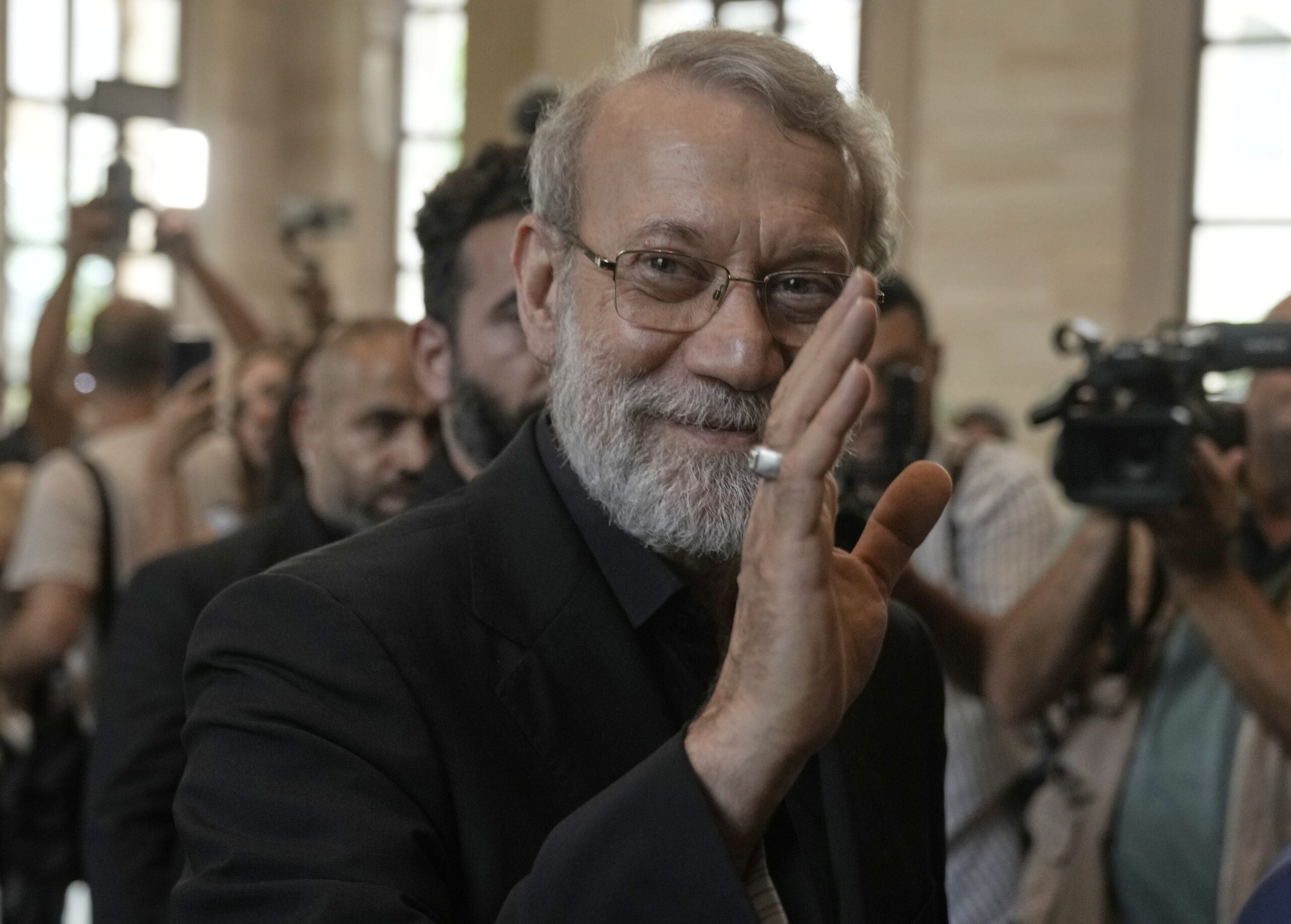
Iran: Perilous Policy Paralysis
Confronted with the clear and present danger posed by Israel, Iran’s collective leadership appears mired in policy paralysis, leaving Iran strategically adrift.
Events
Jan 8, 2026
Outlook 2026: Prospects and Priorities for U.S.-Gulf Relations in the Year Ahead
On January 8, AGSI hosted a virtual roundtable with its leadership and scholars as they look ahead and assess trends likely to shape the Gulf region and U.S. foreign policy during the coming year.
Speakers





Sep 16, 2025
Book Talk: Iran’s Grand Strategy: A Political History
On September 16, AGSI hosted a discussion on the roots of Iran's strategic outlook.
Speakers
Jun 23, 2025
U.S. Strike on Iran: Regional and Diplomatic Fallout
On June 23, AGSI hosted a discussion on the United States' attack on Iranian nuclear sites.
Speakers
Assessing Iranian, U.S., and Gulf Reactions and Options Following Israel’s Unprecedented Attack on Iran
On June 16, AGSI hosted a discussion on Israel's attack on Iran.
Speakers