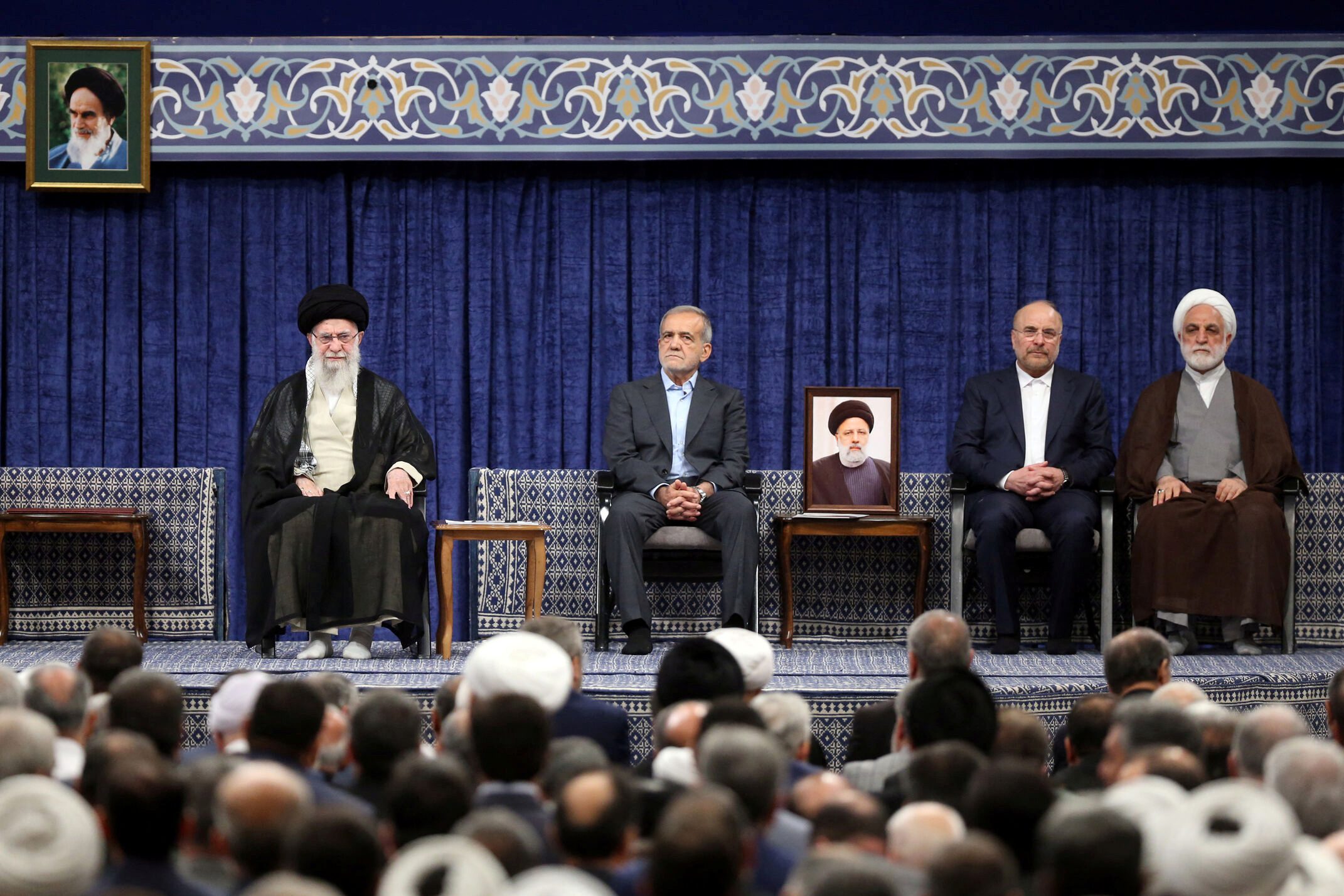
Iranian Supreme Leader Ayatollah Ali Khamenei and President Masoud Pezeshkian attend an endorsement ceremony in Tehran, Iran, July 28, 2024. (Office of the Iranian Supreme Leader/WANA/Handout via REUTERS)
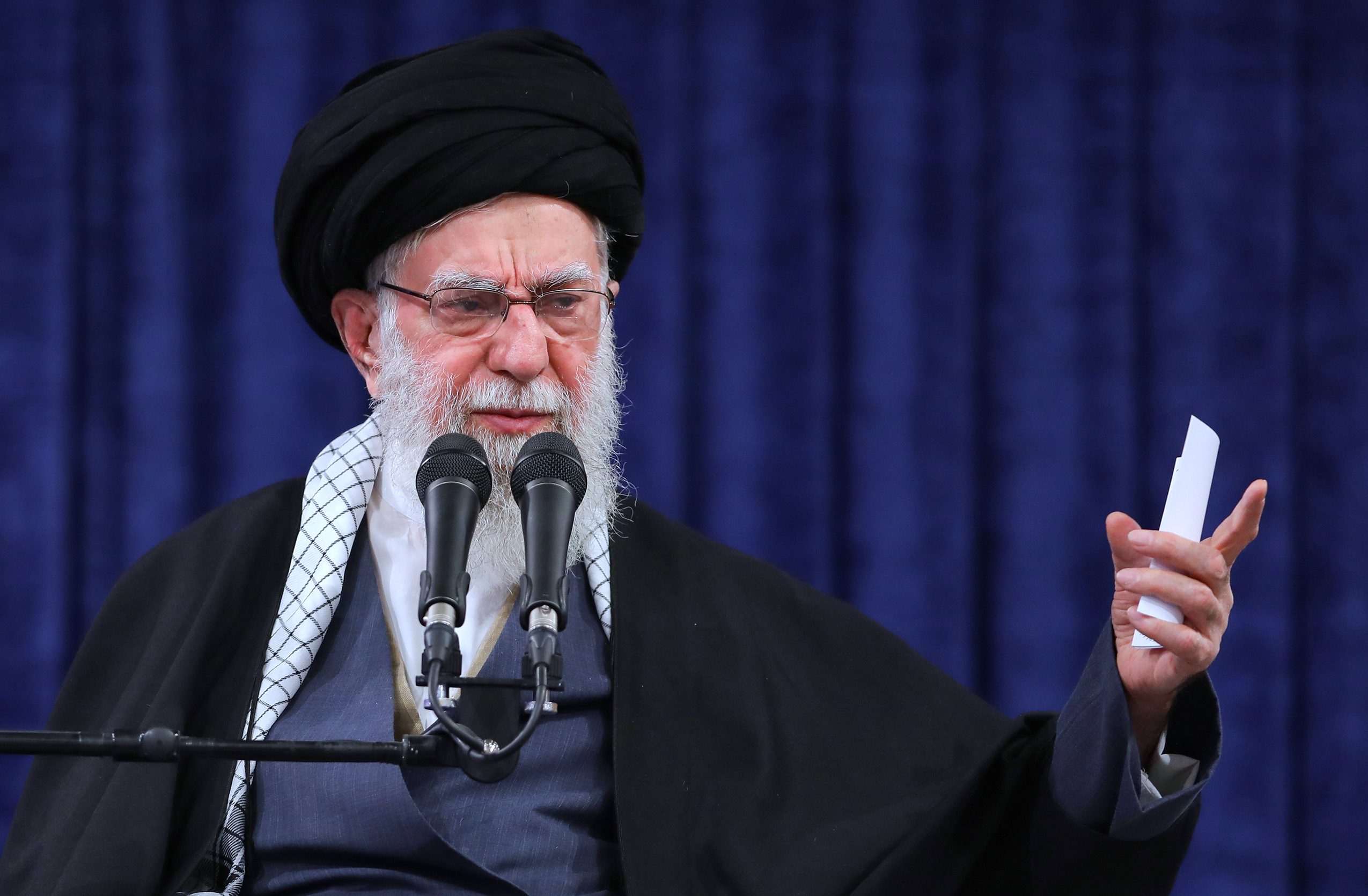
Iran is undergoing a quiet but consequential shift in power. As Supreme Leader Ayatollah Ali Khamenei retreats from the command structure, exacerbated by an Israeli assassination attempt and his prolonged inaccessibility, strategic decision making has increasingly fallen to a de facto collective leadership.
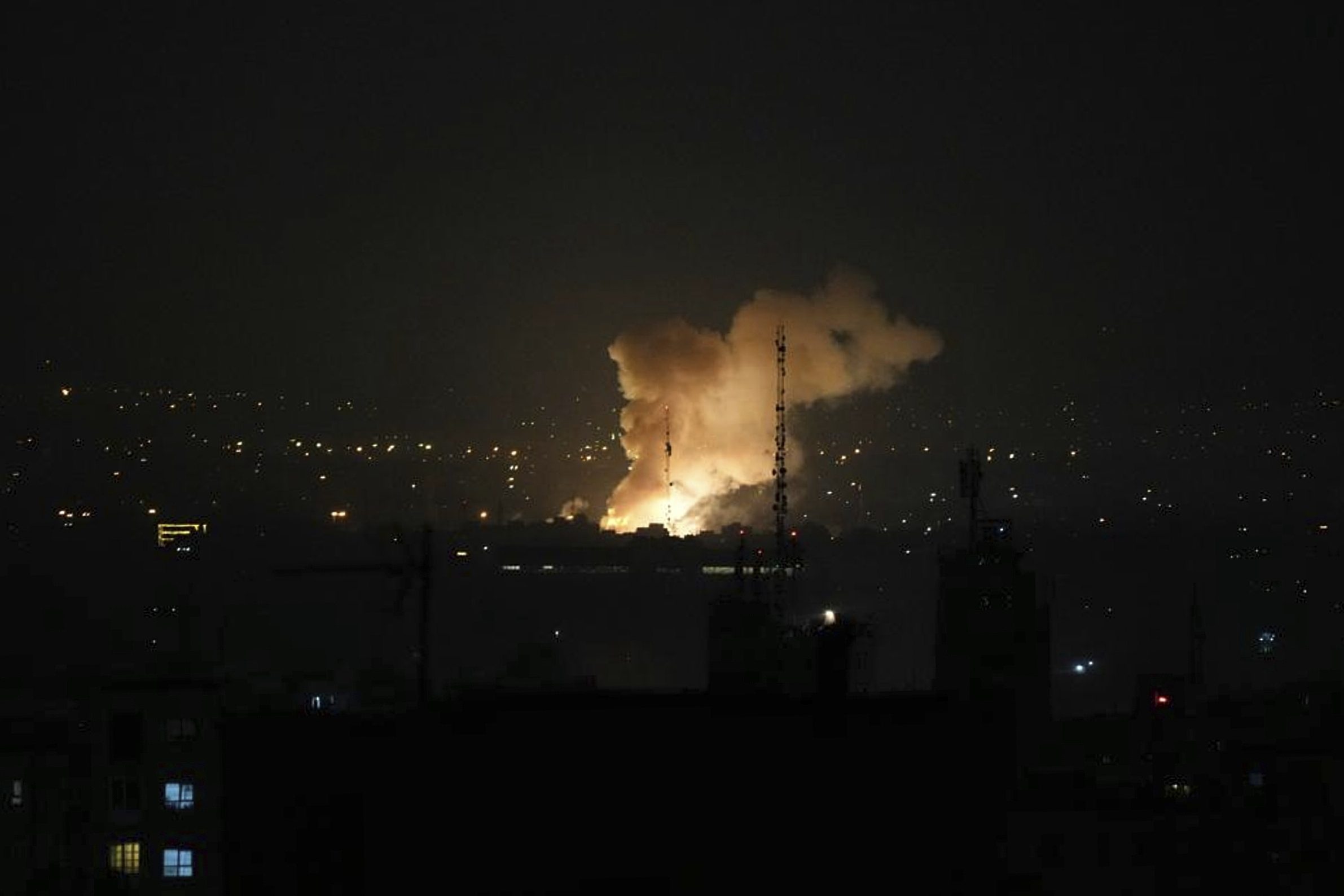
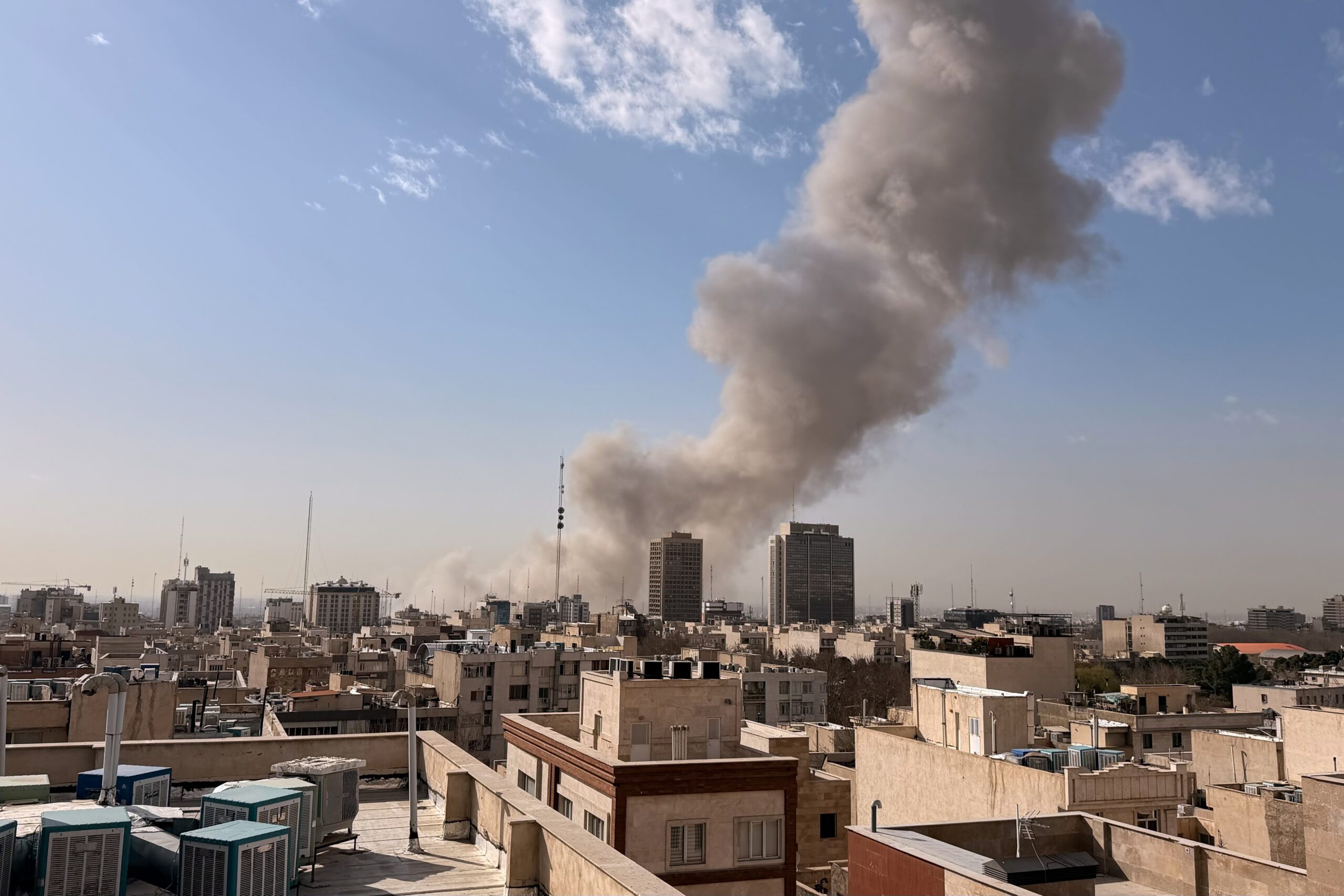
The physical threats to Khamenei do not appear to emanate from President Donald J. Trump, who appears to have lost interest in Iran and is unlikely to initiate further attacks in the near term that could undermine his claims of total victory following the June 22 strikes on Iranian nuclear facilities. Israeli Prime Minister Benjamin Netanyahu, on the other hand, has an interest in breaching the current cease-fire in the conflict involving Israel, Iran, and the United States. Protected by its multilayered air defense architecture against Iran’s missile capabilities, Israel is likely to resume hostilities and may already have begun doing so: Israeli analysts have, for some time, openly debated how to preserve the gains of the war by sustaining kinetic operations to prevent Iran from reconstructing its nuclear infrastructure and missile arsenal, and pro-Israel elements boast of continued Mossad sabotage activities. Thus, Netanyahu’s strategic objectives appear to extend beyond Iran’s de-nuclearization to include, with or without U.S. involvement, regime change in Tehran and the potential fragmentation of the Iranian state.
Israel will seek to realize these objectives through a low-intensity, yet sustained, campaign of covert operations, encompassing psychological warfare; acts of sabotage; targeted assassinations of senior political and military figures, nuclear scientists, and key members of the business elite; and precision strikes against Iran’s military, economic, and energy infrastructure.
On the Iranian side, Israel’s low-intensity warfare is facilitating the emergence of a collective leadership in Tehran. Iranian Supreme Leader Ayatollah Ali Khamenei survived a planned Israeli assassination attempt by severing contact with the regime’s command structure. In his absence, strategic decision making was delegated to a council, the existence of which became public after Israel targeted it, unsuccessfully attempting to eliminate its members. The council is composed of the heads of the three branches of government and senior military commanders: President Masoud Pezeshkian, Parliamentary Speaker Mohammad-Bagher Qalibaf, Judiciary Chief Gholam-Hossein Mohseni Ejei; and representatives from the Islamic Revolutionary Guard Corps, possibly former IRGC Chief Commander Mohsen Rezaei, and the Iranian army.
Despite Rezaei’s claims that Khamenei, in his capacity as commander-in-chief of the armed forces, issued all orders throughout the Iran-Israel conflict, Axios reported that a joint U.S.-Turkish effort to arrange a meeting between Iranian Foreign Minister Abbas Araghchi and Vice President JD Vance failed due to the Iranian government’s inability to reach Khamenei in time for authorization. It is highly likely that Iran’s decision to accept a cease-fire was made without the supreme leader’s formal authorization.
Such a collective leadership is not without precedent and can be traced back to the era of Grand Ayatollah Ruhollah Khomeini. Following Khomeini’s September 22, 1980 heart attack and hospitalization, the Iranian state was effectively governed by a collective composed of then-Parliamentary Speaker Ali Akbar Hashemi Rafsanjani; Ahmad Khomeini, Khomeini’s son; Khamenei, who was soon elected president; and Abdul-Karim Mousavi Ardebili, who later assumed leadership of the Judiciary. This informal leadership arrangement persisted until Khamenei ultimately succeeded Khomeini as supreme leader in 1989.
In more recent times, two major issues were resolved by the Leadership Council. The “Hijab and Chastity Law,” which passed both the Parliament and the Guardian Council, remained unenforced when Pezeshkian, concerned that its implementation would provoke another wave of anti-regime protests, threatened to resign if it was enforced. Ultimately, the Leadership Council, in an extra-legal move, decided to suspend the law. Separately, the council suspended the “Strategic Law,” also approved by the Parliament and the Guardian Council, which prohibited Iran from engaging in nuclear negotiations with foreign powers. In both cases, Khamenei, whether out of indecision, concern over losing face, or disagreement with the heads of the three branches, refrained from public comment.
Israel’s expected sustained low-intensity campaign against Iran is likely to prolong and deepen Khamenei’s isolation. This, in turn, is likely to empower the Leadership Council as the ultimate strategic decision-making body in Iran. The Supreme National Security Council is also likely to emerge from the Iran-Israel conflict as the central consultative and decision-shaping body.
This system of collective leadership has both strengths and weaknesses. On the one hand, it allows for leadership replacement without systemic collapse in the event of renewed Israeli assassinations targeting Iran’s political and military figures. Additionally, a larger policy debate and degree of responsiveness to public pressure may result in more informed decisions that align more closely with public opinion. On the other hand, the system risks slower decision making, a problem that already afflicted the regime prior to the Israeli attack. There is also the potential for elite fragmentation, which could paralyze the regime, and the government may find it increasingly difficult to suppress popular protests without further eroding its legitimacy.
The views represented herein are the author's or speaker's own and do not necessarily reflect the views of AGSI, its staff, or its board of directors.
The current cease-fire may just be an interregnum between rounds of conflict between Israel and Iran, as Iranian decision makers appear more inclined to pursue strategic parity than capitulate.
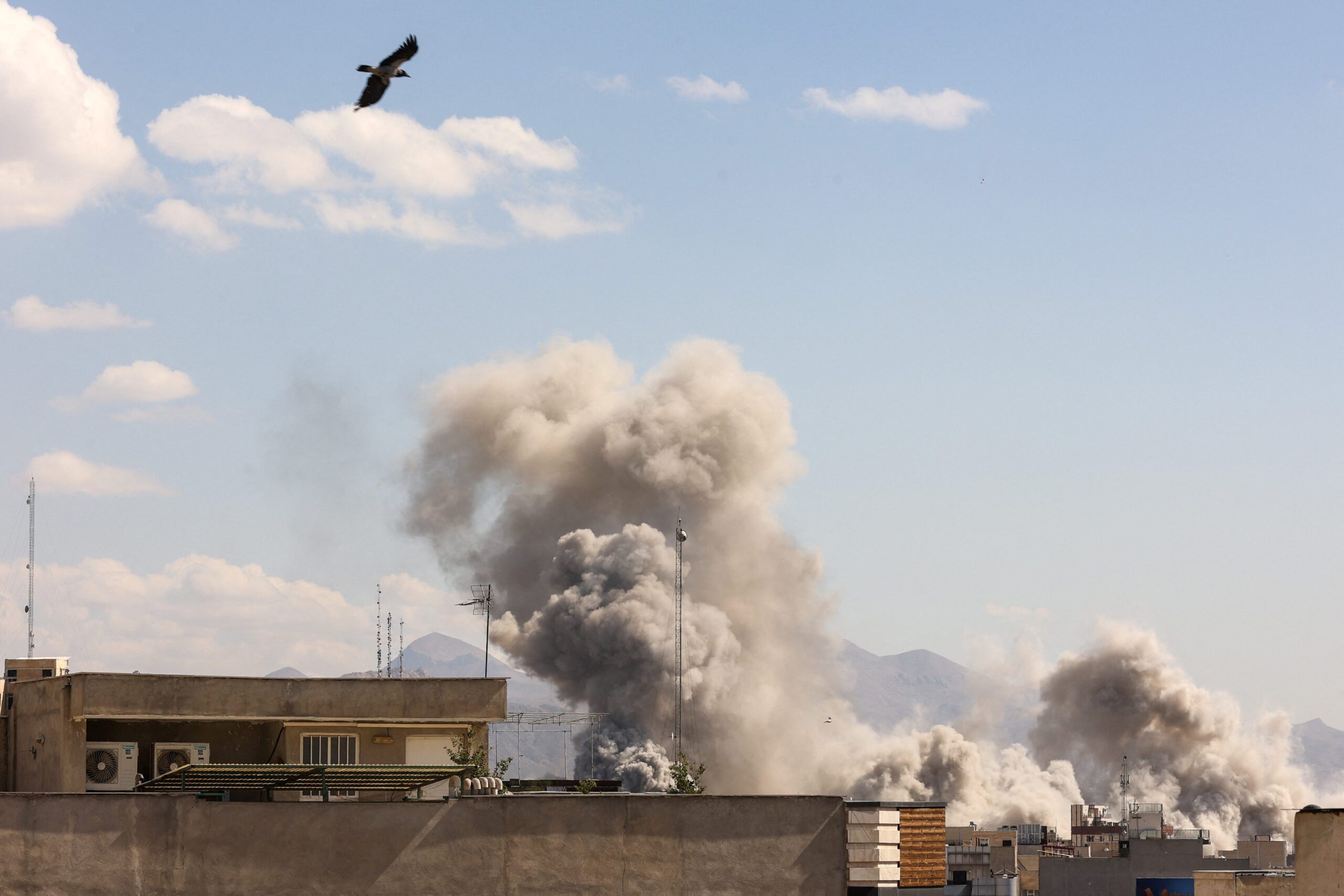
President Trump's attack on Iran's nuclear facilities may or may not have irreparably damaged them, but the Al Udeid strike suggests Tehran is seeking to avoid a prolonged conflict with Washington.
AGSI explains what Israel’s sudden and massive attack on Iran is likely to mean for Gulf Arab states, Iran, the United States, and global and regional economies.
Iran may still call itself an Islamic Republic. In practice, however, it increasingly resembles a state in which the military governs from behind clerical robes.
Ayatollah Ali Khamenei was killed in his office in Tehran at age 86, leaving behind a country in ruins and on the verge of civil war and potential disintegration.
Iran is signaling that it will not absorb attacks passively. But whether this strategy ensures the regime’s survival, seals its fate, or accelerates a broader catastrophe will shape the region for years to come.
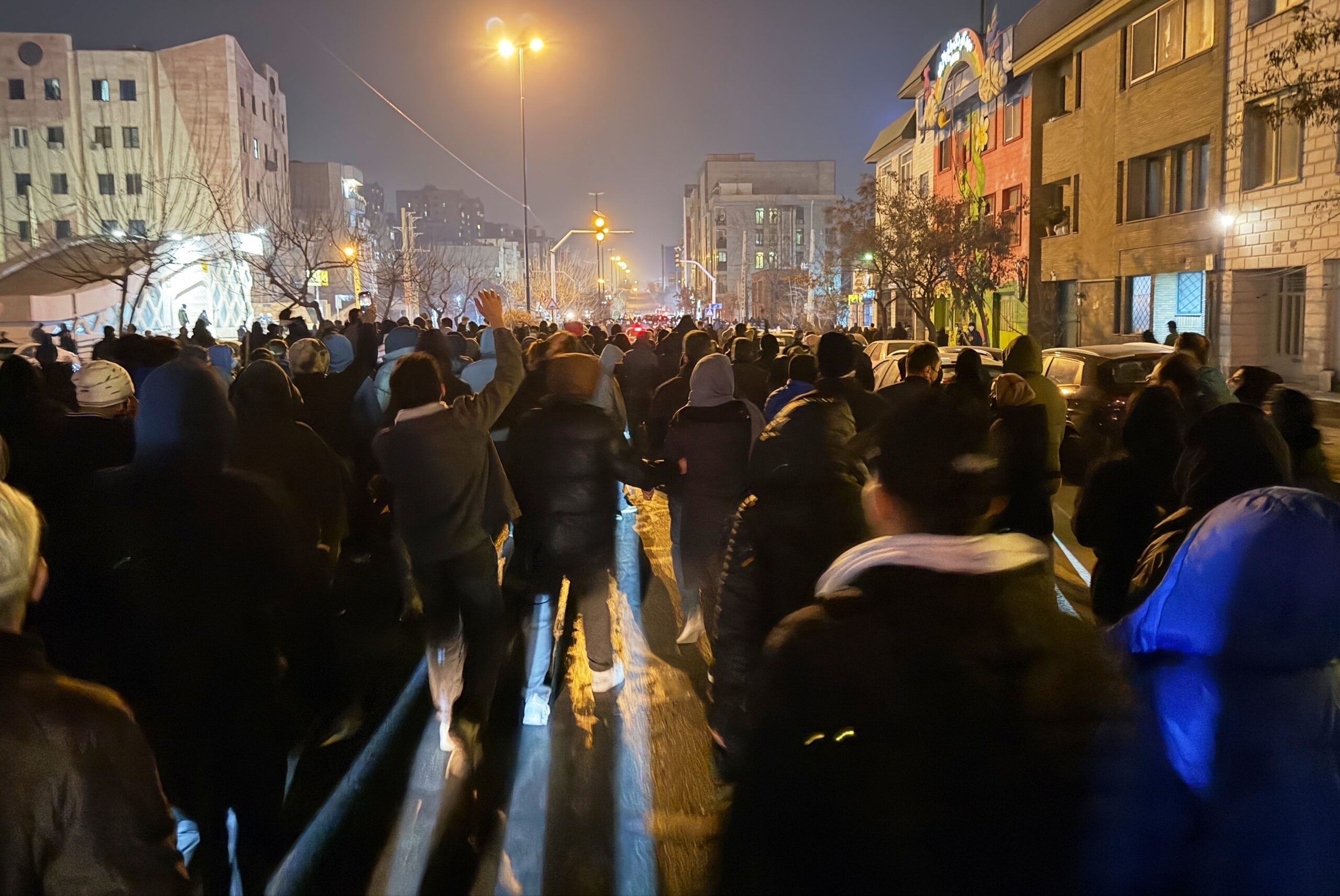
The erosion of the regime’s legitimacy across broad segments of society, combined with the breadth of the 2025-26 protest coalition, raises the possibility that a new confrontation could trigger renewed anti-regime mobilization.
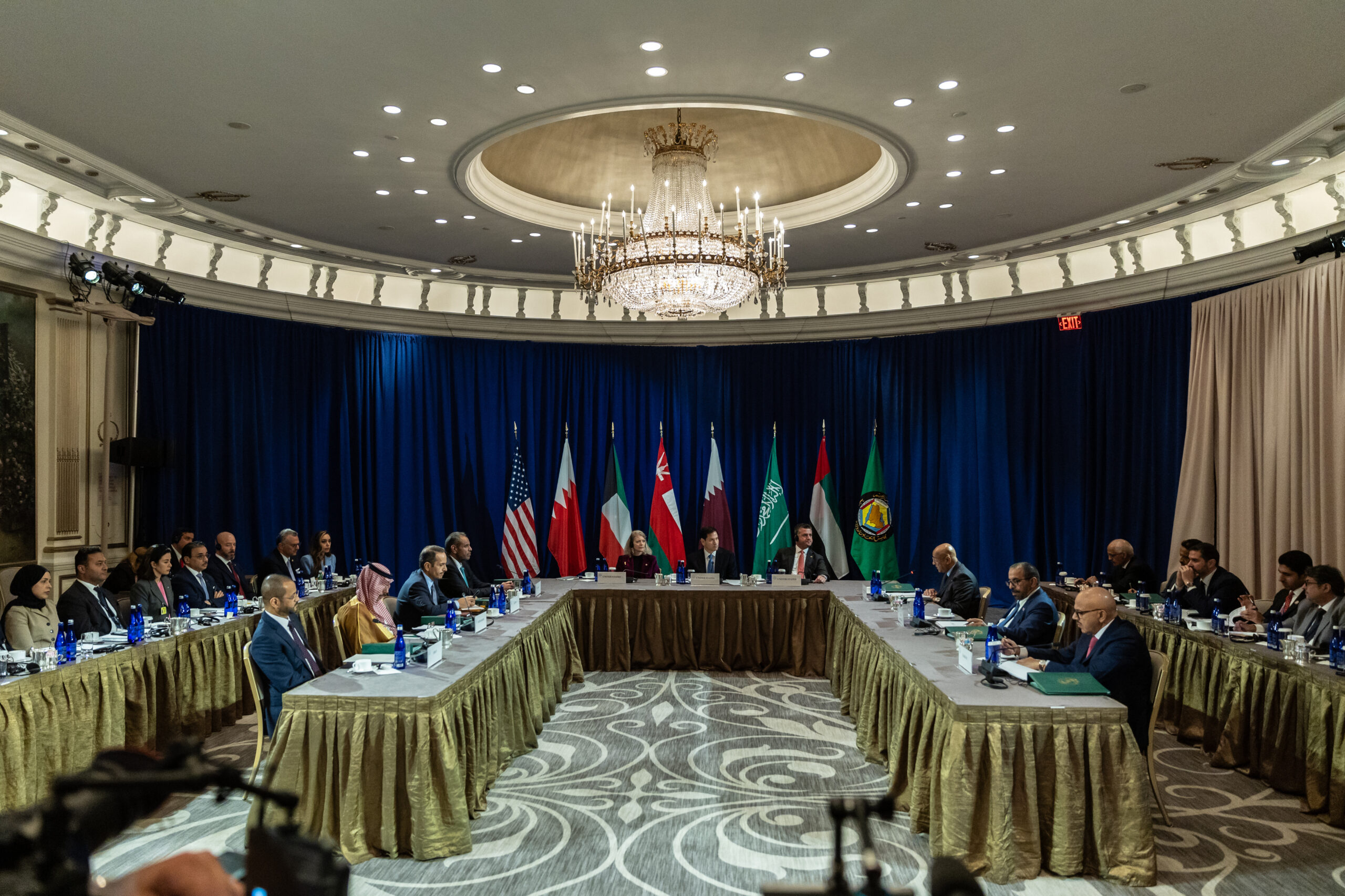
On January 8, AGSI hosted a virtual roundtable with its leadership and scholars as they look ahead and assess trends likely to shape the Gulf region and U.S. foreign policy during the coming year.