Iran After the Lebanon Debacle: Suppress Domestic Dissent and Dash for the Bomb?
Undeterred by the politically and militarily decapitated Hezbollah, Israel is free to target critical components of Iran’s nuclear infrastructure, and Iran's perceived weakness may fuel domestic opposition.
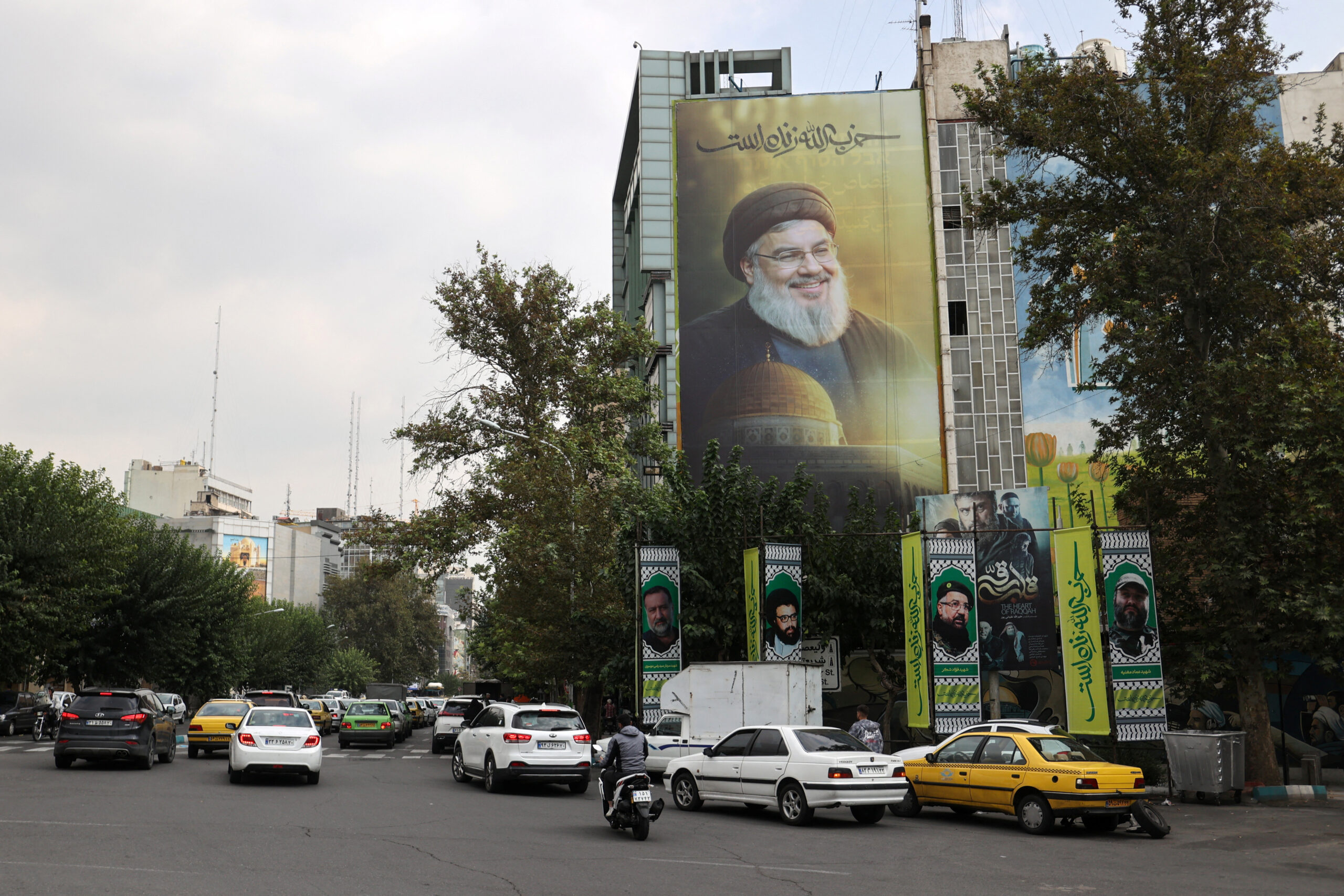
A billboard with a picture of the late leader of Lebanese Hezbollah, Hassan Nasrallah, is displayed on a building in Tehran, Iran, September 29. (Majid Asgaripour/West Asia News Agency via REUTERS)
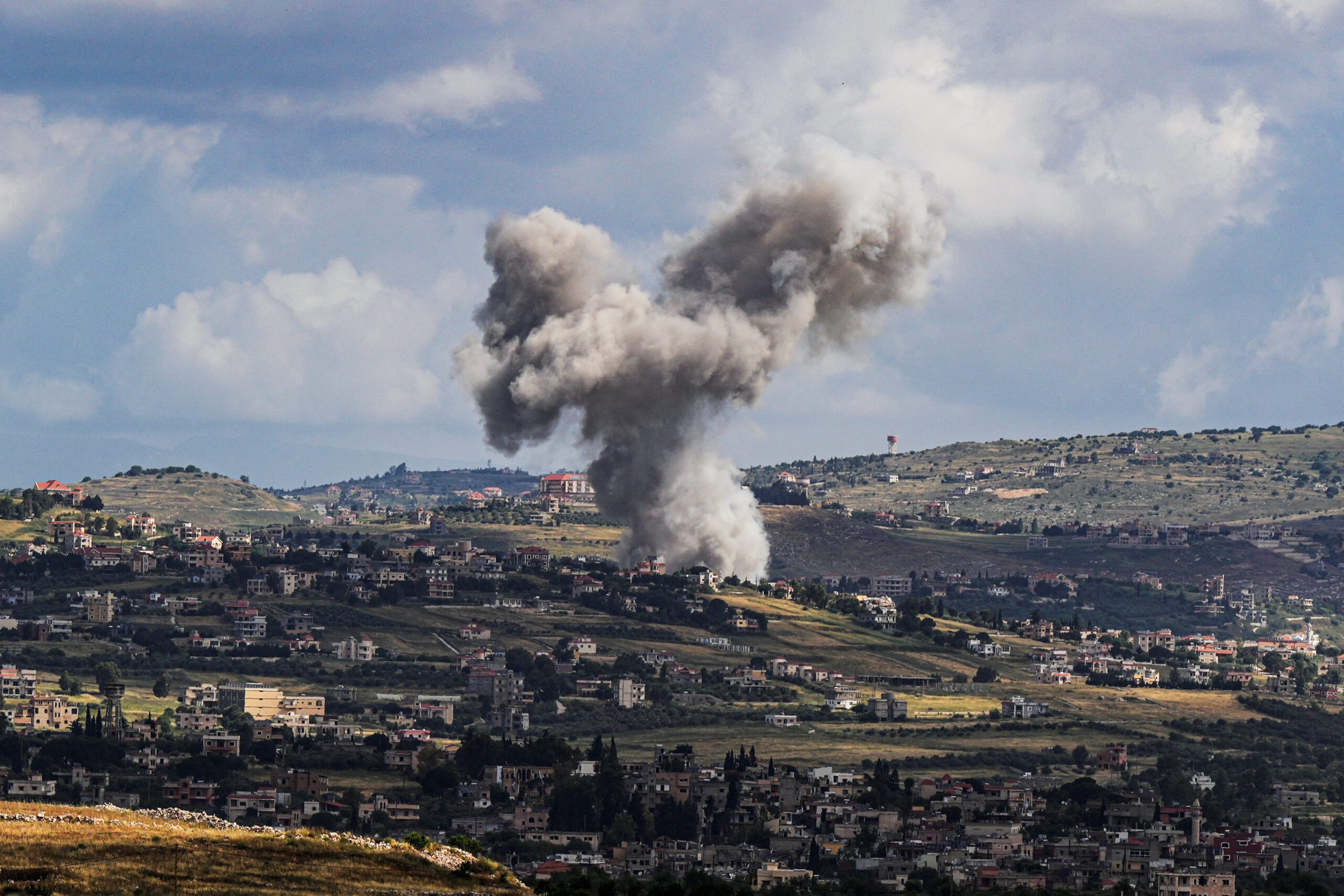
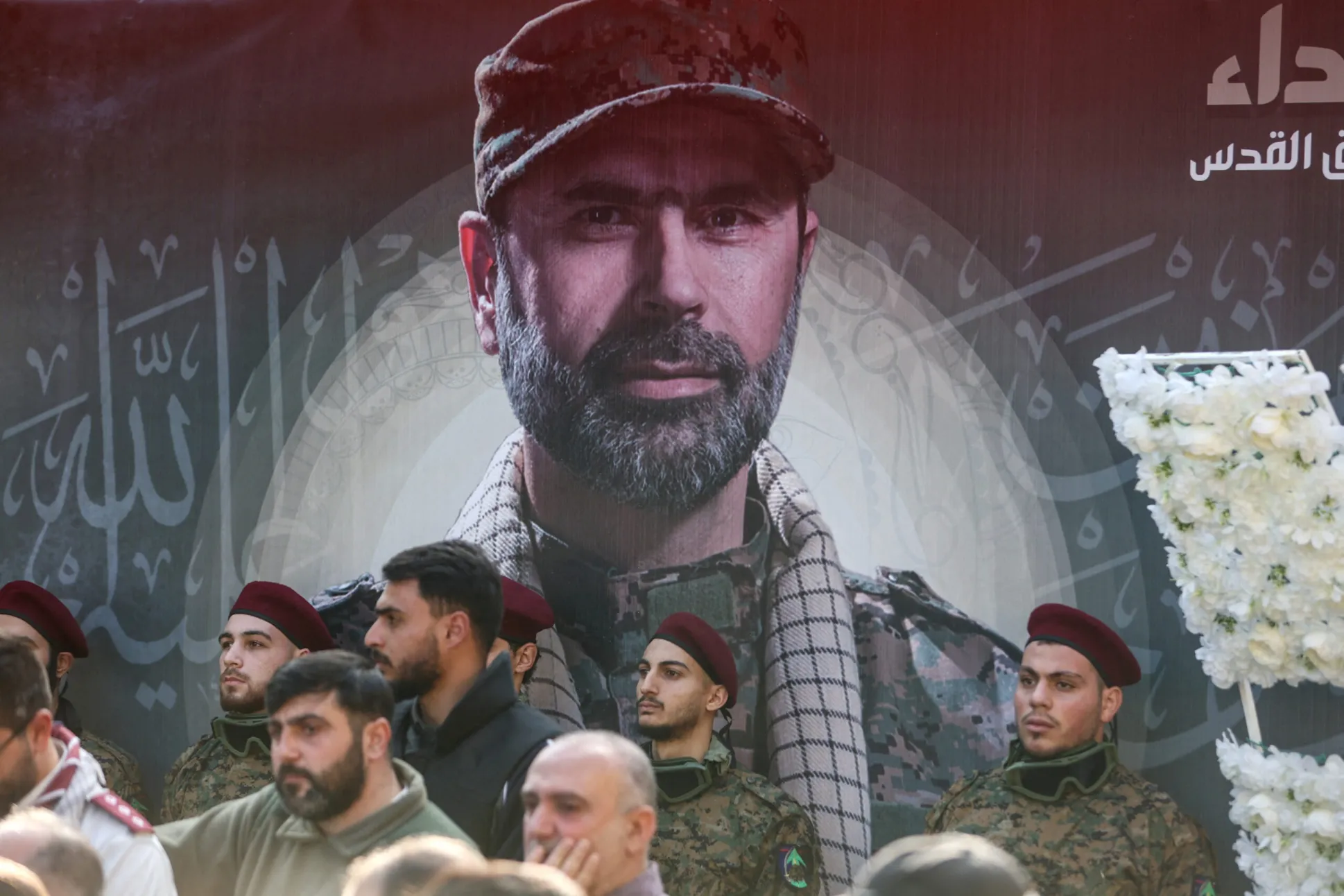
Iran’s recent debacle in Lebanon bears some resemblance to the Argentine military junta’s defeat in the 1982 Falklands War between Argentina and Britian over the Falkland Islands. In an appeal to Argentine nationalism, the junta “reclaimed” the islands, was defeated by Britain after 74 days, and relinquished power in 1983. In similar fashion, the Islamic Republic of Iran dedicated considerable time and effort to forge the much-heralded “axis of resistance,” with Lebanese Hezbollah at its core, to encircle Israel and deter Israeli bombardment of Iran’s nuclear infrastructure. However, since September 17, Israel has seemingly managed to neutralize hundreds of Hezbollah fighters and operatives and assassinated the top military and political leadership of the Lebanese militia.
Undeterred by the politically and militarily decapitated Hezbollah, Israel is free to target critical components of Iran’s nuclear infrastructure. Still worse from the regime’s perspective, Iran’s perceived weakness fuels domestic opposition. Unlike the Argentine military junta, however, there are no indications that Iran’s ruling elites are prepared to relinquish power. Surrendering the nuclear program is not a viable option either, as it poses a risk of regime collapse. Consequently, Iran may pursue a nuclear weapon to establish a balance with Israel and intensify its suppression of domestic dissent.
At one point, Iran’s military doctrine appeared effective: Iran’s nonstate allies and proxies kept adversaries in check, allowing Iran to further develop its nuclear program without risking direct attacks on its homeland and nuclear infrastructure.
The October 7, 2023 Hamas incursion into Israel exemplified this strategy. According to current and former Western and Middle Eastern intelligence officials, Iran had for years lent support to Hamas, its adversary in the Syrian civil war but a tactical ally against Israel, enabling Hamas to deliver the most significant blow to Israel since the October 1973 war. In one swift move, the attack achieved several objectives: derailing the diplomatic normalization process between Saudi Arabia and Israel, humiliating Israel’s military and security establishment, shattering the myth of Israeli invulnerability, and provoking civilian losses that created public relations challenges for Israel. Notably, neither Israeli nor U.S. leadership openly accused Iran of orchestrating the October 7 attack, thus avoiding direct conflict with Iran. It seemed Iran’s military doctrine was working.
However, whatever benefits accrued to Iran from October 7 were short lived. Rather than confining the war to Gaza, Israel expanded its military operations against Hezbollah and conducted an airstrike April 1 targeting the Iranian Embassy complex in Damascus, Syria, killing eight Islamic Revolutionary Guard Corps officers. Although Israel did not claim responsibility for this attack, Tehran publicly vowed retaliation, launching drones as well as cruise and ballistic missiles against Israel April 13 in a significant escalation. While most of these projectiles were intercepted by Israeli and allied air defense systems, the action demonstrated Iran’s resolve and capability to defend itself. Israel’s limited response on April 19, which targeted an air defense facility in Isfahan, could be interpreted as a sign of the efficacy of Iran’s deterrence.
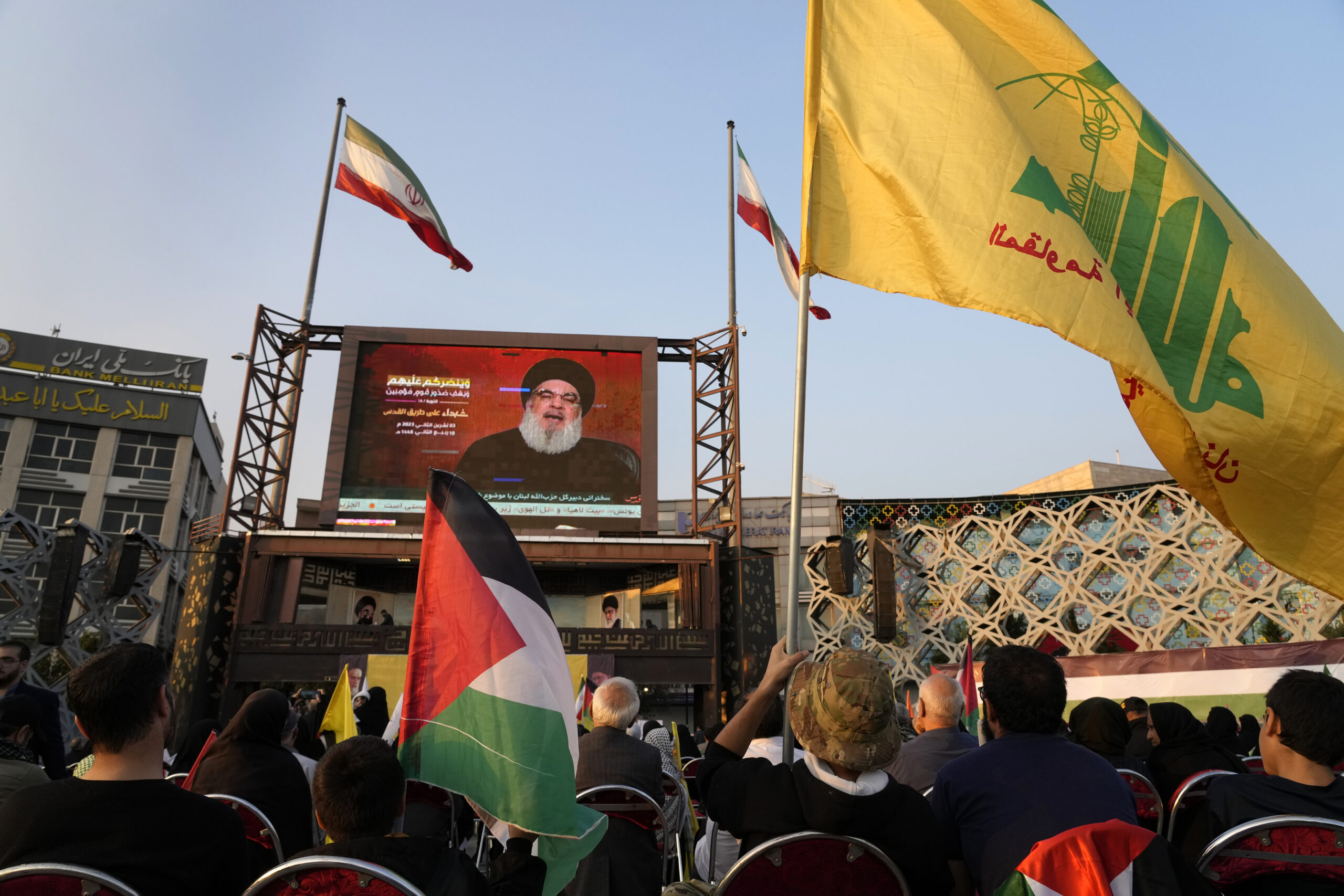
Despite this, Israel continued its attacks, including the July 31 assassination in Tehran of Ismail Haniyeh, chairman of the Hamas Political Bureau, and a series of targeted strikes against Hezbollah beginning September 17 and culminating in the September 27 assassination of Hezbollah Secretary General Hassan Nasrallah. While none of these actions were officially claimed by Israel, Israeli agency was understood, underscoring Iran’s inability to deter further Israeli strikes.
With Hezbollah politically and militarily weakened, Iran’s air defenses incapable of shielding the country against technologically superior Israel, and Iran’s limited capacity to launch sustained missile attacks against Israel, Iran’s nuclear installations are increasingly exposed to Israeli strikes. This precarious situation for the Iranian regime may not just invite Israeli bombardment of Iran’s nuclear infrastructure but also embolden oppositional-minded Iranians to initiate a new wave of anti-regime protests.
In light of these challenges, Supreme Leader Ayatollah Ali Khamenei and Iran’s ruling elites see themselves facing a stark choice: surrender or opt for nuclear breakout to establish a balance with Israel. If the fate of Libyan dictator Muammar al-Qaddafi serves as a warning, Iran’s surrendering of its nuclear capabilities to the United States would not guarantee regime survival; it may instead incite domestic rebellion, and, as seen in Libya in 2011, the United States or other powers could launch air campaigns in support of the opposition.
Therefore, it is likely that the regime will increase its suppression of domestic dissent while also possibly racing to acquire nuclear weapons before Israel targets its nuclear infrastructure, even at the risk of military confrontation with the United States. While it’s straightforward to sketch out the dilemma, it is more difficult to see this carefully calculating regime – bold only with the moves and casualties of its proxies – shedding ambiguity and lurching toward such a fateful decision. But that the dilemma is now so stark shows how much things have changed in the past six months.
The views represented herein are the author's or speaker's own and do not necessarily reflect the views of AGSI, its staff, or its board of directors.
By increasing attacks to the north, Israel may be aiming to provoke Hezbollah into a disproportionate response, justifying a harsher, more prolonged Israeli military response and in effect prolonging the war in Gaza.
Iran and its allies appear to be engaged in symbolic actions against Israeli and U.S. forces rather than openly provoking a war, but these theatrics still risk igniting a regional war all involved parties want to avoid.
Reports on Hezbollah’s fatalities provide some insight into the structure of Hezbollah’s military units and strengthen the perception of a relatively low risk of the war expanding into Lebanon.
Iran may still call itself an Islamic Republic. In practice, however, it increasingly resembles a state in which the military governs from behind clerical robes.
Ayatollah Ali Khamenei was killed in his office in Tehran at age 86, leaving behind a country in ruins and on the verge of civil war and potential disintegration.
Iran is signaling that it will not absorb attacks passively. But whether this strategy ensures the regime’s survival, seals its fate, or accelerates a broader catastrophe will shape the region for years to come.
The erosion of the regime’s legitimacy across broad segments of society, combined with the breadth of the 2025-26 protest coalition, raises the possibility that a new confrontation could trigger renewed anti-regime mobilization.
On January 8, AGSI hosted a virtual roundtable with its leadership and scholars as they look ahead and assess trends likely to shape the Gulf region and U.S. foreign policy during the coming year.