Dec 20, 2024
Former SNSC Secretary Shamkhani Meets Iranian Youth
The December 20 edition of the Iran Media Review explores responses by the former Supreme National Security Council secretary to questions from Iranian students criticizing regime policies.

Whenever there is public criticism of Iran’s evident shortcomings, it is as if the country has no government, and everyone belongs to the opposition. This includes Supreme Leader Ayatollah Ali Khamenei, who, in such circumstances, has claimed he had always opposed the criticized policy, and had everyone else followed his advice, the problem never would have occurred in the first place. Presidents, in turn, have claimed their hands were tied regarding criticized policies: Former President Mohammad Khatami went as far as claiming he was “a mere logistician” and, in practice, not the head of the executive branch.
Admiral Ali Shamkhani, Supreme National Security Council secretary from 2013-23, is an exception. In videos of a recent meeting with a group of students, he not only exposed himself to critical questions, he also accepted his share of responsibility for shortcomings of the regime since 1979. It remains to be seen if the meeting is an attempt by Shamkhani to improve his reputation or marks a general shift in behavior of regime officials toward the younger generation, which has expressed feelings of being ignored by Iran’s ruling elites.
- December 11: In a three-part interview released by Nour News Agency, a mouthpiece of the SNSC (Part 1, Part 2, Part 3), Admiral Ali Shamkhani defended the Iranian regime’s track record but also admitted many shortcomings:
- Student representative: “Looking at the economic circumstances today, are you happy with my generation’s living standards? Is this what you wanted to achieve for us in the course of the revolution and war?” Following a long introduction, Shamkhani admitted: “There is a big difference between what has happened and the goals we pursued back then. Why did this happen? Is it possible to correct course? When it comes to why the situation is how it is today, you can’t just blame individuals. You can’t just blame the domestic circumstances.”
- Student representative: “If we define treason as acts against national interests, and here I am asking my question to you bluntly, among the presidents of the Islamic Republic, which president since Mr. Abolhassan Banisadr has harmed Iran the most? Was it, for example, Mr. Mahmoud Ahmadinejad?” Shamkhani cautioned against accusing people of treason but added: “The person who created conflicts in society, the person who squandered financial means and has yet to be held accountable for it, the person who started the culture of denunciations, the person who reduced the field of politics into an arena of exchanging expletives, well, this was the work of Mr. Ahmadinejad.”
- Student representative: “I’m 21 years old and representative of a generation that no longer believes it is possible to establish a dialogue between society and the ruling regime. What needed to be said was said, but nobody listened.” Shamkhani responded to the comment: “The reason why somebody as old as me still holds public office is an indication that we don’t understand your generation. We have not managed to find successors for ourselves.”
- A student representative asked if the SNSC Secretariat had made the decision to shut down the internet in 2019. Shamkhani answered: “When it comes to shutting off the internet in November 2019, President Hassan Rouhani authorized Interior Minister Ahmad Vahidi to do so. I did not oppose the decision. This does not mean that I, under those circumstances, opposed it … It was for a limited period of time. A week.”
- Student representative: “Was it effective Mr. Shamkhani?” Shamkhani responded that “certain organizations” referencing foreign intelligence services “have created systems that are like sleeping wolves.” He continued, “It means they are free to act. Their mission is to provoke incidents and start uprisings, serving the purpose of weakening the prestige of the regime, and, ultimately, to overthrow the regime.” When a student representative interjected that Iran can’t shut down the internet unless the regime desires Iran to be a state like North Korea, Shamkhani said: “Iran can never be remade into North Korea. The people of Iran, Iranians, with their history, cannot be compared with North Koreans.” The student representative insisted: “Mr. Shamkhani, I’m glad you know this. This is why I am arguing that in cultural issues, the regime cannot impose its will on society. The regime cannot securitize cultural issues. You need to persuade the people, encourage the people, explain things to the people. Why are we making an issue such as the hijab and chastity bill into a polarizing issue in society? Why are we provoking fights and increasing societal tensions?”
- Turning to domestic political issues, Shamkhani said: “When it comes to domestic issues, there are many parties with vested interests. It’s difficult to reach consensus.”
The views represented herein are the author's or speaker's own and do not necessarily reflect the views of AGSI, its staff, or its board of directors.
Related
Iran Media Review
Dec 17, 2024
Iranian Reformists Weaponize Assad’s Fall Against the IRGC
The December 17 edition of the Iran Media Review considers calls by reformist politicians for civilian control over the military and national security decision making in Iran.
Iran Media Review
Dec 13, 2024
Khamenei on Syria: Defiance in Defeat
The December 13 edition of the Iran Media Review explores the Iranian supreme leader’s first public statement in the wake of the collapse of the Assad regime in Syria.
Dec 17, 2024
Iranian Reformists Weaponize Assad’s Fall Against the IRGC
The December 17 edition of the Iran Media Review considers calls by reformist politicians for civilian control over the military and national security decision making in Iran.
Dec 13, 2024
Khamenei on Syria: Defiance in Defeat
The December 13 edition of the Iran Media Review explores the Iranian supreme leader’s first public statement in the wake of the collapse of the Assad regime in Syria.
Analysis
The Islamic Republic Returns to Offense
After U.S.-Israeli strikes killed Supreme Leader Ayatollah Ali Khamenei on February 28, Iran’s collective leadership has concluded that the best defense is a good offense.
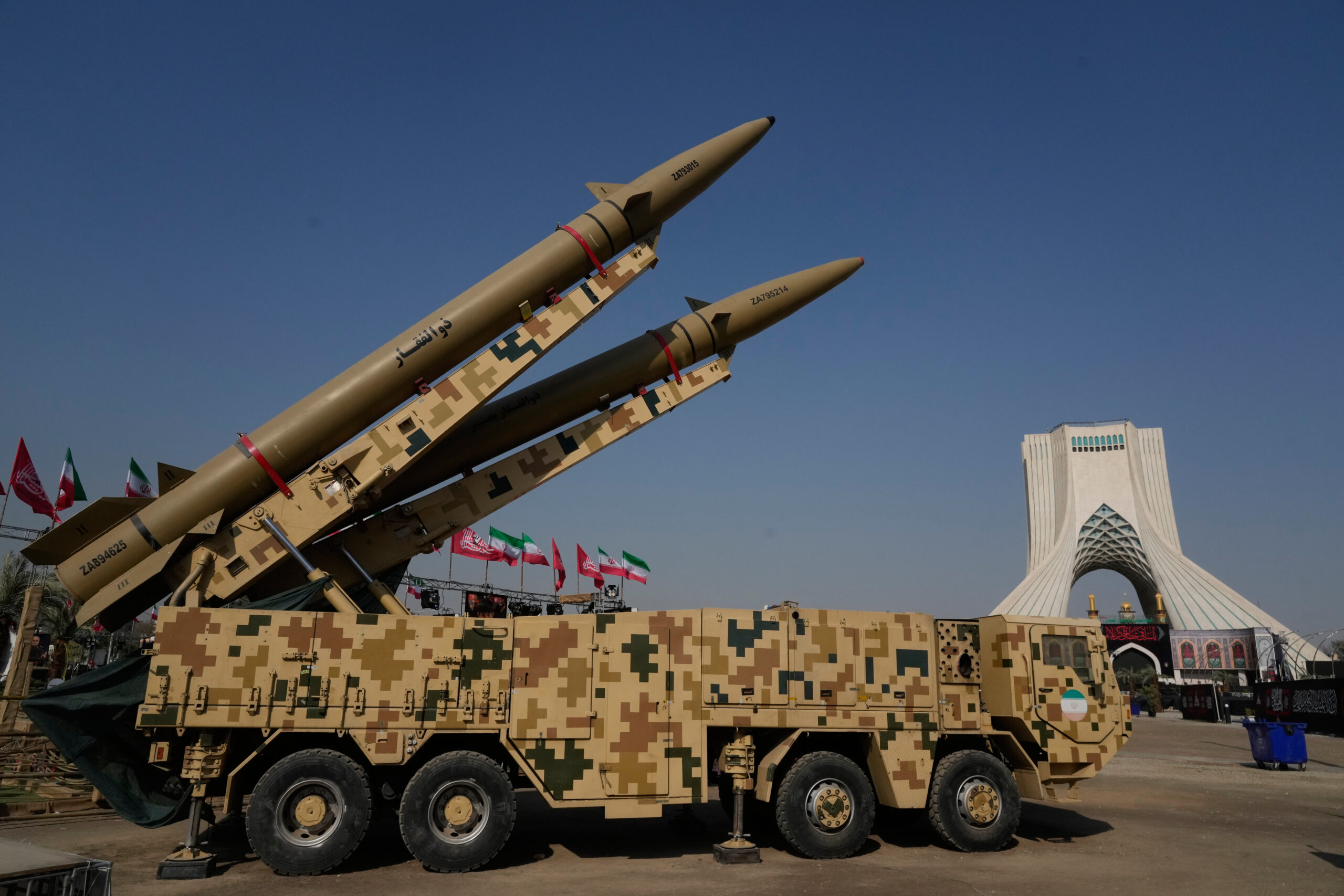
Iran’s Collective Strategic Decision Making
Wartime pressure has temporarily aligned the leadership’s overriding interest in regime survival, even as its members continue to differ over the costs, methods, and ultimate objectives of the war.
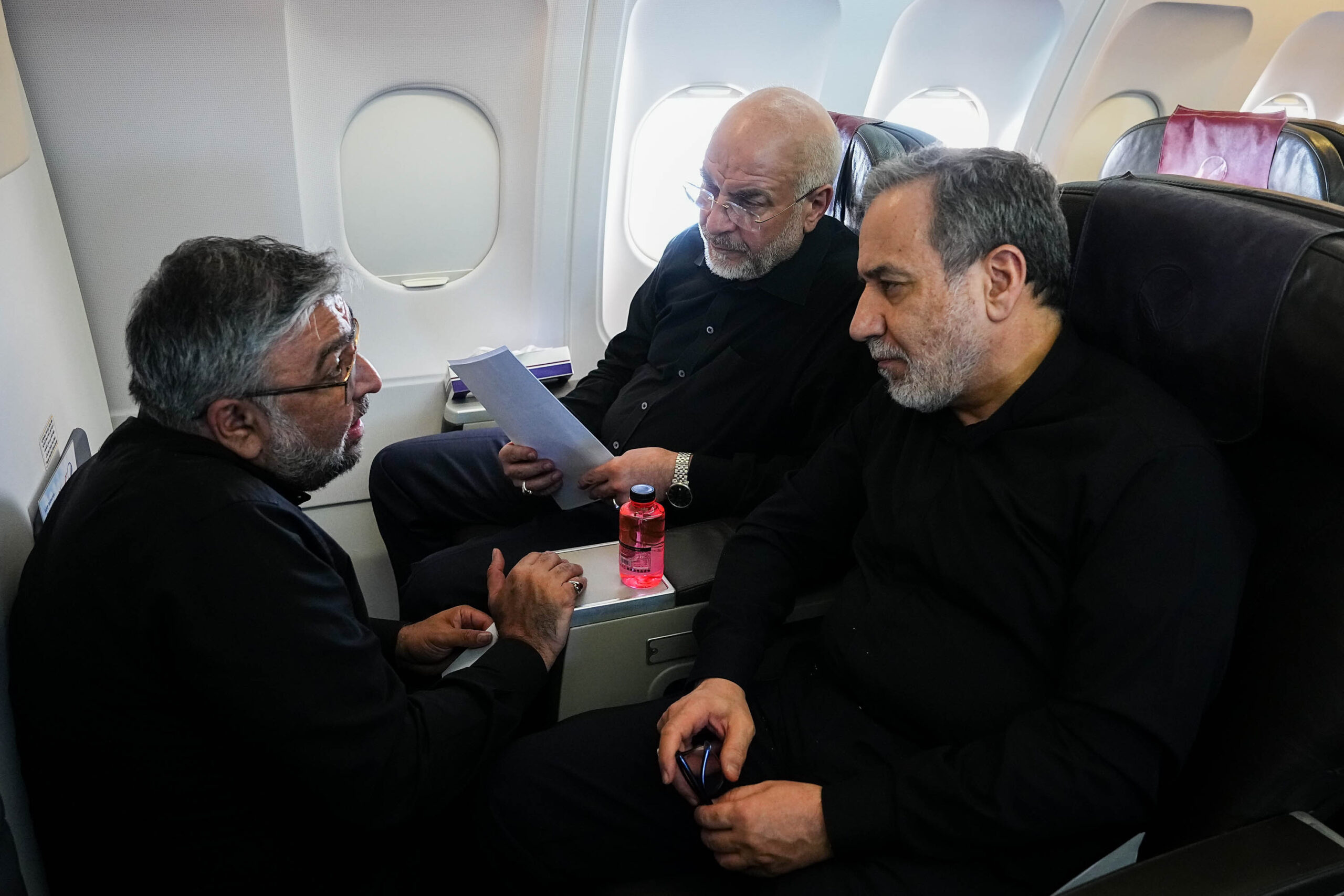
The Islamic Republic’s Collective Leadership
While there is historical precedent for collective leadership in Iran, today’s leadership includes representatives of the IRGC and regular military – a reflection of the IRGC’s expanding role and the necessities of governing under wartime conditions.
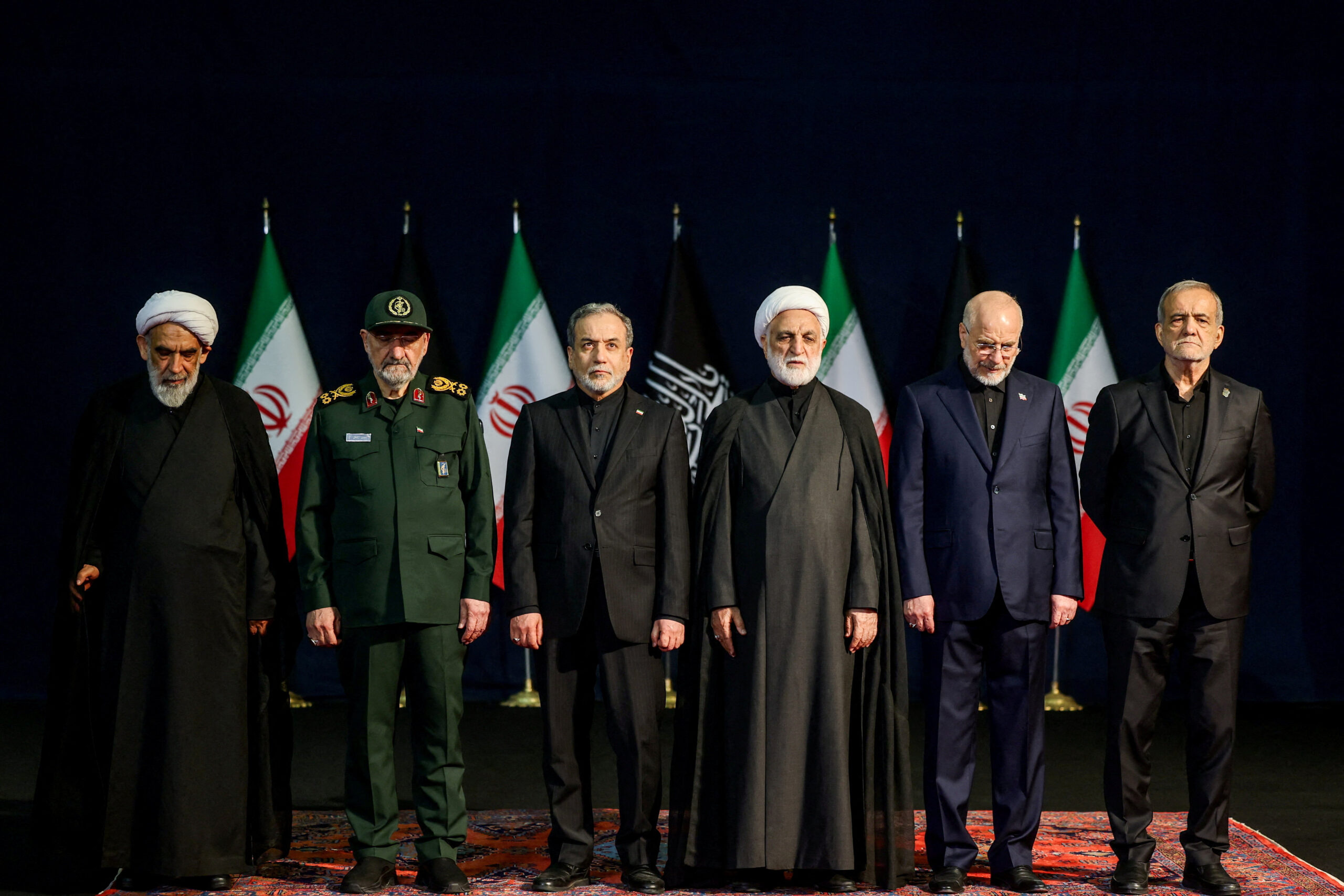
How Did the IRGC Seize Power in Iran?
The IRGC did not seize power in a single stroke. It accumulated it – patiently, methodically – until no counterweight remained.
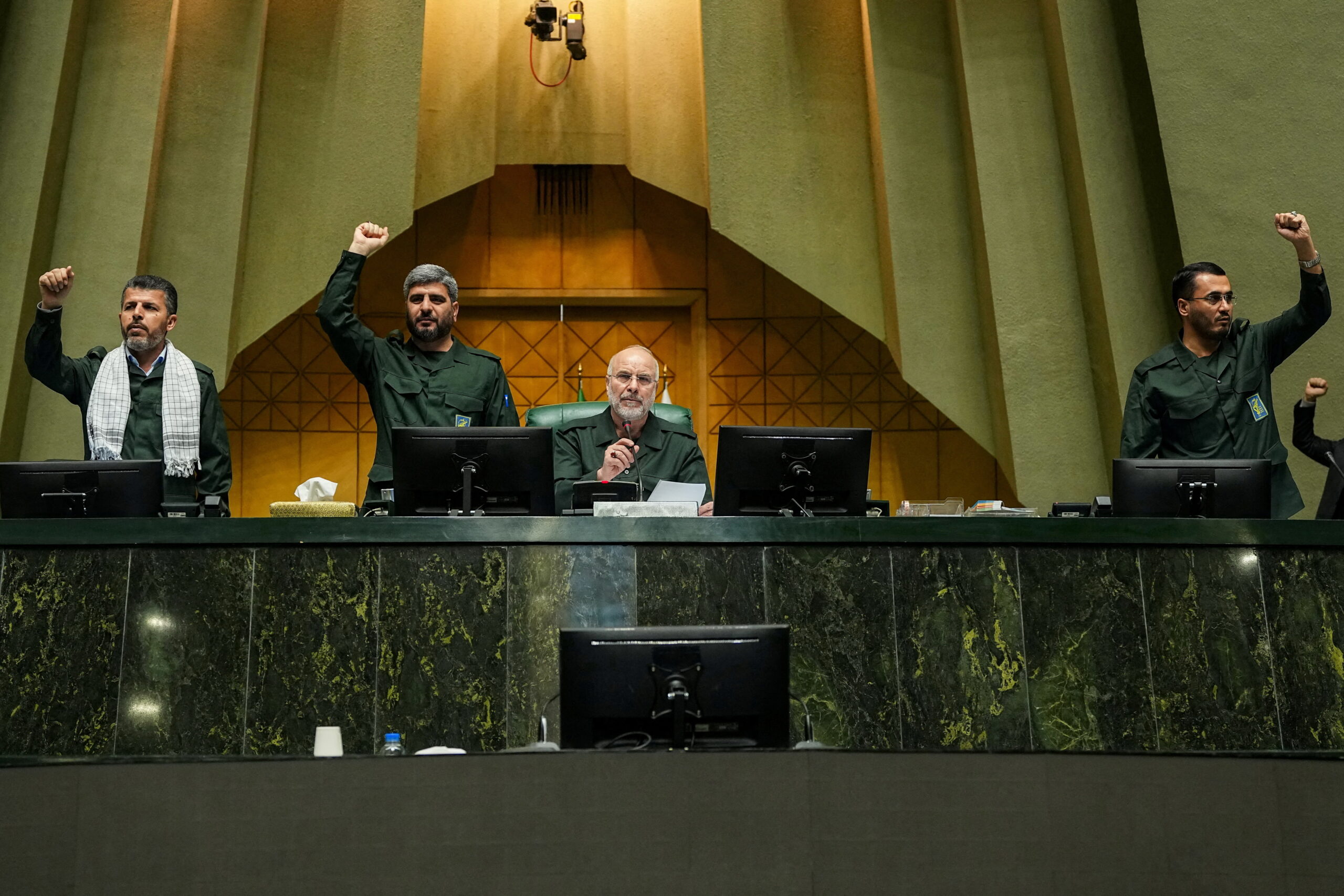
Events
Book Talk: Iran and the Bomb: The United States, Iran and the Nuclear Question
On June 16, AGSI hosted a discussion on the evolution of Iran's nuclear program.
Speakers

Apr 21, 2026
Inside Iran’s Wartime Leadership: Power, Succession, and Regime Stability
On April 21, AGSI hosted a discussion on the evolution of Iran's leadership during the war.
Speakers

Mar 18, 2026
In Its Conflict With the United States and Israel, Does Escalation Favor Iran?
On March 18, AGSI hosted a discussion on the escalation of the Iran war.
Speakers

Mar 2, 2026
After the Shock: Implications of the U.S.–Israeli Strikes and Iran’s Leadership Transition
On March 2, AGSI hosted a discussion on the U.S.-Israeli strikes on Iran.
Speakers