Nov 7, 2025
Foreign Minister Araghchi: Negotiations With the U.S. Not a “Positive Experience”
The November 7 edition of the Iran Media Review analyzes an address by the Iranian foreign minister about past negotiations with the United States.

Recent statements by Iranian Foreign Minister Abbas Araghchi suggest that neither Washington nor Tehran is in any rush to return to the negotiating table, leaving U.S.-Iranian relations in a state of limbo.
- November 6: Islamic Revolutionary Guard Corps-affiliated Fars News Agency quoted an address Foreign Minister Abbas Araghchi made to a group of university students during a visit to Hamadan province:
-
- “We negotiated and agreed to the Joint Comprehensive Plan of Action in good faith, and, despite all differences of opinion, the agreement was approved by the Parliament and Supreme National Security Council. We also implemented everything in good faith. And what happened? The United States withdrew from it.”
-
- “In the recent period, we entered negotiations and held five rounds of talks; the same was true in New York regarding the snapback issue. Of course, we have never had any positive experience in negotiating with the United States.”
-
- “We have repeatedly said that we are ready to negotiate but not to listen to orders and have terms dictated to us by the other side.”
-
- Addressing critics of the JCPOA within Iran, Araghchi said: “The JCPOA kept the country away from those resolutions for at least 10 years. Now, you may object and ask why it did not become permanent or why it was not extended to 20 years. Yes, such objections could be valid. But let us pay attention to what we are arguing about. Besides, all of that is in the past, and it was the United States that betrayed the negotiations and then went on to start the war.”
The views represented herein are the author's or speaker's own and do not necessarily reflect the views of AGSI, its staff, or its board of directors.
Related
Iran Media Review
Nov 4, 2025
Foreign Minister Araghchi on Future Negotiations With the United States
The November 4 edition of the Iran Media Review examines comments by Iran’s foreign minister about the United States’ “unreasonable demands” on Iran.
Iran Media Review
Oct 31, 2025
Iran: Bleak Economic “Future” Prospects
The October 31 edition of the Iran Media Review considers a report addressing the fragility of Iran’s state-linked financial sector.
Iran Media Review
Oct 28, 2025
Former IRGC Chief Weighs In on Potential for Renewed Conflict With Israel
The October 28 edition of the Iran Media Review highlights an interview with former IRGC Commander Major General Mohammad Ali Jafari about the possibility of a new war with Israel.
Nov 4, 2025
Foreign Minister Araghchi on Future Negotiations With the United States
The November 4 edition of the Iran Media Review examines comments by Iran’s foreign minister about the United States’ “unreasonable demands” on Iran.
Oct 31, 2025
Iran: Bleak Economic “Future” Prospects
The October 31 edition of the Iran Media Review considers a report addressing the fragility of Iran’s state-linked financial sector.
Oct 28, 2025
Former IRGC Chief Weighs In on Potential for Renewed Conflict With Israel
The October 28 edition of the Iran Media Review highlights an interview with former IRGC Commander Major General Mohammad Ali Jafari about the possibility of a new war with Israel.
Analysis
Political Life and Legacy of Iran’s Ayatollah Khamenei
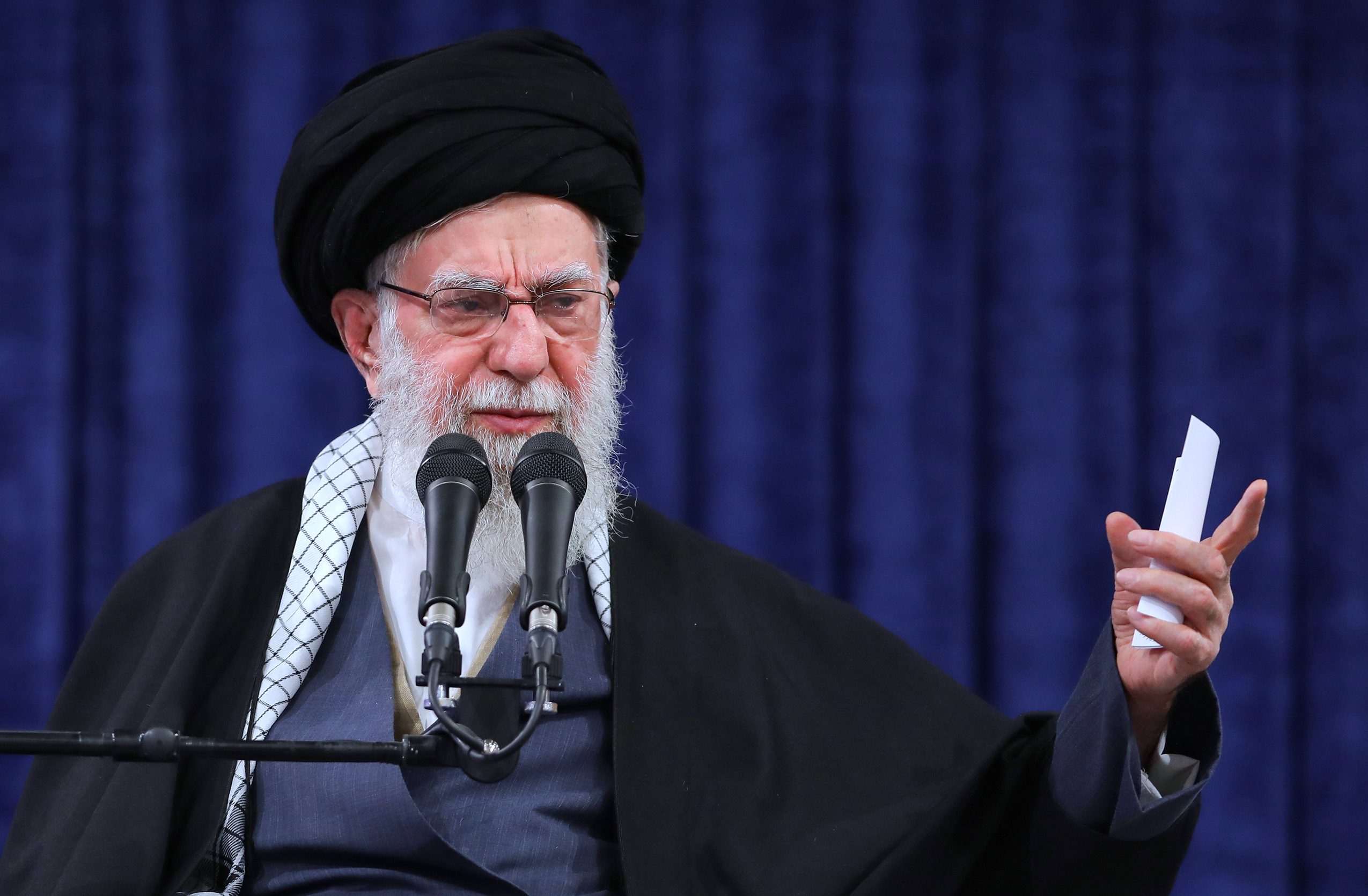
Ayatollah Ali Khamenei was killed in his office in Tehran at age 86, leaving behind a country in ruins and on the verge of civil war and potential disintegration.
Iranian Regime Fighting for Survival
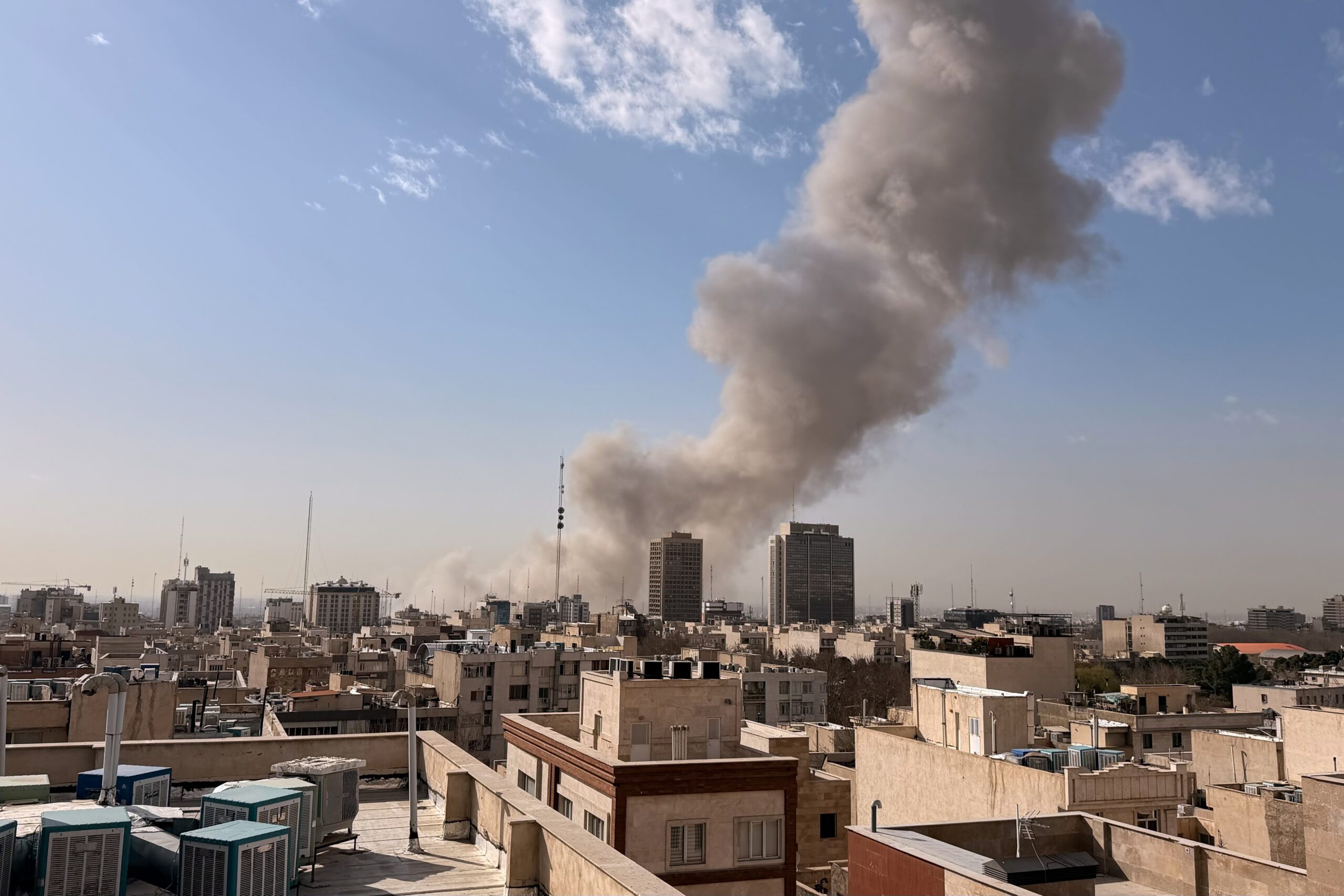
Iran is signaling that it will not absorb attacks passively. But whether this strategy ensures the regime’s survival, seals its fate, or accelerates a broader catastrophe will shape the region for years to come.
Iran’s 2025-26 Protests in Perspective
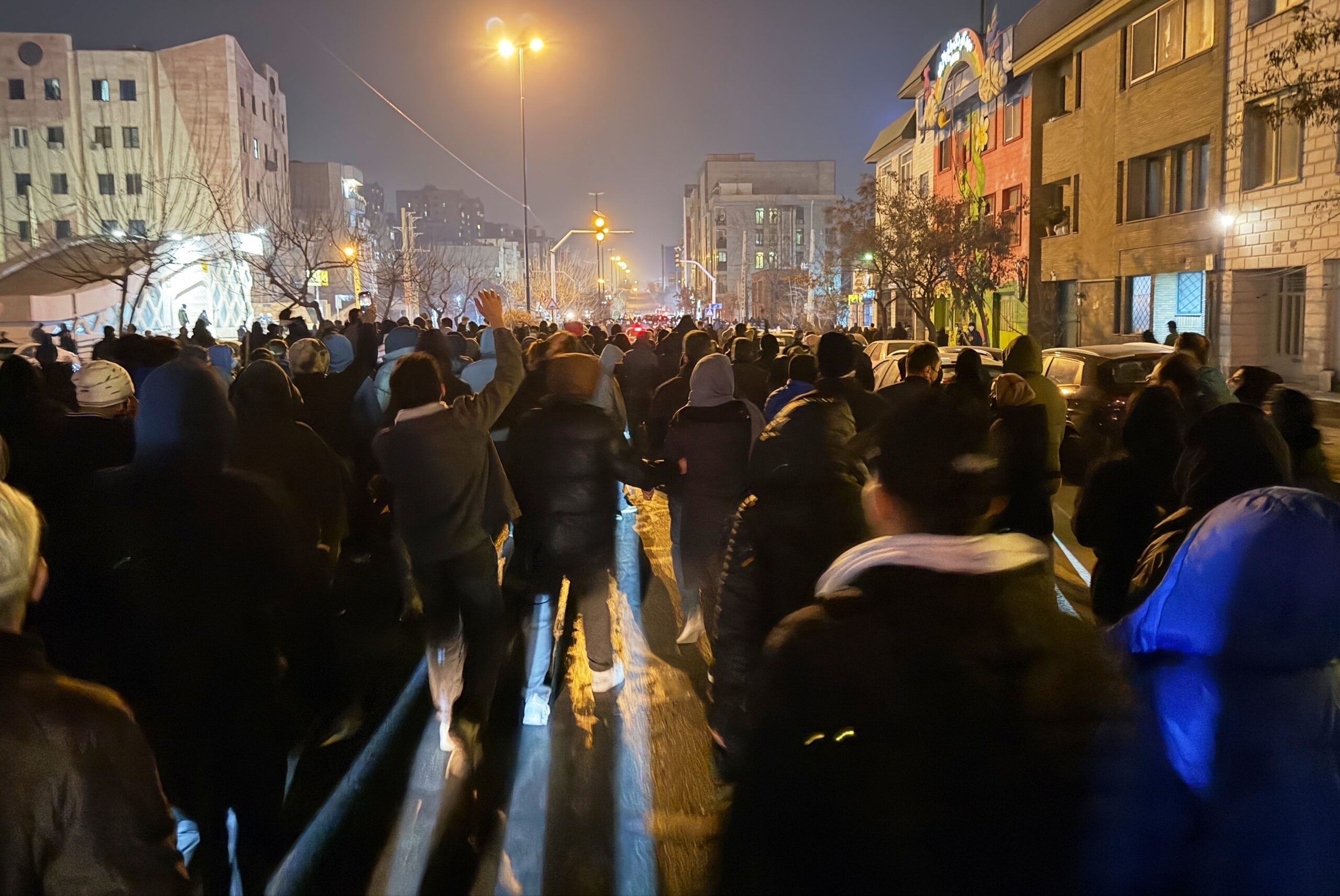
The erosion of the regime’s legitimacy across broad segments of society, combined with the breadth of the 2025-26 protest coalition, raises the possibility that a new confrontation could trigger renewed anti-regime mobilization.
Protests in Iran: Regime Deal With Trump or Degrade Toward Collapse?
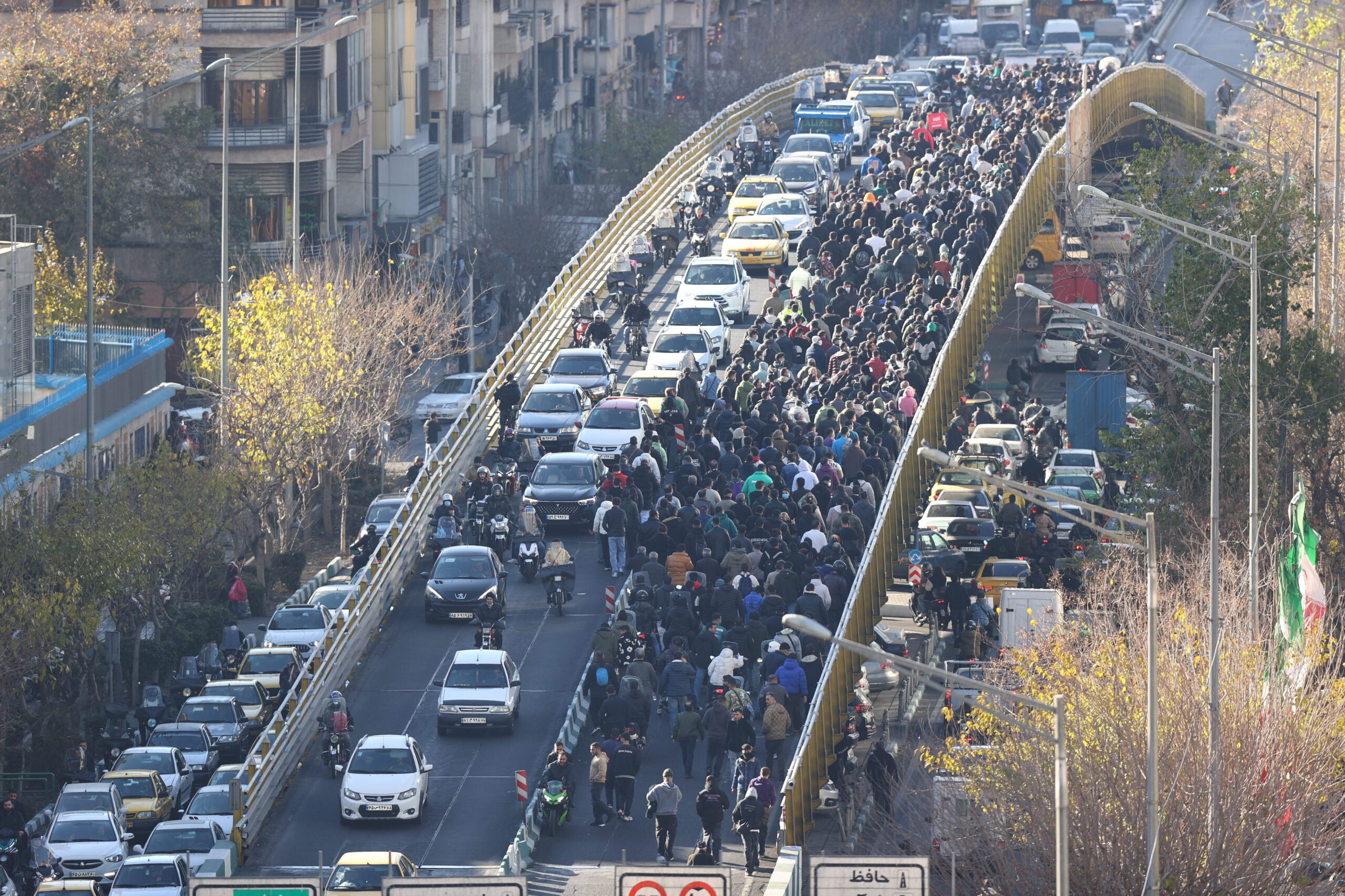
Though the Iranian regime is facing increasing pressure from protesters and armed insurgent groups, it is not yet doomed – but without a deal with the United States, the regime is likely headed for a slow collapse.
Events
Mar 2, 2026
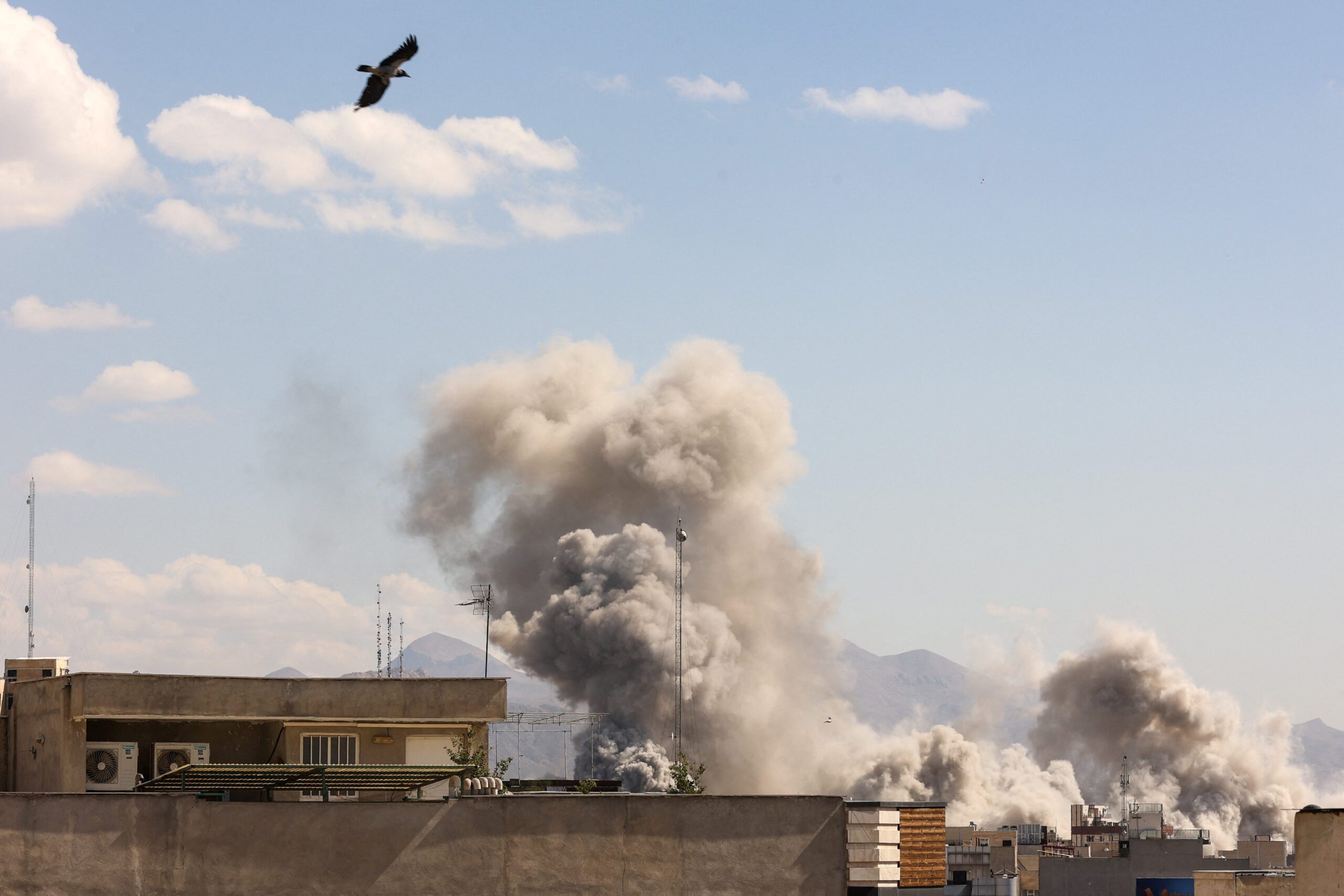
After the Shock: Implications of the U.S.–Israeli Strikes and Iran’s Leadership Transition
On March 2, AGSI hosted a discussion on the U.S.-Israeli strikes on Iran.
Speakers




Jan 8, 2026
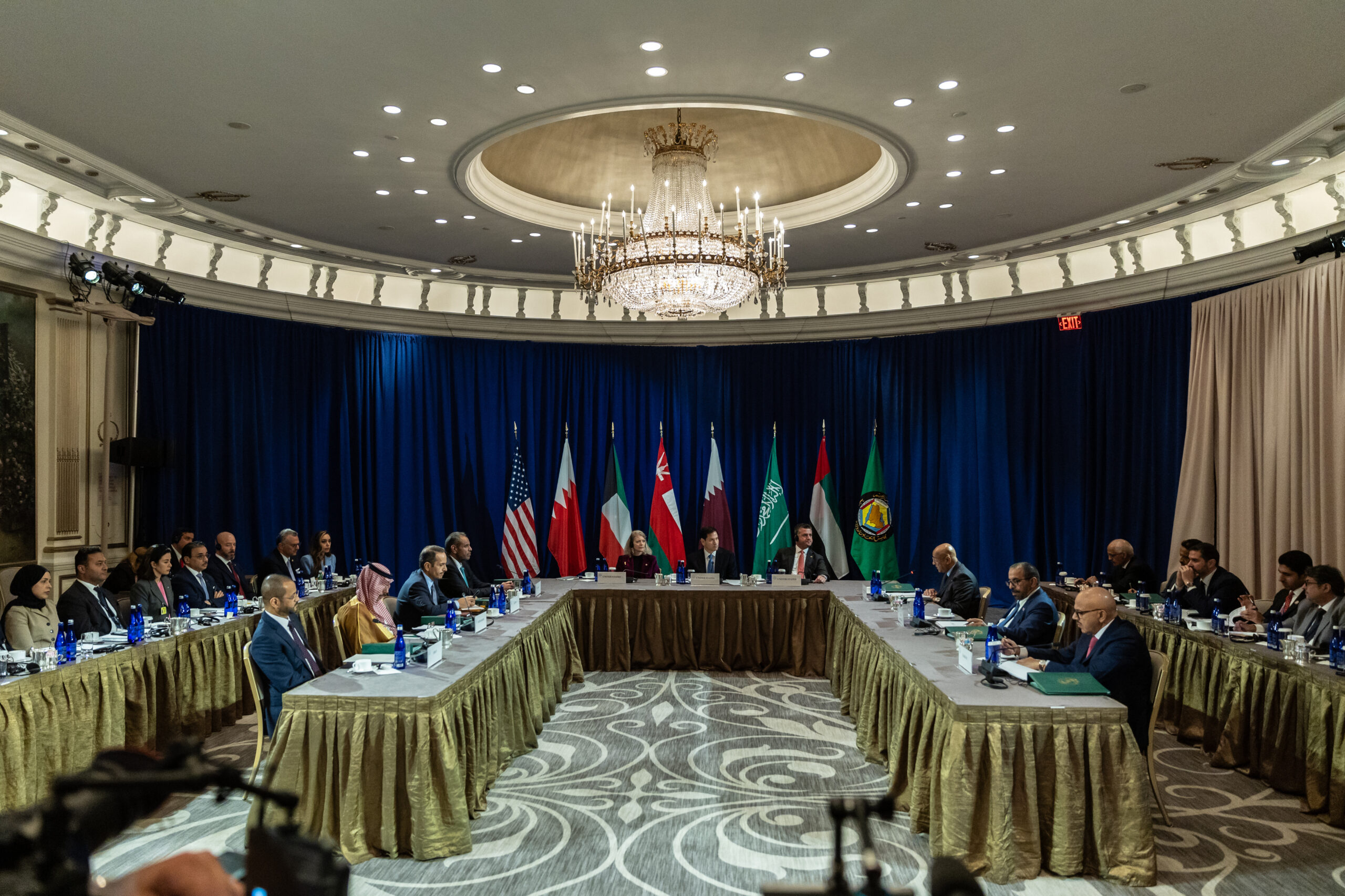
Outlook 2026: Prospects and Priorities for U.S.-Gulf Relations in the Year Ahead
On January 8, AGSI hosted a virtual roundtable with its leadership and scholars as they look ahead and assess trends likely to shape the Gulf region and U.S. foreign policy during the coming year.
Speakers




Sep 16, 2025
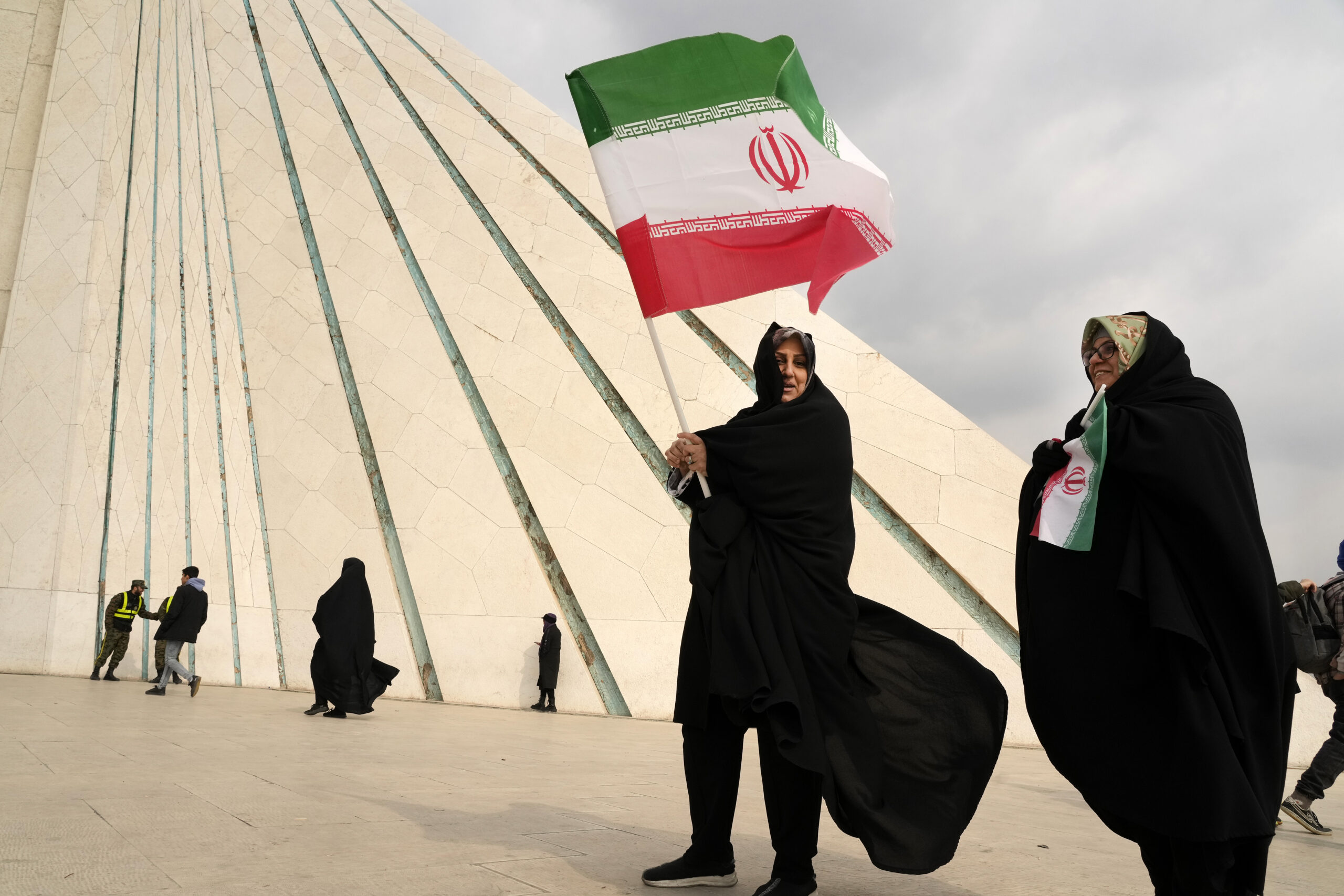
Book Talk: Iran’s Grand Strategy: A Political History
On September 16, AGSI hosted a discussion on the roots of Iran's strategic outlook.
Speakers
Jun 23, 2025
U.S. Strike on Iran: Regional and Diplomatic Fallout
On June 23, AGSI hosted a discussion on the United States' attack on Iranian nuclear sites.
Speakers
