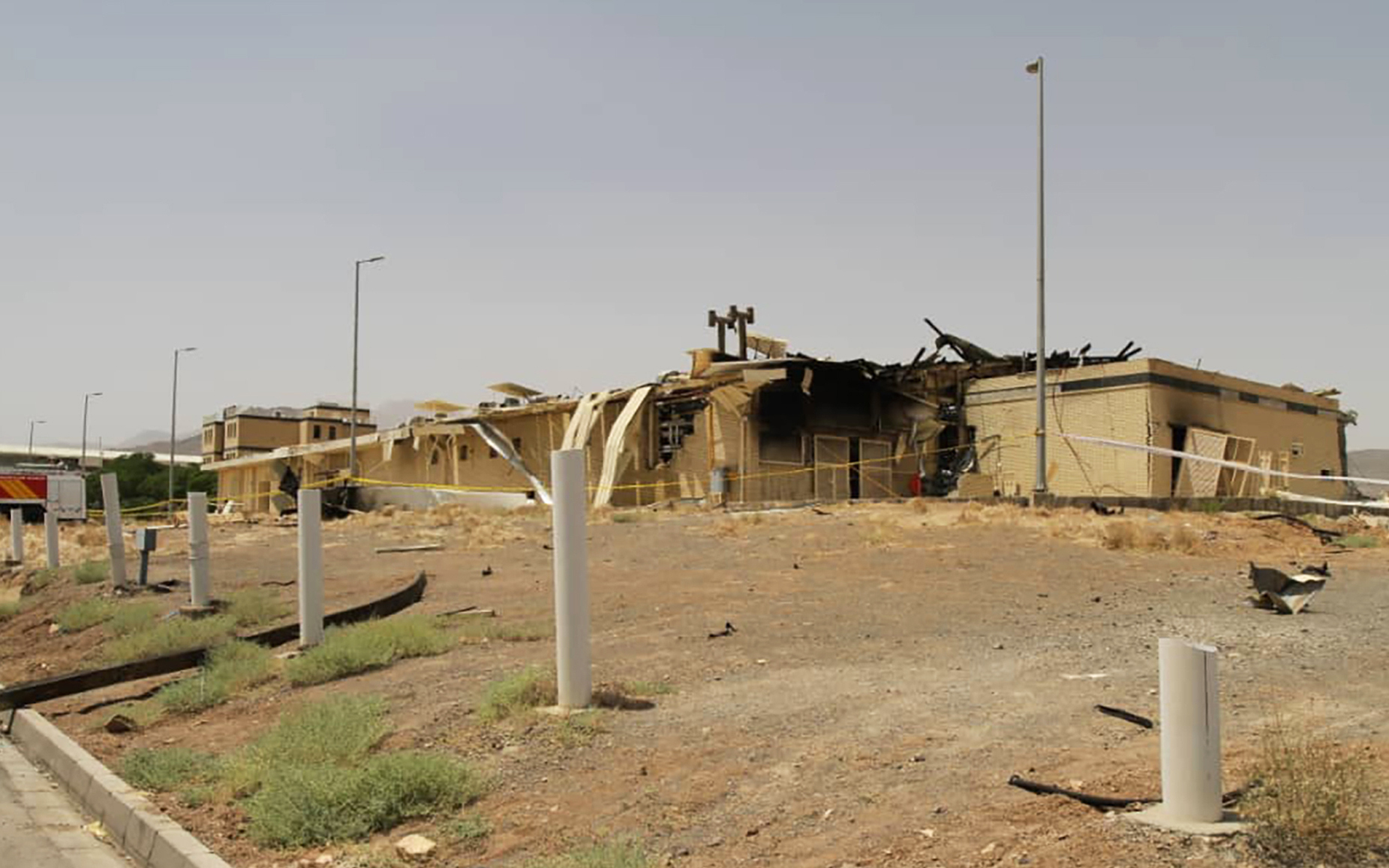
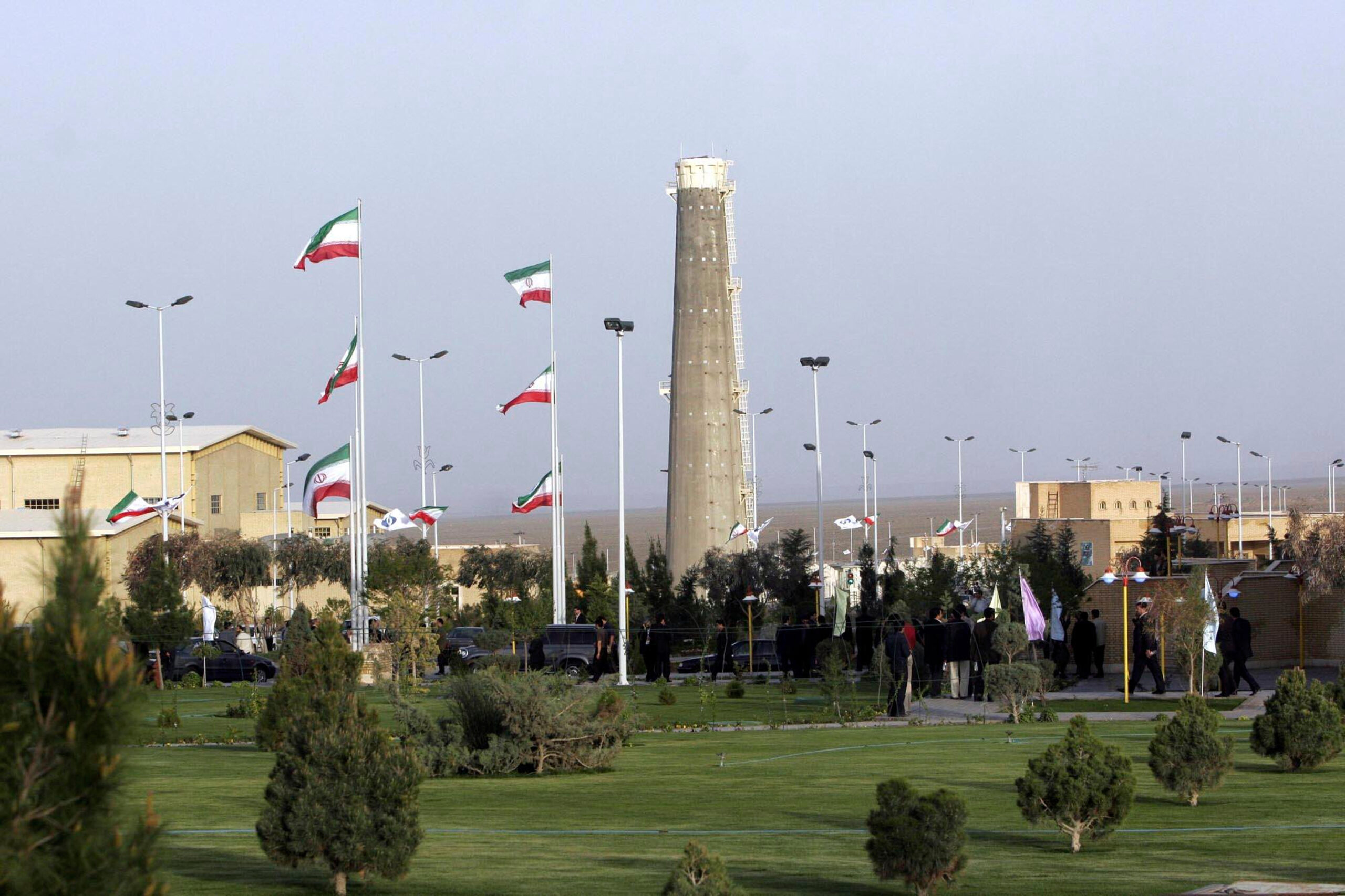
A building after it was damaged by a fire at the Natanz uranium enrichment facility, 200 miles south of Tehran, Iran, July 2. (Atomic Energy Organization of Iran via AP, File)
A series of explosions, fires, and other calamities at military, commercial, and, arguably, dual-use facilities throughout Iran in recent weeks have left little doubt that outside forces are engaged in a sustained and coordinated series of low-intensity attacks designed to weaken, and possibly provoke, Iran. The most likely culprits are Israel and the United States, and many analysts have speculated about a possible coordinated initiative against Iran, although that has not been confirmed. While Gulf Arab countries may find a degree of satisfaction at an adversary’s setbacks, this reaction must be combined with anxiety about the real potential they could get caught in the crossfire should Iran feel the need to retaliate.
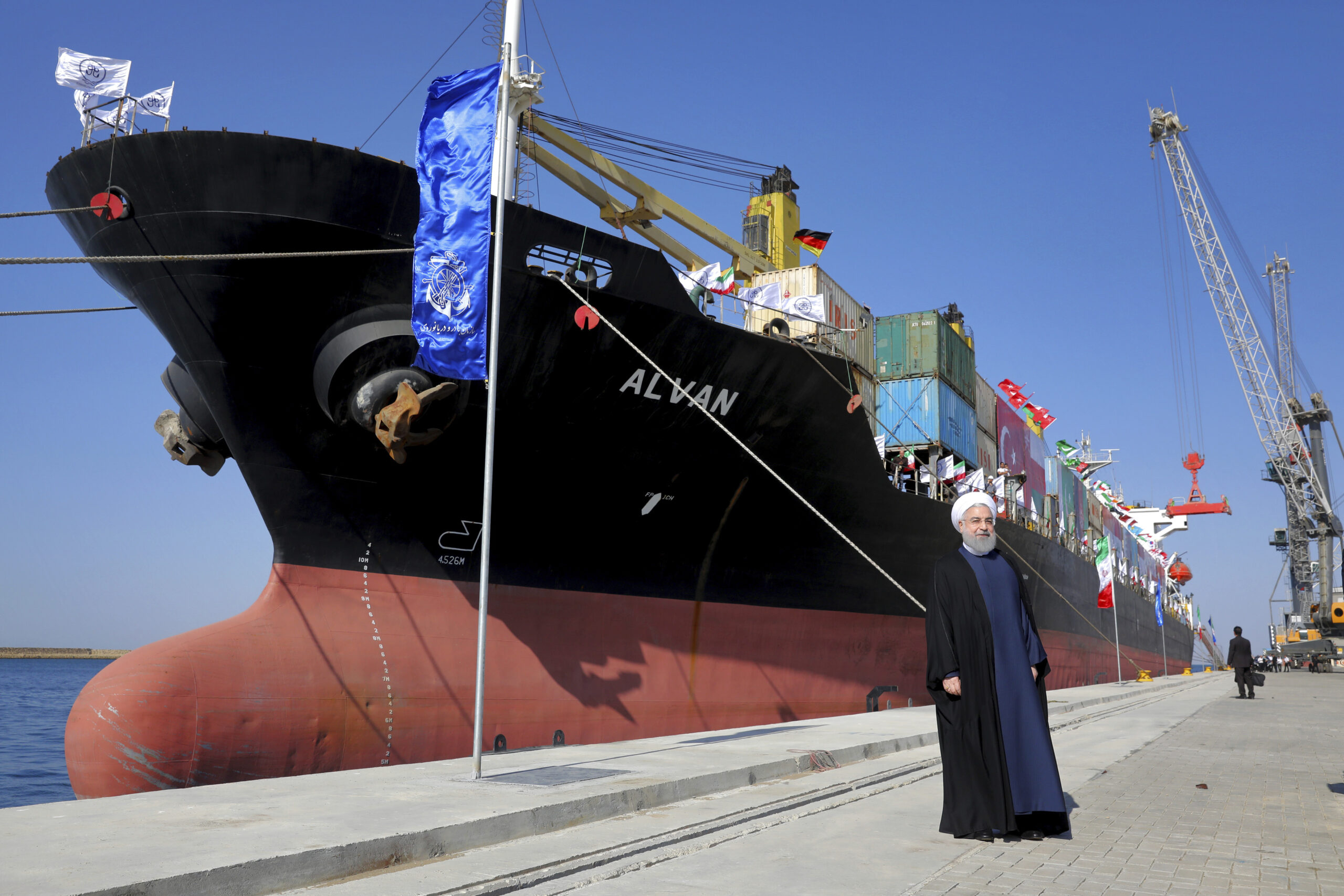
Recent incidents include: an explosion at a military and weapons development base south of Tehran on June 26; an explosion at a medical clinic in Tehran in which 19 people were killed on June 30; an explosion and fire at the Natanz nuclear site on July 2; a large fire in Shiraz on July 3; a fire and explosion at a power plant in Ahwaz on July 4; a chlorine gas leak at a petrochemical plant in Mahshahr and a fire and explosion at an industrial zone south of Mashhad on July 13; a fire at an aluminum factory in Lamard on July 14; and fires aboard at least seven ships at the port of Bushehr on July 15. It is unclear which of these were accidents and which were the result of a coordinated campaign of sabotage. However, the intense cluster of explosions and fires at strategic, military, and dual-use facilities in such a short period of time can hardly have been the result of chance.
The Natanz explosion and fire appears to have been a major blow to Iran’s potential to quickly produce a nuclear weapon if it ever decided to try to do so, possibly adding up to two years to such a timeline. A hitherto unknown group, the Homeland Cheetahs, who purport to be dissident members of Iran’s security forces, claimed responsibility for the attack on the nuclear site, but it seems far more likely that the United States and/or Israel are responsible, with the cyber component likened to the joint 2009 Stuxnet attack on Iranian centrifuges. The United States was accused by Brigadier General Ismail Qaani, the new chief of the Islamic Revolutionary Guard Corps expeditionary Quds Force, who said that “Americans shouldn’t look for someone to blame and accuse others. This is a fire they set themselves.” Yet the attack also seems to bear the hallmarks of Israel’s previous actions against nuclear facilities and recent strikes against pro-Iranian militia groups in Iraq and Syria.
The Natanz attack in particular, and the pattern of fires and explosions more generally, insofar as they are related to each other, suggest a very sophisticated and long-planned action by at least one major outside power. According to recent reports, President Donald J. Trump authorized the Central Intelligence Agency to launch a series of covert cyberattacks against Iran with a presidential finding in 2018. And The Washington Post reported that an Israeli cyberattack caused the May 9 chaos at Iran’s Shahid Rajaee port, which may have been one of the earliest actions in the current campaign. Several Israeli analysts and former officials have claimed that this was itself retaliation for an Iranian cyberattack on Israeli water and sewage installations in late April.
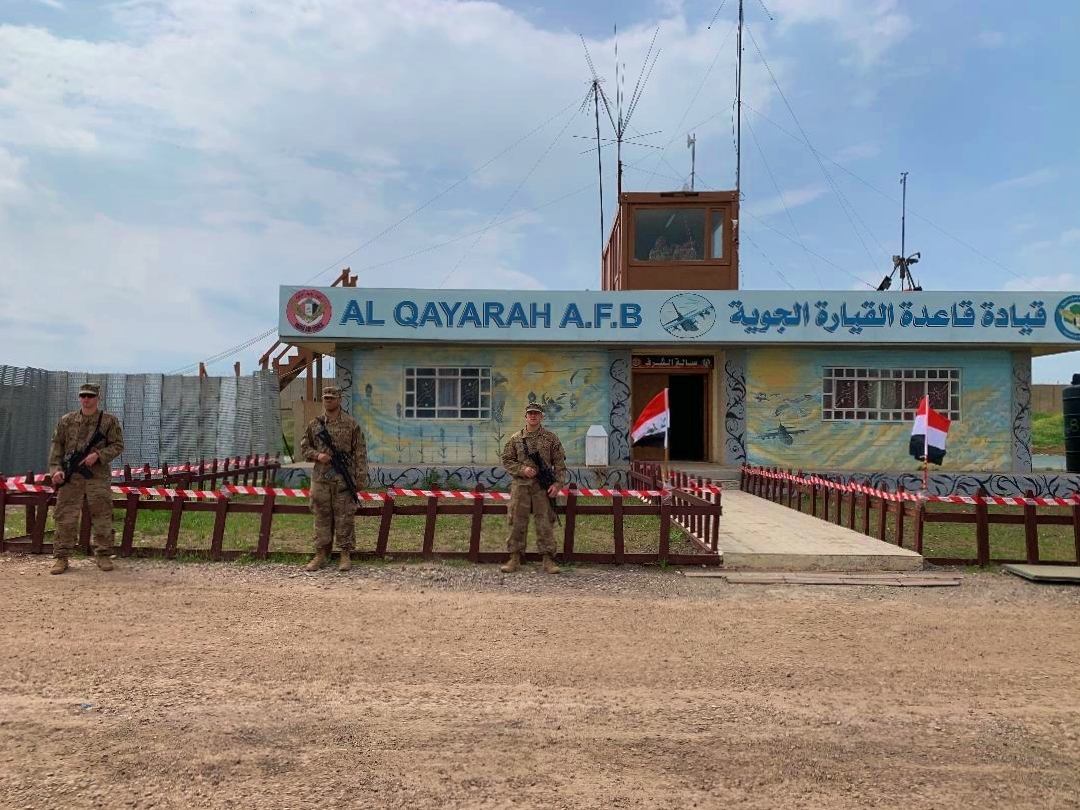
These sabotage attacks come squarely in the context of pushback against the “maximum resistance” campaign of low-intensity provocations launched by Iran in May 2019 following a year of rising tensions prompted by the U.S. withdrawal from the Joint Comprehensive Plan of Action nuclear deal and Washington’s imposition of “maximum pressure” sanctions in May 2018. The series of “tit-for-tat” attacks culminated with the U.S. drone strike that killed former IRGC Quds Force chief Major General Qassim Suleimani and the leader of pro-Iranian militia groups in Iraq, among others, on January 3. Iran responded with a ballistic missile attack on an Iraqi air base housing U.S. forces on January 8, and sporadic incidents have continued.
Iran will be under heavy pressure internally and from some of its more militant regional nonstate clients, to retaliate in some kind of proportionate or deterrence-inducing manner. However, almost all factions in Iran will want to be cautious not to provoke a spiral of major retaliation that leads to an outright war with the United States, particularly given Trump’s intensifying political woes at home and, therefore, possible willingness to take dramatic risks on the international stage to try to salvage his prospects for reelection in November.
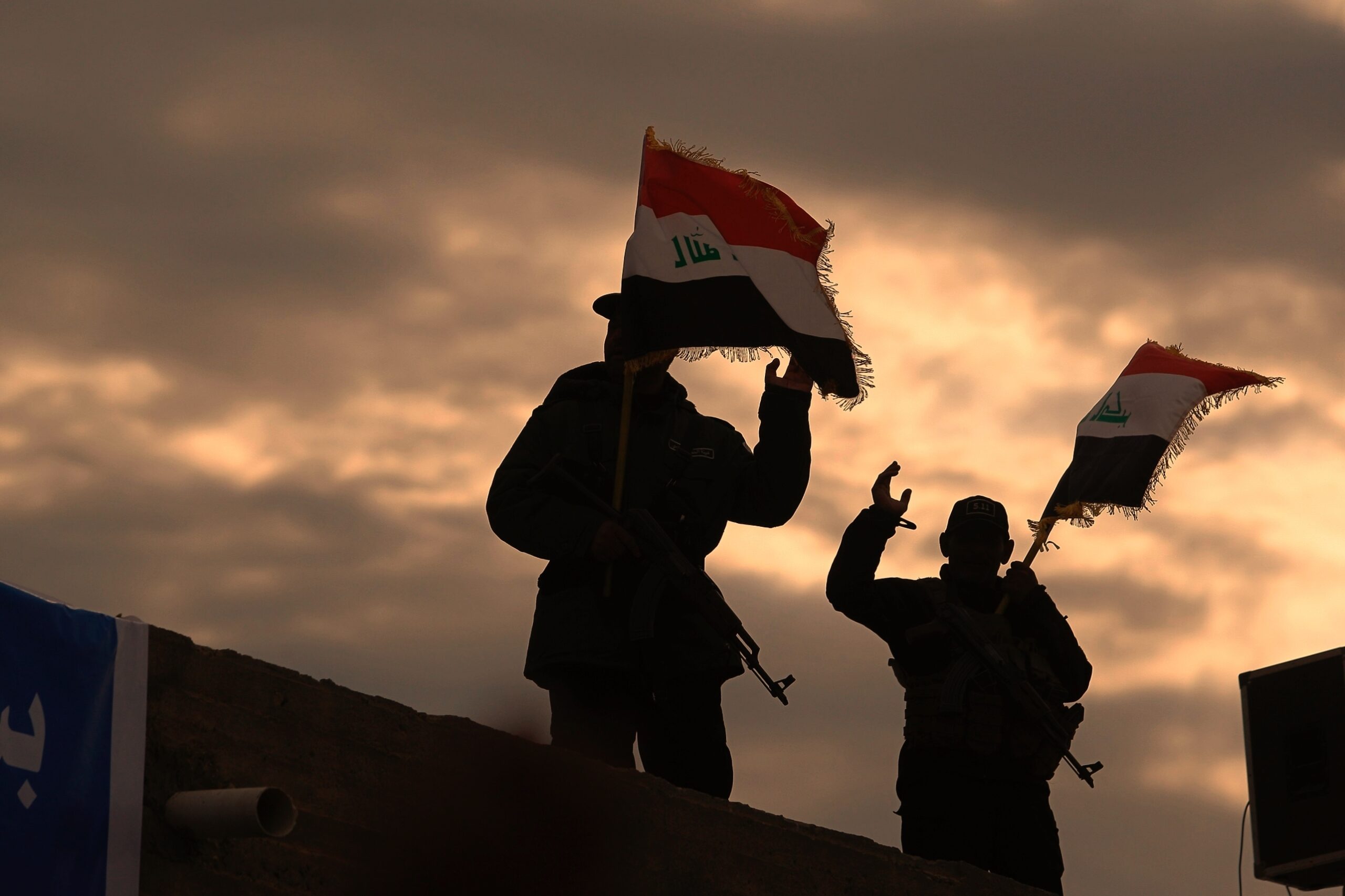
If Iran does launch a retaliatory blow, it is unlikely to directly target U.S. or even Israeli interests. The most likely theaters for a response would almost certainly remain Iraq, Gulf Arab countries, or the waters of the Gulf itself. Almost all of Iran’s “maximum pressure” attacks occurred in Iraq via pro-Iranian militia groups, particularly Kataib Hezbollah, or on Gulf Arab interests, including shipping, ports, and, most notably, missile and drone strikes on Saudi oil facilities on September 14, 2019.
As always on matters regarding Iran, Gulf Arab countries will take a range of viewpoints. Thus far, reaction has been muted. Oman will likely be particularly disturbed at the rising tensions, given its warm relations with Tehran and self-appointed role as mediator between Tehran and both the West and, potentially, its Gulf Arab partners. Kuwait, too, fears regional tensions, especially when involving a patina of Sunni-Shia sectarian discord, concerned that disputes might rile the prosperous and well-adjusted Shia community in Kuwait itself. Saudi Arabia, Bahrain, and the United Arab Emirates will be torn between a degree of satisfaction at the setbacks for their regional antagonist, given that they view Iran as a hostile hegemonic force, and deep concern that they may be targeted in a retaliatory attack.
Qatar may be the most uncomfortable of all, given its strong and long-standing ties to the United States and increasing cooperation with Tehran. The boycott of Qatar by Saudi Arabia, Bahrain, the UAE, and Egypt has forced Doha to become more dependent than ever on good relations with Iran, since Qatar now relies on Tehran for overflight rights for Qatar Airways after Gulf Arab neighbors closed access to their airspace. Yet Qatar could also be targeted by Iranian retaliation because of the major U.S. air base at Al Udeid, from which the drone strike that killed Suleimani was reportedly launched.
What this conundrum mainly reflects is how limited the Gulf Arab countries’ ability to safeguard their own security still is; they remain effectively subject to decisions made in Washington, Tehran, and elsewhere over which they have limited, if any, influence. It emphasizes their vulnerability and exposure to mitigate this: The Gulf states are broadening their strategic relations, strengthening ties with Russia, China, France, and India, in an effort to gain additional options beyond their historical, largely exclusive, reliance on Washington for support. They do have agency and there is much each Gulf Arab country can do to impact their strategic condition. But, as things stand now, all of them will be hoping that cooler heads prevail in Washington and Tehran. They can and should encourage that. But ultimately they cannot ensure it.
The views represented herein are the author's or speaker's own and do not necessarily reflect the views of AGSI, its staff, or its board of directors.
While the long-term objective of Tehran may well be to expel all great powers from the Middle East, in the short term, Iran benefits from the U.S. presence in Iraq.
For those seeking pathways to stable economic growth in the Middle East, developments in Iran may serve as a model – Iran represents the first major oil producer in the Middle East to transition to overall dependence on non-oil exports.
The Trump administration has positioned the United States at a crossroads between a new regime of containment against Iran or a historic drawdown of U.S. influence in the Gulf and broader Middle East.
Riyadh and Abu Dhabi urged President Trump not to attack Iran, but now that the war is into its second month, leaving the current situation in place would be an unthinkable fiasco for them.
Though they were unsuccessful in preventing the current conflict, and, as expected, have been dragged into the U.S.-Israeli confrontation with Iran, Gulf Arab countries remain crucial to hopes for limiting the war and bringing it to a quick resolution.
After decades of tolerating Hezbollah’s warmaking independence, the current crisis has compelled Lebanese leaders to ban its military activities; this project will do much to determine the reach Iran can maintain in the Arab world.