"*" indicates required fields

This field is for validation purposes and should be left unchanged.

Subscribe

By subscribing you agree to our Privacy Policy

Subscription Settings
Analysis

Egypt-GCC Partnership: Bedrock of Regional Security Despite Fissures

Egypt and the GCC countries have a complex, but indispensable, diplomatic, military, and political partnership in the contemporary world.

2 min read

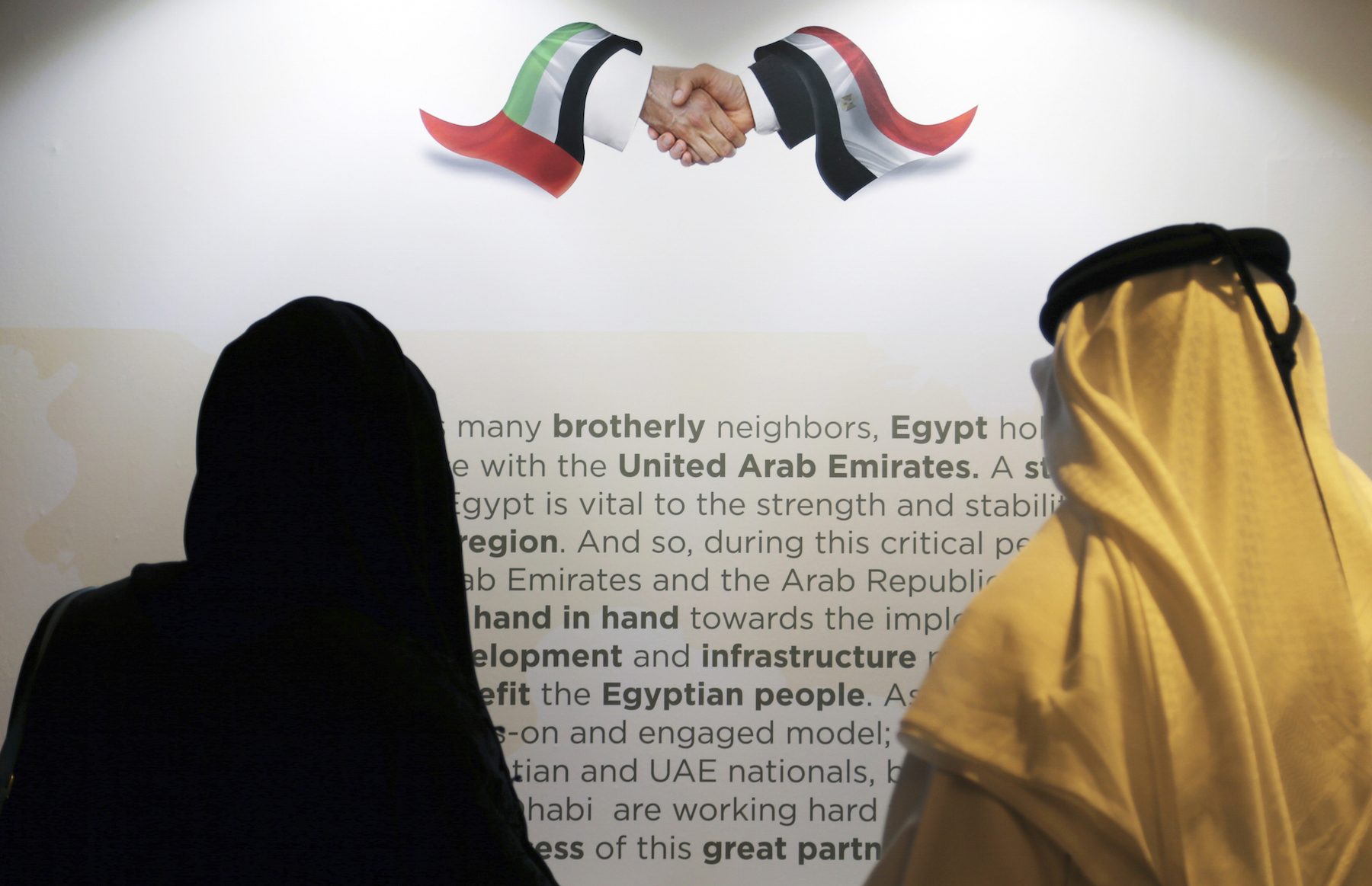
Emirati officials read a UAE-Egypt friendship memorandum during the Government Summit in Dubai, United Arab Emirates, Feb. 11, 2015. (AP Photo/Kamran Jebreili)

Executive Summary

Egypt and the Gulf Cooperation Council countries have a complex, but indispensable, diplomatic, military, and political partnership in the contemporary world. Egypt represents the epicenter of the Arab population – as by far the most human resource-rich Arab country – and is a traditional cultural powerhouse in the Arab world at both the intellectual and popular levels. It is also, arguably, the sole contemporary Arab country that is an ancient and relatively homogeneous nation-state with borders that have been recognized for many centuries. The Gulf countries contain much of the mineral and financial wealth of the Arab world, and have their own important cultural and religious influences, some of them traditional as with Saudi Arabia’s religious role because of its geography, and some of it more newfound, bound up with the wealth and growth of the Gulf states.

Yet even within this spirit of cooperation, whereby Gulf countries like Saudi Arabia, the United Arab Emirates, and Kuwait have strongly moved to support the Egyptian economy and promote the post-Muslim Brotherhood government led by the former general, President Abdel Fatah al-Sisi, there remains an undercurrent of competition for influence within the Sunni Arab world and beyond. Whatever their quiet reservations, the Gulf countries will almost certainly continue to regard Egypt as essentially “too big to fail” and Egypt will continue to regard the Gulf countries as indispensable partners in securing the regional status quo and combating religious and political extremism. However, Egypt sees Islamism very differently than Saudi Arabia, Kuwait, and, especially, Qatar, and tends to side with the UAE’s categorical rejection of all forms of politicized religion in the Islamic world. Therefore, the Egyptian-Gulf relationship is a complex and delicate one with a good deal of nuance and competition over details, with generalized cooperation on the biggest picture issues. As long as the Egyptian government remains stable, this essential framework is likely to continue.

Read full paper

The AGSIW Gulf Rising Series

This paper was developed as part of AGSIW’s Gulf Rising series analyzing the energized role of the Gulf Arab states  in the international system. The series looks beyond GCC relations with the United States to examine ties with other key countries and regions. Additionally, it investigates motivations behind Gulf Arab states’ foreign policy choices and evaluates the implications for U.S. foreign policy toward the GCC states and the region.

The views represented herein are the author's or speaker's own and do not necessarily reflect the views of AGSI, its staff, or its board of directors.

Abdel Monem Said Aly, PhD

Founding Director and Honorary Chair Emeritus of the Board, AGSI

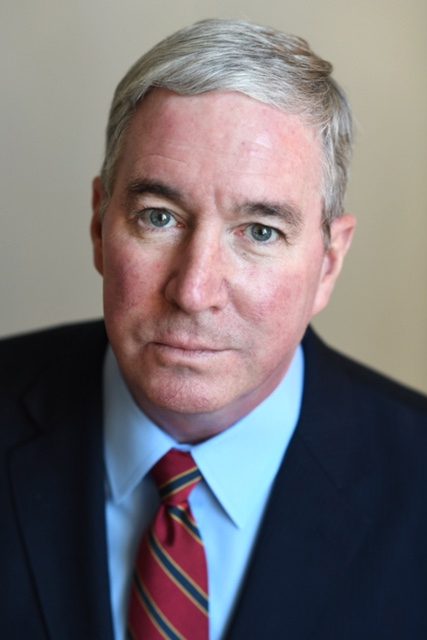
Hussein Ibish

Senior Resident Scholar, AGSI

Analysis

Why Saudi Arabia and the UAE Are Urging Trump to Continue a War They Did Not Want

Riyadh and Abu Dhabi urged President Trump not to attack Iran, but now that the war is into its second month, leaving the current situation in place would be an unthinkable fiasco for them.

Hussein Ibish

8 min read

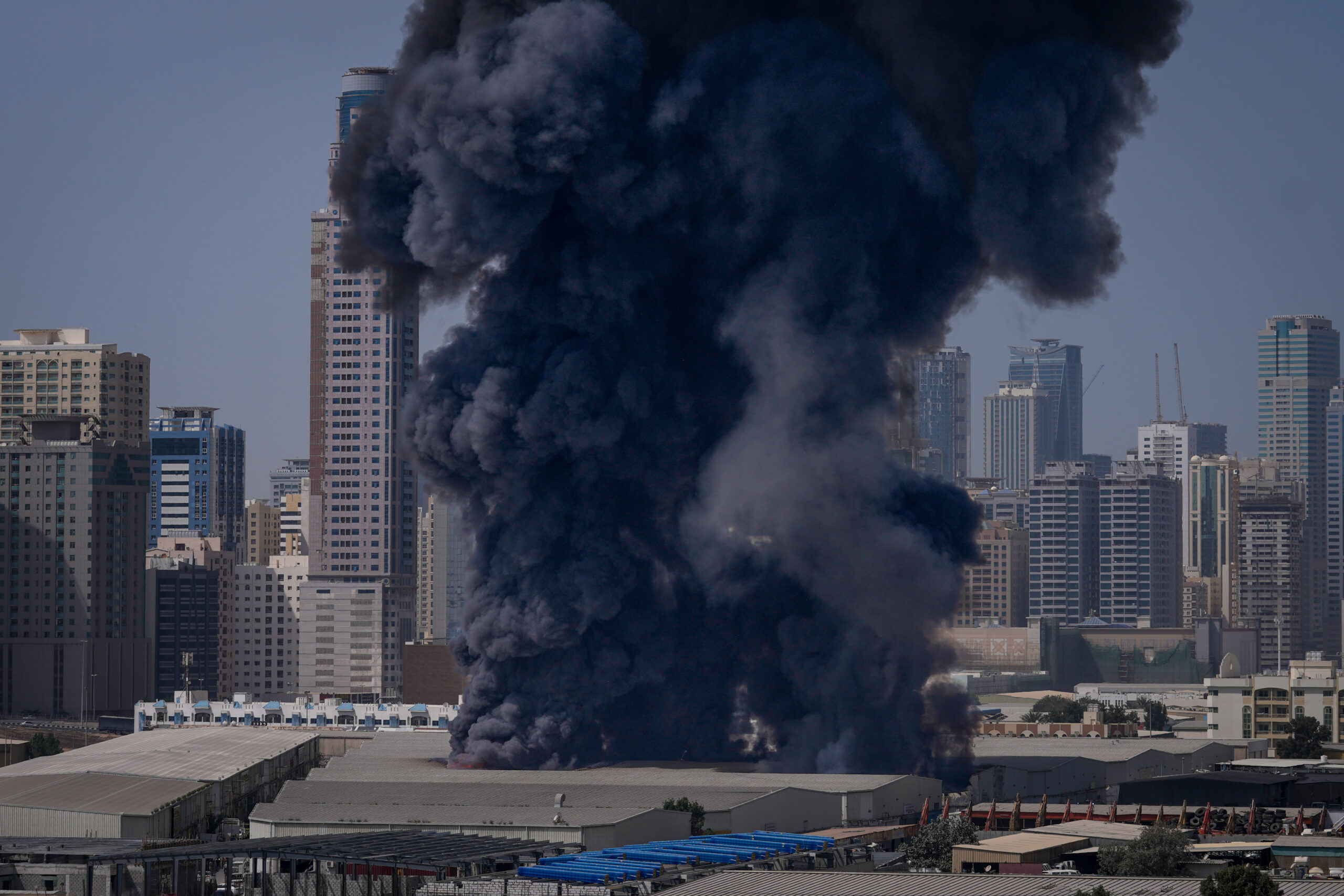
A black plume of smoke rises from a warehouse at the industrial area of Sharjah in the United Arab Emirates, March 1. (AP Photo/Altaf Qadri)

Caught in the Crosshairs, Gulf Arab Countries Remain Crucial to Peace

Though they were unsuccessful in preventing the current conflict, and, as expected, have been dragged into the U.S.-Israeli confrontation with Iran, Gulf Arab countries remain crucial to hopes for limiting the war and bringing it to a quick resolution.

Hussein Ibish

13 min read

A building damaged by an Iranian drone attack in Juffair, Manama, Bahrain, March 1. (REUTERS/Hamad I Mohammed)

Iran War Provides Decisive Test for Lebanon to Assert Authority Over Hezbollah

After decades of tolerating Hezbollah’s warmaking independence, the current crisis has compelled Lebanese leaders to ban its military activities; this project will do much to determine the reach Iran can maintain in the Arab world.

Hussein Ibish

8 min read

Smoke rises from Israeli airstrikes that struck a building housing Al-Manar channel studios in Dahiyeh, a southern suburb of Beirut, Lebanon, March 3. (AP Photo/Bilal Hussein)

Having Failed to Prevent a U.S. Attack Against Iran, Gulf Arab Countries Must Watch With Alarm

Gulf Arab countries urged the United States not to strike Iran, but now that is happening, they are in danger of being sucked into a conflict they cannot control but that will likely reshape their present and future realities.

Hussein Ibish

9 min read

Smoke rises following an explosion, after Israel and the U.S. launched strikes on Iran, in Tehran, Iran, February 28. (Majid Asgaripour/WANA via REUTERS)
View All

Events

Apr 21, 2026

9:30am - 10:30am

Inside Iran’s Wartime Leadership: Power, Succession, and Regime Stability

On April 21, AGSI will host a discussion on the evolution of Iran's leadership during the war.

Register
In this photo released by the Pakistan Foreign Ministry, Iran's Parliament Speaker Mohammad Bagher Qalibaf, center right, and Iran's Foreign Minister Abbas Araghchi, center left, are greeted by Pakistan Foreign Minister Ishaq Dar, right, and Army Chief Field Marshal Gen. Asim Munir, left, upon their arrival at Nur Khan airbase in Rawalpindi, Pakistan, April 11. (Pakistan Ministry of Foreign Affairs via AP)
In this photo released by the Pakistani Foreign Ministry, Iranian Speaker of Parliament Mohammad Bagher Qalibaf, center right, and Iranian Foreign Minister Abbas Araghchi, center left, are greeted by Pakistani Foreign Minister Ishaq Dar, right, and Army Chief Field Marshal Gen. Asim Munir, left, upon their arrival at Nur Khan air base in Rawalpindi, Pakistan, April 11. (Pakistani Ministry of Foreign Affairs via AP)

Apr 13, 2026

Assessing the U.S.-Iranian Truce and First Round of Negotiations

On April 13, AGSI hosted a discussion on the recently announced U.S.-Iranian two-week cease-fire.

The main entrance of Pakistan's foreign ministry in Islamabad, Pakistan, April 9. (AP Photo/Anjum Naveed)
The main entrance of Pakistan's Foreign Ministry in Islamabad, Pakistan, April 9. (AP Photo/Anjum Naveed)

Mar 2, 2026

After the Shock: Implications of the U.S.–Israeli Strikes and Iran’s Leadership Transition

On March 2, AGSI hosted a discussion on the U.S.-Israeli strikes on Iran.

Smoke rises following an explosion, after Israel and the U.S. launched strikes on Iran, in Tehran, Iran, March 1. (Majid Asgaripour/WANA via REUTERS)
Smoke rises following an explosion, after Israel and the United States launched strikes on Iran, in Tehran, Iran, March 1. (Majid Asgaripour/WANA via REUTERS)

Jan 8, 2026

Outlook 2026: Prospects and Priorities for U.S.-Gulf Relations in the Year Ahead

On January 8, AGSI hosted a virtual roundtable with its leadership and scholars as they look ahead and assess trends likely to shape the Gulf region and U.S. foreign policy during the coming year. 

Secretary of State Marco Rubio attends a meeting with the foreign ministers of the Gulf Cooperation Council states as part of the 80th session of the United Nations General Assembly at the Lotte Palace Hotel in New York, September 24. (AP Photo/Stefan Jeremiah, Pool)
View All