Nov 5, 2024
Clerics Worry About Iranian Economy While Khamenei Focuses on U.S.
The November 5 edition of the Iran Media Review considers the contrasting messaging coming from Iran’s supreme leader on countering the United States versus the president’s meetings with Shia clerics who stressed the need to address economic issues.

Supreme Leader Ayatollah Ali Khamenei emphasizes the need for Iranian officials to do “whatever is needed” to counter the United States. However, in a recent visit to Qom, President Masoud Pezeshkian met with Shia clerics, many of whom stressed the need for the Cabinet to improve the economy to help the Iranian people.
- November 3: Speaking with children during the Day of Elementary School Students, which coincides with the anniversary of the 1979 seizure of the U.S. Embassy in Tehran, Khamenei answered a student’s question on why Iran is not changing its nuclear doctrine to build an atomic bomb. The supreme leader said, as quoted by Islamic Revolutionary Guard Corps mouthpiece Javan newspaper:
- “As for recommendations from these dear young people regarding countering the Global Arrogance,” a reference to the United States, “everyone must know that we will do whatever is needed in order to secure national preparedness to counter the Global Arrogance. Be it military, armament, or political, we shall do anything needed, and the Lord be praised, the officials are engaged in work.”
- November 3: Reformist Ham-Mihan newspaper covered Pezeshkian’s second provincial visit in Iran, which brought him to the holy city of Qom, where he met Shia sources of emulation and other prominent clergy members:
- Ayatollah Naser Makarem Shirazi, a prominent cleric, emphasized the urgency of attending to economic problems of the people, rather than the issue of women’s headgear: “In their contact with us, the people complain about the high price of foodstuffs, housing, and medical services … As for the hijab issue, use of compulsion is neither practical nor correct. It must be done in a gradual and step by step manner, and the Cabinet should start the process in the central administration.”
- Ayatollah Abdollah Javadi Amoli urged Pezeshkian to fight against corruption: “The Cabinet and the regime in its entirety must engage in a serious struggle against corruption and do not allow for astronomical salaries in the public sector. Javadi Amoli further emphasized the need for attending to “economic problems of the people and the rising prices,” as did Ayatollah Hossein Nouri Hamadani.
- Ayatollah Jafar Sobhani, on the other hand, urged Pezeshkian to come to the aid of the “Muslim people, who are being massacred by Israel.”
- November 3: Ham-Mihan remarkably also published a separate article reflecting viewpoints of clerics in Qom who criticized Pezeshkian for ignoring other clerical leaders:
- “Mojtaba Lotfi, one of the students of the late Grand Ayatollah Hossein Ali Montazeri … criticized Pezeshkian for not visiting members of the Association of the Lecturers and Scholars of Qom and Ayatollah Assad-Allah Bayat Zanjani … ‘Is this the kind of national consensus Pezeshkian talks of?’ Lotfi asked.”
The views represented herein are the author's or speaker's own and do not necessarily reflect the views of AGSI, its staff, or its board of directors.
Related
Iran Media Review
Nov 1, 2024
Under Attack, Iran Reaches Out to the United States and Ethnic and Religious Minorities
The November 1 edition of the Iran Media Review considers Tehran’s outreach to Washington and ethnic and religious minorities as Iran braces itself for more Israeli attacks.
Iran Media Review
Oct 29, 2024
Iran’s State-Censored Media Calls Israeli Attack Limited
The October 29 edition of the Iran Media Review evaluates Iranian media reactions to Israeli strikes targeting sites in Iran.
Nov 1, 2024
Under Attack, Iran Reaches Out to the United States and Ethnic and Religious Minorities
The November 1 edition of the Iran Media Review considers Tehran’s outreach to Washington and ethnic and religious minorities as Iran braces itself for more Israeli attacks.
Oct 29, 2024
Iran’s State-Censored Media Calls Israeli Attack Limited
The October 29 edition of the Iran Media Review evaluates Iranian media reactions to Israeli strikes targeting sites in Iran.
Analysis
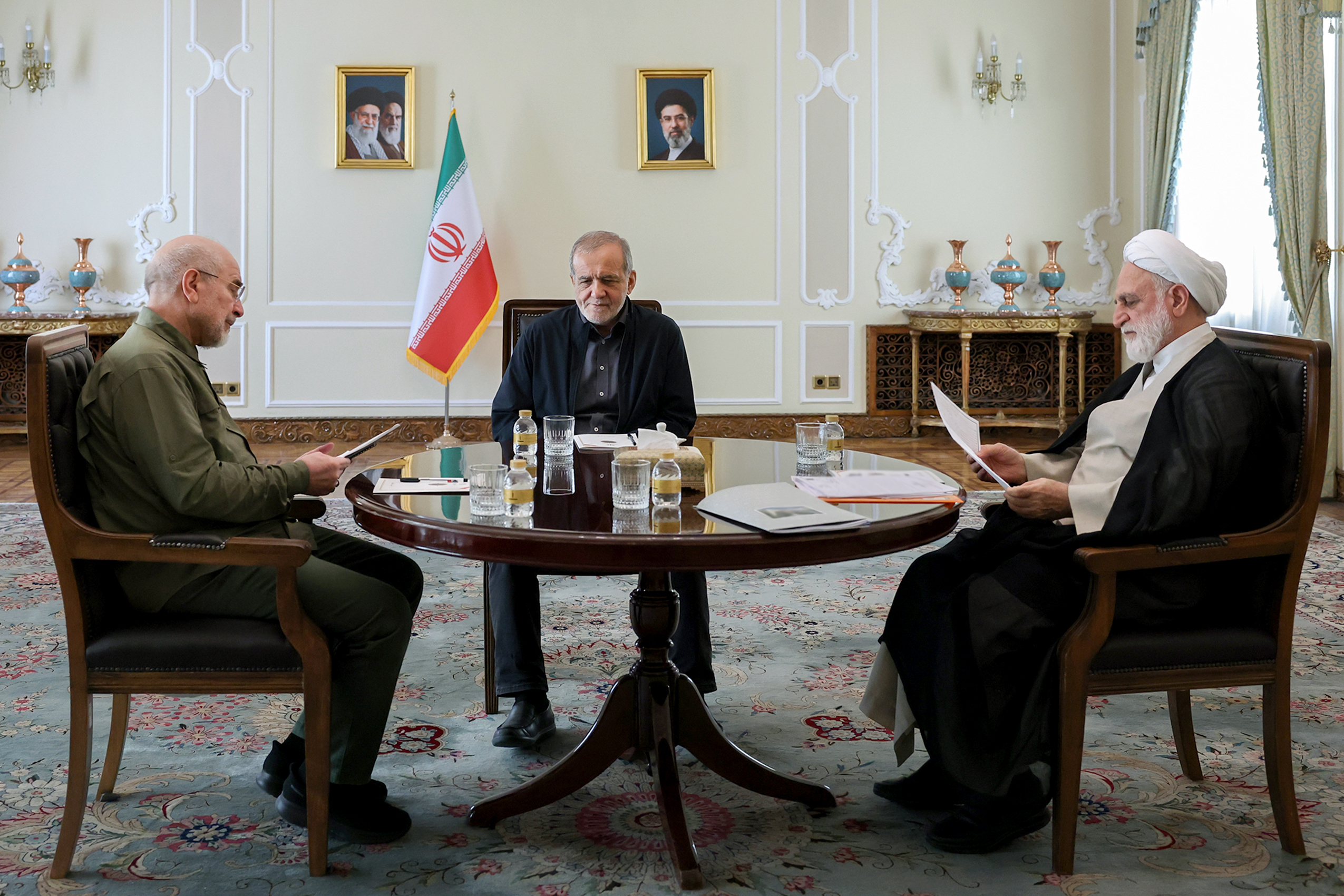
The Committee of Six and Strategic Decision Making in Iran
Remarks by Iran’s president offer a rare glimpse of how the Islamic Republic has adapted its decision making to the absence of its supreme leader.
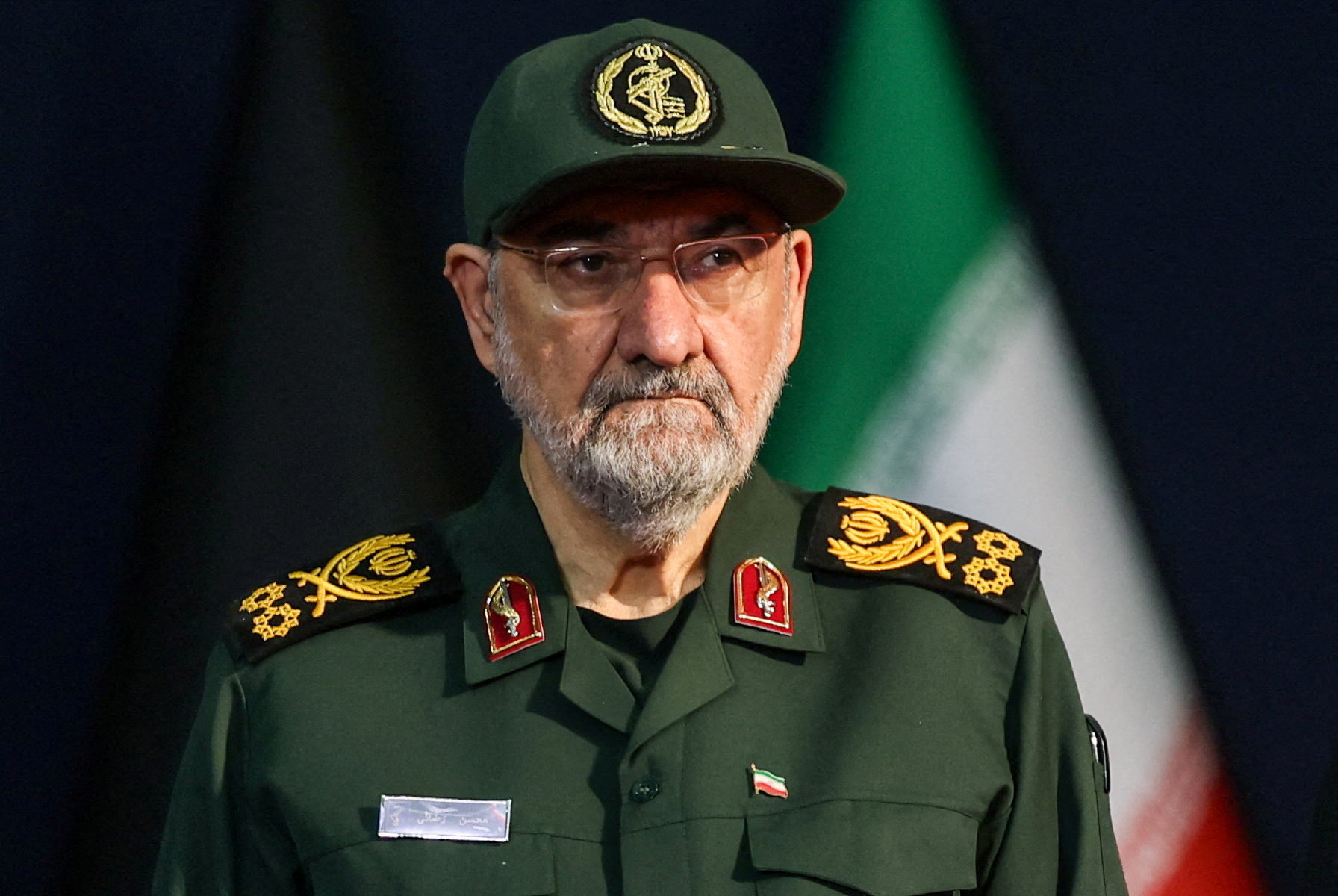
Mohsen Rezaei at the Helm of Iran’s Supreme National Security Council
Under Rezaei, the SNSC could prove constructive or paralyze strategic decision making.
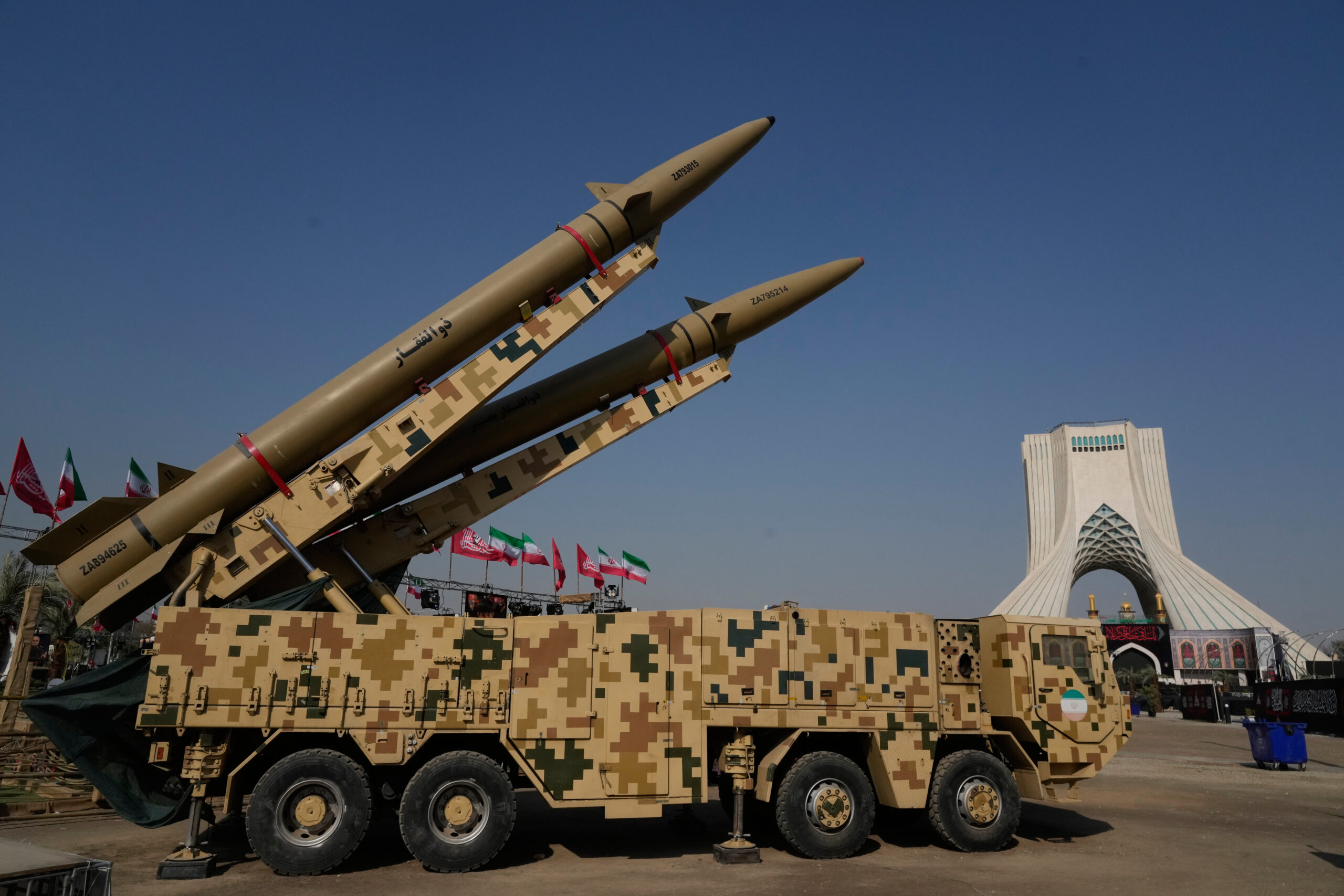
The Islamic Republic Returns to Offense
After U.S.-Israeli strikes killed Supreme Leader Ayatollah Ali Khamenei on February 28, Iran’s collective leadership has concluded that the best defense is a good offense.
Iran’s Collective Strategic Decision Making
Wartime pressure has temporarily aligned the leadership’s overriding interest in regime survival, even as its members continue to differ over the costs, methods, and ultimate objectives of the war.
Events
Oct 6, 2026
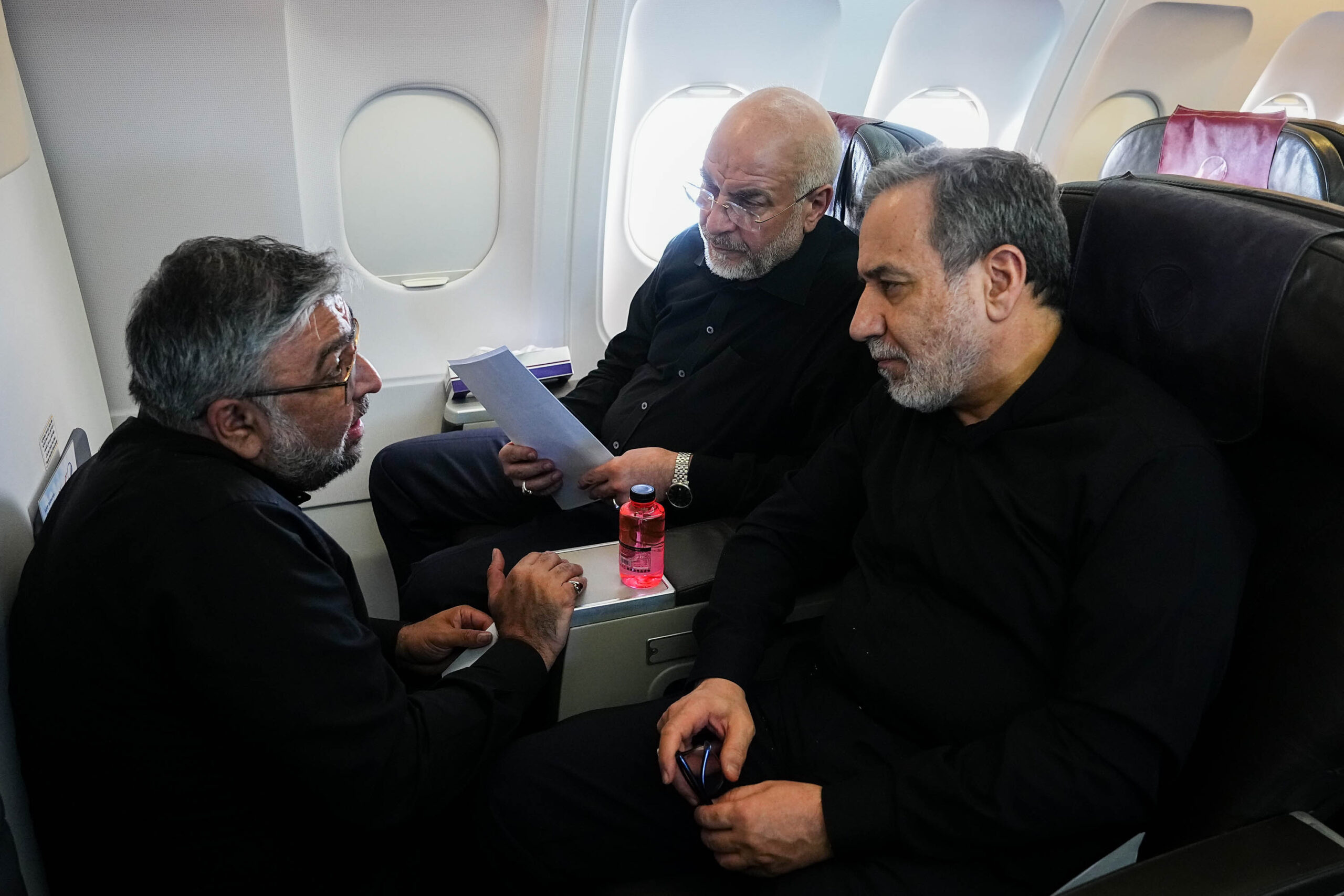
Is the U.S.-Iran Stalemate a “New Normal” or the Prelude to Another Explosion?
On October 6, AGSI hosted a discussion on the U.S.-Iran stalemate and the prospects for a cease-fire.
Speakers



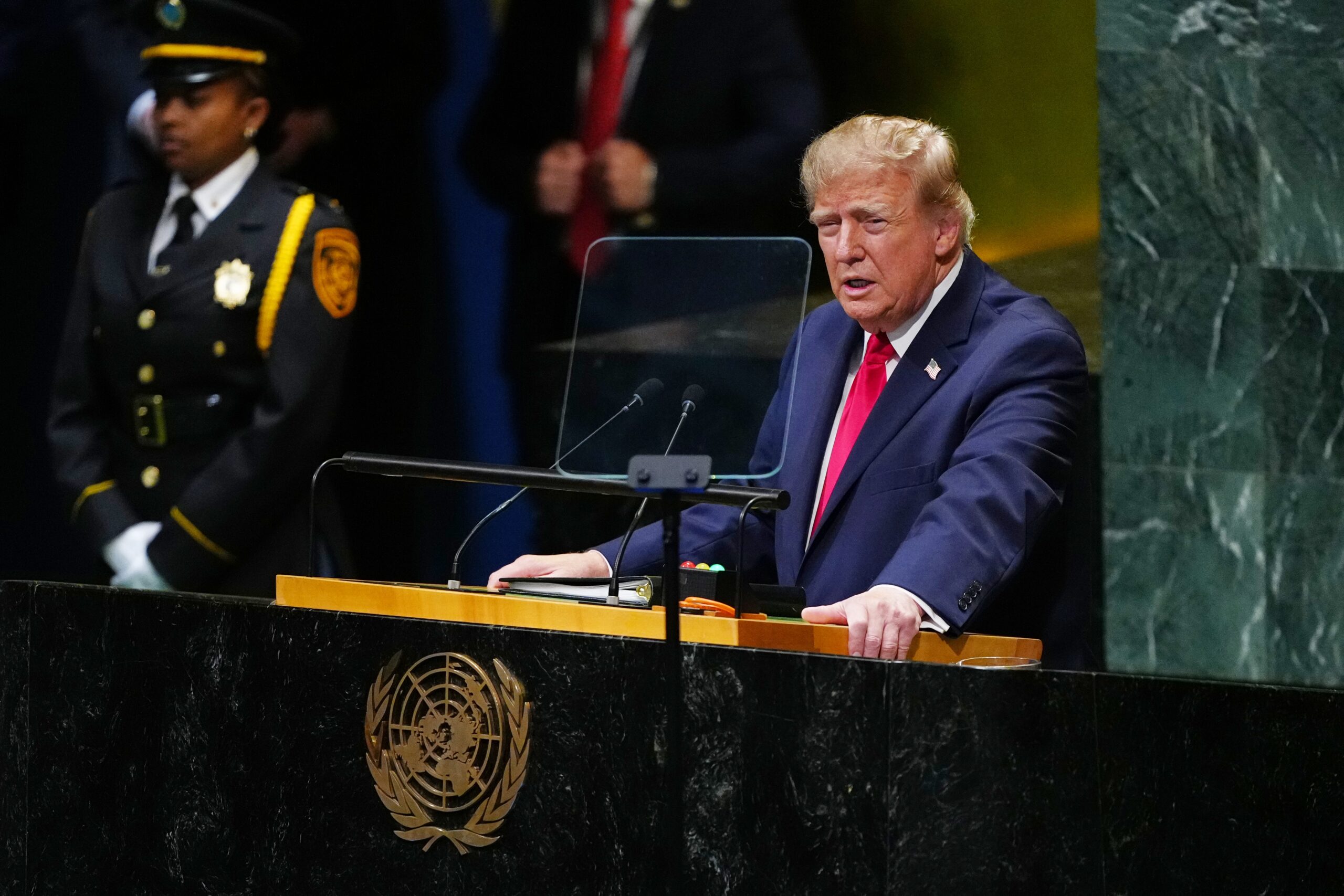
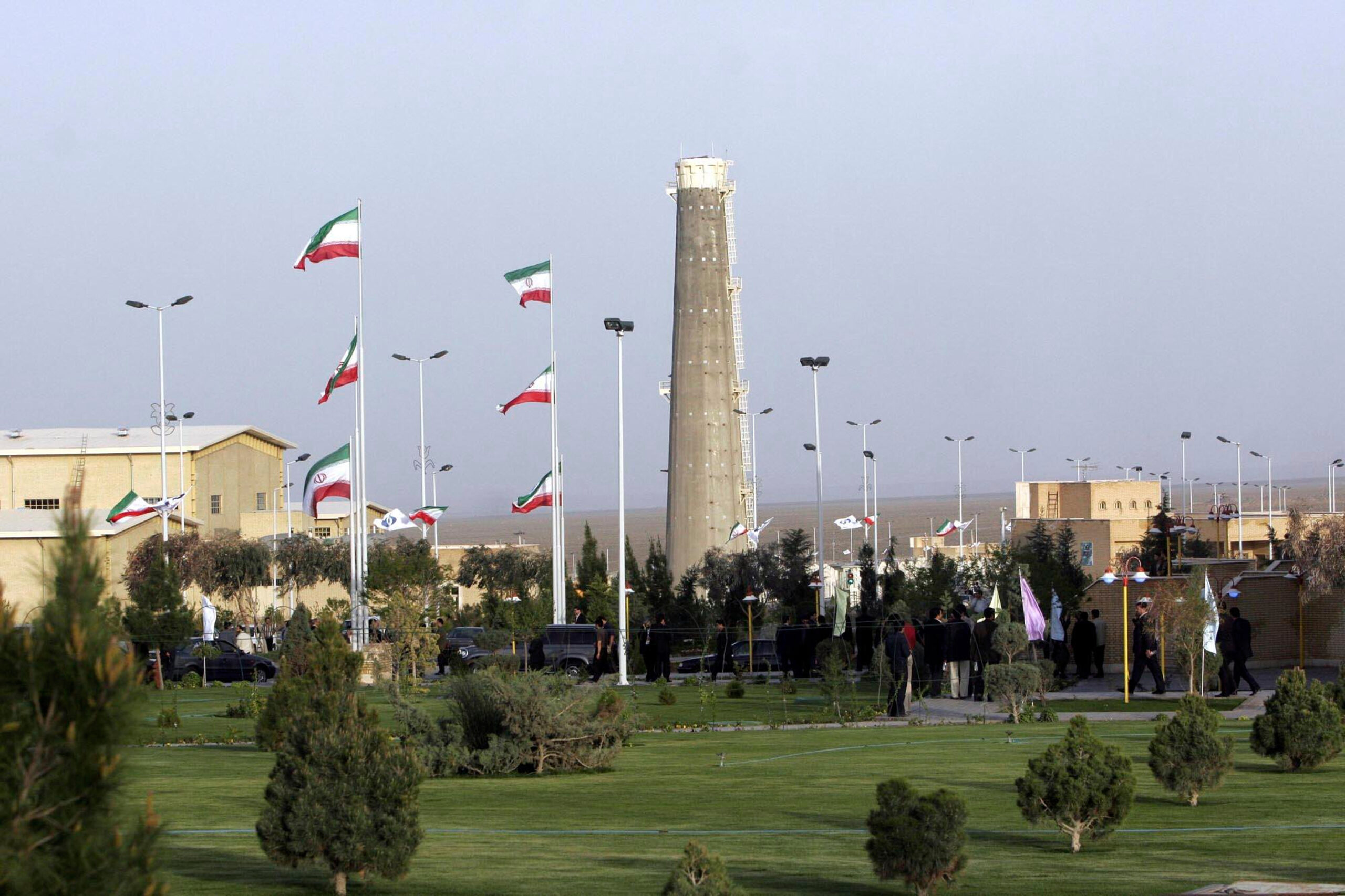
Book Talk: Iran and the Bomb: The United States, Iran and the Nuclear Question
On June 16, AGSI hosted a discussion on the evolution of Iran's nuclear program.
Speakers
Apr 21, 2026
Inside Iran’s Wartime Leadership: Power, Succession, and Regime Stability
On April 21, AGSI hosted a discussion on the evolution of Iran's leadership during the war.
Speakers

Mar 18, 2026
In Its Conflict With the United States and Israel, Does Escalation Favor Iran?
On March 18, AGSI hosted a discussion on the escalation of the Iran war.
Speakers