Challenges to the Energy Transition in the Gulf Countries
The energy world is entering an era of disruption, where traditional methods of extracting, using, and trading energy are changing rapidly and where old rules no longer apply.
A global energy transition is well under way, but the pace of change is uneven across regions and continents. In the Middle East, some oil producing countries, like the United Arab Emirates, have taken the lead in developing a new energy system that incorporates renewable energy and low-carbon technologies. However, the region’s oil producers are generally still heavily reliant on hydrocarbon revenue, and for the most part dismiss the peak oil demand theory as premature. The general consensus among the oil producing Gulf Arab states is that oil and gas will continue to make up the largest share of the energy pie for some years to come.
Nonetheless, the demand drivers in decades ahead will change as renewable energy and low-carbon fuels displace oil, particularly in power generation and the transportation sector. Trucks, shipping, aviation, and petrochemicals, a sector in which the Gulf states are investing heavily, will be key drivers of oil demand. It would be prudent for Middle Eastern oil producers to speed up economic reform programs to diversify away from oil export revenue to avoid exposure to oil price volatility and guard against a more rapid transformation of the energy system that could impact their economies. Energy experts agree that demand for oil will continue to grow in the medium term, albeit at lower rates than in the past, but there is new competition from fuel sources that appeal to consumers concerned about the impact of fossil fuels on the environment.
The energy world is entering an era of disruption, where traditional methods of extracting, using, and trading energy are changing rapidly and where old rules no longer apply.
This paper is the scene setter for the 2019 Petro Diplomacy conference. For the fifth consecutive year, AGSIW convenes its Petro Diplomacy conference, bringing together private and public sector stakeholders from the United States and the Gulf Arab countries to discuss emerging trends in energy markets and regional politics.
The world of energy is transforming rapidly and advances in technology are changing the traditional models where oil and gas were the main building blocks. AGSIW leverages its position as a trusted source for analysis on the Gulf Arab states in Washington to provide access to Gulf perspectives on energy markets and politics. In this context, Petro Diplomacy offers a unique forum for industry experts to engage with policymakers and analysts looking closely at how oil and gas producers in the Middle East are preparing for the possibility of a peak in demand for oil, and the region’s geoeconomic and domestic political drivers.
The views represented herein are the author's or speaker's own and do not necessarily reflect the views of AGSI, its staff, or its board of directors.
In its new strategy, the Saudi Public Investment Fund seems to focus more on investment returns and less on asset growth. How this will work in practice is less clear, including what it means for the future of existing projects, such as Neom.
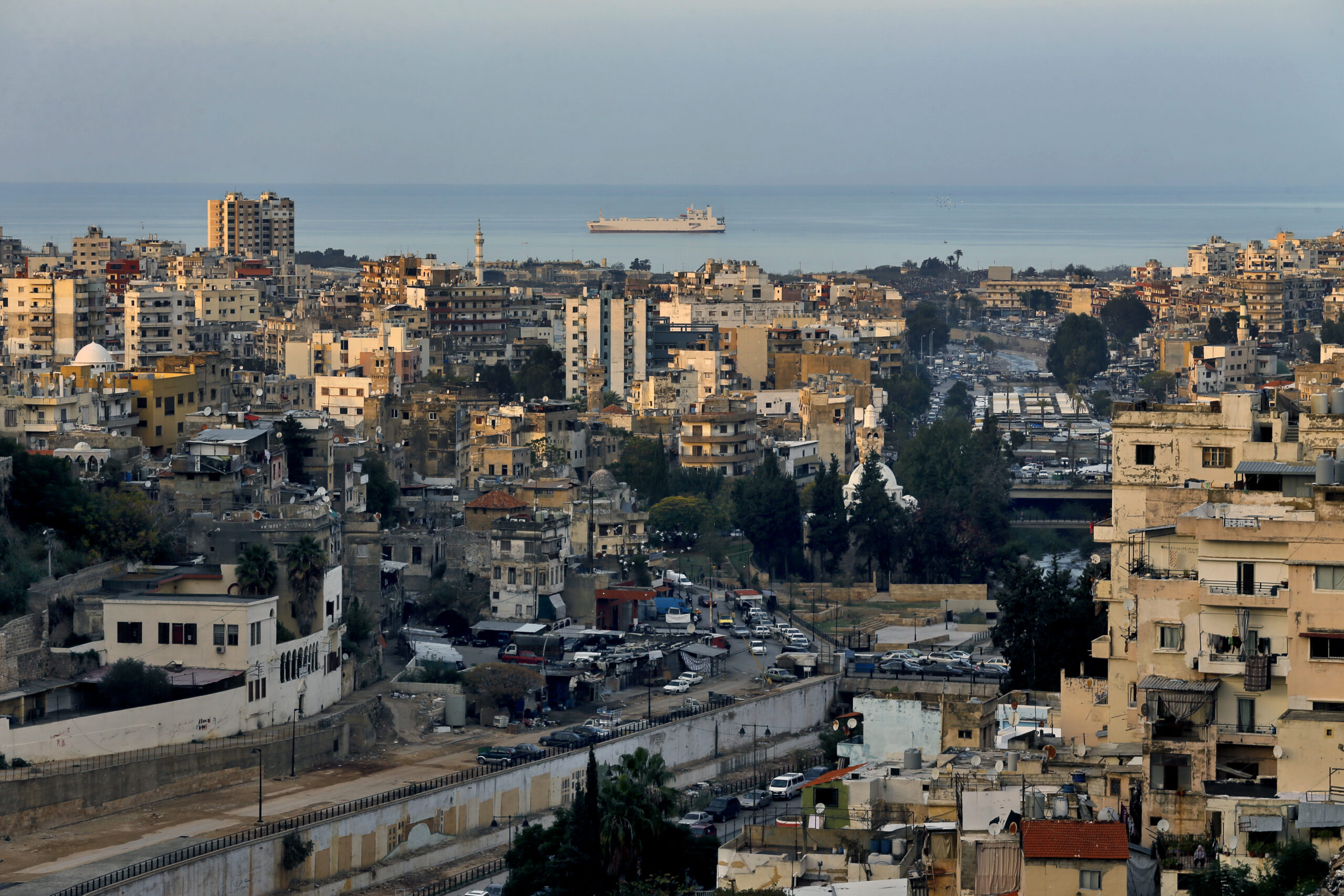
As Gulf countries seek alternative routes beyond the Strait of Hormuz, Lebanon is positioning Tripoli as a complementary Mediterranean gateway alongside Syria, but long-standing political and financial risks could limit serious capital inflows.
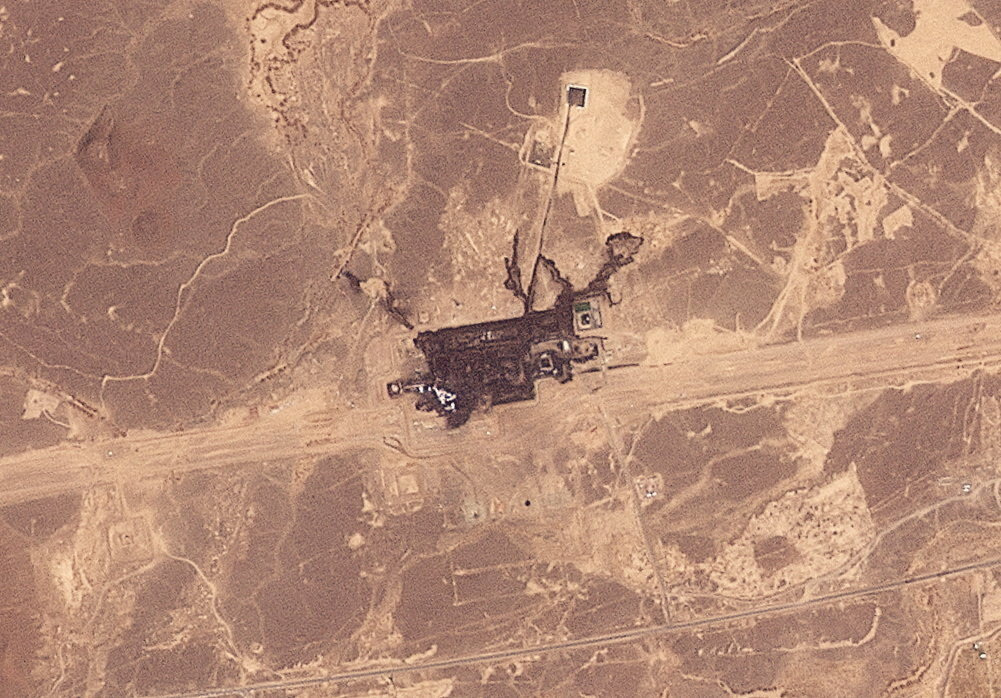
Saudi Arabia’s ability to maintain its reputation as a reliable supplier in the months ahead will depend on how quickly it can repair damaged assets and keep several imperfect routes operating at the same time.
Egypt has become the indispensable transit state linking Saudi Arabia's Red Sea infrastructure with global markets. But that strategic importance may also have exposed it to the same risks facing Gulf producers.
The vulnerability of the world's most important energy chokepoint has been laid bare, setting in motion changes that are likely to outlast the conflict.