Apr 4, 2023
Bahraini Opposition Divided Over Normalization With Iran
The April 4 edition of the Iran Media Review highlights the responses of Bahraini opposition groups and politicians to the possibility of the normalization of ties between Bahrain and Iran.

A recent agreement between Iran and Saudi Arabia to resume diplomatic relations is also preparing the ground for Iran and Bahrain to normalize relations. While one outlawed Bahraini opposition group has welcomed normalizing ties with Iran, another is maintaining its hard-line stance against the Khalifa monarchy.
- March 10: Abbas Golroo, the chair of Iran’s Parliamentary Foreign Relations Committee, in a tweet announced his arrival in Manama to participate in the Inter-Parliamentary Union, an annual conference of national parliaments. Commenting on Iranian-Bahraini ties, Tasnim News quoted Golroo as having said: “The horizon of relations between the two states is bright.”
- March 12: Al-Wefaq, a banned Bahraini Shia Islamist political society, in a statement quoted by Tasnim News, welcomed the resumption of diplomatic relations between Iran and Saudi Arabia and expressed optimism about the potential of both countries to help solve the political crisis in Bahrain.
- March 13: The February 14 Youth Coalition, which Bahrain and several other Arab states have designated a terrorist organization, in a statement quoted by Tasnim News, asked the Inter-Parliamentary Union to address human rights issues in Bahrain.
- March 19: Elham Azad, a member of the parliamentary delegation that attended the Inter-Parliamentary Union, said, as quoted by Tasnim News: “The speaker of the Bahraini Council of Representatives said that he is engaged in the resumption of diplomatic relations between Iran and Bahrain and the embassies will soon reopen.”
- March 21: Taadol newspaper quoted Erem News’ interview with Abdul Nabi Salman, the first deputy speaker of the Bahraini Council of Representatives, who reportedly said: “We are following the Iran-Saudi Arabia agreement closely, and within the next two months, the goals, sincerity, and goodwill of Iran concerning the region will be clear. If the Iranians are serious in this regard, the government and nation of Bahrain and all the Gulf Arab states will welcome it … Manama has no reservation concerning the resumption of relations with Tehran apart from our sovereignty … which is not up for haggling.”
- March 25: The Islamic Republic News Agency, quoting Arabic coverage from Russia’s state-owned Sputnik News, reported that an Iranian Foreign Ministry delegation visited Manama. The reported visit was prior to the March 10 Inter-Parliamentary Union conference. Quoting unnamed “Bahraini sources,” the report claimed that there would be additional visits by Iranian delegations after President Ebrahim Raisi’s planned visit to Saudi Arabia.
The views represented herein are the author's or speaker's own and do not necessarily reflect the views of AGSI, its staff, or its board of directors.
Related
Iran Media Review
Oct 20, 2026
Who Authorized Iranian Strikes Against U.S. Vessels?
The October 20 edition of the Iran Media Review examines IRGC messaging about July 7 strikes against U.S. Navy vessels and the debate surrounding the confirmation of a new Iranian defense minister.
Iran Media Review
Oct 16, 2026
Qalibaf’s New Equation: War, Negotiation, and Deterrence
The October 16 edition of the Iran Media Review highlights the call by Iran’s parliamentary speaker for a combination of war and negotiation to establish deterrence against further attacks on Iran.
Iran Media Review
Oct 13, 2026
From Neighbor to Target: Iranian Analysts on the UAE
The October 13 edition of the Iran Media Review explores calls by senior Iranian strategists for Iran to target the United Arab Emirates and Dubai’s airport.
Oct 20, 2026
Who Authorized Iranian Strikes Against U.S. Vessels?
The October 20 edition of the Iran Media Review examines IRGC messaging about July 7 strikes against U.S. Navy vessels and the debate surrounding the confirmation of a new Iranian defense minister.
Oct 16, 2026
Qalibaf’s New Equation: War, Negotiation, and Deterrence
The October 16 edition of the Iran Media Review highlights the call by Iran’s parliamentary speaker for a combination of war and negotiation to establish deterrence against further attacks on Iran.
Oct 13, 2026
From Neighbor to Target: Iranian Analysts on the UAE
The October 13 edition of the Iran Media Review explores calls by senior Iranian strategists for Iran to target the United Arab Emirates and Dubai’s airport.
Analysis
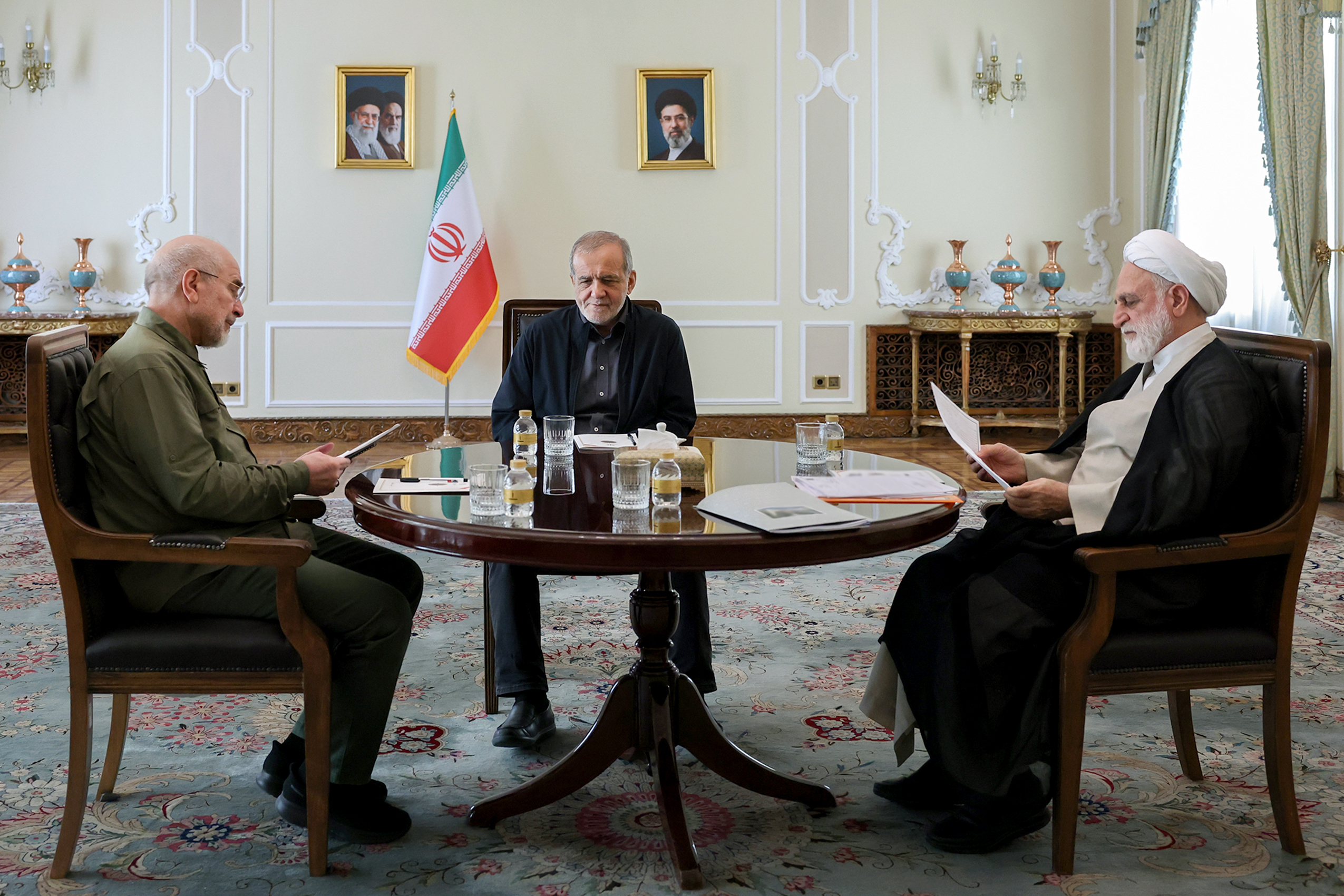
The Committee of Six and Strategic Decision Making in Iran
Remarks by Iran’s president offer a rare glimpse of how the Islamic Republic has adapted its decision making to the absence of its supreme leader.
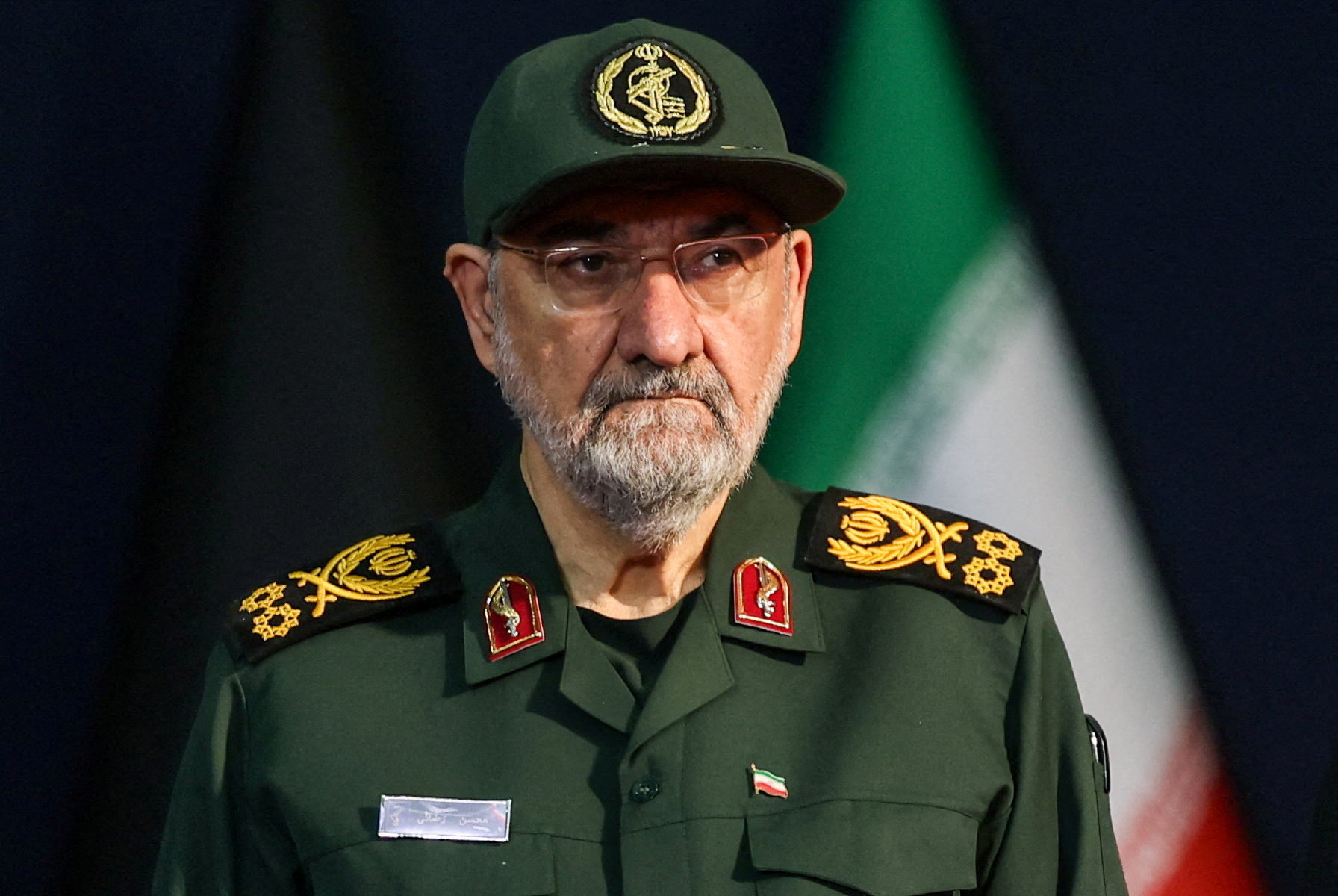
Mohsen Rezaei at the Helm of Iran’s Supreme National Security Council
Under Rezaei, the SNSC could prove constructive or paralyze strategic decision making.
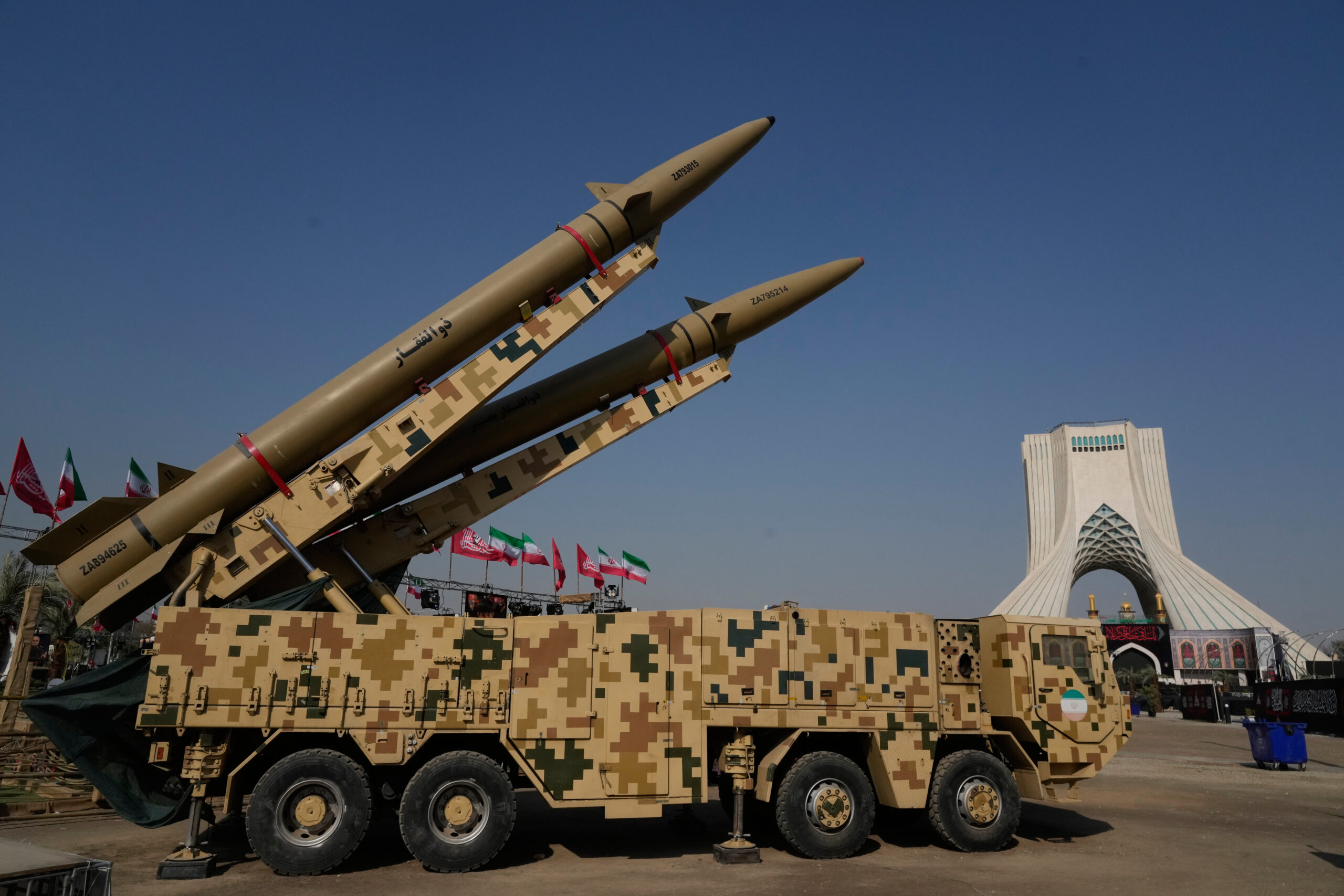
The Islamic Republic Returns to Offense
After U.S.-Israeli strikes killed Supreme Leader Ayatollah Ali Khamenei on February 28, Iran’s collective leadership has concluded that the best defense is a good offense.
Iran’s Collective Strategic Decision Making
Wartime pressure has temporarily aligned the leadership’s overriding interest in regime survival, even as its members continue to differ over the costs, methods, and ultimate objectives of the war.
Events
Oct 6, 2026
Is the U.S.-Iran Stalemate a “New Normal” or the Prelude to Another Explosion?
On October 6, AGSI hosted a discussion on the U.S.-Iran stalemate and the prospects for a cease-fire.
Speakers


Book Talk: Iran and the Bomb: The United States, Iran and the Nuclear Question
On June 16, AGSI hosted a discussion on the evolution of Iran's nuclear program.

Speakers

Apr 21, 2026
Inside Iran’s Wartime Leadership: Power, Succession, and Regime Stability
On April 21, AGSI hosted a discussion on the evolution of Iran's leadership during the war.

Speakers

Mar 18, 2026
In Its Conflict With the United States and Israel, Does Escalation Favor Iran?
On March 18, AGSI hosted a discussion on the escalation of the Iran war.
Speakers