May 3, 2024
Back to Bread-and-Butter Issues in Iran
The May 3 edition of the Iran Media Review highlights Iran’s economic woes as regional crises dominate the news cycle.

As Iran’s state-censored media reports on the war in Gaza and Iran’s supposedly triumphant drone and missile attack against Israel, one parliamentarian dared to address a question closer to the hearts – or, more correctly, bellies – of Iranians: “Who can deny that the price of red meat has reached $16 per kilogram? The Cabinet is, because it is incapable of correcting it.”
- April 16: Interviewed by centrist Khabar Online, Ahmad Ali-Reza Beygi, a parliamentarian from Tabriz, East Azerbaijan province, said:
- “The Cabinet should have sensors in society and grasp the fact that the economy is in trouble … The central bank is constantly releasing reports on the increasing prices of foodstuffs. The price of meat is surpassing $16 per kilogram. The conditions are not good. Who can deny these things? They are undeniable. If anyone denies them, nobody will believe it.”
- Asked why the Cabinet is in denial, Beygi said: “This is a disease. You don’t recognize the problems you either don’t want to or are incapable of solving, so you deny the existence of the problems.”
- Addressing the upcoming May 10 parliamentary elections, Beygi continued: “Our country is unpredictable. Experience shows if the people take part in elections, things change. Elections are a fundamental institution, and the constitution defines them as the popular will prevailing. When the people, unfortunately, stay away from the ballot, does it not harm the legitimacy of elections? The Guardian Council has persuaded the people that a lack of electoral participation has no impact on the legitimacy of the vote, which led to the people staying at home in the last parliamentary and presidential elections … This harms the legitimacy of the political order, and it is a threat. It reduces hope in the future and imposes considerable losses on our national security.”
The views represented herein are the author's or speaker's own and do not necessarily reflect the views of AGSI, its staff, or its board of directors.
Related
Iran Media Review
Apr 26, 2024
Talk of the Day in Iran: The Nuclear Bomb
The April 26 edition of the Iran Media Review highlights the debate over the possibility of Iran changing its nuclear policy amid rising tensions with Israel.
Iran Media Review
Apr 30, 2024
Deep Bonds: Former IRGC Chief on Slain Quds Force Field Commander for Syria and Lebanon
The April 30 edition of the Iran Media Review highlights newly released information about Brigadier General Mohammad Zahedi, a Quds Force officer killed in an Israeli strike April 1.
Apr 26, 2024
Talk of the Day in Iran: The Nuclear Bomb
The April 26 edition of the Iran Media Review highlights the debate over the possibility of Iran changing its nuclear policy amid rising tensions with Israel.
Apr 30, 2024
Deep Bonds: Former IRGC Chief on Slain Quds Force Field Commander for Syria and Lebanon
The April 30 edition of the Iran Media Review highlights newly released information about Brigadier General Mohammad Zahedi, a Quds Force officer killed in an Israeli strike April 1.
Analysis
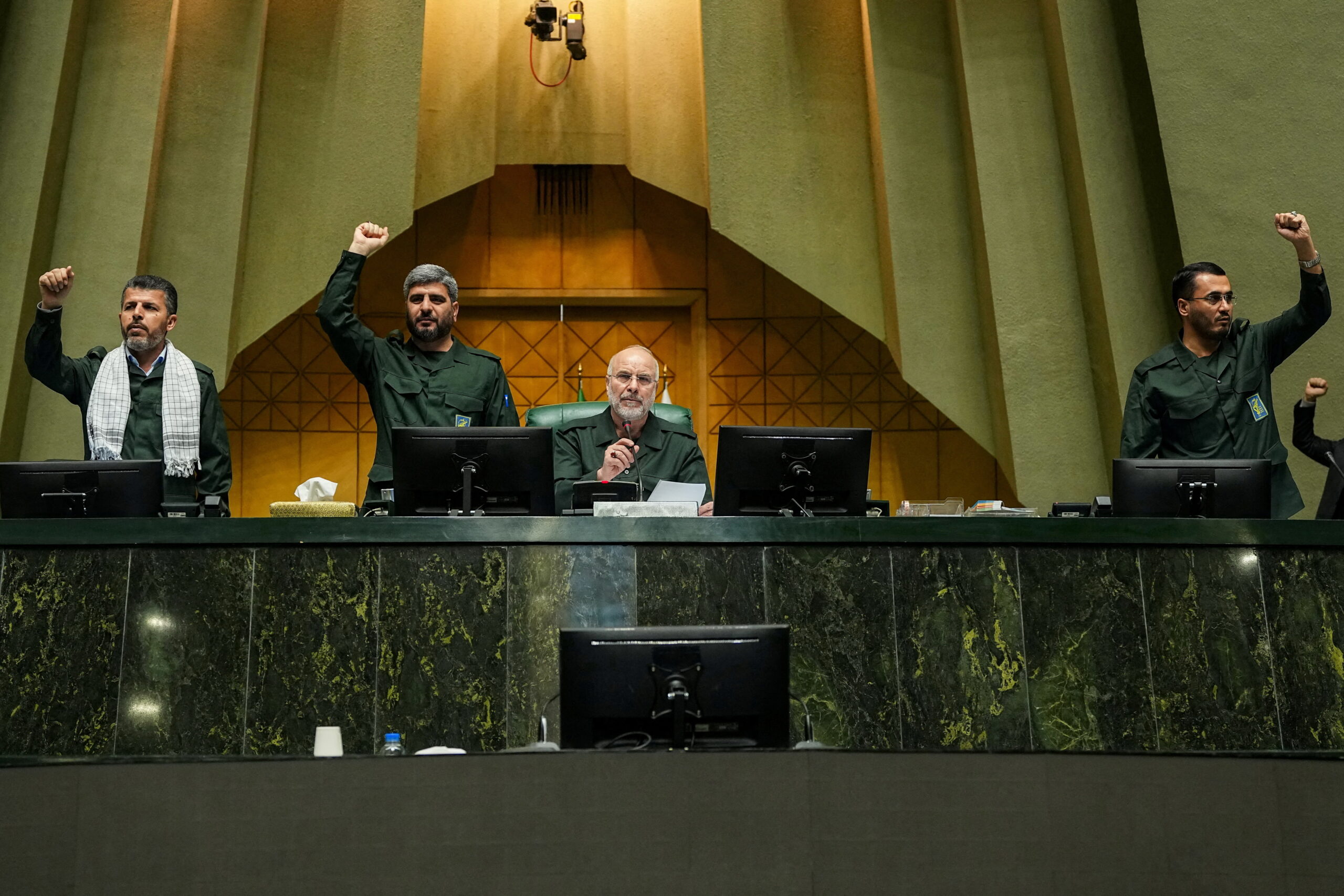
How Did the IRGC Seize Power in Iran?
The IRGC did not seize power in a single stroke. It accumulated it – patiently, methodically – until no counterweight remained.
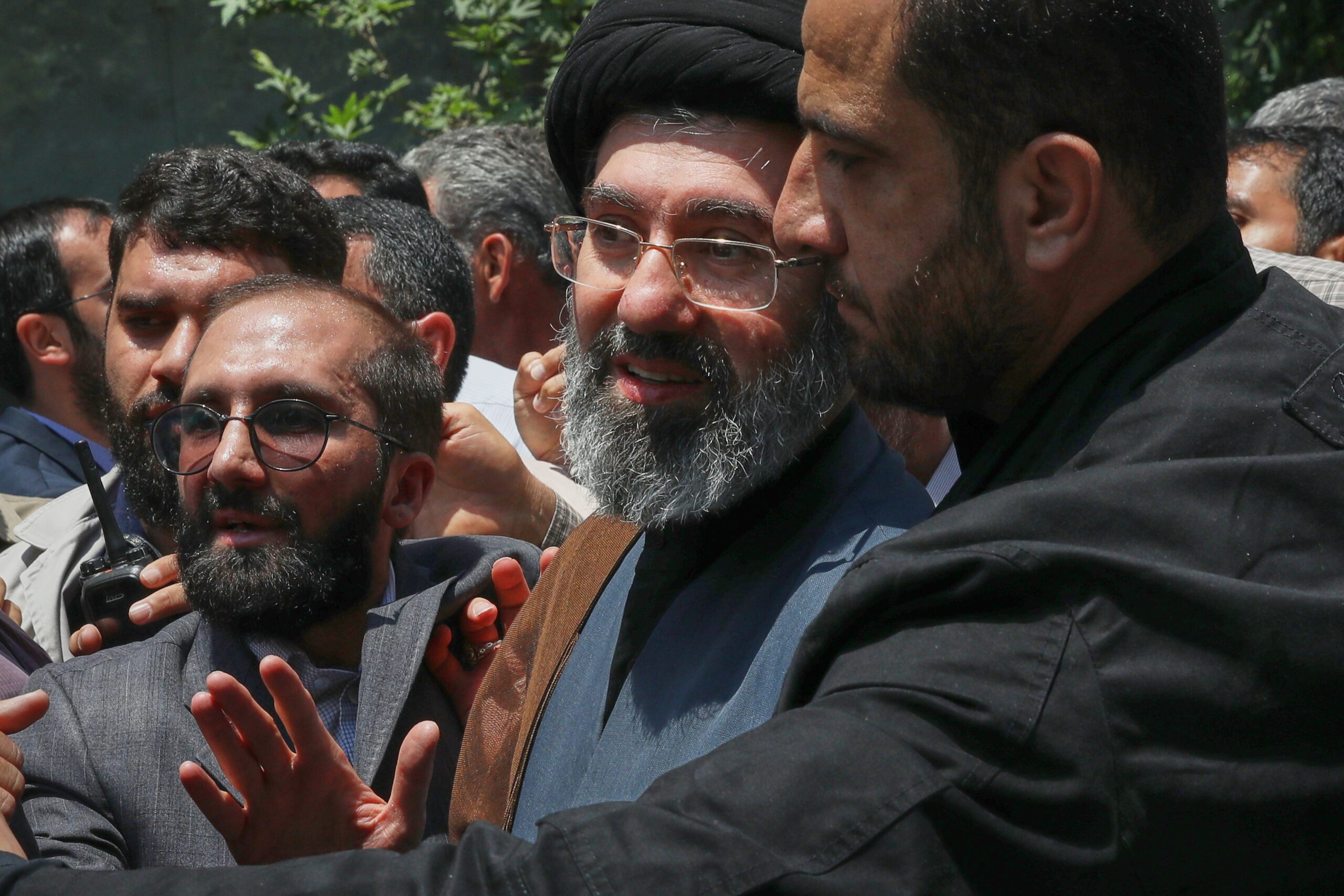
Under Mojtaba, the IRGC Will Reign Supreme
Iran may still call itself an Islamic Republic. In practice, however, it increasingly resembles a state in which the military governs from behind clerical robes.
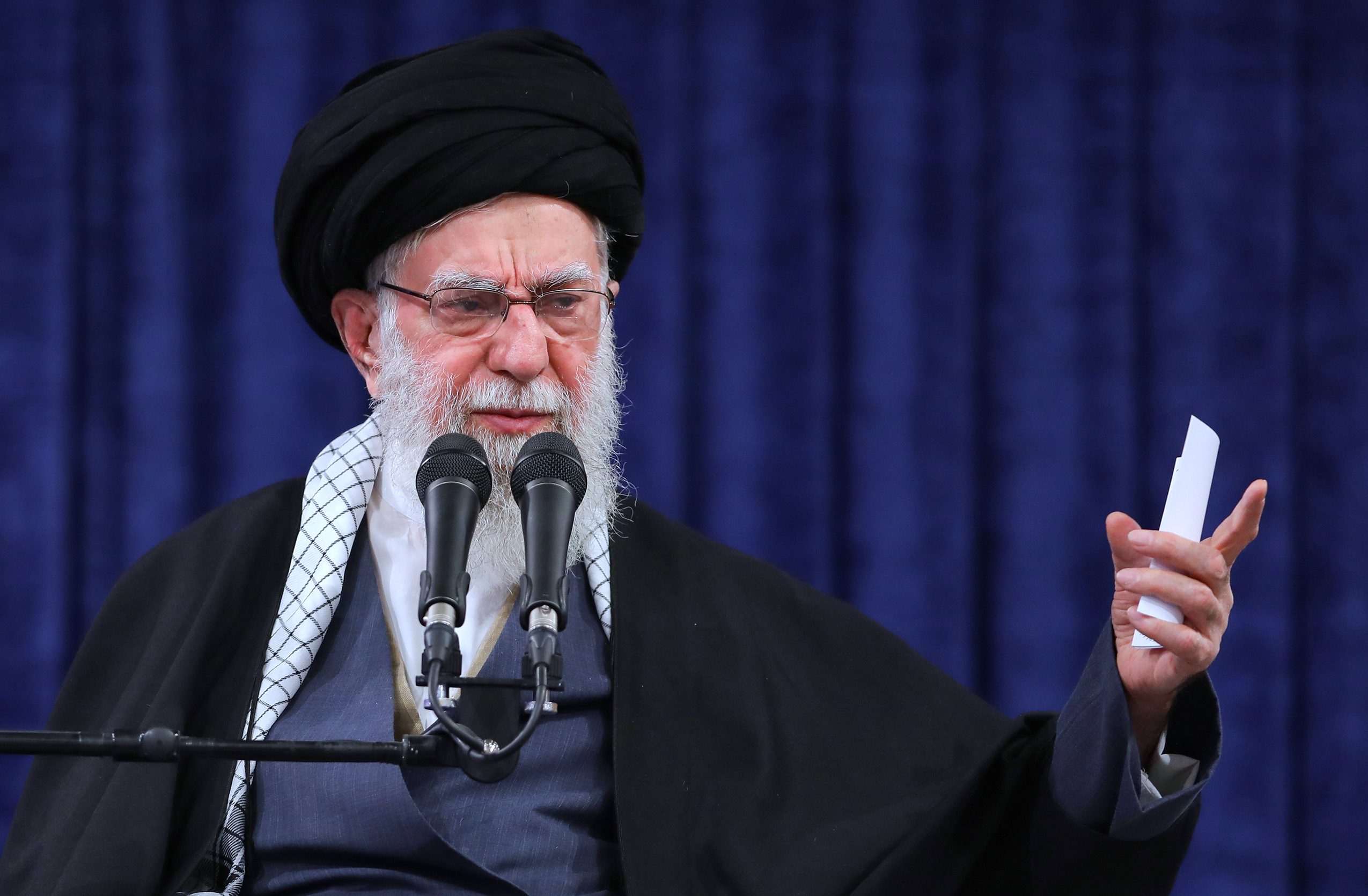
Political Life and Legacy of Iran’s Ayatollah Khamenei
Ayatollah Ali Khamenei was killed in his office in Tehran at age 86, leaving behind a country in ruins and on the verge of civil war and potential disintegration.
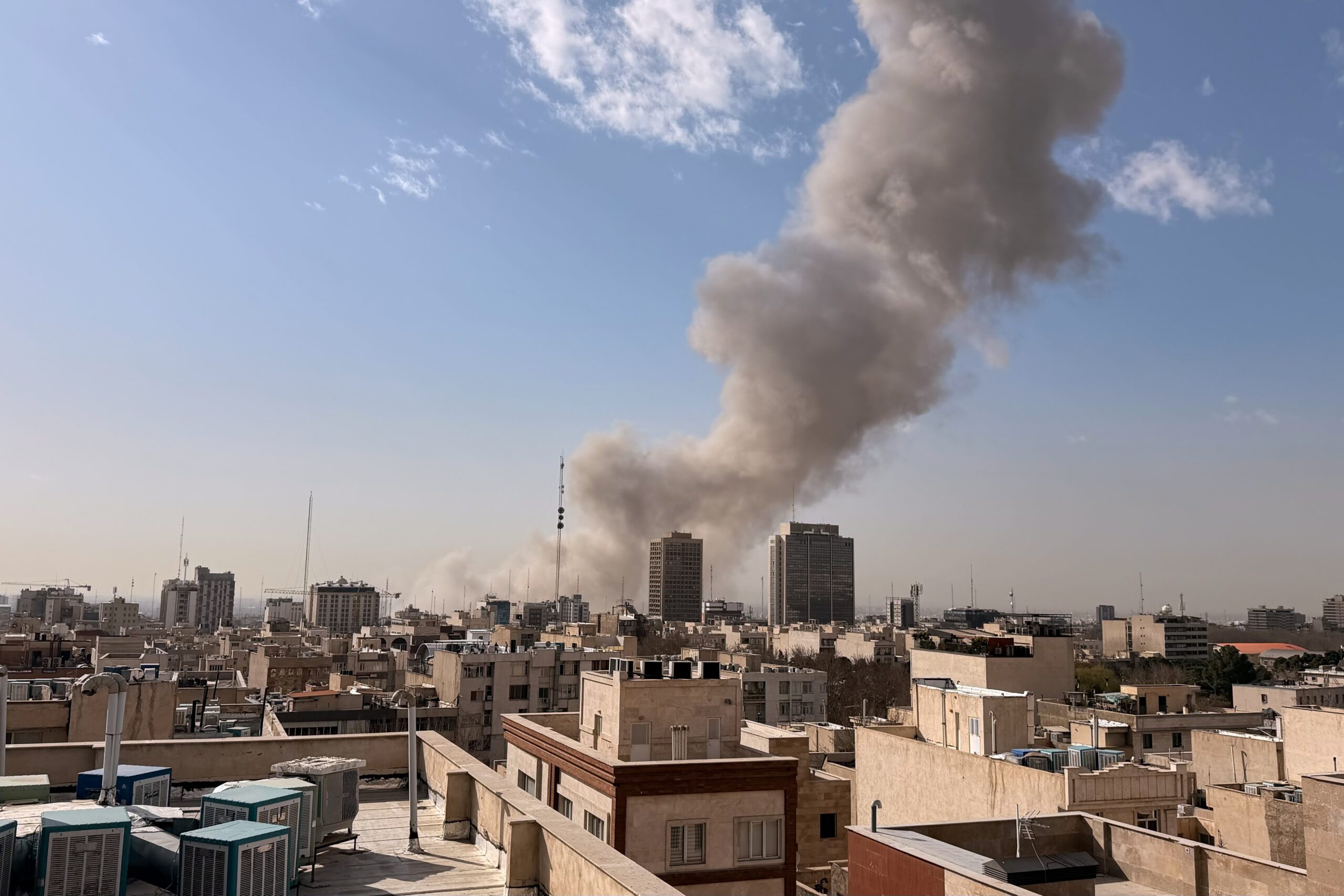
Iranian Regime Fighting for Survival
Iran is signaling that it will not absorb attacks passively. But whether this strategy ensures the regime’s survival, seals its fate, or accelerates a broader catastrophe will shape the region for years to come.
Events
Book Talk: Iran and the Bomb: The United States, Iran and the Nuclear Question
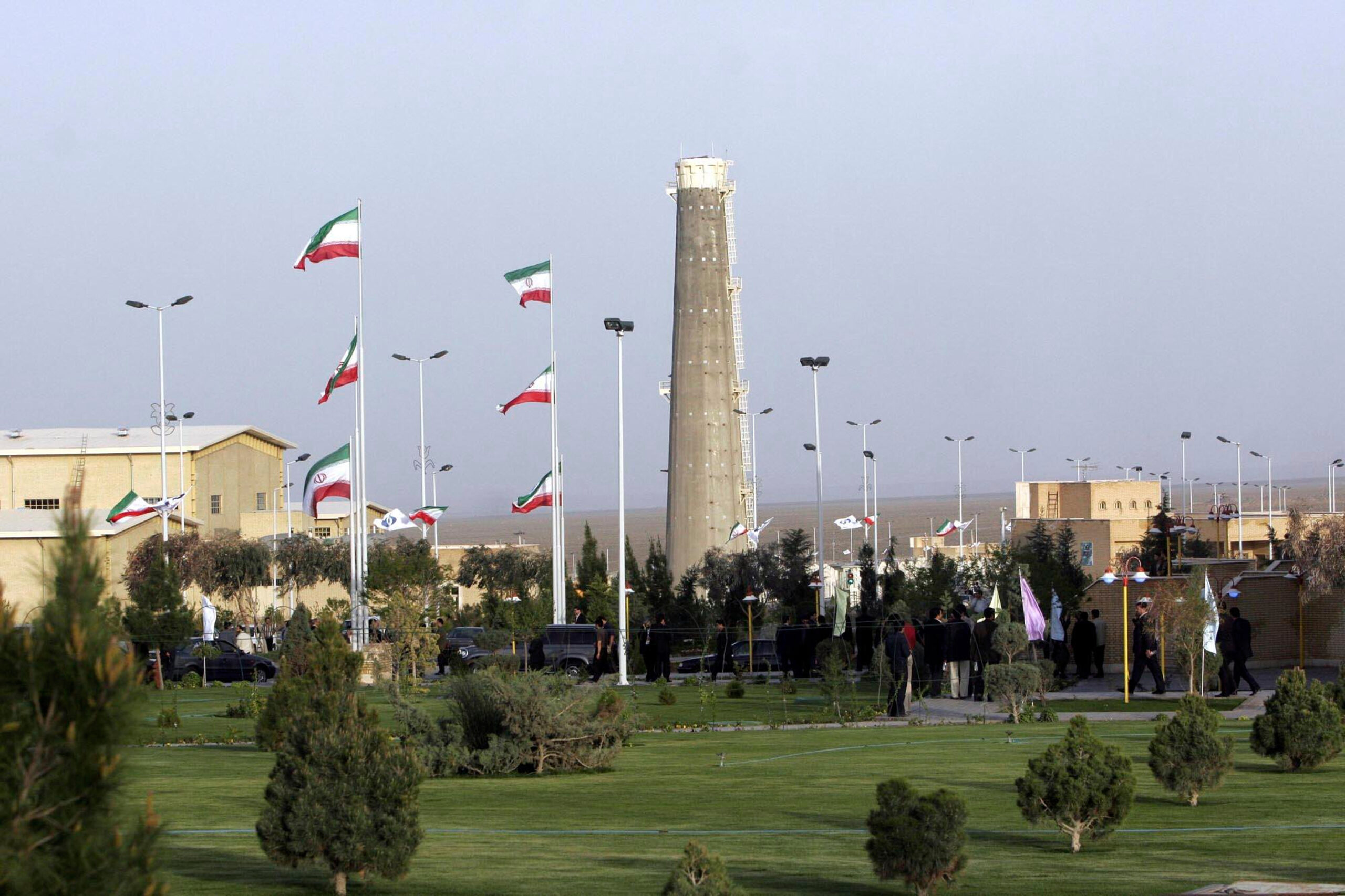
On June 16, AGSI hosted a discussion on the evolution of Iran's nuclear program.
Speakers

Apr 21, 2026
Inside Iran’s Wartime Leadership: Power, Succession, and Regime Stability
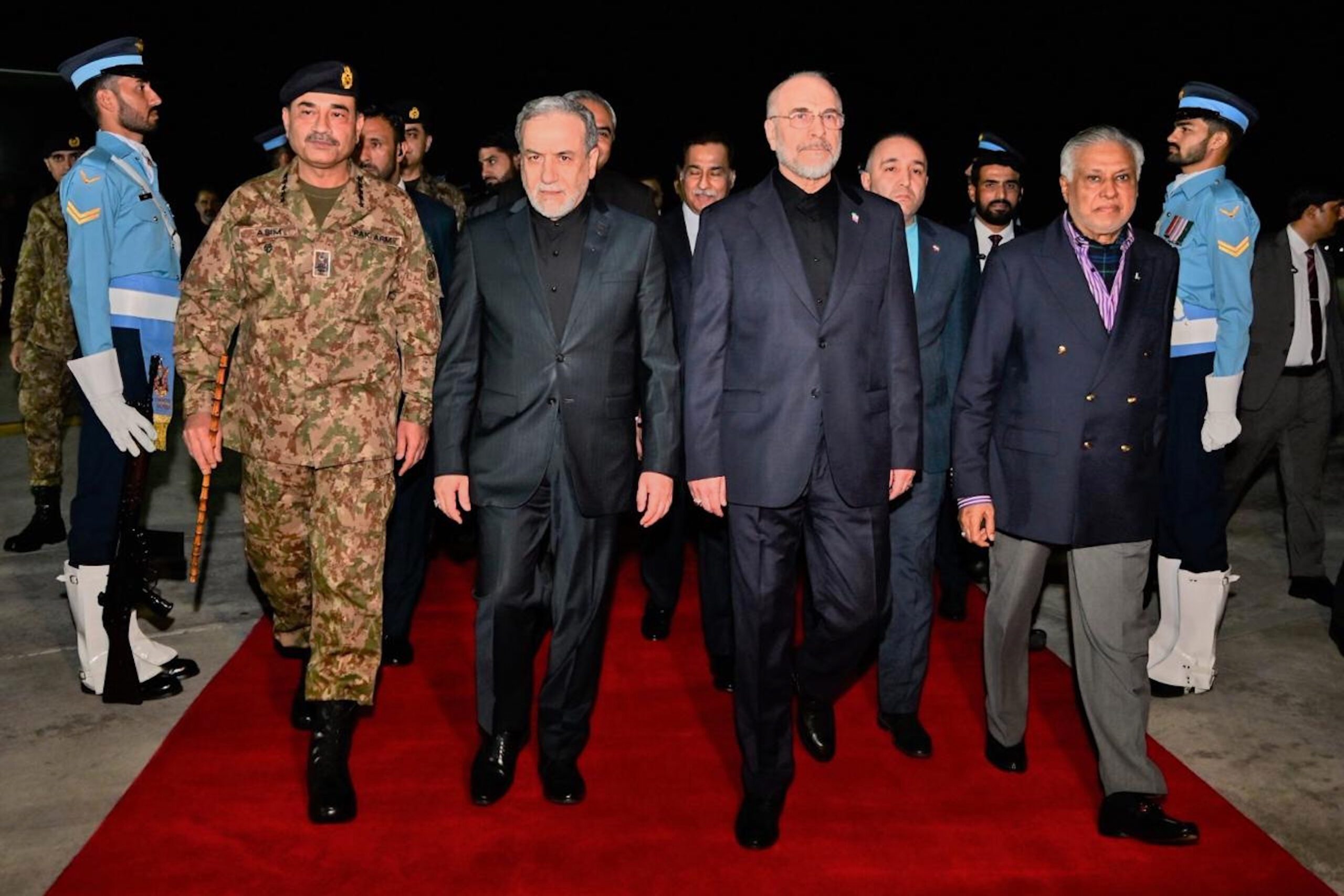
On April 21, AGSI hosted a discussion on the evolution of Iran's leadership during the war.
Speakers

Mar 18, 2026
In Its Conflict With the United States and Israel, Does Escalation Favor Iran?
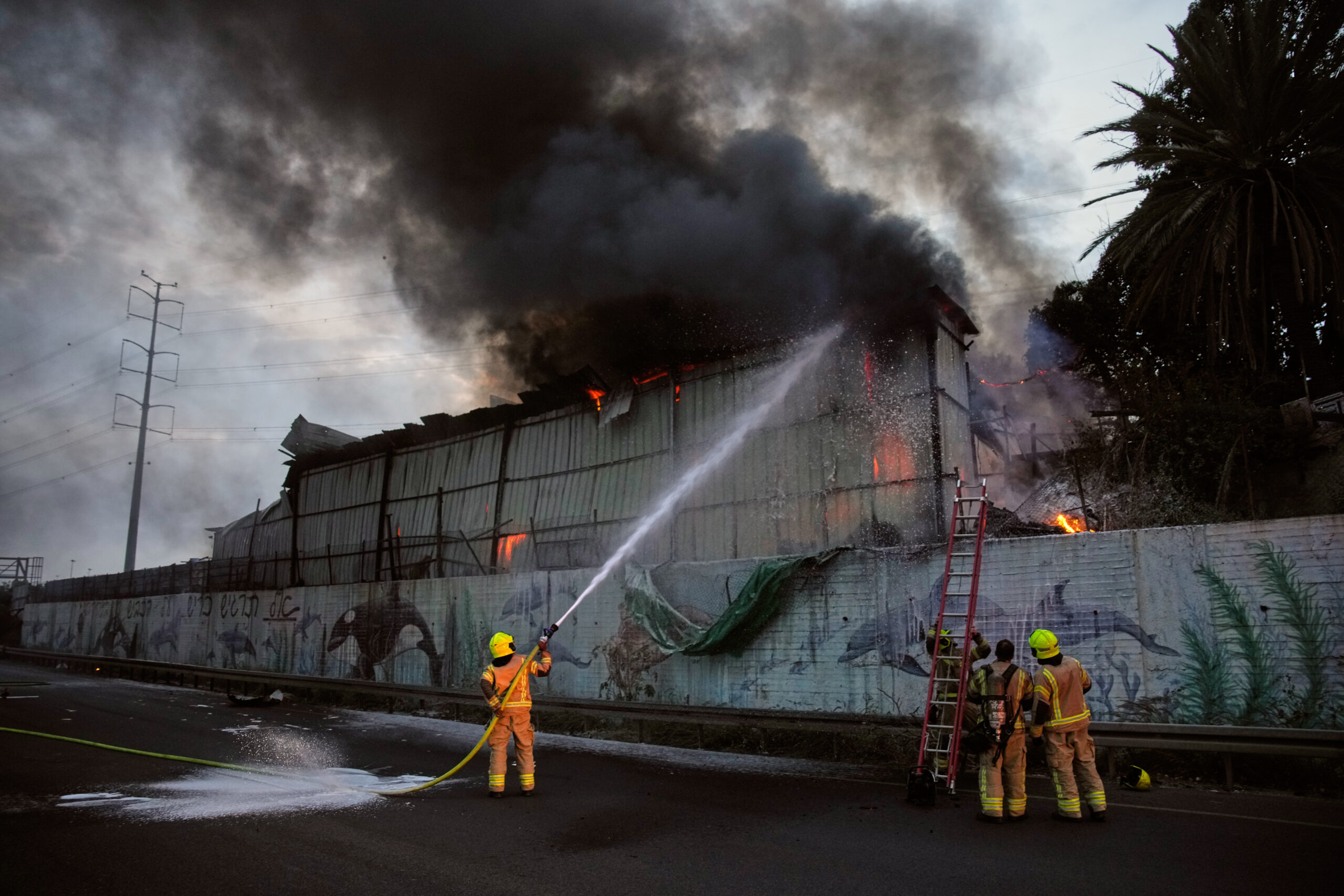
On March 18, AGSI hosted a discussion on the escalation of the Iran war.
Speakers


Mar 2, 2026
After the Shock: Implications of the U.S.–Israeli Strikes and Iran’s Leadership Transition
On March 2, AGSI hosted a discussion on the U.S.-Israeli strikes on Iran.
Speakers