Are Tehran and a Key Ally Really at Odds Over the Iraqi Prime Minister-Designate?
Tehran and Kataib Hezbollah's conflicting reactions to Prime Minister-designate Mustafa al-Kadhimi reflect a division of labor rather than poor coordination.
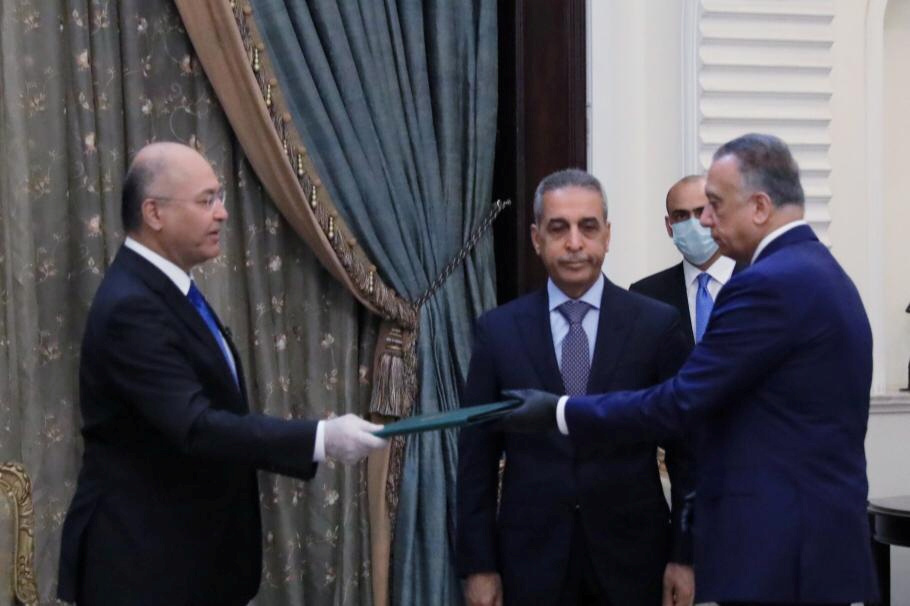
Iraq's President Barham Salih, left, with newly appointed Prime Minister-designate Mustafa al-Kadhimi, Baghdad, Iraq, April 9 (The Presidency of the Republic of Iraq Office/Handout via REUTERS)
While Islamic Republic officialdom has welcomed Iraqi President Barham Salih’s April 9 nomination of Mustafa al-Kadhimi as prime minister-designate, Kataib Hezbollah, one of the most prominent among Iranian-backed Shia militias in Iraq, is publicly opposing him. How should one interpret the conflicting signals? Is this Tehran’s latest attempt to maintain Iraqi politics in a state of controlled chaos, or does it reflect a lack of coordination between the Islamic Republic and one of its key proxies in Iraq? A survey of Persian language open source material generally points to the former.
Since the resignation of Prime Minister Adel Abdul Mahdi in December 2019, Iraq has not had a fully functioning government. Salih’s prime ministerial candidate Mohammed Tawfiq Allawi withdrew his candidacy on March 1 after parliament twice failed to achieve a quorum to approve his cabinet. So did Adnan al-Zurfi, who resigned as he was unable to garner support from the parliament’s Shia bloc, some members of which are closely aligned with the Islamic Republic. On April 9, Salih nominated Kadhimi, who has 30 days to form a cabinet and present it to parliament for approval.
There is some indication of Tehran’s passive, if not active, support to Kadhimi’s candidacy. On March 7, Admiral Ali Shamkhani, secretary of Iran’s Supreme National Security Council, visited Baghdad, where he met Kadhimi. One must not, of course, exaggerate the importance of this particular meeting since he also met with other top politicians Abd al-Mahdi and Falih al-Fayyadh, former head and advisor of the National Security Council, respectively; Jaafar Allawi, health minister; Mohamed al-Halbousi, parliamentary speaker; Nouri al-Maliki and Haider al-Abadi, former prime ministers; Ammar al-Hakim, former president of the Islamic Supreme Council of Iraq; and finally, Salih.
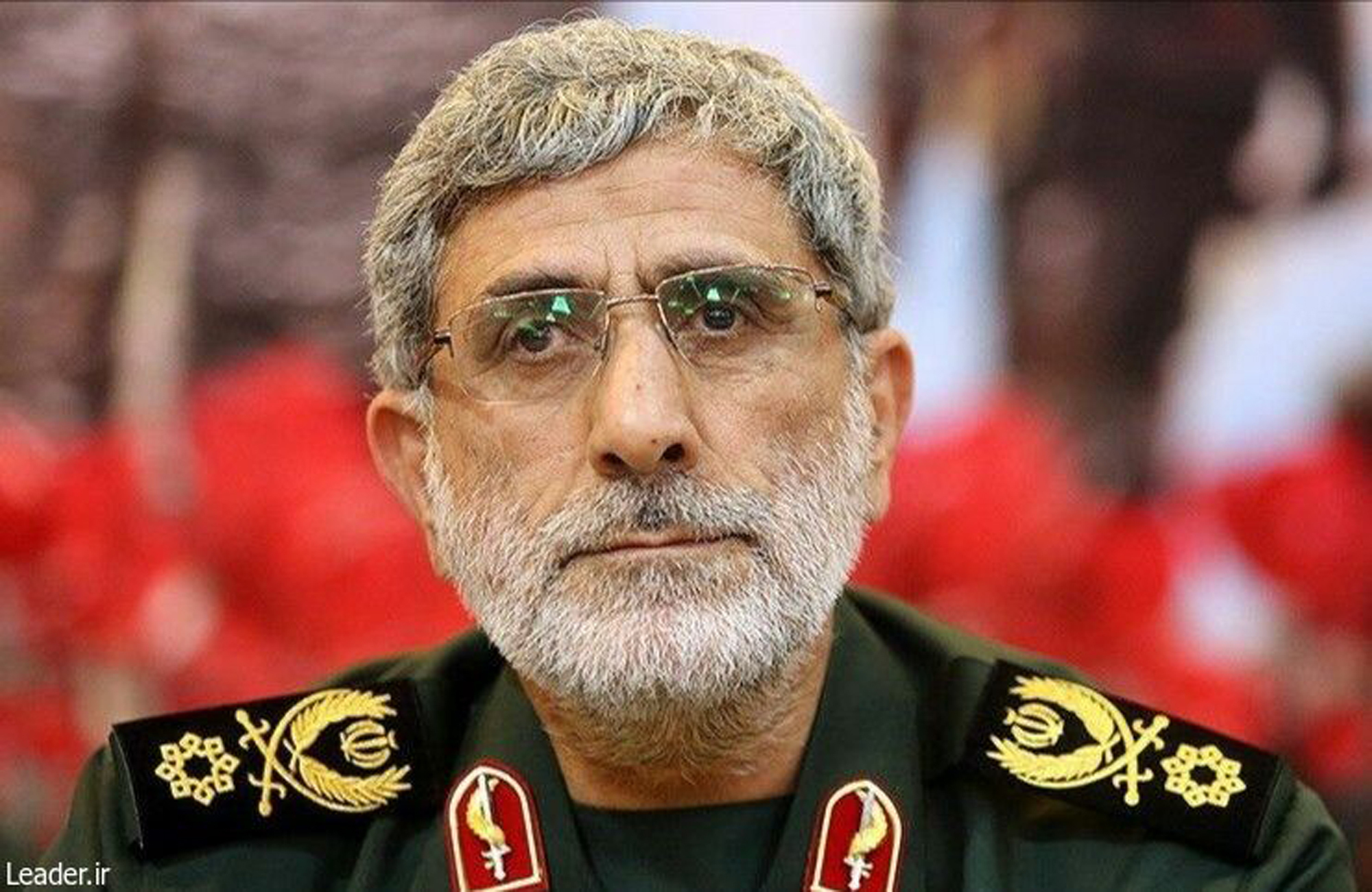
Shamkhani’s visit was followed up by Brigadier General Ismail Qaani, commander of the extraterritorial operations of the Islamic Revolutionary Guard Corps Quds Force, who arrived in Iraq on March 30 and reportedly expressed Tehran’s opposition to Zurfi’s candidacy. In the days after Qaani’s visit, the Islamic Republic media outlets and those of Iran-backed militias started a barrage of attacks against Zurfi, whom they depicted as a lackey and stooge of the United States.
Vilification of Zurfi stood in stark contrast to the polite description and endorsement of Kadhimi by the Islamic Republic’s top officials and Iran’s government-censored media immediately following his nomination.
On April 9, Seyyed Abbas Mousavi, Iranian foreign ministry spokesman, welcomed Kadhimi’s nomination, which he described as “agreement among the political groups in Iraq.” The very next day, Iraj Masjedi, ambassador to Baghdad – and perhaps more importantly – senior Quds Force commander, said Iran would “respect and support any prime minister who receives a parliamentary vote of confidence,” but went on to praise the nomination as “a positive deed.”
Two days later, Hassan Danaeifar, former ambassador to Baghdad and Masjedi’s fellow Quds Force officer, gave an interview in which he pointed at the significance of the unprecedented presence of top Shia, Sunni, and Kurdish leaders at Kadhimi’s nomination ceremony. Danaeifar concluded Kadhimi has “vastly better chances of forming a cabinet in comparison with his predecessors… who were appointed by the other side [the United States].” In a separate interview on April 13, Danaeifar emphasized, “all political formations in Iraq support Kadhimi, and he appears to be successful in forming the new Cabinet in Baghdad.”
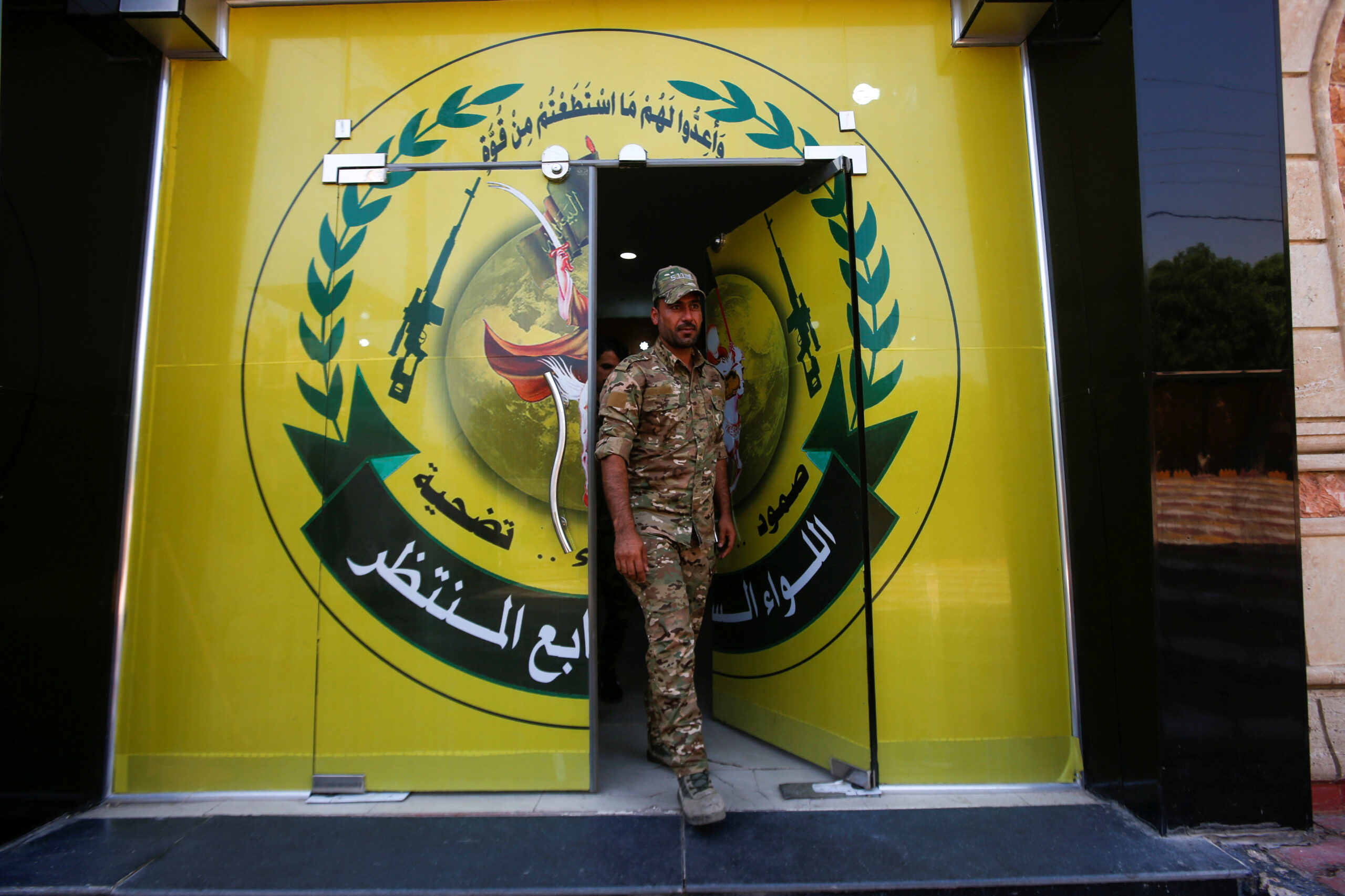
Despite all the praise and positive messages from Tehran, on April 11, the Iran-backed Kataib Hezbollah militia issued a statement condemning the nomination as “failing the rights and sacrifices of the people and betraying the history of Iraq.” This is not the first time this particular militia expressed opposition to Kadhimi. Following Abdul Mahdi’s resignation in December 2019, there was speculation about Kadhimi’s candidacy, which Kataib Hezbollah countered by accusing him of complicity in the January 3 U.S. killing of Major General Qassim Suleimani, Quds Force chief, and Abu Mahdi al-Muhandis, deputy chairman of the Popular Mobilization Forces.
It is extremely difficult to interpret Kataib Hezbollah’s opposition as a deliberate attempt to sabotage Quds Force efforts. After all, on February 20, the Quds Force used its influence to elect former Kataib Hezbollah commander, Abu Fadak al-Mohammedawi, as deputy chairman and de facto leader of the PMF. Why would Kataib Hezbollah act against the interests of its benefactor in Tehran?
The Islamic Republic can potentially benefit from a two-pronged approach to the formation of the Kadhimi cabinet. On the one hand, the Islamic Republic projects the image of a responsible party interested in political stability in Iraq, even if it entails passive support for an independent prime ministerial candidate who is not necessarily subservient to Tehran. On the other hand, Kataib Hezbollah’s opposition – and the accusation of his complicity in the killing of Suleimani and Muhandis – serve as a reminder to Kadhimi of the danger of acting against the Shia militias, or swinging Baghdad’s pendulum too much toward Washington.
The views represented herein are the author's or speaker's own and do not necessarily reflect the views of AGSI, its staff, or its board of directors.
While it took the Quds Force of the Islamic Revolutionary Guard Corps less than 24 hours to replace Major General Qassim Suleimani, Iraq's Popular Mobilization Forces is suffering more from its leadership succession woes.
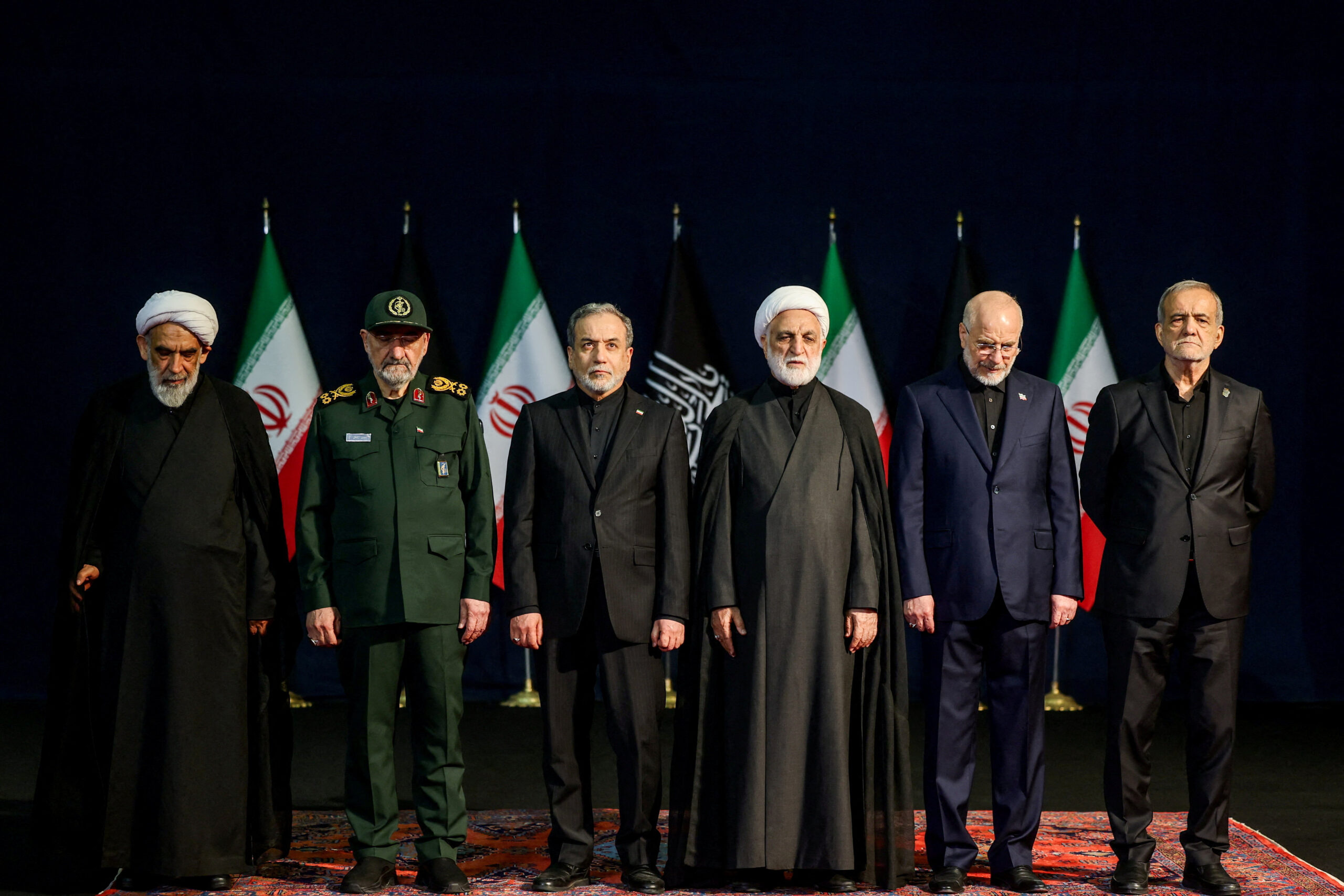
After U.S.-Israeli strikes killed Supreme Leader Ayatollah Ali Khamenei on February 28, Iran’s collective leadership has concluded that the best defense is a good offense.
Wartime pressure has temporarily aligned the leadership’s overriding interest in regime survival, even as its members continue to differ over the costs, methods, and ultimate objectives of the war.
While there is historical precedent for collective leadership in Iran, today’s leadership includes representatives of the IRGC and regular military – a reflection of the IRGC’s expanding role and the necessities of governing under wartime conditions.