Sep 16, 2022
Arbaeen Pilgrimage to Karbala: From Demonstration of Power to Public Relations Debacle
The September 16 edition of the Iran Media Review examines reactions to this year’s Arbaeen pilgrimage.

Since the U.S.-led invasion of Iraq and overthrow of the Baath regime in 2003, Iraqi Shias have revived the previously prohibited Arbaeen pilgrimage to Karbala, marking the end of the 40-day mourning period following the anniversary of martyrdom of Hussein ibn Ali, the third imam of the Shia, in 680. For just as long, neighboring Iran has tried to take political advantage of the pilgrimage and multimillion-person gathering in Karbala as a demonstration of Shia, and indirectly, Iranian power in Iraq. Participation of the Quds Force commander, Brigadier General Ismail Qaani, in this year’s pilgrimage testifies to the importance the Iranian leadership attaches to the pilgrimage. This year’s pilgrimage, however, is marred by poor planning and logistical problems widely discussed in Iranian media. While Iranian officials blame Iraq for problems faced by the pilgrims, Arbaeen appears reduced from a demonstration of power to a public relations debacle for Iran.
- September 11: Fars News Agency quoted Interior Minister Ahmad Vahidi, who during a visit to the border stations urged the Iranian public not to “storm the borders,” because of “Iraq’s inadequate capacity” to host pilgrims.
- September 12: Seyyed Sadeq Hosseini, Haj and Pilgrimage Organization of Iran director, dismissed complaints of “those, who either out of ignorance, or with political motives, criticize the Iraqi government’s management of Arbaeen. The Iraqi government cooperated and coordinated its efforts with the government of Iran.”
- September 12: Etemad Daily’s Mehdi Beig-Oghli reported that, “Iranian television’s emotional appeal to the viewers … along with promise of interest-free loans, free services en route to Karbala, immediate processing of travel documents, promise of free medical and dental services, and tens of millions of rations of free food and water,” doubled the number of Iranian pilgrimage applicants from 3.4 million in 2019 to more than 7 million in 2022. Quoting Saeed Khosrowshahi, a journalist and pilgrim, Beig-Oghli continued: “At the Mehran border on Friday September 9, in 113-degree heat, there is not even water to drink. None of the Arbaeen Pilgrimage Headquarters officials are present at the scene. The officials announced only registered pilgrims should embark on the pilgrimage, but in reality, more than half of the pilgrims are unregistered … And no, it’s not just the Iraqi officials who are to blame!” Quoting Ramezan-Ali Sangdovin, a parliamentarian, Beig-Oghli wrote: “The government anticipated the large popular participation in the Arbaeen pilgrimage after two years with the pandemic and should have prepared the infrastructure accordingly. The people had even a hard time moving within Iran because most of the busses headed to the western borders.”
- September 12: Farda News quoted Vice President Mohammad Mokhber’s assurances of government assistance to bring the pilgrims back to Iran.
The views represented herein are the author's or speaker's own and do not necessarily reflect the views of AGSI, its staff, or its board of directors.
Related
Iran Media Review
Sep 15, 2022
Iran “Will Engage in Countermeasures,” to Defend Armenia Mashregh News Warns Azerbaijan
The September 15 edition of the Iran Media Review examines warning messages to Azerbaijan regarding the Iran-Armenia border.
Iran Media Review
Sep 13, 2022
Iranian-Saudi Negotiations: Diplomatic Enthusiasm, Analytical Skepticism
The September 13 edition of the Iran Media Review considers comments by Iranian analysts regarding factors that could derail nuclear negotiations.
Sep 15, 2022
Iran “Will Engage in Countermeasures,” to Defend Armenia Mashregh News Warns Azerbaijan
The September 15 edition of the Iran Media Review examines warning messages to Azerbaijan regarding the Iran-Armenia border.
Sep 13, 2022
Iranian-Saudi Negotiations: Diplomatic Enthusiasm, Analytical Skepticism
The September 13 edition of the Iran Media Review considers comments by Iranian analysts regarding factors that could derail nuclear negotiations.
Analysis
The Islamic Republic Returns to Offense
After U.S.-Israeli strikes killed Supreme Leader Ayatollah Ali Khamenei on February 28, Iran’s collective leadership has concluded that the best defense is a good offense.
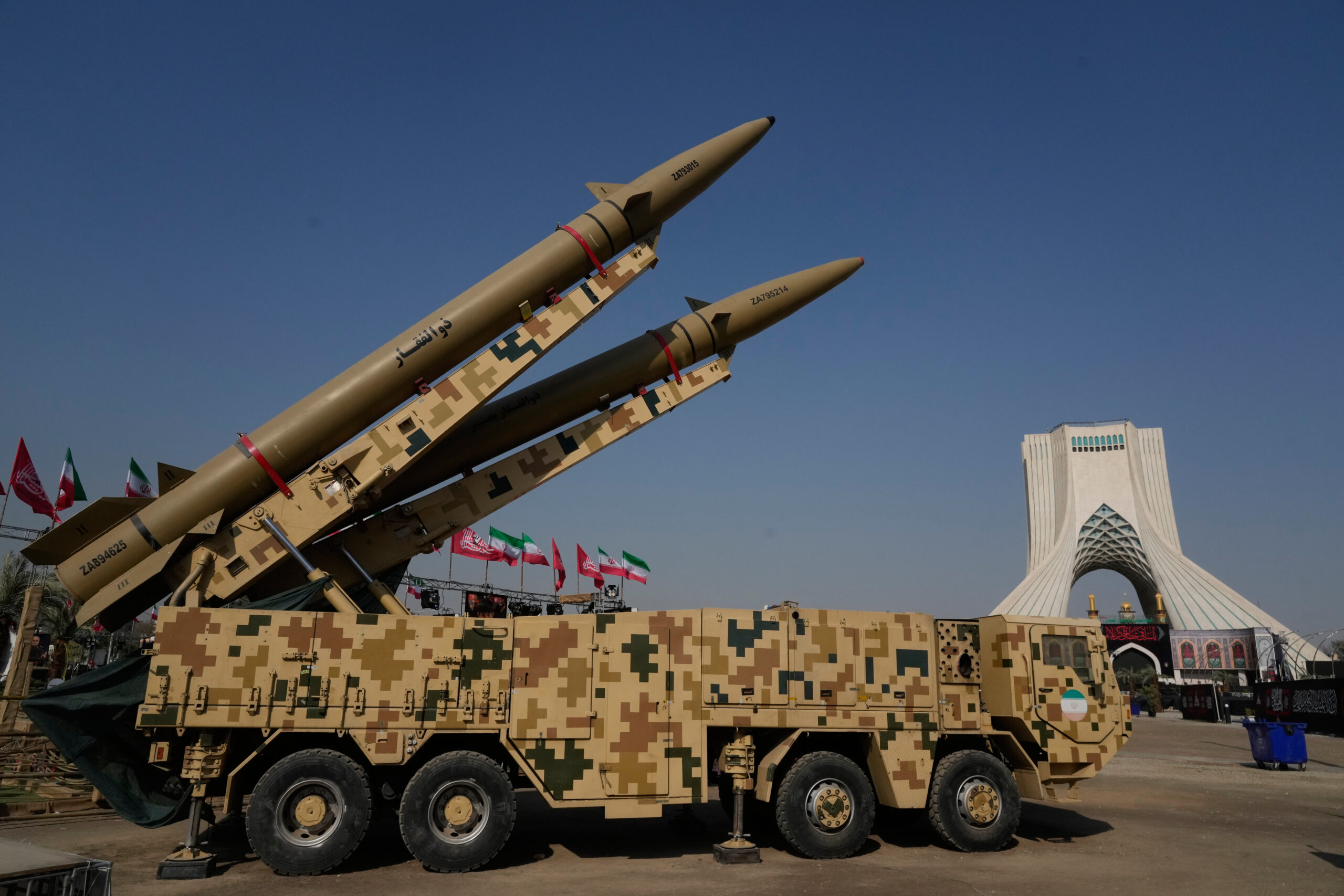
Iran’s Collective Strategic Decision Making
Wartime pressure has temporarily aligned the leadership’s overriding interest in regime survival, even as its members continue to differ over the costs, methods, and ultimate objectives of the war.
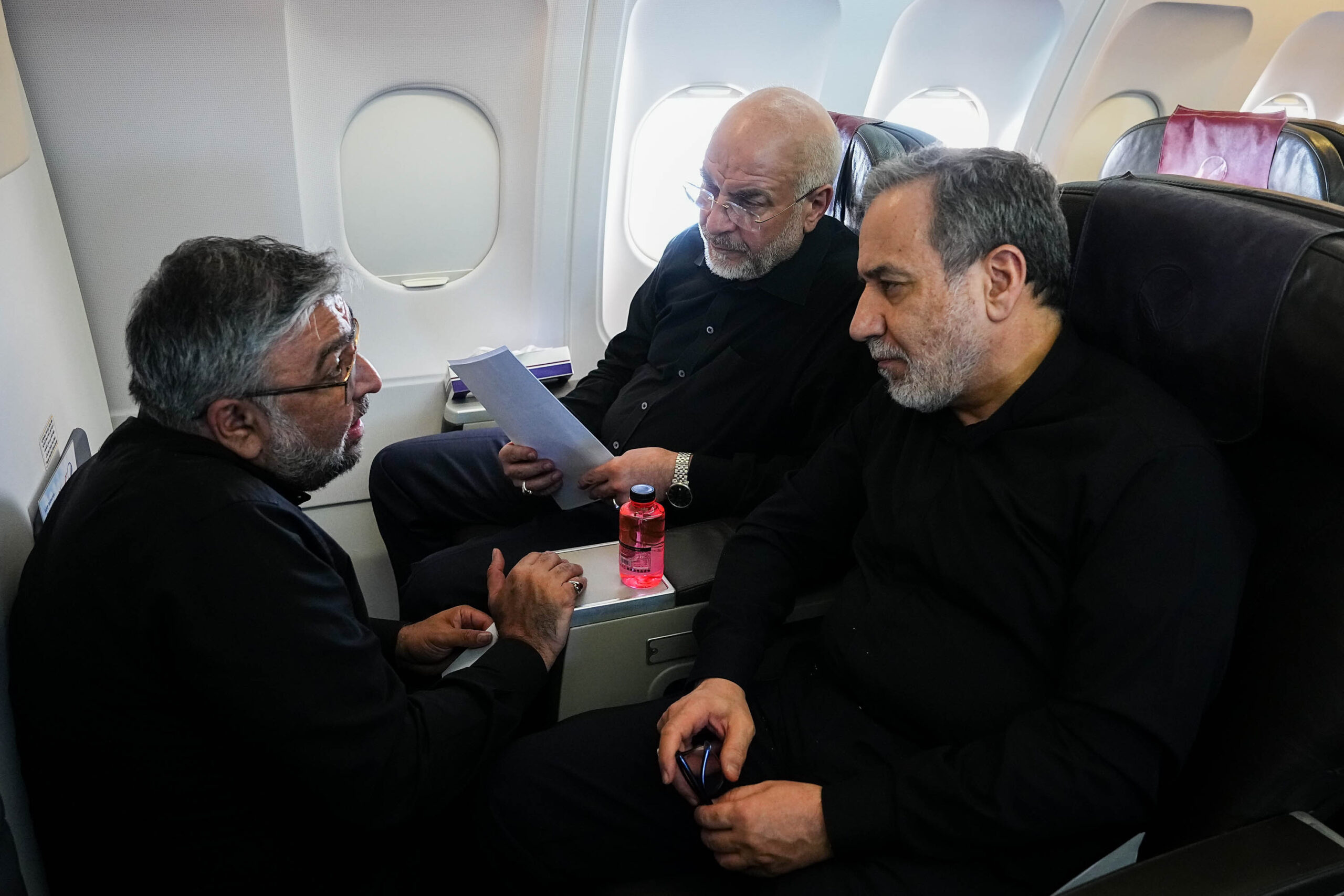
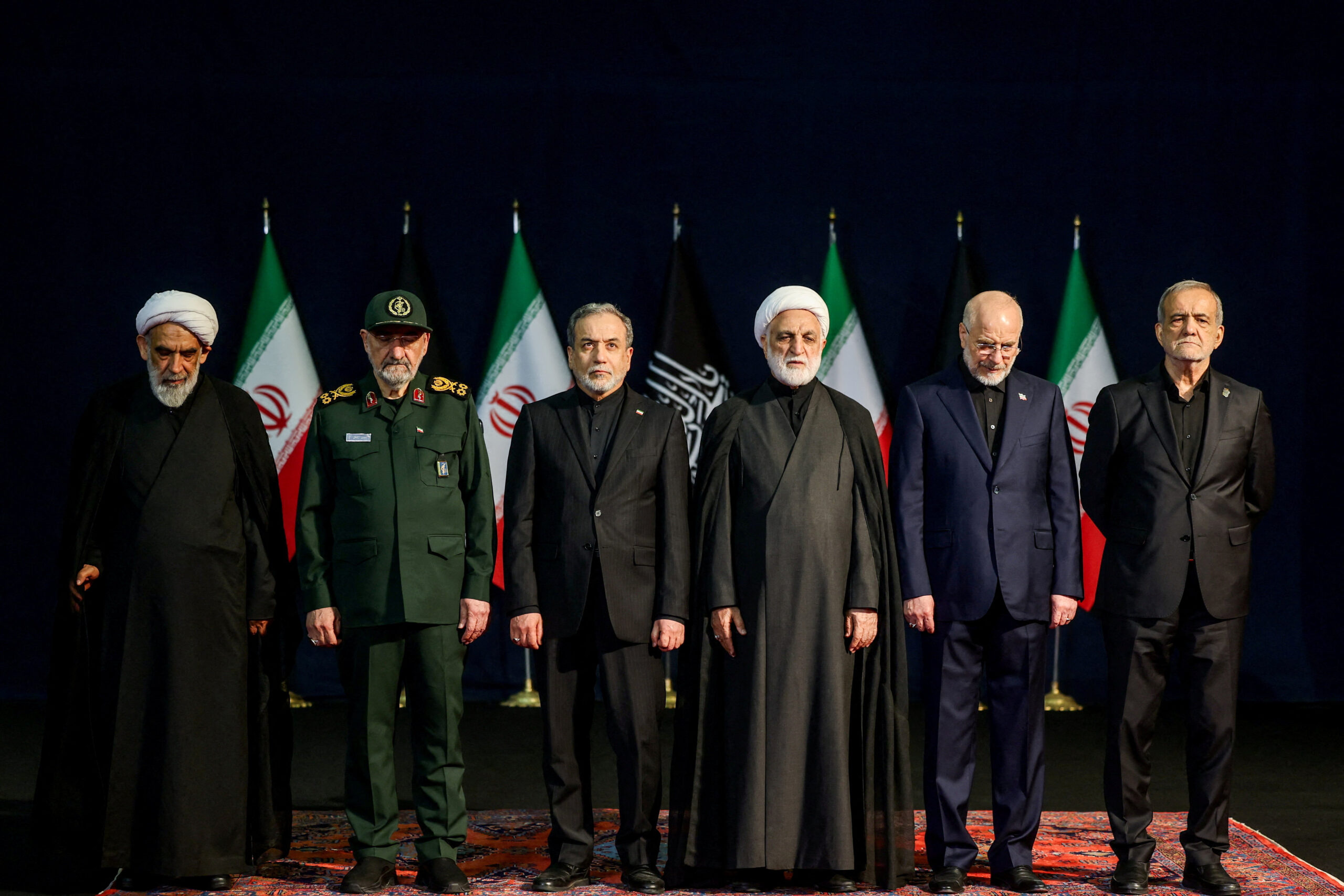
The Islamic Republic’s Collective Leadership
While there is historical precedent for collective leadership in Iran, today’s leadership includes representatives of the IRGC and regular military – a reflection of the IRGC’s expanding role and the necessities of governing under wartime conditions.
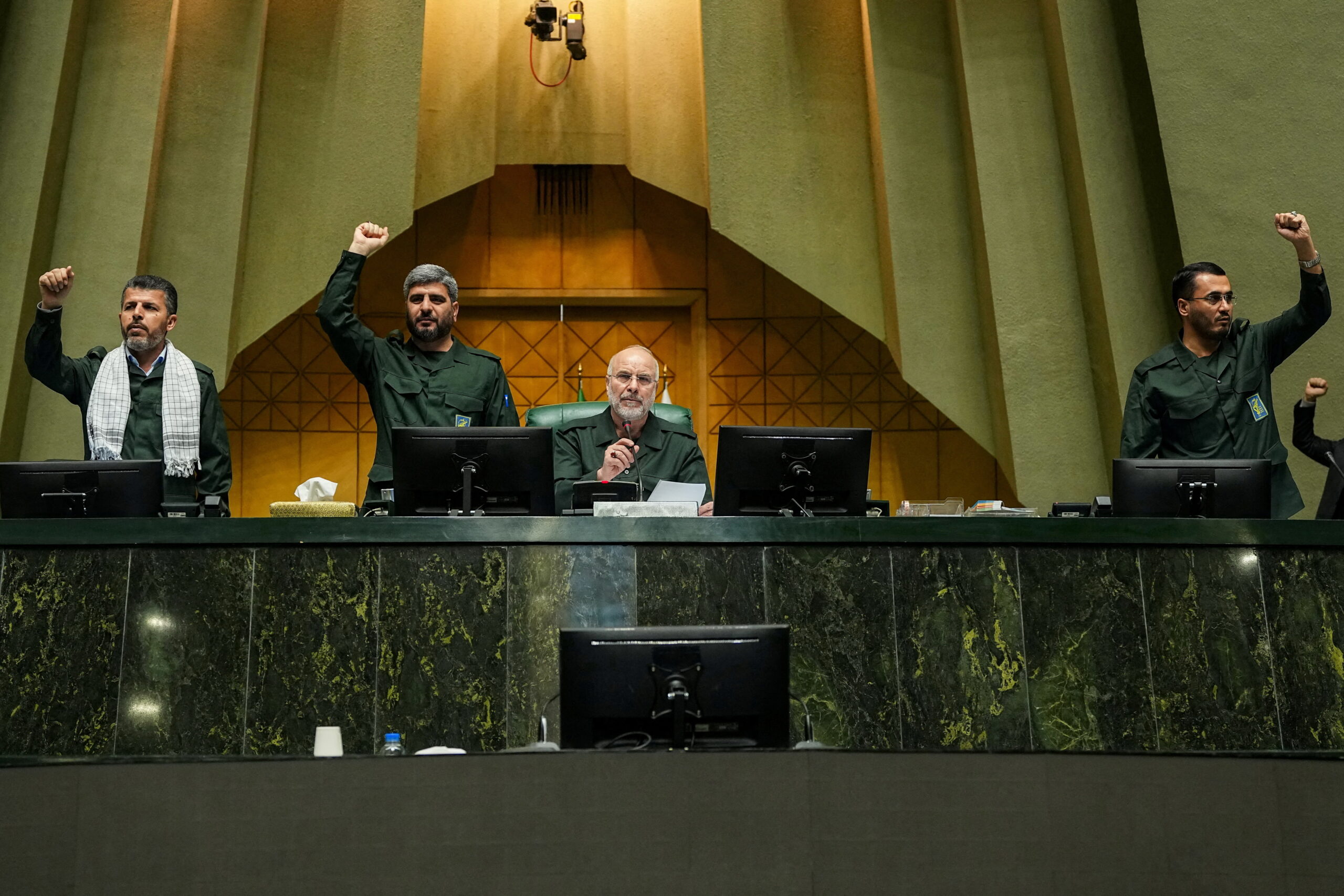
How Did the IRGC Seize Power in Iran?
The IRGC did not seize power in a single stroke. It accumulated it – patiently, methodically – until no counterweight remained.
Events
Book Talk: Iran and the Bomb: The United States, Iran and the Nuclear Question
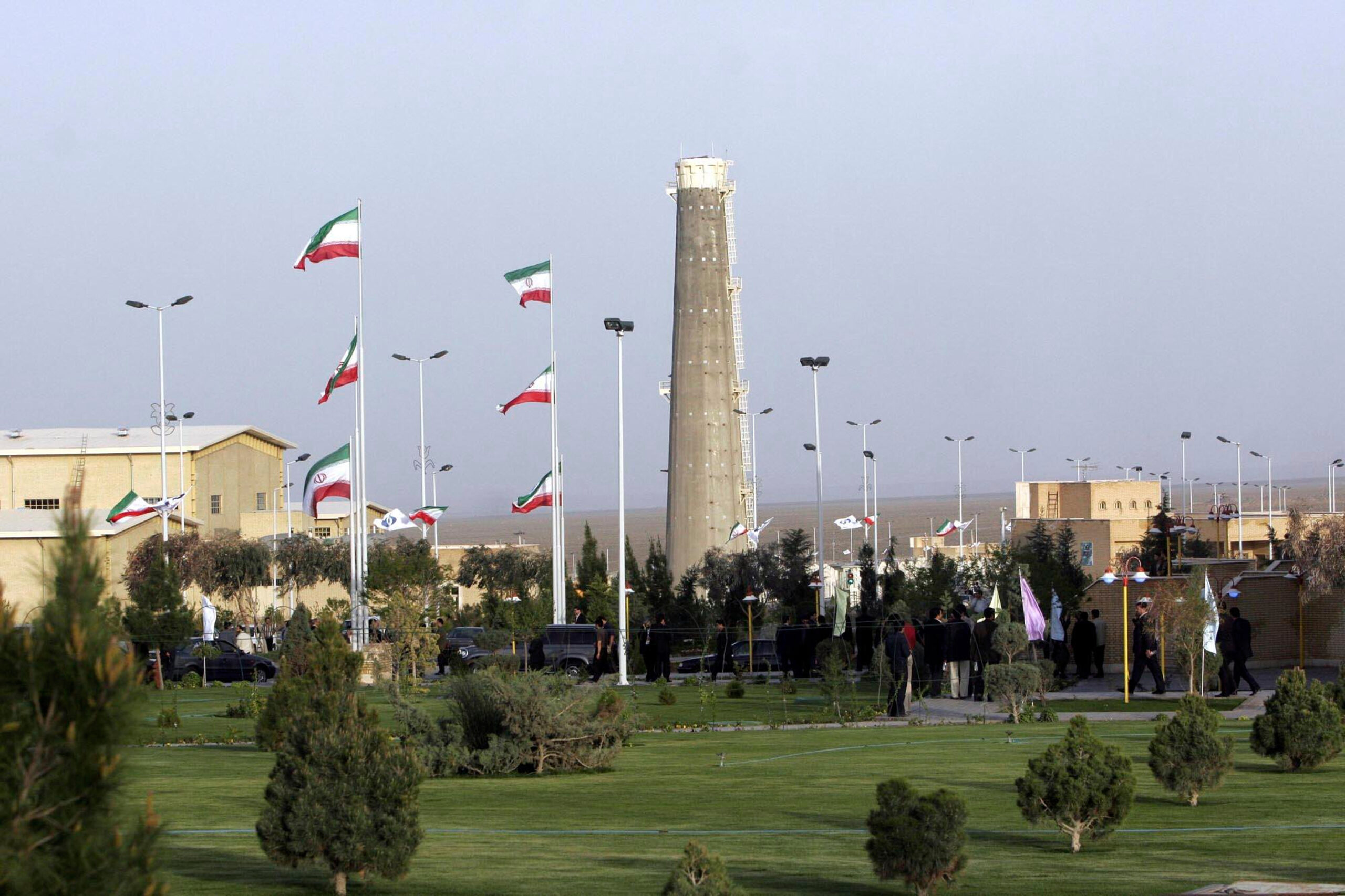
On June 16, AGSI hosted a discussion on the evolution of Iran's nuclear program.
Speakers

Apr 21, 2026
Inside Iran’s Wartime Leadership: Power, Succession, and Regime Stability
On April 21, AGSI hosted a discussion on the evolution of Iran's leadership during the war.
Speakers

Mar 18, 2026
In Its Conflict With the United States and Israel, Does Escalation Favor Iran?
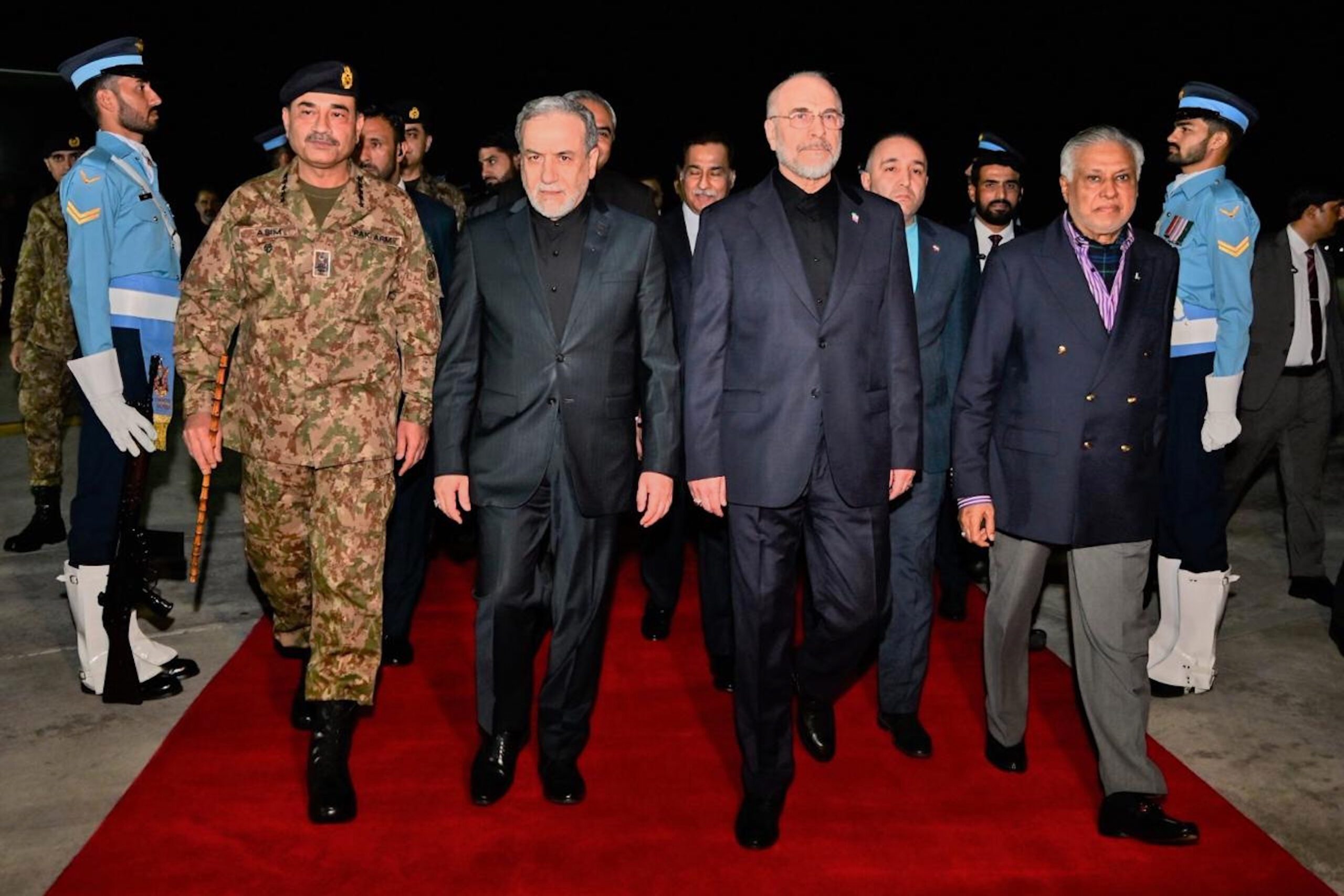
On March 18, AGSI hosted a discussion on the escalation of the Iran war.
Speakers


Mar 2, 2026
After the Shock: Implications of the U.S.–Israeli Strikes and Iran’s Leadership Transition
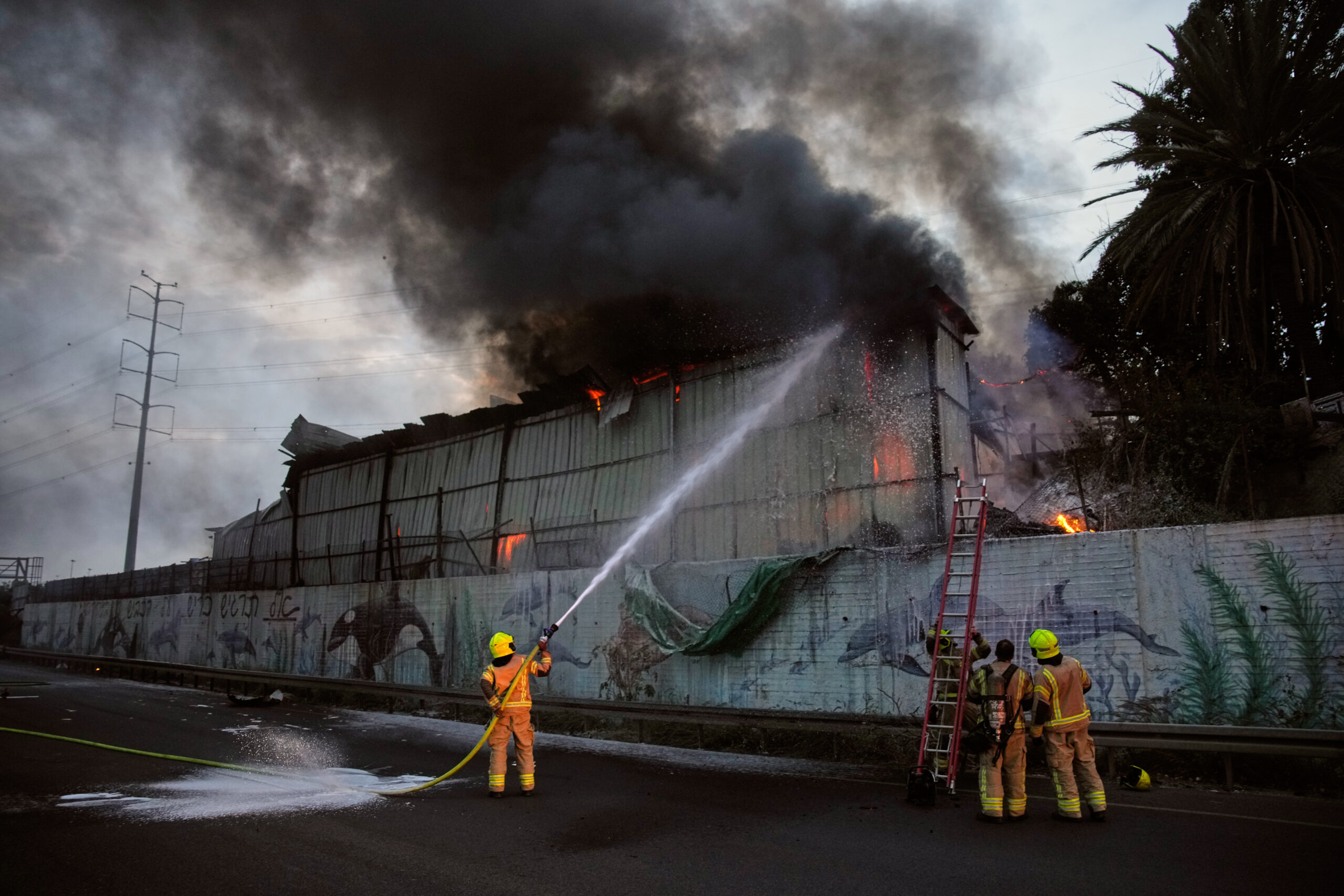
On March 2, AGSI hosted a discussion on the U.S.-Israeli strikes on Iran.
Speakers