Sep 13, 2022
Iranian-Saudi Negotiations: Diplomatic Enthusiasm, Analytical Skepticism
The September 13 edition of the Iran Media Review considers comments by Iranian analysts regarding factors that could derail nuclear negotiations.

Iranian President Ebrahim Raisi and Ebrahim Azizi, parliamentary National Security and Foreign Policy Committee vice chairman, have expressed optimism concerning diplomatic negotiations between Iran and Saudi Arabia in Iraq. However, Iranian analysts have warned about the risks of a return of the Republican Party to power in the United States and Saudi Arabia not living up to its “commitments” as factors that could derail the negotiations. What Iran’s state-censored media fails to mention is what the Iranian leadership most probably committed itself to in the course of the previous round of negotiations with Saudi Arabia. Iran’s failure to live up to these commitments would just as likely cause the collapse of the diplomatic process between the two countries.
- August 30: Raisi, receiving the Iraqi foreign minister, called five rounds of Iranian-Saudi negotiations “beneficial” and emphasized that the enactment of previous agreements “paves the path of elevating the level of engagement,” Razavi News reported.
- August 31: Hamshahri reported a phone conversation between the Iraqi and Saudi foreign ministers concerning a future round of negotiations between Iran and Saudi Arabia.
- September 6: Defa Press quoted Azizi, who expressed hope for improvement of relations between Iran and Saudi Arabia, and concluded: “Elevating the level of diplomatic relations between Iran and Saudi Arabia prevents foreign intervention in the region.”
- August 31: Hassan Hanizadeh, an international affairs expert, in conversation with Iranian Labour News Agency said Saudi Arabia has an “uneasy” relationship with the United States and wants to reduce tensions with Iran. “Everybody is awaiting the calm to be restored in Iraq, and it is possible that the negotiations will resume.” Answering a question regarding what demands Raisi has for Saudi Arabia as a precondition for restoring diplomatic relations between the two countries, Hanizadeh said: “Saudi Arabia has committed itself to abstain from sectarian Shia-Sunni activities. Another commitment of Saudi Arabia concerns relations of Persian Gulf states with the Zionist regime … Saudi Arabia has committed itself not to allow this country to become a den of conspiracy against Iran.” Despite a generally positive outlook concerning Iranian-Saudi relations, Hanizadeh warned: “Should the Republicans return to power, it is possible that Saudi Arabia restarts its destructive activities.”
- September 6: Jafar Qanadbashi, an international affairs expert, commenting on negotiations between Iran and Saudi Arabia, said in a conversation with Iran’s Metropolises News Agency: “In recent years, despite Iran’s desire for detente, the Saudis engaged in hostile acts against us … such as assistance to the hypocrites,” referring to the Mujahedeen-e Khalq organization, and by “establishing a Persian-language television,” a reference to the London-based Iran International TV, “which has become a platform for weakening the Iranian regime.” Qanadbashi also accused Saudi Arabia of “assisting groups, which under the banner of ethnonationalism, desire secession from Iran. Without any doubt, the most important uncalculated act of Saudi Arabia against Iran was aiding the United States in sanctioning Iran’s oil, realizing Trump’s promise of reducing Iran’s oil exports to zero. Saudi Arabia pledged to compensate for the loss of Iran’s oil in the global market.” Turning to Iran’s willingness to normalize relations with Saudi Arabia, Qanadbashi said it is “below zero,” and depends on Saudi Arabia stopping “hostile acts against Iran,” such as “cooperation with the banks enacting economic sanctions against Iran … encouraging Sudan and Djibouti to sever relations with Iran, bombing the Iranian Embassy in Yemen, and the like.”
The views represented herein are the author's or speaker's own and do not necessarily reflect the views of AGSI, its staff, or its board of directors.
Related
Iran Media Review
Sep 12, 2022
Fars News Republishes Kayhan Daily’s 2007 Incendiary Editorial on Bahrain
The September 12 edition of the Iran Media Review evaluates reactions to a GCC statement of support regarding UAE sovereignty over the Greater and Lesser Tunbs and Abu Musa islands.
Iran Media Review
Sep 9, 2022
Who in Iran Benefits From Sanctions?
The September 9 edition of the Iran Media Review reflects on statements from a former Iranian vice president regarding government bodies and officials who benefit from U.S. sanctions.
Sep 12, 2022
Fars News Republishes Kayhan Daily’s 2007 Incendiary Editorial on Bahrain
The September 12 edition of the Iran Media Review evaluates reactions to a GCC statement of support regarding UAE sovereignty over the Greater and Lesser Tunbs and Abu Musa islands.
Sep 9, 2022
Who in Iran Benefits From Sanctions?
The September 9 edition of the Iran Media Review reflects on statements from a former Iranian vice president regarding government bodies and officials who benefit from U.S. sanctions.
Analysis
The Islamic Republic Returns to Offense
After U.S.-Israeli strikes killed Supreme Leader Ayatollah Ali Khamenei on February 28, Iran’s collective leadership has concluded that the best defense is a good offense.
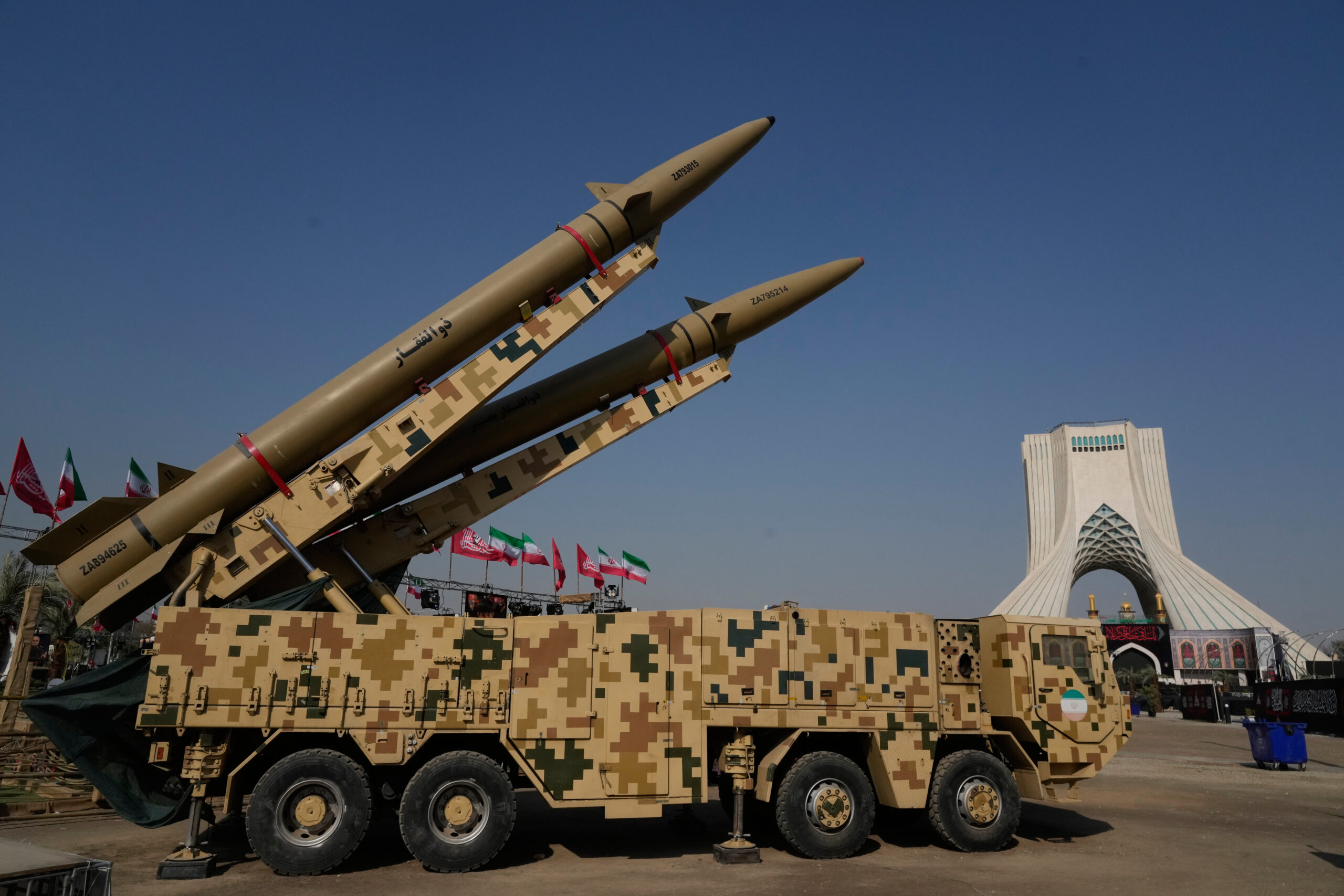
Iran’s Collective Strategic Decision Making
Wartime pressure has temporarily aligned the leadership’s overriding interest in regime survival, even as its members continue to differ over the costs, methods, and ultimate objectives of the war.
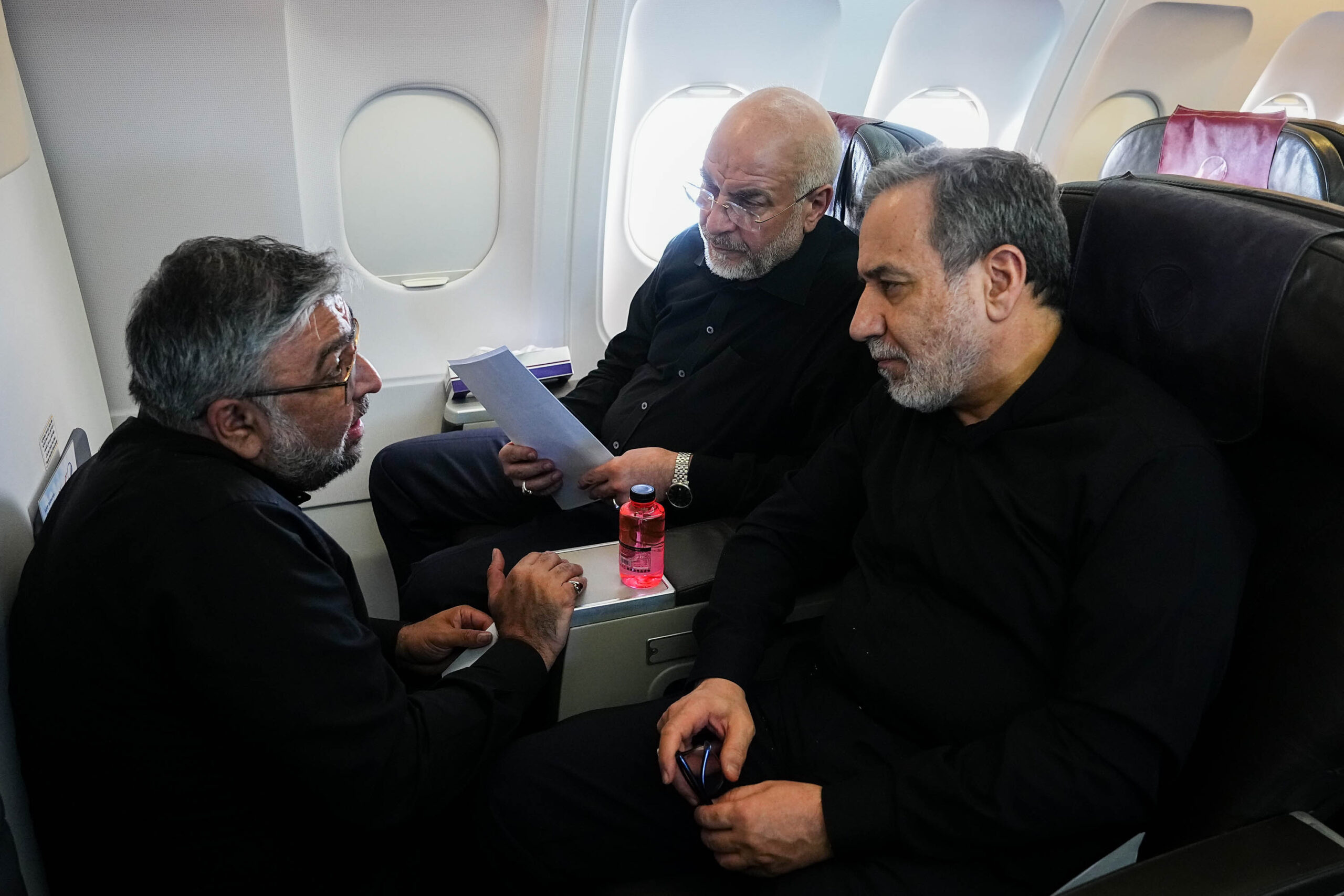
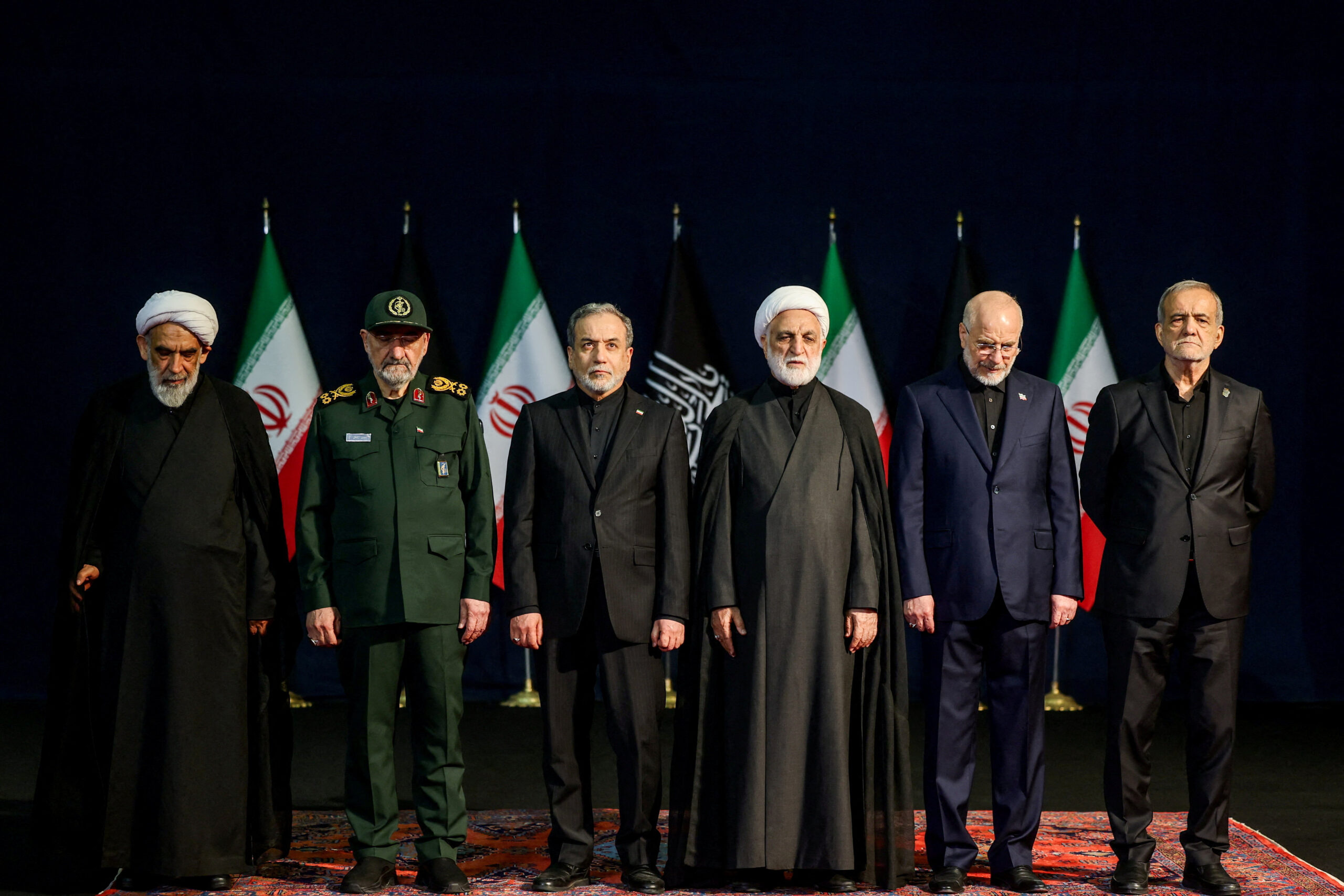
The Islamic Republic’s Collective Leadership
While there is historical precedent for collective leadership in Iran, today’s leadership includes representatives of the IRGC and regular military – a reflection of the IRGC’s expanding role and the necessities of governing under wartime conditions.
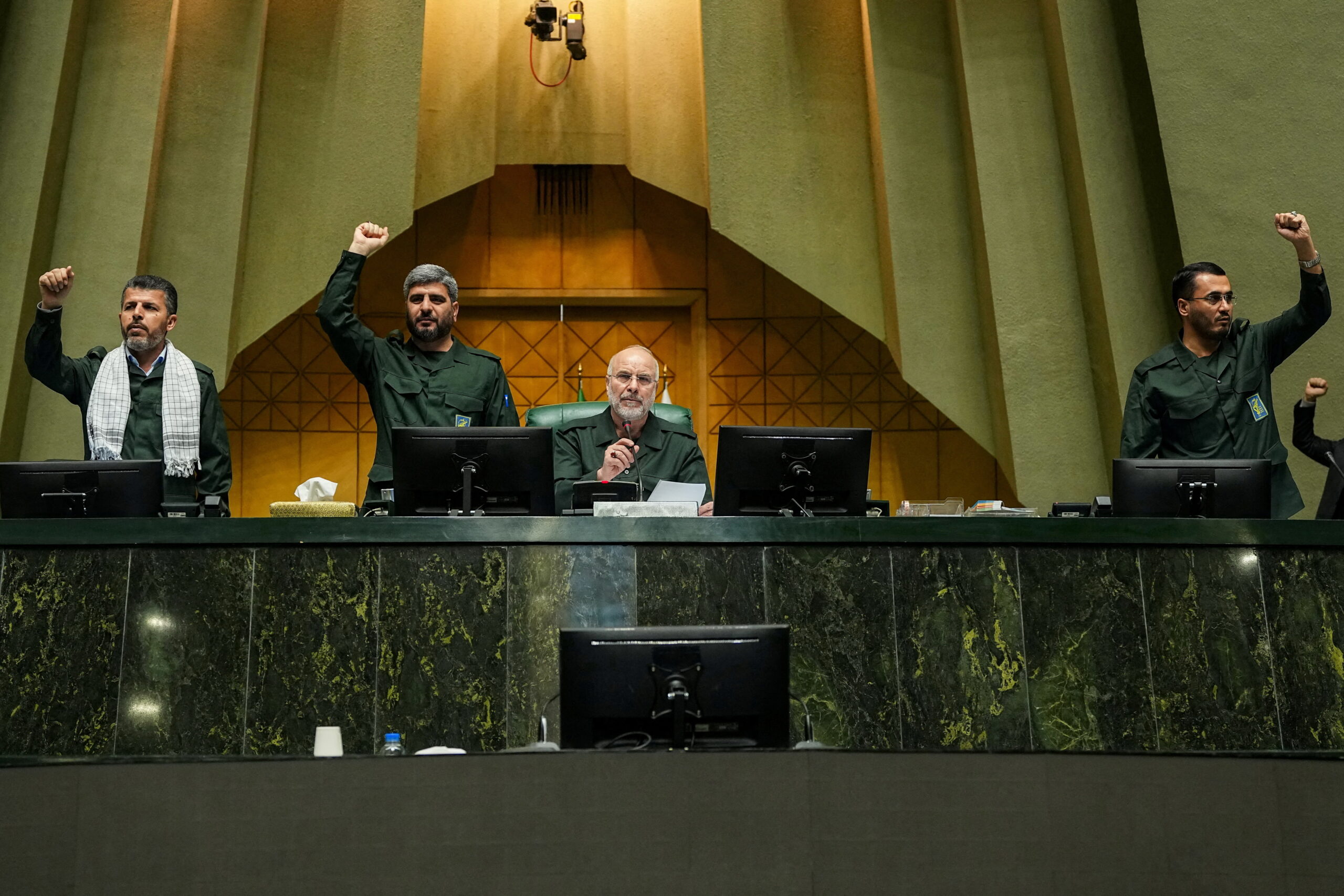
How Did the IRGC Seize Power in Iran?
The IRGC did not seize power in a single stroke. It accumulated it – patiently, methodically – until no counterweight remained.
Events
Book Talk: Iran and the Bomb: The United States, Iran and the Nuclear Question
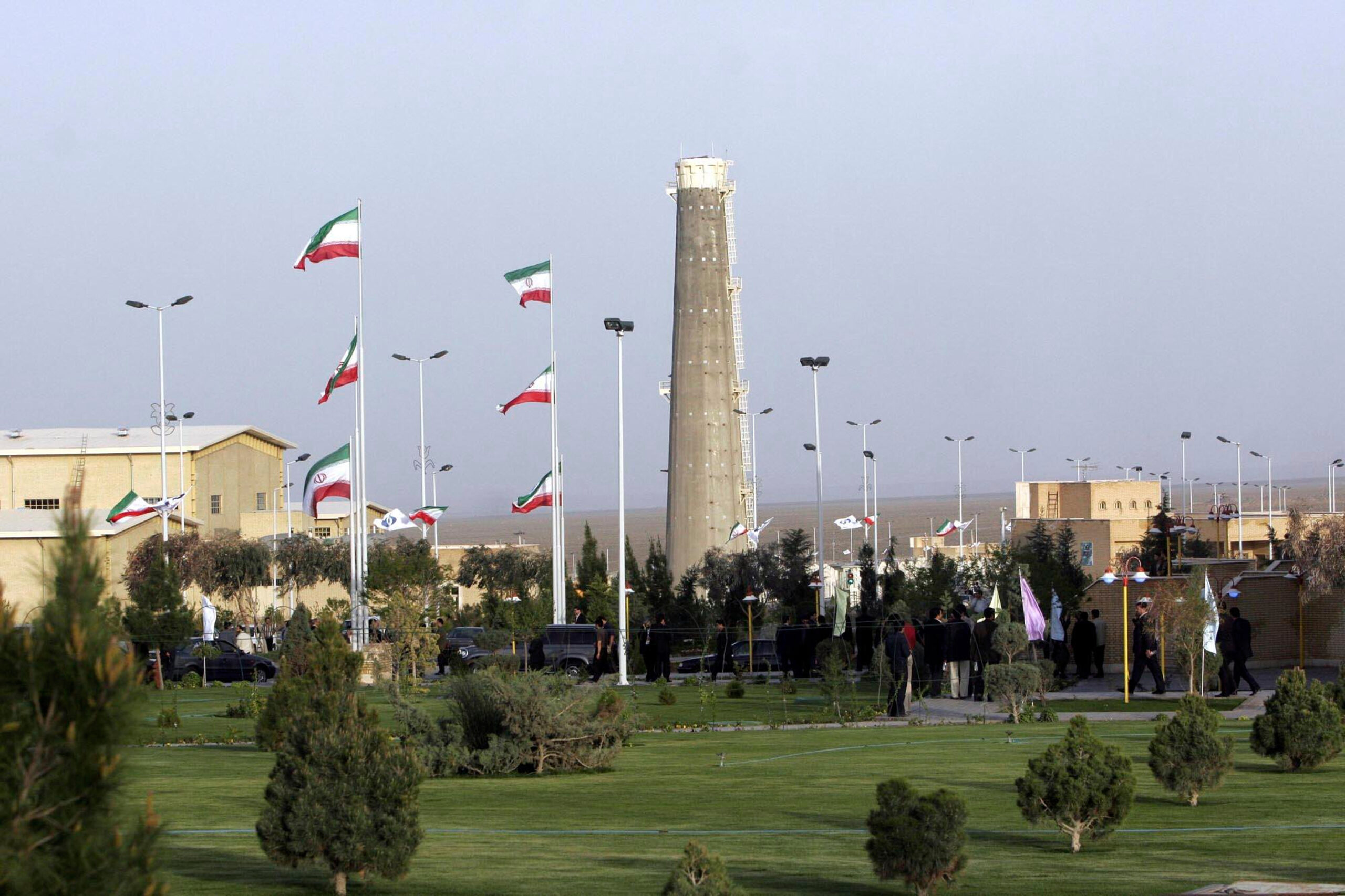
On June 16, AGSI hosted a discussion on the evolution of Iran's nuclear program.
Speakers

Apr 21, 2026
Inside Iran’s Wartime Leadership: Power, Succession, and Regime Stability
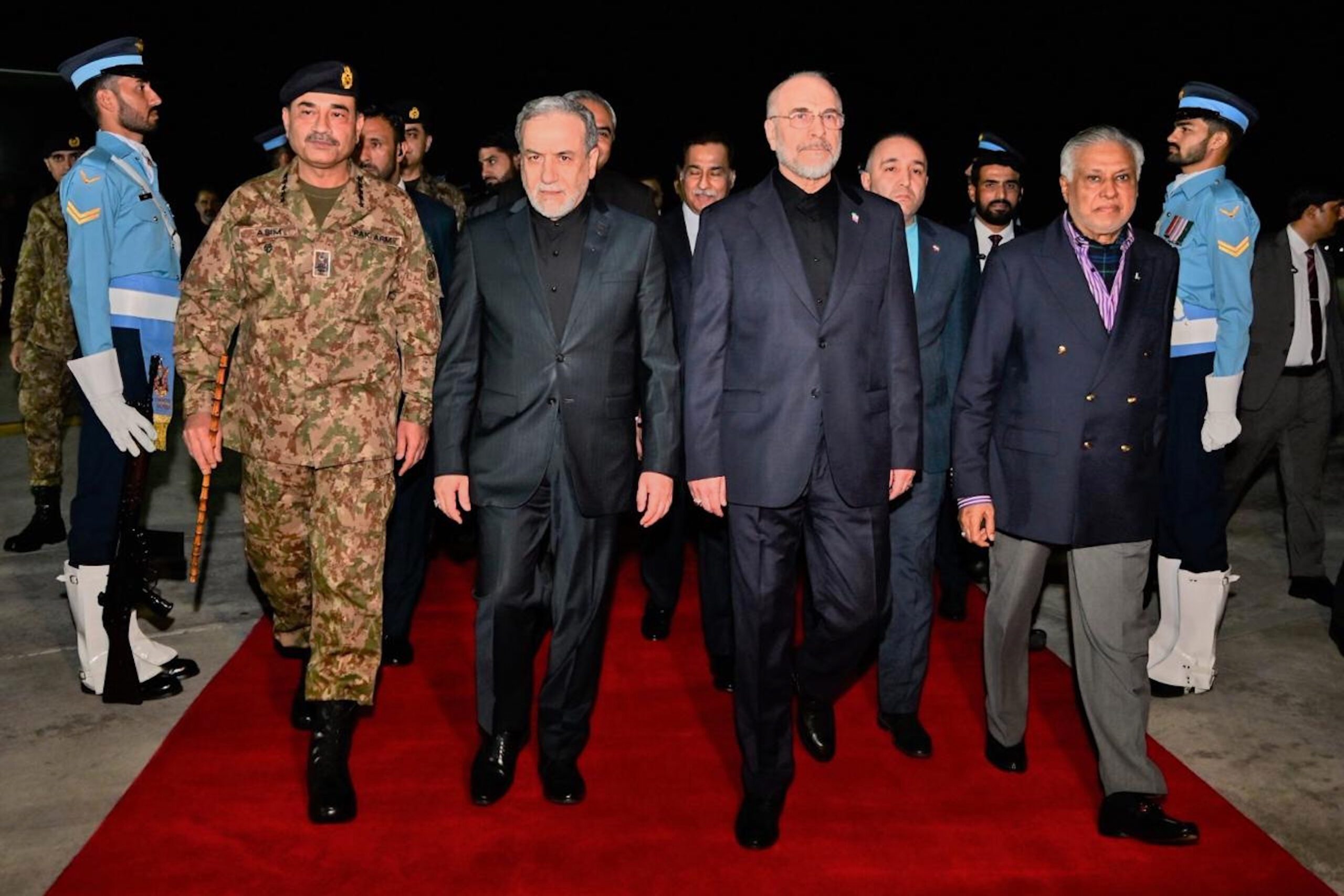
On April 21, AGSI hosted a discussion on the evolution of Iran's leadership during the war.
Speakers

Mar 18, 2026
In Its Conflict With the United States and Israel, Does Escalation Favor Iran?
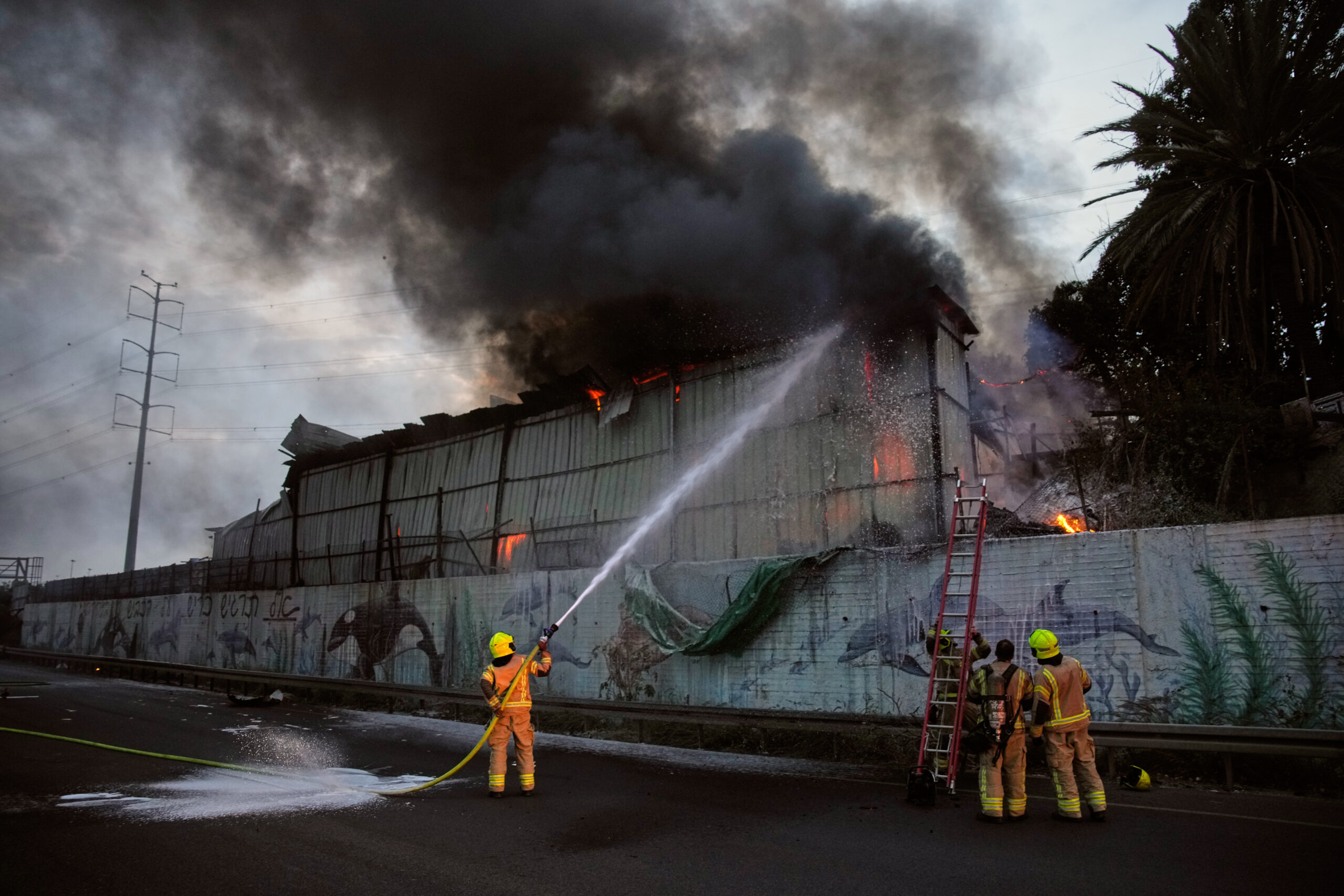
On March 18, AGSI hosted a discussion on the escalation of the Iran war.
Speakers


Mar 2, 2026
After the Shock: Implications of the U.S.–Israeli Strikes and Iran’s Leadership Transition
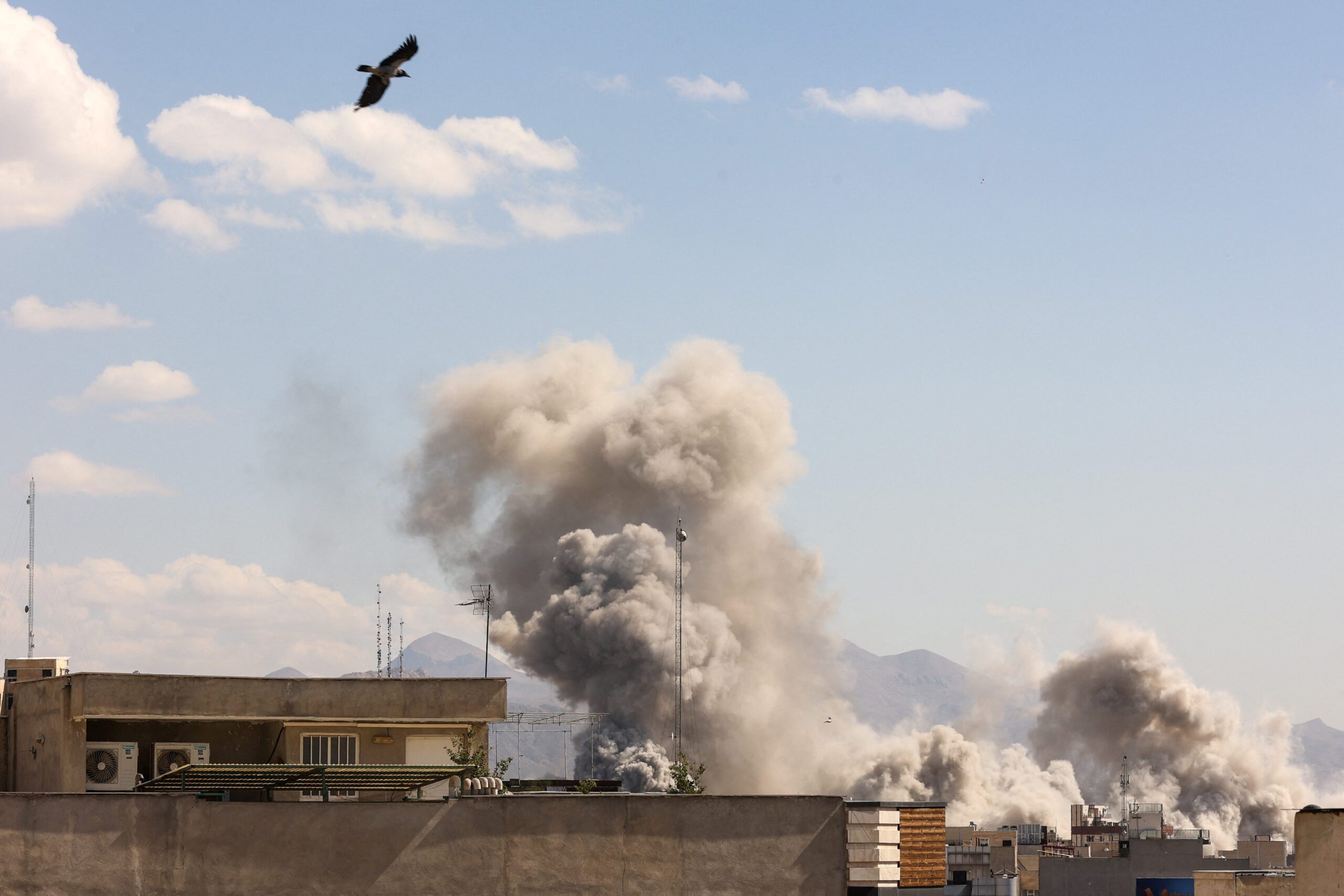
On March 2, AGSI hosted a discussion on the U.S.-Israeli strikes on Iran.
Speakers