‘American intifada’ creates uncertainty for the Middle East
Call it an “American intifada”. The election of Donald Trump was a virtual rebellion by the rural and suburban lower-middle class against the educated urbanites who usually define American culture and society. It was not just an uprising against Hillary Clinton and the Democratic Party. It was as much against the leadership of the Republican...
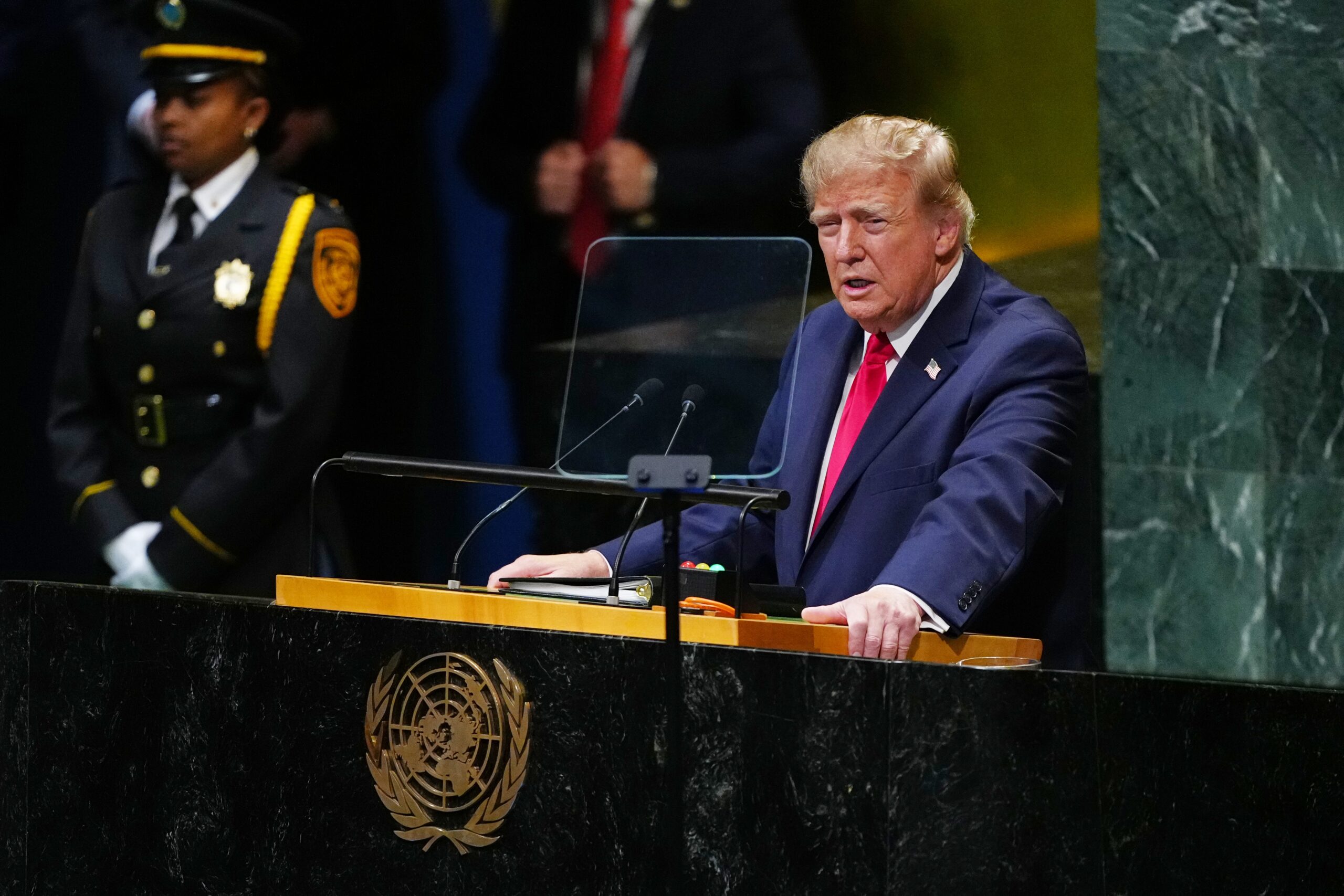
U.S. President-elect Donald Trump campaigning in Phoenix, Arizona, in August. (Gage Skidmore)
Call it an “American intifada”. The election of Donald Trump was a virtual rebellion by the rural and suburban lower-middle class against the educated urbanites who usually define American culture and society.
It was not just an uprising against Hillary Clinton and the Democratic Party. It was as much against the leadership of the Republican Party, the media and all parts of the bureaucracy, including the military leadership. In short, the entire American establishment.
Feeling disenfranchised and left behind, the non-urban white American majority lashed out in a blind fury and elected someone who they apparently know, but do not care, is unqualified and unfit. Indeed, his evident unsuitability is part of the point. It is a giant middle finger, not merely to the Washington power structure but to the educated classes who almost unanimously rejected Trump.
What will that mean for the Middle East? Because Trump has no track record, experience, coherent policies, meaningful analyses or practical ideas, no one can be sure. Still, some informed speculation is possible.
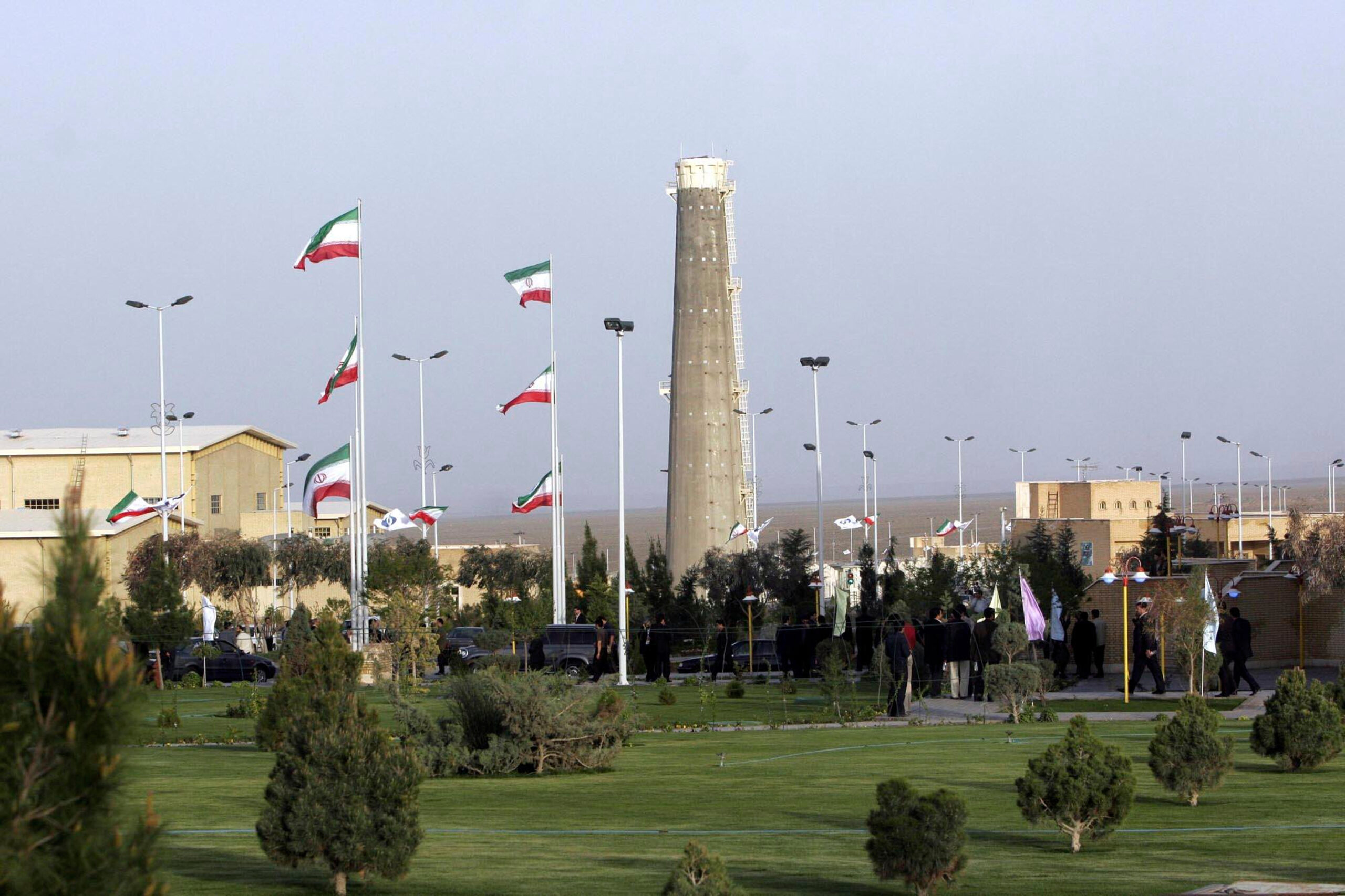
Start with the Iran nuclear deal, which is in deep trouble. Trump called it “calamitous” during the campaign and, though he probably will not abrogate it outright, he is almost certain to approach Iran with a much harsher attitude regarding implementation. It is very difficult to imagine the agreement surviving more than a few months of Trump’s idea of the art of the deal with Tehran.
Before anyone welcomes that prospect, remember that the agreement is supposed to mothball the Iranian nuclear programme for ten years. That a suddenly unreasonable new US line would be the perfect excuse for Iranian hardliners to walk away from the agreement, pocketing their gains thus far, blaming Washington and resuming their former activities without the full range of international sanctions that were in place a few years ago.
It is a perfect scenario for Tehran’s hawks to have negotiated the agreement and sanctions relief with US President Barack Obama and then have Trump come along and scrap the deal for them.
Trump once pledged to be “neutral” in the Israeli-Palestinian dispute. Forget it. Although Palestinian President Mahmoud Abbas and others are calling on him to try to end the Israeli occupation, there is almost no chance he will do so and no chance at all that he could succeed, especially given the regional strategic landscape and attitudes in Israel.
The Trump campaign employed implicit anti-Semitism during much of its election run for the White House and closed with TV ads almost drawn from the Protocols of the Elders of Zion. After all that, Trump is not looking to have a fight with Jewish Americans (very few of whom voted for him) or Israelis. He must clear the air with them instead.
The biggest question about Trump’s Middle East policies will centre on how his foreign policy resolves an incoherent contradiction built into his often bizarre campaign rhetoric. He is very sympathetic to Russia and very hostile to Iran. However, in the contemporary Middle East, Iran and Russia are working hand in glove on most regional issues, especially the decisive conflict in Syria.
During the campaign, Trump parroted the Vladimir Putin/ Bashar Assad line that falsely claims that the Russian/Iranian/ Hezbollah military intervention (Trump only seems aware of the Russian part, though) is an international counterterrorism operation aimed at the Islamic State (ISIS) rather than an effort to crush the Syrian opposition.
If he continues to view the Syrian war through the context of what he apparently believes are legitimate, and possibly even laudable, Russian counterterrorism and policy goals, it will be a bonanza for Assad and his allies. But if, on the contrary, his administration views Syria through the prism of Iran’s attempts to spread its influence throughout the Middle East, he might be willing to craft a robust US response.
Trump’s nationalistic populism tends towards a neo-isolationist, America-first approach, which suggests a reduced international role. Still, Trump has been bellicose in his rhetoric towards Iran and ISIS, so he is not by any means opposed to the concept of using force.
Where and how American power might be projected by a Trump administration in the Middle East is a mystery, especially since he does not seem to understand the conflation of Russian and Iranian interests in the region.
People in the Middle East have a good sense of what they might have gotten from a Hillary Clinton administration, as she was a known commodity. For now, though, they must wait to see what opportunities and challenges a Trump White House is going to present. On most issues, there is almost no way of knowing with any degree of confidence.
American interests can only be consistent between administrations if they are conceptualised in a roughly similar way, as they have always traditionally been. Now Trump could well introduce a whole new mindset to Washington’s foreign policy. The election, after all, was nothing less than an intifada.
This article was originally published by The Arab Weekly.
The views represented herein are the author's or speaker's own and do not necessarily reflect the views of AGSI, its staff, or its board of directors.
A year after the signing of the Abraham Accords, Saudi Arabia remains poised between joining the accords or deciding it is not worth the many risks involved.
President Trump has led the United States into an impossible dilemma in which resuming and intensifying the war presents one set of alarming consequences while ending it under current circumstances offers at least as many disasters for Washington.
The Trump administration has positioned the United States at a crossroads between a new regime of containment against Iran or a historic drawdown of U.S. influence in the Gulf and broader Middle East.
Riyadh and Abu Dhabi urged President Trump not to attack Iran, but now that the war is into its second month, leaving the current situation in place would be an unthinkable fiasco for them.
Though they were unsuccessful in preventing the current conflict, and, as expected, have been dragged into the U.S.-Israeli confrontation with Iran, Gulf Arab countries remain crucial to hopes for limiting the war and bringing it to a quick resolution.








Nov 14, 2016
‘American intifada’ creates uncertainty for the Middle East
Call it an “American intifada”. The election of Donald Trump was a virtual rebellion by the rural and suburban lower-middle class against the educated urbanites who usually define American culture and society. It was not just an uprising against Hillary Clinton and the Democratic Party. It was as much against the leadership of the Republican...
5 min read