Feb 7, 2023
Abandoned by China, Iran Gravitates Toward Russia’s Orbit
The February 7 edition of the Iran Media Review explores increasing economic ties between Iran and Russia.
In the past, Iran deftly played the East and West against each other to extract concessions from both and secure the regime’s survival. In recent decades, the regime abandoned this policy and increasingly oriented itself toward the East, mainly Russia and China. Today, the regime, which appears to have been abandoned by China, is fast gravitating toward Russia’s orbit. In the short term, this approach may help Iran bypass the international sanctions regime, but in the longer term, dependency on Russia will limit Tehran’s diplomatic maneuverability.
- January 29: Ali Fekri, deputy minister of finance, in an interview with Shargh daily, voiced criticism of China and praised increased Russian investments in Iran. He said that since President Ebrahim Raisi took office, “the Chinese have invested $185 million in 25 different projects in Iran … We are not happy with this level … Lack of Chinese investments is often due to the sanctions regime against Iran … In comparison, China has signed a $150 billion oil contract with the Taliban regime, which is not even recognized by most countries in the world. By next year, the level of China’s investments in Afghanistan is projected to reach $540 billion,” a figure that cannot be independently corroborated. “With $2.7 billion worth of investments, more than half of all foreign direct investments, Russia is the biggest investor in Iran … the United Arab Emirates is the second-largest investor, followed by Turkey, China, and Afghanistan.” Fekri also explained “the majority of Emirati investors are in reality not Emiratis, but are from other countries, and most of this investment was in the industry and mining sectors.”
- January 29: Central Bank Governor Mohammad-Reza Farzin tweeted: “A direct link was established between banks in Iran and Russia. Within the framework of cooperation between the central banks of Iran and Russia, apart from the direct link to Russian banks, our country’s banking network will be linked with 106 foreign non-Russian banks.”
- January 30: Hossein Chakhmaqi, a columnist for Sobh-e Sadeq, a weekly publication of the Islamic Revolutionary Guard Corps, explained the deepening ties between Iran and Russia: “These days, the Islamic Republic’s trade relations with Russia encompass everything from clothing and food to automobiles and even military armaments … Two countries under sanctions regimes have discovered that they can be trustworthy partners in political, economic, and social fields. This is why they are trying to make up for negligence of the past.”
- January 30: In a Fars News Agency interview, Mohsen Karimi, Central Bank of Iran international affairs director, discussed banking cooperation between Iran and Russia. Karimi said: “For various reasons, Iran has been sanctioned by SWIFT, which is a challenge to Iran’s banking relations with other countries … which is why Iran, and other countries sanctioned by SWIFT, have developed their own national systems. We have it in Iran, and Russia too has created such a system … Now that we have connected the banking systems of Iran and Russia, we no longer need SWIFT … 700 Russian banks can engage with financial transfers with Iranian banks. Apart from this, 106 banks from 13 countries besides Russia are part of this cooperation.”
The views represented herein are the author's or speaker's own and do not necessarily reflect the views of AGSI, its staff, or its board of directors.
Related
Iran Media Review
Feb 3, 2023
Bad Journalism or Declaration of Intent? Javan Newspaper on UAE Investment Security
The February 3 edition of the Iran Media Review asks what is behind an argument for expanding Iranian-Omani trade relations.
Iran Media Review
Jan 31, 2023
Javan Newspaper: “Why is the Opposition Incapable of Finding a Leader?”
The January 31 edition of the Iran Media Review assesses IRGC commentary on the shortcomings of leadership candidates for the opposition.
Feb 3, 2023
Bad Journalism or Declaration of Intent? Javan Newspaper on UAE Investment Security
The February 3 edition of the Iran Media Review asks what is behind an argument for expanding Iranian-Omani trade relations.
Jan 31, 2023
Javan Newspaper: “Why is the Opposition Incapable of Finding a Leader?”
The January 31 edition of the Iran Media Review assesses IRGC commentary on the shortcomings of leadership candidates for the opposition.
Analysis
The Committee of Six and Strategic Decision Making in Iran
Remarks by Iran’s president offer a rare glimpse of how the Islamic Republic has adapted its decision making to the absence of its supreme leader.
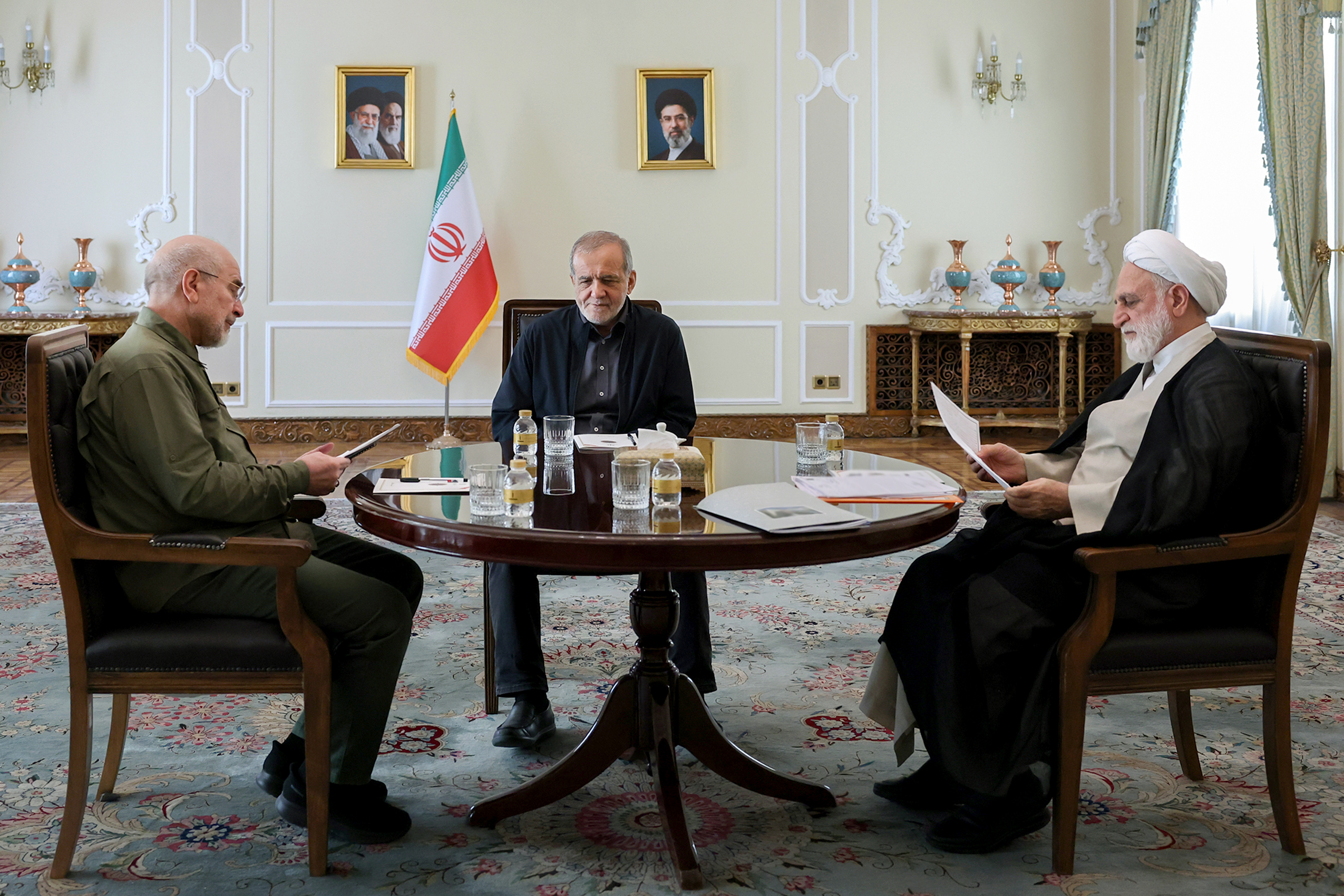
Mohsen Rezaei at the Helm of Iran’s Supreme National Security Council
Under Rezaei, the SNSC could prove constructive or paralyze strategic decision making.
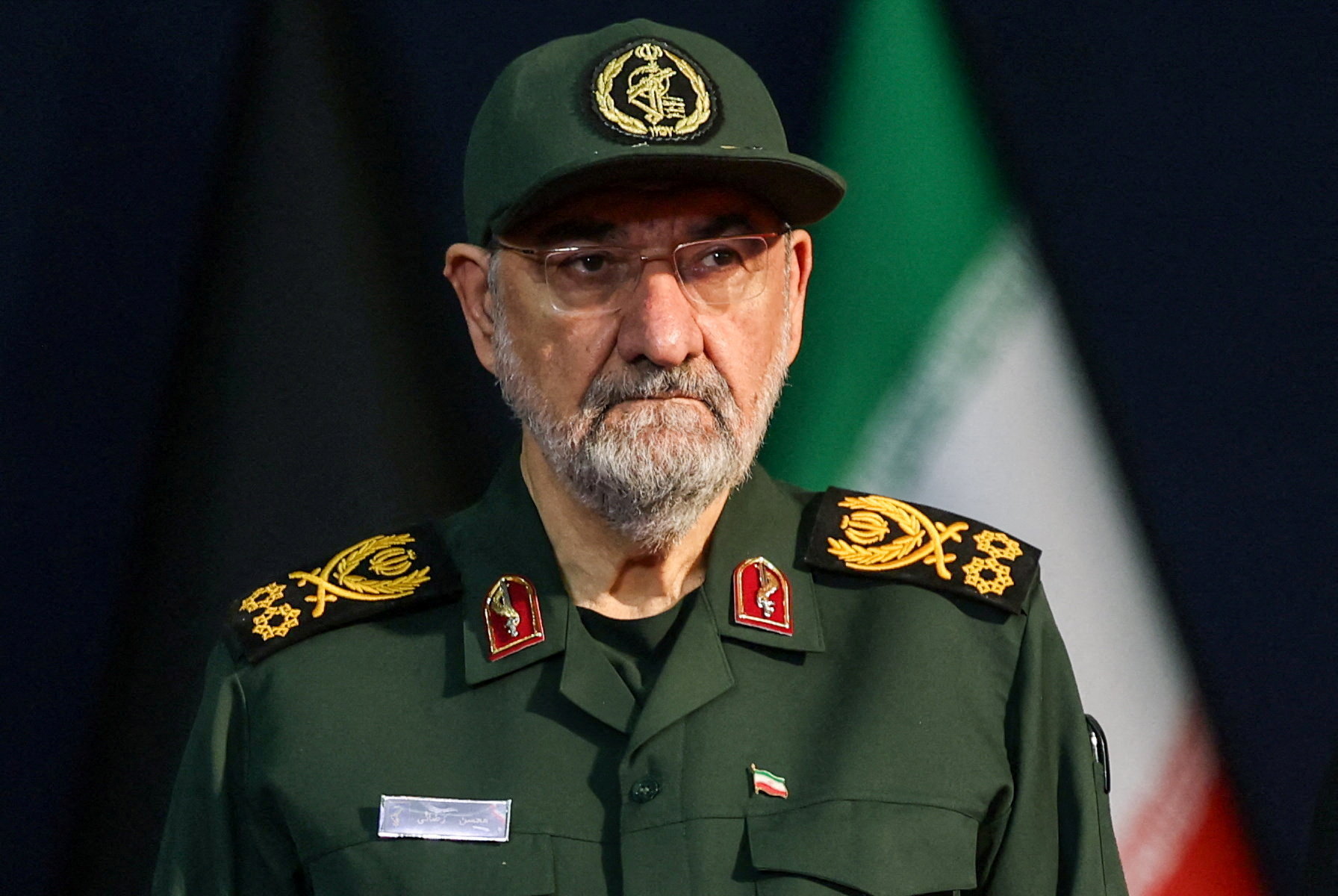
The Islamic Republic Returns to Offense
After U.S.-Israeli strikes killed Supreme Leader Ayatollah Ali Khamenei on February 28, Iran’s collective leadership has concluded that the best defense is a good offense.
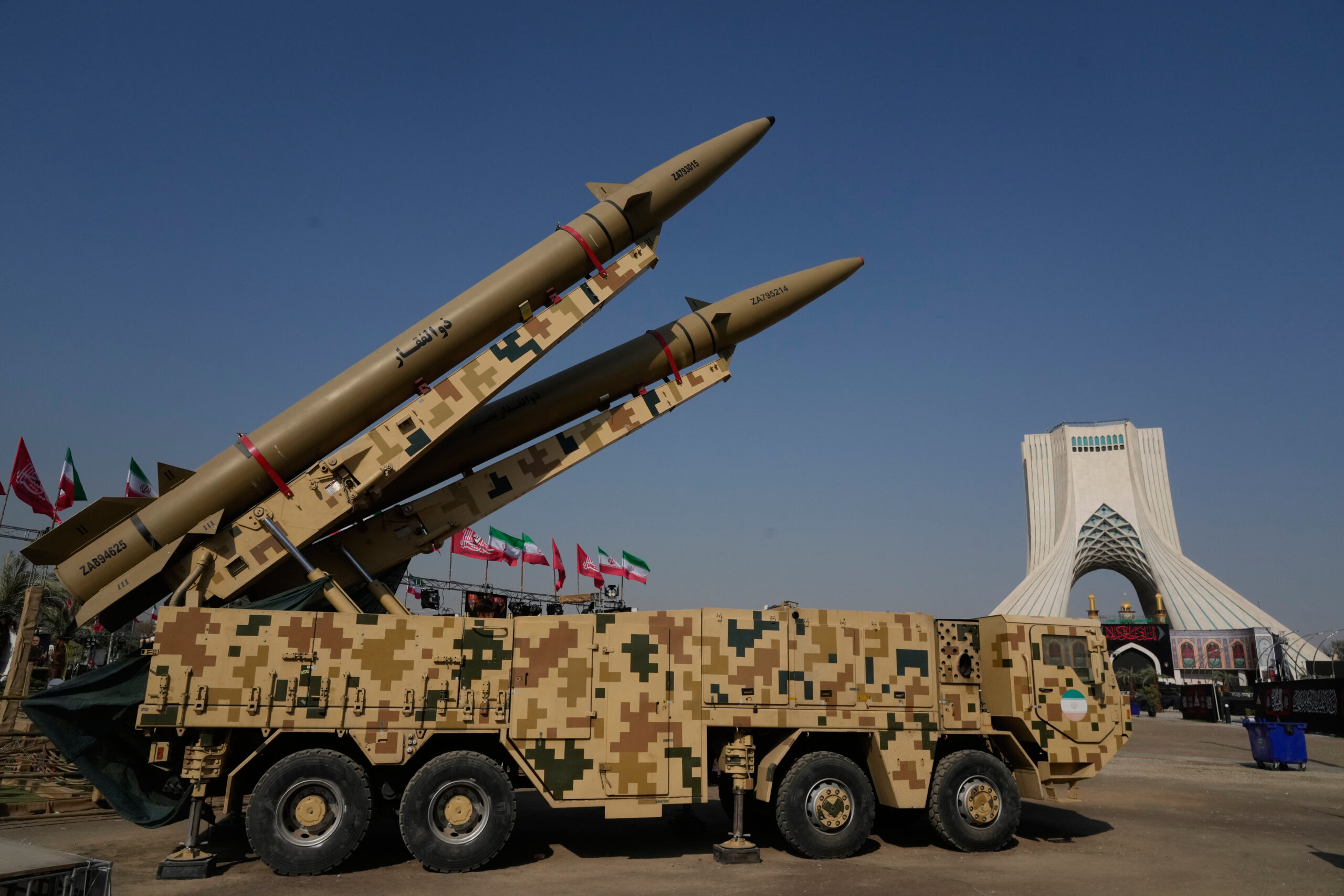
Iran’s Collective Strategic Decision Making
Wartime pressure has temporarily aligned the leadership’s overriding interest in regime survival, even as its members continue to differ over the costs, methods, and ultimate objectives of the war.
Events
Oct 6, 2026
Is the U.S.-Iran Stalemate a “New Normal” or the Prelude to Another Explosion?
On October 6, AGSI hosted a discussion on the U.S.-Iran stalemate and the prospects for a cease-fire.
Speakers



Book Talk: Iran and the Bomb: The United States, Iran and the Nuclear Question
On June 16, AGSI hosted a discussion on the evolution of Iran's nuclear program.
Speakers
Apr 21, 2026
Inside Iran’s Wartime Leadership: Power, Succession, and Regime Stability
On April 21, AGSI hosted a discussion on the evolution of Iran's leadership during the war.
Speakers

Mar 18, 2026
In Its Conflict With the United States and Israel, Does Escalation Favor Iran?
On March 18, AGSI hosted a discussion on the escalation of the Iran war.
Speakers