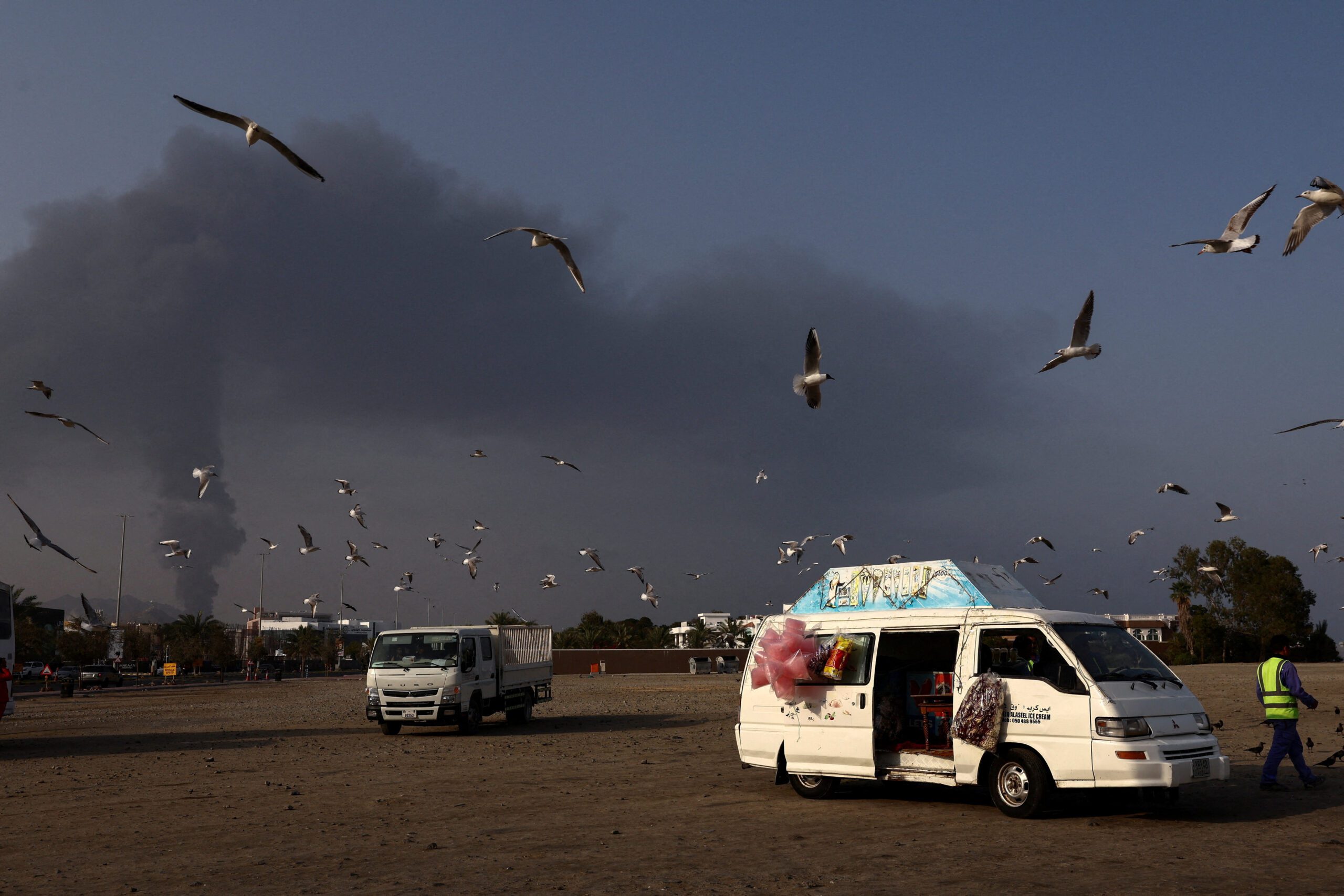
Birds fly as smoke rises following a fire caused by debris after the interception of a drone in Fujairah, the United Arab Emirates, March 3. (REUTERS/Amr Alfiky)
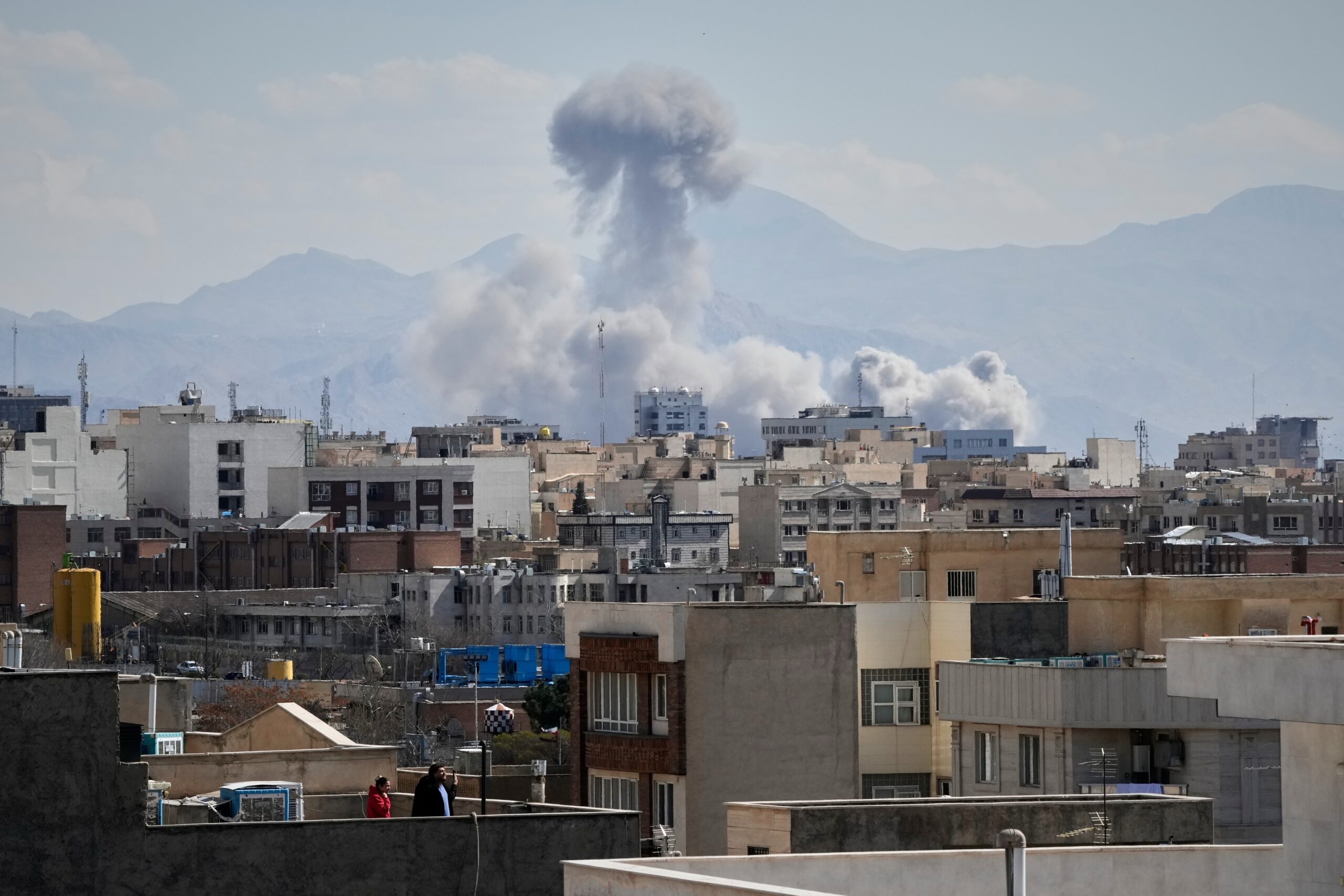
More than 2,500 missiles and drones have been launched across the region since the February 28 onset of the U.S.-Israeli conflict with Iran. The escalation has extended beyond military targets to include critical civilian infrastructure across both sides of the Gulf – targeting shipping lanes, oil and gas tankers, and water desalination facilities and raising concerns over potential strikes on civilian nuclear power plants.
While these developments carry immediate and visible human and economic costs, a less visible yet far more enduring consequence is emerging: environmental contamination. The damage to energy and water infrastructure poses severe risks to public health and marine ecosystems, representing a silent casualty of war – one that compounds the already recorded toll of more than 2,000 casualties and may persist for decades beyond the conflict itself. By March 10, the British nongovernmental Conflict and Environment Observatory had identified over 300 incidents with environmental risks. There have been numerous reports of ecological damage, as key elements of the region’s environment have proved vulnerable to the impact of war. Some attacks potentially constitute ecocide – a deliberate act causing long-term environmental harm during wartime. The threat of ecocide is particularly acute in one of the world’s most climate-vulnerable regions, where its impact will extend far beyond the “day after” the war.
Oil Spills and Energy Infrastructure
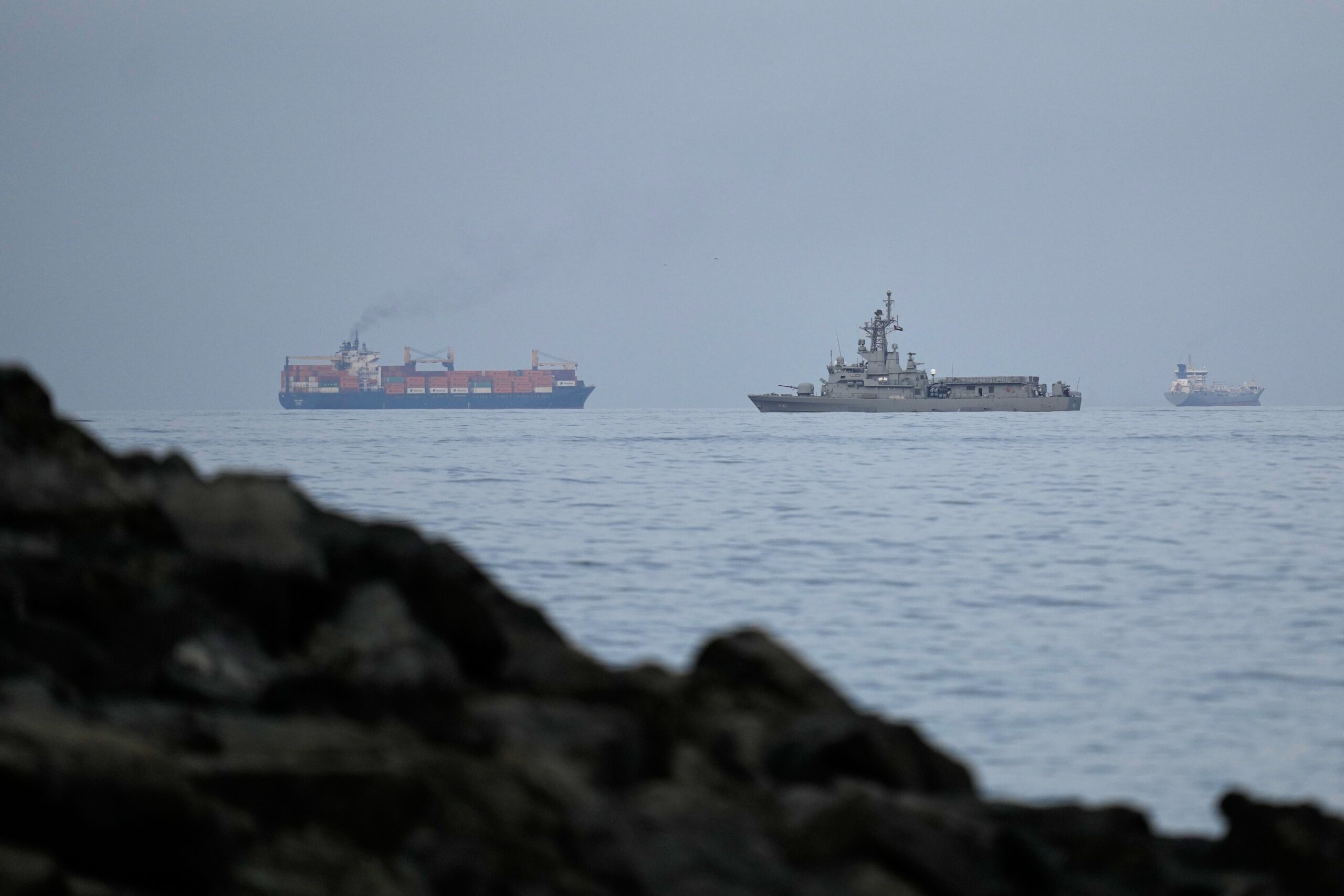
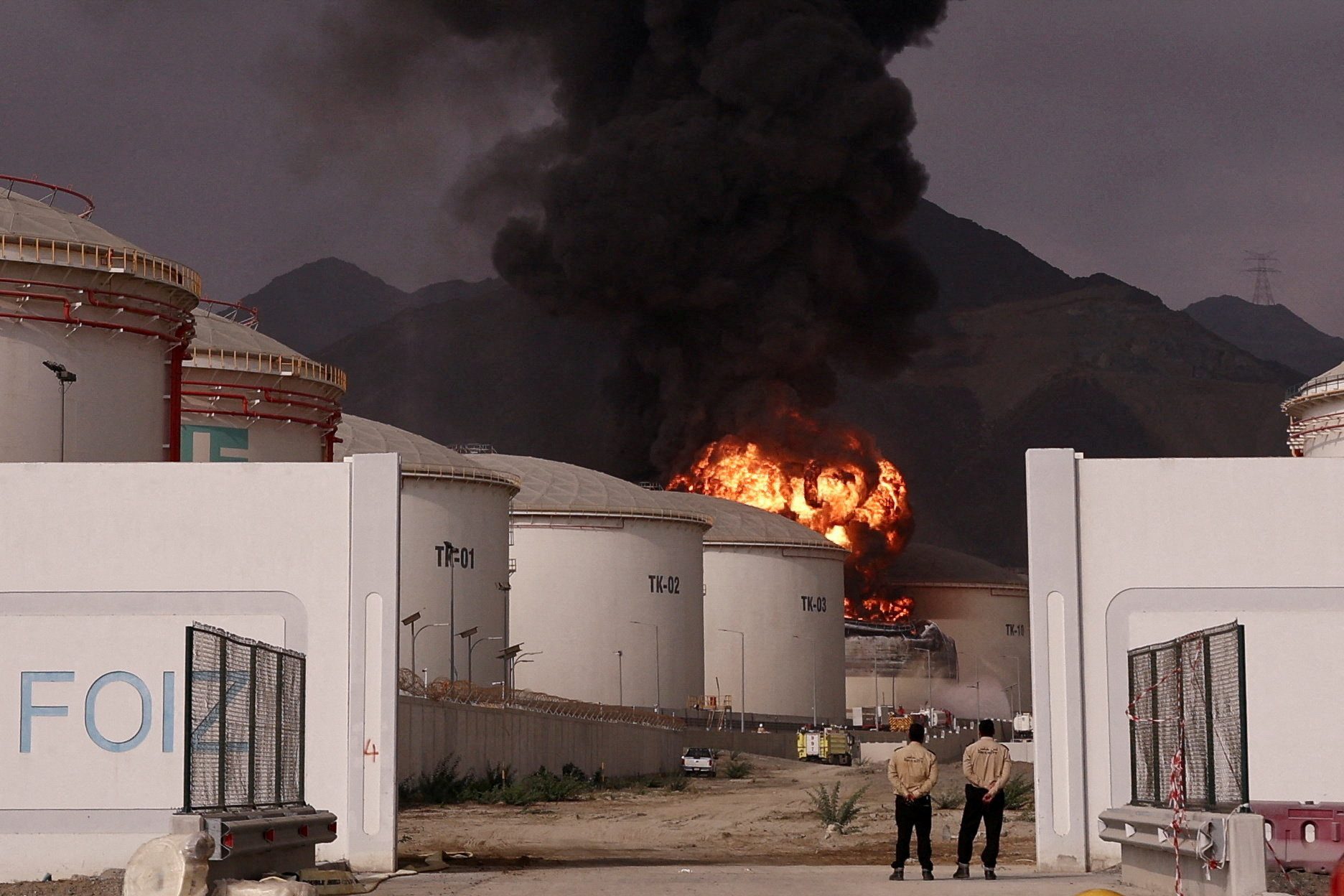
Since the outbreak of the conflict, attacks on energy infrastructure have expanded across the Gulf, targeting oil and gas facilities as well as oil tankers and fuel vessels in and around the Strait of Hormuz.
On March 18, Israel attacked gas facilities at Iran’s South Pars field. Iran retaliated with strikes targeting Qatar’s Ras Laffan liquefied natural gas facilities, Saudi Arabia’s Aramco-Exxon SAMREF refinery, the United Arab Emirates’ Habshan gas facility and Bab oil field, and Kuwait’s Mina al-Ahmadi and Mina Abdullah refineries.
Rainfall following the attacks in Iran has already shown how pollution from burning refineries can rapidly return to the ground in the form of contaminated precipitation. As thick clouds of smoke filled with soot, hydrocarbons, and sulfur compounds rise into the atmosphere, rainfall can wash out these pollutants producing “black acidic rain” that carries toxic particles back to the ground. This poses serious risks to public health, water quality, agriculture, and urban infrastructure.
More than 16 oil tankers have been attacked or damaged since the conflict escalated in early March, raising the risk of significant oil spills in the Gulf. Such incidents can severely damage marine and terrestrial ecosystems across Gulf states. Past experience underscores the severity of such risks. In 1991, during the Gulf War, an oil spill released around 8 million barrels of oil into the Gulf, causing widespread environmental harm, killing wildlife, and degrading sensitive habitats, such as coral reefs and mangroves. The impact extended beyond ecosystems, affecting key nonhydrocarbon economic sectors by contaminating fisheries, threatening food security and livelihoods, and damaging tourism through polluted coastlines. Critically, oil contamination also disrupted desalination plants, putting freshwater supplies at risk in an already water-scarce region. These combined effects further posed significant public health risks through polluted water, contaminated seafood, and degraded air quality.
Threats to Desalination Plants
Over the course of the conflict so far, two desalination plants have been targeted. Iran’s Qeshm Island plant was hit, disrupting water access for about 30 villages. And Bahrain’s Ras Abu Jarjur plant was targeted afterwards, but its operations were not affected. Desalination plants are essential for Gulf habitability, supplying water to over 100 million people; on average, they provide 70% of drinking water requirements, exceeding 90% for smaller states, such as Qatar and Bahrain.
Around 400 desalination plants operate in the Gulf, accounting for roughly 40% of global desalination capacity, compared to about 22,000 plants worldwide. The region relies on a few large, centralized megaplants that produce vast volumes of water, making these high-value targets vulnerable to adversaries during times of conflict.
In times of crisis, governments may sometimes have options to mitigate risks, but Gulf Arab states have virtually no alternatives when the region’s primary freshwater source is targeted. Other primary water resources, such as groundwater, are heavily contaminated and unsuitable for consumption.
When desalination plants are attacked and operations are halted, Gulf states face both immediate and long-term challenges in meeting water demand: In the short term, disruptions create acute supply shortages, while in the long term these facilities require significant capital investment, specialized technical expertise, and three to six years to construct. With regional water demand increasing by 6% to 7% annually, any prolonged disruption could make it increasingly difficult for the Gulf to meet its water needs.
Nuclear Hazards
Since the outbreak of hostilities, nuclear plants have been targeted, including Iran’s Natanz nuclear facility and Bushehr plant and Israel’s Shimon Peres Negev Nuclear Research Center. Although there are no reports of leaks, these incidents have heightened concerns over potential nuclear contamination and the risk of further escalation or retaliatory strikes.
For the Gulf, the highest risk would be the Bushehr nuclear power plant, as it is an active reactor containing large amounts of radioactive fuel. The impacts from Bushehr would vary, but most Gulf countries lie less than 300 miles away. To put this into perspective, the Chernobyl disaster affected people over 600 miles away.
Even though this distance shields populations in the Gulf Arab states from high radiation levels and designated evacuation zones, they may still experience low to moderate radiation exposure, which could have long-term public health consequences, such as an increased cancer risk, and trace radioactive isotopes could affect air, soil, crops, and livestock. Further, desalination plants could also be at risk, as contaminated seawater might disrupt freshwater supplies. Therefore, a strike on a nuclear facility could impact the complete livability of the region.
On the other side of the Gulf is the UAE’s Barakah nuclear power plant, the first commercial nuclear plant in the Gulf Arab states, represents a potential threat. Experts have long warned of potential attacks, leaks, and accidents while emphasizing that there is no regional liability framework in place to manage such consequences.
Gulf Environmental Crisis Responses
The Gulf Arab states have focused on increasing institutional capacity for environmental crisis responses.
At the national level, Oman, a regional pioneer in establishing its National Committee for Natural Disasters in 1988, advanced its system in 2020 with the creation of the National Centre for Emergency Management, coordinating multiple sectors. In 2024, Bahrain updated its National Emergency Strategy under the Interior Ministry. Saudi Arabia instituted its National Disaster Response Plan, led by the National Defense Council, in 2022. Meanwhile, the UAE established its National Emergency Crisis and Disaster Management Authority in 2014.
At the regional level, in June 2025, after Israeli airstrikes on Iranian nuclear infrastructure, the General Secretariat of the Gulf Cooperation Council formally activated its Emergency Management Centre to monitor environmental and radiological indicators. The GCC also deepened cooperation with the European Union on nuclear safety.
Oil spills have long been an issue across the Gulf region. To address this, Gulf countries have developed strategies that allow them to cooperate in emergencies, share technology, and exchange expertise. One key framework is the Kuwait Regional Convention (1978), which unifies all GCC countries’ responses to oil spills through technology sharing and environmental monitoring. Additionally, most Gulf states have invested in technology to combat oil spills and are well prepared to respond to them. The Regional Organization for the Protection of the Marine Environment, established in 1979 under the Kuwait Regional Convention, coordinated the response to the 1991 Gulf oil spill, including containment, skimming, and shoreline cleanup.
Despite these advances, major vulnerabilities remain – particularly the risks of water contamination and scarcity. With no sufficient alternatives to desalination, the only local solution to address a water crisis is through strategic water reserves. The UAE has 90 days of reserves, and Qatar has 45 days. Bahrain and Kuwait have limited reserves. Saudi Arabia likely does not maintain such large-scale emergency reserves, as it is the least dependent on desalination in the Gulf and most of its water infrastructure is located along the Red Sea, which provides certain shielding from potential threats.
Options to Stop Ecocide
As in every conflict, diplomacy and dialogue remain the most viable path to prevent the catastrophic consequences of war. However, with hostilities overriding diplomatic efforts, there are limited options to mitigate the risk of ecocide in the Gulf.
Engagement with the international legal community can help. The current Rome Statute of the International Criminal Court does not explicitly criminalize ecocide, and, although it is not formally recognized under international law, some states in the South Pacific have formally proposed its inclusion. The proposal is still under discussion, and the Gulf Arab states could actively advocate for its adoption to protect their vulnerable environment and prevent such risks from occurring elsewhere in the world during conflicts.
More than ever, it is clear that the Gulf must activate stronger national and regional frameworks for environmental crisis response and shift from reactive to proactive responses. Particularly, the GCC General Secretariat can play a more proactive role in coordinating these efforts, now and after the war. Setting aside political and strategic differences, prioritizing collective resilience can help ensure long-term protection against environmental risks for the region.
The views represented herein are the author's or speaker's own and do not necessarily reflect the views of AGSI, its staff, or its board of directors.
The longer the conflict lasts, and the more damage to energy facilities, the greater the risk of oil market tightness, rising prices, and stranded commodities.
Gulf governments are working to shift their strategies from natural disaster response to preemptive resilience strategies by identifying and mitigating risks before disasters occur.
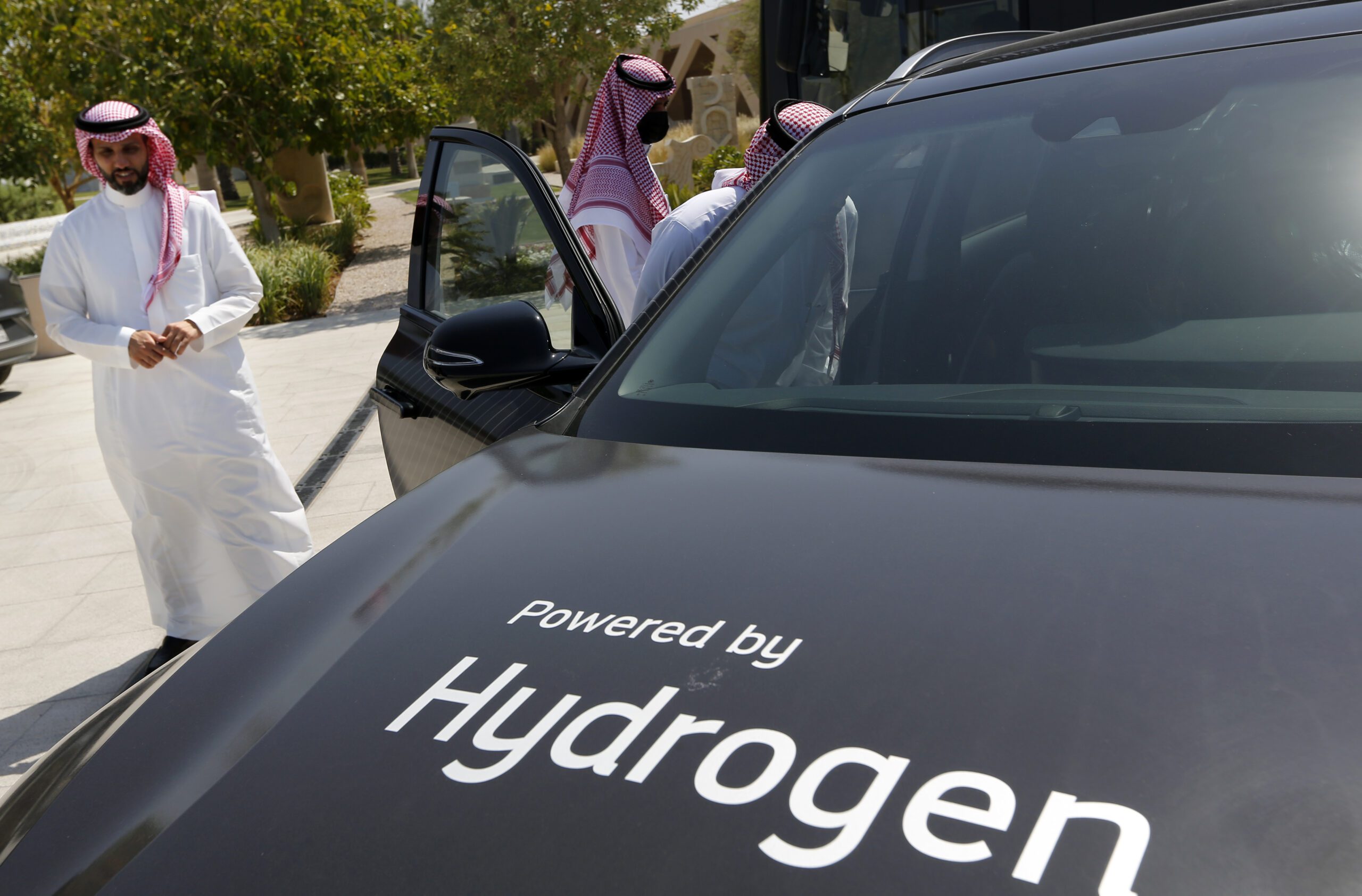
Gulf Arab states are well positioned to join global forces to accelerate the development of clean hydrogen, but first they will have to cautiously address institutional, technical, cultural, and market barriers.
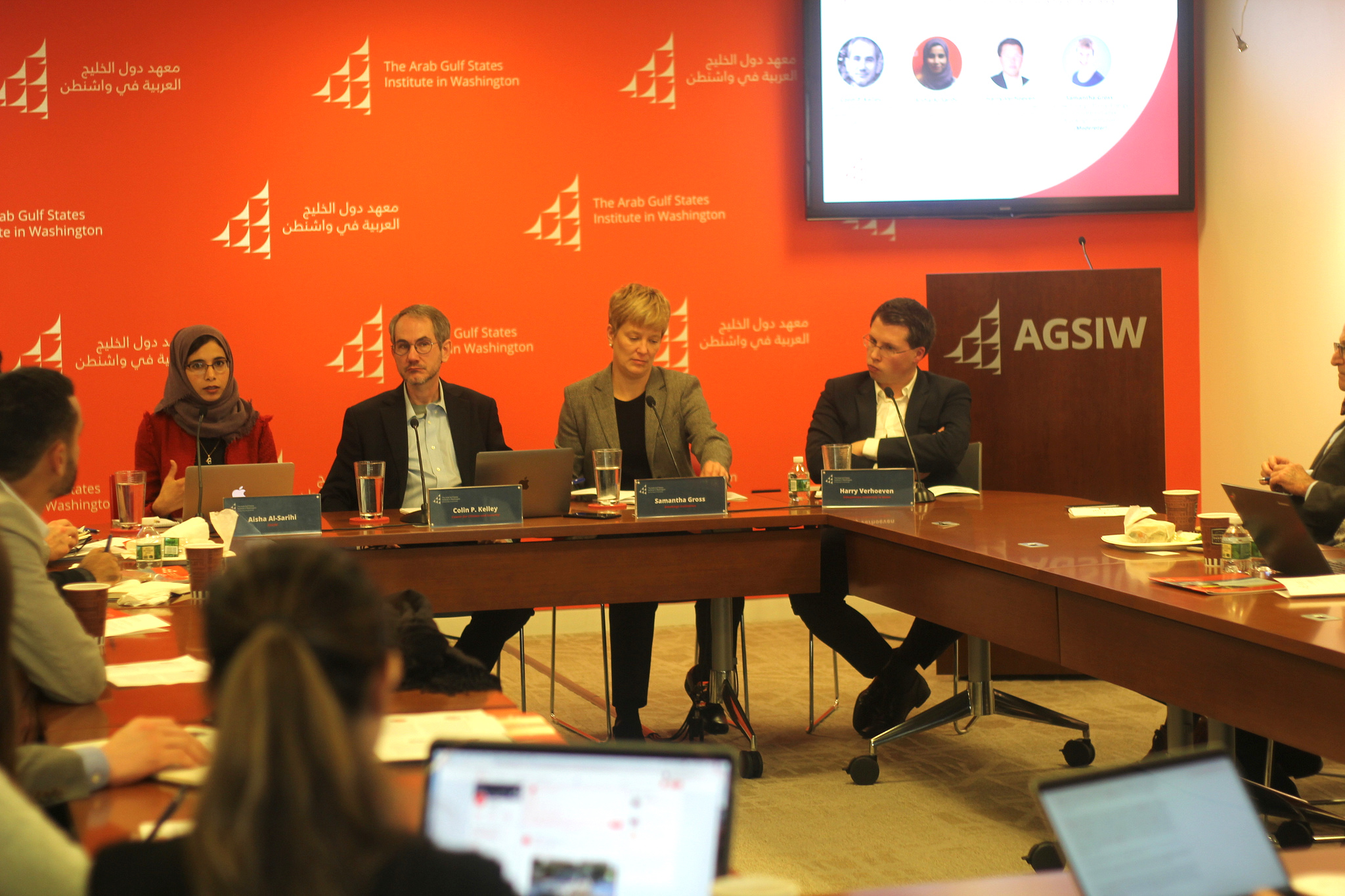
On March 29, AGSIW and the National University of Singapore’s Middle East Institute co-hosted a panel discussion examining the Arab region's positions on climate change.
As the 24th Conference of the Parties to the United Nations Framework Convention on Climate Change was taking place in Poland, AGSIW hosted a discussion examining efforts by the Gulf Arab countries to tackle climate change, both in terms of mitigation and adaptation.
While under current conditions achieving food self-sufficiency is likely to remain aspirational, taking bold steps could radically improve the UAE’s food security in the interim and make the goal of food self-sufficiency more achievable down the line.
Gulf governments are looking to privatize their energy-intensive utility sectors, aiming to make public utilities more environmentally and financially sustainable.