May 2, 2025
All Roads Lead Away From Rome?
The May 2 edition of the Iran Media Review considers a report by an Iranian news agency following the postponement of the fourth round of U.S.-Iran talks.

Nour News Agency, which is affiliated with the Supreme National Security Council, reported on the postponement of the scheduled U.S.-Iranian diplomatic negotiations in Rome.
- May 1: Nour News Agency reported:
- “The postponement of indirect diplomatic negotiations between the Islamic Republic of Iran and the United States in Rome, merely three days prior to the scheduled talks, signifies emerging complications in the trajectory of bilateral diplomacy. Although the Omani foreign minister attributed the postponement to ‘logistical issues,’ the imposition of new sanctions by the United States, combined with the escalatory rhetoric of American officials, points to political motivations behind the postponement of the dialogue.”
- “Following the third round of negotiations in Muscat, the U.S. government sanctioned multiple Iranian entities and individuals, citing the Islamic Republic’s missile program. Concurrently, U.S. Secretary of Defense Pete Hegseth issued a warning against Iran’s support for Yemen’s Ansar Allah movement, declaring: ‘You will pay the consequence at the time and place of our choosing.’ This articulation of coordinated statecraft – represented by Steven Witkoff, the U.S. special envoy to the Middle East – exemplifies the U.S. administration’s integrated approach of combining diplomatic engagement with coercive signaling during negotiation processes.”
- “Iran, for its part, has reiterated that negotiation and coercion constitute mutually exclusive strategies. Foreign Ministry Spokesman Esmaeil Baqaei underscored that a ‘resolution of differences is only achievable through reciprocal respect and a constructive diplomatic posture.’ Nonetheless … Baqaei also affirmed that the postponement of the scheduled negotiations occurred at the behest of the Omani foreign minister.”
- “In summary, while diplomatic channels remain open, they are evidently constrained by the U.S. administration’s strategy of coercive diplomacy. It appears that the U.S. administration seeks to maintain the facade of engagement while structurally recalibrating the negotiation framework to advance unilateral interests – an approach that has engendered strategic mistrust and the provisional postponement of dialogue. The potential discontinuation of negotiations with the European troika further illustrates the complexity and volatility of the current diplomatic landscape. While it may be premature to declare a diplomatic impasse, it is evident that the negotiations have entered a critical phase of testing the strategic intent and commitment of both parties. Should Washington aim for a durable and actionable accord, it must opt decisively between deterrent posturing and diplomatic engagement. The prevailing doctrine of the Islamic Republic of Iran maintains that dialogue and coercion are fundamentally incompatible modalities.”
The views represented herein are the author's or speaker's own and do not necessarily reflect the views of AGSI, its staff, or its board of directors.
Related
Iran Media Review
Oct 20, 2026
Who Authorized Iranian Strikes Against U.S. Vessels?
The October 20 edition of the Iran Media Review examines IRGC messaging about July 7 strikes against U.S. Navy vessels and the debate surrounding the confirmation of a new Iranian defense minister.
Iran Media Review
Oct 16, 2026
Qalibaf’s New Equation: War, Negotiation, and Deterrence
The October 16 edition of the Iran Media Review highlights the call by Iran’s parliamentary speaker for a combination of war and negotiation to establish deterrence against further attacks on Iran.
Iran Media Review
Oct 13, 2026
From Neighbor to Target: Iranian Analysts on the UAE
The October 13 edition of the Iran Media Review explores calls by senior Iranian strategists for Iran to target the United Arab Emirates and Dubai’s airport.
Oct 20, 2026
Who Authorized Iranian Strikes Against U.S. Vessels?
The October 20 edition of the Iran Media Review examines IRGC messaging about July 7 strikes against U.S. Navy vessels and the debate surrounding the confirmation of a new Iranian defense minister.
Oct 16, 2026
Qalibaf’s New Equation: War, Negotiation, and Deterrence
The October 16 edition of the Iran Media Review highlights the call by Iran’s parliamentary speaker for a combination of war and negotiation to establish deterrence against further attacks on Iran.
Oct 13, 2026
From Neighbor to Target: Iranian Analysts on the UAE
The October 13 edition of the Iran Media Review explores calls by senior Iranian strategists for Iran to target the United Arab Emirates and Dubai’s airport.
Analysis
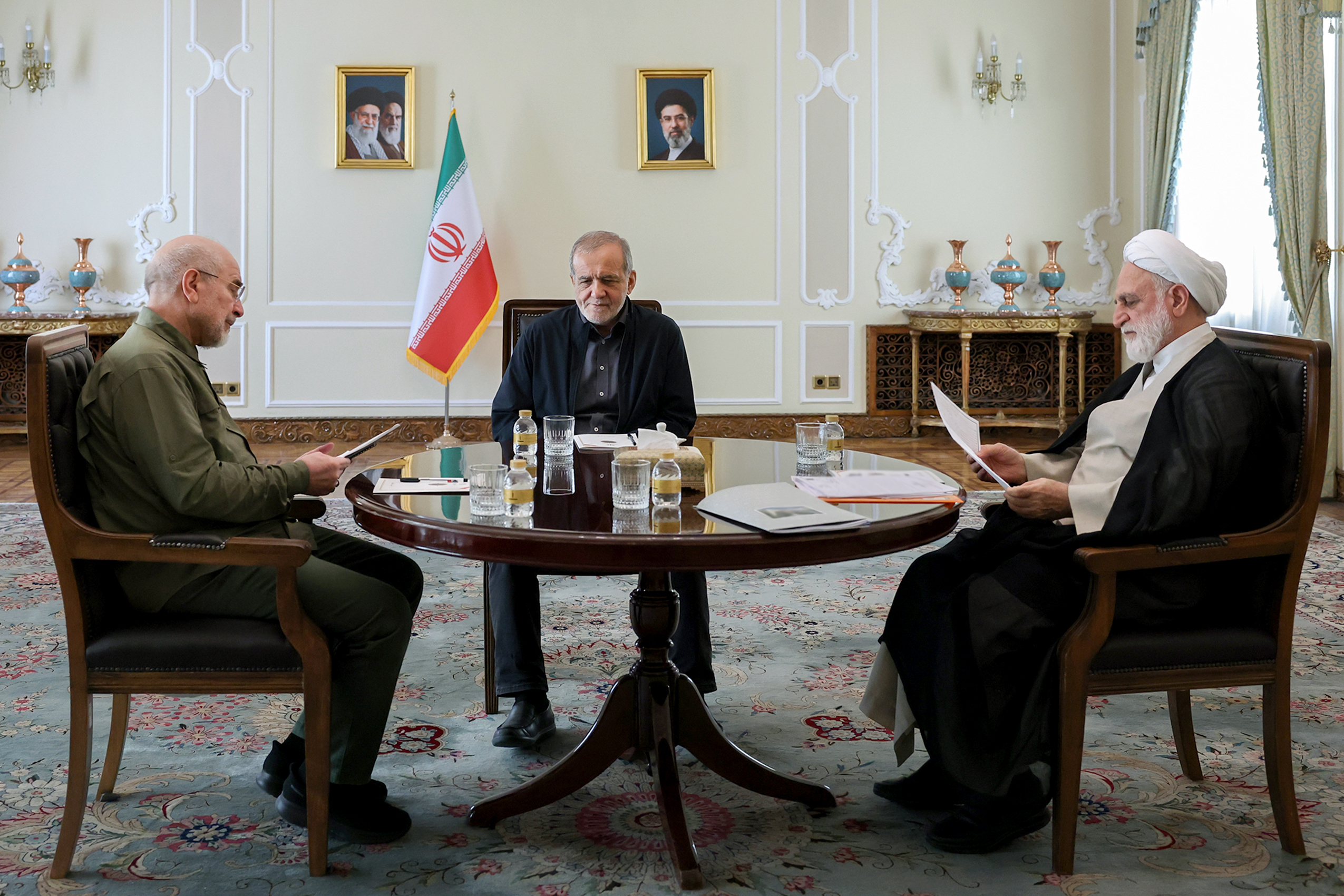
The Committee of Six and Strategic Decision Making in Iran
Remarks by Iran’s president offer a rare glimpse of how the Islamic Republic has adapted its decision making to the absence of its supreme leader.
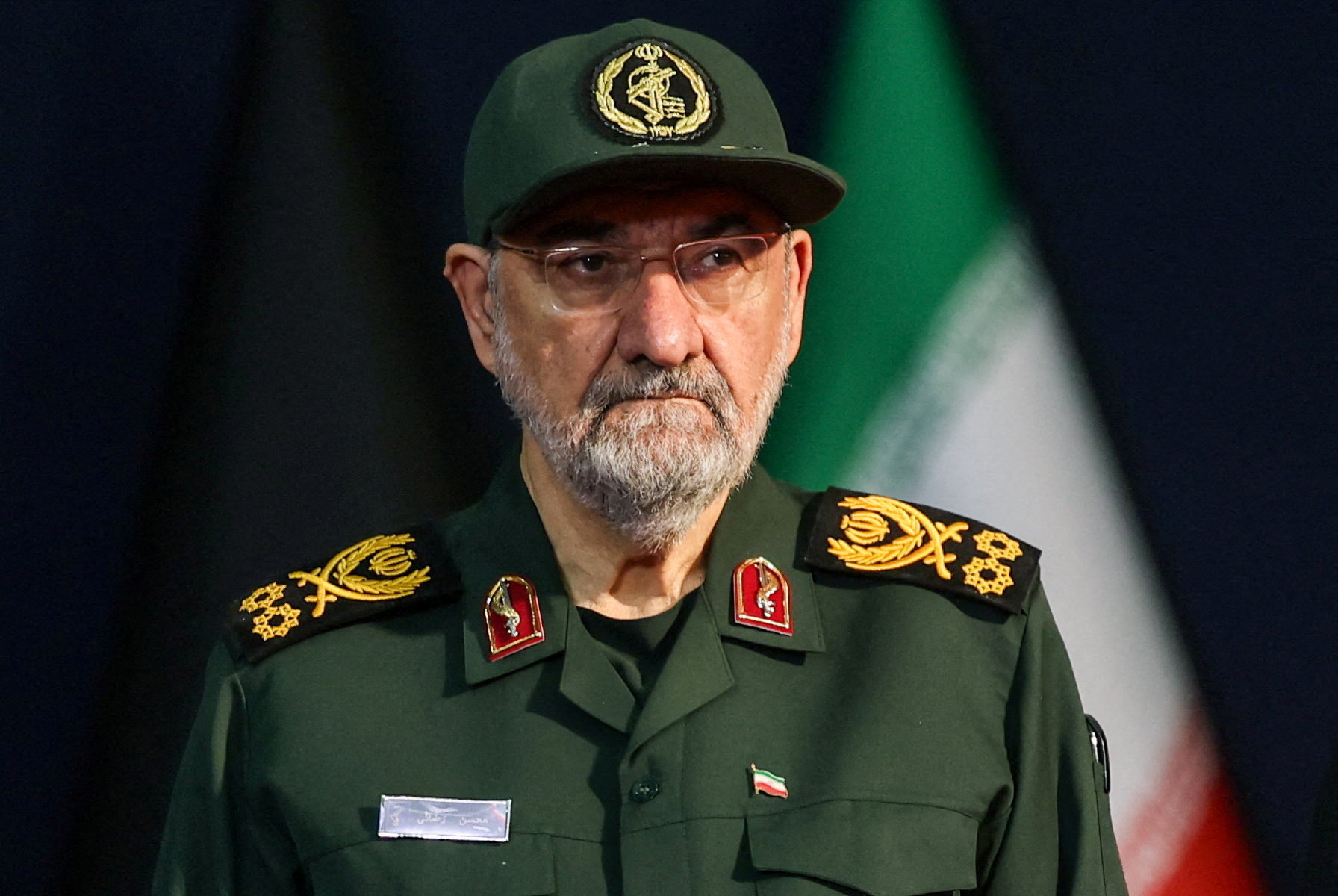
Mohsen Rezaei at the Helm of Iran’s Supreme National Security Council
Under Rezaei, the SNSC could prove constructive or paralyze strategic decision making.
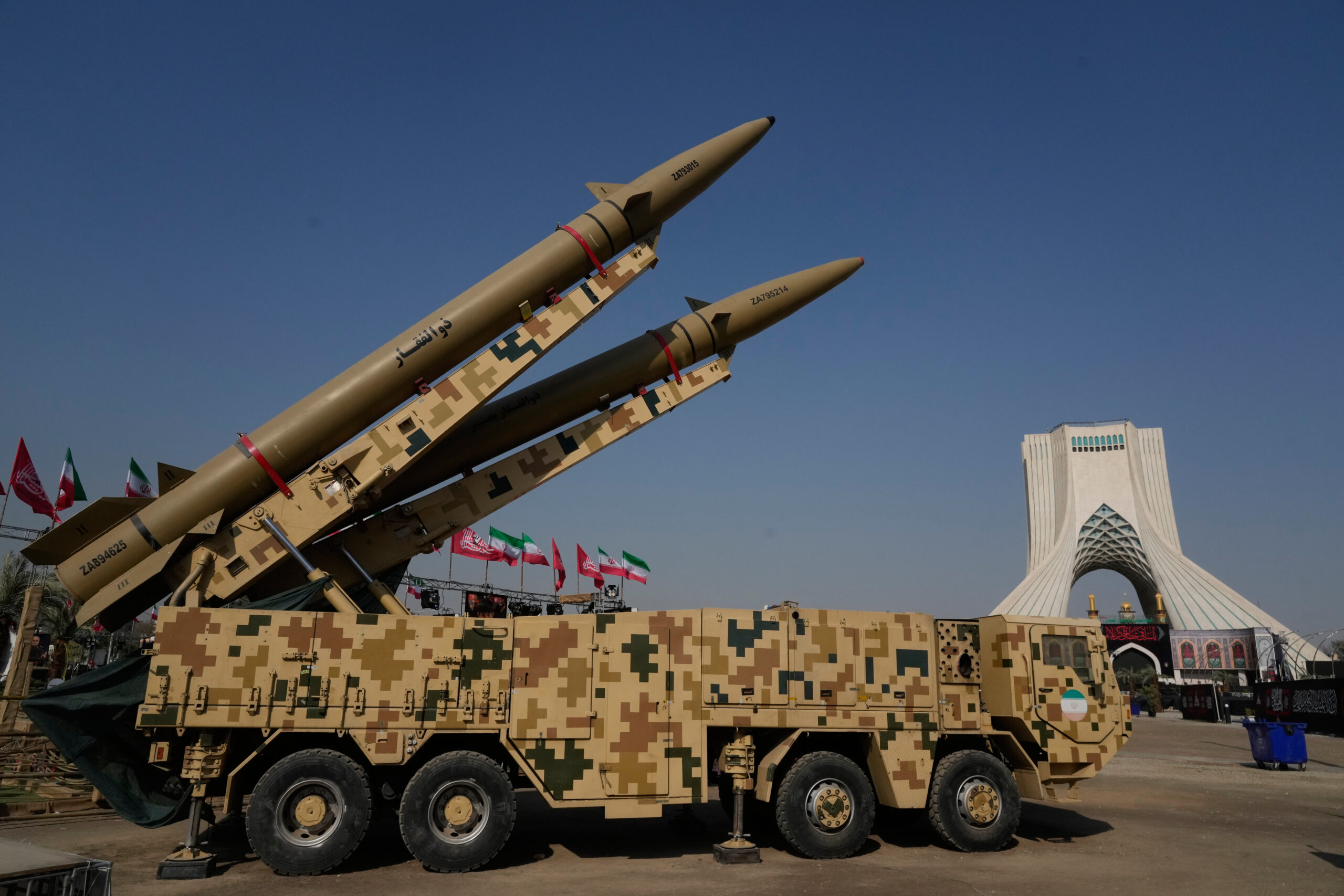
The Islamic Republic Returns to Offense
After U.S.-Israeli strikes killed Supreme Leader Ayatollah Ali Khamenei on February 28, Iran’s collective leadership has concluded that the best defense is a good offense.
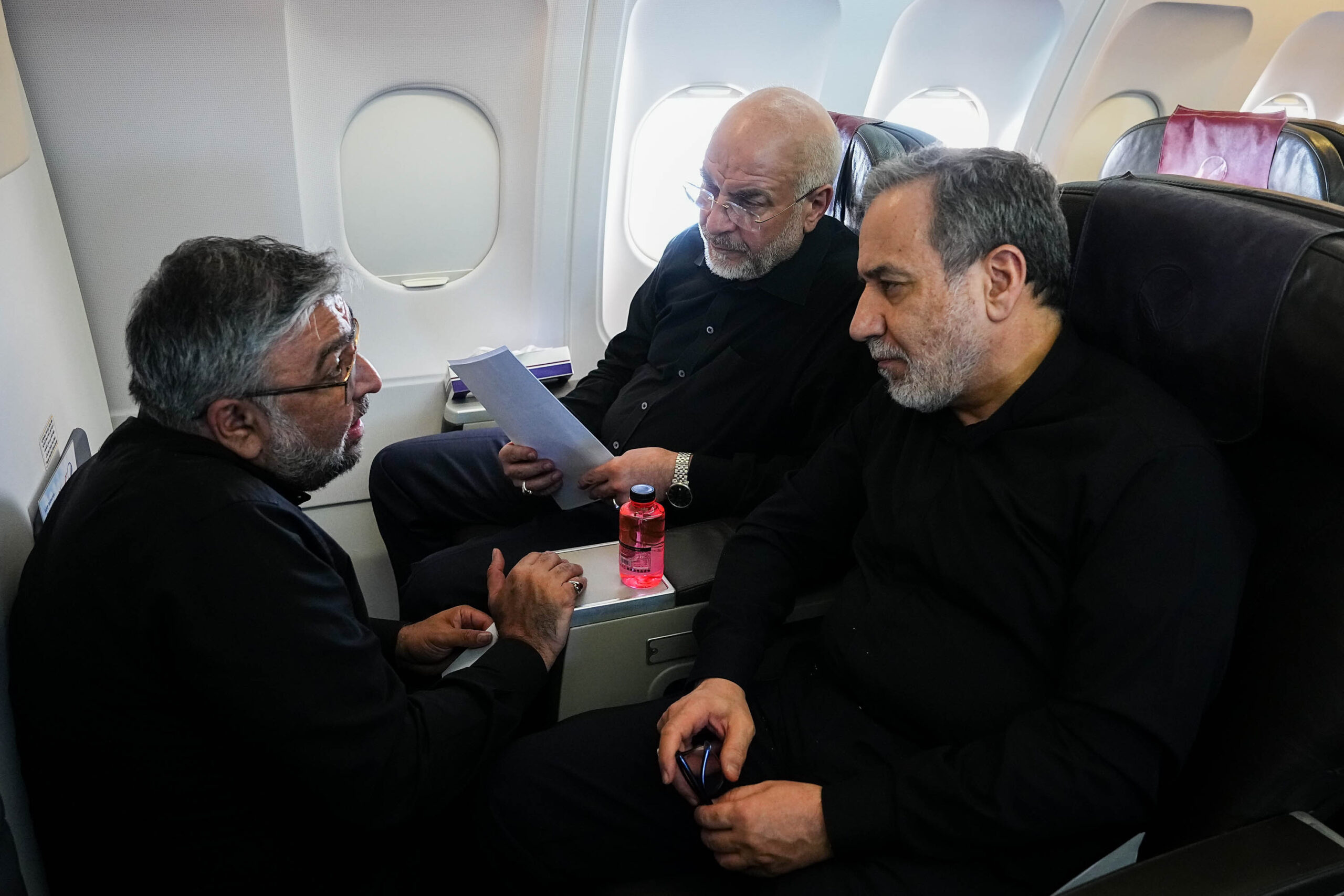
Iran’s Collective Strategic Decision Making
Wartime pressure has temporarily aligned the leadership’s overriding interest in regime survival, even as its members continue to differ over the costs, methods, and ultimate objectives of the war.
Events
Oct 6, 2026
Is the U.S.-Iran Stalemate a “New Normal” or the Prelude to Another Explosion?
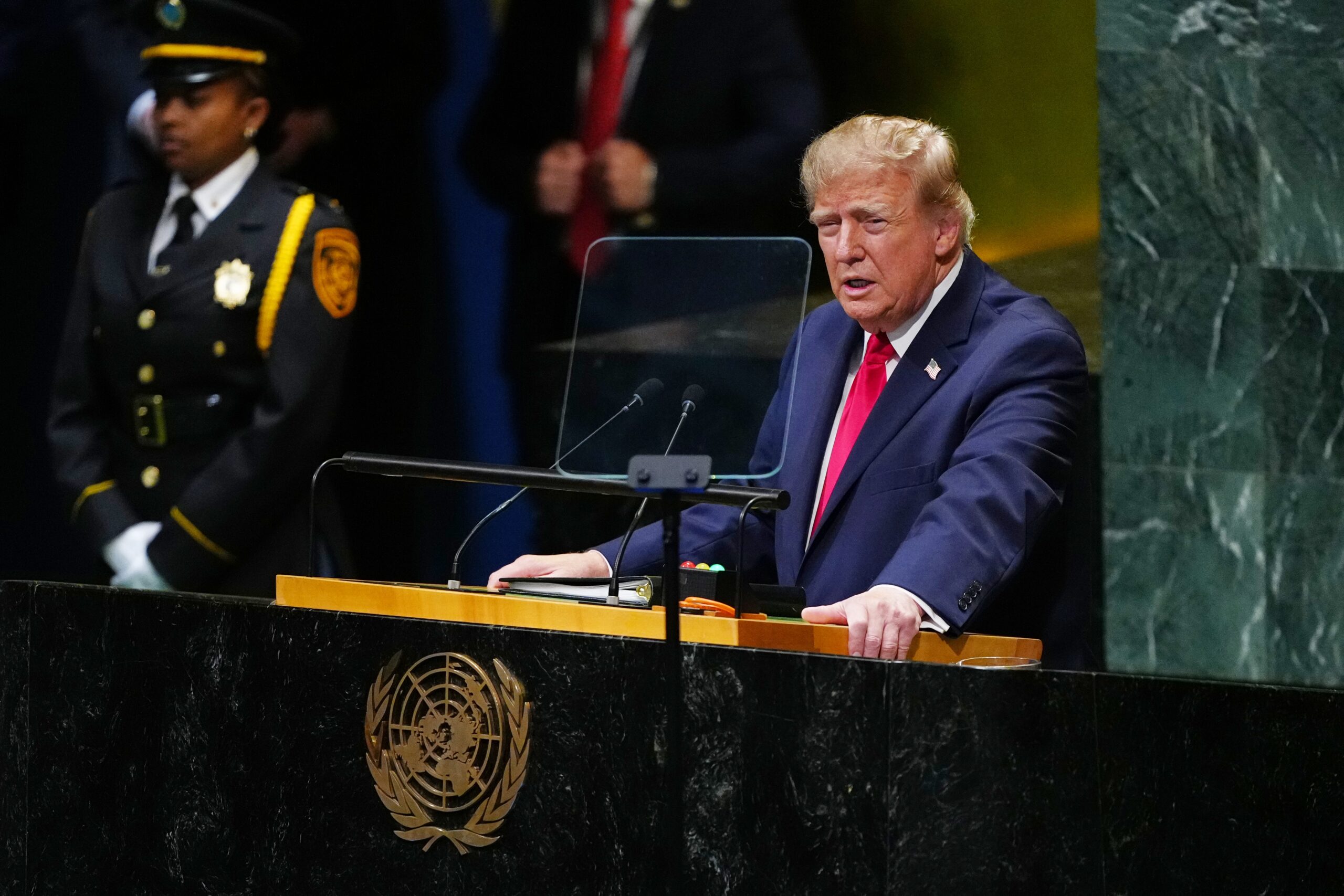
On October 6, AGSI hosted a discussion on the U.S.-Iran stalemate and the prospects for a cease-fire.
Speakers



Book Talk: Iran and the Bomb: The United States, Iran and the Nuclear Question
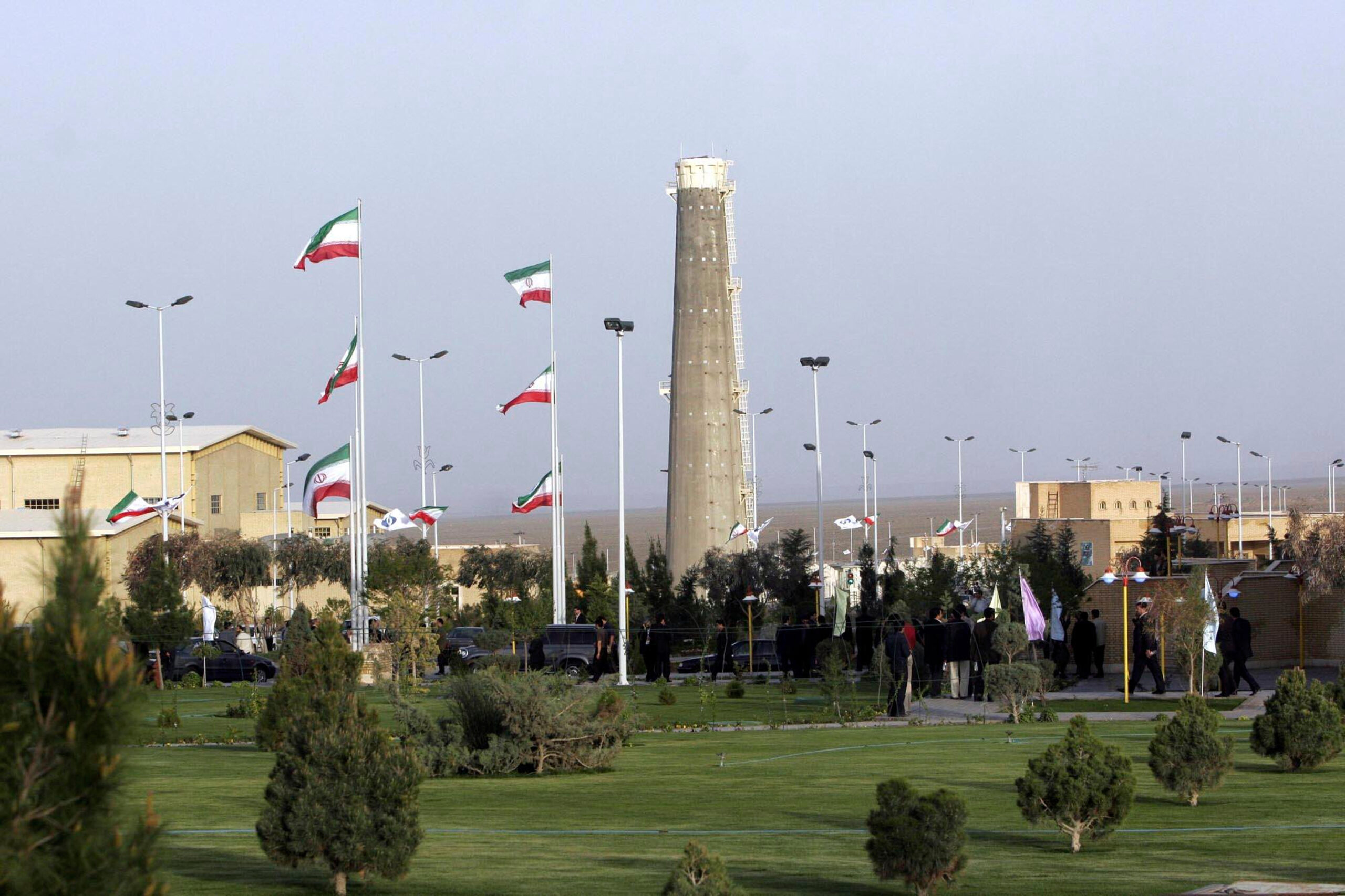
On June 16, AGSI hosted a discussion on the evolution of Iran's nuclear program.
Speakers

Apr 21, 2026
Inside Iran’s Wartime Leadership: Power, Succession, and Regime Stability
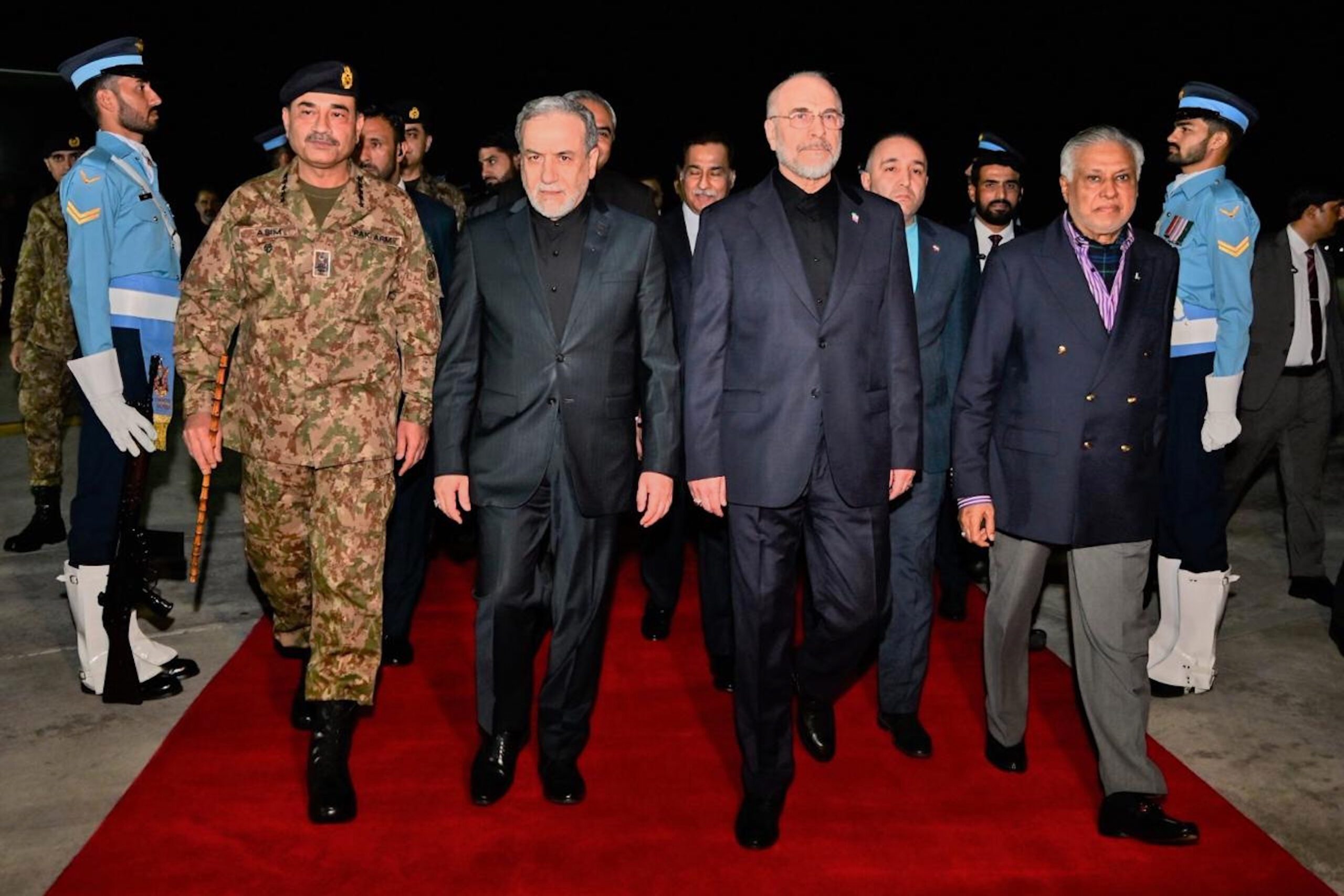
On April 21, AGSI hosted a discussion on the evolution of Iran's leadership during the war.
Speakers

Mar 18, 2026
In Its Conflict With the United States and Israel, Does Escalation Favor Iran?
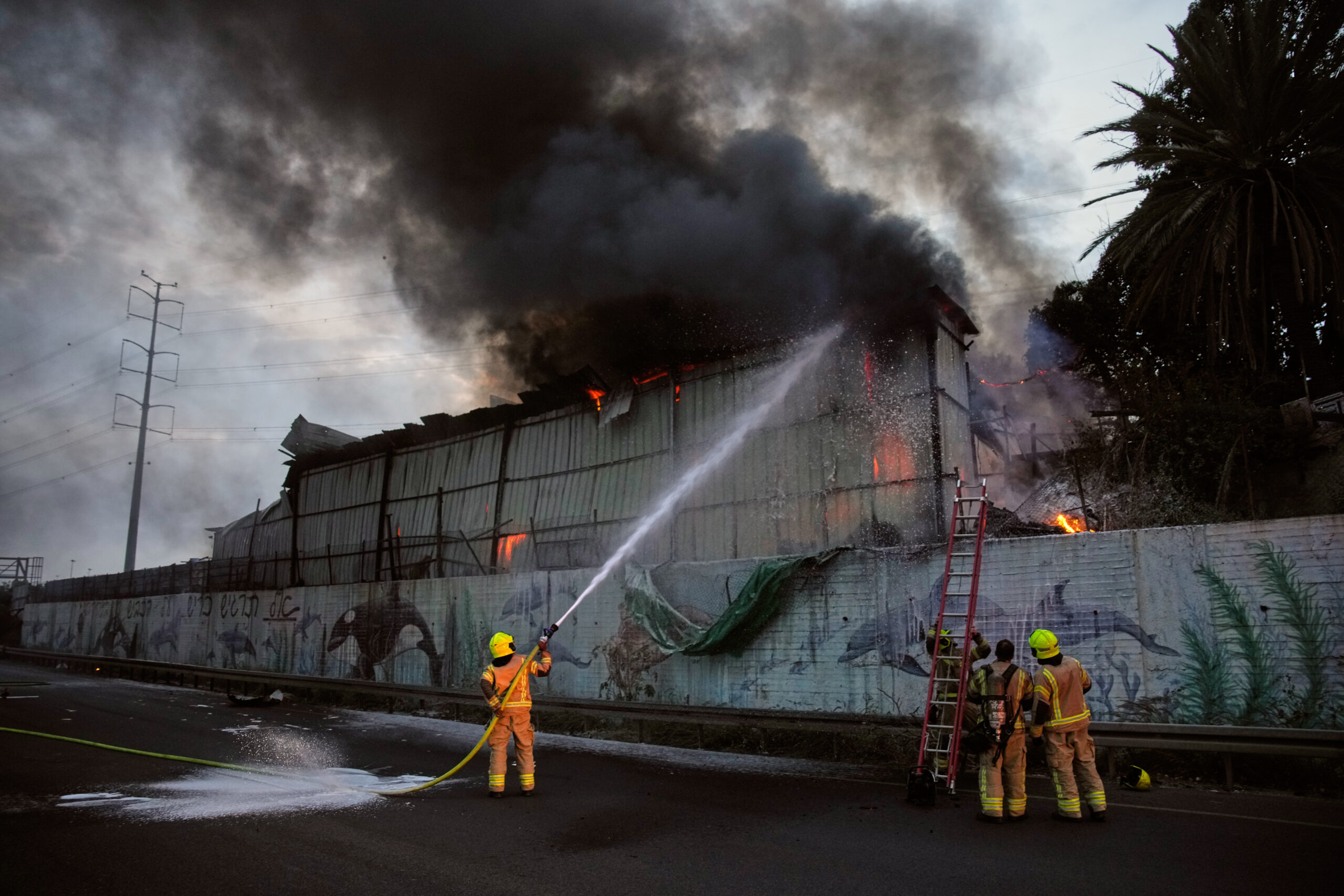
On March 18, AGSI hosted a discussion on the escalation of the Iran war.
Speakers