May 10, 2024
Advisor to Khamenei: “In the Face of an Existential Threat, We May Revise Our Nuclear Doctrine”
The May 10 edition of the Iran Media Review highlights further warnings by Iranian officials that Tehran could pursue nuclear weapons.

Kamal Kharazi, who was formerly Iran’s foreign minister and is currently head of the Strategic Foreign Relations Council and an advisor to Supreme Leader Ayatollah Ali Khamenei, once again warned Iran may revise its nuclear doctrine. Kharazi previously raised the possibility of Iran pursuing nuclear weapons in 2022, and other Iranian officials did the same in April. Iranian officials repeating these threats may either reflect a heightened perceived threat of an Israeli attack against Iranian nuclear installations or the possibility of Iran withdrawing from the Treaty on the Non-Proliferation of Nuclear Weapons.
- May 9: In an interview with Qatar’s Al Jazeera Mubasher television network, Kharazi said, as quoted by Supreme National Security Council mouthpiece Nour News: “Should the Zionist regime have the audacity to harm Iran’s nuclear installations, the level of our deterrence may change. We have not decided to manufacture a nuclear bomb, but should Iran face an existential that, we will have no choice but to revise our nuclear doctrine.”
- May 9: In other sections of the same interview quoted by centrist Khabar Online, Kharazi asked about the alleged January 2023 Israeli drone attack against an ammunition factory in Isfahan, said:
- “What happened was an attack by a small aerial drone that had previously been smuggled into Iran. The attack was not from Israel. This has also happened in the past, so they could utilize them in special operations. Such acts are acts of harassment and hardly count as military operations, just like the harmless quadcopter operation,” referencing the alleged Israeli attack against a radar site in Isfahan April 20. “This operation was not directed against Iran’s nuclear installations. They merely targeted an Iranian military base. Should they have the audacity to harm Iran’s nuclear installations, the level of our deterrence may change. Until now, we have kept our deterrence at the conventional level, but should they decide to harm Iran’s nuclear capacities, this may naturally cause a change in Iran’s nuclear doctrine.”
- Asked how Iran would react to an Israeli attack against its nuclear facilities, Kharazi answered: “Two years ago, in a conversation with Al Jazeera, I declared that Iran has the capacity to produce the nuclear bomb. This capacity still exists, but we have not decided to build a nuclear bomb. However, should Iran face an existential threat, we will have no choice but to change our nuclear doctrine. Military officials have also declared if Israel decides to attack the nuclear installations, Iran renouncing its previous considerations is likely and conceivable.”
The views represented herein are the author's or speaker's own and do not necessarily reflect the views of AGSI, its staff, or its board of directors.
Related
Iran Media Review
May 7, 2024
Bahraini Al-Ashtar Brigades Claims Responsibility for Drone Attack Against Israel
The May 7 edition of the Iran Media Review examines reports of an alleged drone attack on the Israeli city of Eilat by a paramilitary branch of the Islamic Resistance of Bahrain.
Iran Media Review
May 3, 2024
Back to Bread-and-Butter Issues in Iran
The May 3 edition of the Iran Media Review highlights Iran’s economic woes as regional crises dominate the news cycle.
May 7, 2024
Bahraini Al-Ashtar Brigades Claims Responsibility for Drone Attack Against Israel
The May 7 edition of the Iran Media Review examines reports of an alleged drone attack on the Israeli city of Eilat by a paramilitary branch of the Islamic Resistance of Bahrain.
May 3, 2024
Back to Bread-and-Butter Issues in Iran
The May 3 edition of the Iran Media Review highlights Iran’s economic woes as regional crises dominate the news cycle.
Analysis
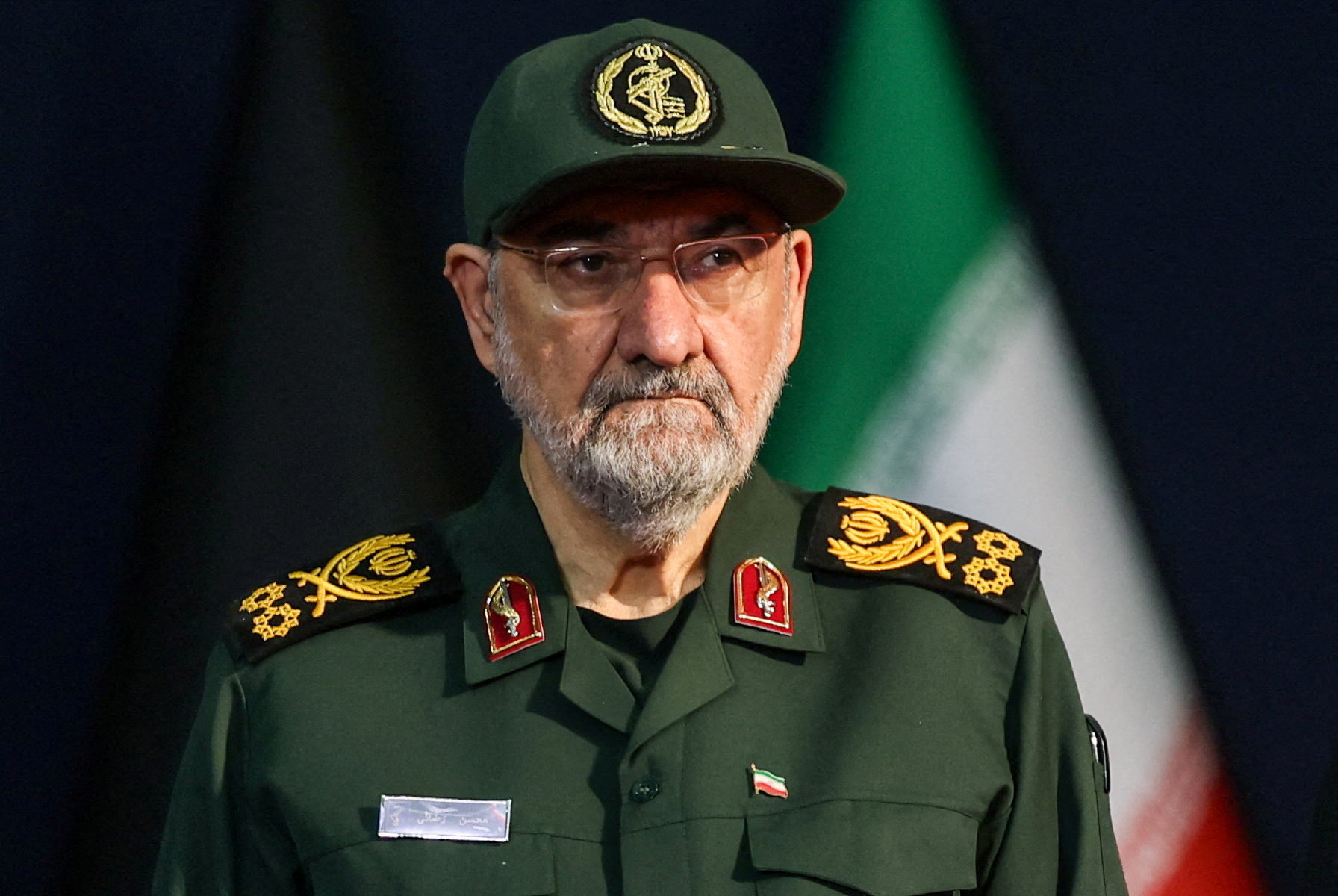
Mohsen Rezaei at the Helm of Iran’s Supreme National Security Council
Under Rezaei, the SNSC could prove constructive or paralyze strategic decision making.
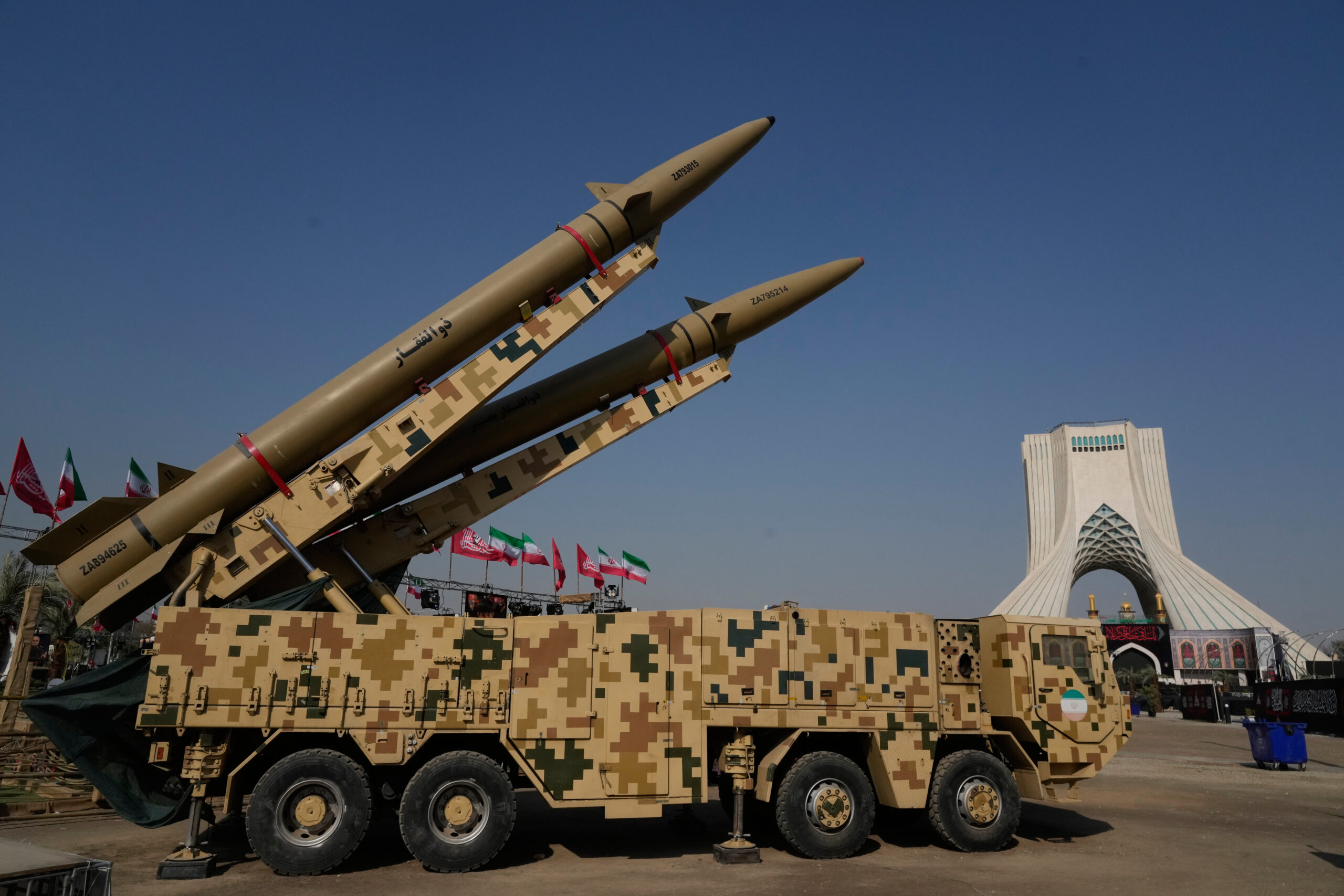
The Islamic Republic Returns to Offense
After U.S.-Israeli strikes killed Supreme Leader Ayatollah Ali Khamenei on February 28, Iran’s collective leadership has concluded that the best defense is a good offense.
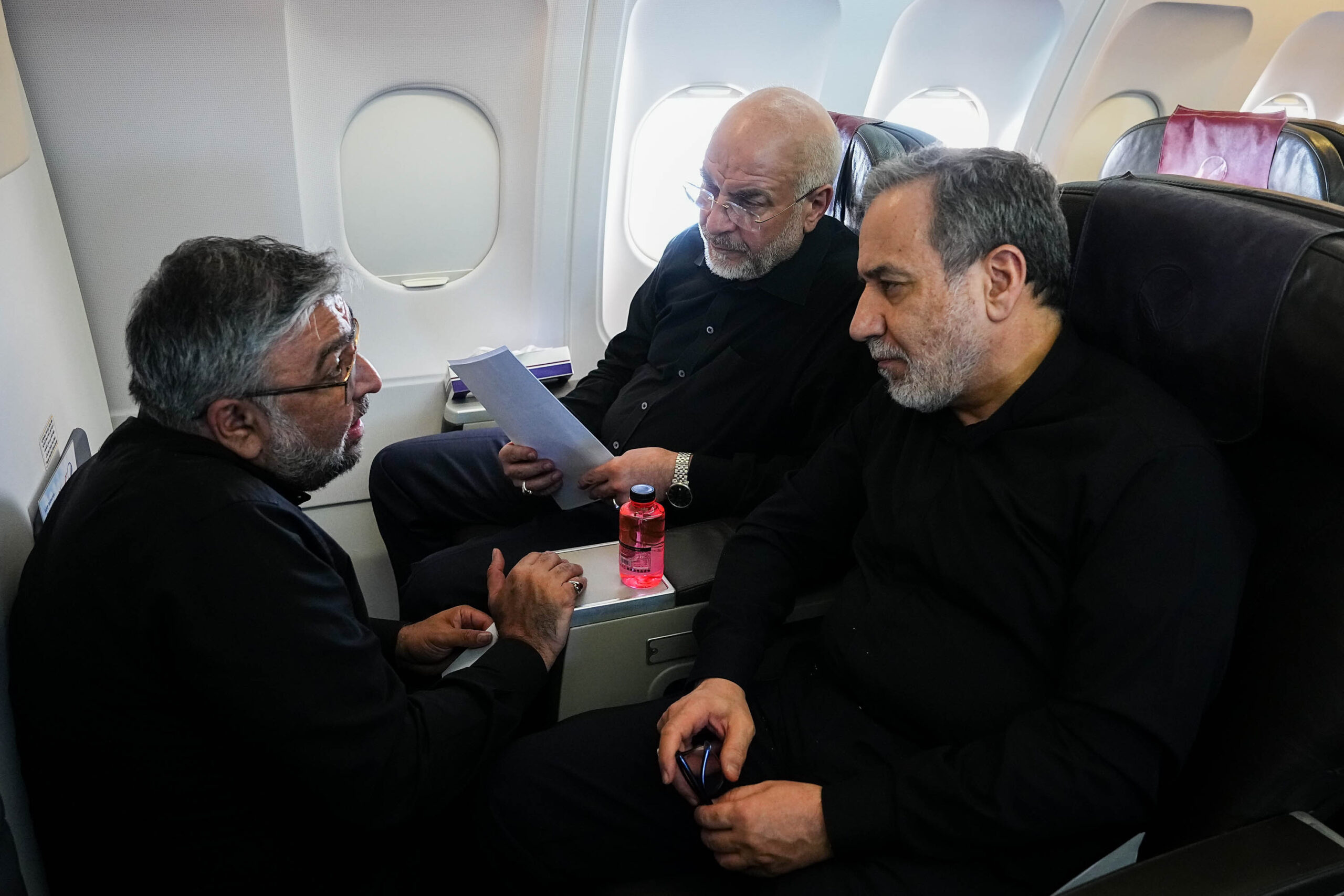
Iran’s Collective Strategic Decision Making
Wartime pressure has temporarily aligned the leadership’s overriding interest in regime survival, even as its members continue to differ over the costs, methods, and ultimate objectives of the war.
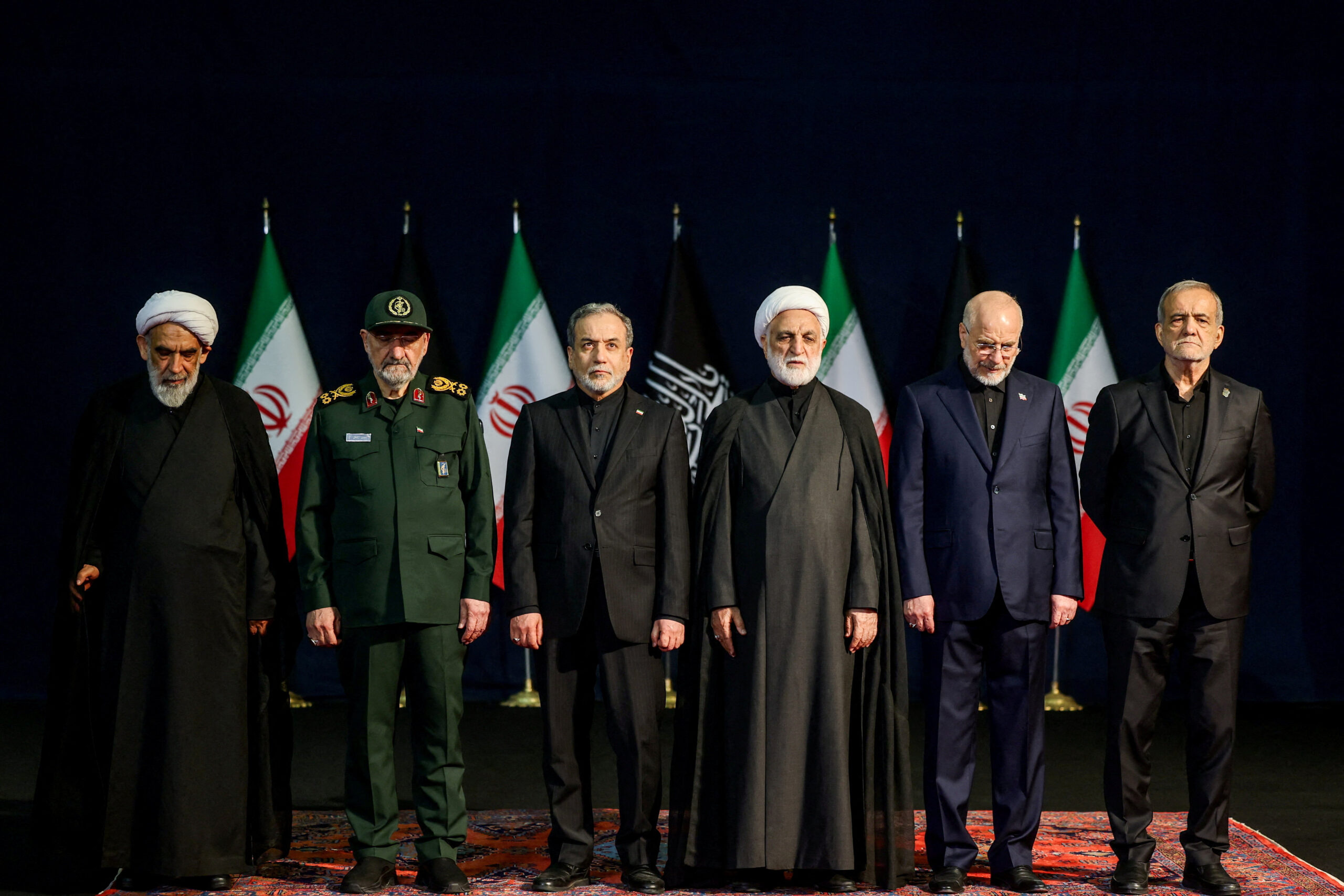
The Islamic Republic’s Collective Leadership
While there is historical precedent for collective leadership in Iran, today’s leadership includes representatives of the IRGC and regular military – a reflection of the IRGC’s expanding role and the necessities of governing under wartime conditions.
Events
Oct 6, 2026
Is the U.S.-Iran Stalemate a “New Normal” or the Prelude to Another Explosion?
On October 6, AGSI hosted a discussion on the U.S.-Iran stalemate and the prospects for a cease-fire.
Speakers



Book Talk: Iran and the Bomb: The United States, Iran and the Nuclear Question
On June 16, AGSI hosted a discussion on the evolution of Iran's nuclear program.
Speakers

Apr 21, 2026
Inside Iran’s Wartime Leadership: Power, Succession, and Regime Stability
On April 21, AGSI hosted a discussion on the evolution of Iran's leadership during the war.
Speakers

Mar 18, 2026
In Its Conflict With the United States and Israel, Does Escalation Favor Iran?
On March 18, AGSI hosted a discussion on the escalation of the Iran war.
Speakers