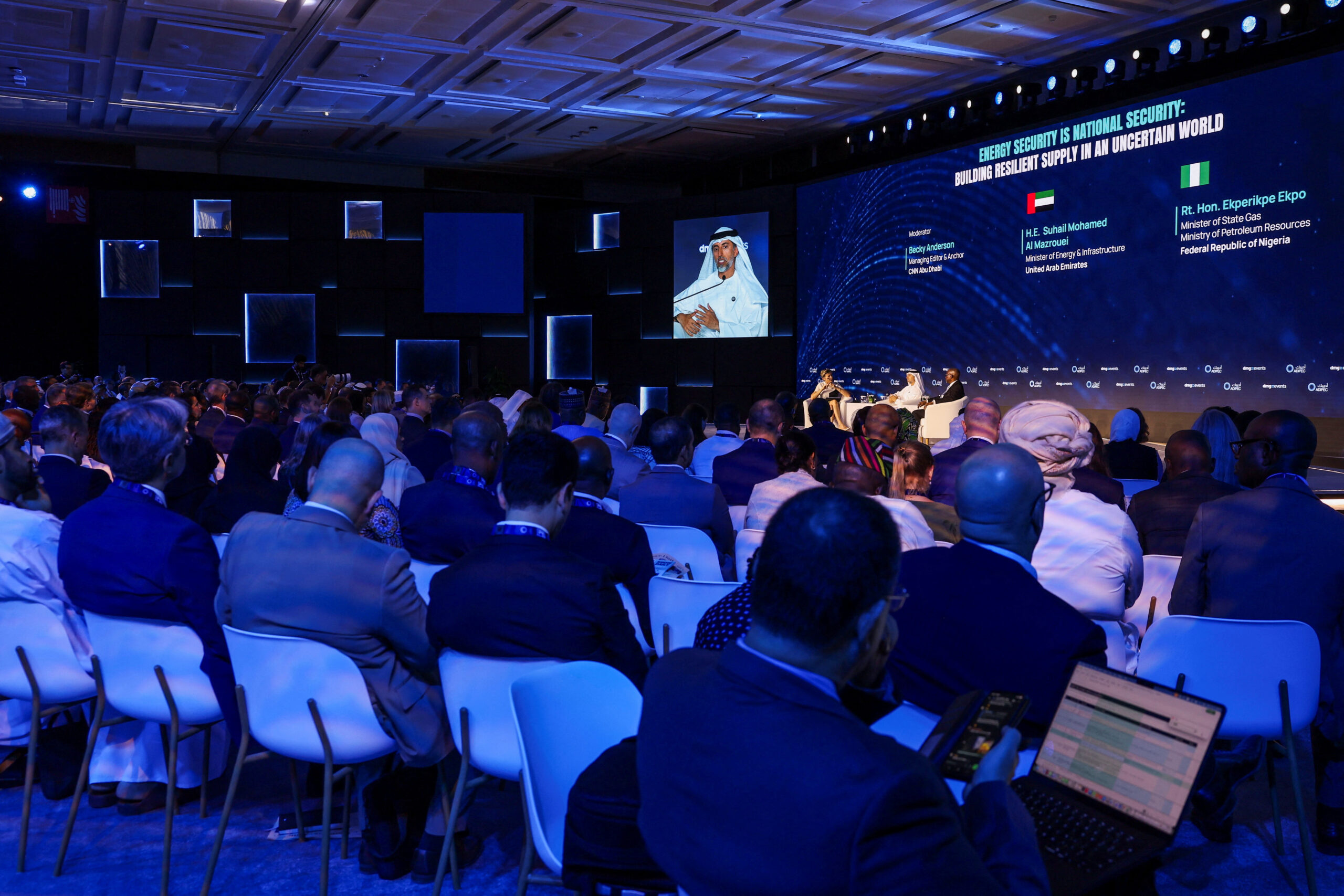
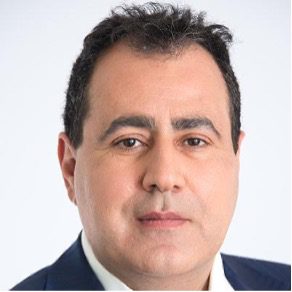
Moderator Becky Anderson, UAE Minister of Energy and Infrastructure Suhail Mohamed Faraj al-Mazrouei, and Nigerian Minister of State for Petroleum Resources Ekperikpe Ekpo on the day of the opening ceremony of the annual Abu Dhabi International Petroleum Exhibition and Conference in Abu Dhabi, United Arab Emirates, November 2. (REUTERS/Amr Alfiky)
The U.S. and Israeli war with Iran has fundamentally altered energy sector priorities, with producers and consumers alike adjusting to a new reality. Until this year, production capacity was the principal measure of a producer’s ability to supply global markets. Now the focus has shifted to delivery. Capacity is of little use if oil and gas cannot reach customers.
That message dominated discussions from November 2-5 at the ADIPEC energy conference in Abu Dhabi, where organizers reported a record 240,000 attendees despite the continuing regional conflict and fears of renewed hostilities between the United States and Iran. In his opening address, Abu Dhabi National Oil Company CEO Sultan Ahmed Al Jaber summed up the challenge: “Energy security is not only measured at the point of production. It is now also measured at the point of delivery.”
For ADNOC, the conference provided an opportunity to showcase its strategy and resilience during a crisis. The company announced major investments in domestic gas development, international liquefied natural gas assets, and downstream infrastructure, reinforcing its strategy of expanding production while strengthening its ability to supply customers.
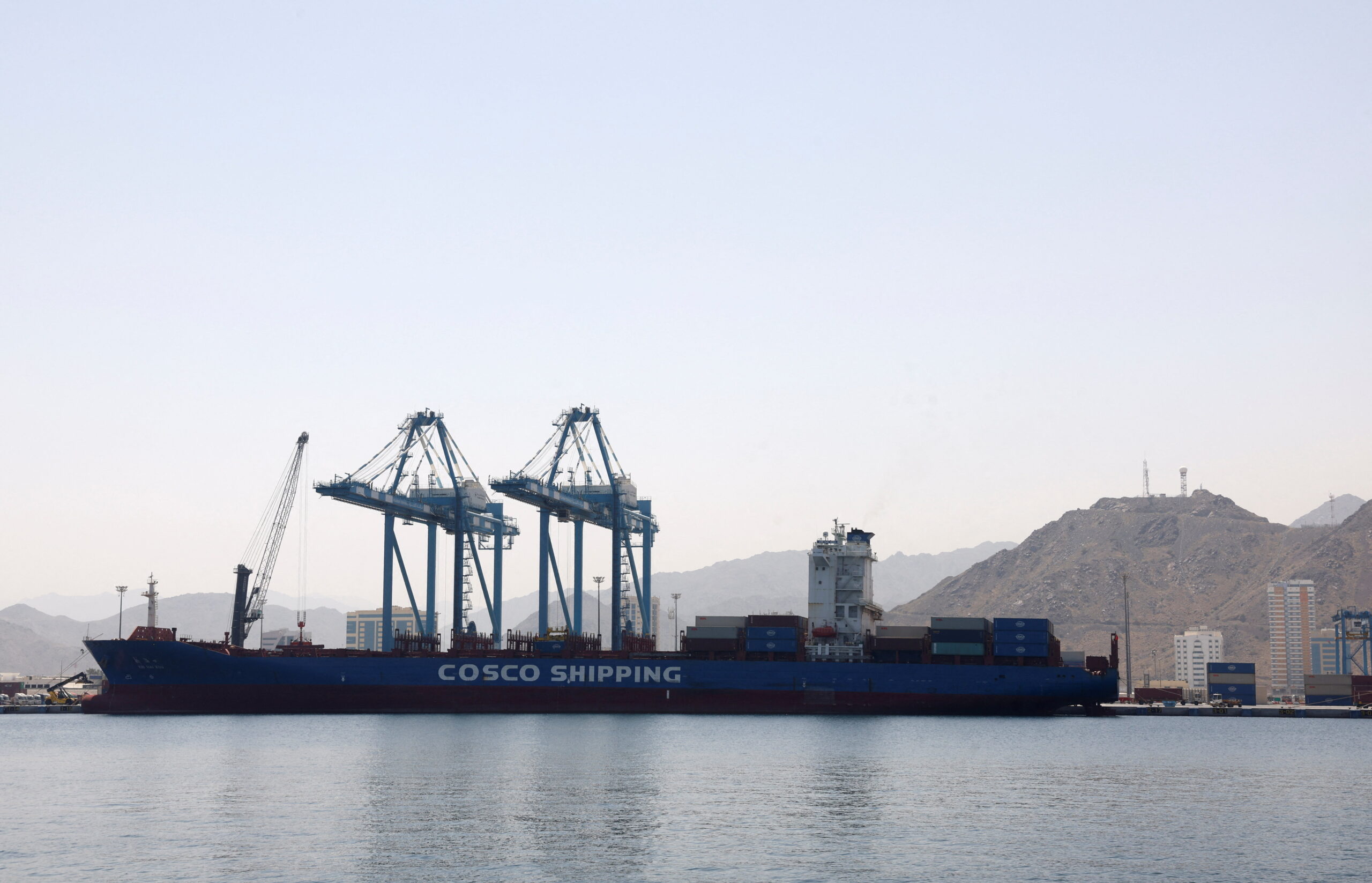
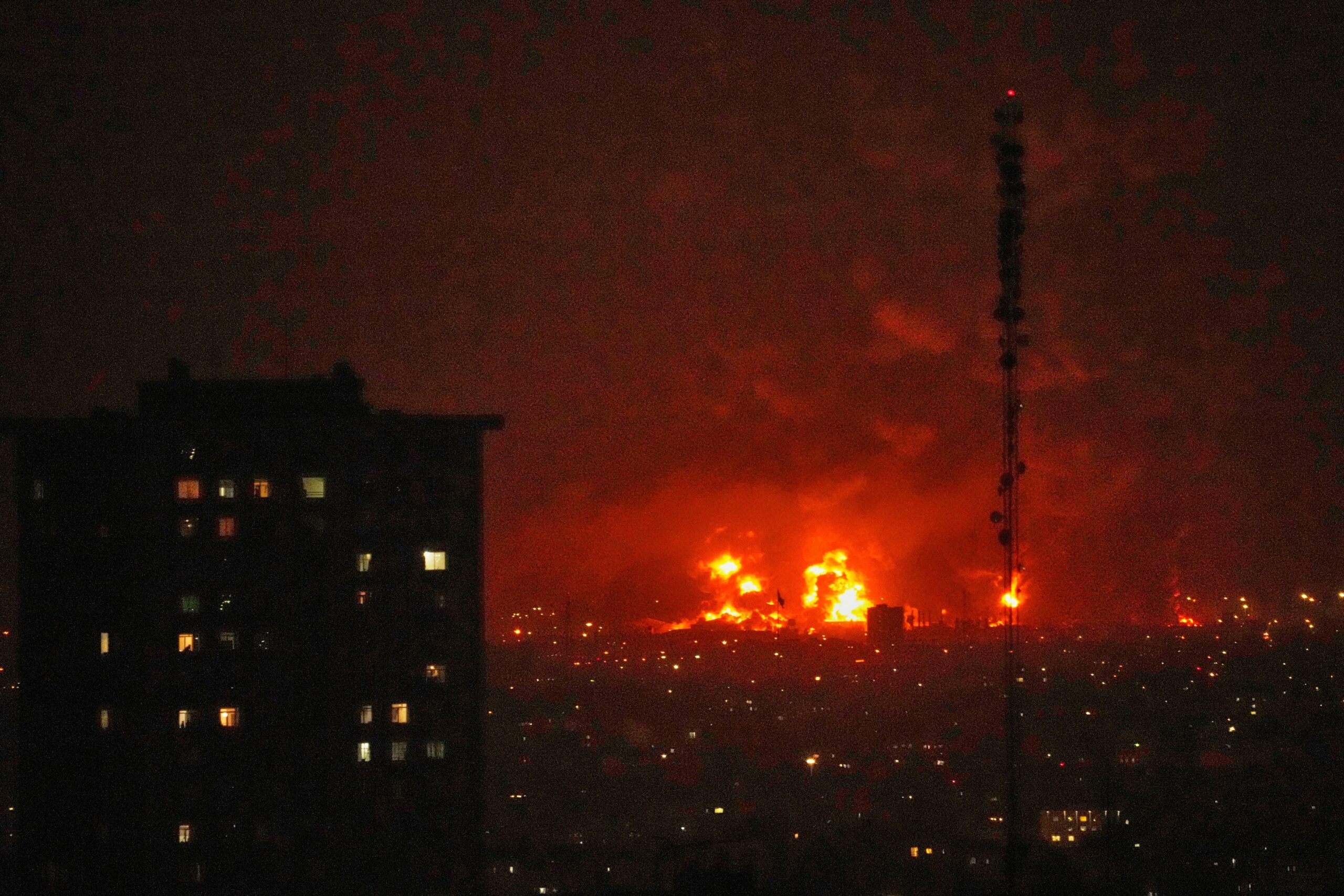
The announcements came amid considerable disruption to regional energy trade. Iranian attacks on shipping in the Strait of Hormuz have forced Gulf producers to reorganize export routes and logistics, substantially increasing the cost of delivering oil and gas to international markets.
Resilient, but at a Cost
Middle Eastern oil producers have demonstrated considerable resilience during the conflict, reorganizing supply chains and logistics to restore much of the supply lost after the initial shock caused regional crude oil exports to fall by around 12 million barrels per day between February and May.
The shortfall has since narrowed to less than 3 mb/d, according to Kpler data and satellite imagery cited by MEES. Export volumes remain volatile amid continued Iranian attacks on vessels in the Gulf and Strait of Hormuz, although in some weeks they have come within 1 mb/d of preconflict levels.
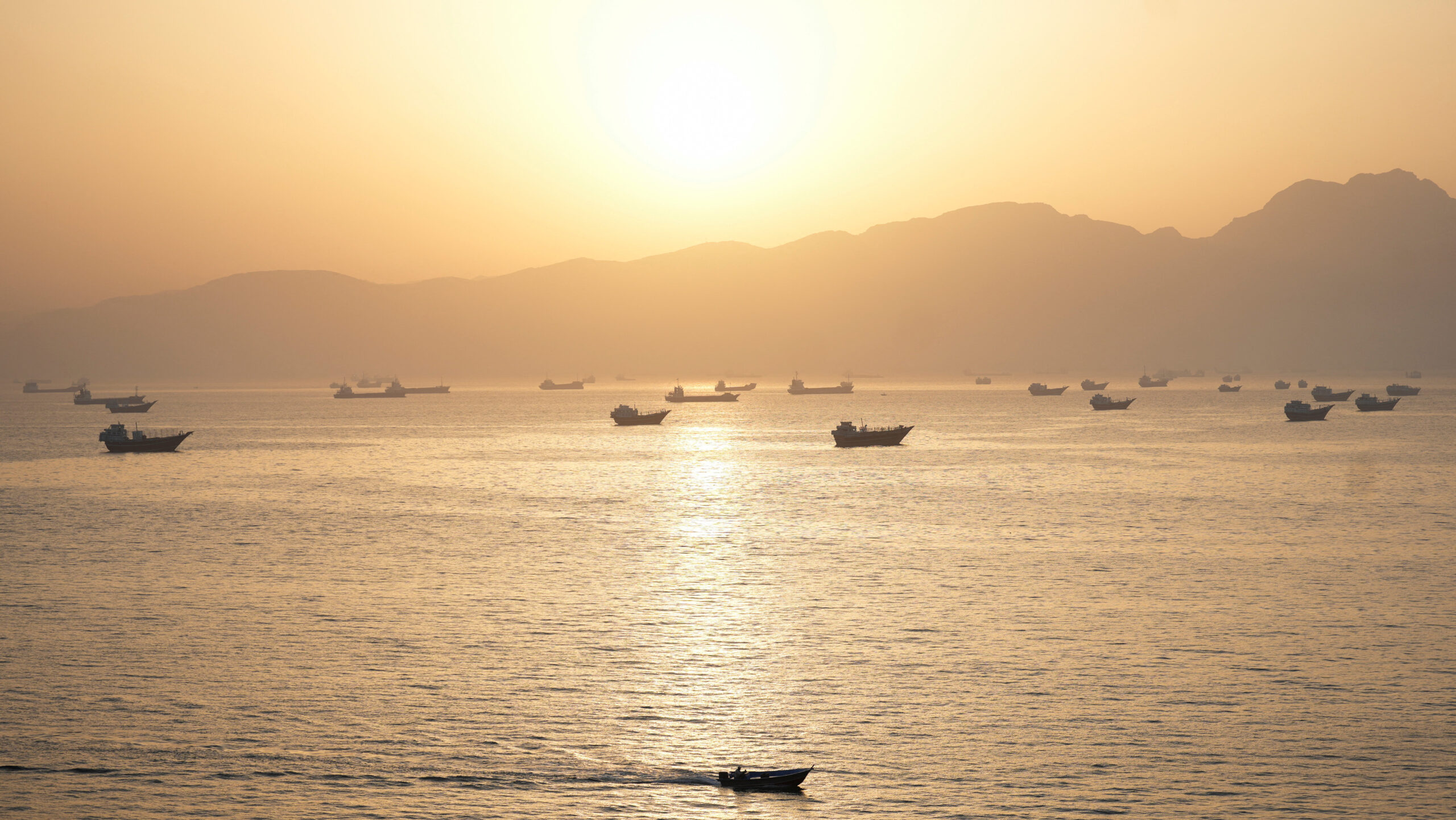
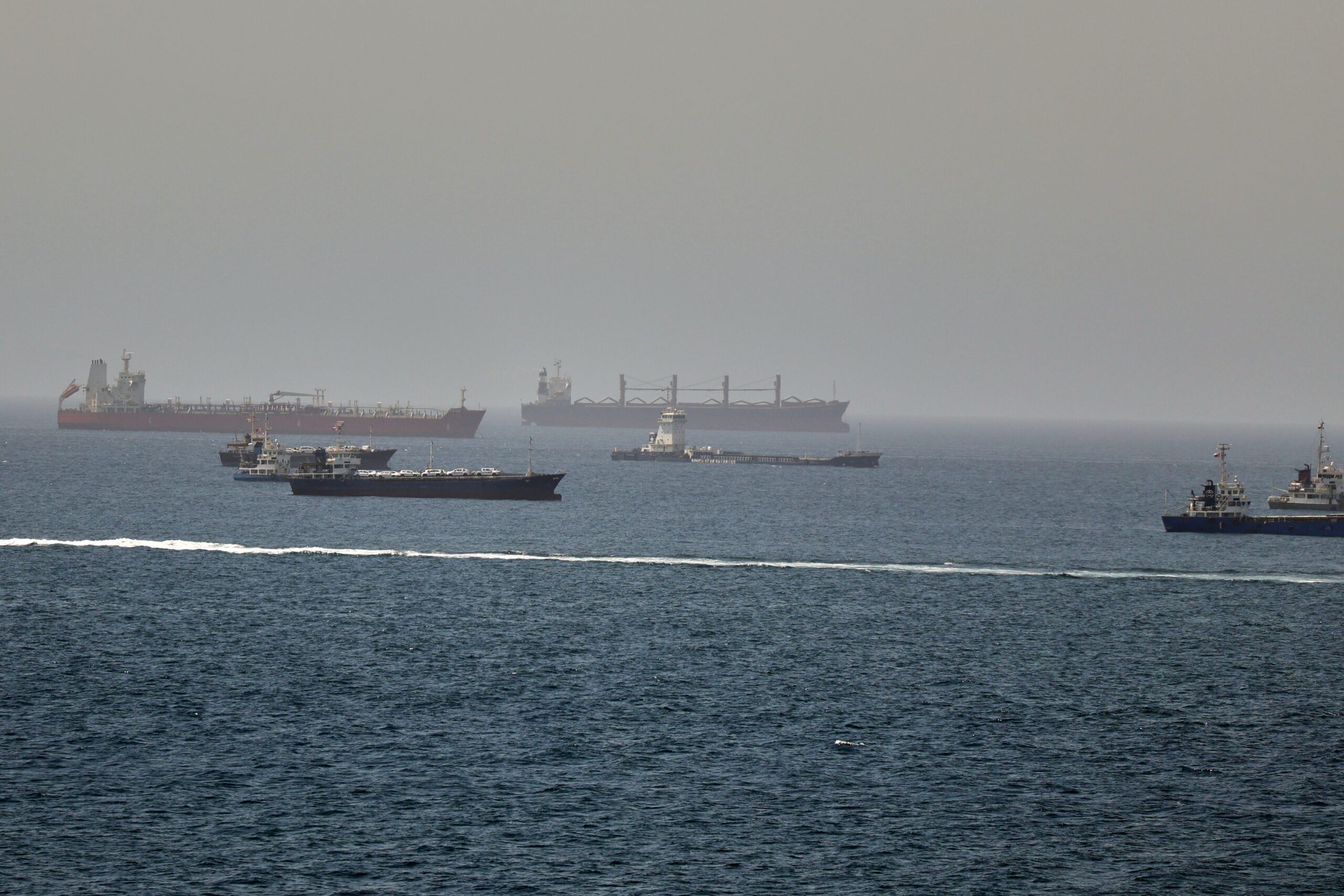
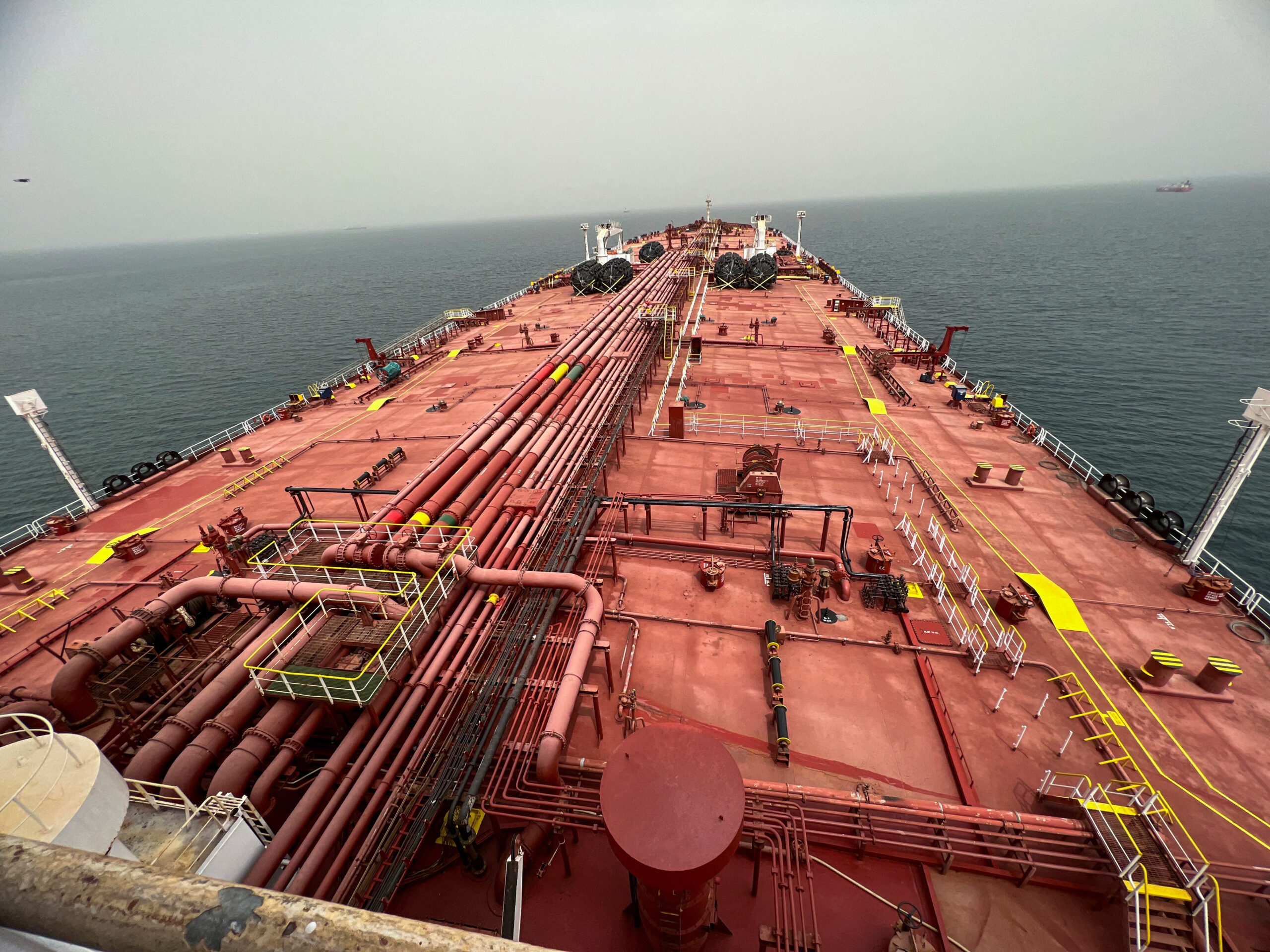
With most shipping companies still unwilling to send vessels through the strait, alternative arrangements have become essential. Initially, producers increased shipments through Saudi Aramco’s and ADNOC’s bypass pipelines. More recently, a large-scale shuttle system has developed, allowing oil loaded in the Gulf to reach international buyers through ship-to-ship transfers offshore Fujairah and Oman. These arrangements have helped restore exports but are considerably less efficient and more expensive. Each shipment requires two tankers rather than one, while transfers can take more than a week to complete.
Freight and insurance costs for tankers carrying Middle Eastern crude to East Asia rose from around 5% of the total cost of oil before the conflict to approximately 30% by the end of October, according to figures cited by OPEC in its October “Monthly Oil Market Report.”
Gulf exporters’ use of ship-to-ship transfers and the longer journeys for Saudi Aramco’s Red Sea exports through the Suez Canal to avoid Houthi attacks in the Bab el-Mandeb are tying up tankers and pushing up freight rates. The report noted, “The return of disrupted flows, ongoing trade dislocations, export inefficiencies, industry consolidation, and increased voyage lengths tightened tanker availability.” On the Middle East-to-East route, crude oil tanker spot rates were up 88% month on month, while rates for journeys from the U.S. Gulf Coast to Europe were up by 53%.
Freight rates have since fallen along with weaker oil prices as Gulf producers were able to restore output to close to preconflict levels.
Building Alternative Export Routes
ADNOC has been among the more successful Gulf producers in adapting to the crisis. The United Arab Emirates’ oil production recovered from just 1.92 mb/d in March to a record 4.01 mb/d in October, supported by its pipeline bypassing the Strait of Hormuz to Fujairah and increased ship-to-ship transfers offshore.
Its existing Abu Dhabi Crude Oil Pipeline has capacity of 1.8 mb/d. Work is nearing completion on a second pipeline that will add 1.5 mb/d of bypass capacity by mid-2027, lifting the total to 3.3 mb/d. Unlike the existing pipeline, which transports Murban crude from onshore fields, the new line will also accommodate offshore grades, such as Upper Zakum.
These investments are expensive, but the conflict has demonstrated the cost of relying on a single maritime chokepoint. As Jaber told ADIPEC, “The choices we make today will determine the energy landscape a decade from now.”
Abu Dhabi Accelerates Domestic Gas
While export security dominated much of the discussion, ADNOC also used ADIPEC to announce progress on its domestic gas development program. The UAE aims to achieve gas self-sufficiency by 2030, reducing its reliance on imports while meeting growing domestic demand and supporting its expanding LNG industry.
One of the most significant announcements was the final investment decision on the Ruwais-Diyab unconventional gas development, eight years after the project was first announced at ADIPEC in 2018. ADNOC plans to bring 345 million cubic feet per day of raw gas online in 2029, with the potential to increase production to 1 billion cubic feet per day. Although the initial target is more conservative than originally envisaged, the project represents an important step in developing Abu Dhabi’s estimated 160 trillion cubic feet of unconventional gas resources.
The Ruwais-Diyab project is part of a much larger gas investment program. In July, ADNOC took a final investment decision on the $6.2 billion Umm Shaif Gas Cap project, which is expected to add 600 million cubic feet per day by 2030, with subsequent phases potentially raising production to 1.5 billion cubic feet per day. The company is also advancing the 1.5 billion cubic feet per day Bab Gas Cap project, with a final investment decision expected in the coming months and first gas targeted for 2029.
Meanwhile, the Hail and Ghasha sour gas development remains central to Abu Dhabi’s gas expansion plans. ADNOC has raised its targeted production capacity to 1.8 billion cubic feet per day, including a 200 million cubic feet per day deep gas development at the offshore Satah Al Razboot field. First gas from the wider Ghasha concession is expected through the Dalma project, followed by the larger Hail and Ghasha development in 2028.
Taken together, these investments demonstrate the substantial capital ADNOC is committing to domestic gas resources despite the conflict. They also reflect the continued willingness of international energy companies to invest in Abu Dhabi’s upstream sector.
XRG Expands Its Global LNG Portfolio
Beyond domestic investments in gas, ADNOC has been diversifying supply outside the Gulf through overseas acquisitions.
At ADIPEC, ADNOC’s international investment arm, XRG, announced a $1.45 billion agreement to acquire Shell’s 16.67% stake in Australia’s North West Shelf LNG project. The project has 14.3 million metric tons per year of LNG production capacity and supplies customers across East and Southeast Asia.
The acquisition gives XRG a foothold in Australia, extending its international LNG investments across four continents outside the UAE. Its existing portfolio includes stakes in NextDecade’s Rio Grande LNG project in the United States, LNG developments in Mozambique, and the proposed Argentina LNG project. Including its domestic assets, XRG’s share of existing, under construction, and planned LNG capacity amounts to approximately 22 million metric tons per year, although several projects have yet to reach final investment decisions. The company has a longer-term target of 47 million metric tons per year of marketable LNG beyond 2030, drawing on equity production and supply agreements through its global LNG marketing and trading platform.
The commercial advantages of this strategy became apparent during the Hormuz crisis. By sourcing LNG from multiple countries, ADNOC can reduce its dependence on individual production facilities and shipping routes, offering customers greater flexibility while taking advantage of changing regional market conditions.
The company also announced new LNG sales agreements during ADIPEC. ADNOC Gas signed a five-year agreement to supply TotalEnergies with up to 1.6 million metric tons of LNG. It subsequently concluded a 10-year agreement to supply India’s Gujarat Energy with 4 million metric tons per year from XRG’s international portfolio beginning in 2028. The agreement marks the first sale of LNG sourced from XRG’s international portfolio.
ADNOC Gas CEO Fatema Al Nuaimi told ADIPEC that the company has adapted its commercial strategy as LNG markets have evolved, moving away from reliance on a limited number of buyers and rigid long-term contracts toward more flexible arrangements. “You have different types of contracts, and you also have to have flexibility built in,” she said.
For ADNOC, international LNG investments offer both commercial opportunities and greater flexibility in meeting contractual obligations during periods of disruption.
Investing Beyond Production
ADNOC’s investment strategy also extends to downstream infrastructure. During ADIPEC, its TA’ZIZ affiliate announced it had finalized approximately $1.4 billion in financing for two projects at the Ruwais chemicals complex. The financing includes around $930 million for a liquid chemicals storage and export terminal and $465 million for a 1 million metric ton per year low-carbon ammonia plant scheduled to begin operations in 2027. Both projects are already under construction.
Although these investments serve different markets, they form part of a broader effort to strengthen Abu Dhabi’s energy infrastructure and expand its industrial base. The conflict has demonstrated that resilience depends on more than spare production capacity. Pipelines, shipping fleets, storage facilities, processing infrastructure, and geographically diversified supply portfolios are increasingly central to ensuring reliable deliveries.
These investments are also important for maintaining the confidence of international investors, buyers, and partners. Jaber told ADIPEC, “Capital follows confidence. Policy must create it, finance must accelerate it, and insurance must keep trade moving.”
ADNOC’s investments in domestic gas, international LNG, and alternative export infrastructure suggest that Abu Dhabi is preparing for a world in which disruption to traditional trade routes can no longer be treated as an exceptional risk.
The implications extend well beyond the UAE. Across the Gulf, energy security is increasingly being measured not simply by how much oil and gas producers can extract but by their ability to deliver it reliably and competitively to international markets. As Jaber observed at ADIPEC, “Supply only counts when it arrives.”
The views represented herein are the author's or speaker's own and do not necessarily reflect the views of AGSI, its staff, or its board of directors.
Gulf national oil companies are looking to increase stockpiles in Asia to meet customer needs, address their energy security concerns, and enable a nimbler response to unexpected market disruptions.
Gulf producers have raised billions of dollars by selling stakes in pipeline revenue while retaining ownership and operational control. But what happens when the pipelines stop working?
Saudi Arabia’s ability to maintain its reputation as a reliable supplier in the months ahead will depend on how quickly it can repair damaged assets and keep several imperfect routes operating at the same time.
Egypt has become the indispensable transit state linking Saudi Arabia's Red Sea infrastructure with global markets. But that strategic importance may also have exposed it to the same risks facing Gulf producers.
The vulnerability of the world's most important energy chokepoint has been laid bare, setting in motion changes that are likely to outlast the conflict.