Nov 3, 2026
Mediator, Not Guarantor: Tehran Sizes Up Beijing’s Role
The November 3 edition of the Iran Media Review highlights an IRGC-affiliated newspaper’s analysis of the limits of the usefulness to Iran of Chinese mediation.
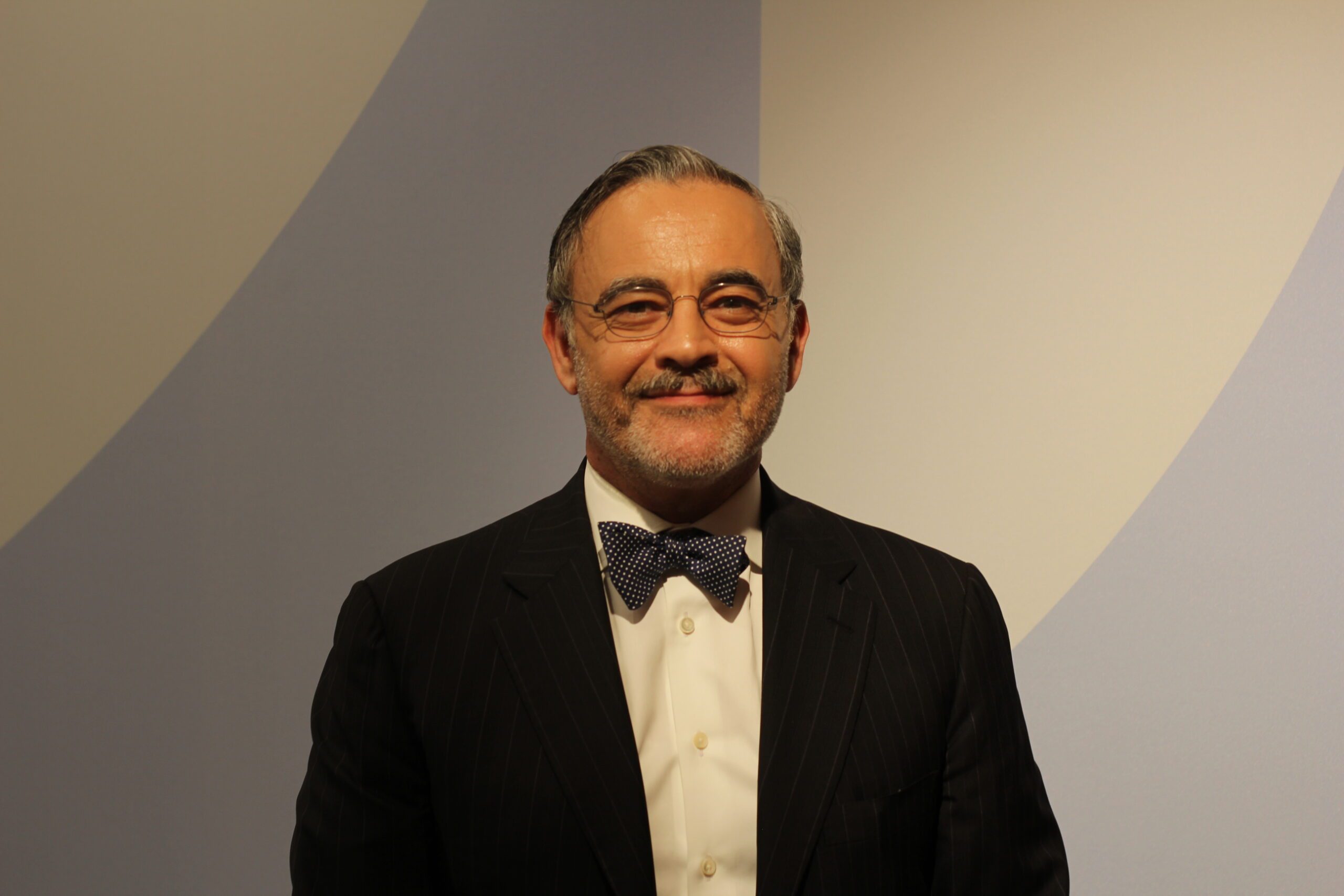
While Islamic Revolutionary Guard Corps-affiliated Javan welcomed Beijing’s growing diplomatic role in Iran’s standoff with the United States, the newspaper’s frontpage echoed Foreign Minister Abbas Araghchi: China may mediate, but only Iran’s armed forces can guarantee an agreement. Tehran values Beijing as a facilitator not a protector.
- November 2, 2026: Javan’s lead article welcomed China’s mediation but repeated Foreign Minister Abbas Araghchi’s statement that only Iran’s armed forces are capable of guaranteeing an agreement with the United States:
- “China is on course to enhance its diplomatic role in developments concerning Iran, and Iran welcomes China’s political support and mediation capacity. This, however, does not mean that Beijing will become a guarantor of an agreement or an ally with specific security commitments toward Tehran. In his interview with Al Jazeera, Araghchi correctly described this trend. Asked who or what would guarantee any partial agreement on the Strait of Hormuz – Russia, China, the mediators Qatar and Pakistan, Saudi Arabia, or the member states of the Mecca agreement – he said: ‘The only guarantor is the armed forces of the Islamic Republic of Iran. In international relations, we have no 100% guarantees. Our power is the guarantor of any agreement. If we reach an agreement, we will do so relying on our people, relying on our power, and relying on our own armed forces.’”
- “Araghchi’s answer to the Qatari network clearly marks the limits of this role: China can play a part in facilitating dialogue, providing political support, and laying the groundwork for an agreement, but, in Tehran’s view, the ultimate guarantee that an agreement will be implemented rests with Iran’s domestic capabilities and its armed forces. On the one hand, China has important economic and strategic relations with Iran; on the other hand, disruption of maritime traffic through the Strait of Hormuz directly affects its energy and commercial interests. For precisely this reason, Beijing both wants to preserve regional stability and see normal shipping resume and does not want Iran to be severely weakened as a result of U.S. pressure.”
The views represented herein are the author's or speaker's own and do not necessarily reflect the views of AGSI, its staff, or its board of directors.
Related
Iran Media Review
Oct 30, 2026
Khamenei Calls for End to “Neither War Nor Peace”
The October 30 edition of the Iran Media Review considers proposals for a new Iranian strategy in the confrontation with the United States and Israel.
Iran Media Review
Oct 27, 2026
Qalibaf Defies, Sazandegi Regrets
The October 27 edition of the Iran Media Review highlights defiance from Iran’s parliamentary speaker and nostalgia from an Iranian newspaper.
Iran Media Review
Oct 23, 2026
Closing Borders: The Blockade Moves Inland
The October 23 edition of the Iran Media Review considers Iranian admissions that U.S. economic warfare is pressuring Iran.
Oct 30, 2026
Khamenei Calls for End to “Neither War Nor Peace”
The October 30 edition of the Iran Media Review considers proposals for a new Iranian strategy in the confrontation with the United States and Israel.
Oct 27, 2026
Qalibaf Defies, Sazandegi Regrets
The October 27 edition of the Iran Media Review highlights defiance from Iran’s parliamentary speaker and nostalgia from an Iranian newspaper.
Oct 23, 2026
Closing Borders: The Blockade Moves Inland
The October 23 edition of the Iran Media Review considers Iranian admissions that U.S. economic warfare is pressuring Iran.
Analysis
Debating Policy in Public: Iranian Elites Turn to YouTube
Rival camps within the Islamic Republic are increasingly turning to YouTube for policy debate, but there is a limit to the regime’s tolerance for that debate.
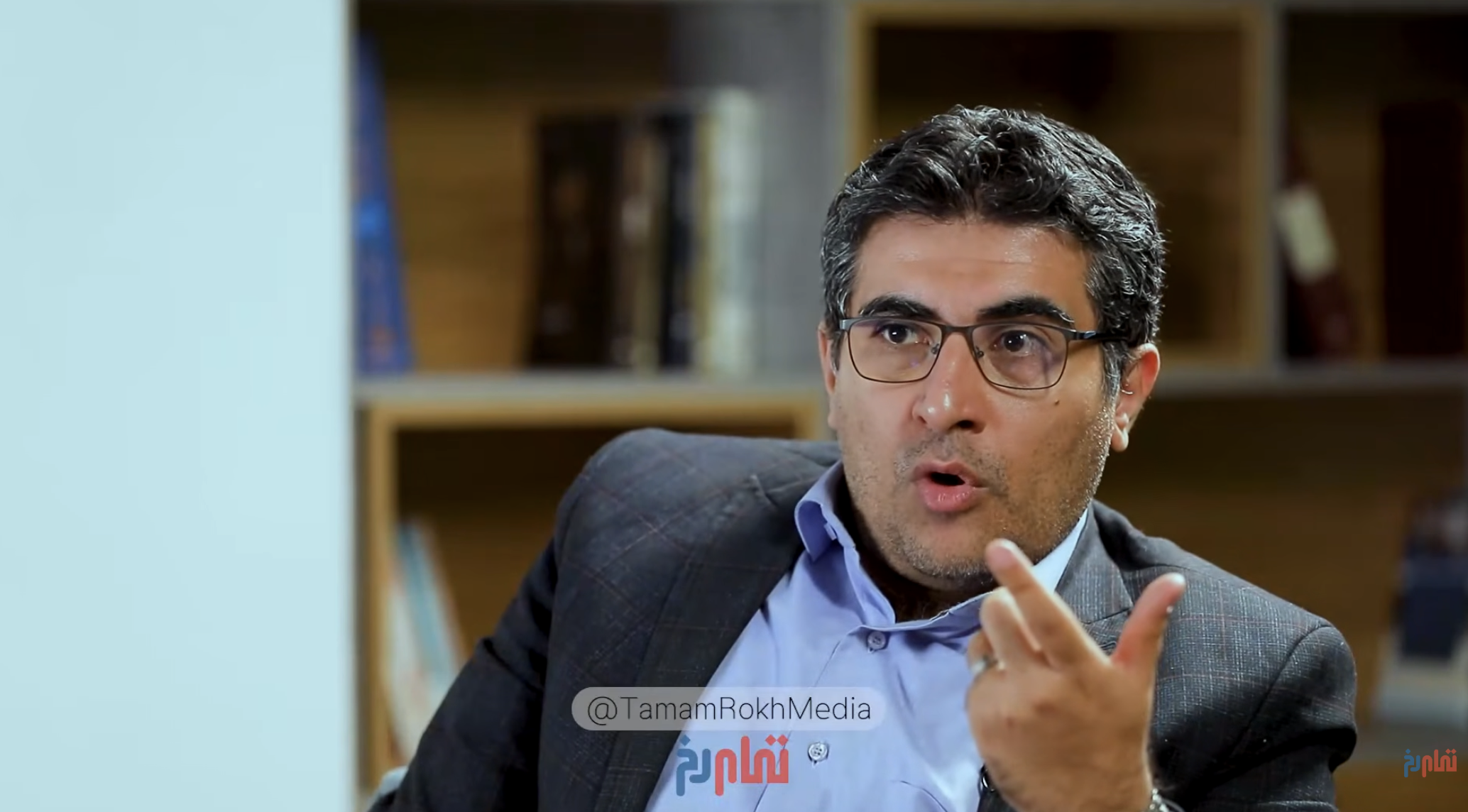
The Committee of Six and Strategic Decision Making in Iran
Remarks by Iran’s president offer a rare glimpse of how the Islamic Republic has adapted its decision making to the absence of its supreme leader.
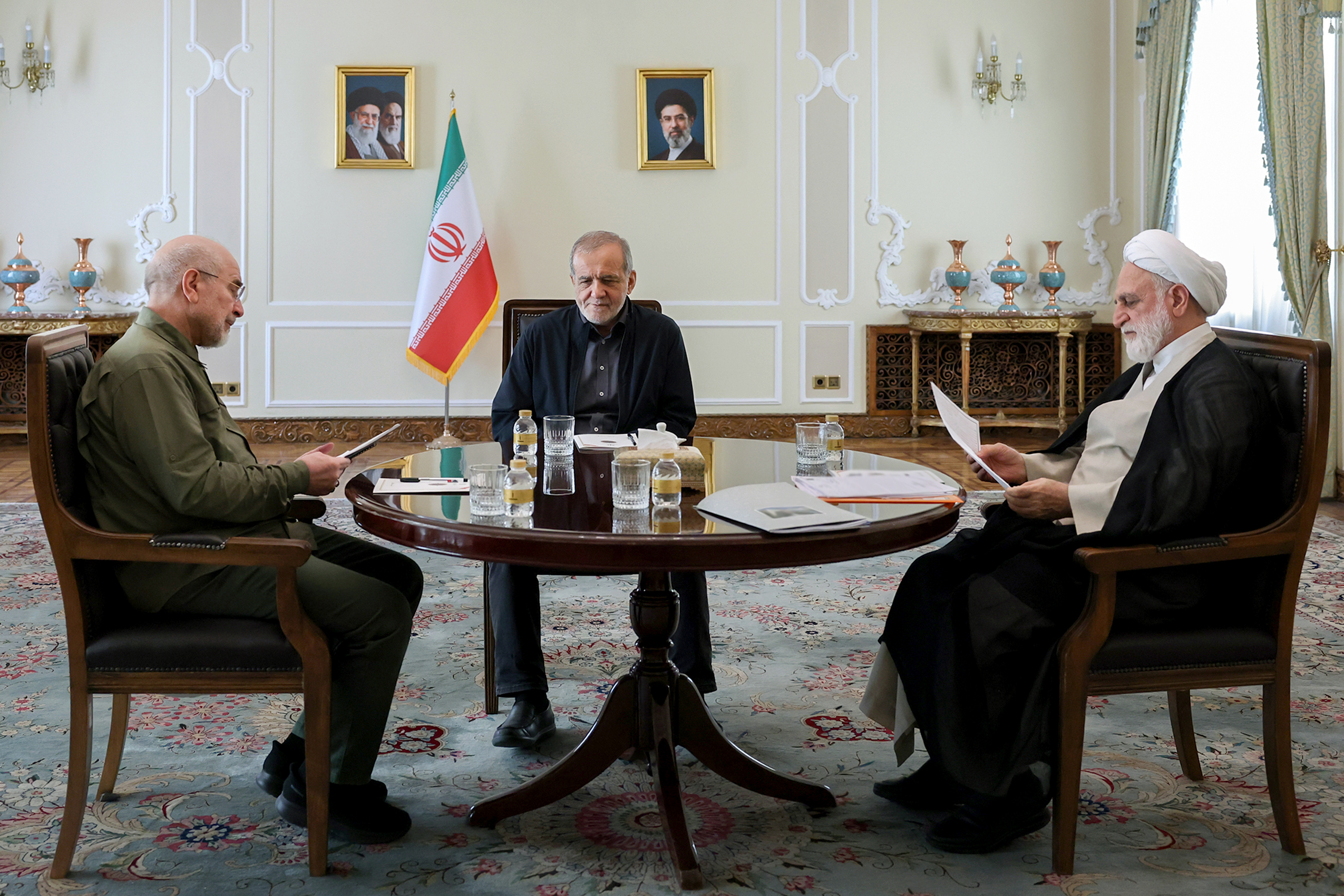
Mohsen Rezaei at the Helm of Iran’s Supreme National Security Council
Under Rezaei, the SNSC could prove constructive or paralyze strategic decision making.
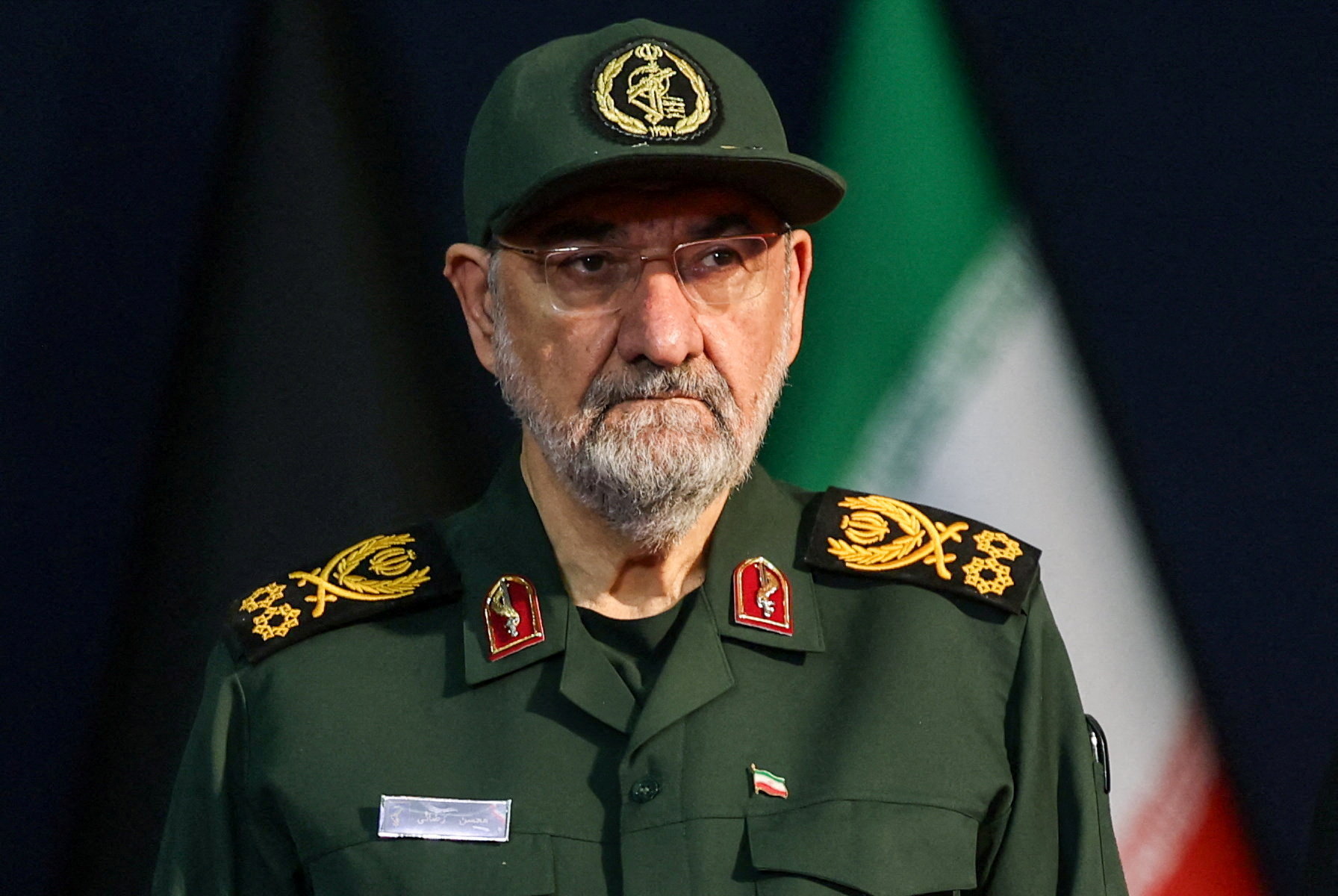
The Islamic Republic Returns to Offense
After U.S.-Israeli strikes killed Supreme Leader Ayatollah Ali Khamenei on February 28, Iran’s collective leadership has concluded that the best defense is a good offense.
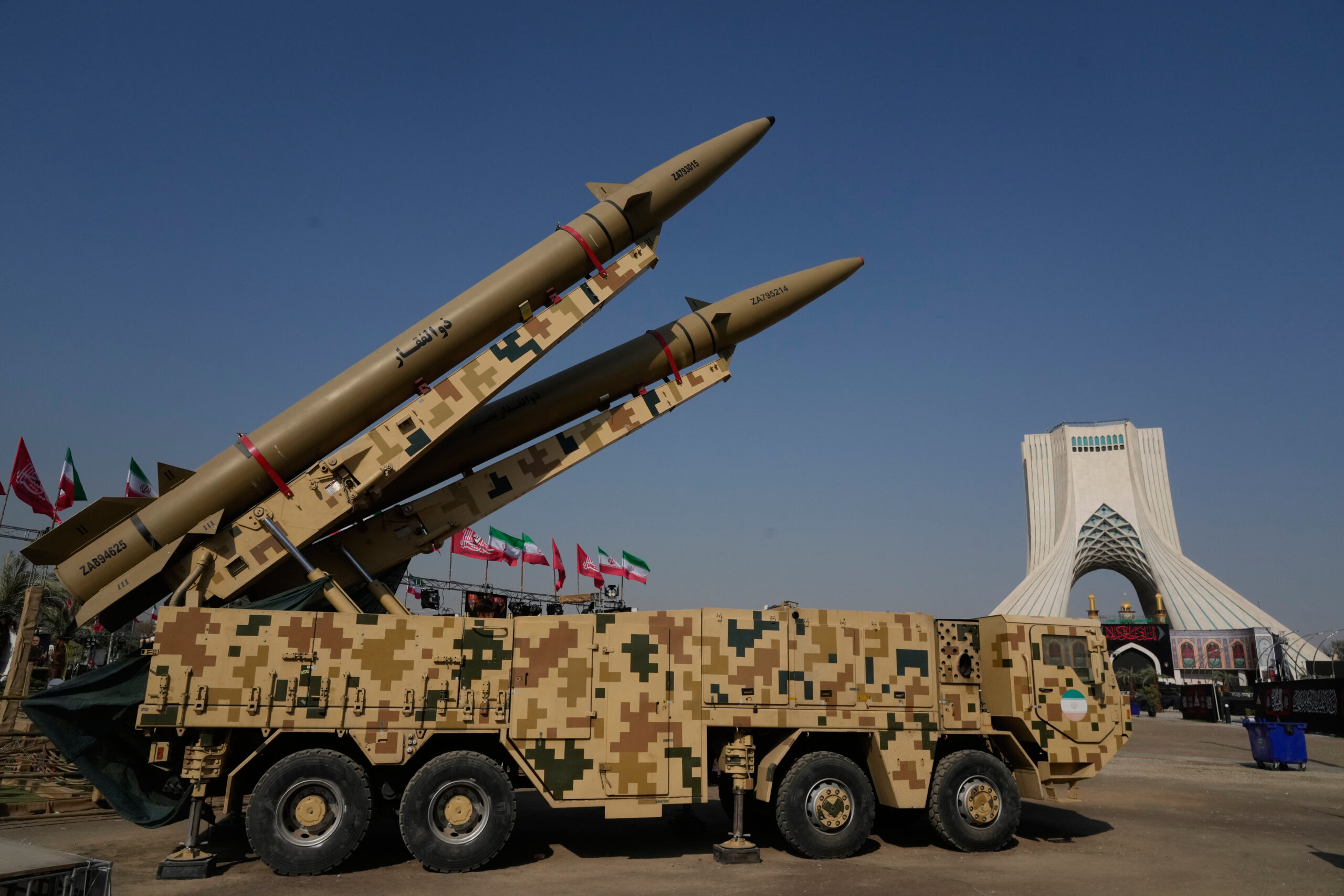
Events
Oct 6, 2026
Is the U.S.-Iran Stalemate a “New Normal” or the Prelude to Another Explosion?
On October 6, AGSI hosted a discussion on the U.S.-Iran stalemate and the prospects for a cease-fire.
Speakers



Book Talk: Iran and the Bomb: The United States, Iran and the Nuclear Question
On June 16, AGSI hosted a discussion on the evolution of Iran's nuclear program.
Speakers
Apr 21, 2026
Inside Iran’s Wartime Leadership: Power, Succession, and Regime Stability
On April 21, AGSI hosted a discussion on the evolution of Iran's leadership during the war.
Speakers

Mar 18, 2026
In Its Conflict With the United States and Israel, Does Escalation Favor Iran?
On March 18, AGSI hosted a discussion on the escalation of the Iran war.
Speakers