Oct 6, 2026
Is Iran’s Economy in Free Fall or Will It Prove Resilient?
The October 6 edition of the Iran Media Review examines contrasting assessments of Iran’s economy.

Iranian media outlets are offering sharply contrasting assessments of Iran’s economic endurance. Reformist and economic outlets document falling household incomes, hidden unemployment, and deteriorating living standards, while Islamic Revolutionary Guard Corps-affiliated outlets portray Iran as resilient, arguing that geography, domestic resources, reconstruction capacity, and adversaries’ vulnerabilities will enable Iran to outlast its enemies.
- October 4: Banafsheh Samgis wrote about Iran’s “Hidden Jobless” in reformist Etemad:
- “Six months after the cease-fire that ended the 40-day war, the exact number of workers who have lost their jobs and become unemployed since February 28 remains unknown. According to reports from the Ministry of Industry, Red Crescent Society, and Ministry of Labor, more than 24,000 workshops, factories, and shops were damaged or completely destroyed during the 40-day war. In addition to those damaged or destroyed, however, a large number of informal and underground workshops shut down or scaled back their operations because of the economic recession and laid off their workers. No statistics on these layoffs and closures were recorded in any report. The Social Security Organization says that by the end of July, around 290,000 workers employed in workshops, factories, or commercial and retail establishments damaged or destroyed in the war had registered for unemployment insurance. This figure does not represent the actual number of unemployed workers, because those who registered were workers covered by social insurance; there are no figures at all for those who lost their jobs but lacked social insurance.”
- “None of the associations, unions, labor activists, or employers’ representatives knows the actual number of workers who became unemployed as a result of the 40-day war, for the simple reason that the total number of workers in the country itself is unknown. The Social Security Organization and Ministry of Labor recognize only workers who have a social insurance identification number. Therefore, a worker who was employed in an underground or informal workshop – or even in a formal workplace but, because of financial hardship, acquiesced to an employer’s violation of the law and went without social insurance – will not appear on any list if they were laid off and became unemployed as a result of the 40-day war. Because such a worker has no social insurance identification number, they will consequently receive no assistance either.”
- October 4: Economic newspaper Donya-ye Eqtesad published an article on the plight of Iranian families:
- “Household expenditure and income data show that the welfare of Iranian households came under pressure in 2025-26, following the intensification of sanctions. The real income of urban households fell by 6%, while their real expenditure declined by 3.2%. Among rural households, real income also fell by 1.8%, although real expenditure increased by 1%.”
- “In urban areas, only the lowest income decile experienced an increase in real expenditure, of 0.5%, while all other deciles saw their expenditure decline. By contrast, real expenditure among the lowest rural decile increased by 13.2%, which may be related to transfer payments and the distribution of subsidized goods through the subsidization program.”
- “Government support payments can offset some of the pressure on household living standards in the short term, but they cannot substitute for economic growth, structural reforms, and macroeconomic stability.”
- October 4: Columnist Mostafa Qorbani emphasized the resilience of the Iranian economy in a piece published by Islamic Revolutionary Guard Corps-affiliated Javan:
- “With the continuation of the U.S. naval blockade of Iran and the intensification of economic pressure, closing the Strait of Hormuz and exerting pressure on the adversary through energy or fuel have become points of leverage against the enemy. It can now be said that the war with the United States, the Zionist regime, and their regional allies has entered a phase of attrition.”
- “The question that arises in this context is how far, and for how long, Iran can endure in this battle.”
- “Of course, in the real world it is possible for Iranian society’s resilience to weaken and erode, but for several reasons, achieving this – if not impossible – is extremely difficult … 1. The resilience of American society and some of its allies is also under pressure … the United States cannot exert maximum pressure on Iran indefinitely … 2. Iran possesses domestic capacities that enable it to endure for extended periods. These include abundant natural resources and climatic diversity, which make possible a diversified production of agricultural and food products as well as substantial industrial, construction, and infrastructure capabilities … 3. Iran enjoys a geopolitical position that makes a comprehensive blockade difficult. In addition to its transit corridor position and access to the Caspian Sea in the north – which allows it to expand ties with the Caspian littoral states in the event of a naval blockade along its southern coastline – Iran shares land and maritime borders with 15 countries through which it can relatively easily circumvent the blockade. Moreover, some neighboring countries benefit from expanding trade with Iran and therefore cannot cooperate fully with a U.S. blockade of Iran … 4. Iran’s considerable engineering capabilities and its ability to rapidly reconstruct damaged infrastructure constitute another factor that has increased the country’s resilience. Indeed, most of the infrastructure destroyed during the Ramadan war has already been rebuilt.”
The views represented herein are the author's or speaker's own and do not necessarily reflect the views of AGSI, its staff, or its board of directors.
Related
Iran Media Review
Oct 2, 2026
Signs of Life: Tehran Signals Continuity at Home and Abroad
The October 2 edition of the Iran Media Review explores Iranian media efforts to demonstrate regime continuity.
Iran Media Review
Sep 30, 2026
U.S.-Iran Impasse
The September 30 edition of the Iran Media Review considers analysis on the underlying impasse between the United States and Iran – that neither side will surrender leverage without reciprocal concessions.
Iran Media Review
Sep 25, 2026
President Pezeshkian at the United Nations
The September 25 edition of the Iran Media Review analyzes Iranian responses to a speech by the Iranian president and a meeting between the Iranian foreign minister and U.S. negotiators on the sidelines of the United Nations.
Oct 2, 2026
Signs of Life: Tehran Signals Continuity at Home and Abroad
The October 2 edition of the Iran Media Review explores Iranian media efforts to demonstrate regime continuity.
Sep 30, 2026
U.S.-Iran Impasse
The September 30 edition of the Iran Media Review considers analysis on the underlying impasse between the United States and Iran – that neither side will surrender leverage without reciprocal concessions.
Sep 25, 2026
President Pezeshkian at the United Nations
The September 25 edition of the Iran Media Review analyzes Iranian responses to a speech by the Iranian president and a meeting between the Iranian foreign minister and U.S. negotiators on the sidelines of the United Nations.
Analysis
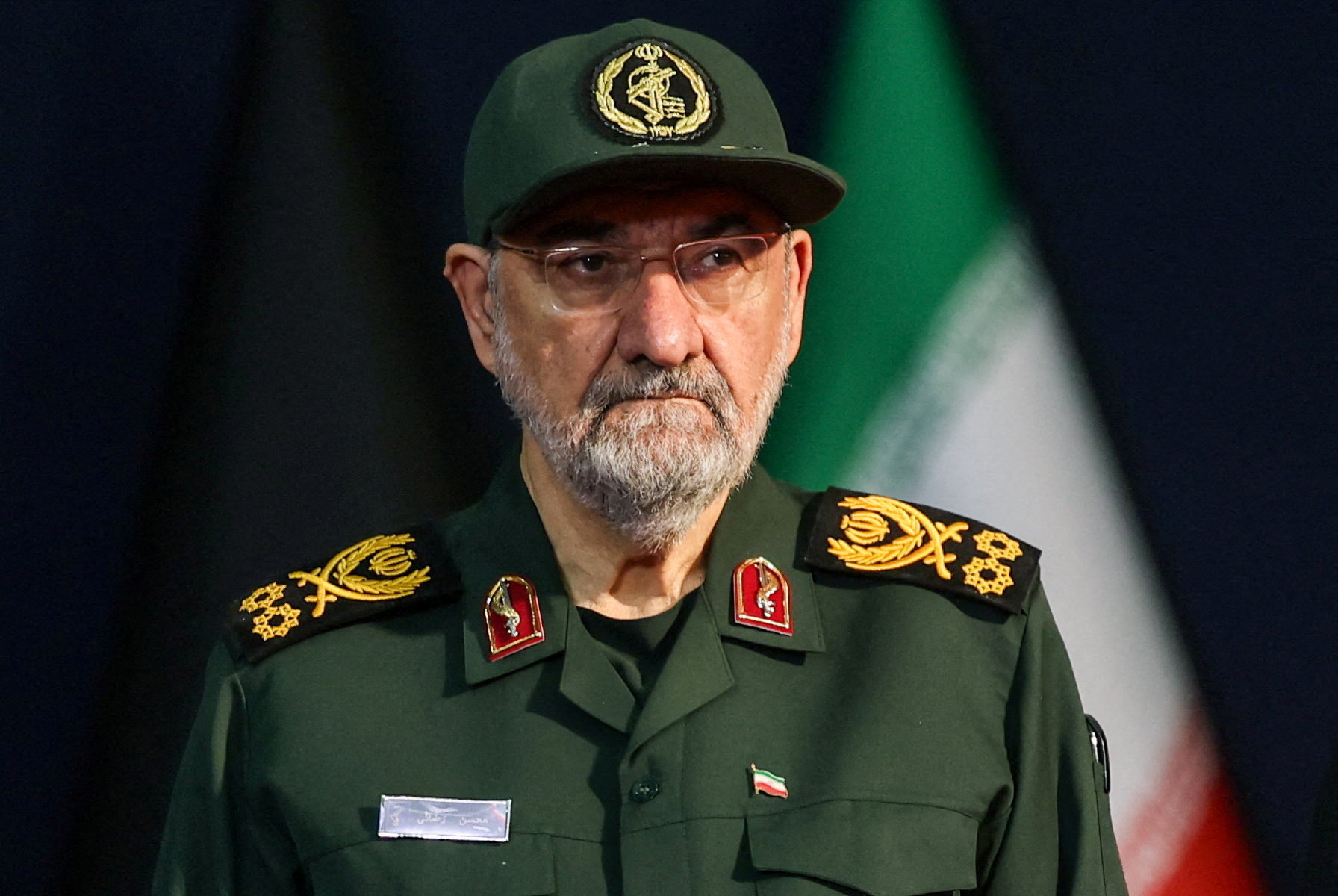
Mohsen Rezaei at the Helm of Iran’s Supreme National Security Council
Under Rezaei, the SNSC could prove constructive or paralyze strategic decision making.
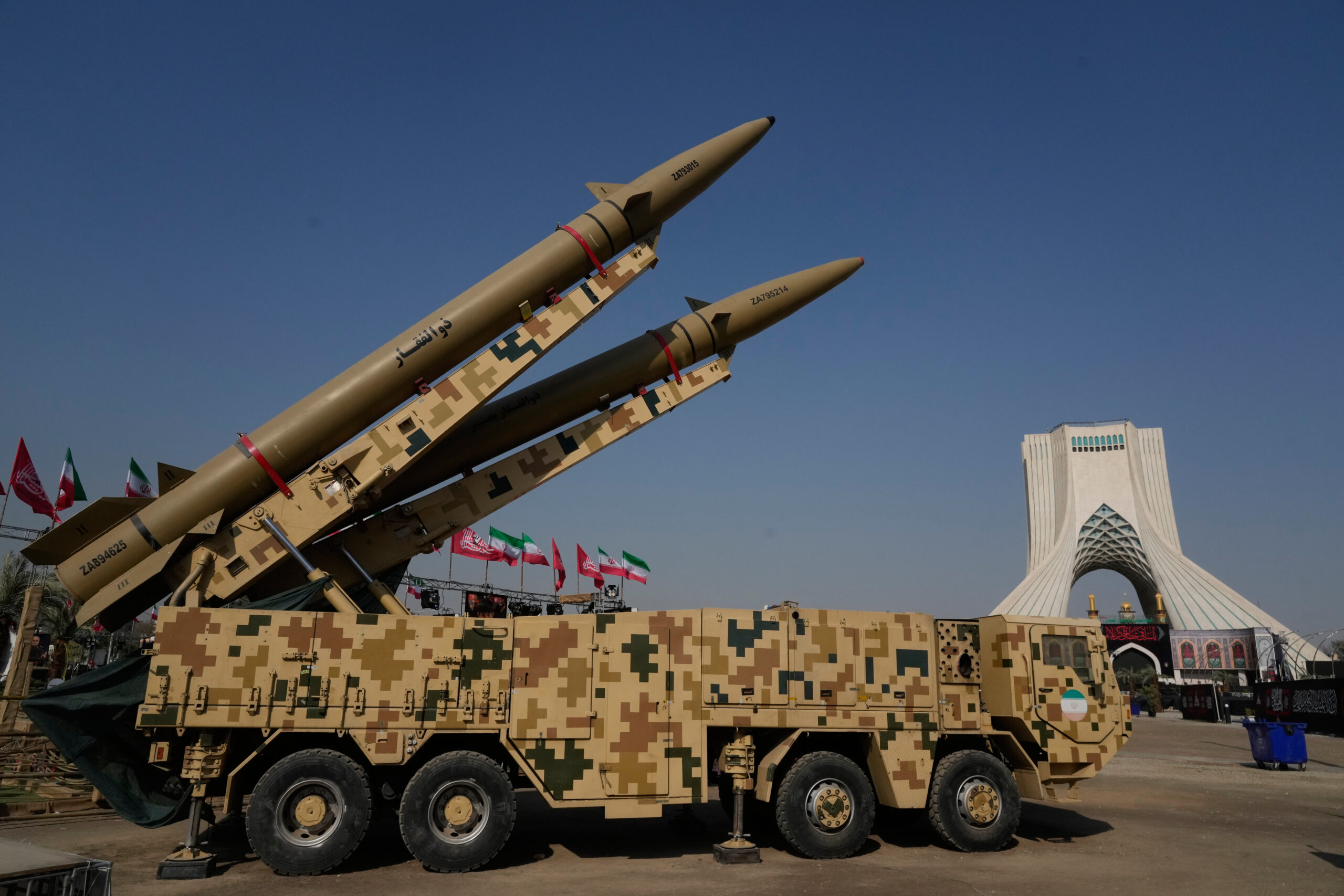
The Islamic Republic Returns to Offense
After U.S.-Israeli strikes killed Supreme Leader Ayatollah Ali Khamenei on February 28, Iran’s collective leadership has concluded that the best defense is a good offense.
Iran’s Collective Strategic Decision Making
Wartime pressure has temporarily aligned the leadership’s overriding interest in regime survival, even as its members continue to differ over the costs, methods, and ultimate objectives of the war.
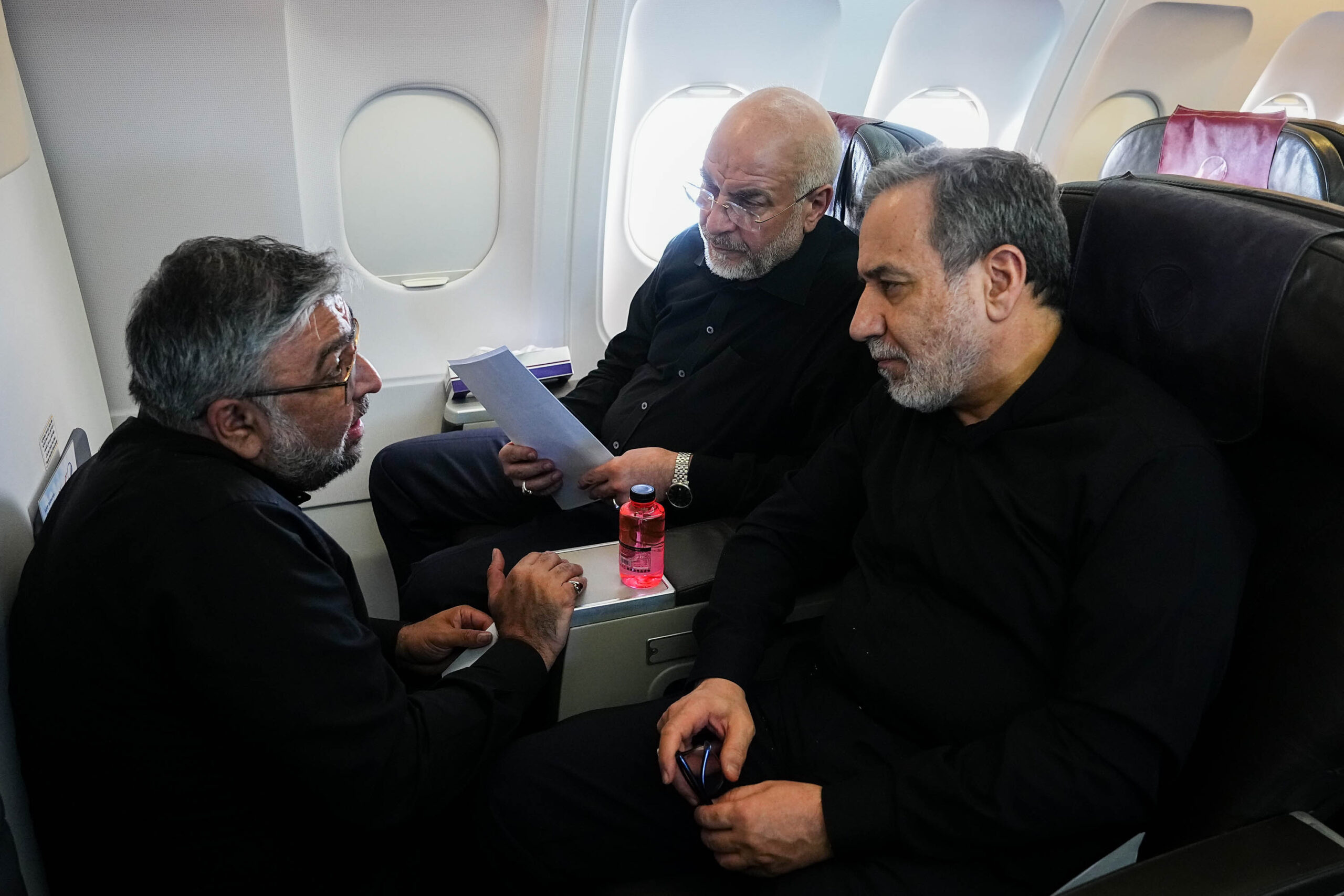
The Islamic Republic’s Collective Leadership
While there is historical precedent for collective leadership in Iran, today’s leadership includes representatives of the IRGC and regular military – a reflection of the IRGC’s expanding role and the necessities of governing under wartime conditions.
Events
Oct 6, 2026
10:00am - 11:00am
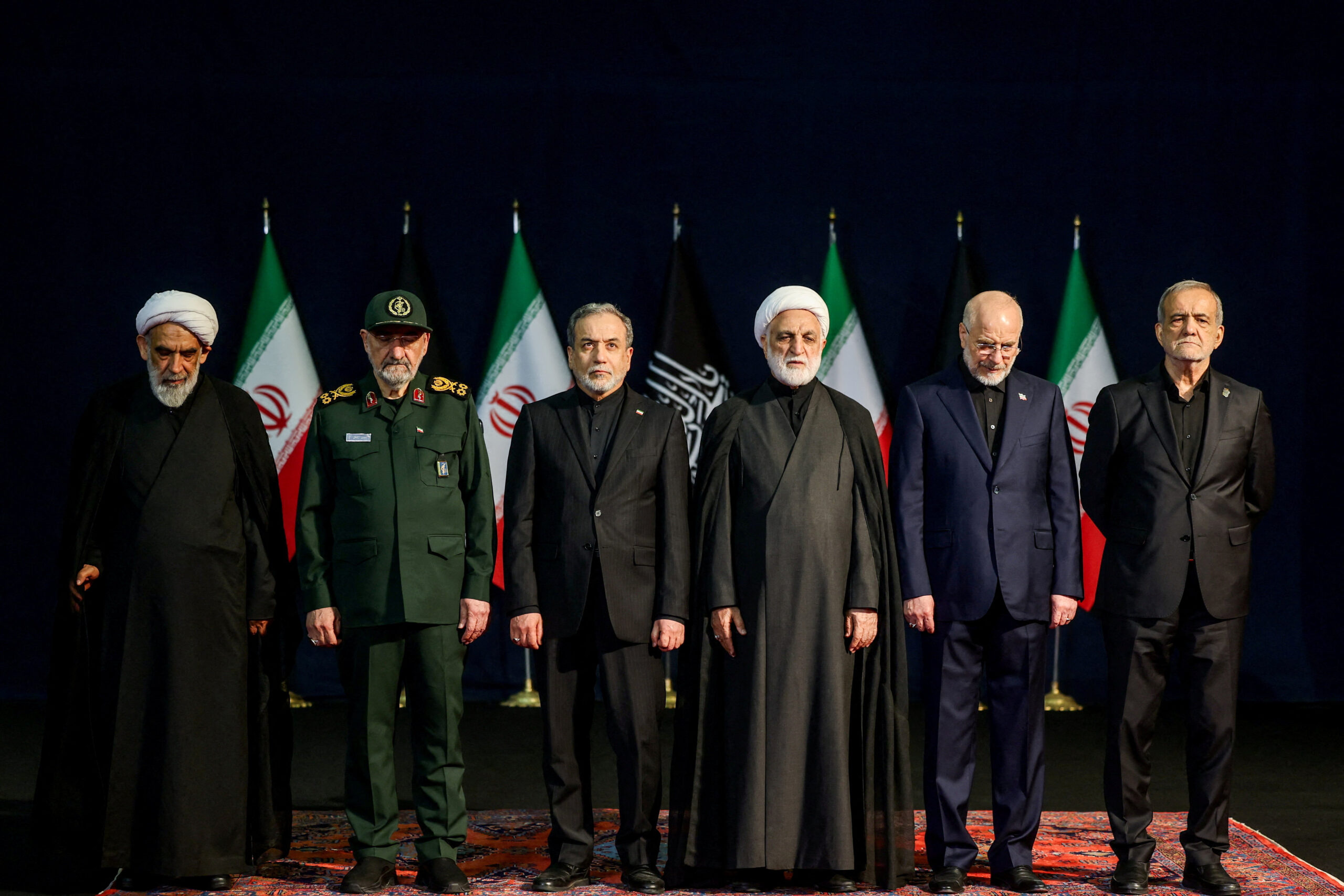
Is the U.S.-Iran Stalemate a “New Normal” or the Prelude to Another Explosion?
On October 6, AGSI will host a discussion on the U.S.-Iran stalemate and the prospects for a cease-fire.
Speakers



Book Talk: Iran and the Bomb: The United States, Iran and the Nuclear Question
On June 16, AGSI hosted a discussion on the evolution of Iran's nuclear program.
Speakers
Apr 21, 2026
Inside Iran’s Wartime Leadership: Power, Succession, and Regime Stability
On April 21, AGSI hosted a discussion on the evolution of Iran's leadership during the war.
Speakers

Mar 18, 2026
In Its Conflict With the United States and Israel, Does Escalation Favor Iran?
On March 18, AGSI hosted a discussion on the escalation of the Iran war.
Speakers