Aug 7, 2026
The Hidden Ayatollah Denies Seeking the President’s Dismissal
The August 7 edition of the Iran Media Review examines an Iranian newspaper debunking an official’s claim to have the ear of Supreme Leader Ayatollah Mojtaba Khamenei.

Since Supreme Leader Ayatollah Mojtaba Khamenei went into occultation on February 28, various individuals have claimed either to have communicated with him or to know his will – not entirely unlike those who have claimed access to the mahdi, the Shia messiah who, according to Twelver Shia tradition, entered the Minor Occultation in 874 and the Major Occultation in 941. For now, the Bureau of the Leader – which may be operating under the direction of Iran’s collective leadership if the supreme leader is dead, incapacitated, or in deep isolation – is dismissing such claims through written statements issued in Khamenei’s name. The regime, however, must expect opportunists to claim access to him to advance their own agendas.
- August 5: Islamic Revolutionary Guard Corps-affiliated Javan commented on public statements made in the name of the supreme leader:
-
- “The controversy began with remarks by Mohammad-Bagher Kharrazi, director of the Imam Hadi Seminary … who claimed that, in response to a letter attributed to the president, the supreme leader had written: ‘If Pezeshkian offers his resignation once again, we will accept it.’ Kharrazi went on to make further claims concerning possible changes to the Supreme National Security Council, the replacement of certain officials, and the foreign minister’s role in negotiations. These claims circulated widely in the media despite the absence of any documentary evidence or official confirmation … The president’s office dismissed claims that the president had ever offered his resignation … while the president, in a televised address, parts of which circulated online, said: ‘If I want to resign, I will announce it officially. But I will not resign, and I will persevere.’ Finally, the Public Relations Department of the Office of the Leader of the Revolution issued an official statement yesterday … dismissing claims concerning Pezeshkian’s alleged resignation and the leader’s response … and emphasizing that only statements released by the office represent the leader’s views.”
The views represented herein are the author's or speaker's own and do not necessarily reflect the views of AGSI, its staff, or its board of directors.
Related
Iran Media Review
Aug 4, 2026
The IRGC Warns of the “End of Calm at Aramco”
The August 4 edition of the Iran Media Review highlights Iranian media responses to Saudi strikes in Iraq and Houthi attacks on Saudi Arabia.
Iran Media Review
Jul 31, 2026
Javan Daily: “Iran’s War and Negotiation Plan”
The July 31 edition of the Iran Media Review analyzes an Iranian article arguing that Iran is following its own timetable and agenda on negotiations and escalation.
Iran Media Review
Jul 28, 2026
A Weakened Hezbollah Remains Central to Iran’s Security Strategy
The July 28 edition of the Iran Media Review considers an open letter from Iran’s supreme leader to Hezbollah in Lebanon pledging continued support.
Aug 4, 2026
The IRGC Warns of the “End of Calm at Aramco”
The August 4 edition of the Iran Media Review highlights Iranian media responses to Saudi strikes in Iraq and Houthi attacks on Saudi Arabia.
Jul 31, 2026
Javan Daily: “Iran’s War and Negotiation Plan”
The July 31 edition of the Iran Media Review analyzes an Iranian article arguing that Iran is following its own timetable and agenda on negotiations and escalation.
Jul 28, 2026
A Weakened Hezbollah Remains Central to Iran’s Security Strategy
The July 28 edition of the Iran Media Review considers an open letter from Iran’s supreme leader to Hezbollah in Lebanon pledging continued support.
Analysis
The Islamic Republic Returns to Offense
After U.S.-Israeli strikes killed Supreme Leader Ayatollah Ali Khamenei on February 28, Iran’s collective leadership has concluded that the best defense is a good offense.
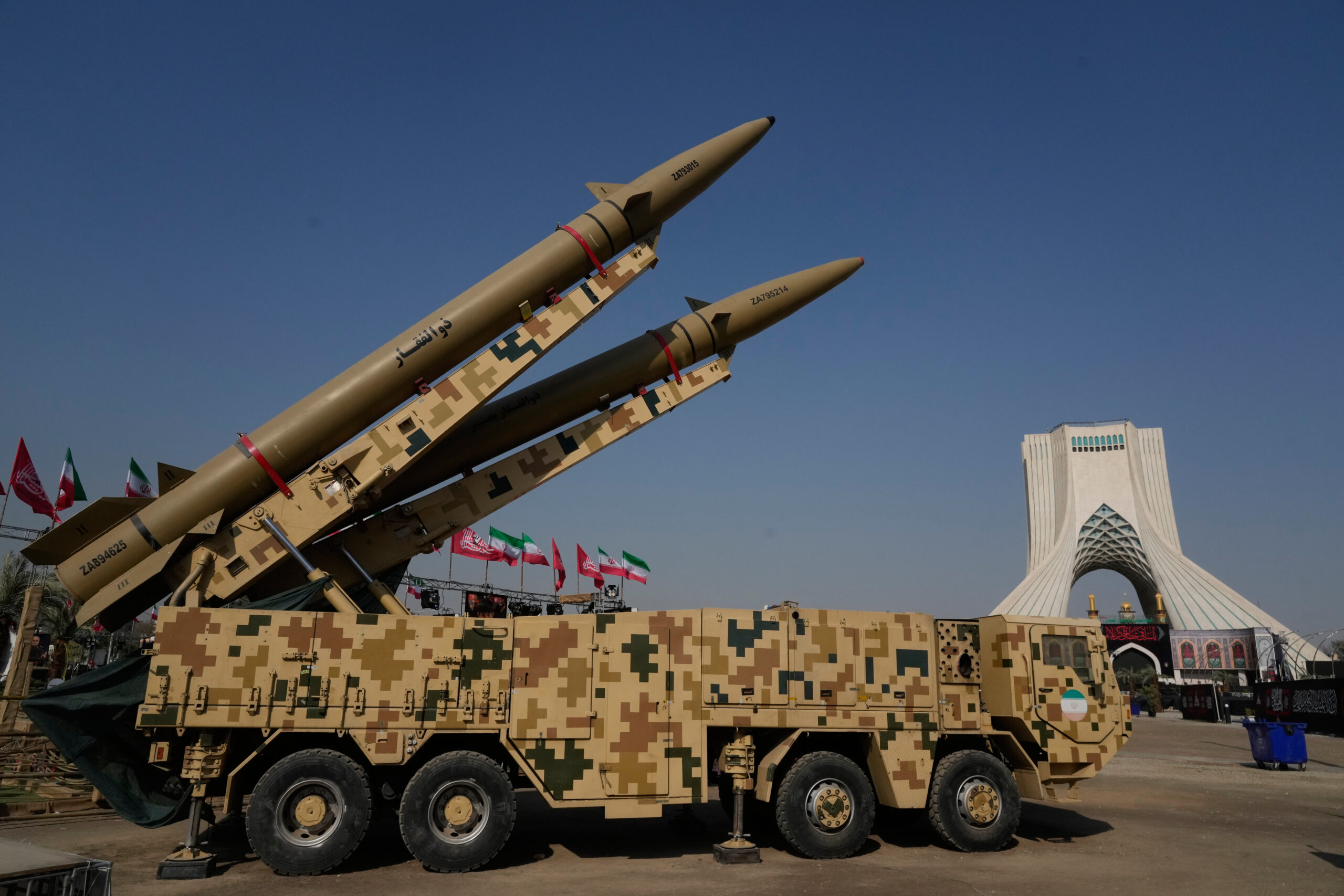
Iran’s Collective Strategic Decision Making
Wartime pressure has temporarily aligned the leadership’s overriding interest in regime survival, even as its members continue to differ over the costs, methods, and ultimate objectives of the war.
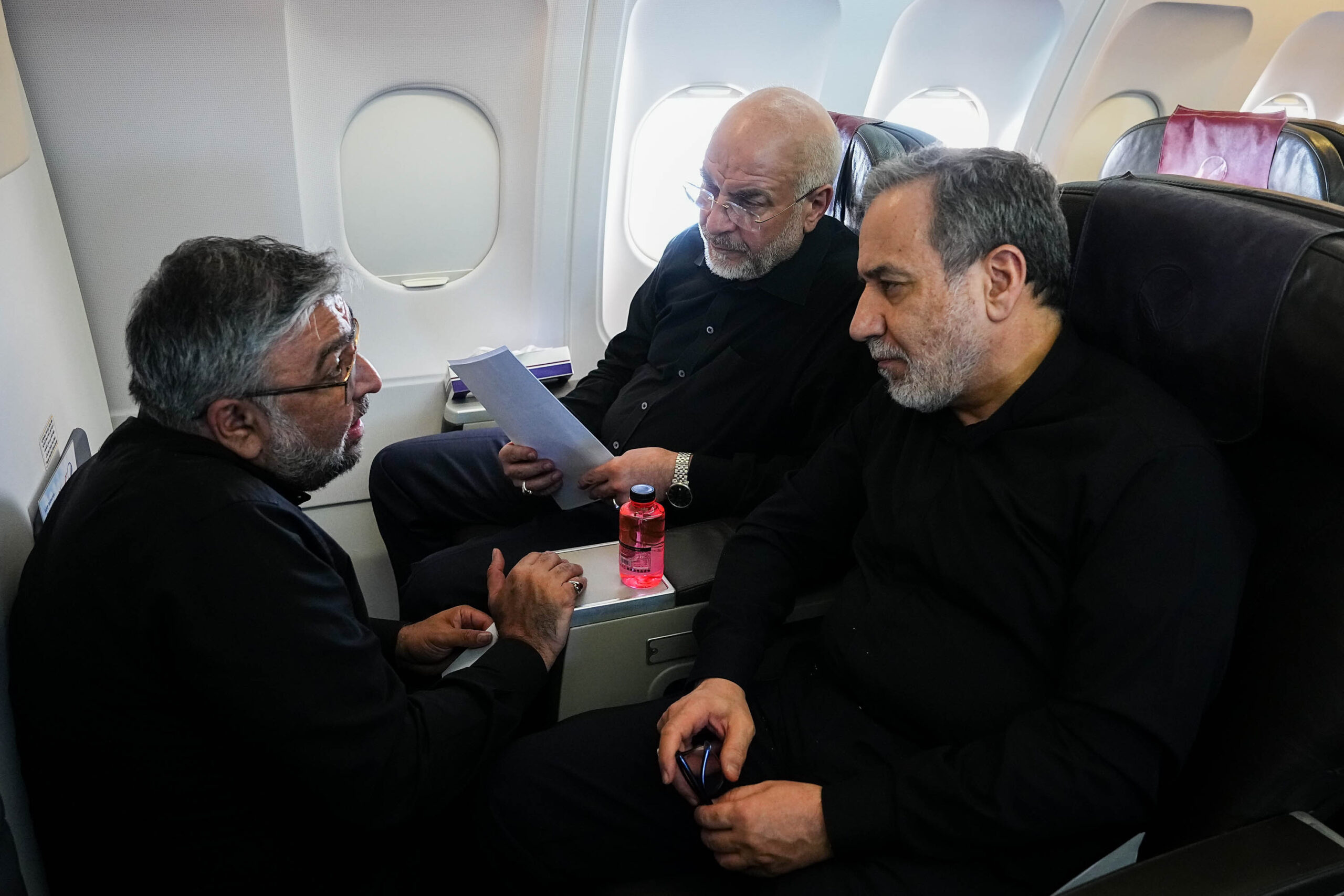
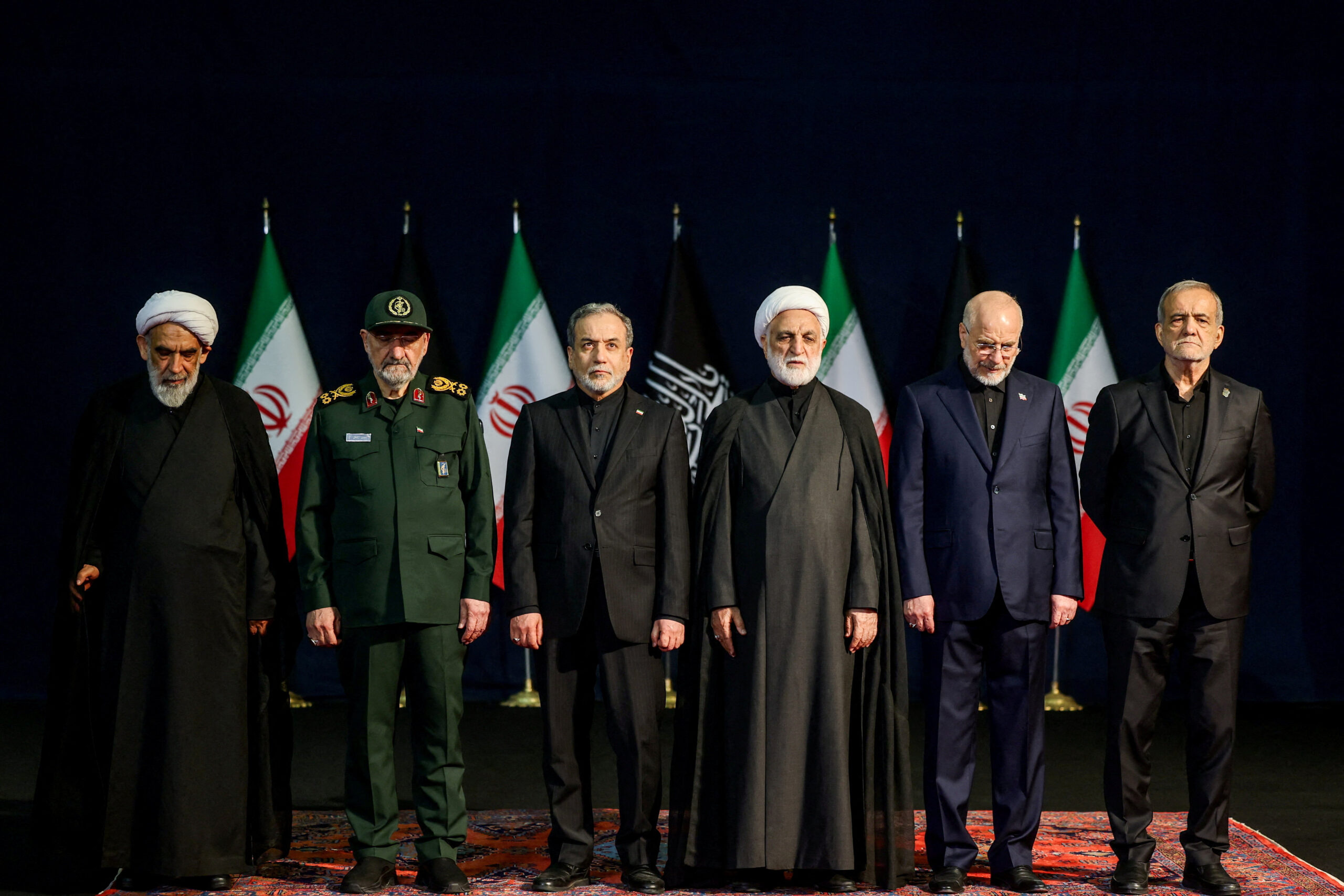
The Islamic Republic’s Collective Leadership
While there is historical precedent for collective leadership in Iran, today’s leadership includes representatives of the IRGC and regular military – a reflection of the IRGC’s expanding role and the necessities of governing under wartime conditions.
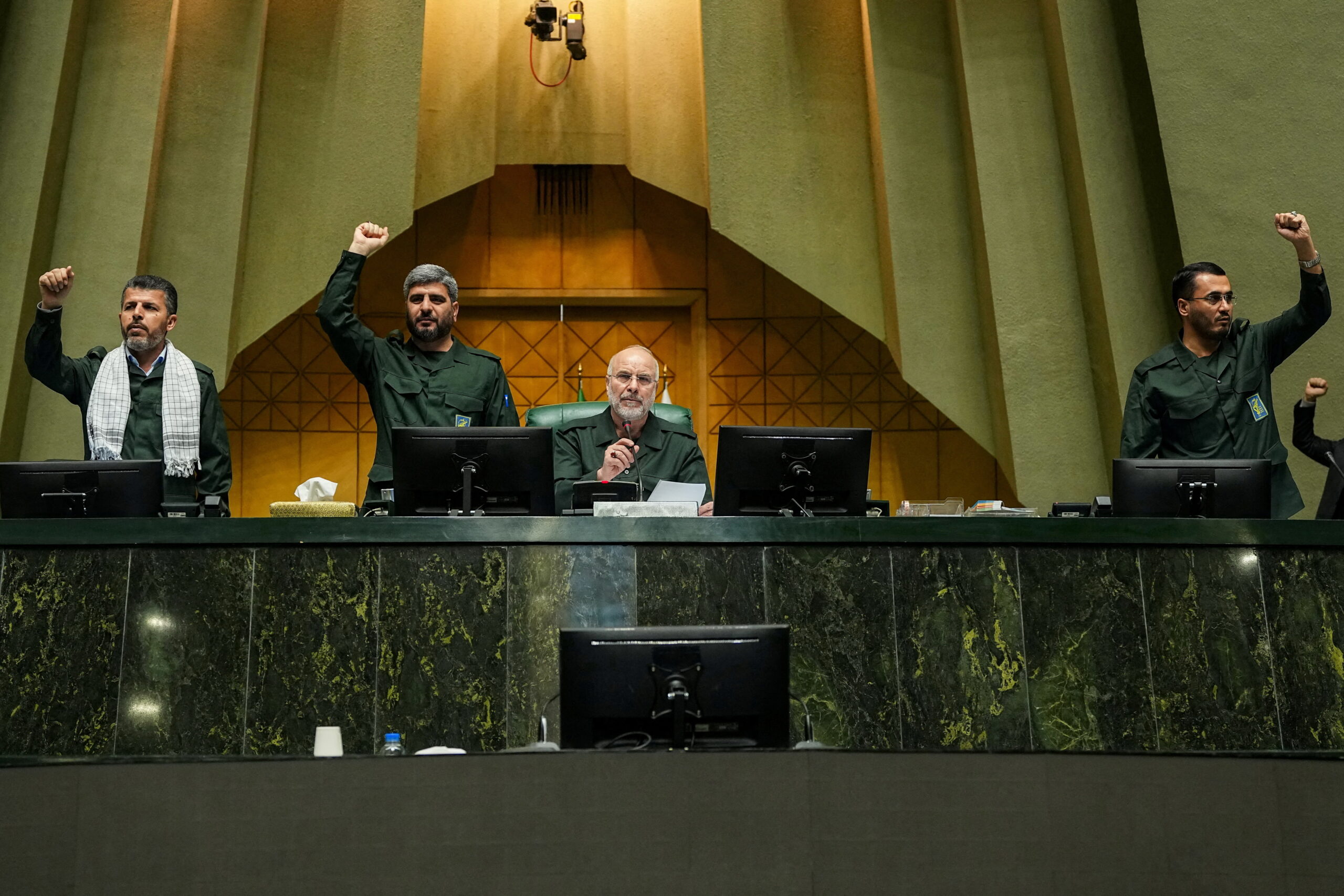
How Did the IRGC Seize Power in Iran?
The IRGC did not seize power in a single stroke. It accumulated it – patiently, methodically – until no counterweight remained.
Events
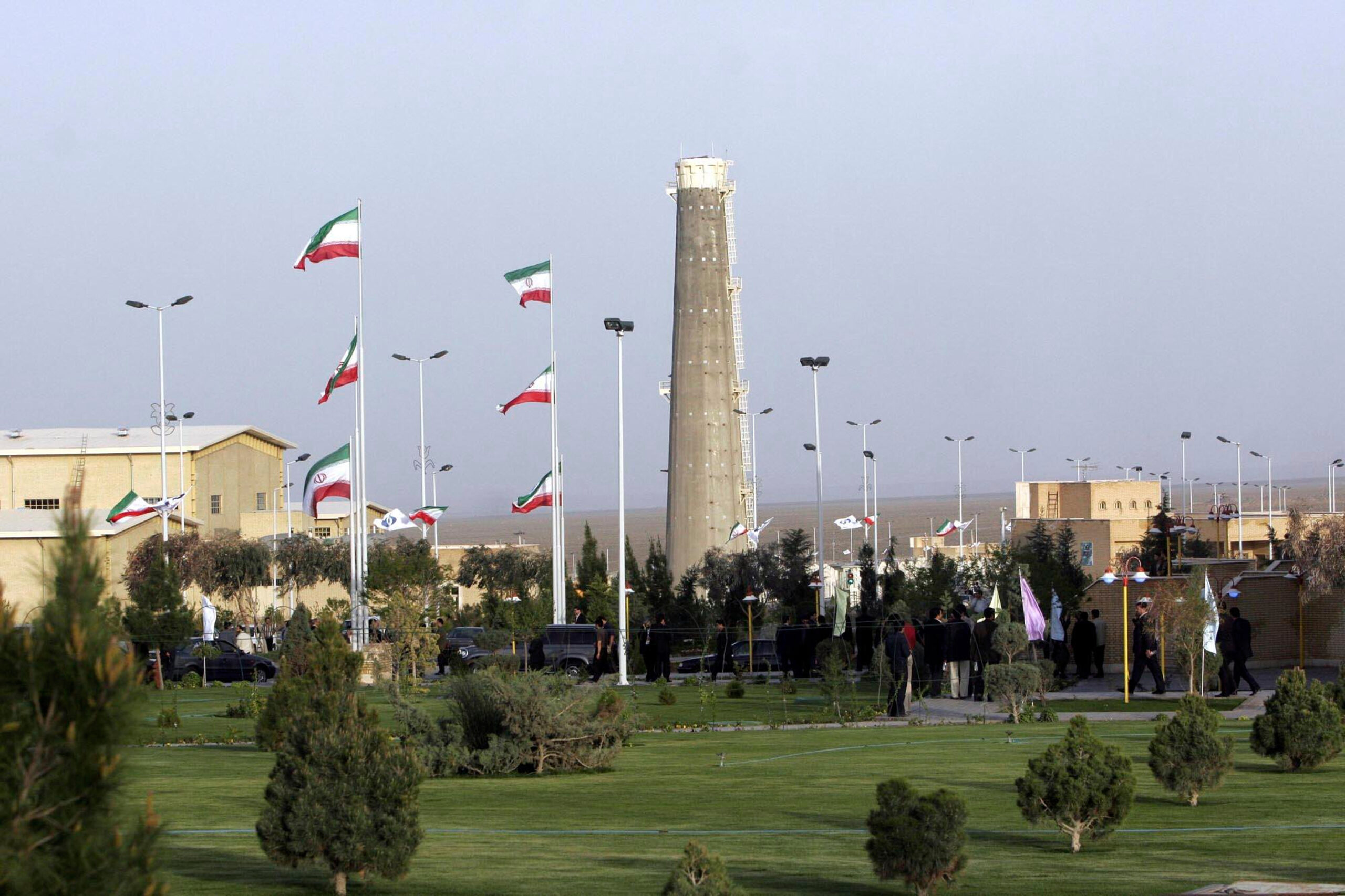
Book Talk: Iran and the Bomb: The United States, Iran and the Nuclear Question
On June 16, AGSI hosted a discussion on the evolution of Iran's nuclear program.
Speakers

Apr 21, 2026
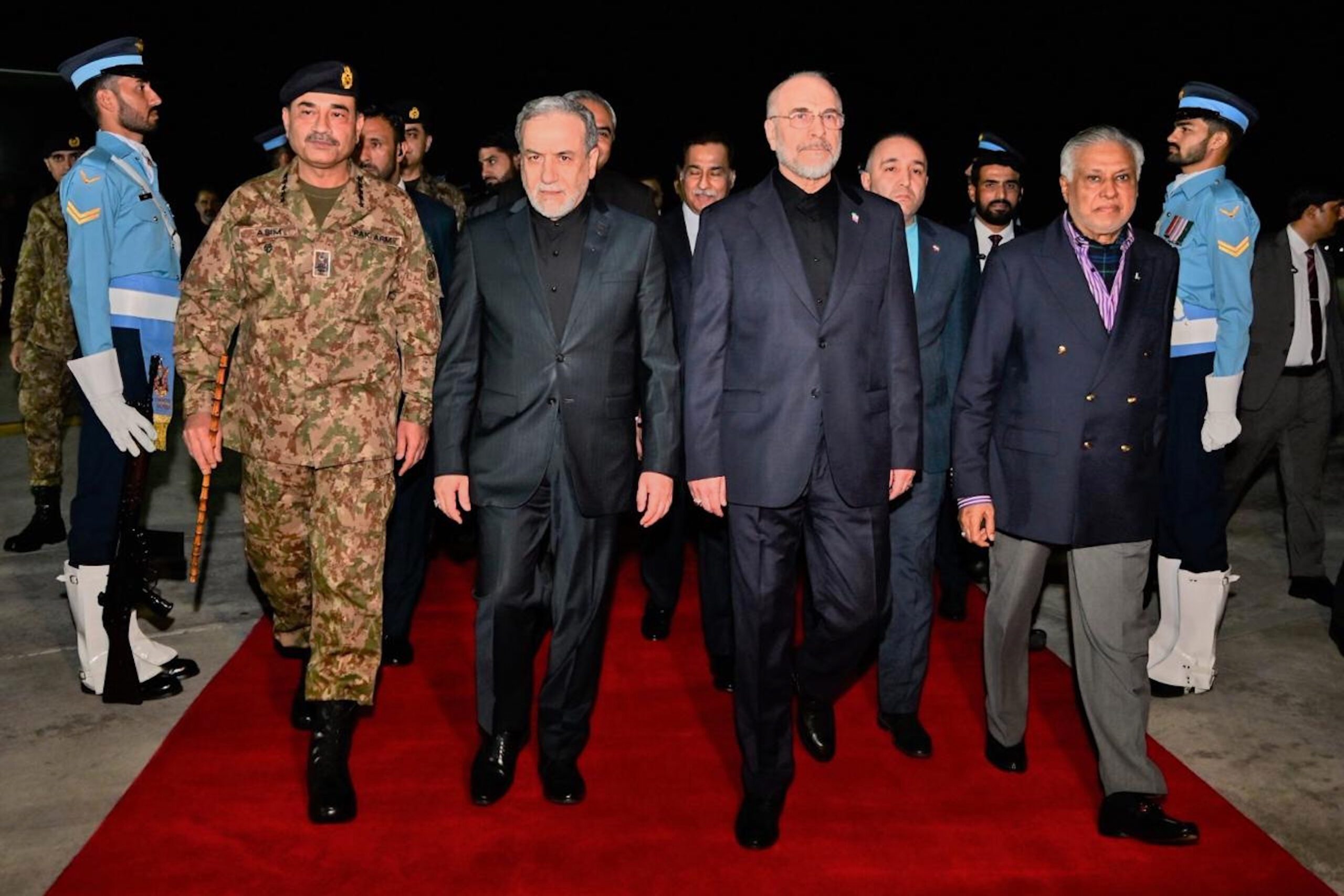
Inside Iran’s Wartime Leadership: Power, Succession, and Regime Stability
On April 21, AGSI hosted a discussion on the evolution of Iran's leadership during the war.
Speakers

Mar 18, 2026
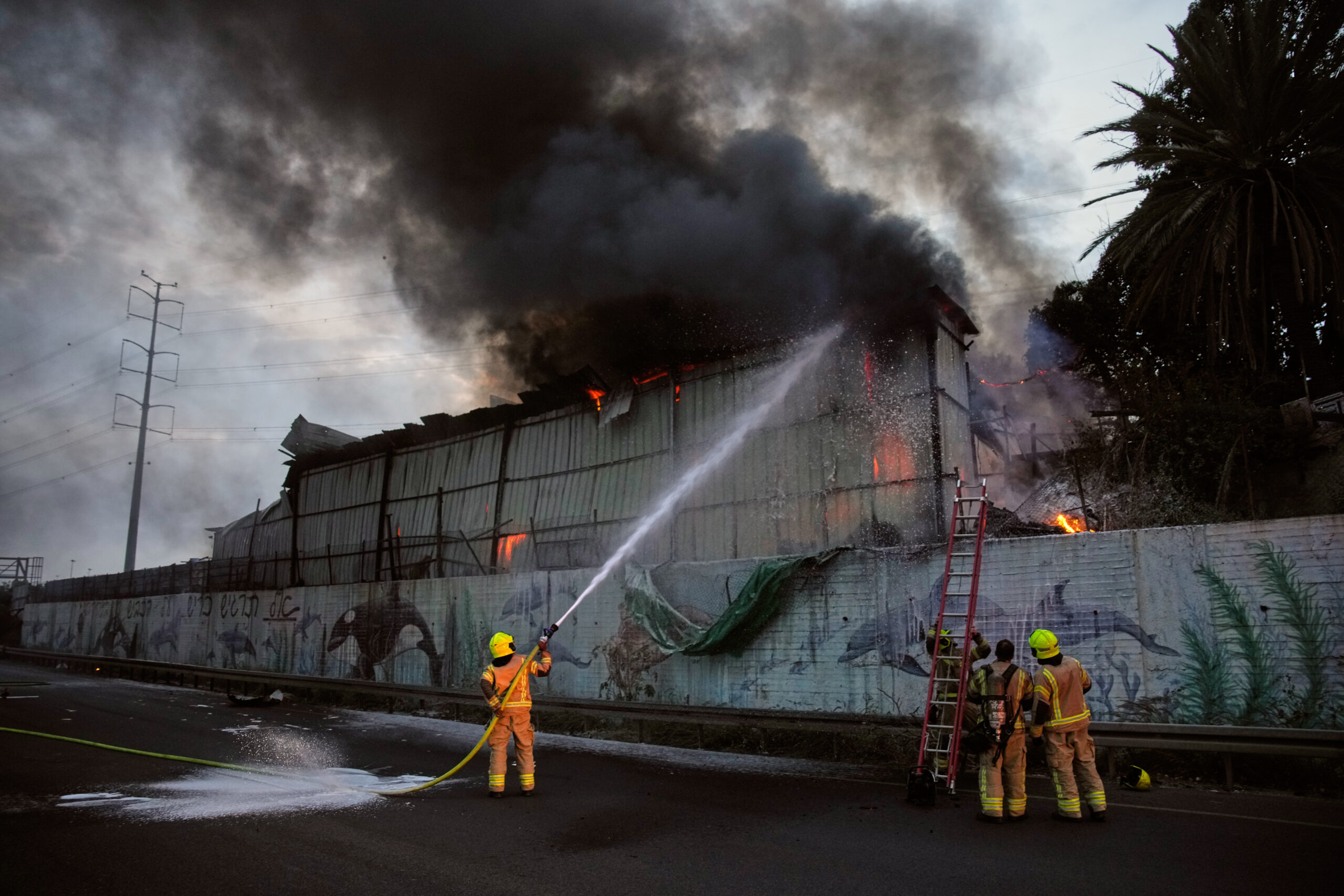
In Its Conflict With the United States and Israel, Does Escalation Favor Iran?
On March 18, AGSI hosted a discussion on the escalation of the Iran war.
Speakers



Mar 2, 2026
After the Shock: Implications of the U.S.–Israeli Strikes and Iran’s Leadership Transition
On March 2, AGSI hosted a discussion on the U.S.-Israeli strikes on Iran.
Speakers