Under Emir Hamad bin Khalifa al-Thani, Qatar would be known – as a mediator, a broadcaster, a host of mega sports events, and an investor – and that notoriety would itself become a form of security: deterrence by relevance.
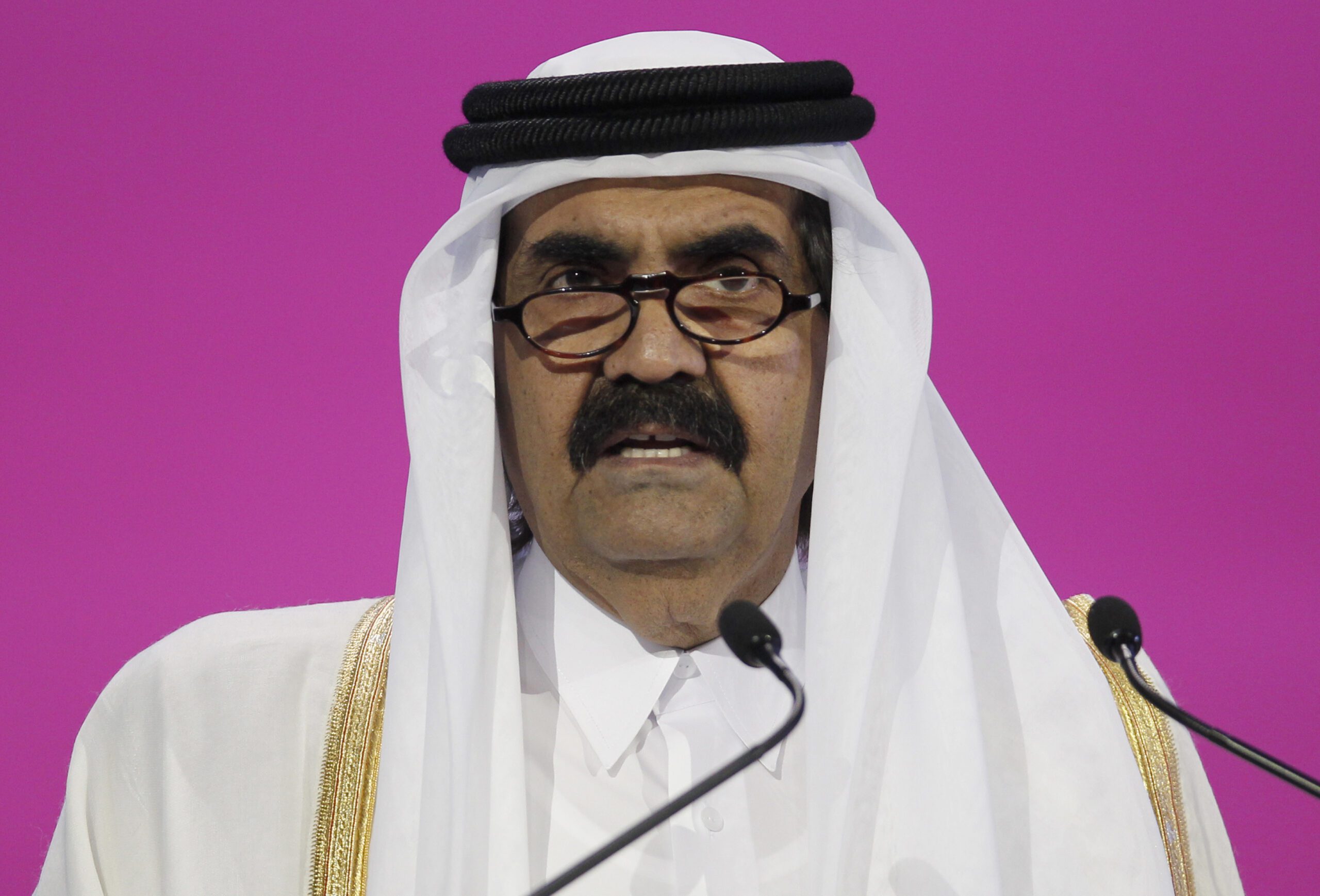
Qatar's then emir, Hamad bin Khalifa al-Thani, talks during the official opening ceremony of the Doha GOALS forum in Doha, December 11, 2012. (REUTERS/Fadi Al-Assaad)
Hamad bin Khalifa al-Thani, the former emir of Qatar, has died at the age of 74. He was Qatar’s most transformational leader, bar none – and one of the defining figures of contemporary Arab history, an extraordinary achievement for a man who ruled a tiny state of a few hundred thousand citizens.
Every ruler of Qatar confronts the same problem: How do you secure a small peninsula, rich in oil and gas, but with a population a fraction of its neighbors’, wedged between Iran and Saudi Arabia? Hamad’s father, Khalifa bin Hamad al-Thani, who reigned from 1972-95, answered by shrinking. He sheltered under Saudi auspices, spent cautiously, and kept Qatar out of the international spotlight altogether.
Hamad’s answer was the inverse, and he had been arguing for it long before he formally took the throne. Crown prince and defense minister from 1977, he grew steadily more powerful through the 1980s; by 1988 he was the de facto ruler. In June 1995, he deposed his father in a bloodless coup. What followed was a single, coherent bet that obscurity was a liability and that a state too small to defend itself must instead make itself impossible to ignore. Qatar would be known – as a mediator, a broadcaster, a host of mega sports events, and an investor – and that notoriety would itself become a form of security: deterrence by relevance.
The Money and Protection
Qatari authorities had known since 1971 that Qatar sat on the largest gas field in the world, shared with Iran. But the North Field – as Qatar called it; Iran named its section South Pars – held no oil, and so, for two decades, nobody much cared. Hamad saw what it could become and handed the job of turning Qatar into a liquefied natural gas superpower to Abdullah al-Attiyah – his childhood friend and, from 1992, his energy minister. Following the invasion and liberation of Kuwait, Attiyah, who died in May 2026, arranged loans from Japanese conglomerates, built long partnerships with the Western majors, and showed a tolerance for risk that no other Gulf state came close to matching. Qatar loaded its first cargo of LNG at Ras Laffan in December 1996. By 2006 it was the world’s largest LNG exporter. Over Hamad’s 18 years in power, Qatar’s gross domestic product rose more than twenty-fourfold.
That revenue funded the Qatar Investment Authority, launched in 2005, which grew into one of the most prominent sovereign wealth funds in the region – and which was never merely a savings vehicle. Stakes in Credit Suisse, Barclays, Porsche, Volkswagen, French football club Paris Saint-Germain, and Harrods accrued income, certainly. But they also lodged Qatar in the minds of bankers, industrialists, and politicians, who could not have found Doha on a map a decade earlier. This was the doctrine in miniature: an investment that pays a dividend in relevance.
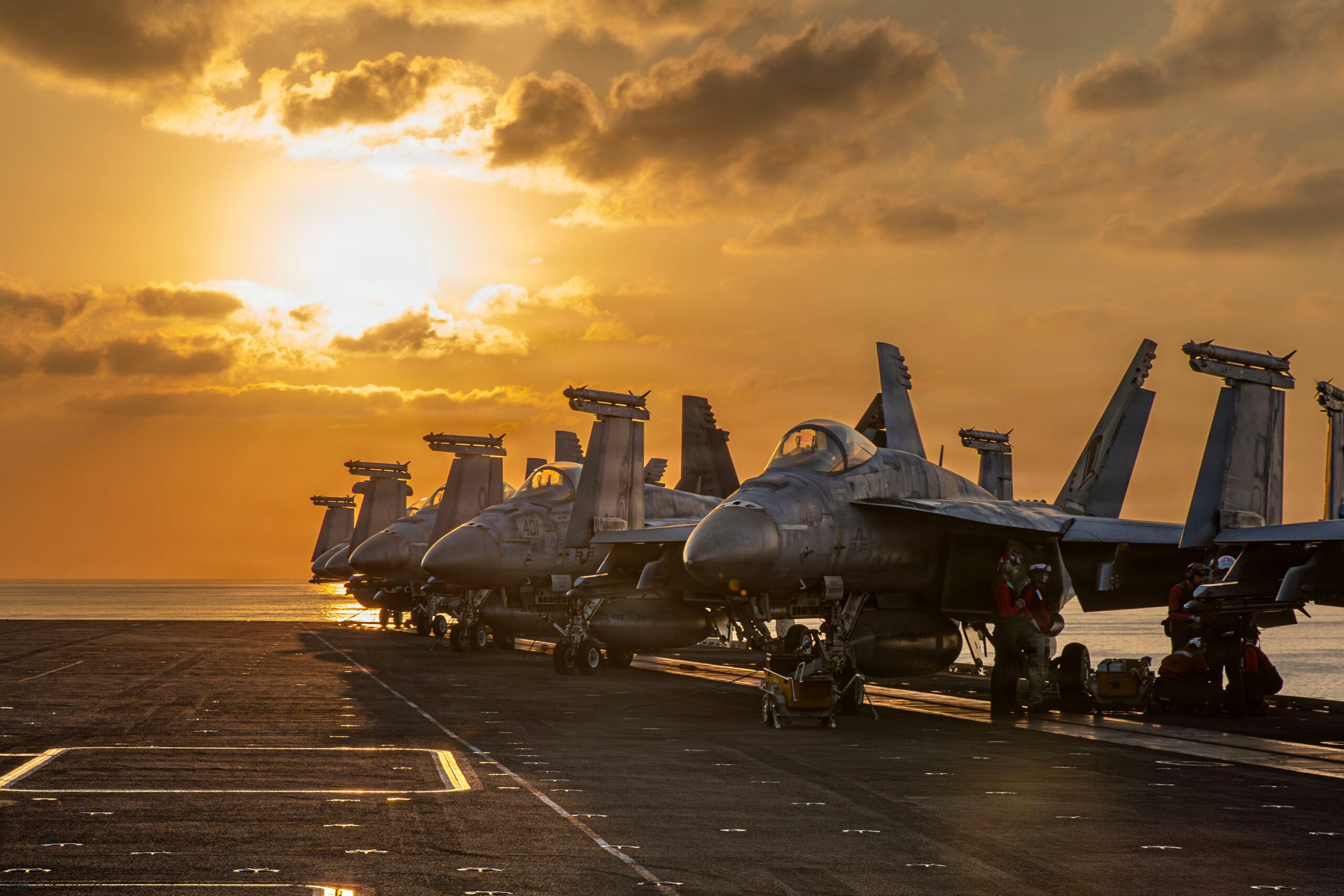
Hamad also sought insurance. The Iraqi invasion of Kuwait in 1990 taught every Gulf ruler that the worst nightmare – invasion – was entirely possible and that they would have to plan accordingly. Like several of its neighbors, Qatar signed a defense cooperation agreement with the United States in 1992. Unlike them, it then spent $1 billion of its own money building an air base with one of the longest runways in the Middle East, far beyond anything the Qatari air force could conceivably need, as an inducement to deeper U.S. engagement. The logic was not subtle and was never meant to be: Build it, and they will come. They came. The United States has been expanding Al Udeid Air Base since the early 2000s, moving the Combined Air Operations Center there from Saudi Arabia in 2003 and turning it into a critical node in the U.S. global military architecture.
The Megaphone
At home, Hamad did things unprecedented in the region. He abolished the Ministry of Information outright. He commissioned a permanent constitution. He introduced municipal elections in which women both voted and stood as candidates. And he backed his second wife, Moza bint Nasser al-Misnad, with the money and latitude to remake Qatari education and social policy through the Qatar Foundation and Education City, together with a large international charitable arm, making her the most prominent and arguably influential woman in contemporary Arab history. Abroad, after having written the duty to mediate into that constitution, he made Doha the location for talks nobody else would host: Darfur, Lebanon, Fatah and Hamas, and eventually the Taliban and Americans.
All of this served a single end: to make Qatar as close to a neutral state as a country could be – on speaking terms with everyone and indispensable to as many as possible. He cultivated Iran, with which Qatar shares the gas field its wealth rests on, and even explored piping fresh water from Iran’s Karun River across the Gulf to Doha. The scheme came to nothing, but it says everything about how far he was prepared to go to positively engage with the antagonistic regional hegemon. And in 1996, to outrage from his Arab partners, he let Israel open a trade office in Doha – a de facto embassy, later closed, but it served as a declaration that Qatar would decide for itself who it talked to.
The loudest instrument was Al Jazeera. Launched in 1996 and staffed in large part by journalists left stranded by the collapse of the BBC’s Arabic television venture, it did what no Arab broadcaster had done: covered protests, hosted opposition voices, and reported on Arab governments. It enjoyed an enormous first-mover advantage and swiftly cemented an iconic place in the Arab media landscape. It also handed every government in the neighborhood a permanent grievance and irritated Washington, too, airing statements from al-Qaeda while Qatar was hosting the Pentagon’s forward base in the region. In time, virtually every Arab ambassador in Doha complained to the Emiri Diwan about its coverage of their state.
The Brotherhood Question
Qatar acquired a reputation for backing the Muslim Brotherhood, and it is not difficult to see why. Yusuf al-Qaradawi – never formally a member but for decades the movement’s most audible voice – was given a home in Doha in the 1960s and then a show on Qatari TV and later Al Jazeera, which made him arguably the most influential Sunni cleric of his time. But the relationship became more explicit with the Arab Spring uprisings.
Qatar did not cause the Arab Spring, but it backed it – with Al Jazeera’s wall-to-wall coverage. Moreover, Doha funded and armed anti-Muammar al-Qaddafi Libyan rebels, among them militias with Muslim Brotherhood ties, and bankrolled the government of the Muslim Brotherhood-backed president, Mohamed Morsi, in Egypt with billions of dollars in loans and aid. Doha began housing Hamas’ political bureau in 2012 – at Washington’s request, Qatari officials have always insisted – to keep a channel open.
Doha’s own account was that it was supporting a mass movement while keeping lines open to everyone. To its neighbors, it looked like a small, secure state sponsoring a movement that threatened the region’s stability and perhaps their own. This is the core fault line running through everything after 2011 – why Saudi Arabia, the United Arab Emirates, and Bahrain withdrew their ambassadors in 2014 and why they and Egypt launched a boycott in June 2017, with a list of 13 demands that no sovereign state could have met. Qatar refused and endured on Turkish and Iranian supply lines. The boycott was at once an indictment of Hamad’s foreign policy – a small country had in part provoked its neighbors into a crisis that endangered its stability – and its vindication, since the world it had spent 20 years cultivating declined to let that happen.
Hamad did not see the crisis through as emir. On June 25, 2013, 18 years almost to the day after taking power, he handed the throne to his trilingual 33-year-old son, Tamim bin Hamad al-Thani – an abdication with virtually no precedent among the Gulf’s hereditary rulers. He told Qataris the future belonged to the young. The Arab Spring had made gerontocracy look like a liability – his own health had been poor for years – and a managed succession, supervised by the architect while he was still alive to supervise it, was in itself the last act of state building.
Qatar Under Tamim
Tamim inherited the design and, for the most part, has run it rather than revised it. He held the line through the boycott until the January 2021 Al-Ula agreement ended it with Qatar not having complied with any of the 13 demands. Then he delivered the FIFA World Cup in 2022, a tournament bid won a decade earlier under his father and the purest expression of Hamad’s theory that being seen is a way of being safe. Qatar was designated a major non-NATO ally the same year, largely for its work evacuating Kabul. And since October 2023, it has been the indispensable channel to Hamas in the Gaza war. This is an indispensability for which it has paid: On September 9, 2025 Israel bombed Hamas negotiators in Doha, killing a Qatari security officer.
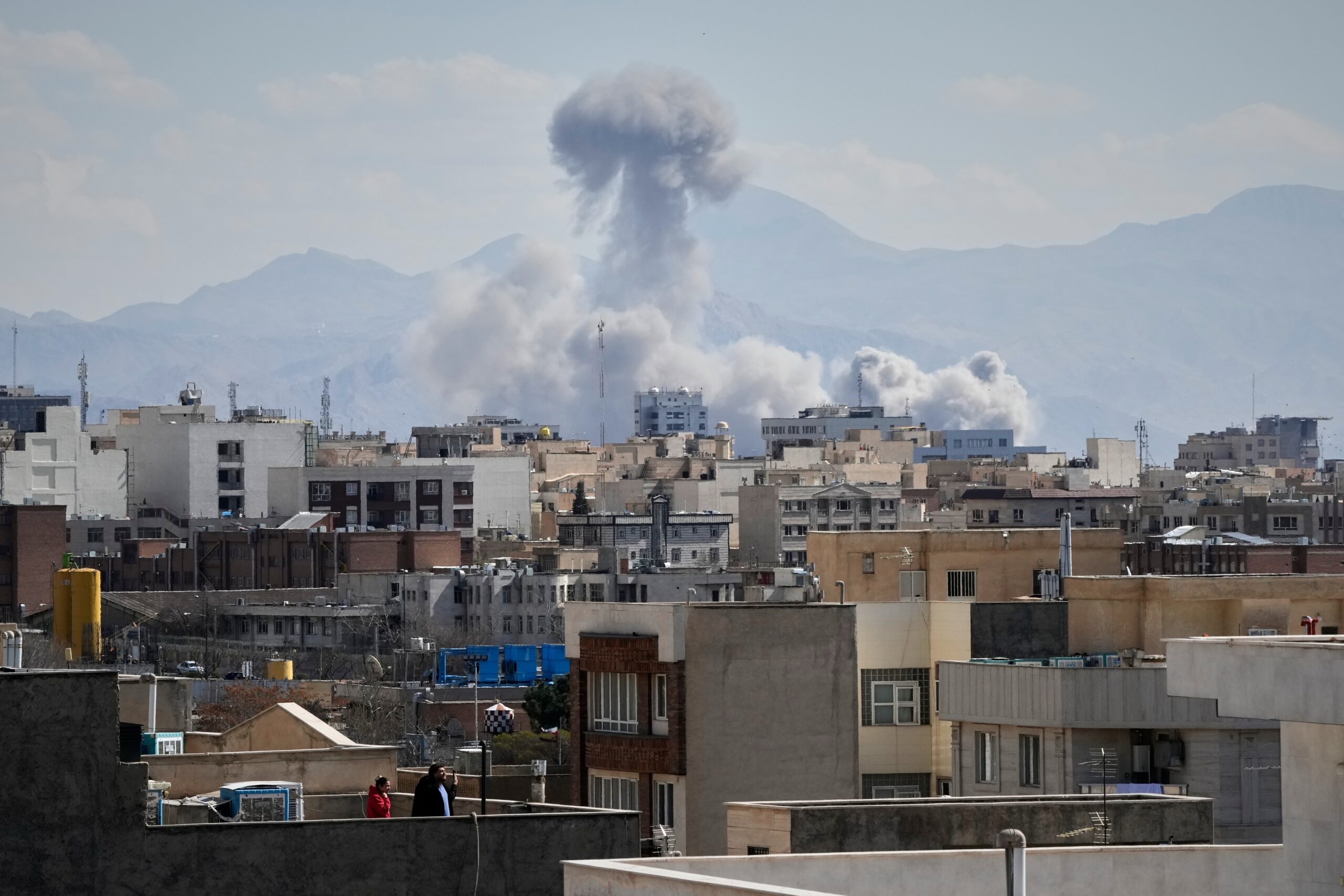
Then, on February 28, 2026, the United States and Israel struck Iran. Qatar was hit disproportionately hard in retaliation, and the keystones of Hamad’s foreign policy – the U.S. relationship, security through visibility, and the leverage of Qatar’s vast gas reserves – have all been shaken as never before.
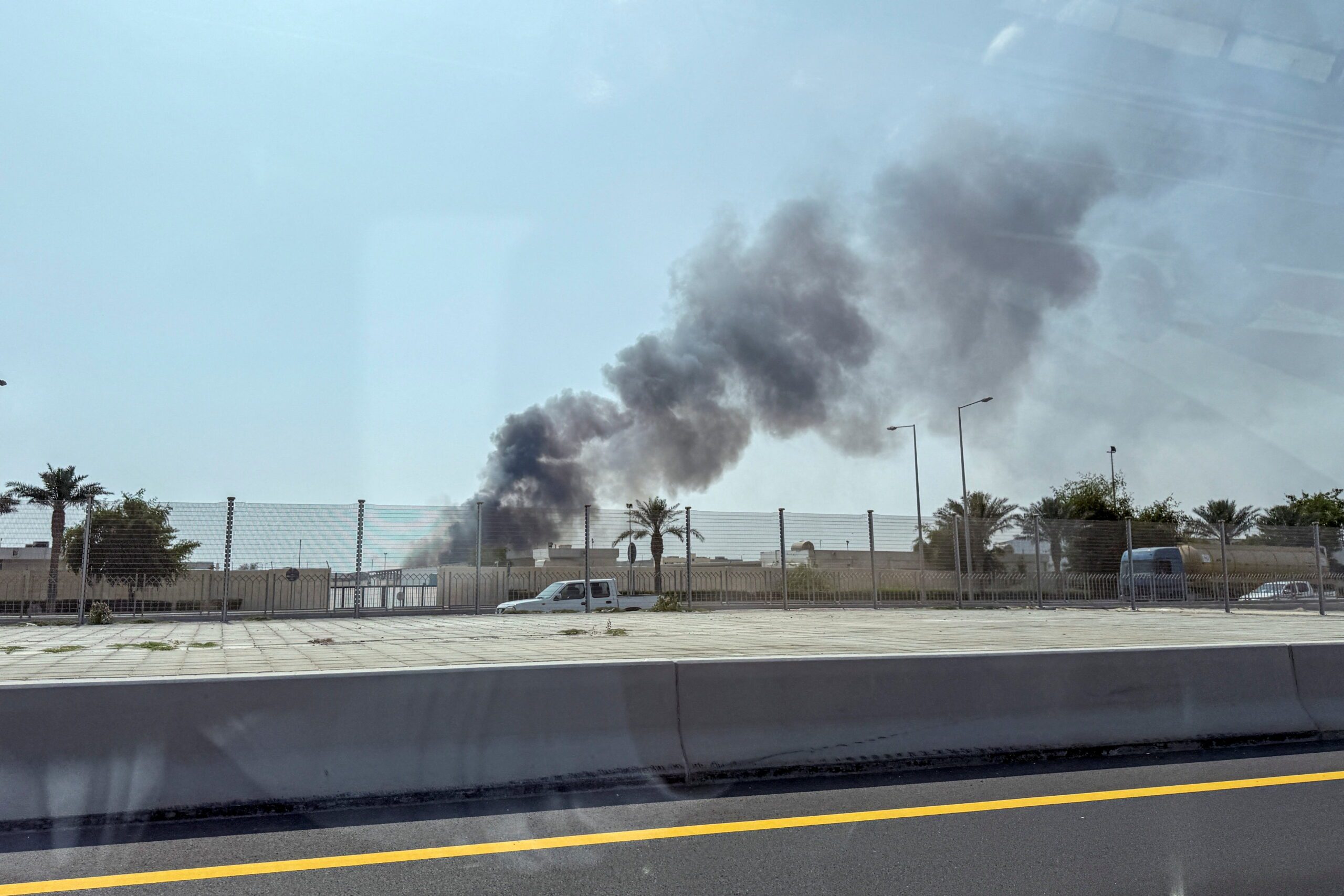
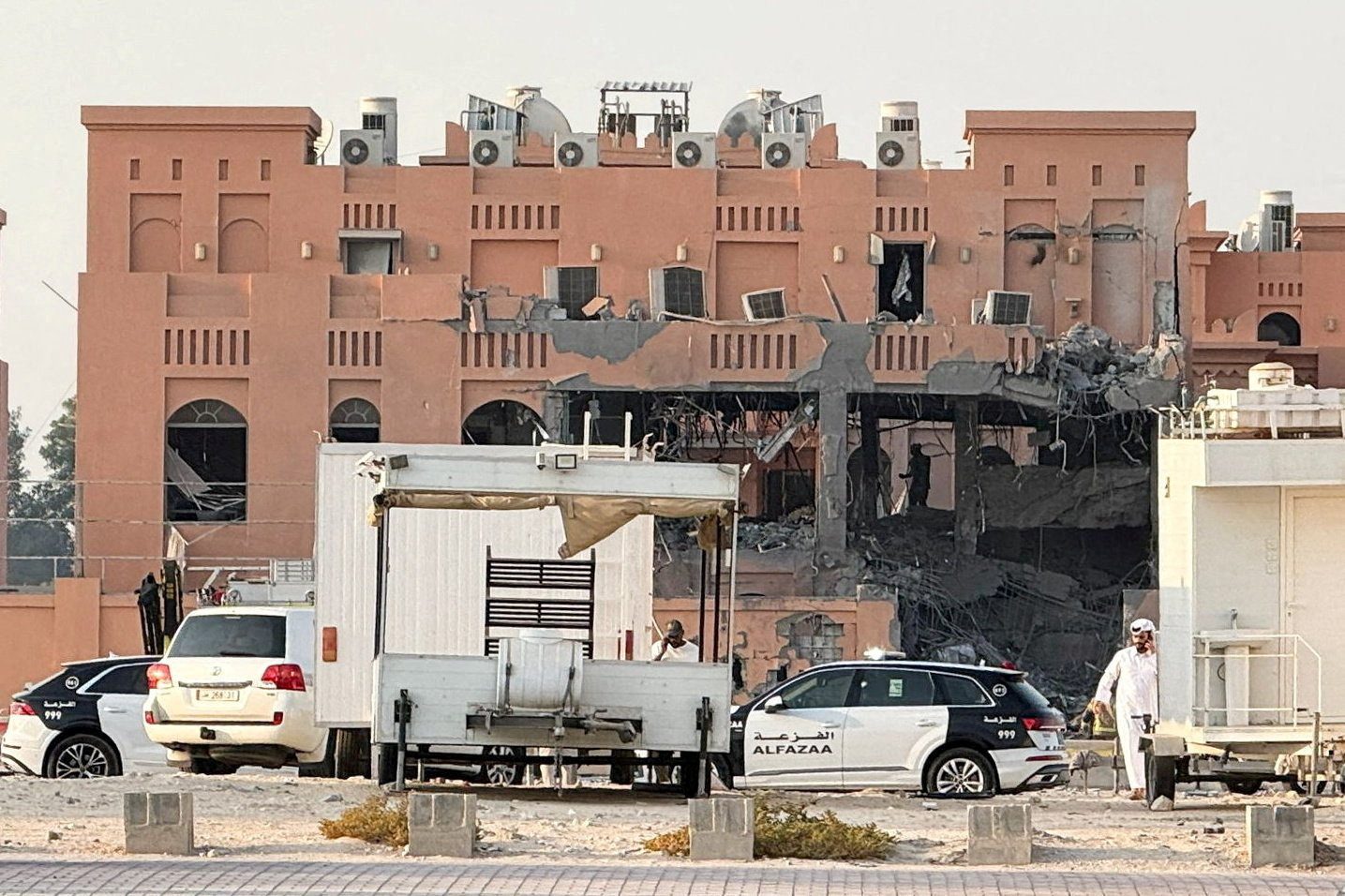
Al Udeid was struck on the opening day of the war, and the Combined Air Operations Center – the nerve center of U.S. power projection in the wider Middle East – was severely damaged. In March, Iranian missiles hit Qatar’s main gas complex at Ras Laffan, causing extensive damage and striking also the Pearl gas-to-liquids plant. QatarEnergy’s chief executive, Saad Sherida Al Kaabi, put the losses at two of 14 LNG trains and one of two gas-to-liquids facilities: 17% of export capacity, some 12.8 million tons per year, out for three to five years, and roughly $20 billion in forgone annual revenue. The North Field expansion – meant to lift capacity from 77 million tons per year to 142 million tons per year by 2030 – now proceeds on a revised timetable and revised assumptions about what can be considered safe, with direct echoes of Hamad’s original gamble in the early 1990s, when the war in Kuwait spooked the investors and customers he needed. Qatar has repeatedly tried to broker an agreement between the warring parties. Nothing has stuck. And Qatar is still a target.
The foundational element of Qatar’s security, the U.S. relationship, became the central vector of attack – the literal reason Qatar was struck. The elements meant to buttress that security – the visibility, mediation, cultivated breadth of foreign relations, elite connections rooted in the sovereign wealth fund – proved no substitute. And concentrating a national economy inside an over 6-mile radius was an efficiency in a stable world and a single point of failure in this one. Hamad’s design has been tested to its limits. It bent, it strained, it survived – but only just. Whether this approach endures is another question.
What follows is less a policy problem as much as an enduring predicament, and it is worth asking what any ruler of Qatar could have done differently. The gas is where it is: offshore, shared with Iran, and has to be liquefied somewhere on that shoreline. Three hundred thousand citizens cannot raise a military of consequence. The U.S. relationship is a manifest liability at present, but there are no alternatives. Iran, meanwhile, has emerged from the war emboldened, and two of the region’s most elementary taboos – against firing missiles at the Gulf Arab states and closing the Strait of Hormuz – are now broken. Taboos do not unbreak.
There was never a strategy on offer that would have kept Qatar out of this war – only different ways of being in it. And Qatar has been in it before: a decade of war between Iran and Iraq in the 1980s fought partly in Gulf shipping lanes; a border skirmish with Saudi Arabia in 1992 and cold relations for years after; and then the most stringent boycott in Gulf history, imposed not by enemies but by allies.
Each time Doha talked, refused to escalate, engaged widely, and waited. Tamim, 13 years into his own reign, now faces the hardest version of the perennial test, leveraging the same strategic culture Hamad installed. It is one of dexterous, stubborn resilience, with the conviction that a small state’s security lies in being useful to everyone and captive to no one, and that visibility is worth more than shelter.
The views represented herein are the author's or speaker's own and do not necessarily reflect the views of AGSI, its staff, or its board of directors.
Qatar's first World Cup point, earned through a goalkeeper of Palestinian descent, reveals how the emirate has turned a tiny citizenry, migration, and naturalization into an instrument of statecraft and where that instrument meets its limits.
As Gulf states pursue economic diversification and knowledge economies less dependent on resource extraction, the logic of competition may be becoming less compelling and the benefits of coordination more apparent.
Where Hamas operates from matters less than the broader absence of any coherent vision – from Israel, the Palestinians, or the international community – for future Arab leadership in Gaza.