Jun 30, 2026
Iran’s New Doctrine: A Forever War in the Strait of Hormuz
The June 30 edition of the Iran Media Review considers an Iranian argument that only deterrence, not diplomacy, can influence U.S. behavior.

The recent U.S.-Israeli war with Iran appears to have reinforced a central conclusion in Tehran: Iran cannot rely on the United States to honor political understandings, whether reached through negotiation, a memorandum of understanding, or even a formal agreement. From this perspective, only deterrence – not diplomacy – can shape U.S. behavior. Iranian strategists therefore appear to be adapting the country’s security doctrine accordingly. Rather than relying on negotiated guarantees, they advocate for preserving the capability to impose maximum economic pressure on the global economy through the Strait of Hormuz whenever the United States resorts to military action, thereby raising the cost of any future strikes against Iran.
- June 30: A Supreme National Security Council mouthpiece Nour News Agency article argued:
- “The recent war demonstrated that the Strait of Hormuz remains Iran’s most important geopolitical lever in the regional balance of power. Despite employing its extensive military capabilities, the United States was unable to eliminate this leverage, while Iran demonstrated that it possesses both the will and the capacity to influence this strategic waterway. This factor played a significant role in preventing Washington from achieving some of its political objectives.”
- “For this reason, it appears that Washington has shifted its strategy from direct military confrontation to efforts aimed at altering the political, legal, and security balance in the Persian Gulf. Building regional consensus, forging alliances with the southern Gulf states, seeking to internationalize the security of the strait, and promoting alternative transit routes can all be understood within this strategic framework. In other words, the objective has not changed, only the instruments have.”
- “The reality is that no political agreement, by itself, can prevent an adversary from changing its behavior. What ultimately shapes the conduct of states is their assessment of the costs and benefits of their actions. Whenever policymakers conclude that they can create new geopolitical realities without incurring meaningful costs, the incentive to continue along that course is only strengthened.”
- “Accordingly, it is essential to make systematic and effective use of the instruments that, during the war, helped reduce U.S. resilience and contributed to Washington’s shift from military confrontation to political negotiation.”
- “Foremost among these measures should be the managed closure of the Strait of Hormuz, coupled with comprehensive efforts to counter any initiative aimed at establishing alternative transit routes that would diminish Iran’s geopolitical leverage over the strait. Such a strategy would impose both tangible and psychological pressure on global energy markets, substantially increasing the costs to the United States of efforts to constrain Iran’s geopolitical influence. In practical terms, its proponents argue, this would strengthen Iran’s deterrence.”
The views represented herein are the author's or speaker's own and do not necessarily reflect the views of AGSI, its staff, or its board of directors.
Related
Iran Media Review
Jun 26, 2026
IRGC Seeks to Institutionalize Control Over the Strait of Hormuz
The June 26 edition of the Iran Media Review examines IRGC messaging about travel through the Strait of Hormuz.
Iran Media Review
Jun 24, 2026
A Consensus Emerges in Tehran on U.S.-Iran Negotiations
The June 24 edition of the Iran Media Review considers Iranian media responses to ongoing U.S.-Iranian negotiations.
Iran Media Review
Jun 18, 2026
Regime Surveys Show Erosion of Social Capital
The June 18 edition of the Iran Media Review highlights Iranian messaging about Iran’s military strength and societal polarization.
Jun 26, 2026
IRGC Seeks to Institutionalize Control Over the Strait of Hormuz
The June 26 edition of the Iran Media Review examines IRGC messaging about travel through the Strait of Hormuz.
Jun 24, 2026
A Consensus Emerges in Tehran on U.S.-Iran Negotiations
The June 24 edition of the Iran Media Review considers Iranian media responses to ongoing U.S.-Iranian negotiations.
Jun 18, 2026
Regime Surveys Show Erosion of Social Capital
The June 18 edition of the Iran Media Review highlights Iranian messaging about Iran’s military strength and societal polarization.
Analysis
Debating Policy in Public: Iranian Elites Turn to YouTube
Rival camps within the Islamic Republic are increasingly turning to YouTube for policy debate, but there is a limit to the regime’s tolerance for that debate.

The Committee of Six and Strategic Decision Making in Iran
Remarks by Iran’s president offer a rare glimpse of how the Islamic Republic has adapted its decision making to the absence of its supreme leader.
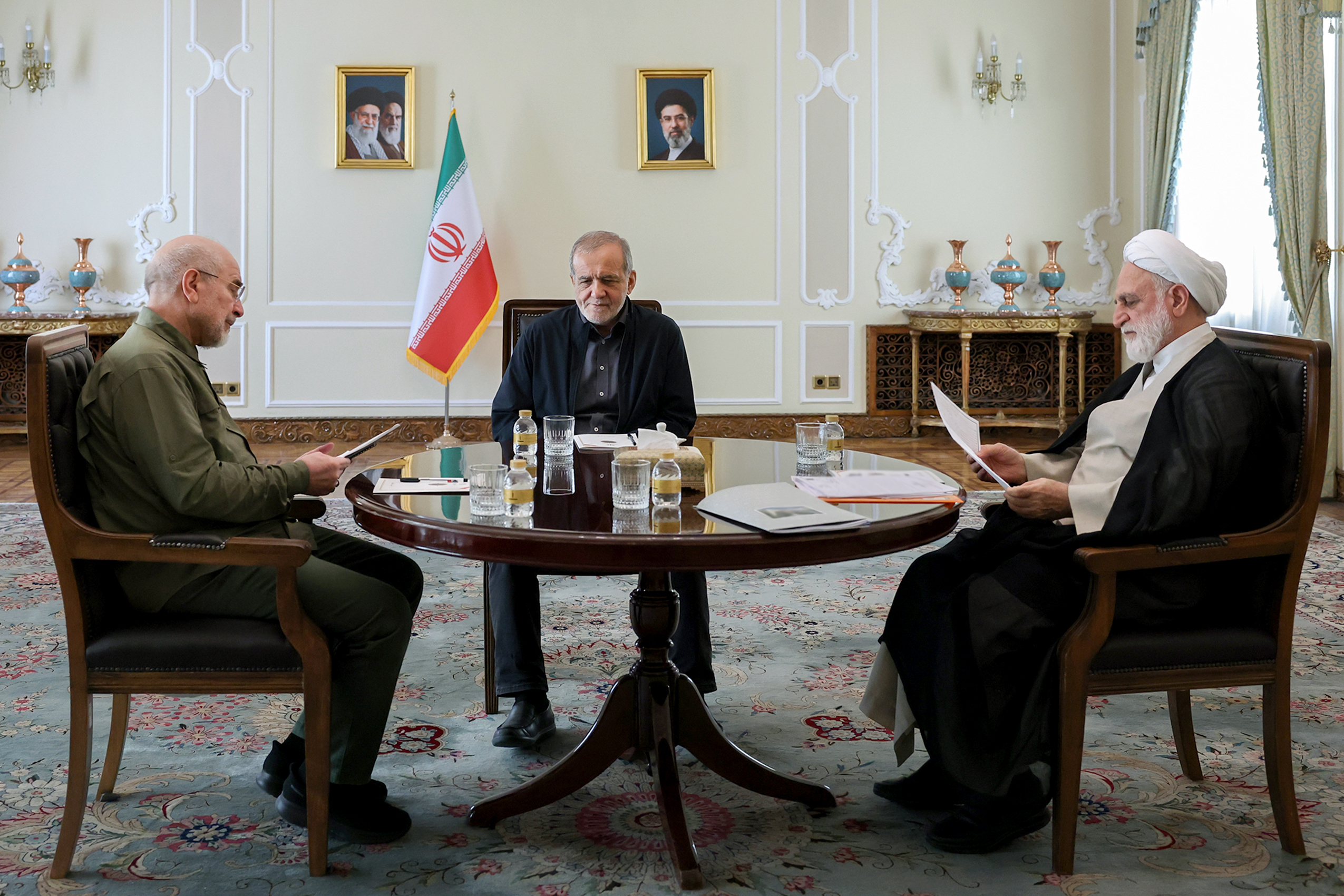
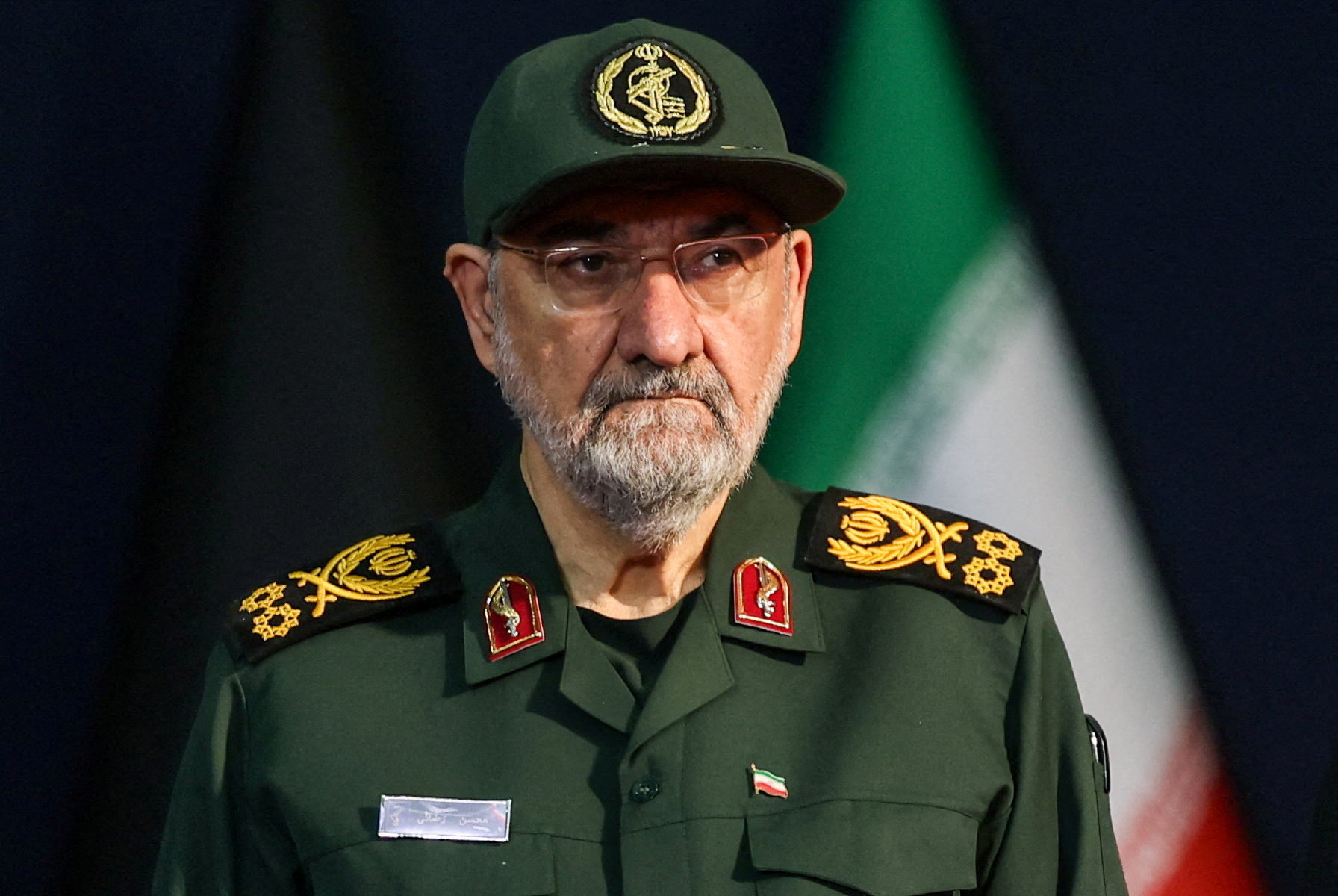
Mohsen Rezaei at the Helm of Iran’s Supreme National Security Council
Under Rezaei, the SNSC could prove constructive or paralyze strategic decision making.
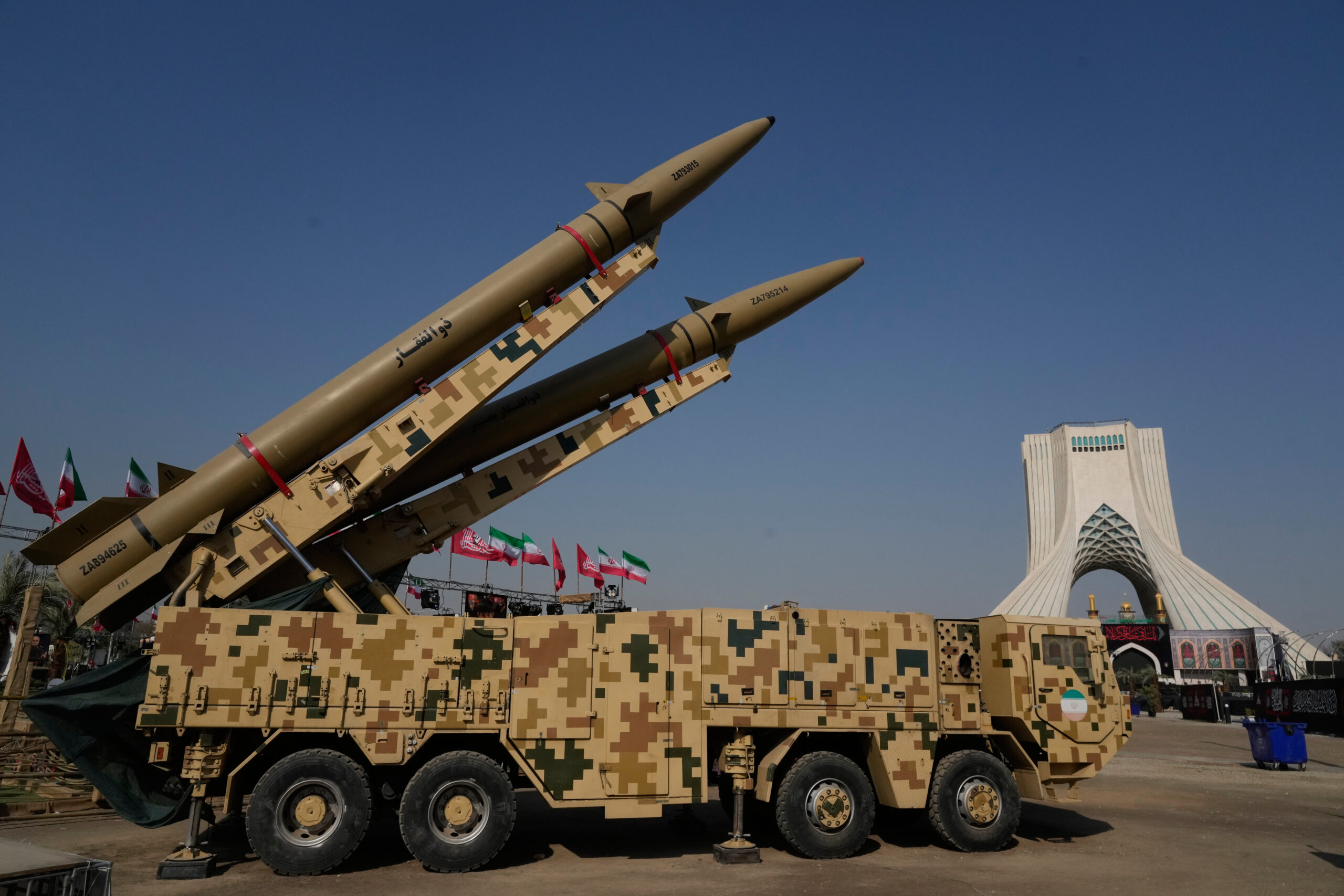
The Islamic Republic Returns to Offense
After U.S.-Israeli strikes killed Supreme Leader Ayatollah Ali Khamenei on February 28, Iran’s collective leadership has concluded that the best defense is a good offense.
Events
Oct 6, 2026
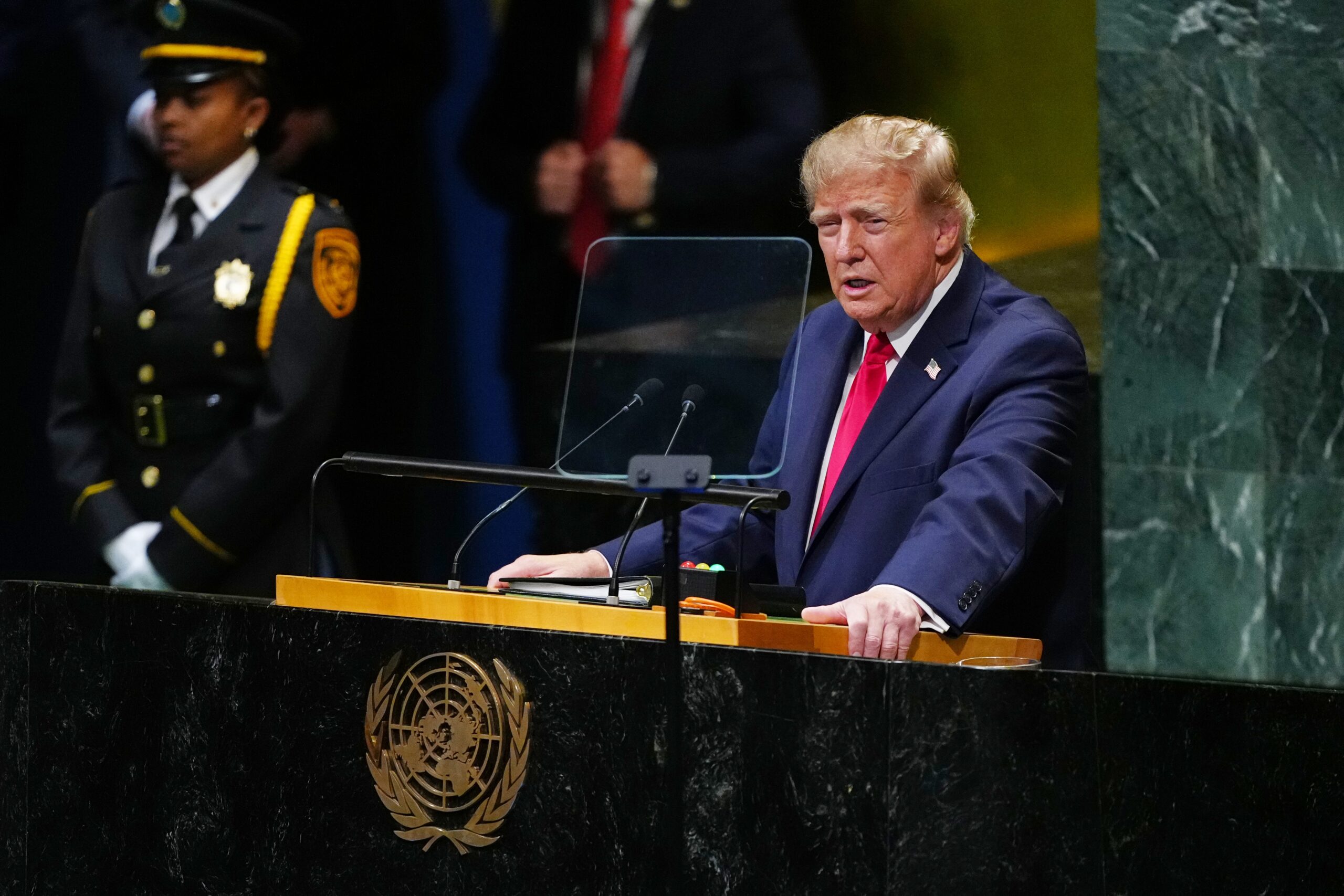
Is the U.S.-Iran Stalemate a “New Normal” or the Prelude to Another Explosion?
On October 6, AGSI hosted a discussion on the U.S.-Iran stalemate and the prospects for a cease-fire.
Speakers



Book Talk: Iran and the Bomb: The United States, Iran and the Nuclear Question
On June 16, AGSI hosted a discussion on the evolution of Iran's nuclear program.
Speakers

Apr 21, 2026
Inside Iran’s Wartime Leadership: Power, Succession, and Regime Stability
On April 21, AGSI hosted a discussion on the evolution of Iran's leadership during the war.
Speakers

Mar 18, 2026
In Its Conflict With the United States and Israel, Does Escalation Favor Iran?
On March 18, AGSI hosted a discussion on the escalation of the Iran war.
Speakers