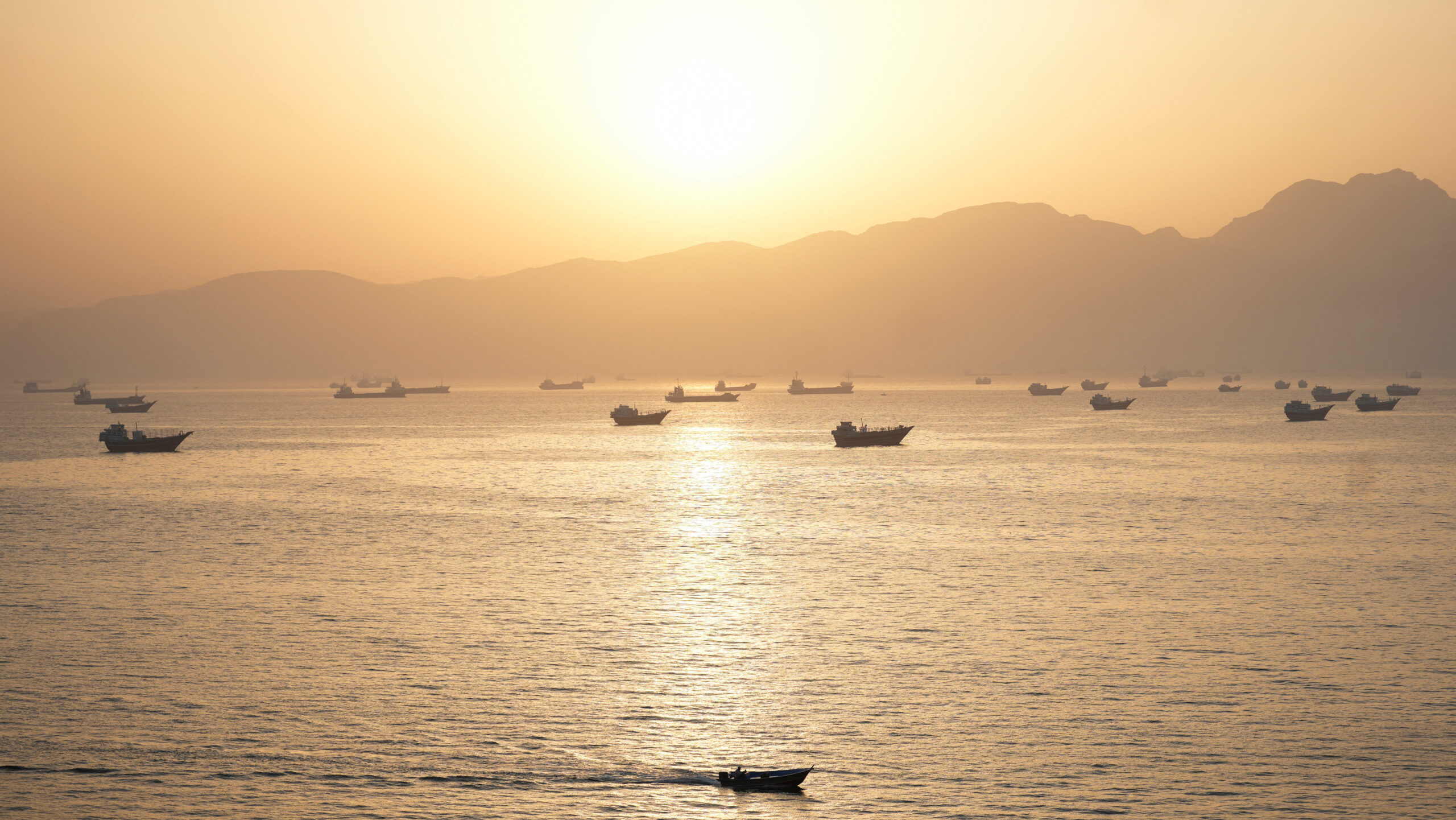
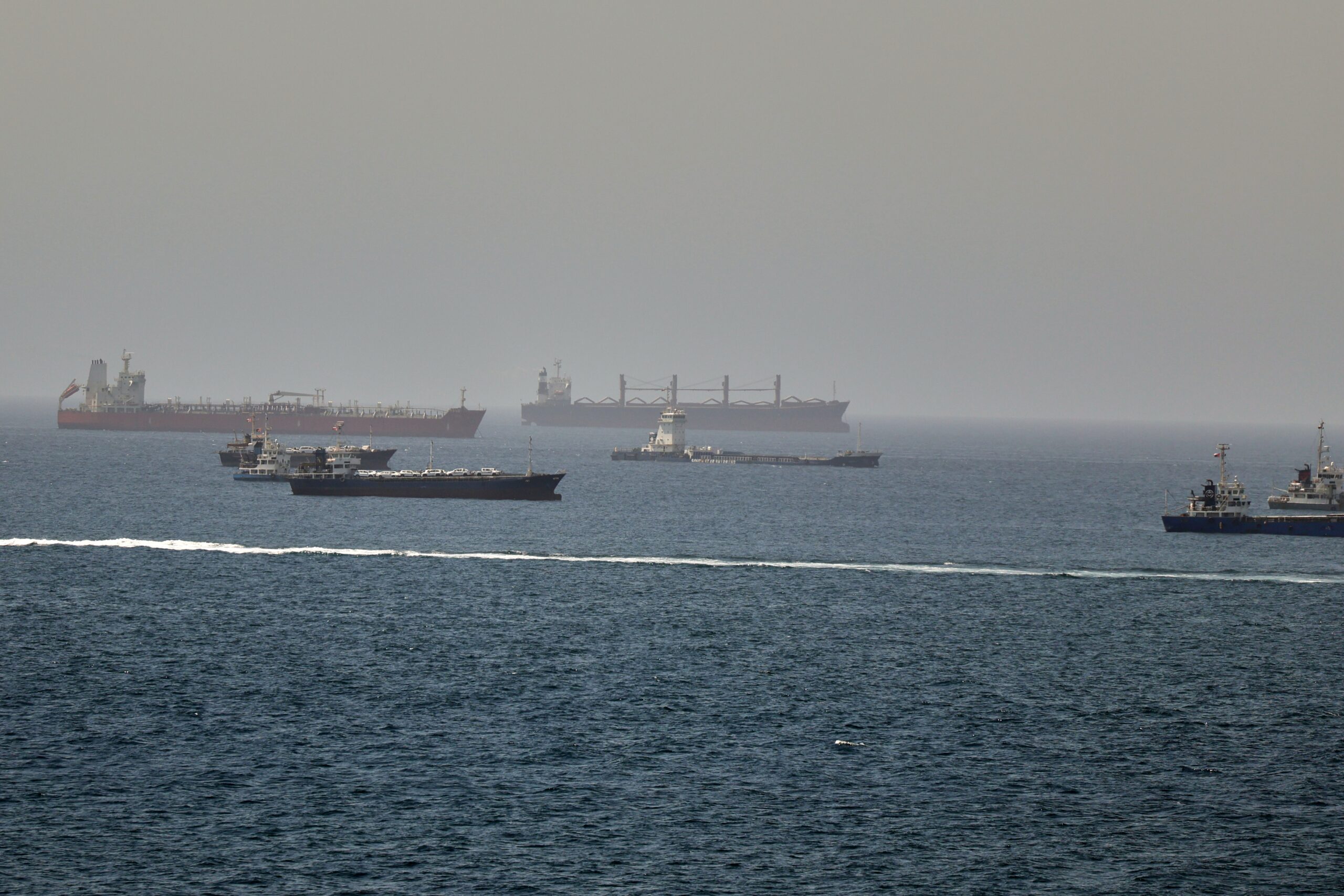
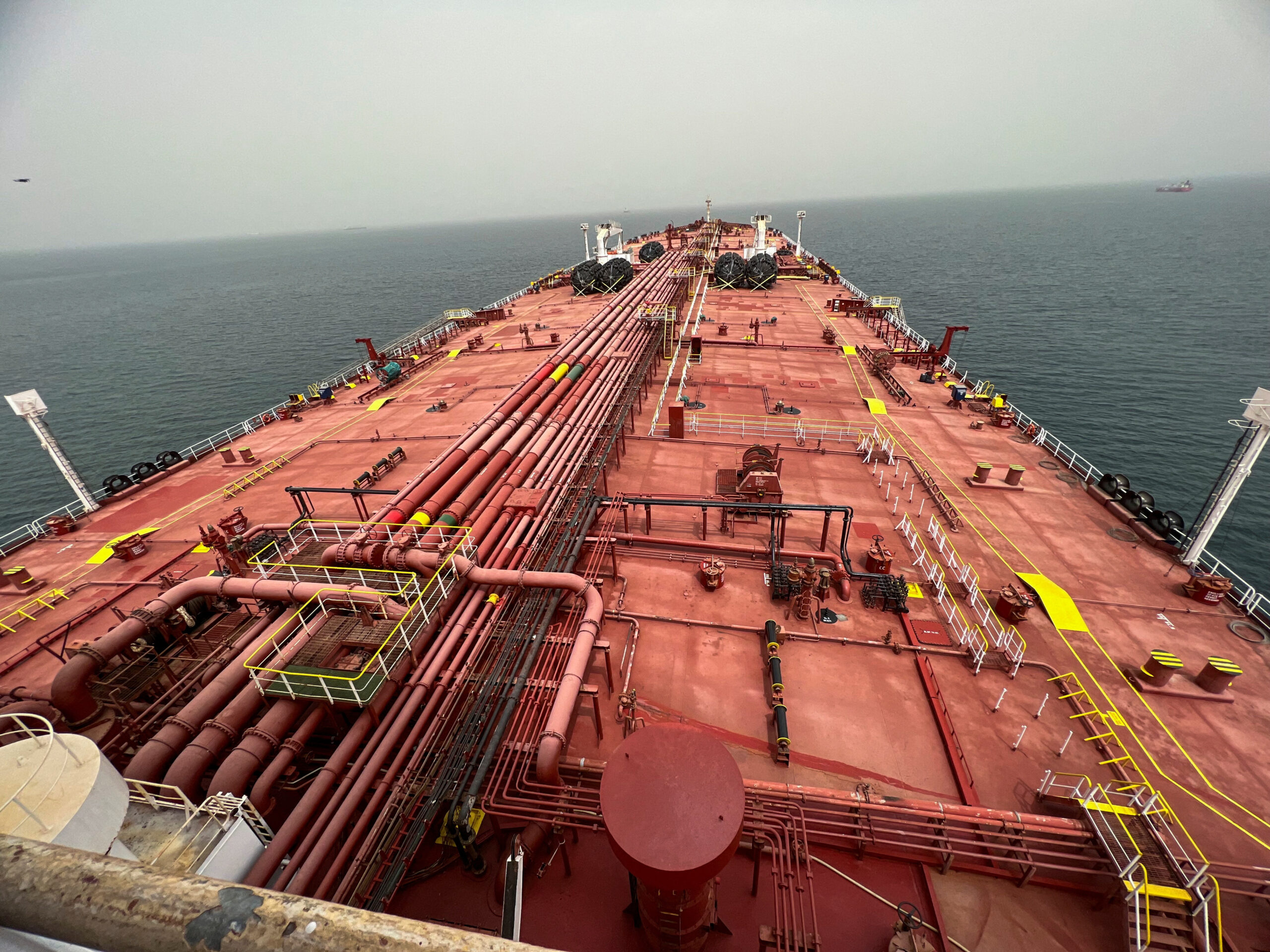
Vessels anchored at the Strait of Hormuz, as seen from Musandam, Oman, May 30. (REUTERS/Stringer)
Iran’s closure of the Strait of Hormuz since the start of U.S. and Israeli strikes February 28 has disrupted oil and gas flows from the Gulf region with lower export revenue expected to result in lower regional energy investment in 2026, the International Energy Agency wrote in a new report. The report, “World Energy Investment 2026,” released May 28, is the first comprehensive assessment of how the Middle East crisis is likely to shape investment flows in the region and globally.
“We are in the midst of the largest energy security crisis the world has ever faced – and I believe this will reshape investment strategies globally, with parallels to the major changes the energy world witnessed after the oil shocks of the 1970s,” IEA Executive Director Fatih Birol said introducing the report. He added that there were already signs of intensified efforts by producing and consuming countries to diversify trade routes and invest in new pipelines and other infrastructure while switching to coal, renewables, and nuclear energy and alternative oil and gas suppliers. The supply shock caused by the closure of the Strait of Hormuz is expected to shift investment priorities, particularly in the Middle East and Asia, the report highlighted.
The IEA projected that the loss of revenue by the Middle Eastern oil and gas exporters will result in a 1% decline in upstream oil and gas investments across the region, a relatively modest outlook that does not accurately reflect the knock-on effects of the disruption. The cost of repairing damage to energy installations from Iranian missile and drone attacks will run into billions of dollars, while supply chain disruption and cost inflation are likely to delay some projects. Combined, these effects are expected to produce cost overruns that shift some spending into 2027 rather than generating a sharp 2026 decline.
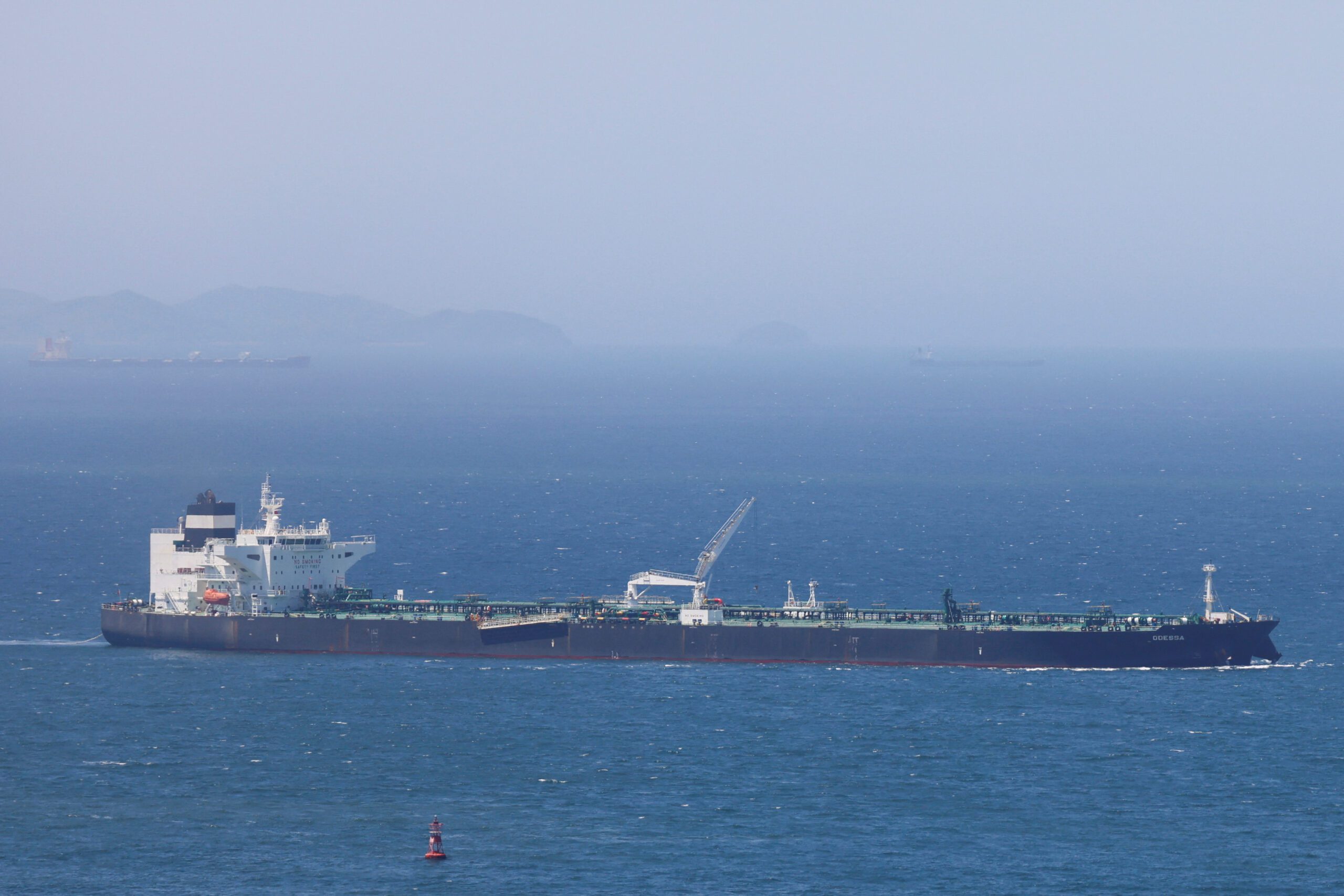
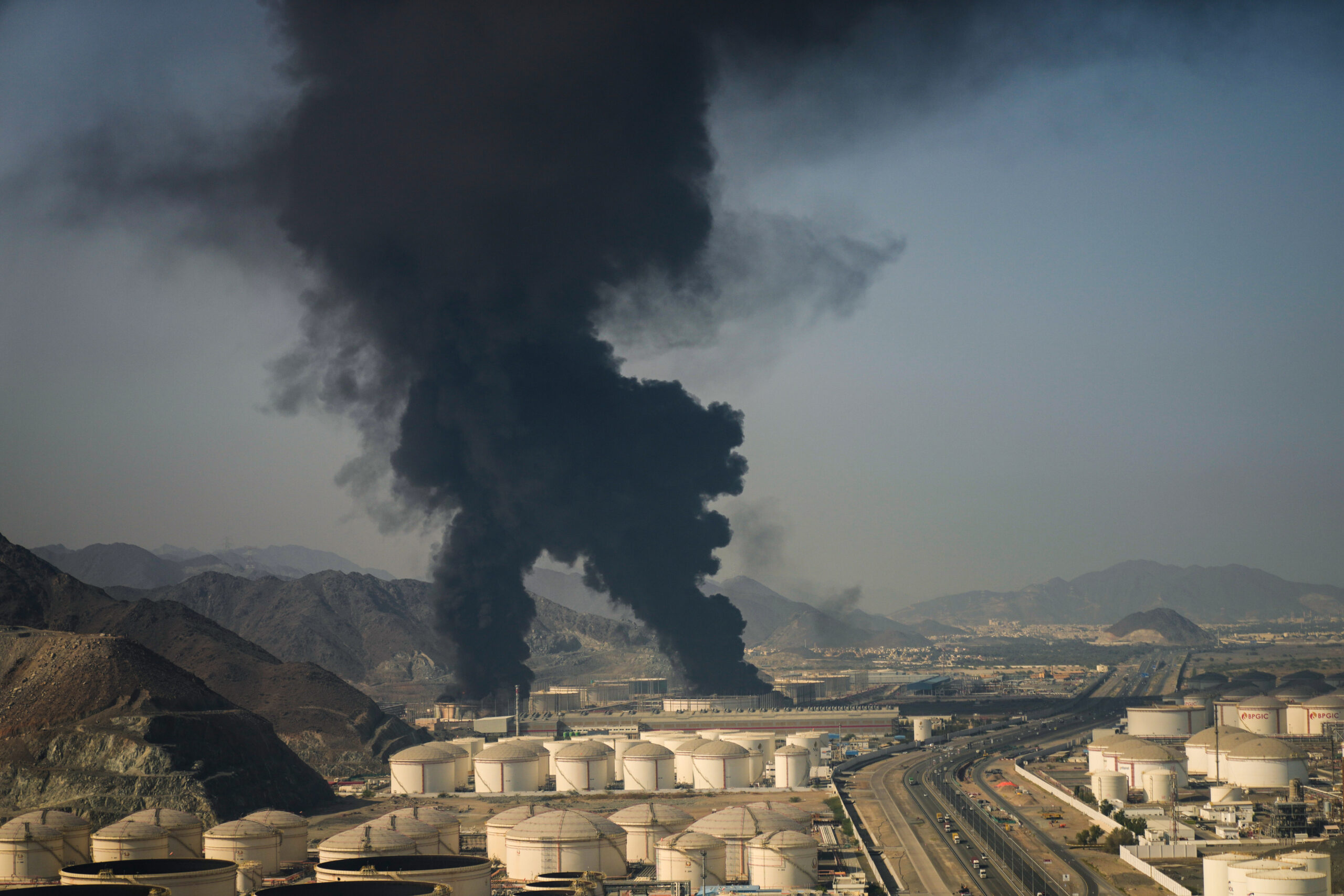
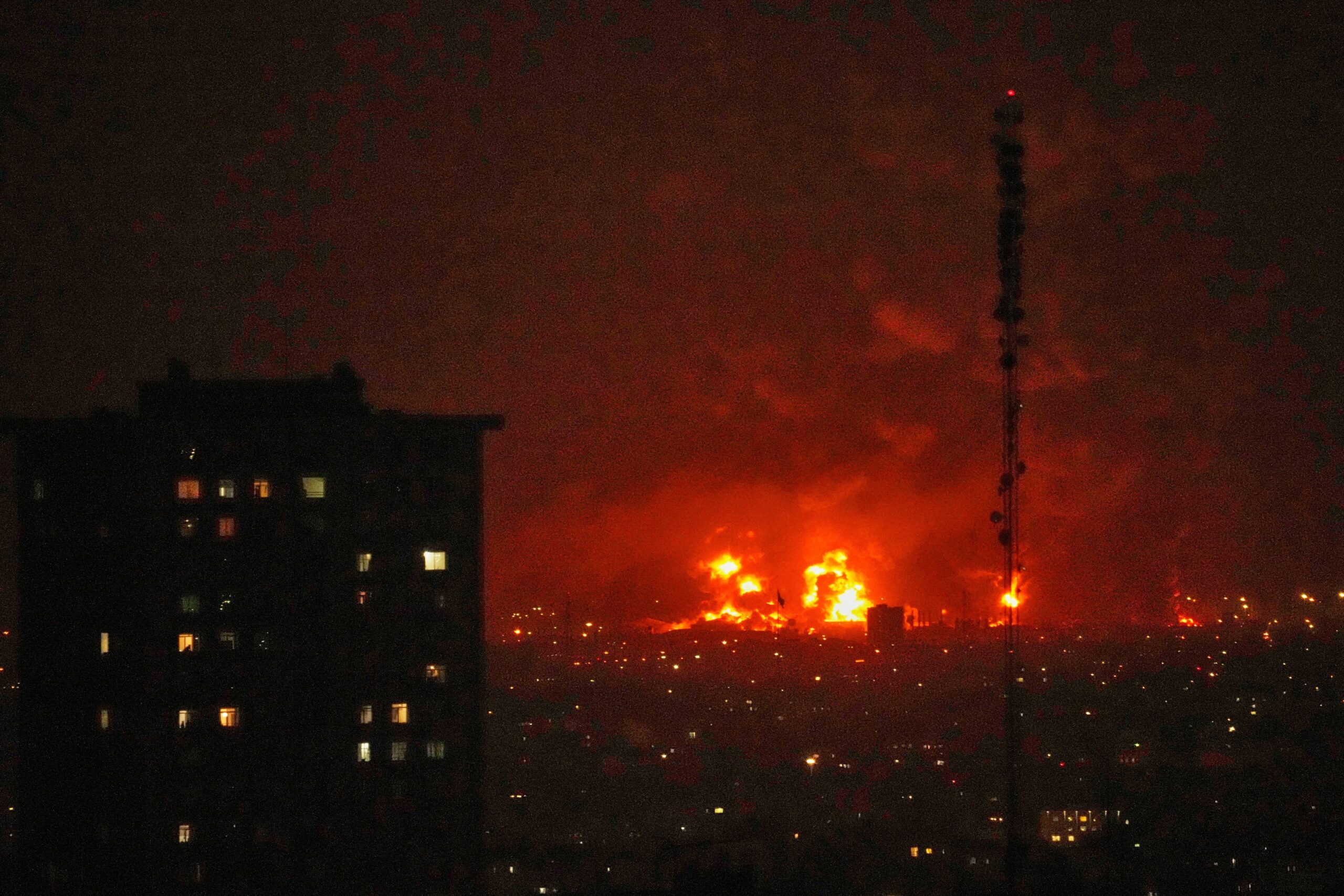
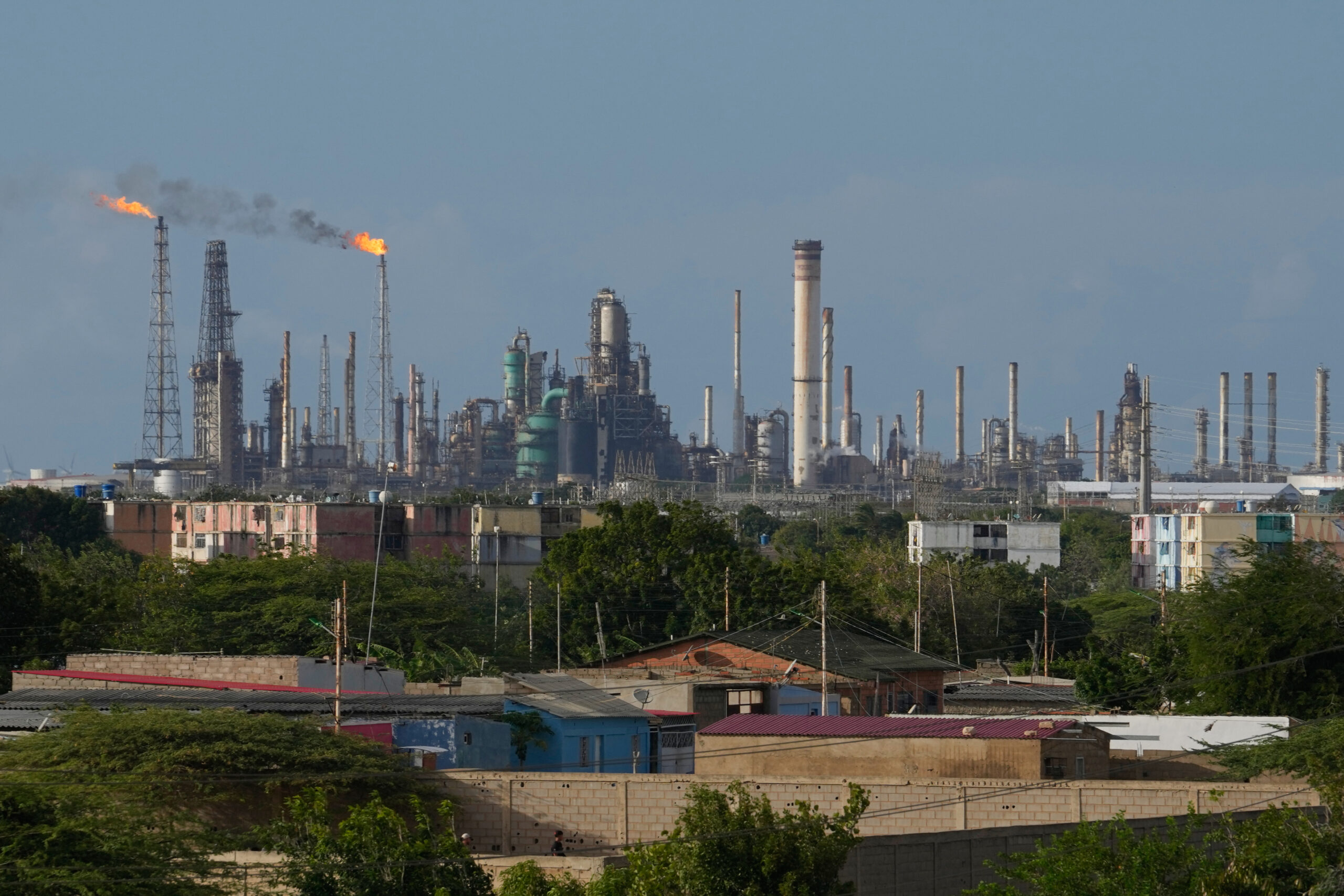
The IEA identified damage, ranging from moderate to severe, to more than 30 energy facilities across the region. These include refineries, petrochemical plants, upstream oil and gas production sites, and two of the 14 liquefaction trains at Qatar’s Ras Laffan liquefied natural gas complex. Around 20 tankers have been struck by missiles or drones. The IEA estimated the total repair bill will run into tens of billions of dollars, though precise figures cannot be established.
The IEA also noted that the search for new export routes will itself require capital. Within the Middle East, the conflict has already hastened the need to invest in bypass infrastructure to reduce reliance on the Strait of Hormuz. Higher domestic financing needs could in turn reduce outward capital flows from the Gulf’s sovereign wealth funds and national energy companies that have been a growing source of financing for infrastructure and energy projects in other regions. Any redirection of that capital toward domestic reconstruction will be felt globally.
“Revenues for some key Middle East producers are markedly lower this year … If you look at Iraq, you look at Kuwait, there’s been a very significant hit to revenues and to government income. And that could potentially constrain funds available for capital investment in some cases,” IEA Chief Energy Economist Tim Gould said in presenting the report.
Among the Gulf Cooperation Council states, the impact of the crisis has not been uniform. Saudi Arabia and the United Arab Emirates have maintained around 60% of preconflict oil export levels through their respective bypass pipelines – Saudi Arabia via the East-West pipeline to Yanbu and the UAE via the Abu Dhabi Crude Oil Pipeline to Fujairah. Oman, lying outside the strait, has been unaffected. Iraq, Kuwait, Qatar, and Bahrain, lacking alternative routes, were forced to slash exports to minimal levels within days of the closure.
Saudi Arabia’s oil revenue surged to its highest level since October 2022 in March as price gains more than offset volume losses, allowing Riyadh to press ahead with offshore increments to maintain Aramco’s 12 million barrel per day capacity and ramping up the Jafurah Basin unconventional gas development.
An International Monetary Fund mission to Riyadh in late April and May produced a detailed assessment of the Saudi economy. The “Article IV” report noted that gross domestic product had expanded by 4.5% in 2025, supported by the unwinding of OPEC+ production cuts and robust non-oil activity. The conflict has disrupted that momentum, but the IMF projects growth of around 2% for 2026, contingent on maritime shipping through the Strait of Hormuz normalizing in the coming months. “The Saudi economy is proving resilient in the face of the war in the Middle East thanks to strong fundamentals and diversified logistical and oil infrastructure. The war has nonetheless disrupted its momentum, curtailing oil exports and weighing on non-oil activity and confidence,” the report noted.
The IMF credited the rapid rerouting of crude through the East-West pipeline, combined with Aramco’s overseas inventories, with limiting the drop in oil deliveries. It identified Saudi Arabia’s low government debt, ample reserves, and large sovereign wealth fund as important buffers. It projected average inflation would rise to around 2.3%, as higher shipping and insurance costs add upward pressure. Higher oil prices are expected to offset volume losses, reducing both the current account and fiscal deficits in 2026.
The IMF flagged escalation risk as the primary downside scenario, warning that a more prolonged conflict could erode investor confidence and weaken medium-term growth and Vision 2030 diversification prospects. It called for sustaining reform momentum regardless of how the conflict resolves, with priorities including improving the business environment, deepening capital markets, and scaling artificial intelligence adoption.
The UAE is also pressing ahead with its investment drive. It has announced $55 billion in new project awards for 2026-28, and Abu Dhabi’s crown prince has called for accelerated delivery of a new bypass pipeline due online in 2027. Oman, meanwhile, is actively marketing its position outside the strait as a competitive advantage to investors in its ongoing bid rounds. Kuwait, which has no alternative export routes outside the Strait of Hormuz, entered 2026 targeting 4 mb/d of production capacity by 2035 and had launched a major foreign investment drive in February. Both are effectively on hold.
Iraq, which relies almost exclusively on oil exports to finance its budget, has been hit hard with loadings at its southern ports suspended, forcing it to shut down all but around 1 mb/d of production. It managed to resume modest oil exports through Turkey and some overland shipments through Syria, but volumes are a fraction of preconflict levels. The revenue hit to both Iraq and Kuwait is severe, and the IEA warned that this could constrain capital investment for years.
Qatar’s energy infrastructure has been hit the hardest. Repairs to the two affected liquefaction trains at Ras Laffan are expected to take three to five years. Saad Sherida Al Kaabi, Qatar’s minister of energy and CEO of QatarEnergy, has estimated the annual revenue cost at up to $20 billion.
Qatar’s first quarter fiscal results, released May 26, provide a picture of the conflict’s economic impact on a major Gulf energy producer and one of the world’s top three LNG exporters. With the disruption covering only one month of the quarter, the figures are likely to understate the full damage.
Total revenue collapsed to $10.4 billion in the first quarter of 2026, 27% below the previous quarter and 23.5% below the same period in 2025. Oil and gas revenue of $9 billion, while still above lows during the coronavirus pandemic, were the weakest since the second quarter of 2021 and are expected to fall further in the second quarter as the full impact of the closure is felt. Nonhydrocarbon revenue dropped to a nine-quarter low of $1.39 billion as aluminum, fertilizer, and other industrial producers reported declines in sales. The fiscal deficit nearly doubled from $1.5 billion in the fourth quarter of 2025 to $2.8 billion in the first quarter of 2026.
Qatar’s finance minister, Ali bin Ahmed Al Kuwari, said during the IMF Spring Meetings in April that the country could absorb the shock without tapping funds from the Qatar Investment Authority, which held an estimated $689 billion in assets at the start of the year. Central bank reserves, which stood at $72 billion in March, provide additional cushion.
Meanwhile, QatarEnergy has resumed work on the North Field LNG expansion – targeting an increase in production capacity from 77 million metric tons per year to 142 million mt/y. However, restoring full export capacity from the damaged trains will take years.
Oman’s fiscal position stands in contrast to most of its neighbors’. Its first quarter deficit shrank to just $60 million, down from $350 million in the same period in 2025, as revenue rose 13% to $7.75 billion. The revenue windfall from the March oil price surge has yet to be fully reflected in the accounts – a three-month lag between oil sales and revenue collection means the March price spike will flow into June revenue. With oil markets unlikely to normalize before 2027, Oman is on track to significantly outperform its 2026 budget, which had projected a full year deficit of $1.4 billion.
Against the Gulf backdrop, the IEA’s global investment figures reflect a sector responding to heightened security concerns. Total global energy investment is expected to reach $3.4 trillion in 2026, up 5% from 2025, led by China, the United States, and the European Union. Clean energy captures $2.2 trillion – almost double fossil fuel investment – with electricity-related spending accounting for nearly 60% of all global energy investment. Investments in electricity supply and infrastructure are expected to reach $1.6 trillion.
Global investment in new oil production capacity is projected to decline for the third consecutive year, to less than $500 billion, despite higher prices, according to the IEA’s estimate. “Outside of the Middle East, short-term investment responses are constrained by uncertainty over the duration of the oil price spike, but also by long project cycles, infrastructure bottlenecks, depleted exploration portfolios and tight offshore rig markets,” it wrote.
While investment in upstream oil investment is expected to decline, investment in natural gas is set to reach $330 billion – its highest level in a decade – driven partly by a 25-year high in new gas-fired power plant orders of 130 gigawatts in 2025, with U.S. data center demand a significant factor.
The long-term impact of the Strait of Hormuz crisis will have far reaching implications for the regional and global investment landscape. Investment priorities are already shifting toward infrastructure resilience, export diversification, and development of domestic energy resources. Even if traffic through the strait returns to normal, the security concerns exposed by the crisis are likely to influence investment decisions for years to come.
The views represented herein are the author's or speaker's own and do not necessarily reflect the views of AGSI, its staff, or its board of directors.
The Iran war has triggered what energy experts have described as the world’s worst energy crisis. And what is certain is that the prewar energy order will be redrawn.
The oil market is no longer anchored by a shared baseline. Instead, it is being pulled in different directions by competing assumptions about geopolitics, prices, and economic resilience.
Saudi Arabia’s ability to maintain its reputation as a reliable supplier in the months ahead will depend on how quickly it can repair damaged assets and keep several imperfect routes operating at the same time.
Egypt has become the indispensable transit state linking Saudi Arabia's Red Sea infrastructure with global markets. But that strategic importance may also have exposed it to the same risks facing Gulf producers.
The vulnerability of the world's most important energy chokepoint has been laid bare, setting in motion changes that are likely to outlast the conflict.
The Iran war has triggered what energy experts have described as the world’s worst energy crisis. And what is certain is that the prewar energy order will be redrawn.