Jun 5, 2026
Iran’s Struggling Automative Industry
The June 5 edition of the Iran Media Review highlights an Iranian newspaper’s report on the issues facing Iran’s automative industry.

While Iranian authorities attempt to project an image of self-confidence, Iran’s industrial sector is struggling to keep up production in the wake of Israeli and U.S. bombardments.
- June 5: A report published by economic newspaper Donya-ye Eqtesad noted:
- “The latest production figures from the country’s three largest automakers show that the downward trend in output, which began in March of last year, continued in May. As a result, total passenger vehicle production during the first two months of the current Iranian year fell by 48% compared to the same period last year.”
- “Among the three major automakers, Pars Khodro recorded the steepest decline, with production plunging 78%, making it the worst performer in terms of output contraction during the first two months of the year. The company’s production volume has fallen to its lowest level in recent years, suggesting that part shortages, liquidity constraints, and disruptions to production planning have affected its operations more severely than those of its competitors.”
- “Following Pars Khodro, SAIPA posted a 66% decline in production. This downturn could create additional challenges for the company in the coming months, as a significant portion of last year’s sale commitments remain outstanding. Lower production levels are likely to make it more difficult for the company to fulfill those obligations.”
- “By contrast, Iran Khodro, despite experiencing a 33% drop in output, appears to be in a relatively better position than the other two automakers. Although the company has not been immune to the broader problems facing Iran’s automotive industry, it seems to have managed some of the effects of the war, liquidity shortages, and supply-chain disruptions more effectively.”
The views represented herein are the author's or speaker's own and do not necessarily reflect the views of AGSI, its staff, or its board of directors.
Related
Iran Media Review
Jun 2, 2026
Tehran Warns: War in Lebanon Means No Peace With Iran
The June 2 edition of the Iran Media Review analyzes Iranian messaging about the importance of a cease-fire in Lebanon for U.S.-Iranian negotiations.
Iran Media Review
May 29, 2026
Iran’s State-Censored Media Downplays Latest Military Clashes
The May 29 edition of the Iran Media Review considers Iranian media coverage of the latest military clashes between the United States and Iran.
Iran Media Review
May 26, 2026
Permanence of Neither War Nor Peace?
The May 26 edition of the Iran Media Review examines Iranian messaging around negotiations with the United States and possible futures for Iran and the region.
Jun 2, 2026
Tehran Warns: War in Lebanon Means No Peace With Iran
The June 2 edition of the Iran Media Review analyzes Iranian messaging about the importance of a cease-fire in Lebanon for U.S.-Iranian negotiations.
May 29, 2026
Iran’s State-Censored Media Downplays Latest Military Clashes
The May 29 edition of the Iran Media Review considers Iranian media coverage of the latest military clashes between the United States and Iran.
May 26, 2026
Permanence of Neither War Nor Peace?
The May 26 edition of the Iran Media Review examines Iranian messaging around negotiations with the United States and possible futures for Iran and the region.
Analysis
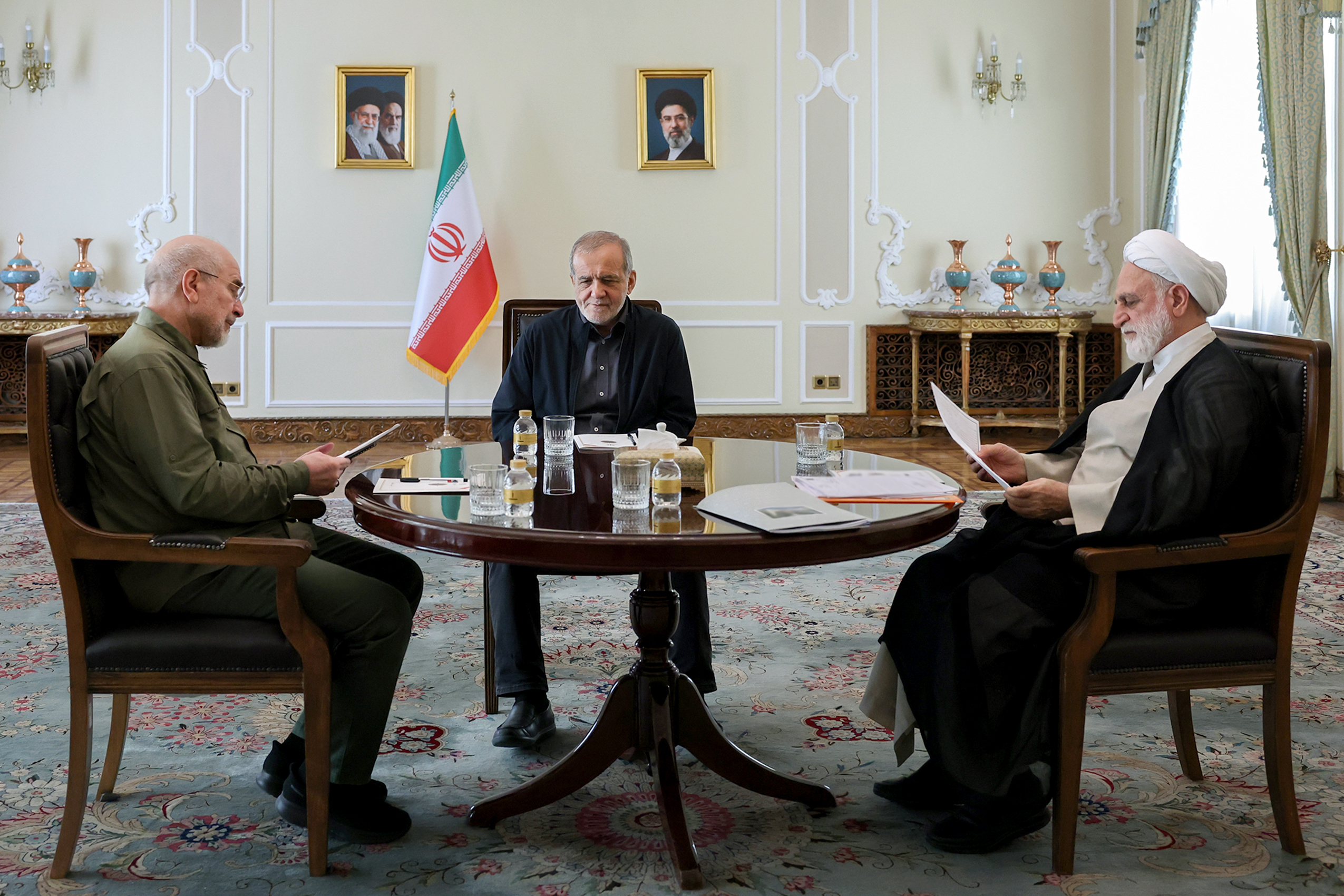
The Committee of Six and Strategic Decision Making in Iran
Remarks by Iran’s president offer a rare glimpse of how the Islamic Republic has adapted its decision making to the absence of its supreme leader.
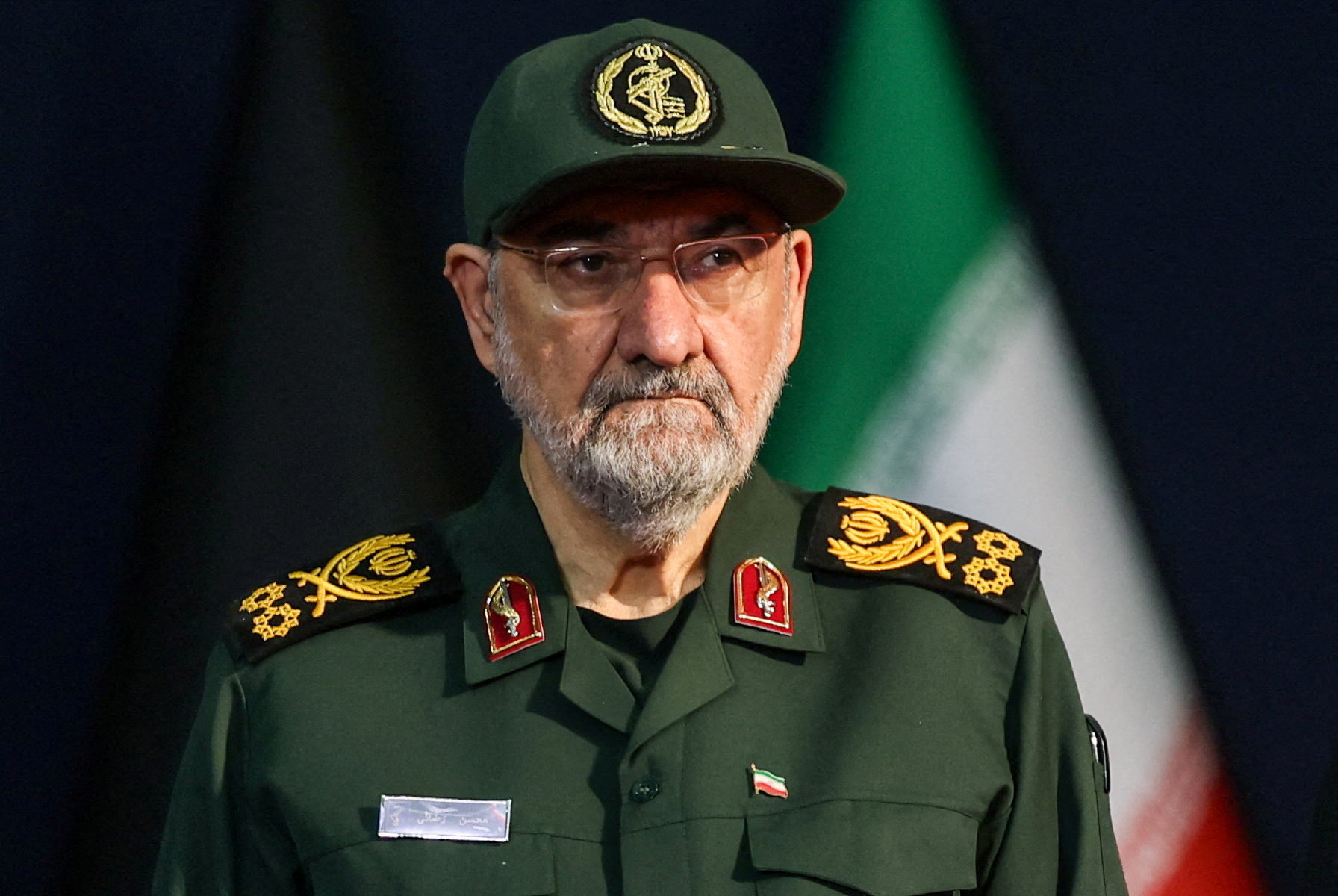
Mohsen Rezaei at the Helm of Iran’s Supreme National Security Council
Under Rezaei, the SNSC could prove constructive or paralyze strategic decision making.
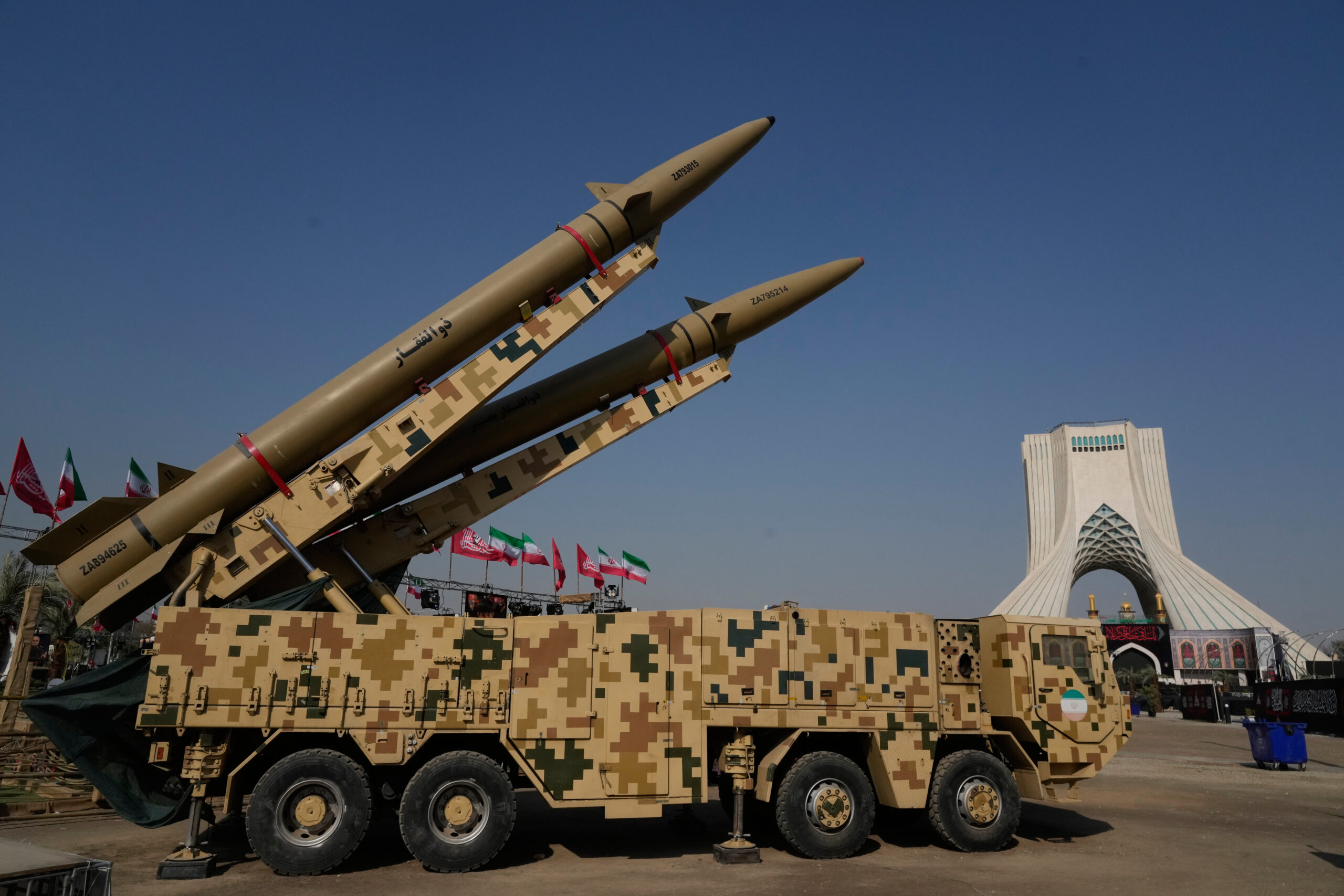
The Islamic Republic Returns to Offense
After U.S.-Israeli strikes killed Supreme Leader Ayatollah Ali Khamenei on February 28, Iran’s collective leadership has concluded that the best defense is a good offense.
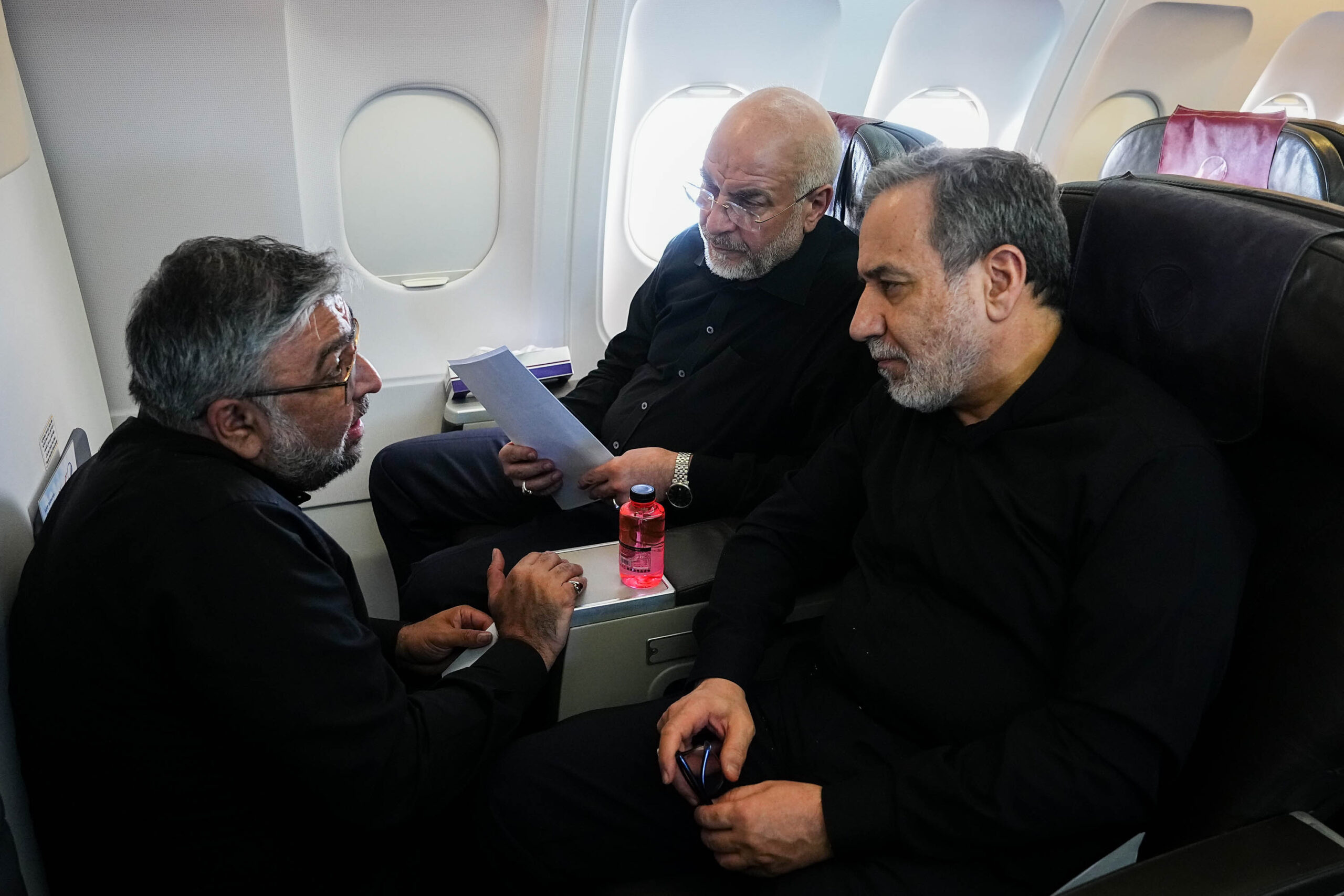
Iran’s Collective Strategic Decision Making
Wartime pressure has temporarily aligned the leadership’s overriding interest in regime survival, even as its members continue to differ over the costs, methods, and ultimate objectives of the war.
Events
Oct 6, 2026
Is the U.S.-Iran Stalemate a “New Normal” or the Prelude to Another Explosion?
On October 6, AGSI hosted a discussion on the U.S.-Iran stalemate and the prospects for a cease-fire.
Speakers



Book Talk: Iran and the Bomb: The United States, Iran and the Nuclear Question
On June 16, AGSI hosted a discussion on the evolution of Iran's nuclear program.
Speakers

Apr 21, 2026
Inside Iran’s Wartime Leadership: Power, Succession, and Regime Stability
On April 21, AGSI hosted a discussion on the evolution of Iran's leadership during the war.
Speakers

Mar 18, 2026
In Its Conflict With the United States and Israel, Does Escalation Favor Iran?
On March 18, AGSI hosted a discussion on the escalation of the Iran war.
Speakers