May 8, 2026
The World According to an IRGC Strategist
The May 8 edition of the Iran Media Review analyzes an interview with an IRGC strategist about the war and Iranian relations with the United States.
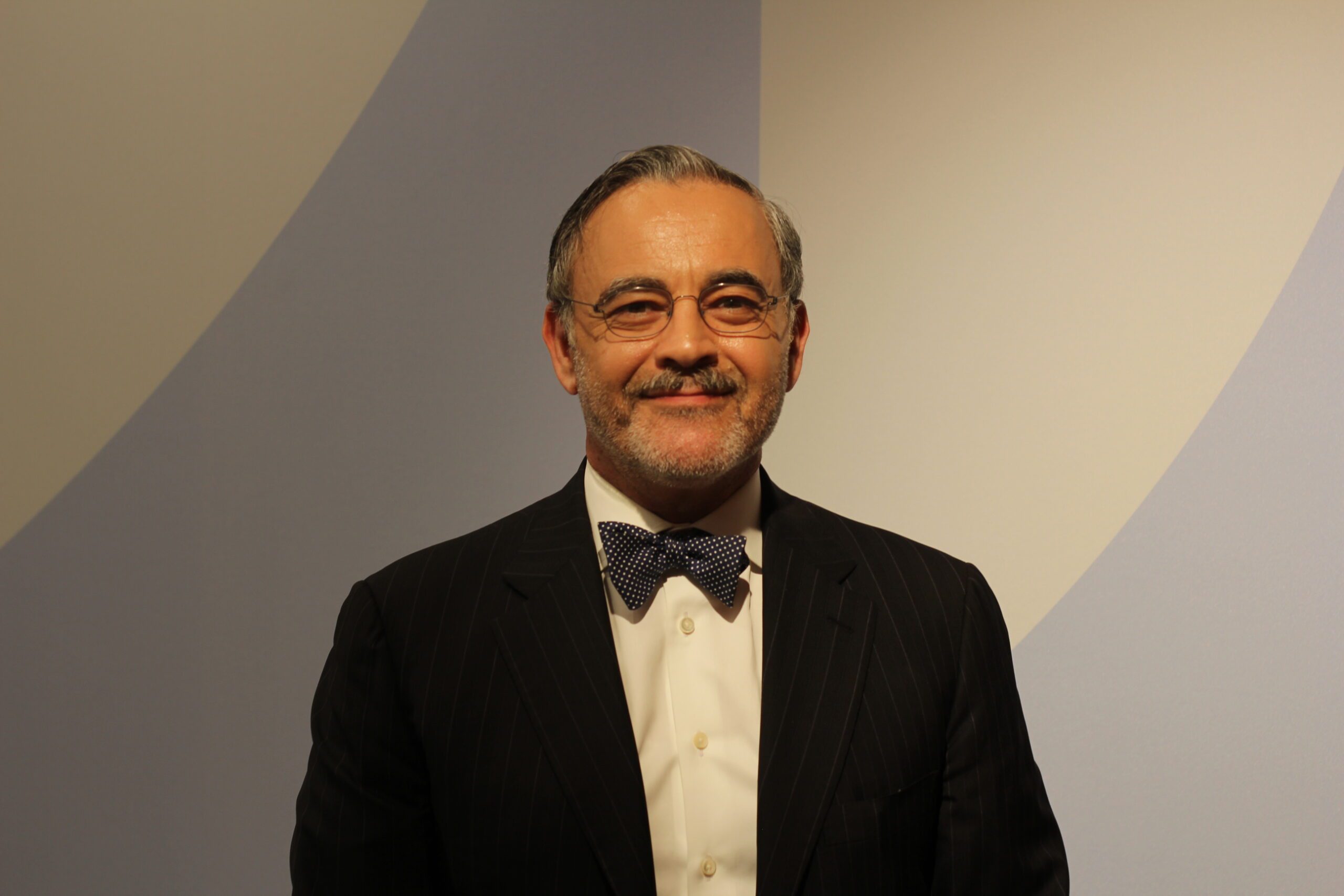
The younger generation of Islamic Revolutionary Guard Corps analysts is increasingly using social media, including YouTube, for policy advocacy, criticism of institutional rivals, strategic communication with adversaries, and shaping public opinion within Iran. Mehdi Kharatian is one such example whose statements provide a glimpse into the IRGC leadership’s thinking.
- April 29: In an interview released on Tamam Rokh’s YouTube channel, Islamic Revolutionary Guard Corps analyst Mehdi Kharatian discussed the war and events leading up to it as well as Iran’s war strategy:
- On antiregime protests in December 2025 and January 2026, Kharatian said:
- “The events of January 8 and 9 were a Mossad coup … Until December 2025, the risk of war was low, and the Israel lobby was aware of this … The warmongers in Washington had difficulty legitimizing a new war against Iran, and a civil war had to happen” in Iran.
- “On January 8 and 9, 100 cities were on the verge of collapse, and I’m using the number very carefully and not exaggerating … These were armed uprisings and, as Mr. Pompeo and others have admitted … the armed insurgents were armed by foreigners.”
- On President Donald J. Trump’s considerations prior to the war, Kharatian claimed:
- Trump was concerned about the midterm elections, but Mossad Director David “Barnea visited him and assured him that the war would be short and victorious … he further claimed Trump could use a victory in the war with Iran in future negotiations with China.”
- Kharatian also claimed Mossad blackmailed the U.S. president into engaging in the war: Jeffrey “Epstein’s organization was a cult designed by Israeli intelligence services … A war would be risky, even according to Mossad’s internal assessments. The war was not only contrary to U.S. national interests but also contrary to the interests of the Republican Party and even Trump’s personal interests,” yet the U.S. president authorized it.
- He spoke about the U.S. decision to start bombing Iran’s economic infrastructure:
- “Following failed attempts to pressure the Kurds to intervene in the war … after Mr. Trump said Iran’s borders may change … regime change also appeared to be their implicit objective … But as time passed, they realized the situation was more complex. The United States and Israel engaged in targeting the economic infrastructure … This happened once they discovered Mossad’s assessments were wrong. There was no power vacuum after the assassination of the leader … and Iran immediately began a regional war … Iran also closed the Strait of Hormuz … Separately, the Arab states and Israel engaged in a frenzy of air defense munitions … The Americans began wondering: ‘Is there really no other threat against us in this world than Iran? What do we do about China and Taiwan or Russia?’ Separately, Trump’s popularity was in decline … This is why there was also a coup within the MAGA movement, in which Israel Firsters had to defeat America Firsters … The assassination of Mr. Charlie Kirk must also be seen in this context … Under these circumstances, the Israelis persuaded Trump to strike Iran’s economic infrastructure, but an important issue remained unaddressed: what to do when Iran retaliates against Arab infrastructure? Unfortunately, we indirectly encouraged the Americans and the Israelis” to attack Iran’s economic infrastructure.
- “Our war room had planned for a 6-month war, and our missile launch rate was adjusted according to our missile arsenal, our production capacity, and anticipated Israeli strikes against our production capacity. In other words, our missile capability exceeded our response. We could have launched many more missiles. However, we behaved cautiously and patiently, calculating that we would be engaged in a 6-month campaign … The calculation was this: The closure of the Strait of Hormuz caused a hemorrhage, and our continued missile launches caused the waste of THAAD air defense systems, in particular our missiles with cluster munition heads … Had the people in the war room known the war would last only 40 days, they would have increased the launches … Instead, we should have hit Intel, and we should have hit Leviathan – this is my opinion, but others believe the same … This is why the Israelis remain convinced that they can win a war of mutual destruction of economic infrastructure.”
- On negotiations with the United States in Islamabad, Kharatian claimed:
- “We forced Trump to change to his plan b, meaning negotiations in Islamabad … Think of his first posts demanding capitulation, and compare them with his acceptance of Iran’s 10-point conditions to start negotiations … The Israelis, on the other hand, are trying to remake these negotiations into interminable and futile talks. Iran, after all, was damaged during the war. There is unemployment and inflation, and people are impatient. Sooner or later, the system will fail,” the Israelis calculated.
- “The Israeli plan, however, is flawed, since we are in possession of the Strait of Hormuz … If we did not have the Strait of Hormuz, things would have been different … These days, Trump’s assessment is that Iran’s pain tolerance is lower than his, since the global markets can endure more … He is calculating on a hot summer in Iran, electricity shortages, unemployed people who have spent all their money and are living from hand to mouth. This is what they are counting on … This is why they began making up all sorts of excuses from day one of the negotiations in Islamabad and ignoring Iran’s conditions, such as a cease-fire in Lebanon. How? The Pakistanis helped the United States … Nawaz Sharif and Shehbaz Sharif are both Saudi agents … Now, let us assume Mr. Vice President JD Vance signs an agreement with us with his own blood … What guarantee is there that Mr. Trump will remain committed to it? Does he respect international law? Does he have a sense of honor or dignity? From the Epstein files we know what kind of person he is.”
- But the Ministry of Foreign Affairs is “telling us: ‘Let us make a deal with him, and let us get it done and over with.’ Really? This guy is not even upholding U.S. law. He is claiming he is a king. Why do you think there are ‘No King’ rallies in America? Because he is not committed to the rule of law … Even Saddam Hussein was more trustworthy than this man.”
- On the midterm elections, he said:
- “Logically, Trump thinks that he can impose negotiations on Iranians … subservient elements, such as Shahbaz Munir,” a likely reference to Asim Munir, “will act as intermediaries between us to exchange drafts, and an agreement will be reached, but it is not really important. He just needs something so he can claim victory. After this, there will be primary and midterm elections, the World Cup, Xi Jinping, and the like. Simultaneously, he will gradually begin to renege on concessions he has given us, exactly as they did with us under the JCPOA. Our ‘diplomacy extremists’ do not have an answer for such behavior. They don’t know how to guarantee a text that you have agreed upon with a lunatic.”
- The interviewer said: “There may not even be a signed agreement but a de facto cease-fire and the opening of the Strait of Hormuz.”
- Kharatian responded: “Yes, and he may have a pact with the Arab states, who are threatening us … Trump will attend to the elections and declare victory, while Iran is left behind with all sorts of problems. Occasionally, Trump will also tweet something in support of future protests in Iran, and he will also issue all sorts of warnings to the government of Iran. He will keep the shadow of the war over Iran, and the final U.S. attack against Iran will be after the midterm elections … In the meantime, the CIA and Pentagon continue their work preparing for the war and cooperation with the Arab states and the like. This is what Trump has on his mind … But the Israel lobby is pressing him to do this faster. They are claiming there are conflicts among Iranian leaders and that Trump can finish the job even before the midterms … Therefore, a return to the war targeting economic infrastructure is a distinct possibility … But fortunately, we did not accept their terms in Islamabad.”
- The interviewer asked: “Now, the discussion is what we need to do in the face of the blockade. The state has decided to counter the blockade with continued closure of the strait … Is this the correct approach in your opinion?”
- Kharatian replied:
- “No, the strait has nothing to do with the blockade.”
- Iranian control “of the strait is the price we exact for this war. The United States has shown insolence by attacking us, and in return, the strait will be administered like the Suez Canal. This is my view, but the regime may have a different opinion … We are also critical of the regime. Why did we not continue activities below the threshold in the Bab el-Mandeb, Red Sea, and Indian Ocean? I don’t know why. We said that we should, and it is not just me making this argument. We are a group. I’m not saying the regime should target U.S. cruisers with missiles, but in return for U.S. confiscation of each of our ships, there must be retaliation in the eastern Mediterranean, Red Sea, or Indian Ocean … This is militarily feasible … the Bab el-Mandeb should have been on the agenda … Why was it not?”
- The interviewer asked: “Why is that so?”
- Kharatian answered: “There are certain things I know, and then there are things that are my analyses. And there are things I can’t say. What I can disclose is this: The regime believes the card of the Bab el-Mandeb should be played after a U.S. attack. In other words, the message is that, should the U.S. attack our economic infrastructure, the Bab el-Mandeb will be shut immediately … During ‘Al-Aqsa Flood,’ an Indian ship was hit near Gujarat … also in the eastern Mediterranean … Eye for an eye, ship for a ship. If necessary – I’m not saying this categorically – but if needed, measures will be used to effectively limit, not completely shut, the Bab el-Mandeb. This is my opinion. But I’m not in the war room. There are certain things that I know but can’t say.”
- Kharatian spoke about using Russia or China as a mediator and the U.S. midterm elections:
- Trump “believes time is working for him. But with the midterms looming, we must prove that time is working for us, and dismissing further talks in Islamabad was a good start … But even with sincere and honest brokers like the Omanis, we will give real concessions and get nothing but empty promises in return. Therefore, we must start a bigger game … Mr. Putin has personally told President Masoud Pezeshkian that he is willing to mediate. This is what the Russians said … Now, Trump is counting on our economic hemorrhage, correct? We need to rebuild the country fast, send the correct signals to our unemployed people, and the flow of foreign currency into the country … If Mr. Vance and Mr. Trump sign the agreement with us with their own blood, as I said before, and even if we assume they remove sanctions in Congress, do you expect J. P. Morgan to establish an office in Tehran the day after? Are we going to receive a flood of Airbus and Boeing airplanes? Such talk is delusional … What do you want to do after the war? Do you want to bow in front of the House of al-Nahyan and beg them to establish businesses in Dubai again? Why don’t we choose Hong Kong? With whom do we need to talk to make that happen? Prior to the war, the Chinese, who knew there would be war in Iran … told us they were ready to invest in Iran’s tourism sector – meaning they were ready to guarantee Chinese tourists to Iran. Do you know what this means? Hundreds of millions of middle-class Chinese who visit other countries. They spend so much money that China uses it as an instrument of pressure. China is the only country in the world that has such power … Had we reached an agreement with the Chinese, we could have solved our unemployment problem once the war is over … The Russians and the Chinese must be involved. We need to talk with them. Central Asia and containing Salafism and pan-Turkism are shared concerns for us … Once we engage in this kind of talks with them, we can also involve them in our talks with the United States as mediators … The Russians would not allow the United States to suddenly change their draft proposal. The Pakistanis can’t do such a thing, but the Russians and the Chinese could … And the Chinese and Russians will demand concessions from the United States with regard to Taiwan and Ukraine in return for helping Trump out of the mess in Iran.”
- Kharatian addressed Iranian demands from Russia and China:
- “Russia and China can guarantee a deal between us and the United States, and if, or when, Trump reneges on his promises, we will have a prior understanding with the Chinese to give us free access to the North Koreans so we can build a nuclear bomb, or at least Russia or China will provide us with latest generation fighter planes.”
- On antiregime protests in December 2025 and January 2026, Kharatian said:
The views represented herein are the author's or speaker's own and do not necessarily reflect the views of AGSI, its staff, or its board of directors.
Related
Iran Media Review
May 5, 2026
The UAE Targeted by Iran’s State-Censored Media and Armed Drones
The May 5 edition of the Iran Media Review examines Iranian media messaging threatening the United Arab Emirates.
Iran Media Review
May 1, 2026
Ayatollah Khamenei’s “National Day of the Persian Gulf” Message
The May 1 edition of the Iran Media Review highlights a message from Iran’s absent supreme leader and considers how much authority he maintains.
Iran Media Review
Apr 28, 2026
Iran’s Shuttered Ports: Trade Collapse, Job Losses, and the Rise of Smuggling
The April 28 edition of the Iran Media Review considers a new report on an economic crisis facing Iran’s coastal economy.
May 5, 2026
The UAE Targeted by Iran’s State-Censored Media and Armed Drones
The May 5 edition of the Iran Media Review examines Iranian media messaging threatening the United Arab Emirates.
May 1, 2026
Ayatollah Khamenei’s “National Day of the Persian Gulf” Message
The May 1 edition of the Iran Media Review highlights a message from Iran’s absent supreme leader and considers how much authority he maintains.
Apr 28, 2026
Iran’s Shuttered Ports: Trade Collapse, Job Losses, and the Rise of Smuggling
The April 28 edition of the Iran Media Review considers a new report on an economic crisis facing Iran’s coastal economy.
Analysis
The Islamic Republic Returns to Offense
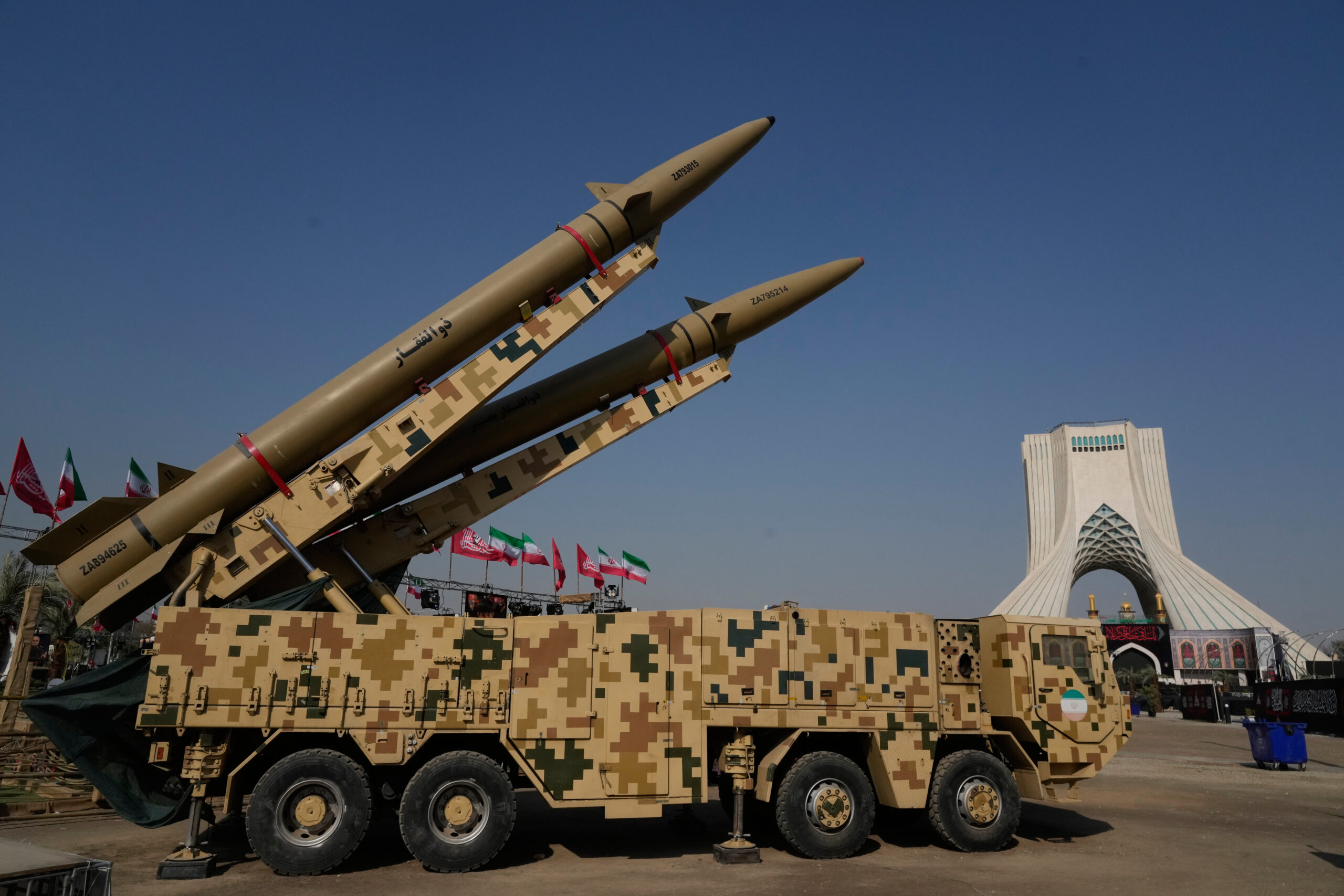
After U.S.-Israeli strikes killed Supreme Leader Ayatollah Ali Khamenei on February 28, Iran’s collective leadership has concluded that the best defense is a good offense.
Iran’s Collective Strategic Decision Making
Wartime pressure has temporarily aligned the leadership’s overriding interest in regime survival, even as its members continue to differ over the costs, methods, and ultimate objectives of the war.
The Islamic Republic’s Collective Leadership
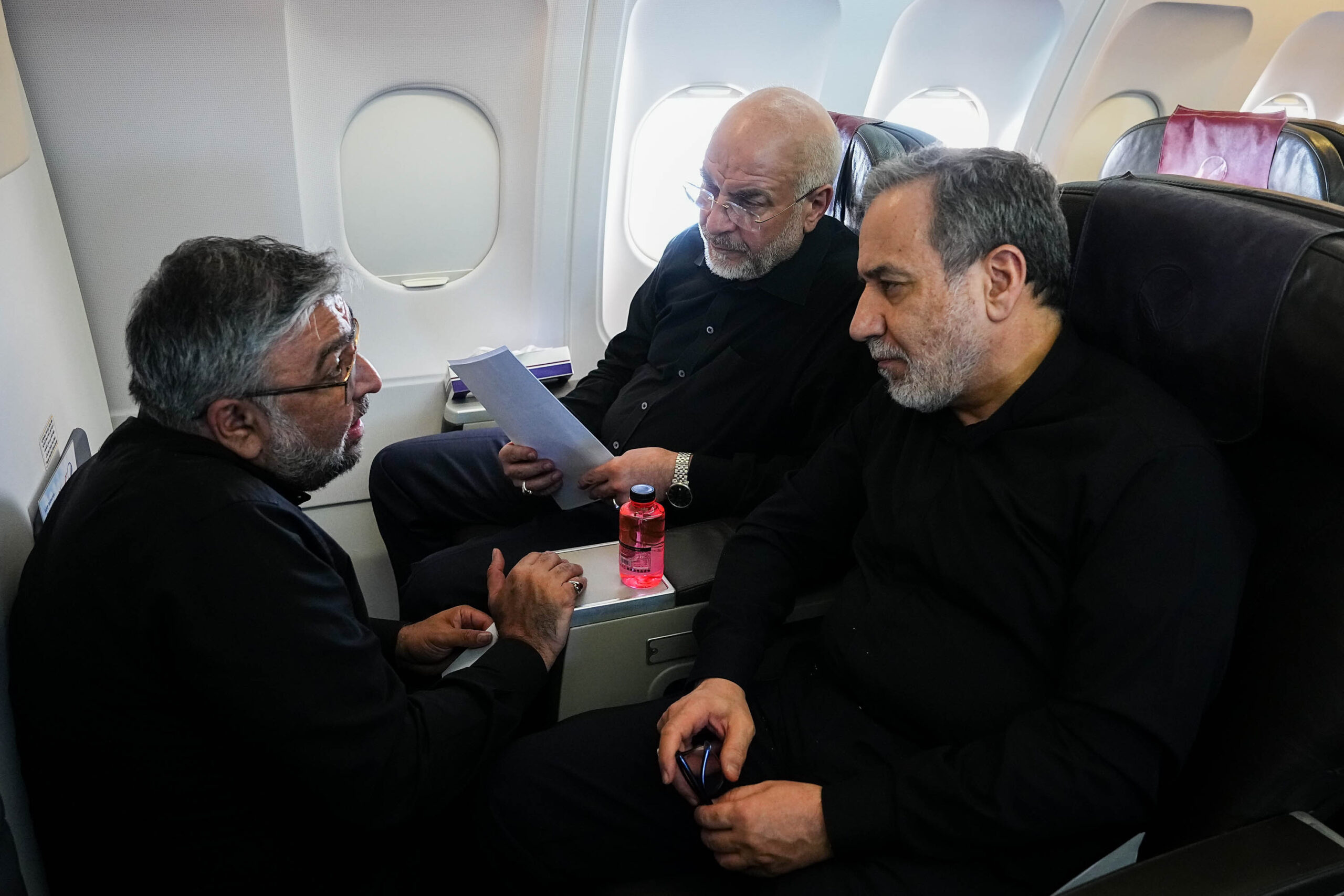
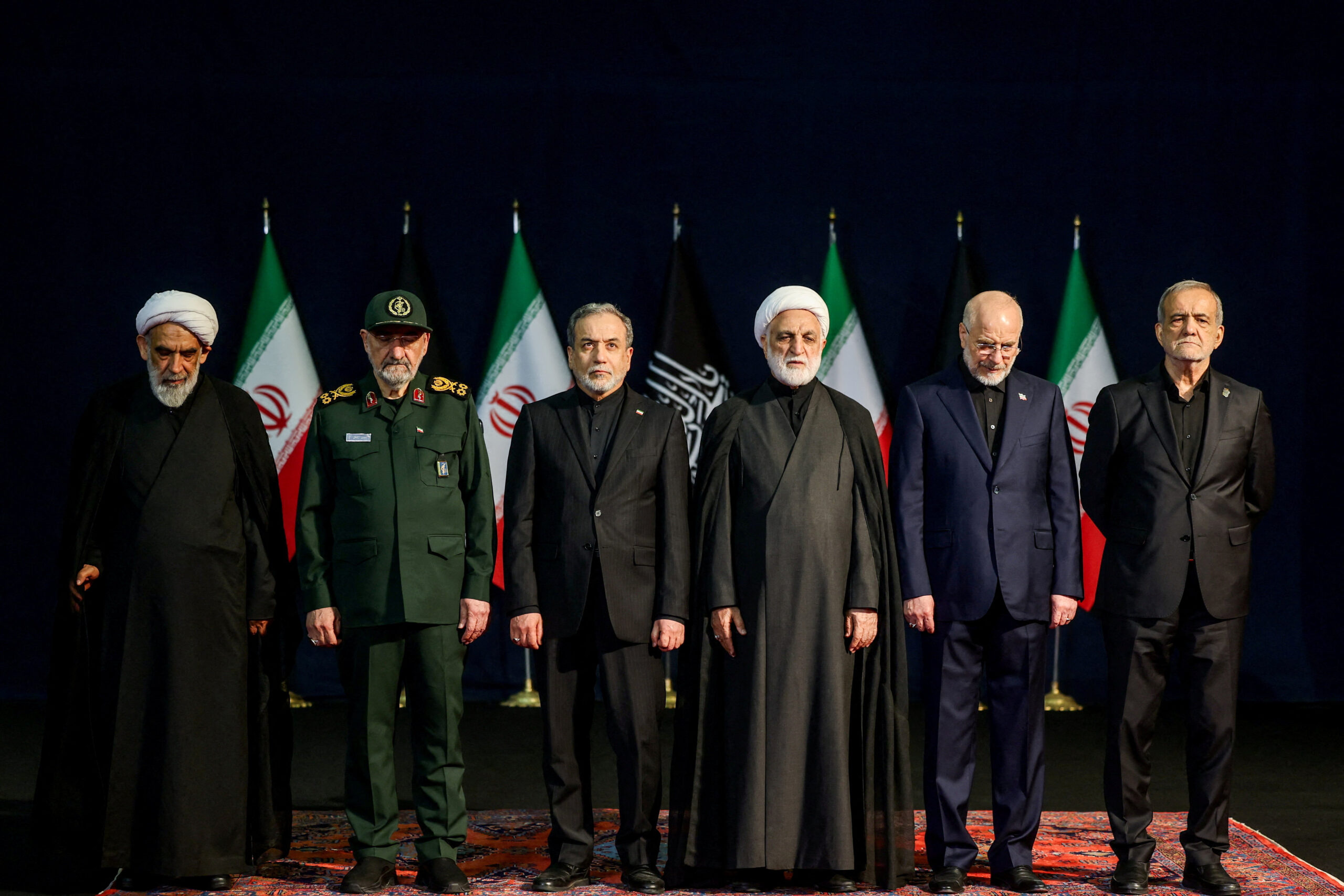
While there is historical precedent for collective leadership in Iran, today’s leadership includes representatives of the IRGC and regular military – a reflection of the IRGC’s expanding role and the necessities of governing under wartime conditions.
How Did the IRGC Seize Power in Iran?
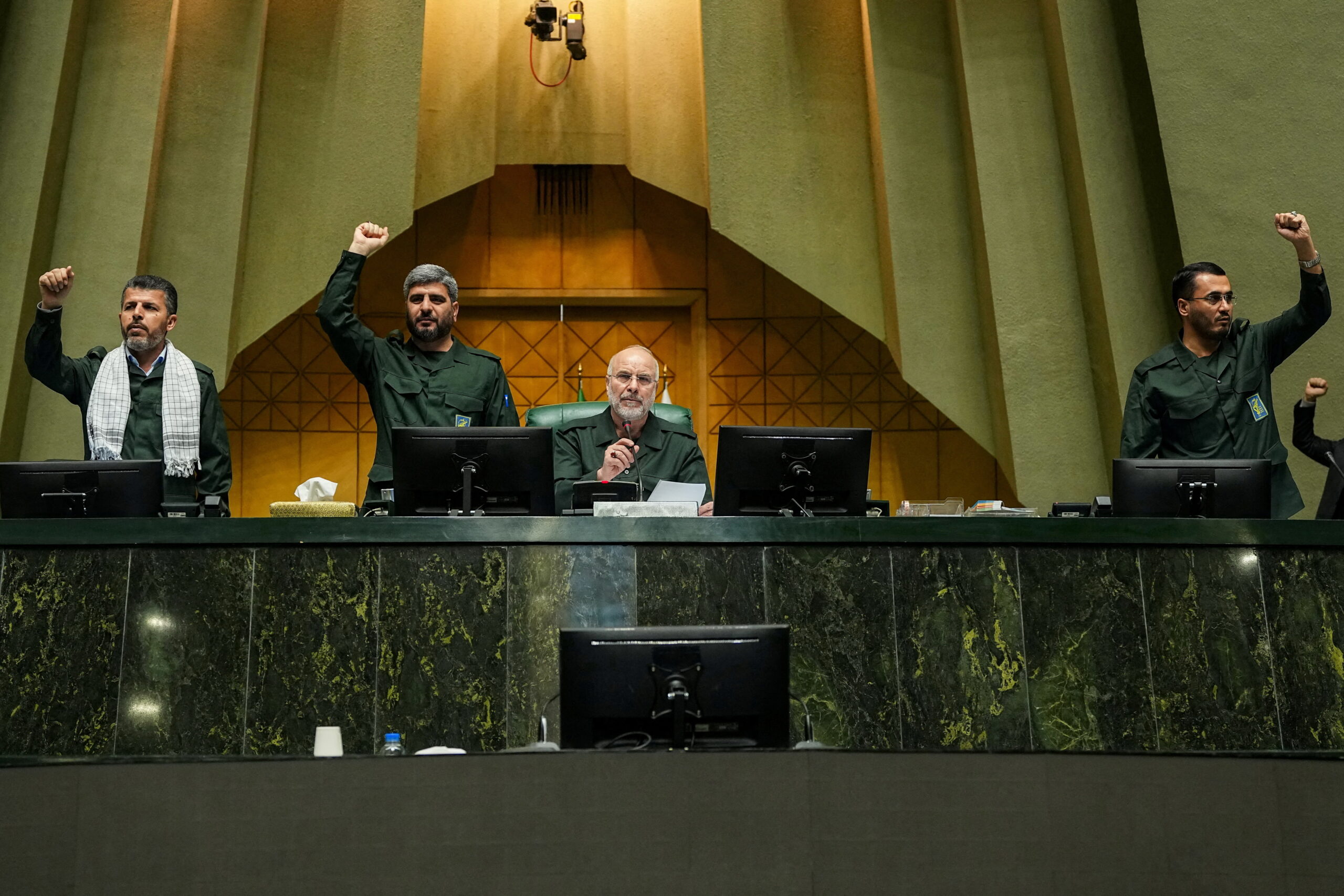
The IRGC did not seize power in a single stroke. It accumulated it – patiently, methodically – until no counterweight remained.
Events
Oct 6, 2026
10:00am - 11:00am
Is the U.S.-Iran Stalemate a “New Normal” or the Prelude to Another Explosion?
On October 6, AGSI will host a discussion on the U.S.-Iran stalemate and the prospects for a cease-fire.
Speakers



Book Talk: Iran and the Bomb: The United States, Iran and the Nuclear Question
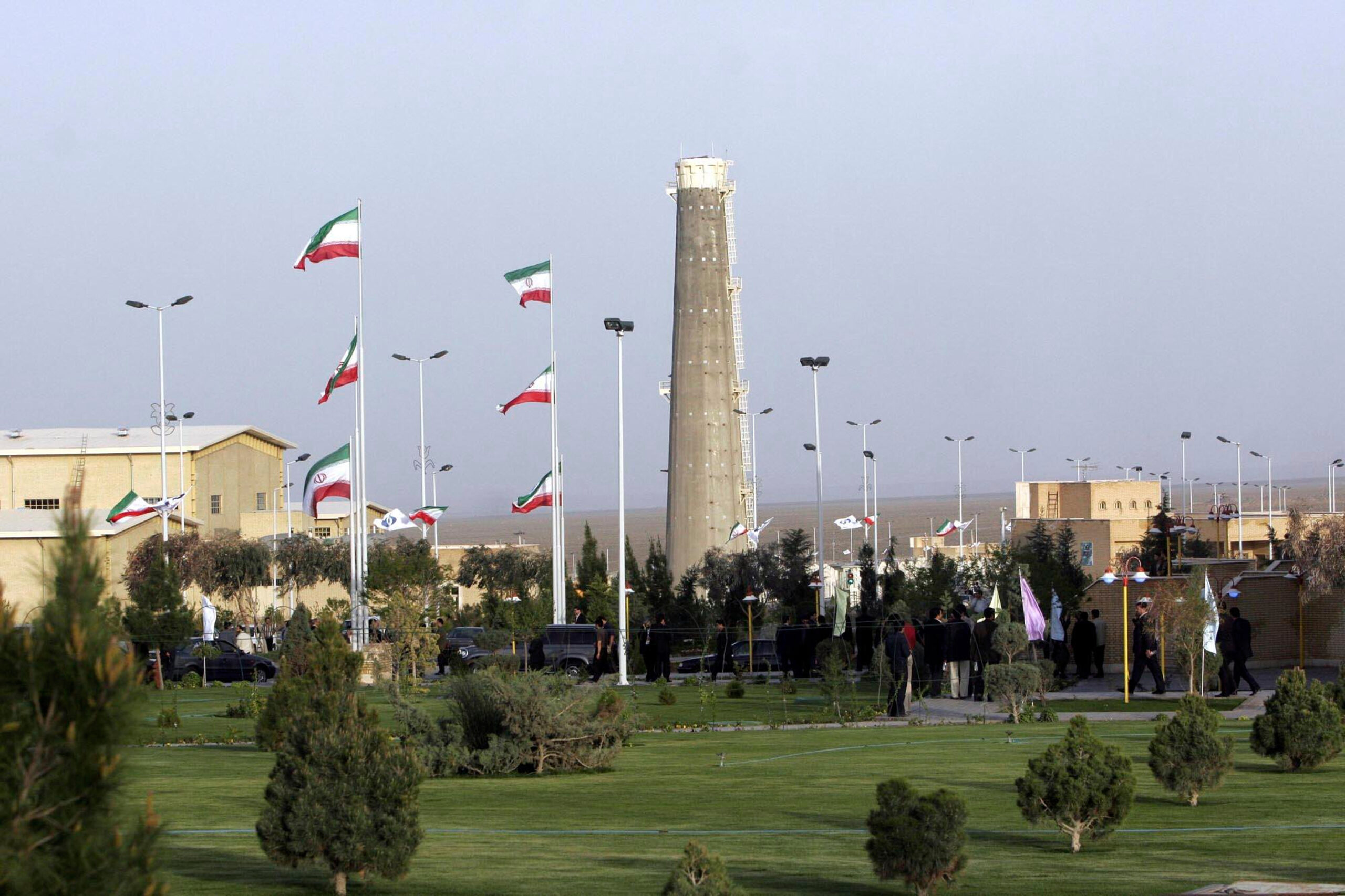
On June 16, AGSI hosted a discussion on the evolution of Iran's nuclear program.
Speakers
Apr 21, 2026
Inside Iran’s Wartime Leadership: Power, Succession, and Regime Stability
On April 21, AGSI hosted a discussion on the evolution of Iran's leadership during the war.
Speakers

Mar 18, 2026
In Its Conflict With the United States and Israel, Does Escalation Favor Iran?
On March 18, AGSI hosted a discussion on the escalation of the Iran war.
Speakers