May 5, 2026
The UAE Targeted by Iran’s State-Censored Media and Armed Drones
The May 5 edition of the Iran Media Review examines Iranian media messaging threatening the United Arab Emirates.

Since the February 28 U.S. and Israeli strikes against Iran, Iran’s state-censored media has focused on the member states of the Gulf Cooperation Council, most recently on perceived divisions within the United Arab Emirates. Islamic Revolutionary Guard Corps strategist Mehdi Kharatian gave an interview to the Tamam Rokh channel, with unknown affiliation, April 29. Since a May 2 post on X by the ruler of Dubai ruler, Mohammed bin Rashid al-Maktoum, Iranian analysts have sought to point out perceived fissures within the UAE. Furthermore, on May 4, Iran reportedly targeted the Fujairah Oil Industry Zone in the UAE, as well as oil tankers, to increase the risks associated with exporting oil through alternatives to the Strait of Hormuz.
- April 29: In an interview released on Tamam Rokh’s YouTube channel, Islamic Revolutionary Guard Corps strategist Mehdi Kharatian warned the United Arab Emirates:
- “In our dealings with Israel, and even the United States, we have led them to misassess us. Should the war begin again, we will bring the Emirates back to the era of riding camels. We will do this. If necessary, we will occupy Abu Dhabi – we will do so if required. The Emiratis have engaged in evil in this region, and it is not limited to us.”
- May 4: IRGC-affiliated Tasnim News Agency’s Ali-Reza Majidi analyzed Mohammed bin Rashid al-Maktoum’s X post in a video, fragments of which were released on the Telegram channel of IRGC-affiliate Akhbar va Tahlil-e Jang. Part one is an account of the X post, while part two and part three are more analytical:
- Majidi: If UAE President Mohammed bin Zayed al-Nahyan “decides to continue his shameful obstinance, this could create a real crisis within the UAE. What does it all mean for Iran? Power is in the hands of Abu Dhabi. If it chooses unilateralism, it has the means to do so, but the war will not end in a way benefiting the UAE. Bin Zayed’s risk has gone up considerably. If he commits such a mistake, and not benefitting from the war, his trouble will begin once the war is over, when we will witness wobbly governance in Abu Dhabi.”
- Interviewer: “Is it possible to legally oppose him or the prime minister?”
- Majidi: “Yes, there are legal paths, but as far as I remember, Abu Dhabi has veto in the Federal Supreme Council. If something is imposed on him, he can veto it. There is one legal structure and a parallel real structure. Military and security are the monopoly of Abu Dhabi. Possessing these powers, in the world of reality, it can act unilaterally.”
- May 4: Centrist Asr-e Iran, quoting the UAE Defense Ministry, reported four missiles and one armed drone were launched against Emirati territory, causing a fire in Fujairah Oil Industry Zone.
The views represented herein are the author's or speaker's own and do not necessarily reflect the views of AGSI, its staff, or its board of directors.
Related
Iran Media Review
May 1, 2026
Ayatollah Khamenei’s “National Day of the Persian Gulf” Message
The May 1 edition of the Iran Media Review highlights a message from Iran’s absent supreme leader and considers how much authority he maintains.
Iran Media Review
Apr 28, 2026
Iran’s Shuttered Ports: Trade Collapse, Job Losses, and the Rise of Smuggling
The April 28 edition of the Iran Media Review considers a new report on an economic crisis facing Iran’s coastal economy.
Iran Media Review
Apr 24, 2026
Iranian Leadership Projects Continuity and Unity
The April 24 edition of the Iran Media Review examines Iranian leadership messaging projecting unity.
May 1, 2026
Ayatollah Khamenei’s “National Day of the Persian Gulf” Message
The May 1 edition of the Iran Media Review highlights a message from Iran’s absent supreme leader and considers how much authority he maintains.
Apr 28, 2026
Iran’s Shuttered Ports: Trade Collapse, Job Losses, and the Rise of Smuggling
The April 28 edition of the Iran Media Review considers a new report on an economic crisis facing Iran’s coastal economy.
Apr 24, 2026
Iranian Leadership Projects Continuity and Unity
The April 24 edition of the Iran Media Review examines Iranian leadership messaging projecting unity.
Analysis
The Islamic Republic Returns to Offense
After U.S.-Israeli strikes killed Supreme Leader Ayatollah Ali Khamenei on February 28, Iran’s collective leadership has concluded that the best defense is a good offense.
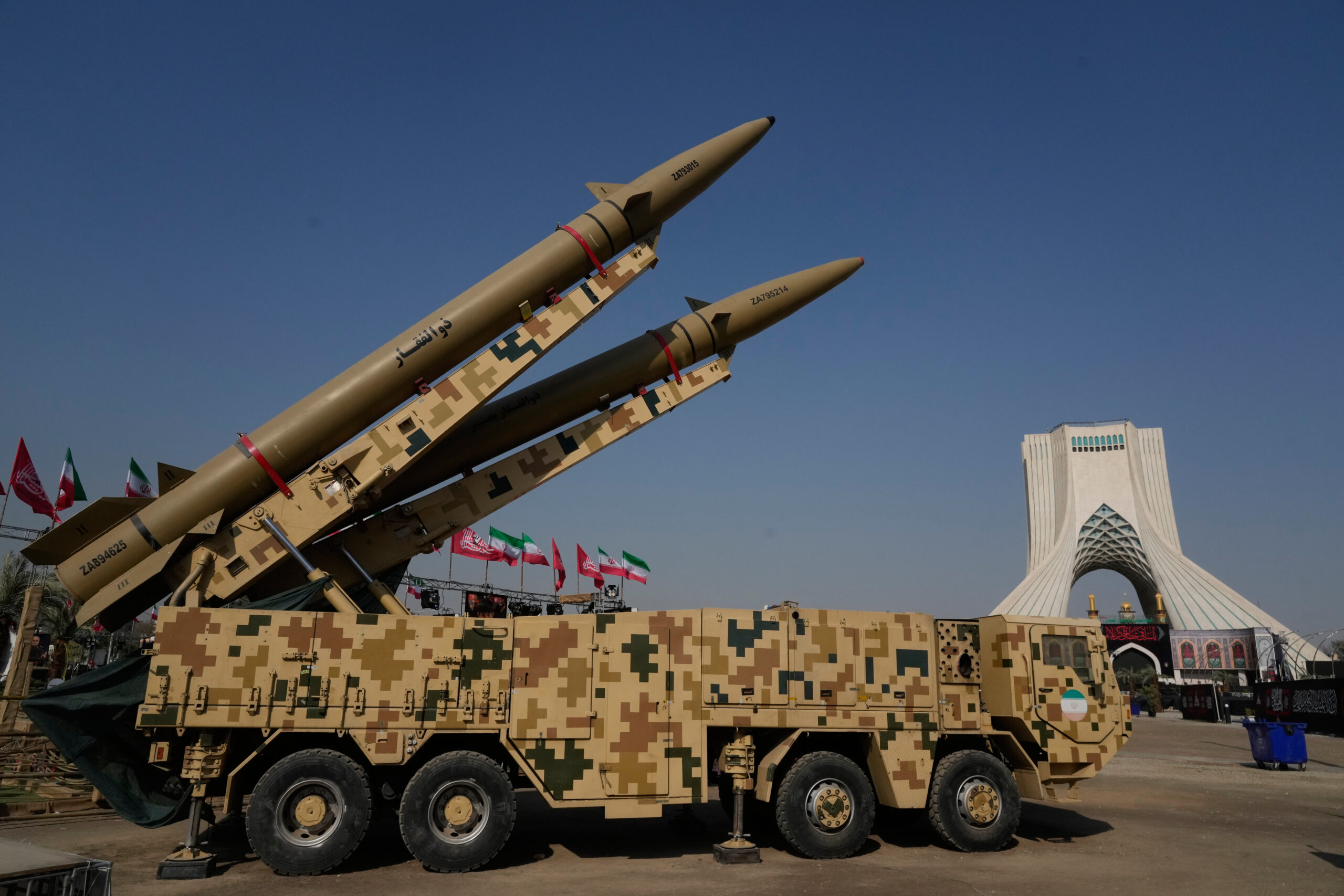
Iran’s Collective Strategic Decision Making
Wartime pressure has temporarily aligned the leadership’s overriding interest in regime survival, even as its members continue to differ over the costs, methods, and ultimate objectives of the war.
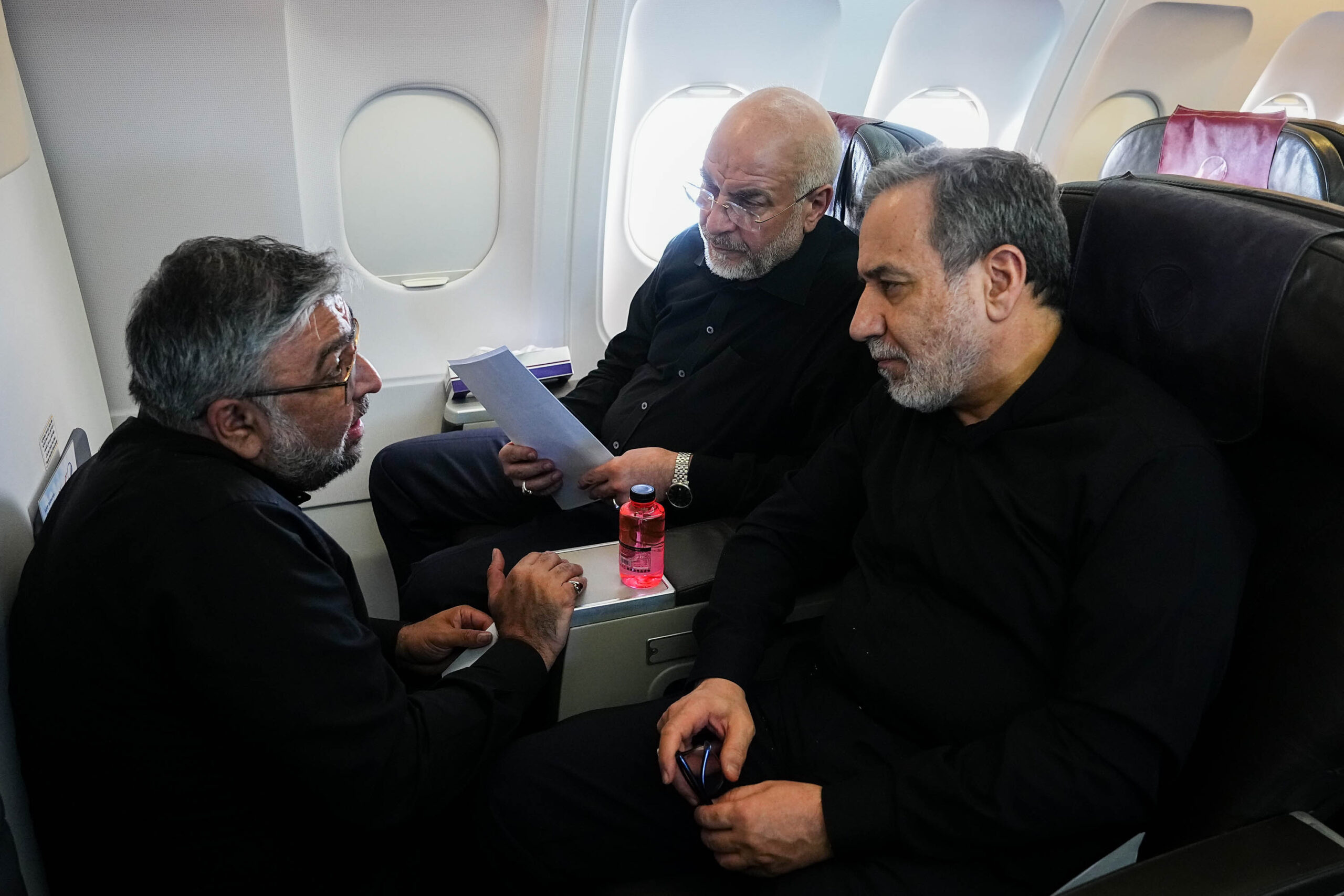
The Islamic Republic’s Collective Leadership
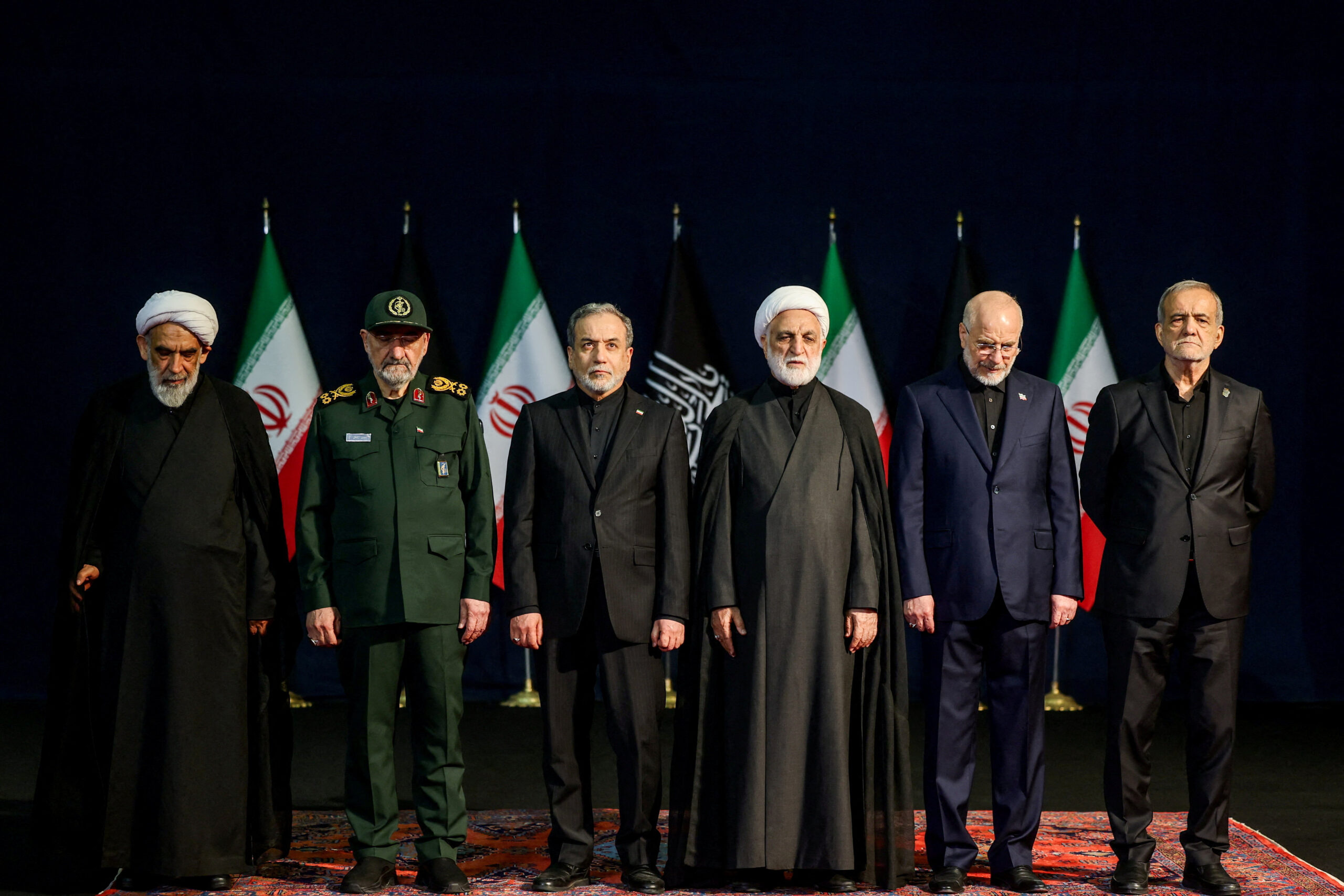
While there is historical precedent for collective leadership in Iran, today’s leadership includes representatives of the IRGC and regular military – a reflection of the IRGC’s expanding role and the necessities of governing under wartime conditions.
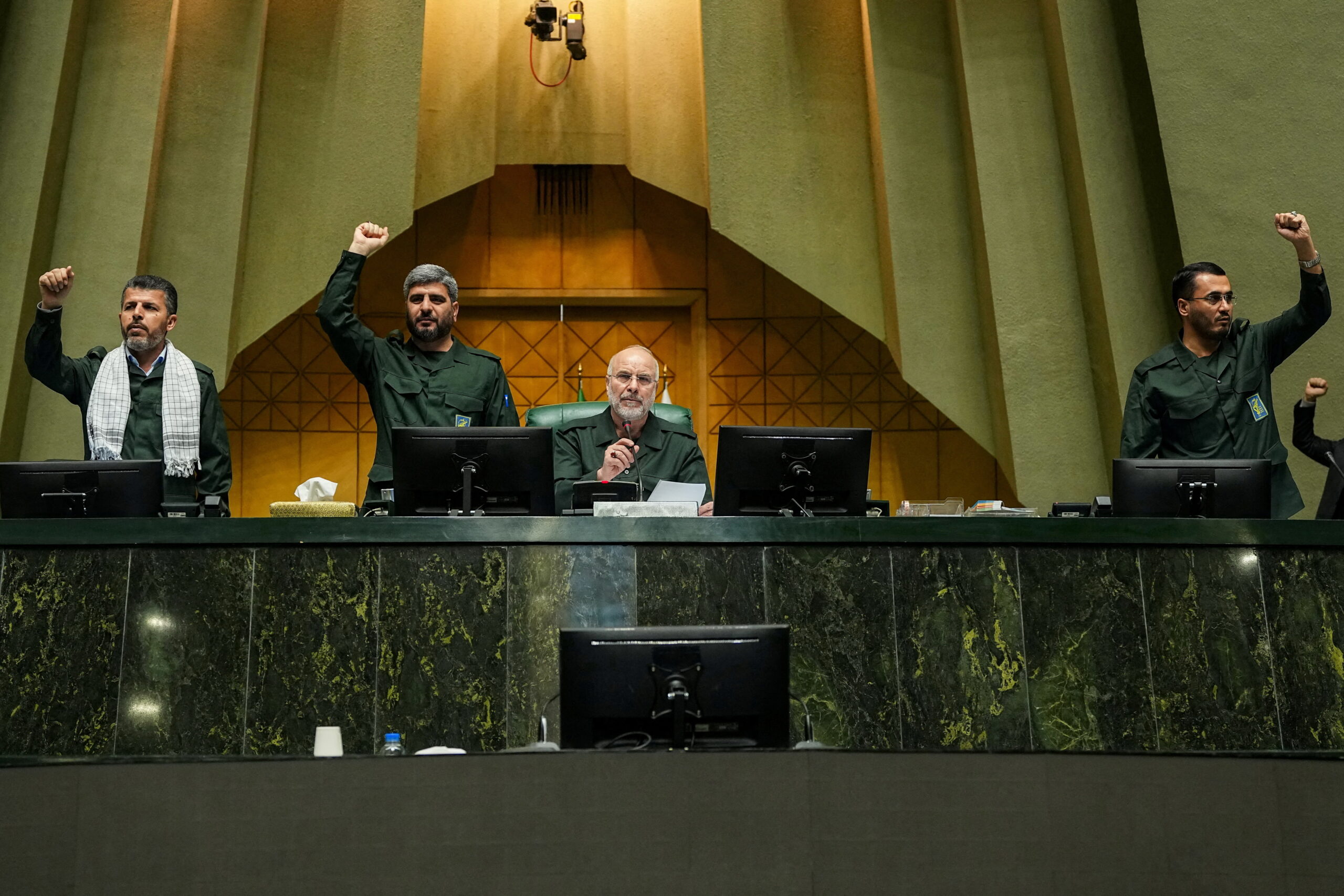
How Did the IRGC Seize Power in Iran?
The IRGC did not seize power in a single stroke. It accumulated it – patiently, methodically – until no counterweight remained.
Events
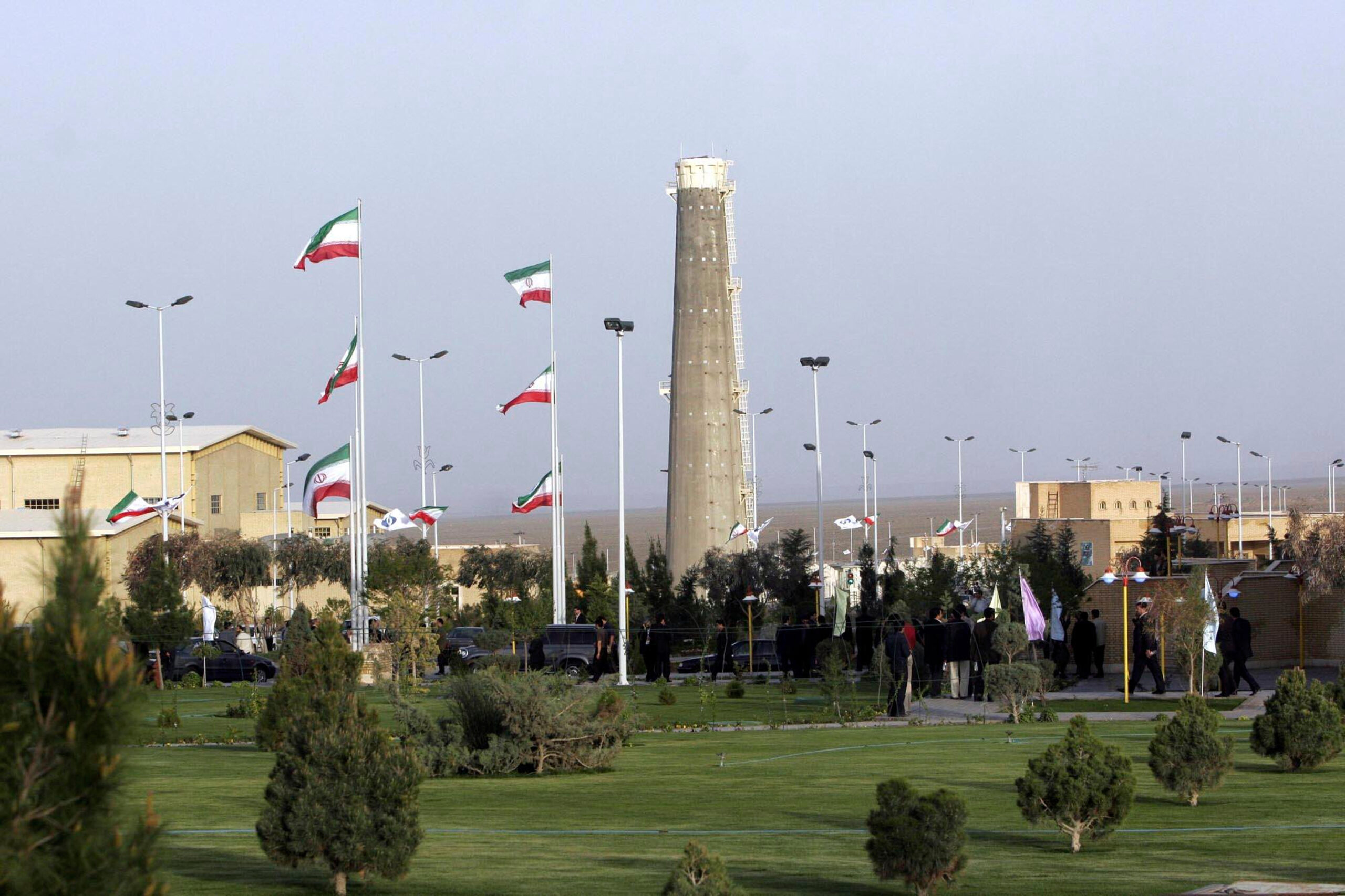
Book Talk: Iran and the Bomb: The United States, Iran and the Nuclear Question
On June 16, AGSI hosted a discussion on the evolution of Iran's nuclear program.
Speakers

Apr 21, 2026
Inside Iran’s Wartime Leadership: Power, Succession, and Regime Stability
On April 21, AGSI hosted a discussion on the evolution of Iran's leadership during the war.
Speakers

Mar 18, 2026
In Its Conflict With the United States and Israel, Does Escalation Favor Iran?
On March 18, AGSI hosted a discussion on the escalation of the Iran war.
Speakers


Mar 2, 2026
After the Shock: Implications of the U.S.–Israeli Strikes and Iran’s Leadership Transition
On March 2, AGSI hosted a discussion on the U.S.-Israeli strikes on Iran.
Speakers