May 1, 2026
Ayatollah Khamenei’s “National Day of the Persian Gulf” Message
The May 1 edition of the Iran Media Review highlights a message from Iran’s absent supreme leader and considers how much authority he maintains.

While speculation about the health of Iranian Supreme Leader Ayatollah Mojtaba Khamenei continues in international media, his official website has been steadily publishing messages in his name. A spokesperson attributed his survival on February 28 to his presence in the courtyard of the supreme leader’s compound moments before the blast. The more consequential question, however, remains: If he is indeed alive and well, how much authority does he exercise relative to the regime’s de facto collective leadership – the heads of the three branches of government and representatives of the Islamic Revolutionary Guard Corps and the regular military?
- April 30: Supreme Leader Ayatollah Mojtaba Khamenei’s website published a message from him commemorating the “National Day of the Persian Gulf”:
- “The Iranian nation, which possesses the longest coastline along the Persian Gulf, has made the greatest sacrifices for its independence and in confronting foreigners and aggressors.”
- “The presence of American foreigners and their entrenchment in the lands of the Persian Gulf is the principal cause of insecurity in the region. America’s fragile bases lack even the capacity to ensure their own security let alone that of their dependents and regional adherents.”
- “By the power and will of God, the bright future of the Persian Gulf region will be one without America and in the service of the progress, comfort, and prosperity of its peoples. We and our neighbors along the waters of the Persian Gulf and the Sea of Oman share a common destiny, and foreigners who come from thousands of kilometers away, greedily sowing mischief, have no place there – except in the depths of its waters.”
- May 1: Mohsen Qomi, deputy for international affairs at the Office of the Supreme Leader, addressed Khamenei’s health in remarks to Fars News Agency that were republished by centrist Asr-e Iran:
- “Under the current circumstances, the most important issue is helping to preserve the life of the supreme leader … Despite the injuries he sustained during the attack on the leader’s residence, Almighty God preserved him … for, just minutes before the explosion, he had stepped into the courtyard for work-related reasons, and this is what saved his life.”
- “At present, Ayatollah Seyyed Mojtaba Khamenei is in complete health and is engaged in managing the country’s affairs, including issues of negotiations and field operations, under his direct supervision. He has recently also issued guidance to the negotiating team and maintains full oversight over these matters.”
The views represented herein are the author's or speaker's own and do not necessarily reflect the views of AGSI, its staff, or its board of directors.
Related
Iran Media Review
Apr 28, 2026
Iran’s Shuttered Ports: Trade Collapse, Job Losses, and the Rise of Smuggling
The April 28 edition of the Iran Media Review considers a new report on an economic crisis facing Iran’s coastal economy.
Iran Media Review
Apr 24, 2026
Iranian Leadership Projects Continuity and Unity
The April 24 edition of the Iran Media Review examines Iranian leadership messaging projecting unity.
Iran Media Review
Apr 17, 2026
Iran’s Economic Futures: Deal, Stalemate, or War
The April 17 edition of the Iran Media Review highlights a new Iranian economic report predicting different rises in inflation tied to the country’s political future.
Apr 28, 2026
Iran’s Shuttered Ports: Trade Collapse, Job Losses, and the Rise of Smuggling
The April 28 edition of the Iran Media Review considers a new report on an economic crisis facing Iran’s coastal economy.
Apr 24, 2026
Iranian Leadership Projects Continuity and Unity
The April 24 edition of the Iran Media Review examines Iranian leadership messaging projecting unity.
Apr 17, 2026
Iran’s Economic Futures: Deal, Stalemate, or War
The April 17 edition of the Iran Media Review highlights a new Iranian economic report predicting different rises in inflation tied to the country’s political future.
Analysis
The Islamic Republic Returns to Offense
After U.S.-Israeli strikes killed Supreme Leader Ayatollah Ali Khamenei on February 28, Iran’s collective leadership has concluded that the best defense is a good offense.
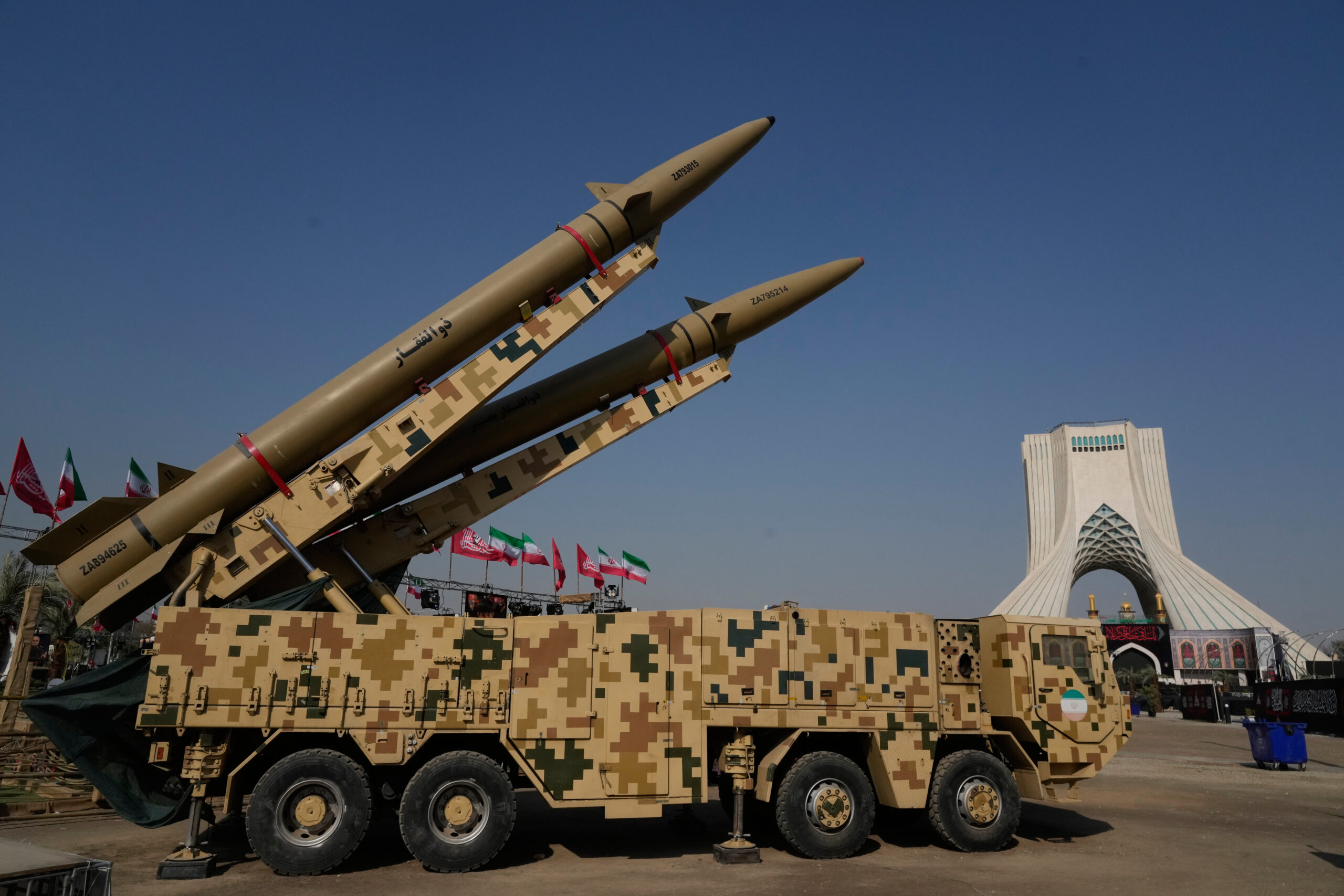
Iran’s Collective Strategic Decision Making
Wartime pressure has temporarily aligned the leadership’s overriding interest in regime survival, even as its members continue to differ over the costs, methods, and ultimate objectives of the war.
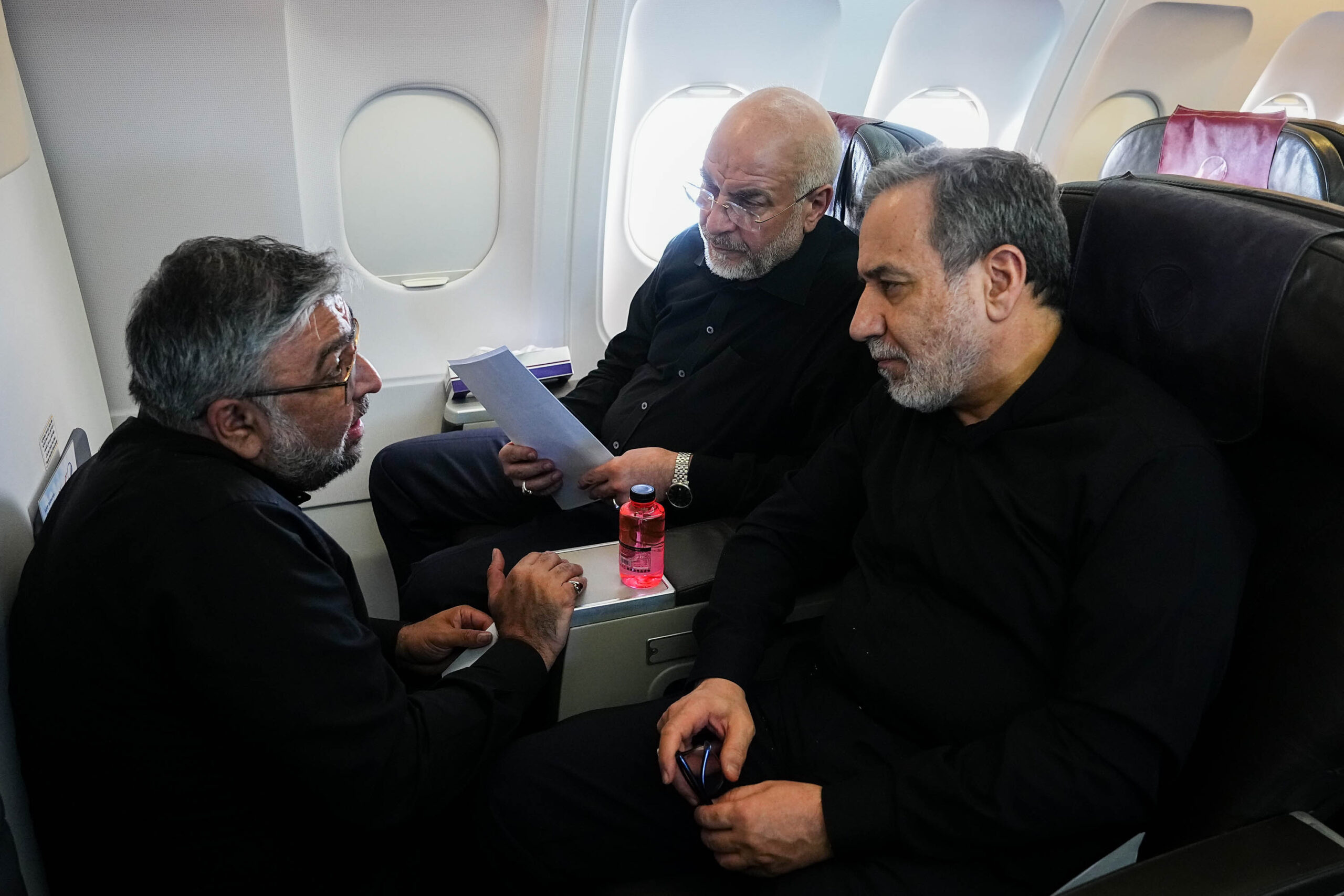
The Islamic Republic’s Collective Leadership
While there is historical precedent for collective leadership in Iran, today’s leadership includes representatives of the IRGC and regular military – a reflection of the IRGC’s expanding role and the necessities of governing under wartime conditions.
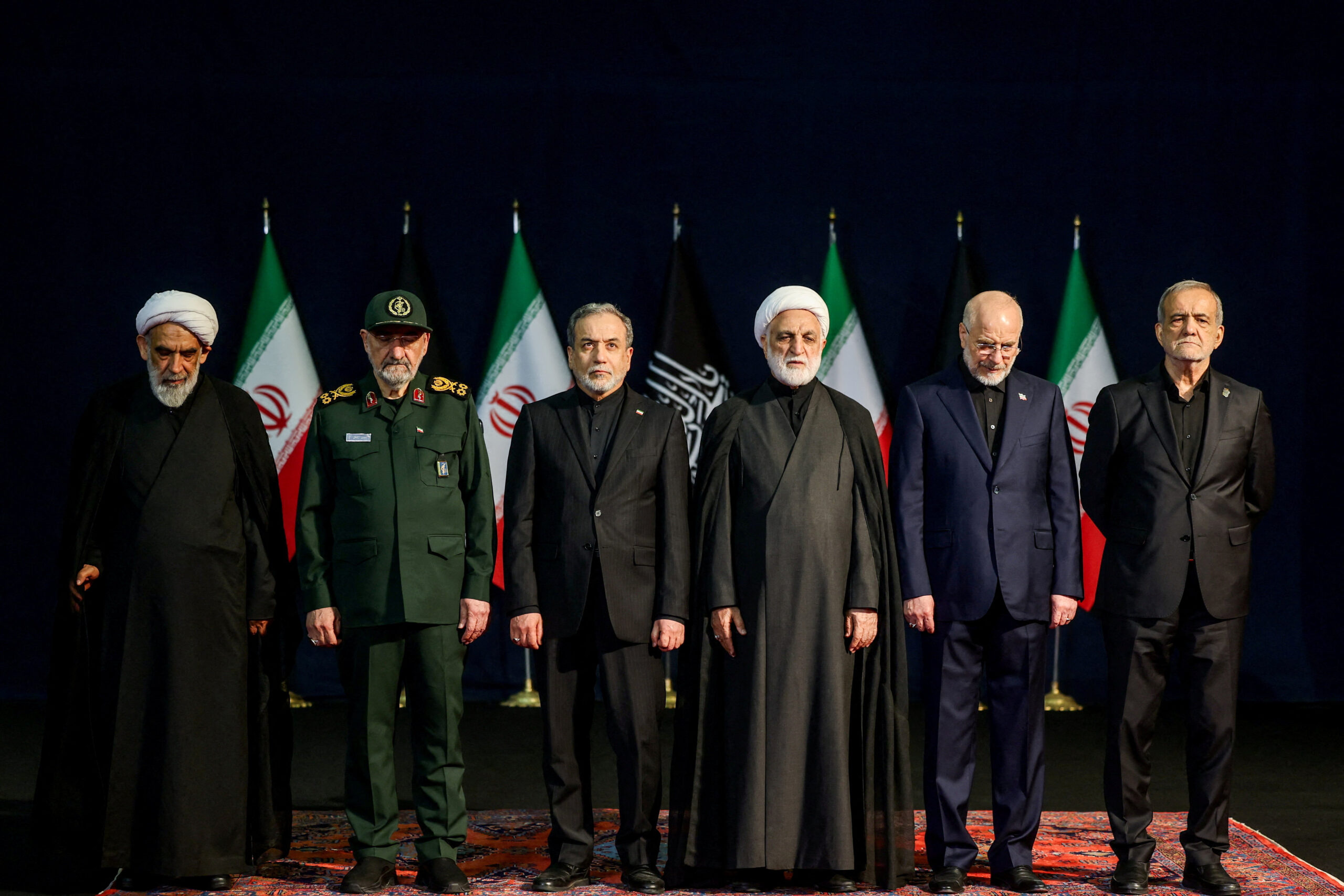
How Did the IRGC Seize Power in Iran?
The IRGC did not seize power in a single stroke. It accumulated it – patiently, methodically – until no counterweight remained.
Events
Oct 6, 2026
10:00am - 11:00am
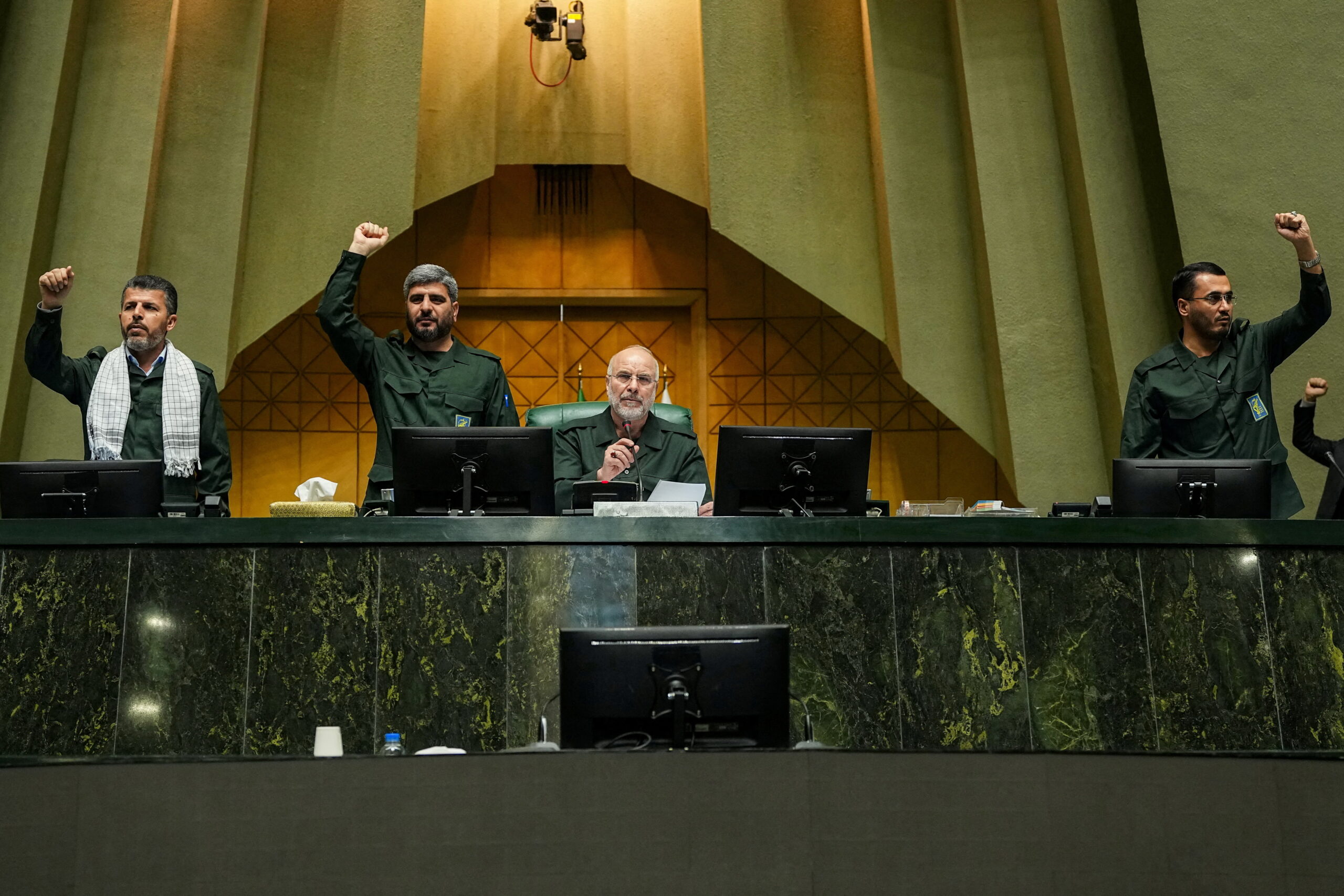
Is the U.S.-Iran Stalemate a “New Normal” or the Prelude to Another Explosion?
On October 6, AGSI will host a discussion on the U.S.-Iran stalemate and the prospects for a cease-fire.
Speakers



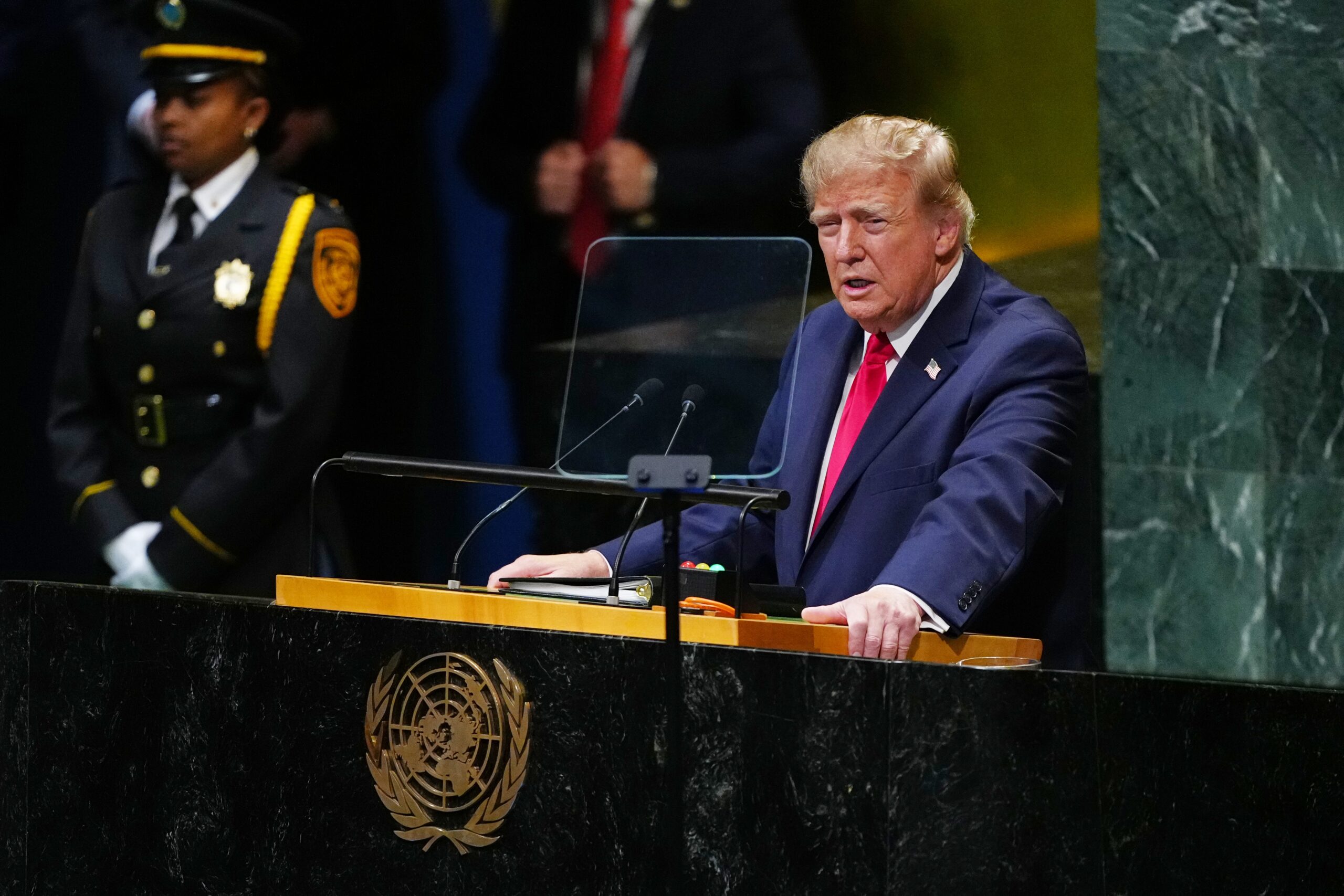
Book Talk: Iran and the Bomb: The United States, Iran and the Nuclear Question
On June 16, AGSI hosted a discussion on the evolution of Iran's nuclear program.
Speakers
Apr 21, 2026
Inside Iran’s Wartime Leadership: Power, Succession, and Regime Stability
On April 21, AGSI hosted a discussion on the evolution of Iran's leadership during the war.
Speakers

Mar 18, 2026
In Its Conflict With the United States and Israel, Does Escalation Favor Iran?
On March 18, AGSI hosted a discussion on the escalation of the Iran war.
Speakers