Abu Dhabi’s departure from OPEC signals that discipline within the group is becoming harder to sustain at a time when the global energy market is facing the prospect of a more volatile and uncertain future.
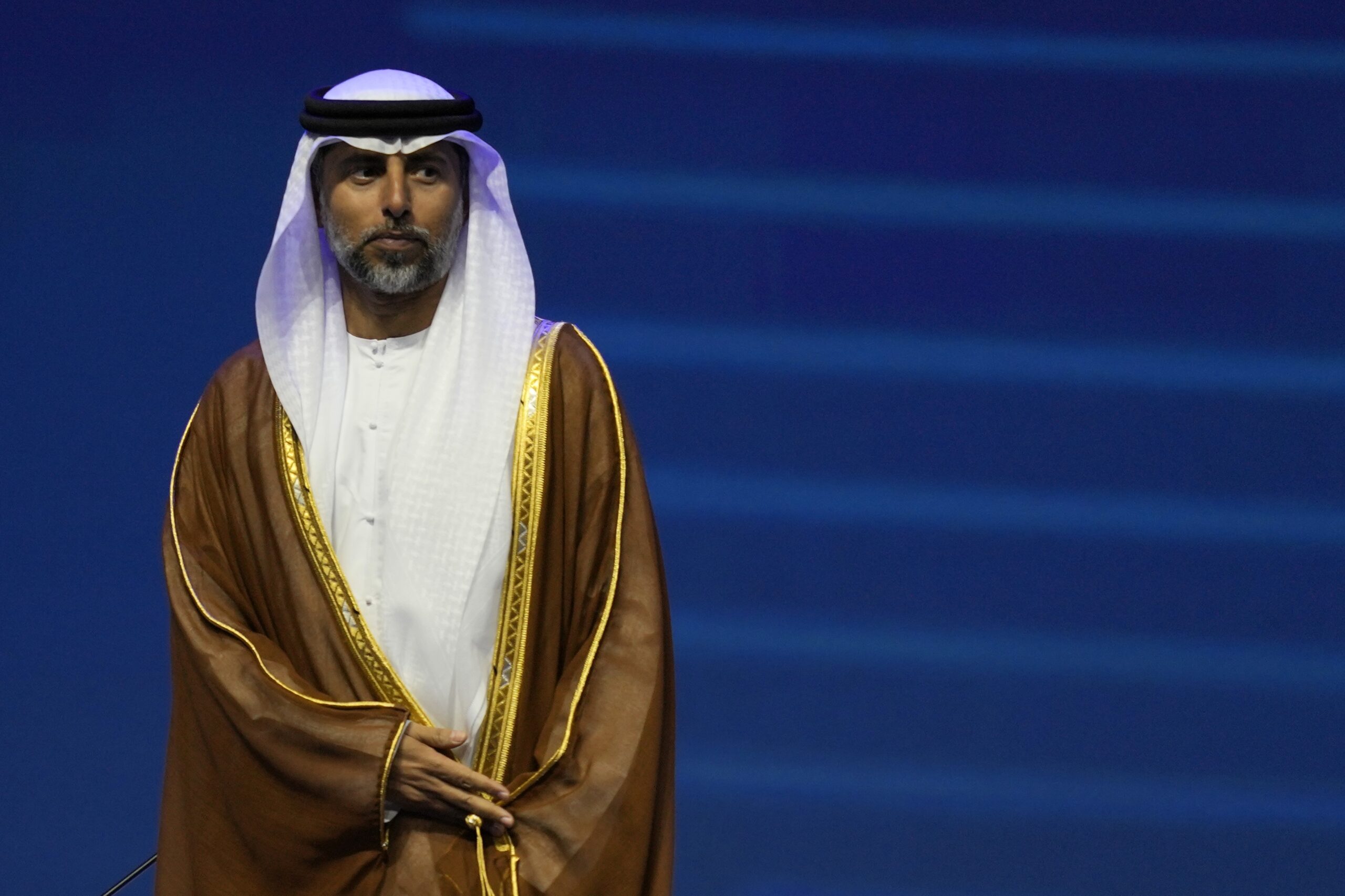
United Arab Emirates Minister of Energy Suhail Mohamed Faraj al-Mazrouei attends the Abu Dhabi International Petroleum Exhibition and Conference in Abu Dhabi, the UAE, October 31, 2022. (AP Photo/Kamran Jebreili)
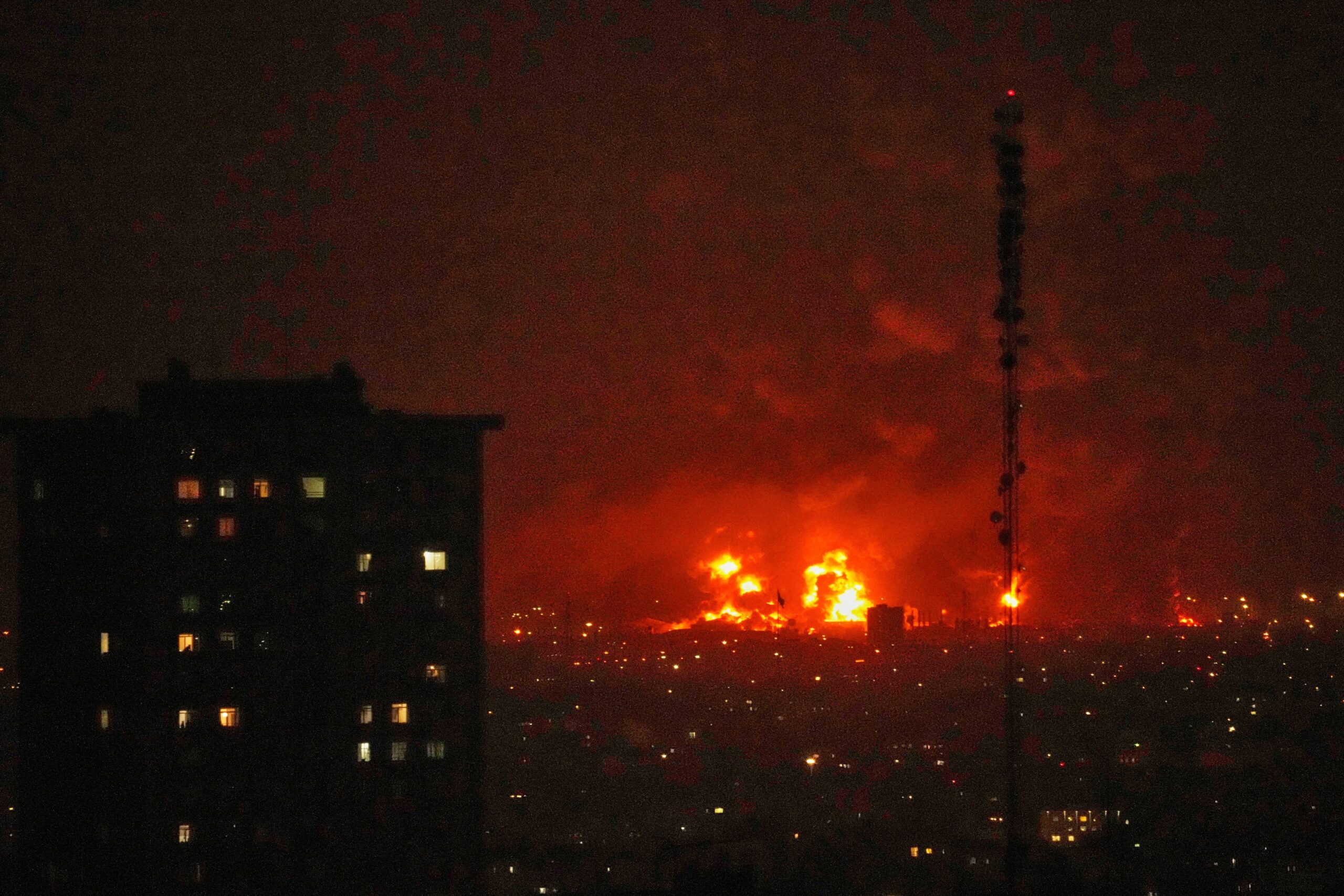
The decision by the United Arab Emirates to exit OPEC after nearly 60 years and step away from the OPEC+ alliance starting May 1 came as no surprise, as tensions have been building for some time. Still, the timing of the announcement on April 28 was significant, coming the day of a Gulf Cooperation Council summit in Jeddah meant to signal regional unity after Iranian attacks. It also came in the middle of the most serious energy supply disruption in recent history.
Friction between Abu Dhabi and the wider OPEC+ alliance is not new. It came into the open during coronavirus pandemic-era negotiations in 2021, when the UAE pushed back against Saudi-led plans to extend production cuts under revised quotas. The UAE argued that the new allocations did not take into consideration its rapidly expanding capacity. While the dispute was eventually smoothed over, it exposed deeper structural tensions that were never fully resolved – and ultimately set the stage for the split.
Since then, the UAE has invested billions of dollars in further expansion of its oil production capacity, which stands at 4.85 million barrels per day and is due to reach 5 mb/d by 2027. Yet its official quota for April of 3.4 mb/d, set before the current crisis, left it with some 1.4 mb/d of idle capacity. Even with a modest baseline increase agreed on in late 2025, the gap remained wide and was a persistent source of frustration.
Politics may also have played a role. Once closely aligned, Saudi Arabia and the UAE have drifted apart on key regional issues, including the conflicts in Sudan and Yemen. Economic rivalry has sharpened as well, with Riyadh increasingly challenging the UAE’s role as regional financial and trade hub.
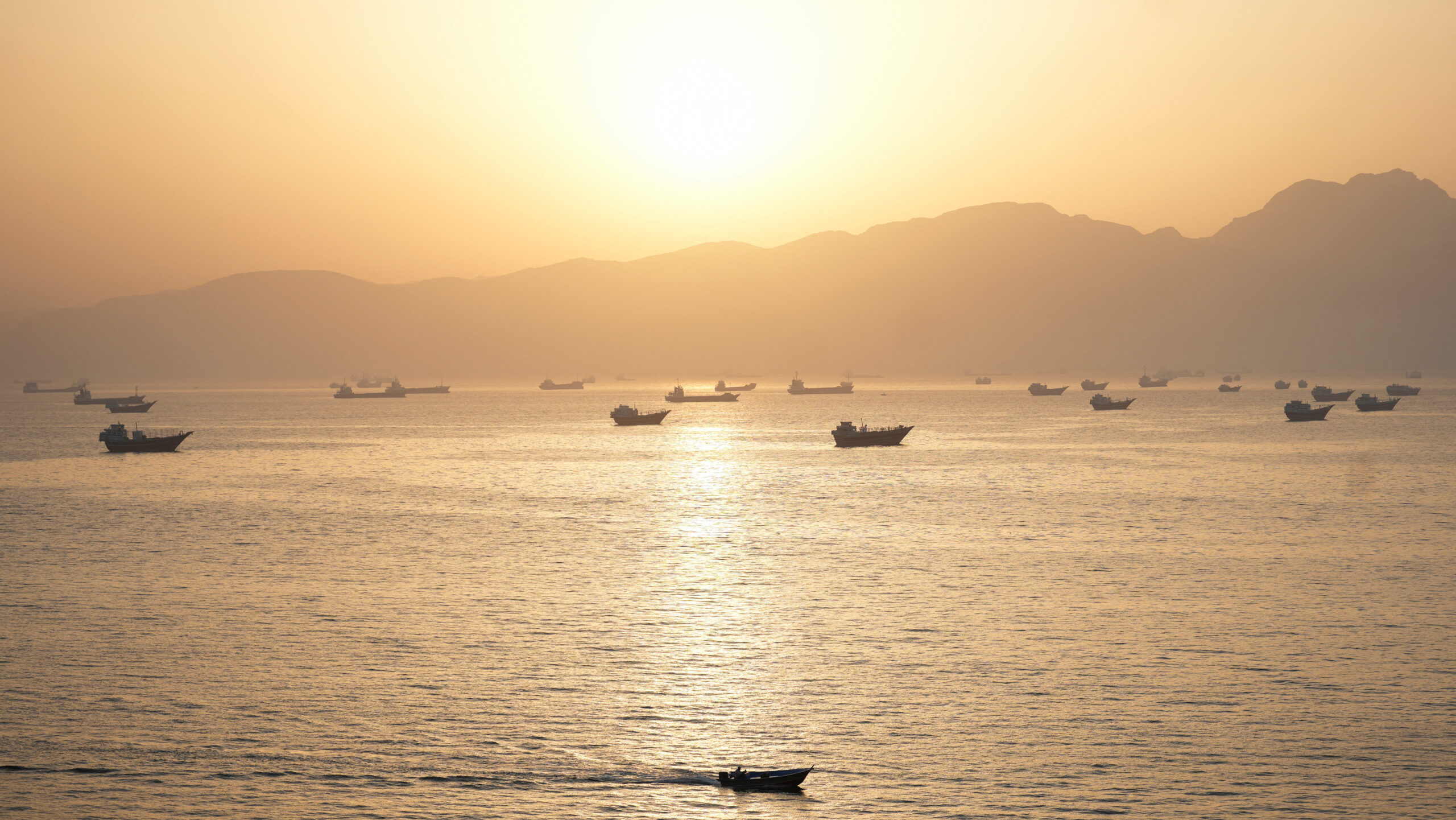
Looking ahead, the market impact of the UAE’s departure will depend largely on how quickly oil flows normalize through the Strait of Hormuz. The UAE – like Saudi Arabia – has some ability to bypass the chokepoint, giving it flexibility other Gulf producers lack. Abu Dhabi has signaled it will remain responsive to market conditions, but it is also likely to ramp up exports quickly to recover losses once security risks ease.
In the official statement announcing its decision through the official WAM news agency, the UAE said the move “reflects the UAE’s long-term strategic and economic vision and evolving energy profile, including accelerated investment in domestic energy production, and reinforces its commitment to a responsible, reliable, and forward-looking role in global energy markets.” It added: “While near-term volatility, including disruptions in the Arabian Gulf and the Strait of Hormuz, continues to affect supply dynamics, underlying trends point to sustained growth in global energy demand over the medium to long term.” The statement indicated that the decision to set itself free of OPEC and OPEC+ restrictions would allow it more flexibility in responding to “market dynamics.”
Given the power structure in Abu Dhabi, such a dramatic policy decision would have been made at the highest level of government and with the input of Sultan Ahmed Al Jaber, the influential minister of industry and advanced technology, CEO of the Abu Dhabi National Oil Company, and chairman of Masdar. It was left to Minister of Energy Suhail Mohamed Faraj al-Mazrouei to explain the decision in a series of interviews with regional and international media outlets.
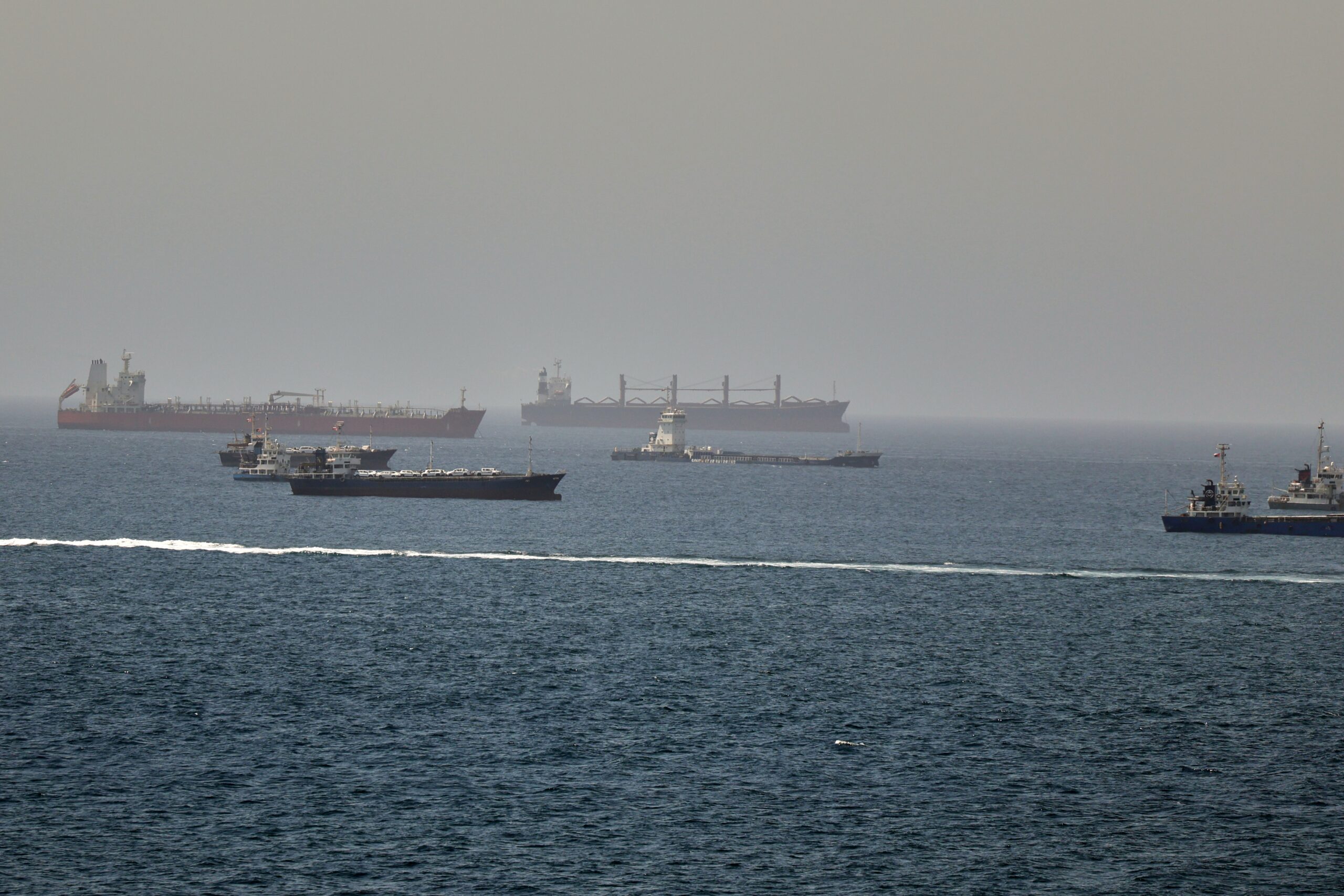
In an April 28 interview with CNBC television shortly after the announcement, Mazrouei provided an explanation as to why Abu Dhabi chose this moment to make its move: “We believe that the world is currently undersupplied, and our exit at this time is the right, the right time for it, because it will have a minimum impact on the price, and it will have a minimum impact on our friends at OPEC and OPEC+.” He was referring to the impact of the closure of the Strait of Hormuz, which has disrupted global oil and gas supplies and sent the price of oil soaring to its highest level since 2022.
The International Energy Agency in its latest “Oil Market Report” estimated that OPEC+ output, nearly all of it from the Middle East, fell by 8.1 mb/d in March. A further drop in supplies can be expected in April as the last barrels to have exited the strait before it was effectively shut down by Iran will have made it to their respective destinations, providing a more accurate picture of just how much oil remains trapped inside the Gulf.
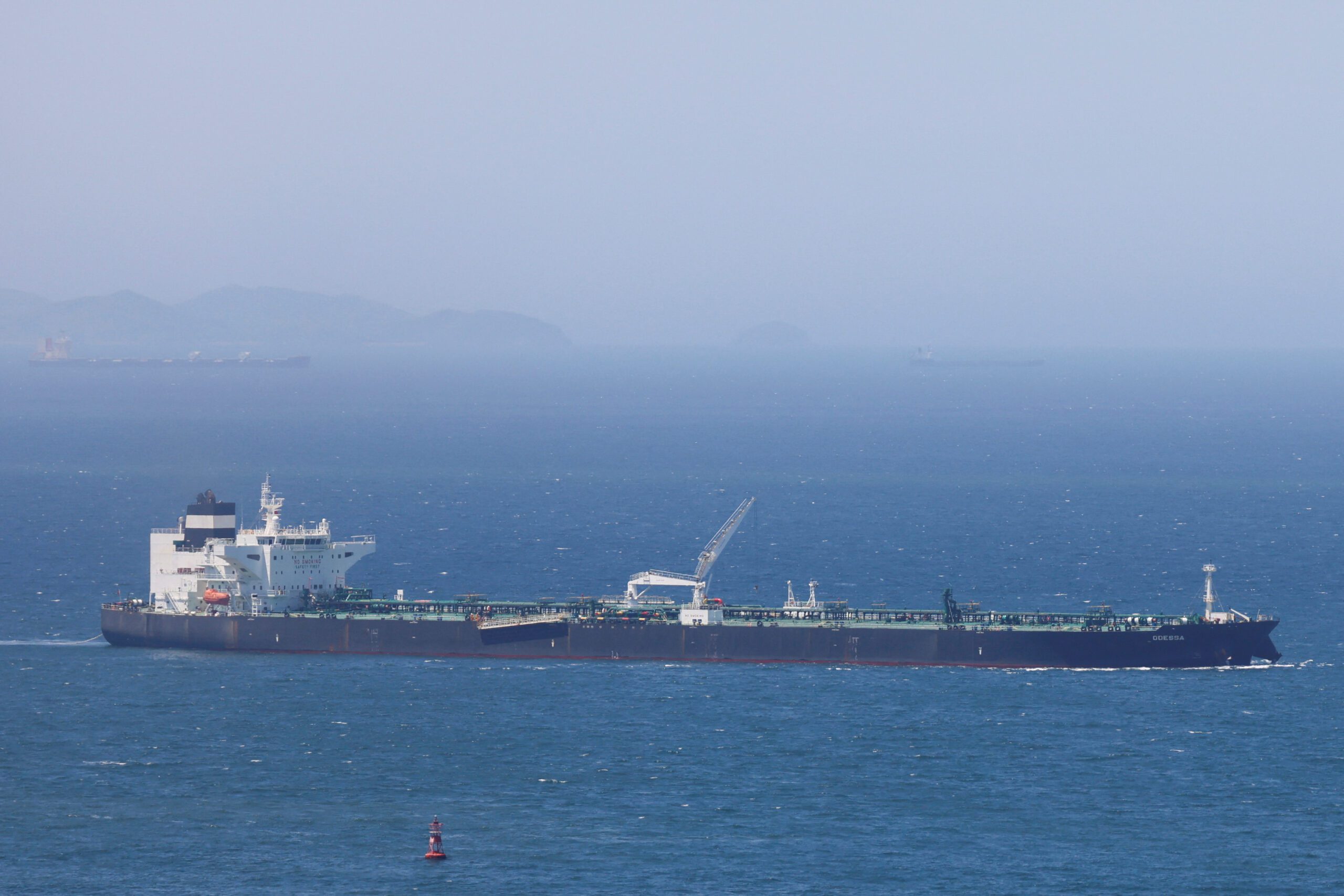
The UAE has been able to export some of its crude oil through Fujairah, which lies outside the Strait of Hormuz. However, the closure of the strait forced the UAE to shut down production because it relies on the waterway to export from offshore fields, and it has lost significant export capacity. This will change when a 1.5 mb/d pipeline connecting its offshore fields to Fujairah is completed in 2027, by which time ADNOC will have reached its announced capacity target. The IEA estimated the UAE’s production fell by 1.3 mb/d month-on-month to 2.4 mb/d in March, with offshore production of 1.5 mb/d accounting for the majority of the losses. Exports also slumped by 1.9 mb/d to 1.6 mb/d in March.
No doubt mindful of the discussion in industry circles hinting at friction with Saudi Arabia, Mazrouei offered the following: “This has nothing to do with any of our brothers or friends within the group. We’ve been working together for years and years. We have the highest respect for the Saudis for leading OPEC and OPEC+ as a major producer.”
If the UAE decides to move toward full capacity production when conditions normalize, it could prompt responses from other producers, raising the risk of downward price pressure or even a broader output contest. Much will hinge on global demand, which has already begun to shift in response to the current energy shock, with some countries turning to alternative fuels or cutting consumption. The IEA expects demand to contract in 2026.
At the same time, most OPEC+ members have limited room to increase output. Aside from a handful of producers – such as Saudi Arabia, Kuwait, and Iraq – spare capacity across the group is thin. Prolonged production shutdowns could also damage reservoirs, some of which could be permanent depending on the length of the disruption, and some experts estimate that it might take months to restore production to preconflict levels. The UAE and Saudi Arabia are better placed than others and would not be restricted by the technical difficulties that could hamper producers with more complex geological structures. However, overall, supply growth in the immediate aftermath of a reopening may be slow and constrained.
Beyond immediate market dynamics, the UAE’s exit carries longer-term implications. Its production will still flow to global markets, but it will no longer count toward OPEC+ targets. That reduces the group’s overall weight and could weaken its ability to manage the market effectively, as the UAE represents 14% of OPEC capacity and 9% of OPEC+ capacity. Its departure might also encourage other members, particularly those already struggling with quota compliance, to reconsider their positions.
From a geopolitical perspective, a weakened OPEC+ would sit well with the United States’ preference for higher output and lower prices. With U.S. producers well positioned to respond to market opportunities, any fragmentation within OPEC+ could shift the competitive balance further in the United States’ favor.
At the same time, OPEC+ is preparing to tackle one of the core issues behind these tensions. A newly agreed upon framework will base future quotas on independently verified production capacity rather than historical output levels – a major shift aimed at improving transparency and credibility.
Under this system, third-party consultants will assess each country’s maximum sustainable capacity, with updated baselines feeding into quota decisions from 2027 onward. The idea is simple: Countries that invest in expanding capacity should see that reflected in higher production allowances, while inflated or outdated claims are stripped out. In theory, this reduces disputes, discourages overproduction, and creates a clearer, more rules-based system.
Ultimately, the UAE’s exit underscores the growing tension between countries investing heavily to expand capacity and a system still anchored in restrictive quotas. It also shows the limits of collective supply management in a market where national ambitions diverge. Abu Dhabi’s departure signals that discipline within the group is becoming harder to sustain at a time when the global energy market is facing the prospect of a more volatile and uncertain future.
The views represented herein are the author's or speaker's own and do not necessarily reflect the views of AGSI, its staff, or its board of directors.
As Iranian drones and missiles have rained down on the Gulf, the targeted states have found unexpected allies globally but little support from their Arab neighbors.
Disputes in the Gulf tend to be structurally constrained by dense interdependence, established patterns of dispute management, and various shades of elite empathy among leaderships.
An OPEC+ deal, which was close to being within reach, collapsed over a dispute between the two Gulf allies, jeopardizing the interests of all constituents and leaving consumers at the mercy of market volatility.
Egypt has become the indispensable transit state linking Saudi Arabia's Red Sea infrastructure with global markets. But that strategic importance may also have exposed it to the same risks facing Gulf producers.
The vulnerability of the world's most important energy chokepoint has been laid bare, setting in motion changes that are likely to outlast the conflict.
The Iran war has triggered what energy experts have described as the world’s worst energy crisis. And what is certain is that the prewar energy order will be redrawn.