Apr 17, 2026
Iran’s Economic Futures: Deal, Stalemate, or War
The April 17 edition of the Iran Media Review highlights a new Iranian economic report predicting different rises in inflation tied to the country’s political future.

While the Islamic Republic of Iran has hitherto survived its conflict with the United States and Israel, Iran’s economy is struggling, a grim prospect for the regime regardless of the outcome of the war.
- April 15: Writing in economic newspaper Donya-ye Eqtesad, Hamed Azargoun discussed three potential trajectories of inflation in Iran in 2026:
- “The trajectory of inflation in the current year has become more closely tied than ever to political developments and scenarios. Within this framework, three main scenarios can be envisioned: reaching a political ‘agreement’ between Iran and the United States; the continuation of a ‘no war, no peace’ situation; and, finally, the resumption of conflict and escalation of tensions. Each of these three scenarios would have markedly different effects on inflation.”
- “Estimates by Donya-ye Eqtesad, based on historical data, also show a significant gap between inflation rates across these scenarios. Even in the most optimistic case – achieving a stable agreement – inflation is projected to reach around 49%” by late 2026.
- “By contrast, in a scenario of no war but no peace … the economy would face extremely high, triple-digit inflation, a situation that could lead to widespread economic instability … Under such conditions, the intensification of poverty and inequality could fuel growing social discontent and, indirectly, increase the risk of renewed external tensions. Implementing economic reforms – especially costly ones, such as exchange rate unification – would face significant difficulties and entail considerable costs in such an environment. Consequently, if structural reforms are delayed, the economy may become trapped in a vicious cycle of simultaneously worsening recession and inflation.”
- “In the event of a failure in negotiations, the likelihood of renewed escalation and expanded damage to economic infrastructure would be significant. Although Iran’s military capabilities are assessed as substantial, the economic consequences of continued conflict could be severe. Under such conditions, rising government expenditures and constrained financial resources would increase the likelihood of reliance on inflationary financing – an outcome that, alongside the destruction of economic infrastructure, could lead to a sharp depreciation of the national currency and, in the worst case, hyperinflation.”
- “Therefore, reaching a political agreement carries strategic importance from the perspective of controlling inflation and establishing economic stability.”
The views represented herein are the author's or speaker's own and do not necessarily reflect the views of AGSI, its staff, or its board of directors.
Related
Iran Media Review
Apr 14, 2026
An Iranian Account of the Islamabad Talks
The April 14 edition of the Iran Media Review analyzes an Iranian official’s account of recent U.S.-Iranian negotiations in Pakistan.
Iran Media Review
Apr 10, 2026
Tehran Signals a Coordinated Strategy Ahead of Islamabad Talks
The April 10 edition of the Iran Media Review considers Iranian officials’ remarks ahead of cease-fire negotiations with the United States.
Iran Media Review
Apr 3, 2026
Eye for an Eye, Bridge for a Bridge
The April 3 edition of the Iran Media Review examines Iranian responses to President Trump’s April 1 speech and U.S. strikes against an Iranian bridge.
Apr 14, 2026
An Iranian Account of the Islamabad Talks
The April 14 edition of the Iran Media Review analyzes an Iranian official’s account of recent U.S.-Iranian negotiations in Pakistan.
Apr 10, 2026
Tehran Signals a Coordinated Strategy Ahead of Islamabad Talks
The April 10 edition of the Iran Media Review considers Iranian officials’ remarks ahead of cease-fire negotiations with the United States.
Apr 3, 2026
Eye for an Eye, Bridge for a Bridge
The April 3 edition of the Iran Media Review examines Iranian responses to President Trump’s April 1 speech and U.S. strikes against an Iranian bridge.
Analysis
The Islamic Republic Returns to Offense
After U.S.-Israeli strikes killed Supreme Leader Ayatollah Ali Khamenei on February 28, Iran’s collective leadership has concluded that the best defense is a good offense.
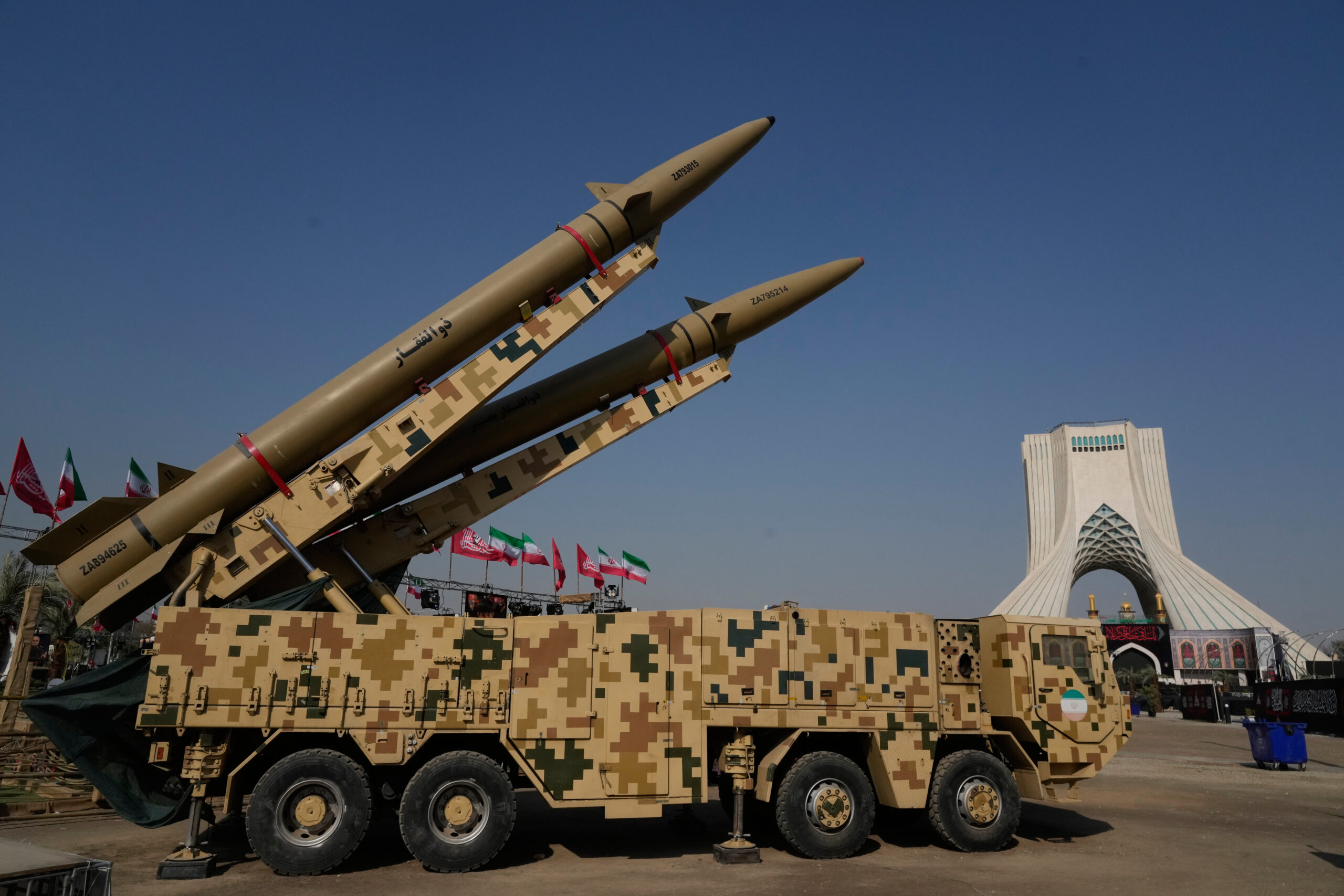
Iran’s Collective Strategic Decision Making
Wartime pressure has temporarily aligned the leadership’s overriding interest in regime survival, even as its members continue to differ over the costs, methods, and ultimate objectives of the war.
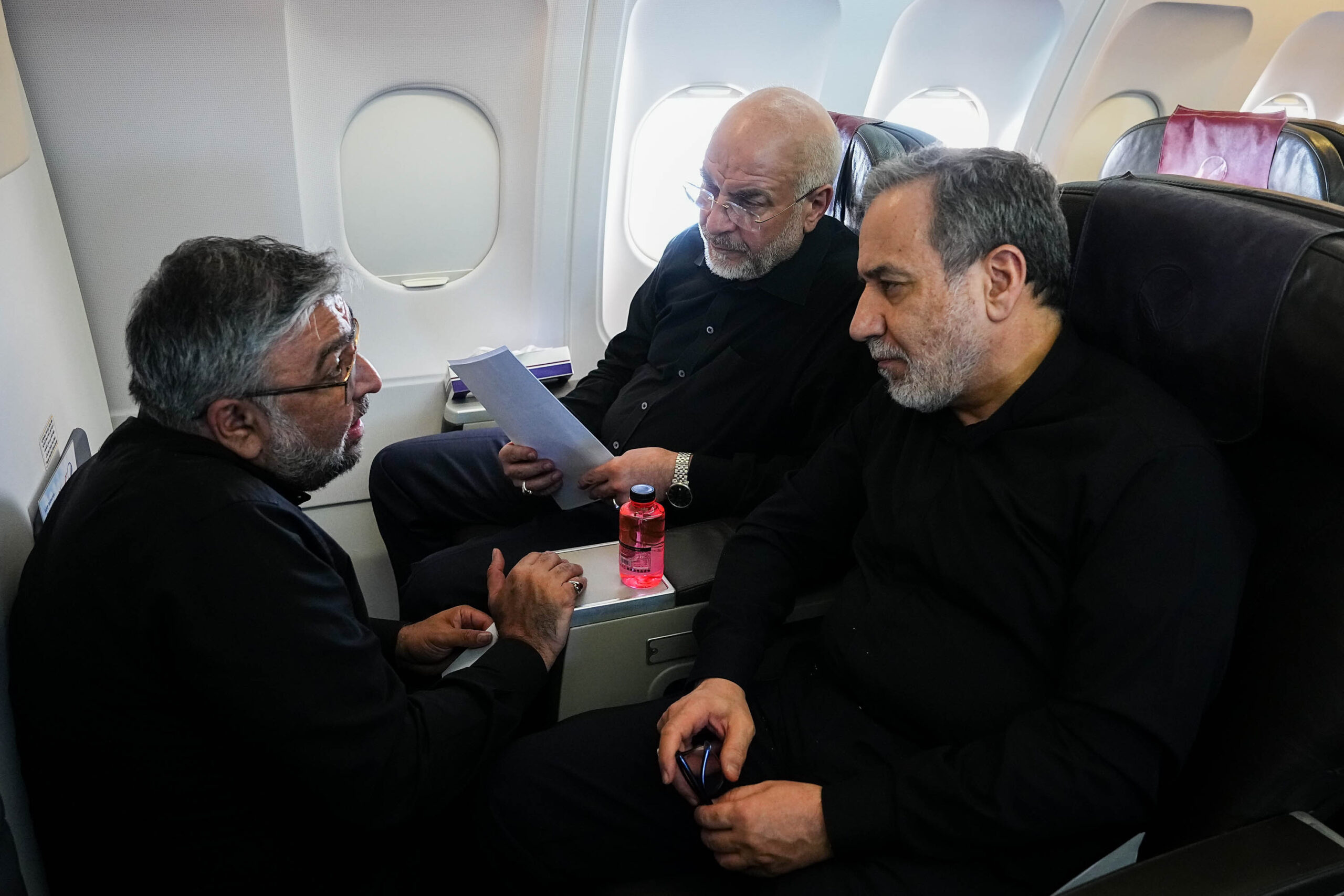
The Islamic Republic’s Collective Leadership
While there is historical precedent for collective leadership in Iran, today’s leadership includes representatives of the IRGC and regular military – a reflection of the IRGC’s expanding role and the necessities of governing under wartime conditions.
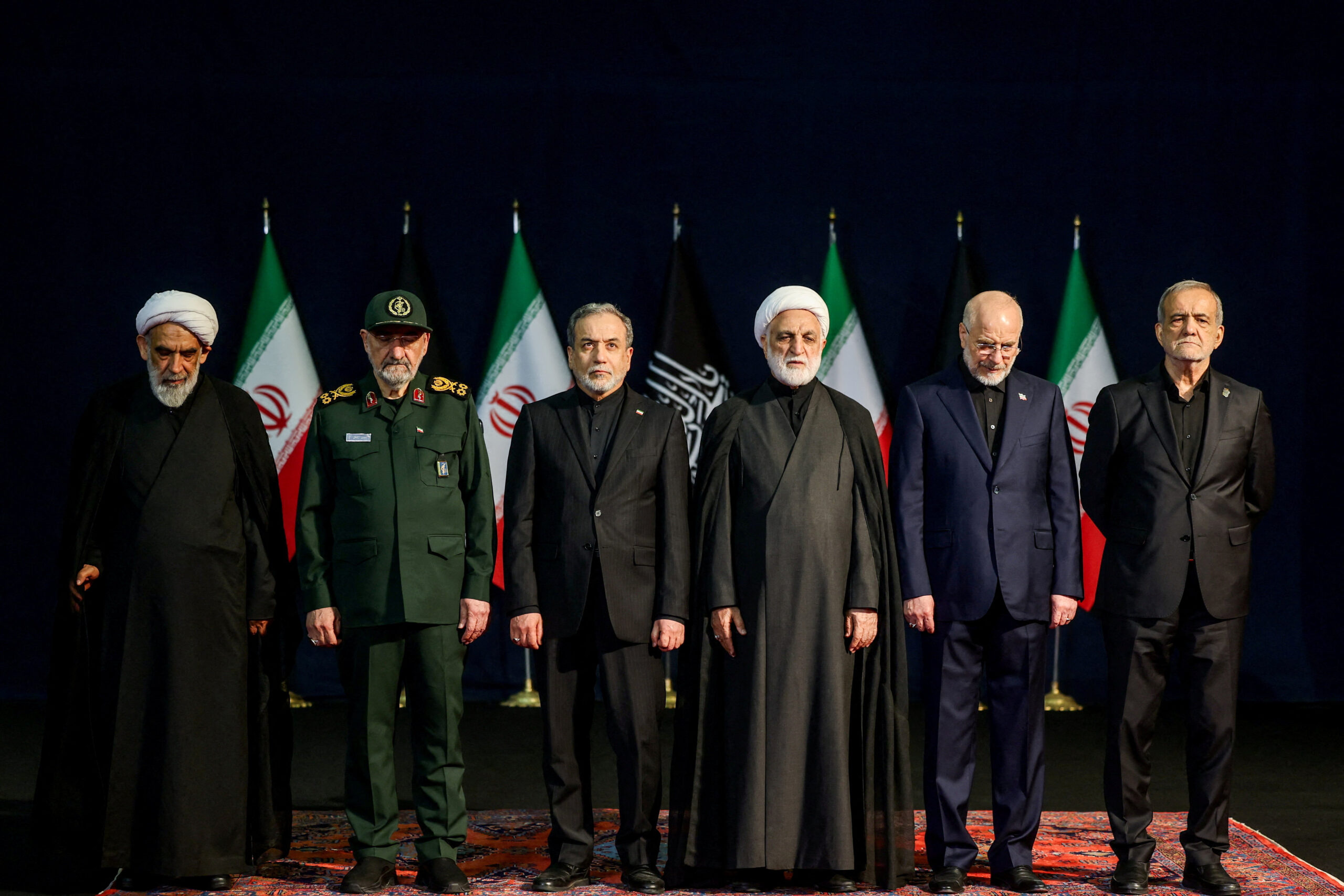
How Did the IRGC Seize Power in Iran?
The IRGC did not seize power in a single stroke. It accumulated it – patiently, methodically – until no counterweight remained.
Events
Oct 6, 2026
10:00am - 11:00am
Is the U.S.-Iran Stalemate a “New Normal” or the Prelude to Another Explosion?
On October 6, AGSI will host a discussion on the U.S.-Iran stalemate and the prospects for a cease-fire.
Speakers



Book Talk: Iran and the Bomb: The United States, Iran and the Nuclear Question
On June 16, AGSI hosted a discussion on the evolution of Iran's nuclear program.
Speakers

Apr 21, 2026
Inside Iran’s Wartime Leadership: Power, Succession, and Regime Stability
On April 21, AGSI hosted a discussion on the evolution of Iran's leadership during the war.
Speakers

Mar 18, 2026
In Its Conflict With the United States and Israel, Does Escalation Favor Iran?
On March 18, AGSI hosted a discussion on the escalation of the Iran war.
Speakers