Mar 24, 2026
Iran: Resilience, Defiance, and Willingness to Talk
The March 24 edition of the Iran Media Review considers Iranian messaging projecting a mix of defiance and a possible willingness to negotiate with the United States.
Iran is projecting a mix of resilience, defiance, and – indirectly – a willingness to engage in negotiations with the United States. Although there is still no proof of life for Iran’s new leader, Supreme Leader Ayatollah Mojtaba Khamenei, his website – one of the few Iran-registered sites still accessible online – posted a Persian New Year message attributed to him. Telegram channels linked to other official outlets have also circulated Persian New Year messages from the heads of the state’s governing branches as well as a statement from the Islamic Revolutionary Guard Corps Quds Force commander, who has not appeared publicly since February 28. At the same time, and possibly in response to international media reports about secret U.S.-Iranian negotiations, an advisor to Iran’s parliamentary speaker dismissed U.S. outreach as insubstantial, asserting that Iran would set the terms of any potential talks.
- March 20: Supreme Leader Ayatollah Mojtaba Khamenei’s website, one of a few Iran-registered websites still connected to the internet, posted a message from him commemorating Eid al-Fitr and the Persian holiday Nowruz:
- “In the past year, our dear people experienced three military and security wars … The first war was in June 2025 … In the second war, the so-called ‘Dey-month coup,’ the United States and the Zionist regime, assuming that the people of Iran – under the pressure of imposed economic hardship – would carry out the enemy’s objectives, used their agents to perpetrate numerous atrocities … The third war is the war that we are currently in the midst of.”
- “One glimmer of hope for the enemy is exploiting economic and managerial weaknesses that have developed over a long period of time.”
- “My recommendation to our country’s domestic media, despite any intellectual, political, or cultural differences they may have, is to seriously refrain from focusing on weaknesses.”
- “What I stated in the initial statement regarding the system’s perspective and policy on engagement with neighboring countries is a serious and genuine matter … The attacks that have taken place in Turkey and Oman, both of which maintain good relations with us … have in no way been carried out by the armed forces of the Islamic Republic or other forces of the ‘axis of resistance.’ This is deception by the Zionist enemy using a false-flag tactic.”
- March 20: Islamic Revolutionary Guard Corps-affiliated Mashregh News’ Telegram channel released a video of a Nowruz address by President Masoud Pezeshkian, which aimed to assure Iran’s neighbors that Iran harbors no ill intentions toward them and stressed that the regional turmoil is caused by “enemy aggression.”
- March 20: Supreme National Security Council mouthpiece Nour News Agency’s Telegram channel quoted a Nowruz message from Parliamentary Speaker Mohammad-Bagher Qalibaf:
- “The new year will be a year of victory for the people of Iran and defeat for anyone who seeks to destroy our beloved Iran.”
- March 20: Judiciary Chief Gholam-Hossein Mohseni Ejei wrote a Nowruz message that was shared by IRGC mouthpiece Mashregh News’ Telegram channel:
- “Given the country’s wartime conditions, in the year 1405 we will continue to pursue the strategy of reinforcing the security of our dear people with greater measures and preparations. We also issue a firm warning to all elements that create insecurity not to test our decisive, law-based resolve for strong and severe action against them.”
- March 20: An Eid al-Fitr message from IRGC Quds Force Chief Brigadier General Esmaeil Qaani was published on Nour News Agency’s Telegram channel:
- “Today, it is clear to everyone that the ‘axis of resistance’ possesses highly valuable capabilities and has independently – through its own wise decisions and planning – entered into conflict with the criminal United States and the child-killing Zionist regime in defense of the Islamic Republic of Iran. It has already carried out highly impactful operations and will have further surprises as well.”
- March 20: The Iranian armed forces’ Khatam al-Anbia Central Headquarters, in a statement released on Nour News Agency’s Telegram channel, issued a warning against the United Arab Emirates:
- “We warn the United Arab Emirates that if there is any renewed aggression originating from that country against the Iranian islands of Abu Musa and Greater Tunb in the Persian Gulf, the powerful armed forces of Iran will subject Ras Al Khaimah in the UAE to heavy strikes.”
- March 23: Ebrahim Rasouli, a political advisor to Qalibaf, said, according to IRGC-affiliated Mashregh News Agency’s Telegram channel:
- “There is no ongoing negotiation with the United States … We doubt Trump is mentally sane … the initiative was general, but we are the ones dictating the details and the conditions.”
- March 24: Tasnim News Agency reported the appointment of Mohammad-Bagher Zolqadr as the new secretary of the Supreme National Security Council, following the death of former Secretary Ali Larijani.
The views represented herein are the author's or speaker's own and do not necessarily reflect the views of AGSI, its staff, or its board of directors.
Related
Iran Media Review
Mar 13, 2026
Quds Day in Iran
The March 13 edition of the Iran Media Review examines Iranian media reports of regime defiance at Quds Day rallies as the U.S.-Israeli conflict with Iran continues.
Iran Media Review
Mar 10, 2026
New Leader, Old Policy
The March 10 edition of the Iran Media Review analyzes Iranian messaging after the election of a new supreme leader.
Iran Media Review
Mar 6, 2026
Tehran Warns Iraq’s Kurdistan Regional Government
The March 6 edition of the Iran Media Review highlights an Iranian military official’s warning to the Kurdistan Regional Government to stay out of the escalating U.S.-Israeli conflict with Iran.
Mar 13, 2026
Quds Day in Iran
The March 13 edition of the Iran Media Review examines Iranian media reports of regime defiance at Quds Day rallies as the U.S.-Israeli conflict with Iran continues.
Mar 10, 2026
New Leader, Old Policy
The March 10 edition of the Iran Media Review analyzes Iranian messaging after the election of a new supreme leader.
Mar 6, 2026
Tehran Warns Iraq’s Kurdistan Regional Government
The March 6 edition of the Iran Media Review highlights an Iranian military official’s warning to the Kurdistan Regional Government to stay out of the escalating U.S.-Israeli conflict with Iran.
Analysis
The Committee of Six and Strategic Decision Making in Iran
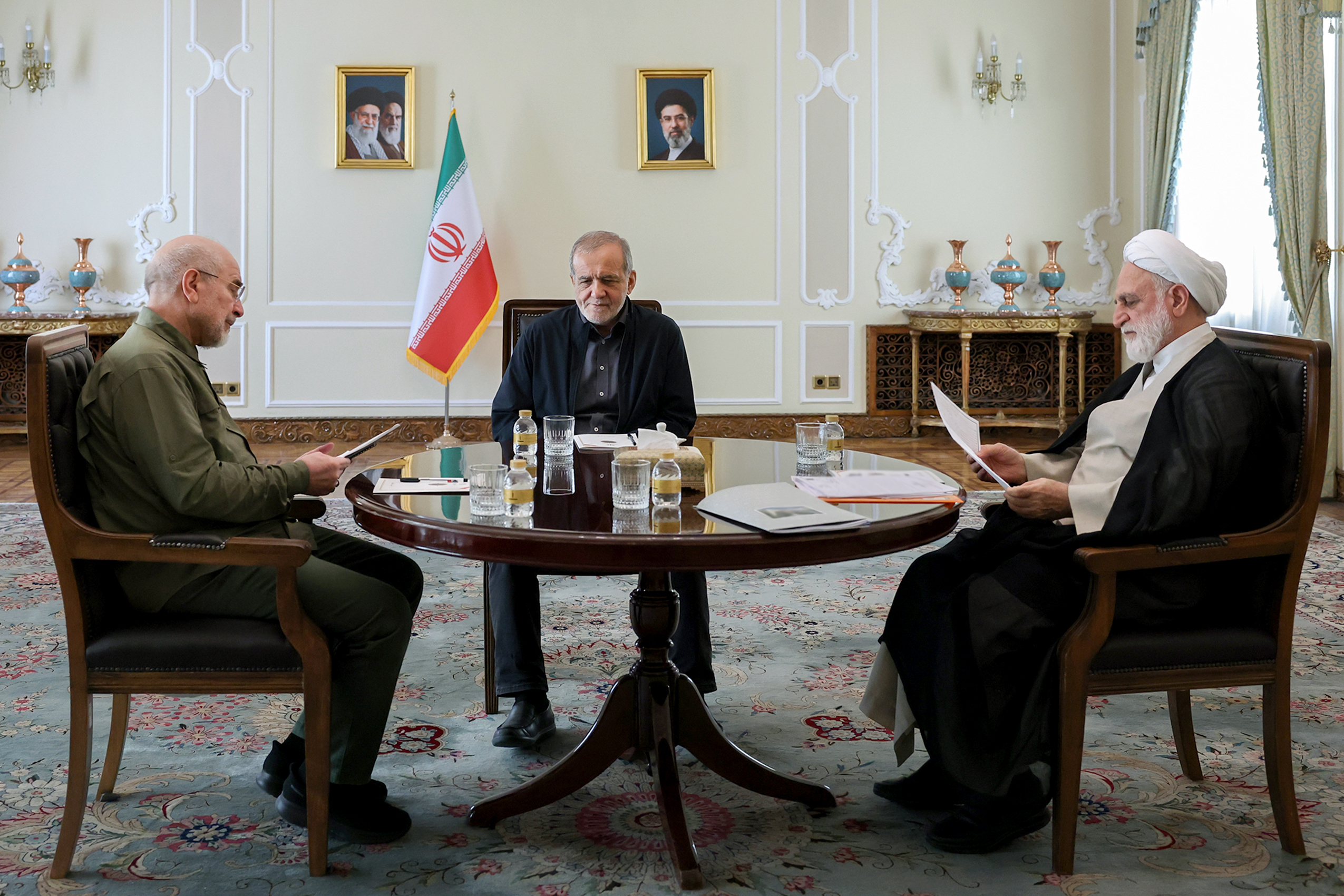
Remarks by Iran’s president offer a rare glimpse of how the Islamic Republic has adapted its decision making to the absence of its supreme leader.
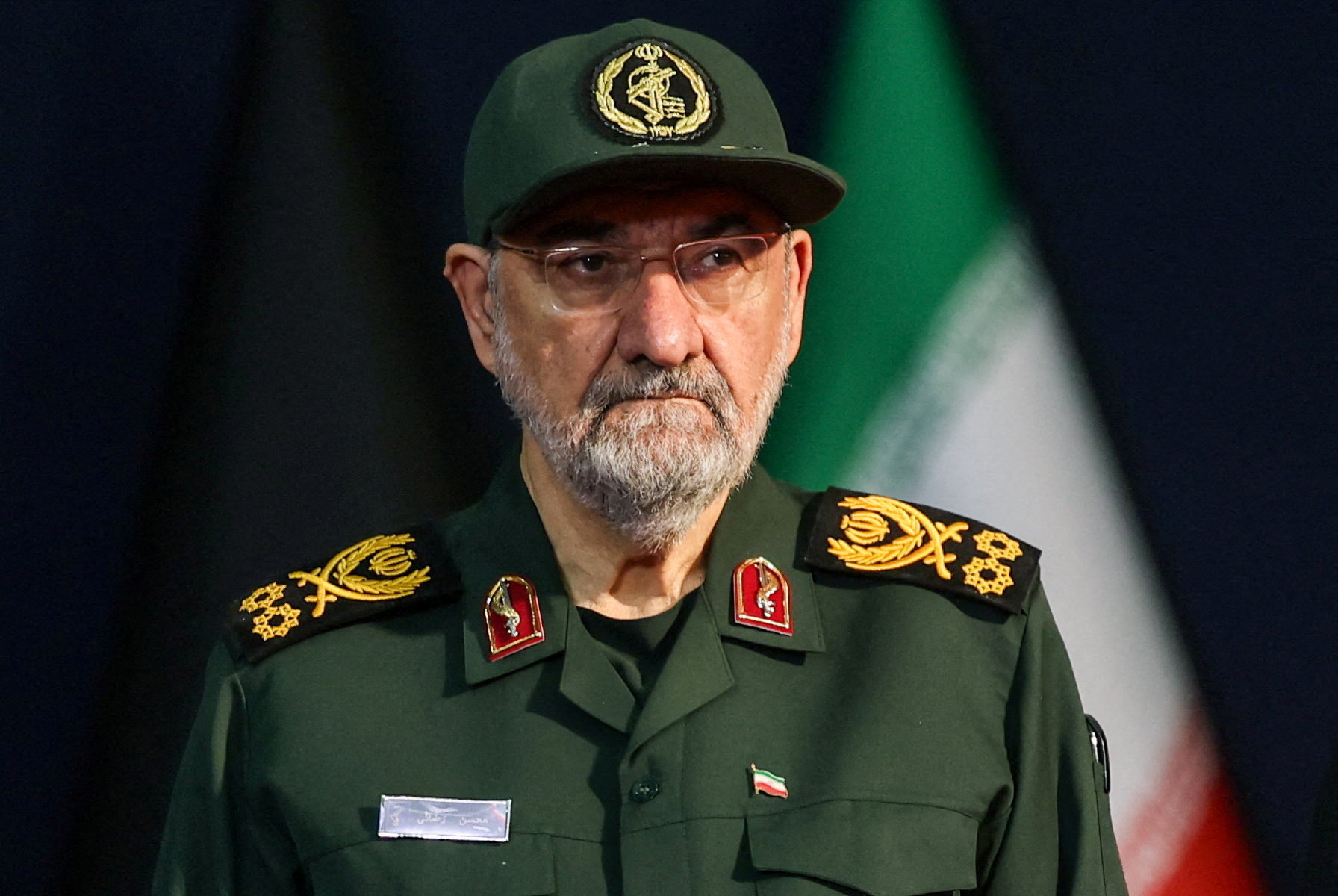
Mohsen Rezaei at the Helm of Iran’s Supreme National Security Council
Under Rezaei, the SNSC could prove constructive or paralyze strategic decision making.
The Islamic Republic Returns to Offense
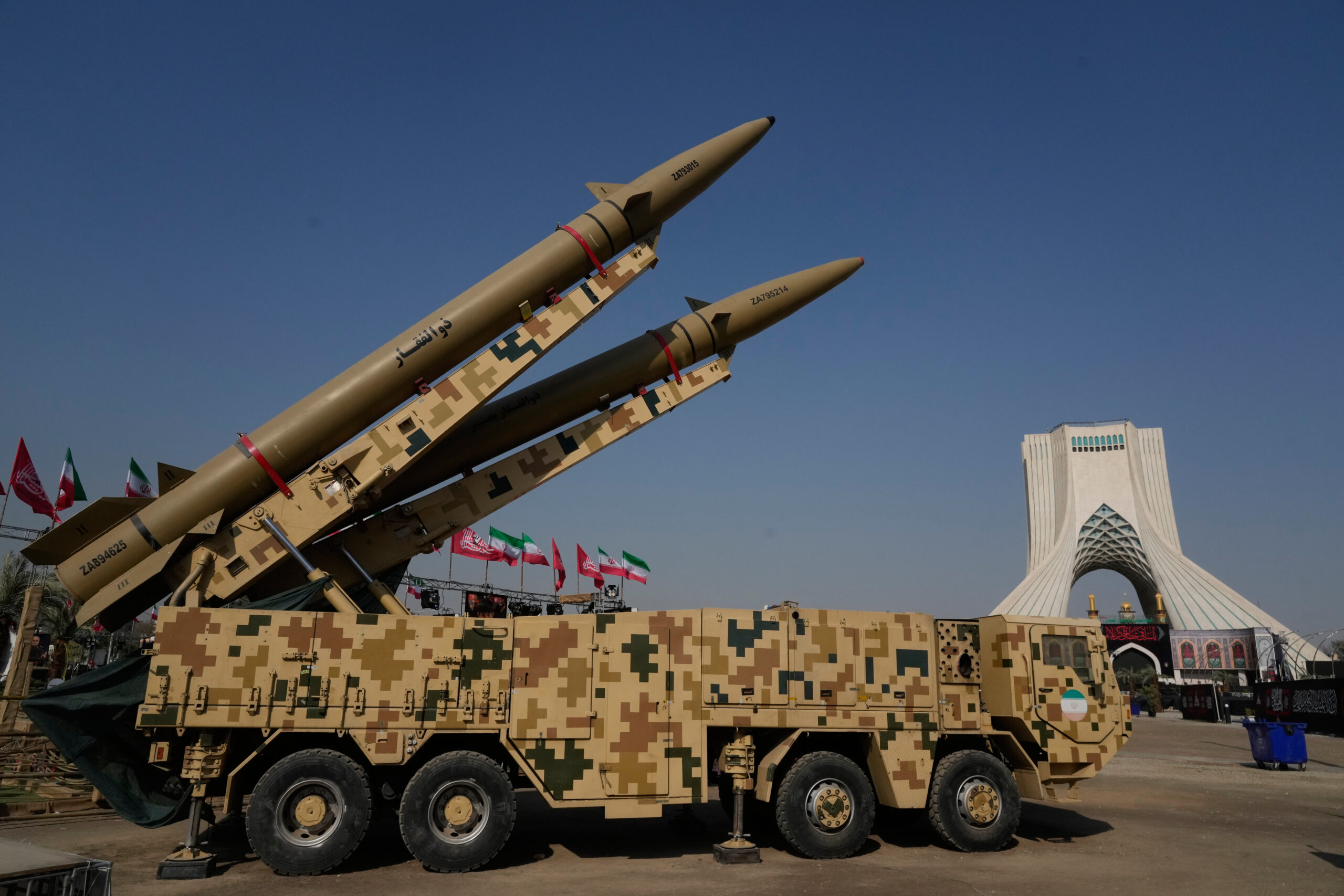
After U.S.-Israeli strikes killed Supreme Leader Ayatollah Ali Khamenei on February 28, Iran’s collective leadership has concluded that the best defense is a good offense.
Iran’s Collective Strategic Decision Making
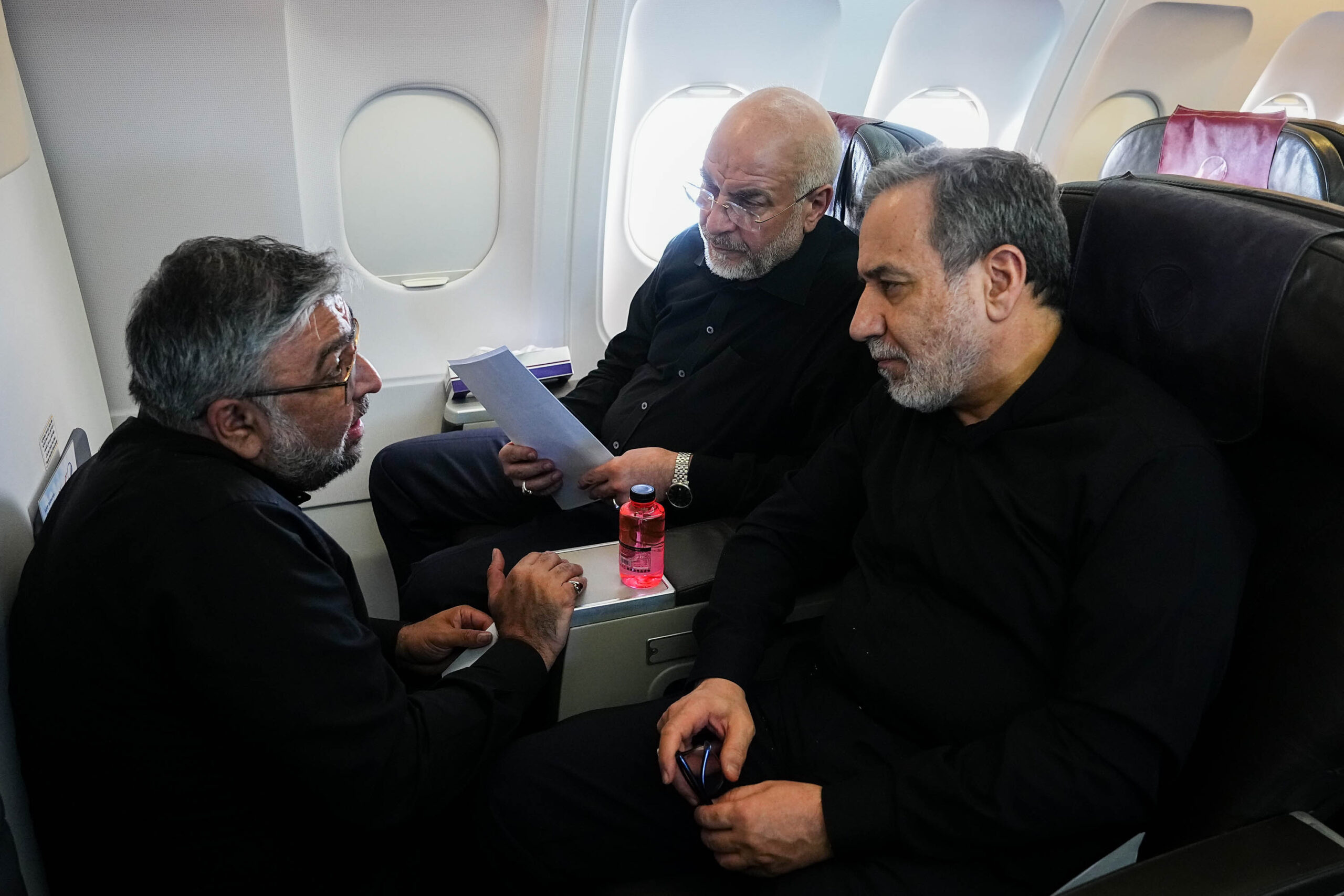
Wartime pressure has temporarily aligned the leadership’s overriding interest in regime survival, even as its members continue to differ over the costs, methods, and ultimate objectives of the war.
Events
Oct 6, 2026
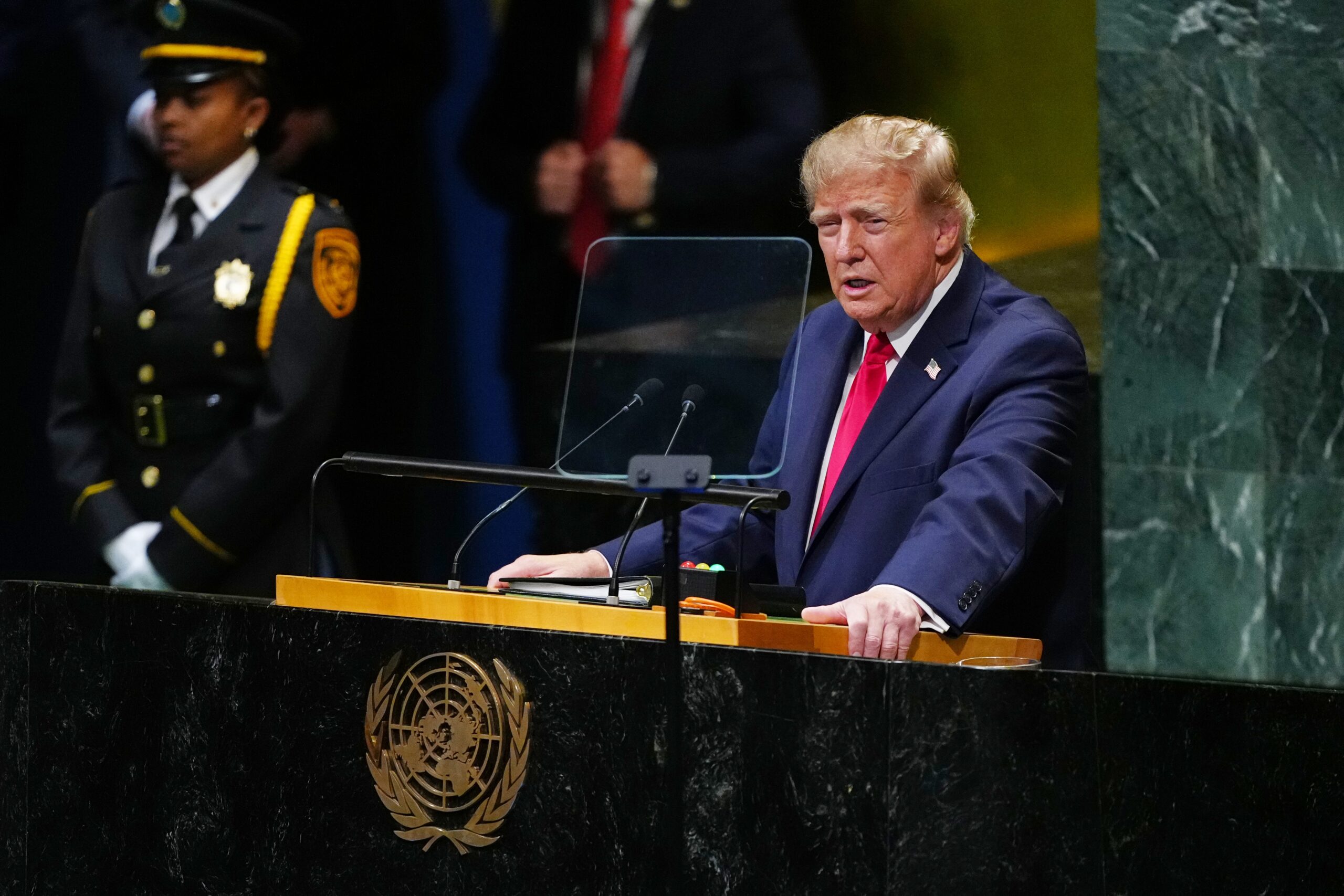
Is the U.S.-Iran Stalemate a “New Normal” or the Prelude to Another Explosion?
On October 6, AGSI hosted a discussion on the U.S.-Iran stalemate and the prospects for a cease-fire.
Speakers


Book Talk: Iran and the Bomb: The United States, Iran and the Nuclear Question
On June 16, AGSI hosted a discussion on the evolution of Iran's nuclear program.
Speakers
Apr 21, 2026
Inside Iran’s Wartime Leadership: Power, Succession, and Regime Stability
On April 21, AGSI hosted a discussion on the evolution of Iran's leadership during the war.
Speakers

Mar 18, 2026
In Its Conflict With the United States and Israel, Does Escalation Favor Iran?
On March 18, AGSI hosted a discussion on the escalation of the Iran war.
Speakers