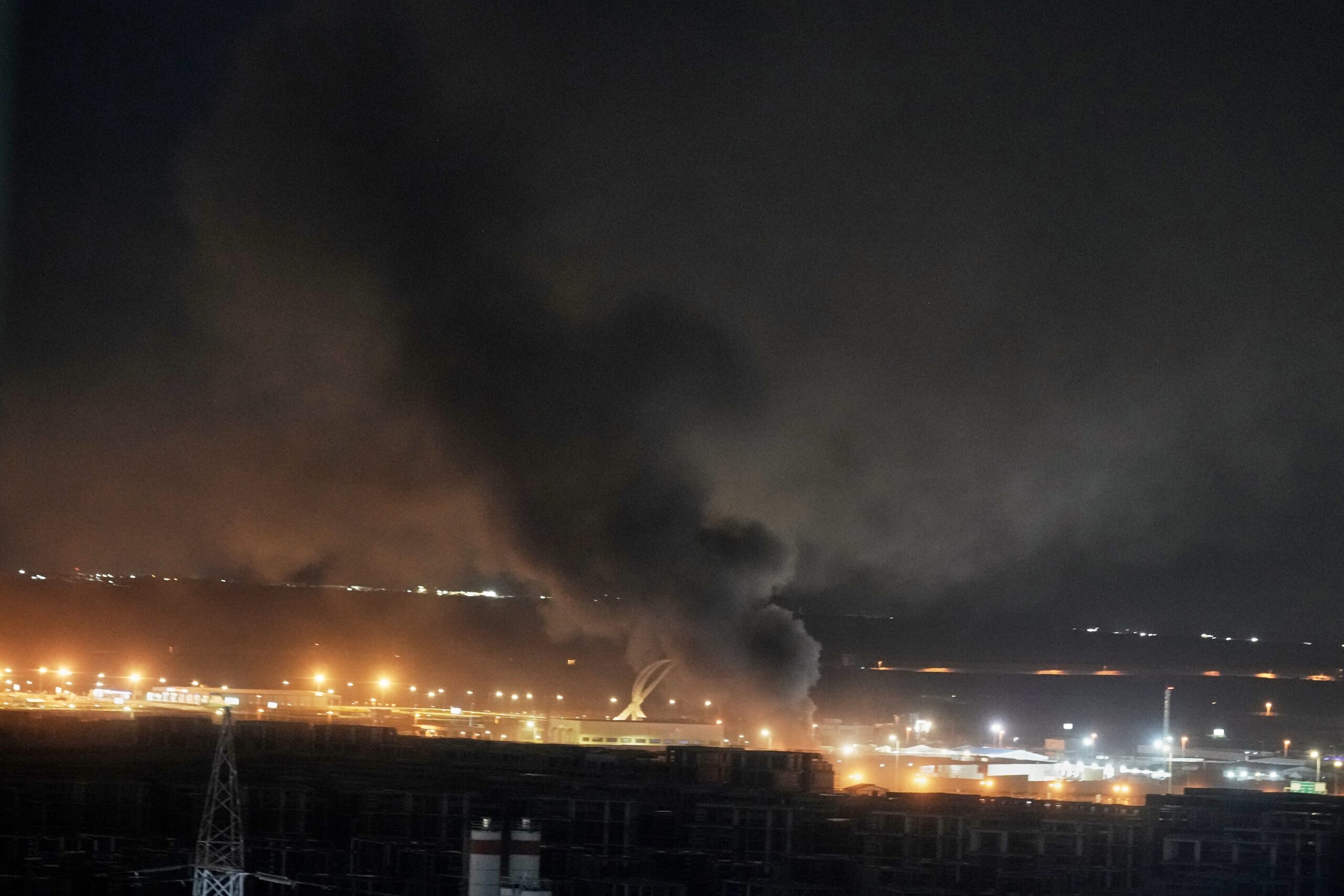
Smoke rises after an explosion at the airport in Erbil, Iraq, March 11. (AP Photo/Leo Correa)
The February 28 U.S.-Israeli strikes on Iran set off a conflict that quickly spread to other parts of the region. Iran and Iranian-allied forces in Iraq have launched hundreds of strikes across the Kurdistan region of Iraq, including Islamic Revolutionary Guard Corps missiles targeting Harir Air Base, Erbil International Airport, and other critical infrastructure. The Kurdistan region hosts U.S. soldiers at the base and the airport, accommodates the largest U.S. consulate in the world, and has developed its economy through energy exports and political stability. The Kurdistan region, a core partner of the United States in the fight against the Islamic State group, for years has been positioned between Iranian ballistic missile threats and gray-zone activities conducted by Tehran-backed Shia militias within Iraq’s Popular Mobilization Forces. Failure by Washington to remedy the underlying causes of the Kurdistan region’s vulnerability may result in the loss of a reliable foothold in Iraq and may expose U.S. personnel to greater risk.
Dual Threats Facing Erbil
There are two main strategically linked threats facing Erbil. The first is direct Iranian state aggression. As far back as March 2022, the IRGC launched 12 Fateh-110 ballistic missiles at targets in Erbil, striking the residence of a prominent Kurdish businessman. The IRGC claimed it was targeting an Israeli “Mossad headquarters.” There were no fatalities, but the attack led to significantly more consequential strikes in January 2024. Eleven IRGC missiles struck residential areas, resulting in the deaths of four civilians, including businessman Peshraw Dizayee and his infant daughter as well as another businessman and a housekeeper. Iran claimed Dizayee’s home served as an intelligence base, but an Iraqi government investigation found no evidence to support that. In response, Baghdad protested, recalled its ambassador from Tehran, and filed a complaint with the United Nations Security Council. However, Iraq was unable to physically prevent the attacks. The country lacks an air defense system capable of intercepting Iranian ballistic missiles, and no available political mechanism in Baghdad has been able to deter the regime in Tehran that perceives Kurdish autonomy as a threat.
The second threat is more operationally diffuse and, importantly, more actionable. Pro-Iranian militias, such as Kataib Hezbollah and Asaib Ahl al-Haq, which are formally incorporated into the Iraqi state as part of the PMF, have conducted a sustained campaign of drone and rocket attacks against the Kurdistan region since October 2023. The Islamic Resistance in Iraq has claimed responsibility for around 180 strikes on U.S. and coalition positions in the Kurdistan region and Syria. These groups operate from disputed territories south of the Kurdish security perimeter, exploiting a security vacuum that has persisted since 2017. Unlike Iran’s direct strikes, this militia activity falls within the jurisdiction of the Iraqi federal government. The PMF receives funding from the Iraqi budget, which is controlled by Baghdad, a reality that should give it significant leverage to rein in these militias, although complex internal political and government coalition dynamics render such action challenging.
The Economic Campaign Against Kurdistan
Military pressure on the Kurdistan region by Iran and its proxies in Iraq has been accompanied by significant fiscal constraints. In March 2023, Kurdistan’s independent oil exports through the Iraq-Turkey pipeline were halted after an International Chamber of Commerce ruling required Turkey to pay Baghdad $1.5 billion in damages for facilitating unauthorized Kurdish exports. During this two-year shutdown, international oil companies reduced their operations, and the Kurdistan Regional Government lost an estimated $35 billion in revenue. The KRG had to increase its reliance on federal budget transfers. The federal government in Baghdad has consistently used these transfers as leverage in disputes over territory, oil rights, and the legal status of the Kurdish Peshmerga forces.
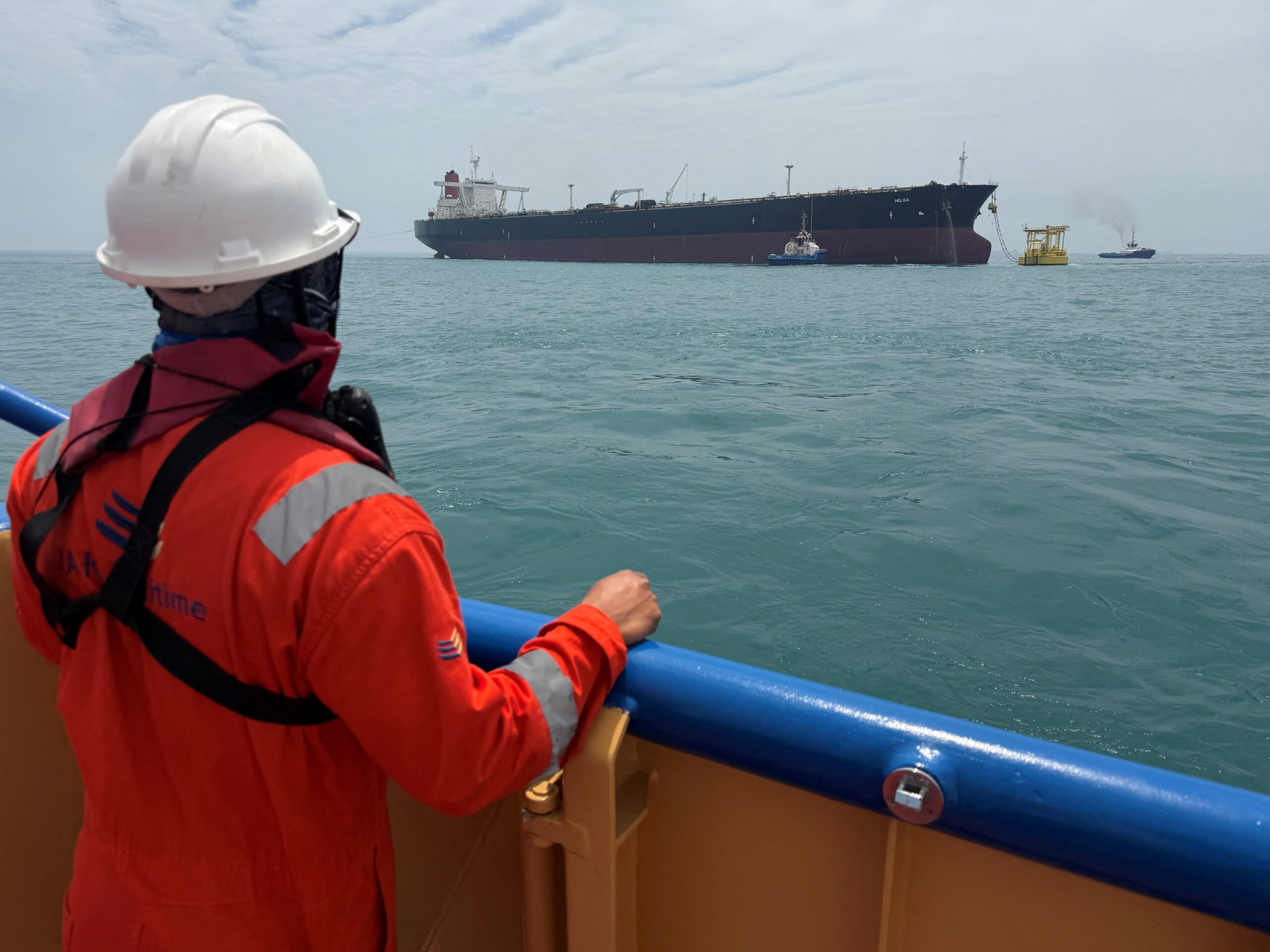
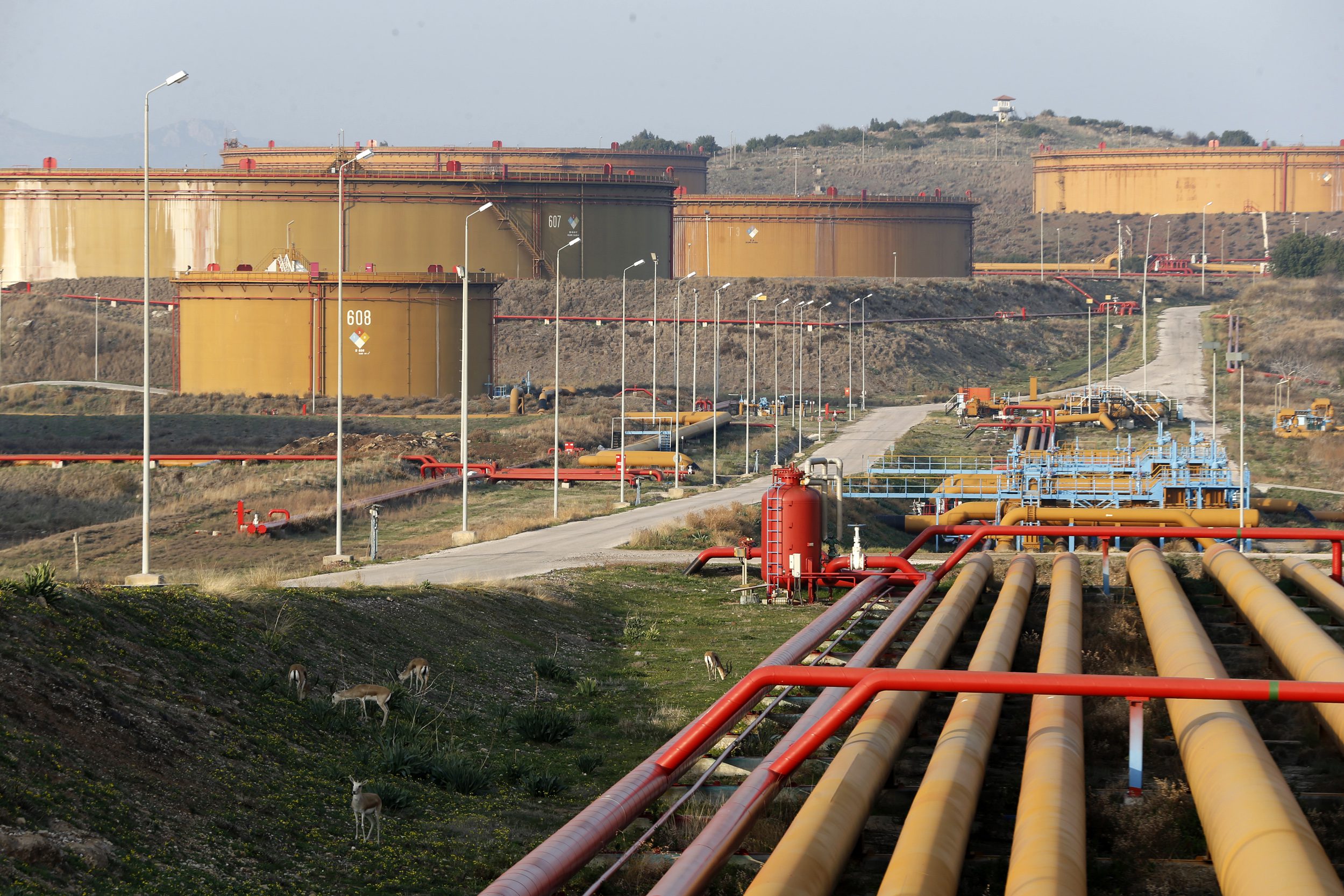
Exports partially resumed in September 2025 under revised terms. All sales are now conducted through Baghdad’s state oil marketing organization. Export volumes remain significantly below pre-2023 levels, and the new framework effectively terminated the KRG’s independent export capacity. A recent agreement reached between Baghdad and Erbil should significantly increase oil exports to up to 450,000 barrels per day through the Kurdistan pipeline, including 250,000 b/d from Kirkuk oilfields.
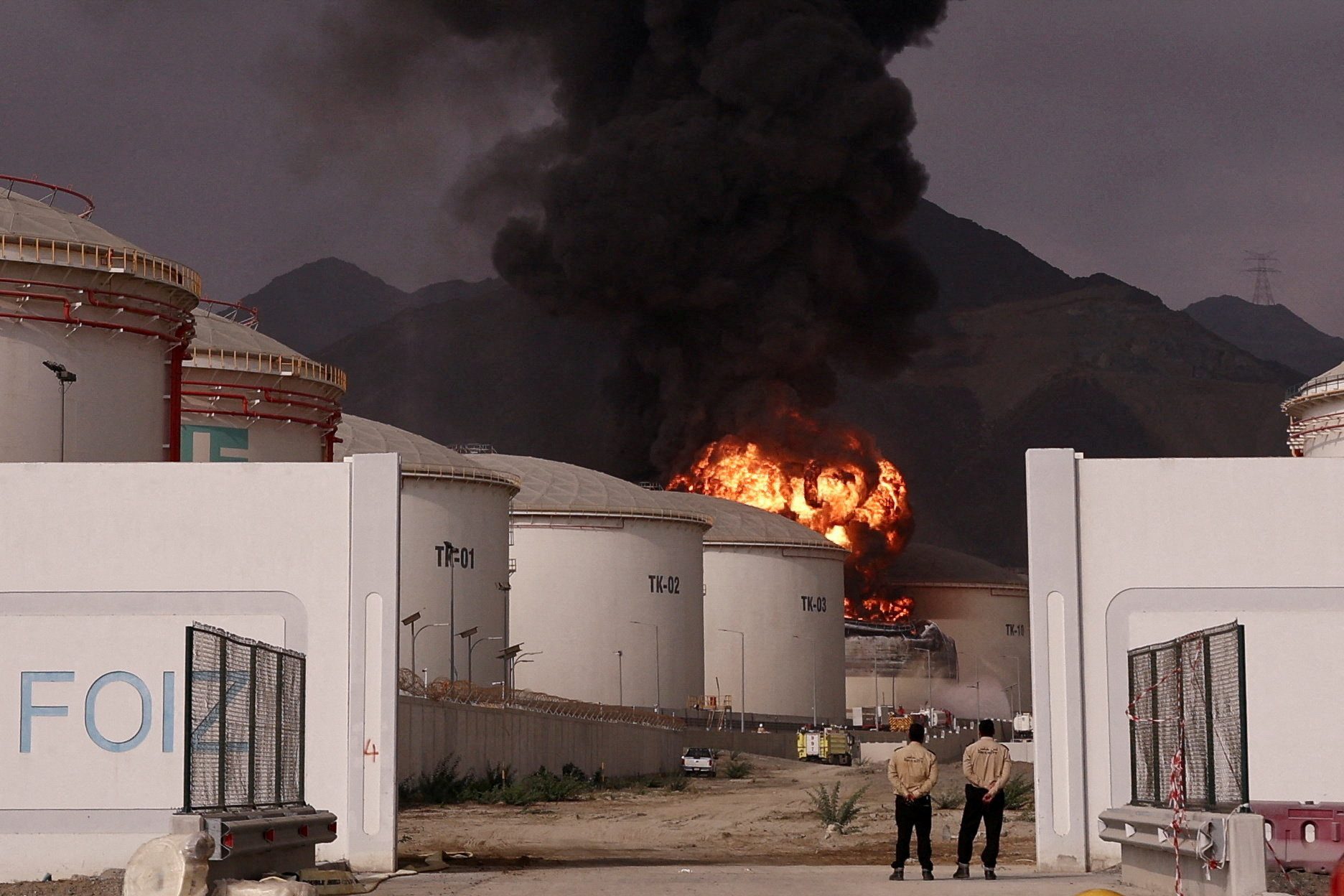
Direct attacks on the Kurdistan region’s energy infrastructure have increased the fiscal pressure. The Khor Mor gas field, which supplies over 80% of the Kurdistan region’s electricity, has been targeted by drones at least nine times since 2023. An April 2024 strike resulted in four fatalities and suspended production for nearly a week. In November 2025, a drone attack on a main storage tank caused a fire that disrupted 80% of the Kurdistan region’s power grid. Although Baghdad pledged to investigate each incident, no findings have been published, and no individuals have been held accountable, despite Erbil’s suspicions that Iran-backed militias in Iraq are responsible. In July 2025, coordinated drone strikes targeted five oil fields across the Erbil and Duhok provinces over three days. Production declined from approximately 300,000 barrels per day to around 80,000 b/d – the lowest output since 2015. The KRG’s deputy chief of staff attributed these attacks to militias funded by the Iraqi government.
The onset of direct hostilities between the United States and Iran in late February further destabilized the situation. Major operators, such as DNO and Dana Gas, suspended production as a precautionary measure. Iranian-back militia groups in Iraq claimed responsibility for additional strikes, including a March 5 attack on the Swara Tika oilfield. Most Kurdish oil production has remained offline, and the export pipeline to the Turkish port of Ceyhan was again suspended. Each escalation further diminishes the Kurdistan region’s productive capacity and increases its fiscal dependency on Baghdad.
Security Vacuum
In October 2017, Iraqi federal forces and PMF units entered disputed territories, including Kirkuk and significant portions of the Nineveh plains, following an unsuccessful Kurdish independence referendum. The Peshmerga, which had controlled these areas since 2014 and led ground operations against ISIS after the collapse of Iraqi forces, withdrew under pressure. As a result, the KRG lost approximately 40% of its previously held territory within days, including the Kirkuk oil fields that supported its budget.
Although federal forces were nominally responsible for security, PMF-affiliated units effectively filled the resulting security vacuum. Iranian-aligned commanders consolidated control over territories. ISIS cells exploited the divisions among federal, militia, and Kurdish forces to regroup in rural areas of Diyala, Kirkuk, Saladin, and Anbar. Between 2020 and 2024, ISIS conducted more than 2,500 operations in Iraq, with the majority concentrated in these provinces and occurring in the first two years. A lower-intensity insurgency, including ambushes, kidnappings, extortion of farmers, and the burning of cropland, has persisted in the regions lacking effective control by any single force.
A more immediate concern for Erbil is that the disputed territories now function as forward staging areas for militia operations targeting the Kurdistan region and U.S. interests. Drone and rocket attacks against Erbil, including Erbil International Airport and Harir Air Base, which both host U.S. forces, have frequently originated from positions located just south of the Kurdish perimeter. In the absence of Peshmerga forces, there is no buffer zone, early-warning capability, or effective deterrent.
Washington’s Role
The United States still has considerable influence in Iraq through its military aid, diplomatic backing, and control over access to global financial systems. Under the September 2024 agreement on the U.S. military presence, U.S. forces left bases in southern and central Iraq and are now concentrated in the Kurdistan region. Harir Air Base will serve as their main base until September 2026. For that reason, the security of the Kurdistan region is a direct concern for the United States.
Reintegrating Peshmerga forces into disputed areas through official joint security centers, in collaboration with Iraqi federal forces, would be an important step toward advancing regional stability. Various forms of joint coordination have existed since 2003. Efforts to establish six joint operations commands in locations including Kirkuk, Makhmour, and Diyala have frequently stalled, not due to flaws in the plan but because of inconsistent U.S. political support. Washington could help to facilitate an agreement that includes clear rules of engagement, shared intelligence, and a commitment from Baghdad to prevent PMF units from operating independently in these areas.
The objective would not be to reverse the territorial changes of 2017 but to acknowledge that the current security arrangement has failed to prevent militia attacks on Erbil, protect civilians in disputed areas, and eliminate the ISIS threat. A joint deployment would uphold Iraq’s sovereignty and contribute to the reconstruction of a reliable security system in regions that are currently contested.
A U.S.-facilitated redeployment would deliver three significant benefits. First, it would help stabilize the Kurdistan region by restoring a defensible perimeter and improving conditions for economic recovery. Second, it would strengthen Iraqi federal authority by enforcing institutional discipline on militia groups currently operating outside state control. Effective governance in Baghdad requires constraining the PMF. Third, redeployment would reduce the vulnerability of U.S. military and diplomatic personnel at Harir Air Base, Erbil International Airport, and the Erbil consulate, which remain exposed to drone and rocket attacks originating from the relatively unpoliced regions. An effective agreement would establish the Kurds as genuine partners, obligate Baghdad to fulfill its federal responsibilities, and close the loosely controlled corridor exploited by Iranian-backed groups. While support for such a Peshmerga redeployment in these disputed areas of Iraq is not currently a top priority for a Trump administration squarely focused on Iran, Washington should be prepared to reengage on this issue when strategic conditions permit.
The views represented herein are the author's or speaker's own and do not necessarily reflect the views of AGSI, its staff, or its board of directors.
The U.S.-Israeli attack on Iran has exposed Iraq’s structural fragilities: territorial permeability, economic monoculture, energy dependence, and politically mediated sovereignty.
The longer the conflict lasts, and the more damage to energy facilities, the greater the risk of oil market tightness, rising prices, and stranded commodities.
With the Strait of Hormuz closed and alternative export routes infeasible in the short term, a comprehensive agreement with Erbil can help Baghdad address its critical lack of oil export capability.
The flow of Kurdish oil via the Iraq-Turkey pipeline to the international market after more than two years demonstrates the effectiveness of sustained U.S. diplomacy.
Decentralized governance efforts in the region, while offering promise to societies fractured by years of dictatorship and war, will be messy, inconsistent, and vulnerable to reversal and external manipulation.
Baghdad is weaponizing economic levers to punish the Kurdistan region for signing energy pacts with U.S. firms and for aligning with President Trump’s commercial diplomacy.