Feb 24, 2026
Iran Signals Deterrence Paired With Diplomacy
The February 24 edition of the Iran Media Review analyzes Iranian messaging in the lead up to a new round of negotiations with the United States.

As Iran prepares for the next round of negotiations with the United States, Iranian officials and media signaled calibrated deterrence against a threatened U.S. military strike paired with conditional openness to diplomacy.
- February 24: According to economic newspaper Donya-ye Eqtesad, Supreme National Security Council Secretary Ali Larijani is heading to Muscat, Oman in preparation for indirect negotiations scheduled with the United States for February 26 in Geneva, Switzerland. An unnamed Foreign Ministry source told the newspaper that Rafael Grossi, director general of the International Atomic Energy Agency, is also likely to be present at the negotiations.
- February 24: SNSC-affiliated Nour News Agency posted on X about alleged tensions among the United States’ political and military leadership over a potential military confrontation with Iran:
- “The issue that has today created a rift between #Trump and the military commanders is not the capability to strike Iran; it is the lack of a plan for the day after the strike. America can pull the trigger, but it does not know how to contain the chain of consequences following #Iran’s response. Today’s deterrence stems from the #unknown_consequences of starting a war, not from a shortage of weapons.”
- February 24: Foreign Ministry Spokesman Esmaeil Baqaei, commenting on President Donald J. Trump’s threat of “limited strikes” against Iran, was quoted by Islamic Revolutionary Guard Corps-affiliated Javan as saying:
- “There is no such a thing as ‘limited strikes.’ An act of aggression is an act of aggression, and any government would regard such an act as aggression. Within the framework of the inherent right to self-defense, our decisive response will therefore be firm and proportionate.”
- February 24: Reformist Shargh interviewed two foreign policy experts on the prospects for U.S.-Iran negotiations in Geneva:
- Asgar Qahremanpour said: “Tehran has sought to create a link between nuclear security and economic interests by designing a three-tier package. The package includes continuing enrichment at a managed level along with confidence-building mechanisms, readiness to return to broader inspections, and tying these concessions to sanctions relief and U.S. economic participation in areas such as aircraft sales and oil projects … This approach recalls the logic of the JCPOA, with the difference that Iran is seeking more tangible economic guarantees.”
- Mohsen Jalilvand said: “Given the wide gap between the positions of the two sides, the likelihood of persuading Trump through this package is very low; Trump’s maximalist demands essentially repeat what Netanyahu wants, and Iran has no option but resistance.”
- February 24: Hassan Hanizadeh, a regional affairs expert, said in an interview with reformist Etemad:
- “Iran will offer its proposals to the United States through Grossi … which entails Iran reducing its level of uranium enrichment to the lowest levels … the stockpile of enriched uranium … can be transferred to a country like Oman for safekeeping under the supervision of the IAEA.”
- “In return, the United States will remove a considerable part of the sanctions imposed on Iran since 2018.”
The views represented herein are the author's or speaker's own and do not necessarily reflect the views of AGSI, its staff, or its board of directors.
Related
Iran Media Review
Feb 20, 2026
Resigned to War Yet Still Working Toward a Deal
The February 20 edition of the Iran Media Review considers Iranian media analysis on the prospects for conflict and a potential deal to prevent it.
Iran Media Review
Feb 17, 2026
Money Talks: U.S.-Iran Negotiations in Geneva
The February 17 edition of the Iran Media Review explores an Iranian deputy foreign minister’s discussion of potential economic incentives Iran is offering to the United States.
Iran Media Review
Feb 13, 2026
Revolution Day in Iran: Celebrating Survival
The February 13 edition of the Iran Media Review explores Iranian narratives surrounding the anniversary of the 1979 Islamic Revolution.
Feb 20, 2026
Resigned to War Yet Still Working Toward a Deal
The February 20 edition of the Iran Media Review considers Iranian media analysis on the prospects for conflict and a potential deal to prevent it.
Feb 17, 2026
Money Talks: U.S.-Iran Negotiations in Geneva
The February 17 edition of the Iran Media Review explores an Iranian deputy foreign minister’s discussion of potential economic incentives Iran is offering to the United States.
Feb 13, 2026
Revolution Day in Iran: Celebrating Survival
The February 13 edition of the Iran Media Review explores Iranian narratives surrounding the anniversary of the 1979 Islamic Revolution.
Analysis
The Islamic Republic Returns to Offense
After U.S.-Israeli strikes killed Supreme Leader Ayatollah Ali Khamenei on February 28, Iran’s collective leadership has concluded that the best defense is a good offense.
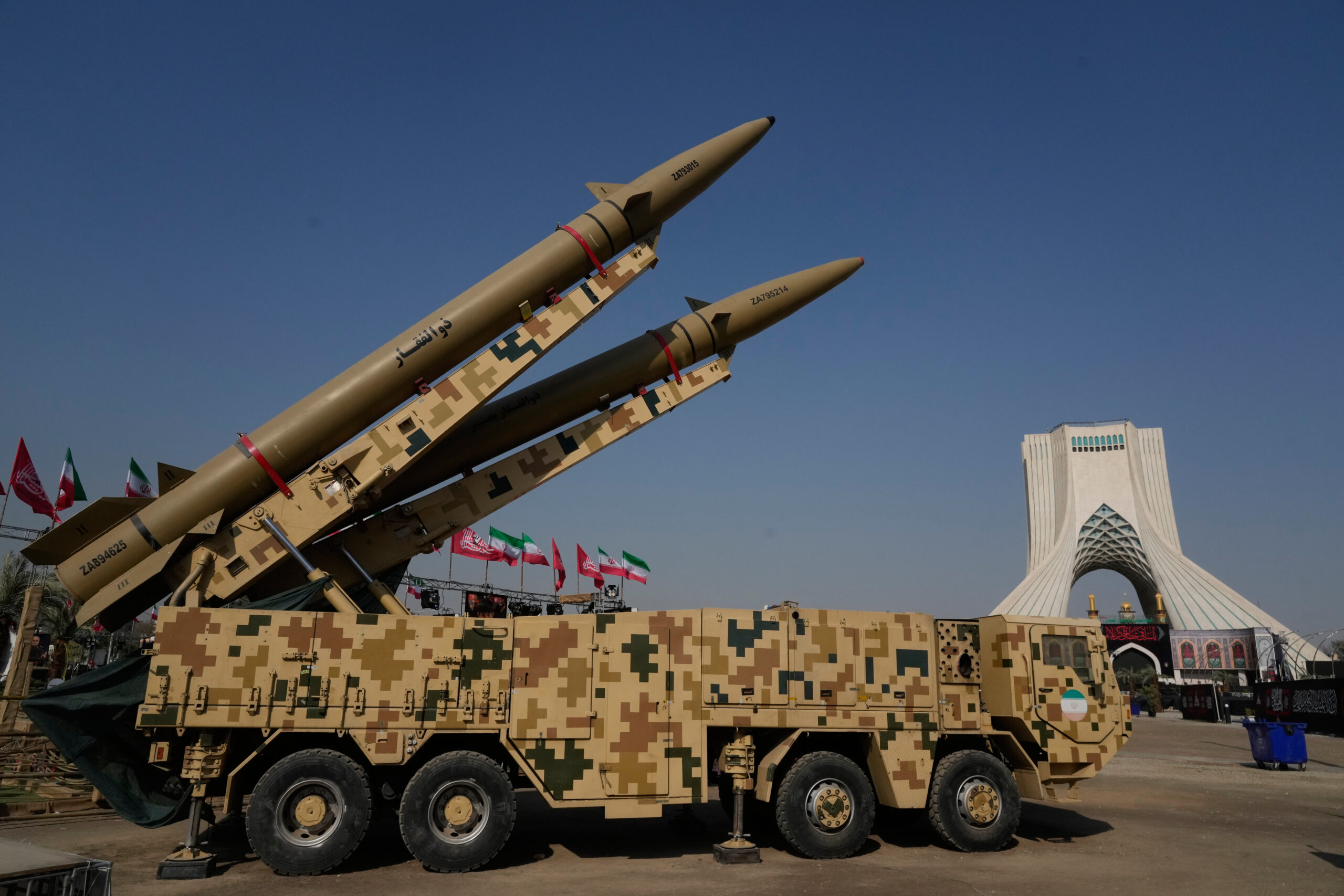
Iran’s Collective Strategic Decision Making
Wartime pressure has temporarily aligned the leadership’s overriding interest in regime survival, even as its members continue to differ over the costs, methods, and ultimate objectives of the war.
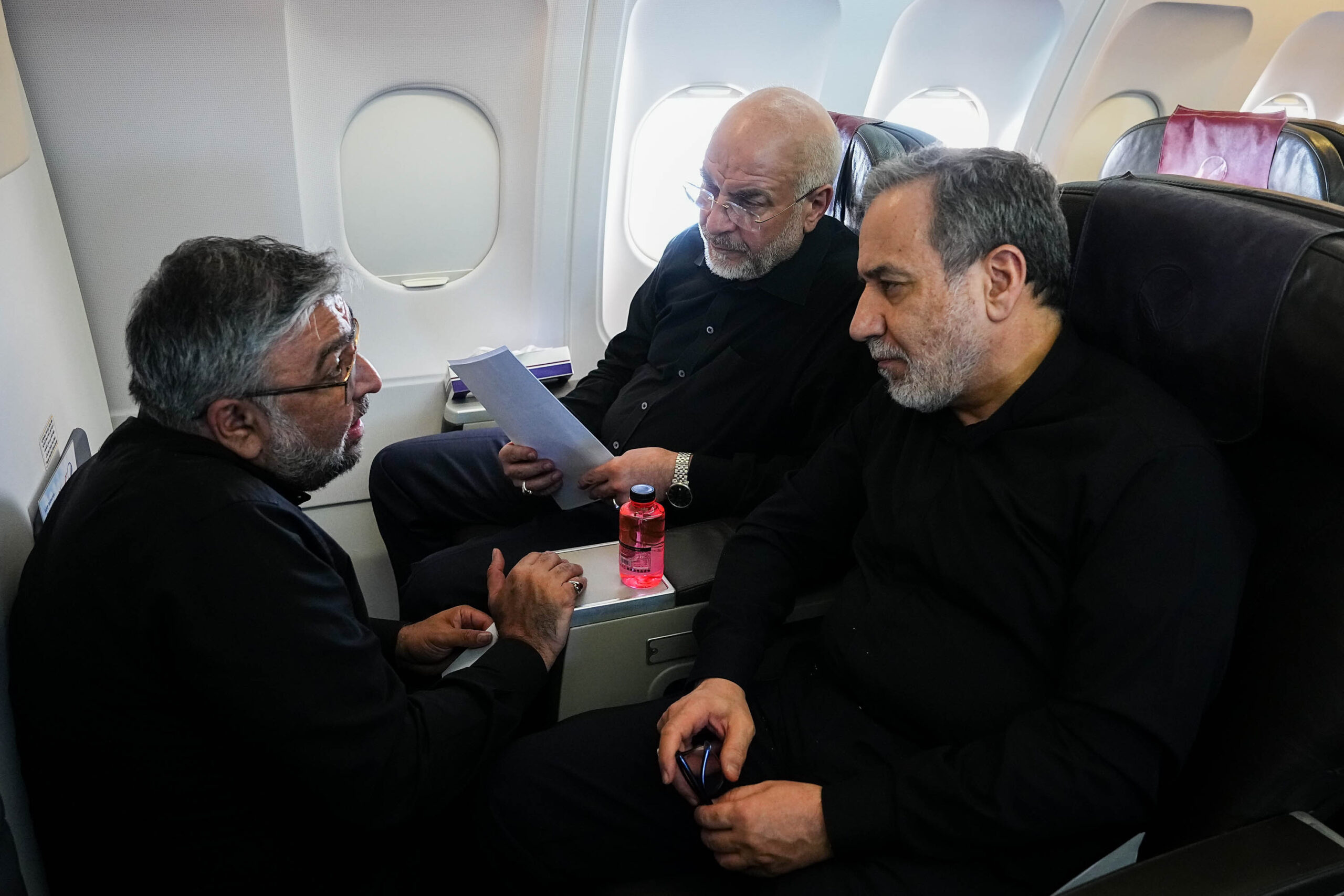
The Islamic Republic’s Collective Leadership
While there is historical precedent for collective leadership in Iran, today’s leadership includes representatives of the IRGC and regular military – a reflection of the IRGC’s expanding role and the necessities of governing under wartime conditions.
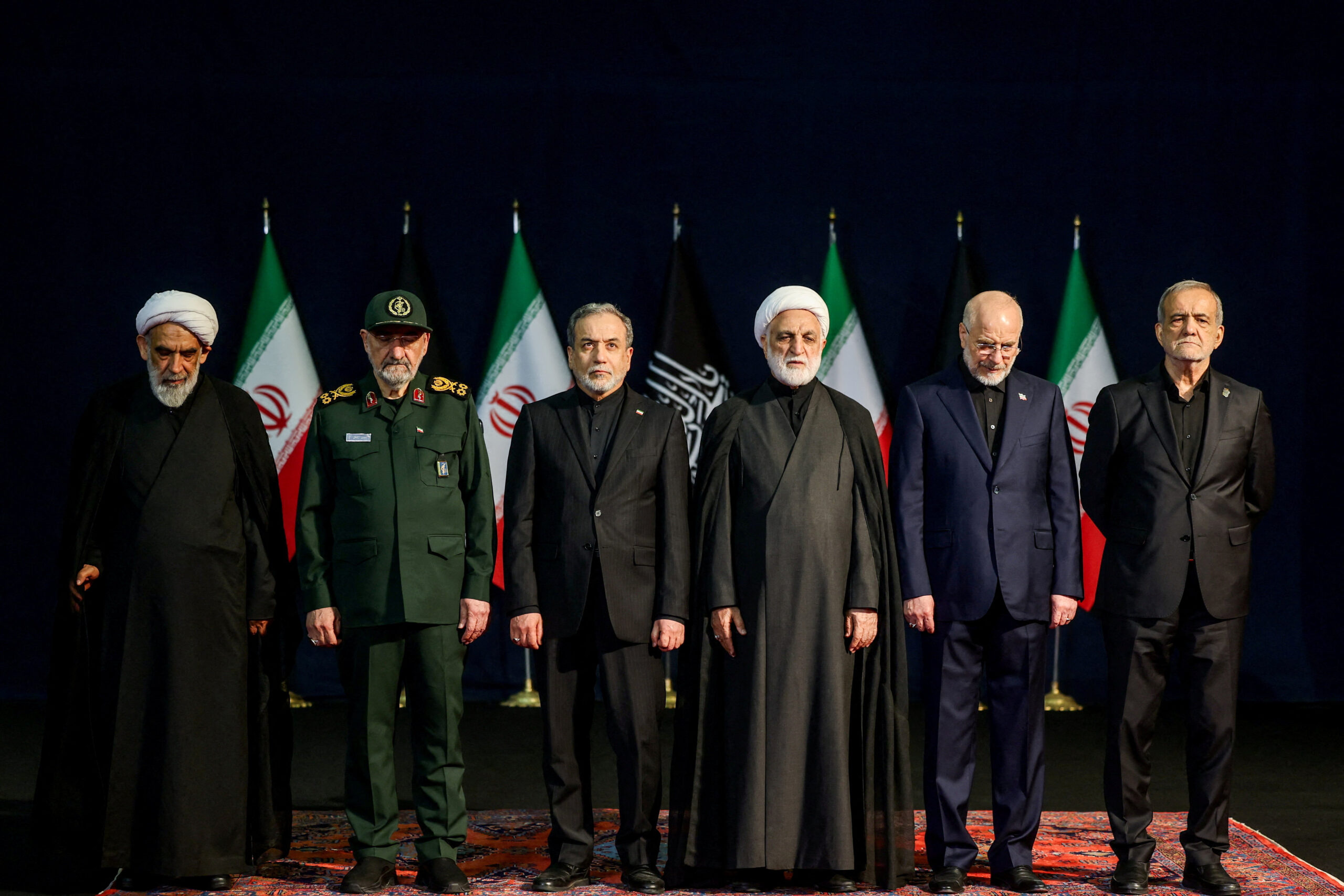
How Did the IRGC Seize Power in Iran?
The IRGC did not seize power in a single stroke. It accumulated it – patiently, methodically – until no counterweight remained.
Events
Oct 6, 2026
10:00am - 11:00am
Is the U.S.-Iran Stalemate a “New Normal” or the Prelude to Another Explosion?
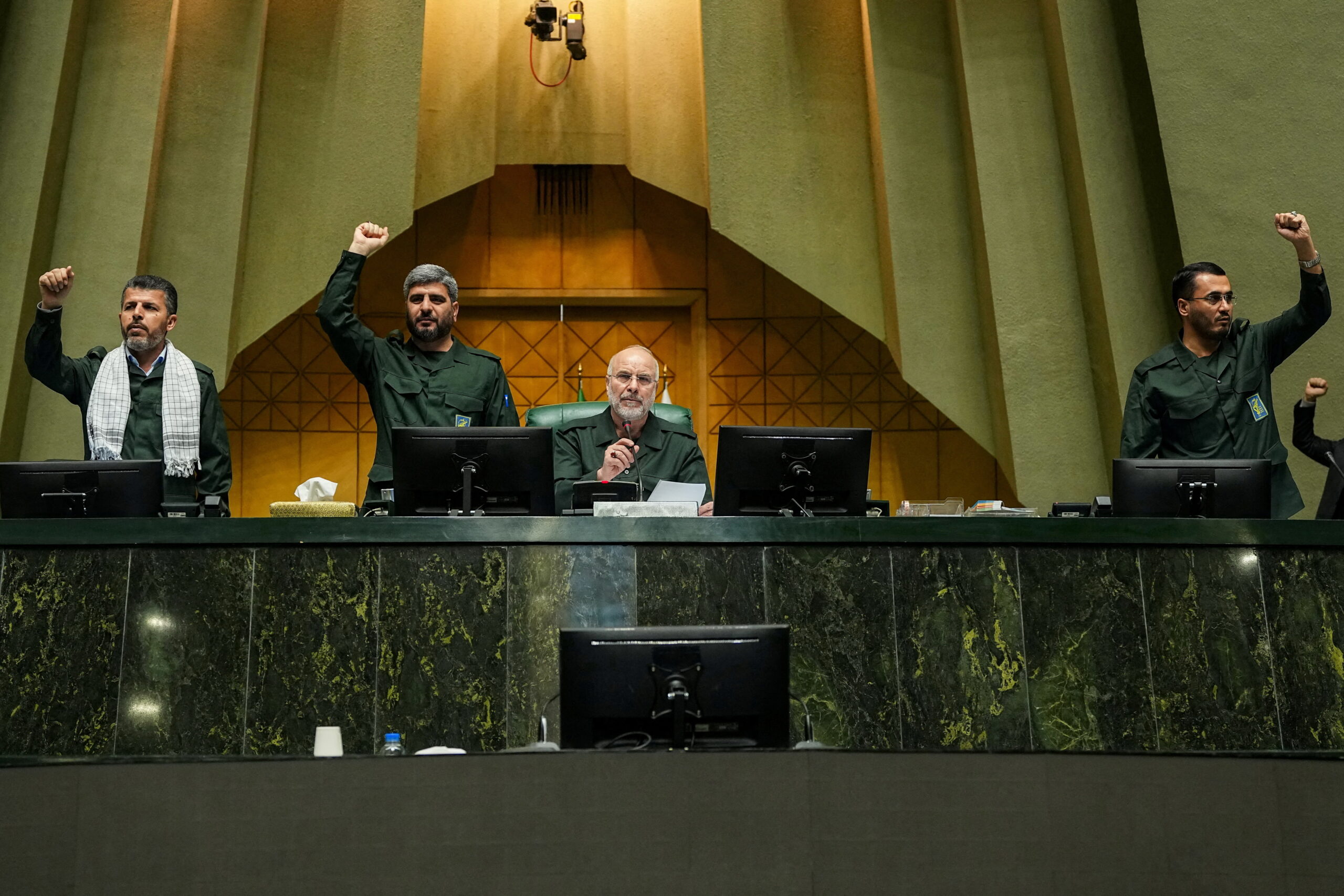
On October 6, AGSI will host a discussion on the U.S.-Iran stalemate and the prospects for a cease-fire.
Speakers



Book Talk: Iran and the Bomb: The United States, Iran and the Nuclear Question
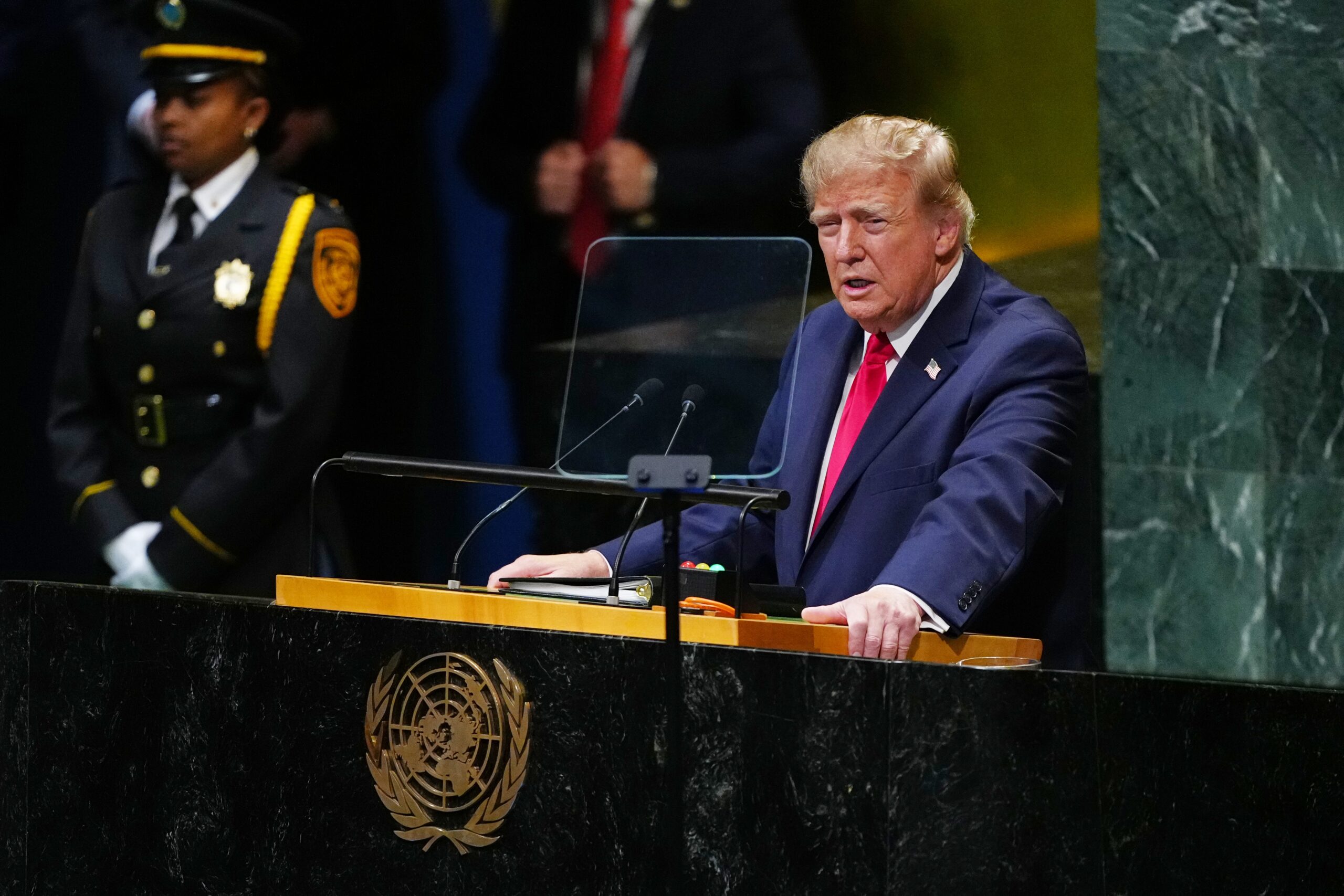
On June 16, AGSI hosted a discussion on the evolution of Iran's nuclear program.
Speakers
Apr 21, 2026
Inside Iran’s Wartime Leadership: Power, Succession, and Regime Stability
On April 21, AGSI hosted a discussion on the evolution of Iran's leadership during the war.
Speakers

Mar 18, 2026
In Its Conflict With the United States and Israel, Does Escalation Favor Iran?
On March 18, AGSI hosted a discussion on the escalation of the Iran war.
Speakers