Feb 17, 2026
Money Talks: U.S.-Iran Negotiations in Geneva
The February 17 edition of the Iran Media Review explores an Iranian deputy foreign minister’s discussion of potential economic incentives Iran is offering to the United States.

As Iran’s top diplomats prepare for the next round of indirect nuclear negotiations with the United States, their emphasis appears to be on economic incentives for the United States. But have they reached this realization too late?
- February 16: Economic newspaper Donya-ye Eqtesad reported:
- “According to announced news, the next round of negotiations between Iran and the United States will be held in Geneva on Tuesday. According to experts, economic deals can play a very important role in advancing the negotiations and, in a way, guarantee economic gains for both sides.”
- “Hamid Ghanbari, deputy foreign minister for economic diplomacy at the Iranian Ministry of Foreign Affairs, recently stated in a meeting at the Iran Chamber of Commerce that ‘shared interests in the fields of oil and gas, joint fields, mining investments, and even aircraft purchases have been included in the text of the negotiations.’ According to experts, weakness in the economic annex of the previous nuclear agreement – the JCPOA – was one of the factors that made the U.S. withdrawal from the deal relatively low cost. Ghanbari pointed out that ‘This time, for the agreement to be sustainable, it is essential that the United States also benefit in areas with high and rapid economic returns.’”
- “Ghanbari explained that the proposed economic sectors should have the least domestic sensitivity, citing examples including energy, oil and gas fields, quick-yield mining investments, urban development, and aircraft purchases. The deputy foreign minister for economic diplomacy also referred to the issue of limited or frozen resources and added: These resources will also be part of the agreement, and their release must be real and usable not merely symbolic or temporary. He continued that this release could occur either step by step or all at once, and Iran could even place debts as collateral to ensure genuine access. Ghanbari emphasized that the negotiations are being seriously pursued with the aim of reaching an agreement, but no domestic agency or institution should halt its normal activities on the pretext of the talks. He said: ‘The country must be prepared for all scenarios while at the same time seriously pursuing negotiations.’”
The views represented herein are the author's or speaker's own and do not necessarily reflect the views of AGSI, its staff, or its board of directors.
Related
Iran Media Review
Feb 13, 2026
Revolution Day in Iran: Celebrating Survival
The February 13 edition of the Iran Media Review explores Iranian narratives surrounding the anniversary of the 1979 Islamic Revolution.
Iran Media Review
Feb 10, 2026
Iran’s State-Censored Media Reacts to the Oman Talks
The February 10 edition of the Iran Media Review examines cautiously optimistic Iranian media messaging following a new round of U.S.-Iran negotiations.
Iran Media Review
Feb 6, 2026
Oman Negotiations Redux
The February 6 edition of the Iran Media Review highlights Iranian media analysis of renewed U.S.-Iran negotiations in Oman.
Feb 13, 2026
Revolution Day in Iran: Celebrating Survival
The February 13 edition of the Iran Media Review explores Iranian narratives surrounding the anniversary of the 1979 Islamic Revolution.
Feb 10, 2026
Iran’s State-Censored Media Reacts to the Oman Talks
The February 10 edition of the Iran Media Review examines cautiously optimistic Iranian media messaging following a new round of U.S.-Iran negotiations.
Feb 6, 2026
Oman Negotiations Redux
The February 6 edition of the Iran Media Review highlights Iranian media analysis of renewed U.S.-Iran negotiations in Oman.
Analysis
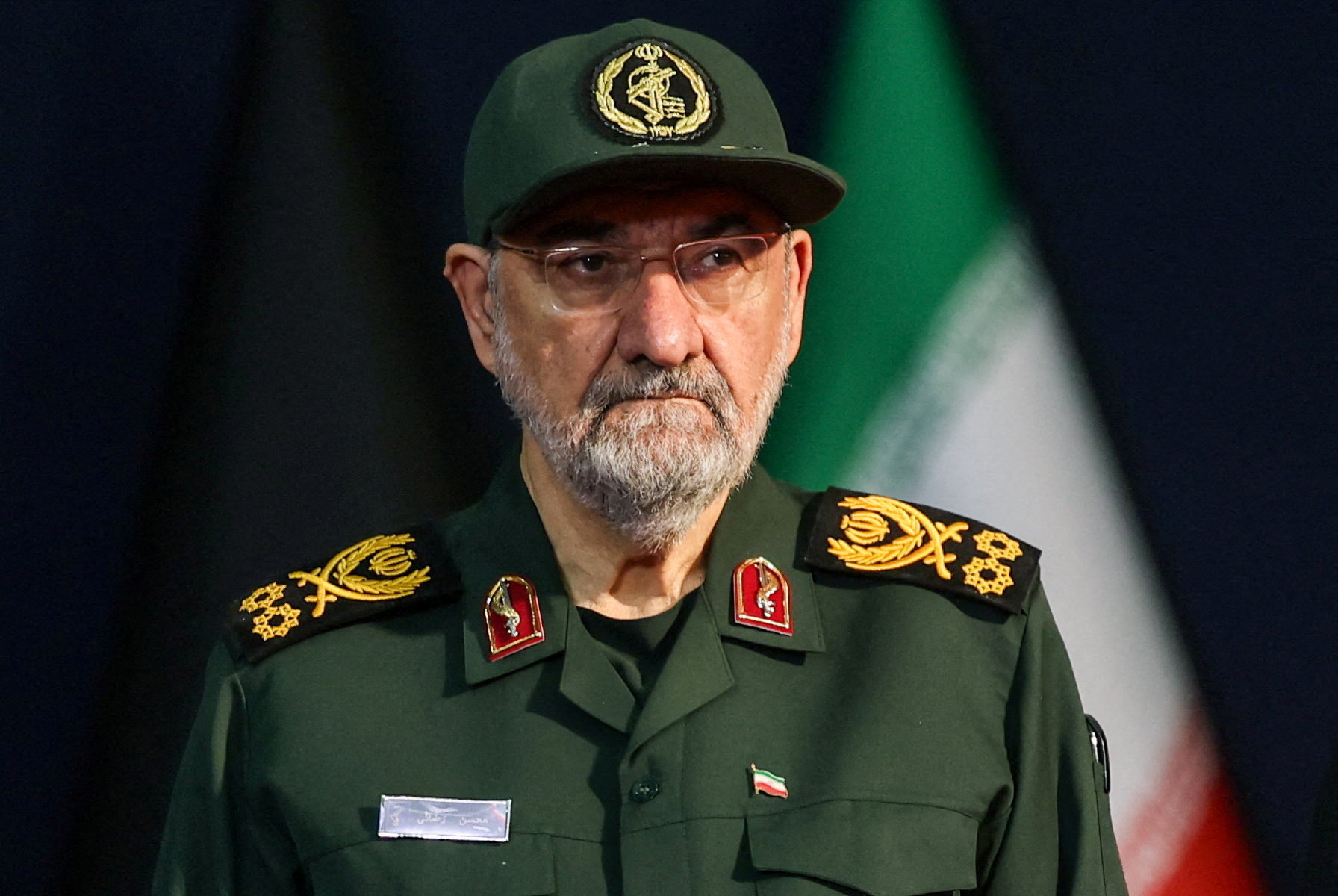
Mohsen Rezaei at the Helm of Iran’s Supreme National Security Council
Under Rezaei, the SNSC could prove constructive or paralyze strategic decision making.
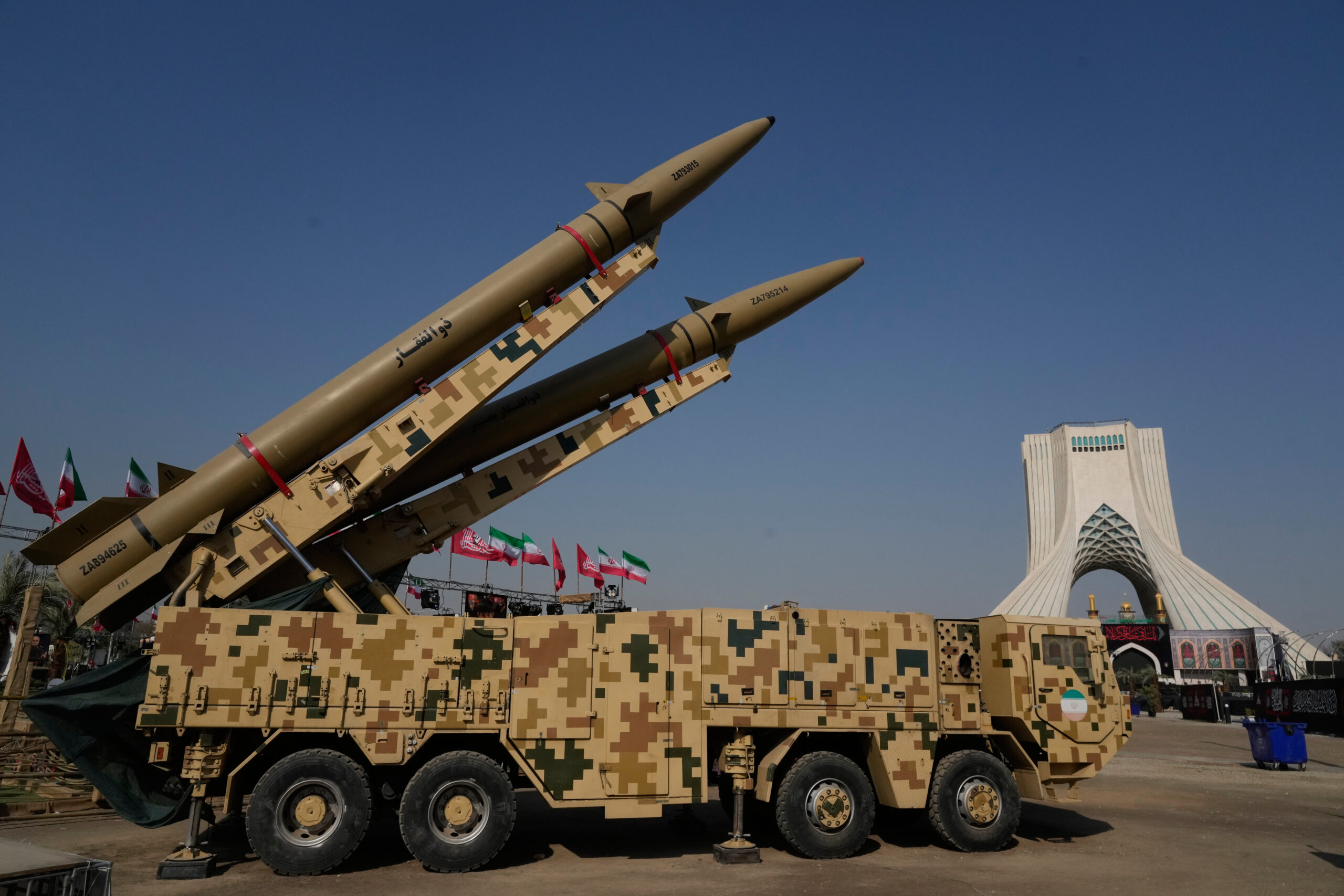
The Islamic Republic Returns to Offense
After U.S.-Israeli strikes killed Supreme Leader Ayatollah Ali Khamenei on February 28, Iran’s collective leadership has concluded that the best defense is a good offense.
Iran’s Collective Strategic Decision Making
Wartime pressure has temporarily aligned the leadership’s overriding interest in regime survival, even as its members continue to differ over the costs, methods, and ultimate objectives of the war.
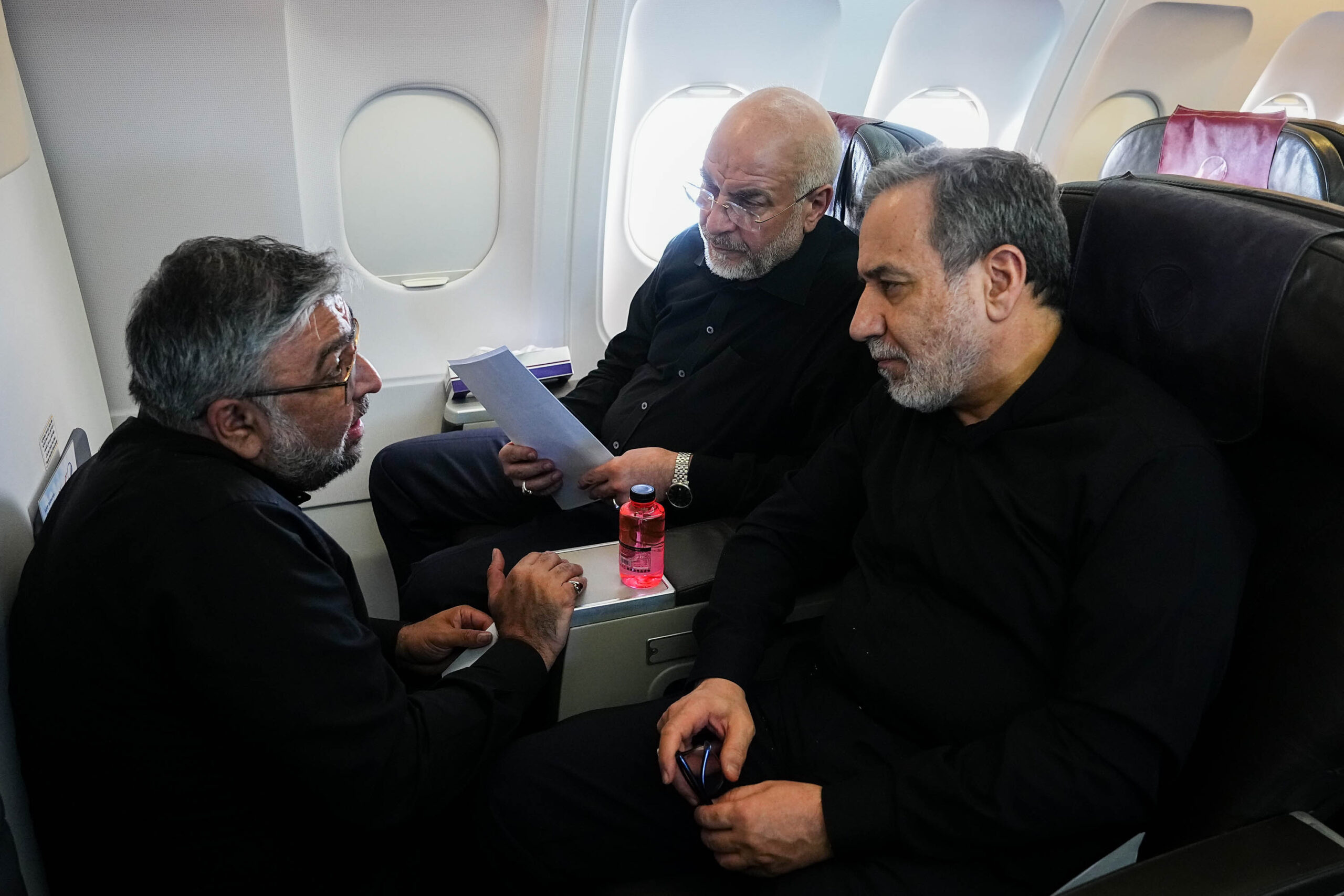
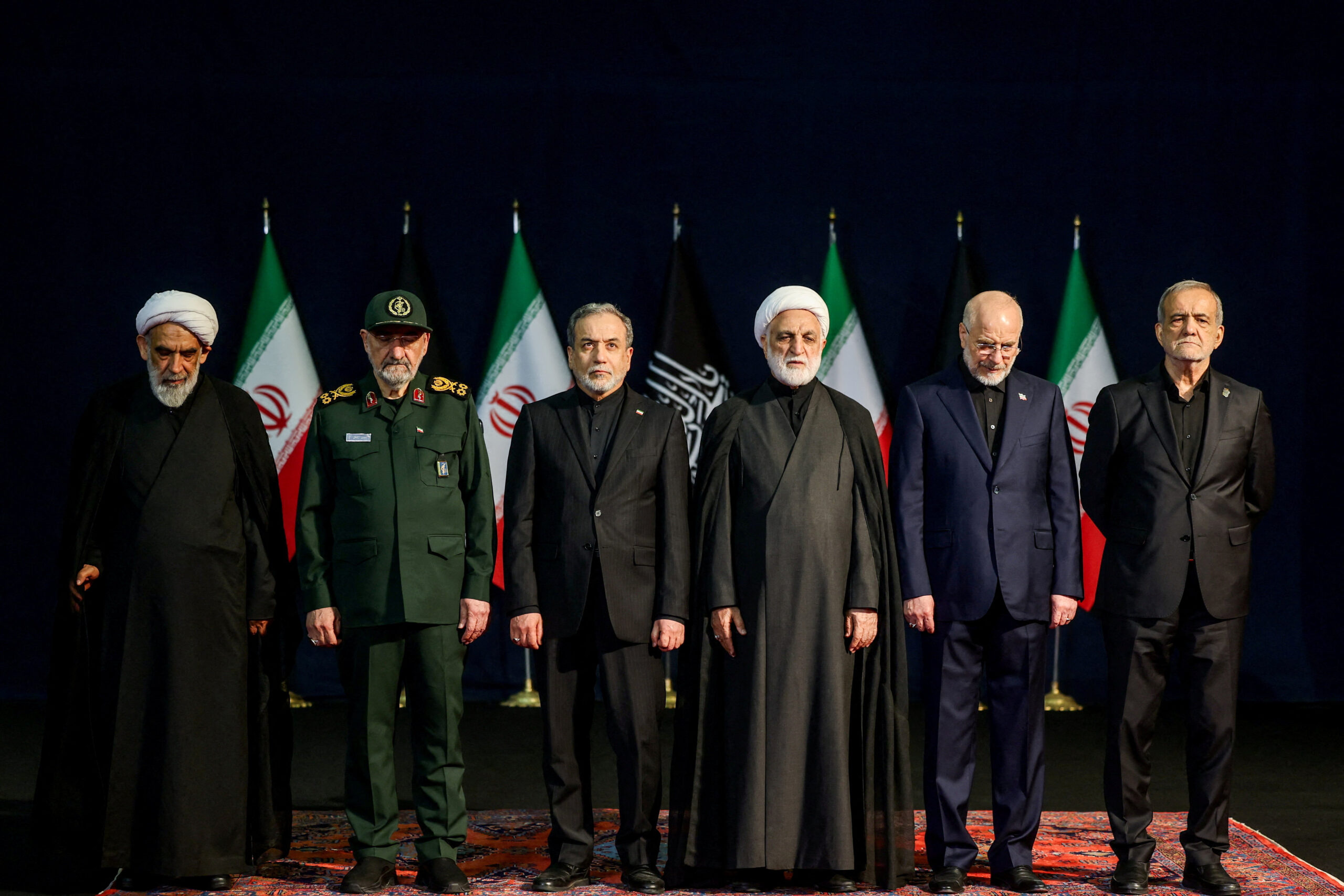
The Islamic Republic’s Collective Leadership
While there is historical precedent for collective leadership in Iran, today’s leadership includes representatives of the IRGC and regular military – a reflection of the IRGC’s expanding role and the necessities of governing under wartime conditions.
Events
Oct 6, 2026
10:00am - 11:00am
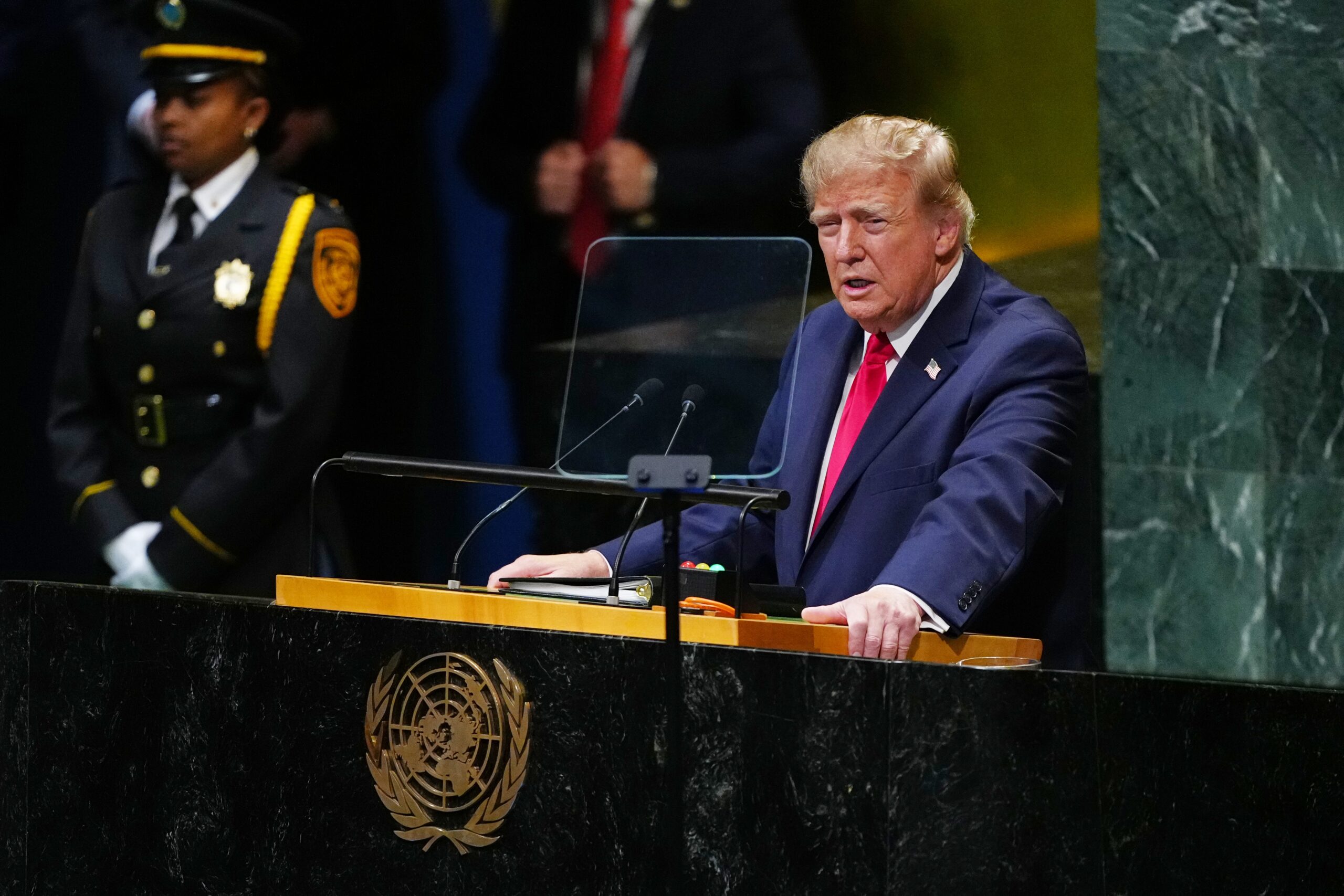
Is the U.S.-Iran Stalemate a “New Normal” or the Prelude to Another Explosion?
On October 6, AGSI will host a discussion on the U.S.-Iran stalemate and the prospects for a cease-fire.
Speakers



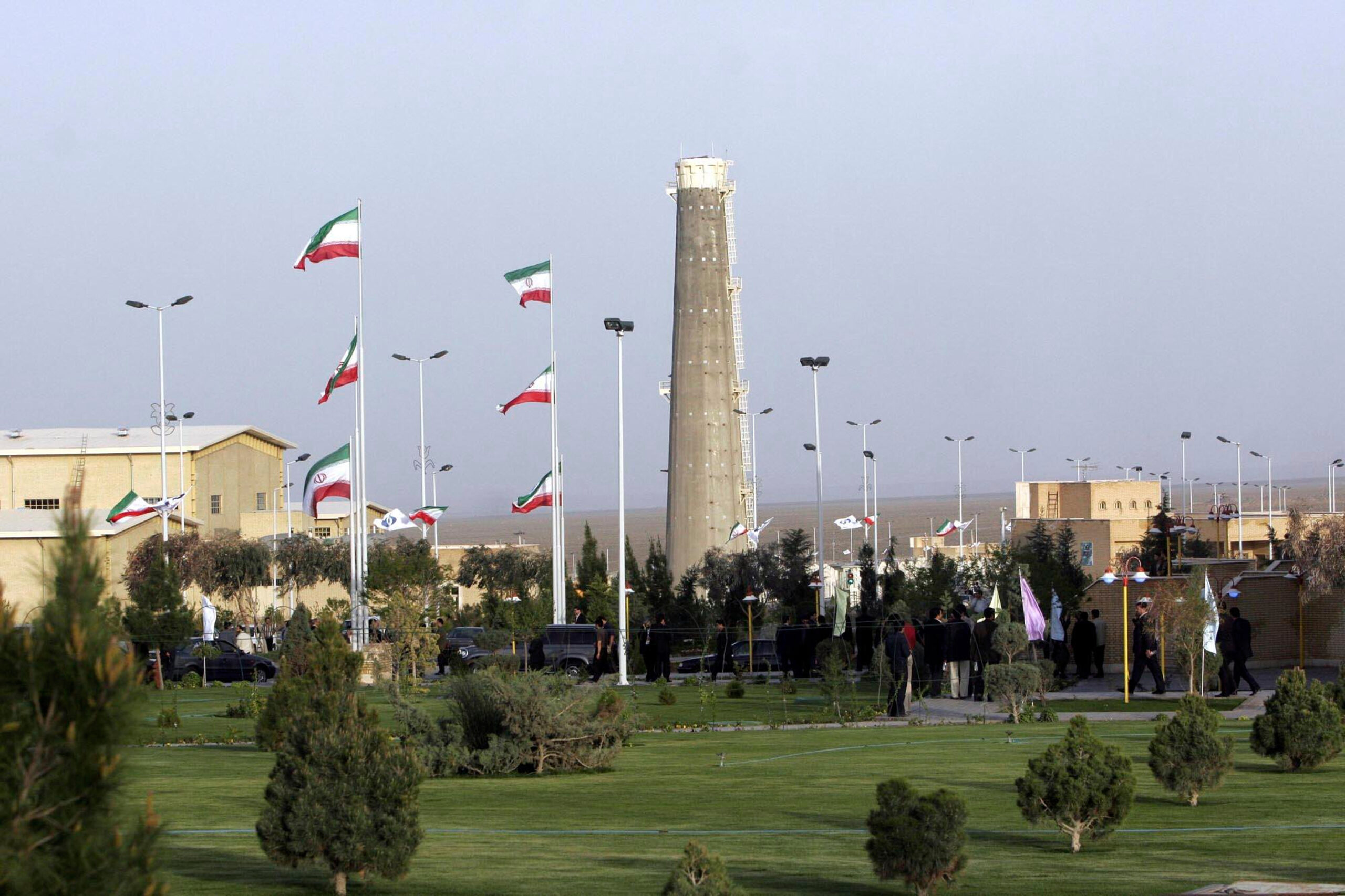
Book Talk: Iran and the Bomb: The United States, Iran and the Nuclear Question
On June 16, AGSI hosted a discussion on the evolution of Iran's nuclear program.
Speakers
Apr 21, 2026
Inside Iran’s Wartime Leadership: Power, Succession, and Regime Stability
On April 21, AGSI hosted a discussion on the evolution of Iran's leadership during the war.
Speakers

Mar 18, 2026
In Its Conflict With the United States and Israel, Does Escalation Favor Iran?
On March 18, AGSI hosted a discussion on the escalation of the Iran war.
Speakers