Feb 6, 2026
Oman Negotiations Redux
The February 6 edition of the Iran Media Review highlights Iranian media analysis of renewed U.S.-Iran negotiations in Oman.

As U.S. and Iranian representatives gather in Oman for renewed negotiations, the persistent shadow of war lingers over the region.
- February 4: Following rumors of a cancellation of indirect negotiations between the United States and Iran, Iranian Foreign Minister Abbas Araghchi wrote on X:
- “Nuclear talks with the United States are scheduled to be held in Muscat on about 10 am Friday.”
- February 5: Islamic Revolutionary Guard Corps-affiliated Tasnim News Agency, quoting “an informed source,” reported:
- “It is clear that the issue is not a change in the location of the negotiations. The Americans are constantly changing their own statements. Diplomacy and negotiation require consistency of position and seriousness, not continual shifts in stance under the influence of warmongering currents affiliated with Israel.”
- February 5: Nour News Agency, official outlet of the Supreme National Security Council, discussed conflicting reports concerning the negotiations:
- “What has occurred during this period can be explained within the framework of a ‘war of wills,’ a familiar pattern in U.S. strategic behavior that relies on psychological pressure, contradictory signals, and playing with the other side’s expectations. In this method, before any real change takes place at the negotiating table, an effort is made to push the opposing party toward reconsidering its positions or expanding the scope of concessions by creating doubt and mental instability. The main instrument at this stage is not the text of an agreement but rather the text of news and media interpretation.”
- February 5: A report by IRGC mouthpiece Mashregh News about U.S.-Iran negotiations concluded:
- “The United States will seek to avoid war in the course of the negotiations in Oman, because Tehran views all U.S. interests in the region as strategic and vulnerable targets.”
- “Despite pressure from Kushner and the Israeli lobby, these talks are indirect and solely about the nuclear issue, with no other component placed on the discussion table.”
- “Trump was inclined to hold talks with the president of Iran and take a commemorative photo; however, dialogue was arranged instead between Araghchi and Witkoff.”
- “If the negotiations fail, Iran has other cards to play, but Trump has placed only a single card in his pocket, which has left this gambler unsettled.”
The views represented herein are the author's or speaker's own and do not necessarily reflect the views of AGSI, its staff, or its board of directors.
Related
Iran Media Review
Feb 3, 2026
Ayatollah Khamenei Warns Washington of a “Regional War”
The February 3 edition of the Iran Media Review examines a speech by the supreme leader threatening a “regional war” if Iran is attacked by the United States.
Iran Media Review
Jan 30, 2026
The Specter of War Over Iran
The January 30 edition of the Iran Media Review examines Iranian responses to an expanded U.S. military presence in the Gulf.
Iran Media Review
Jan 27, 2026
Iran’s State-Censored Media Reacts to Maliki’s Return to Power in Iraq
The January 27 edition of the Iran Media Review analyzes Iranian media reactions to an announcement that Nuri al-Maliki is likely to return as Iraq’s prime minister.
Feb 3, 2026
Ayatollah Khamenei Warns Washington of a “Regional War”
The February 3 edition of the Iran Media Review examines a speech by the supreme leader threatening a “regional war” if Iran is attacked by the United States.
Jan 30, 2026
The Specter of War Over Iran
The January 30 edition of the Iran Media Review examines Iranian responses to an expanded U.S. military presence in the Gulf.
Jan 27, 2026
Iran’s State-Censored Media Reacts to Maliki’s Return to Power in Iraq
The January 27 edition of the Iran Media Review analyzes Iranian media reactions to an announcement that Nuri al-Maliki is likely to return as Iraq’s prime minister.
Analysis
The Islamic Republic Returns to Offense
After U.S.-Israeli strikes killed Supreme Leader Ayatollah Ali Khamenei on February 28, Iran’s collective leadership has concluded that the best defense is a good offense.
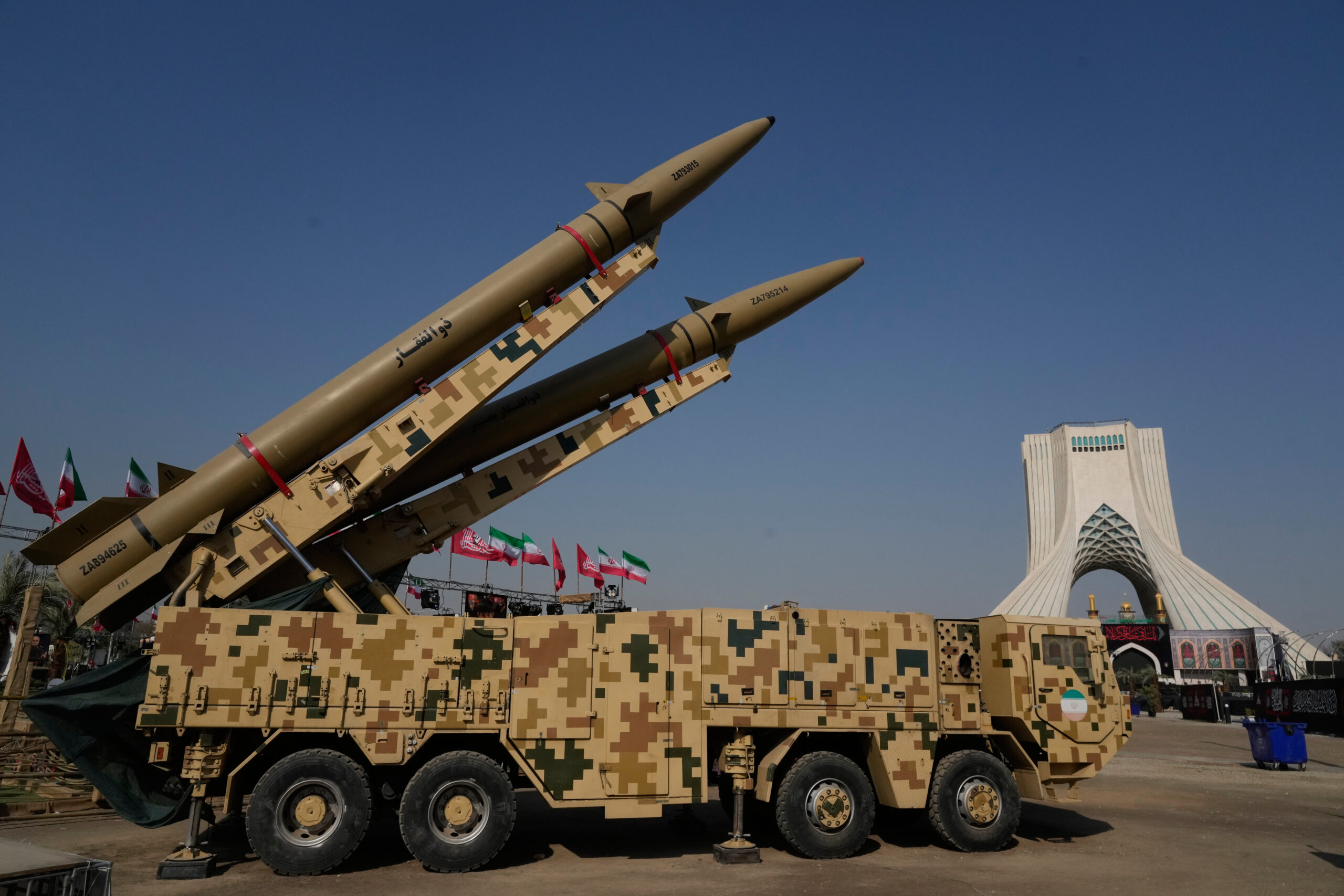
Iran’s Collective Strategic Decision Making
Wartime pressure has temporarily aligned the leadership’s overriding interest in regime survival, even as its members continue to differ over the costs, methods, and ultimate objectives of the war.
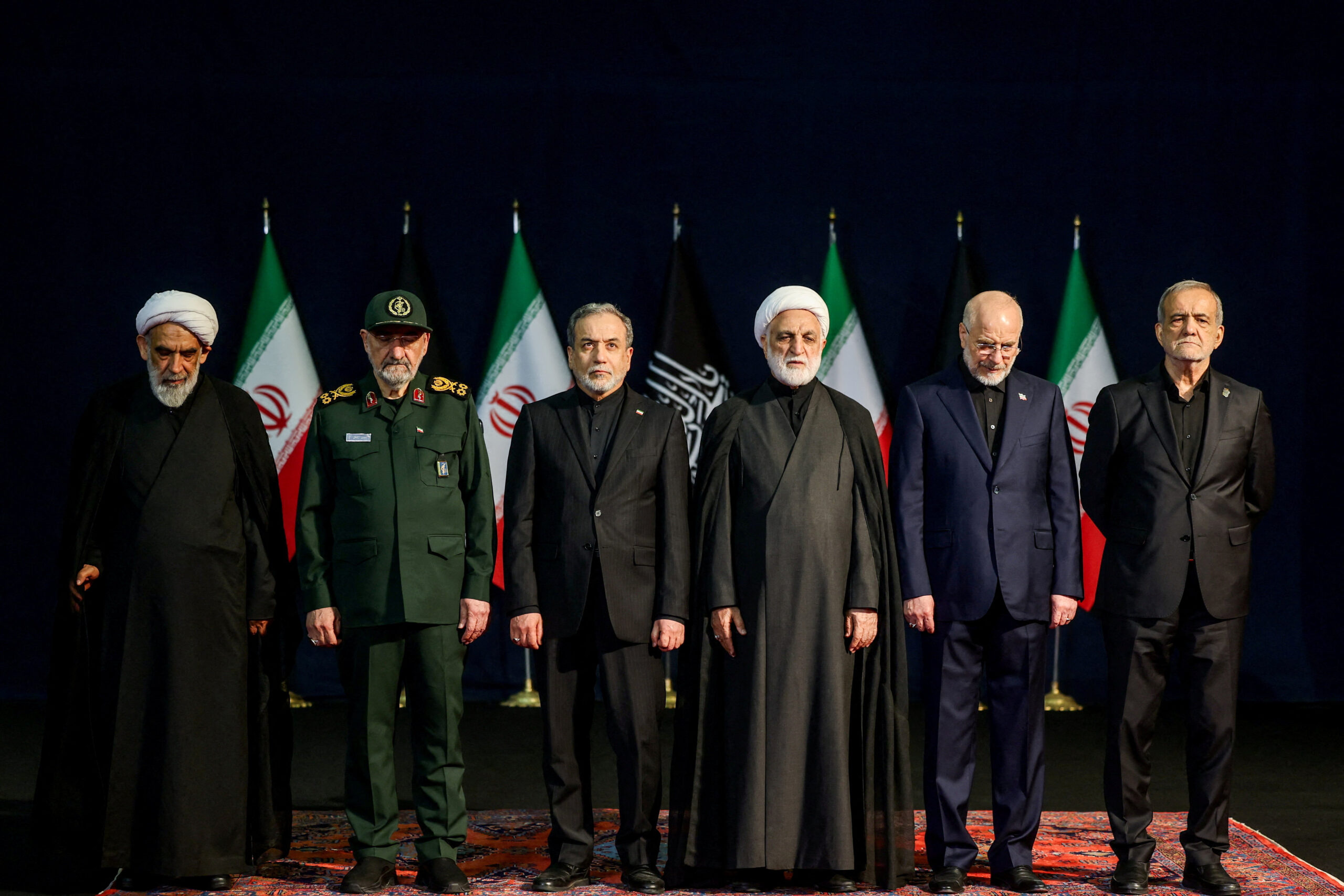
The Islamic Republic’s Collective Leadership
While there is historical precedent for collective leadership in Iran, today’s leadership includes representatives of the IRGC and regular military – a reflection of the IRGC’s expanding role and the necessities of governing under wartime conditions.
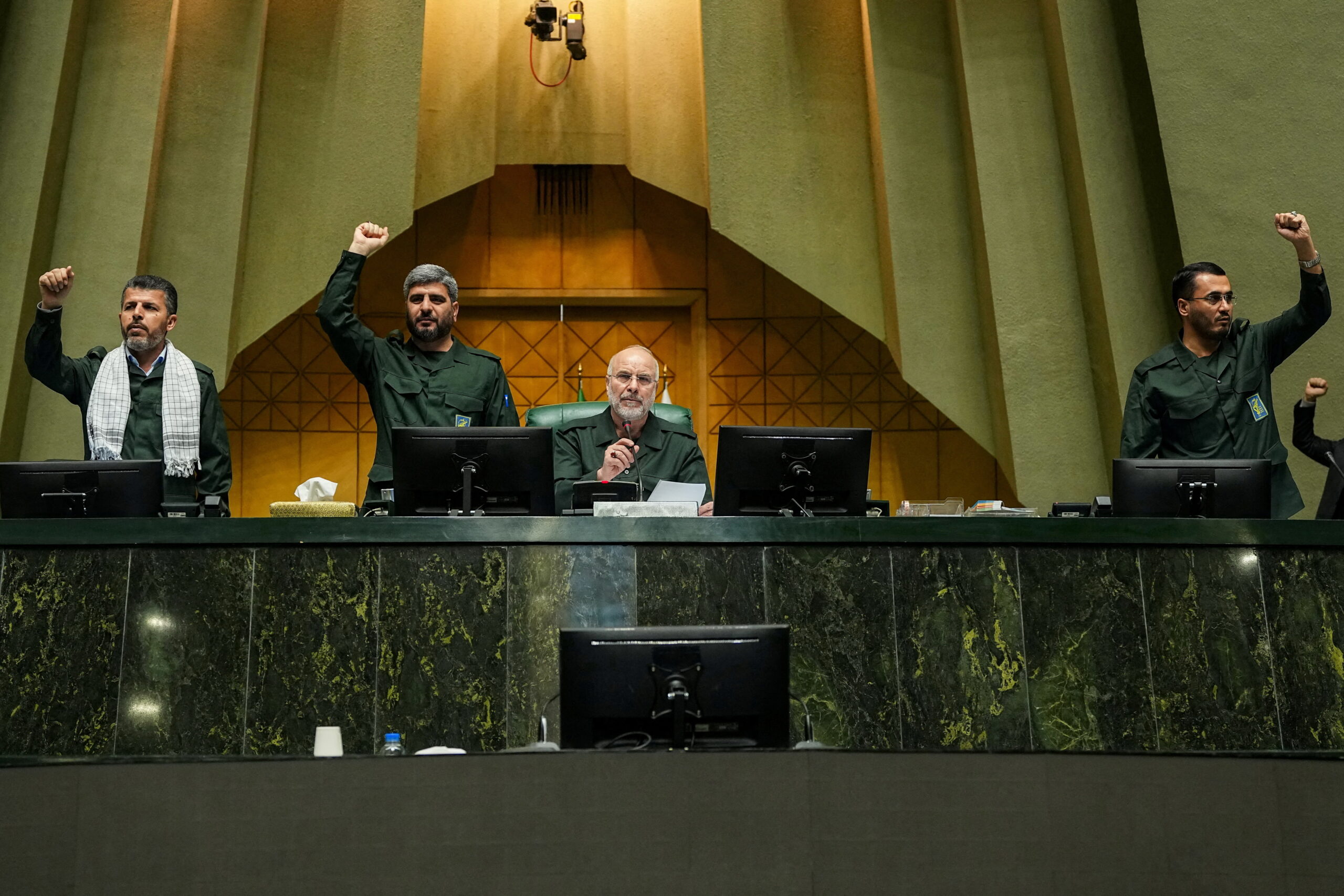
How Did the IRGC Seize Power in Iran?
The IRGC did not seize power in a single stroke. It accumulated it – patiently, methodically – until no counterweight remained.
Events
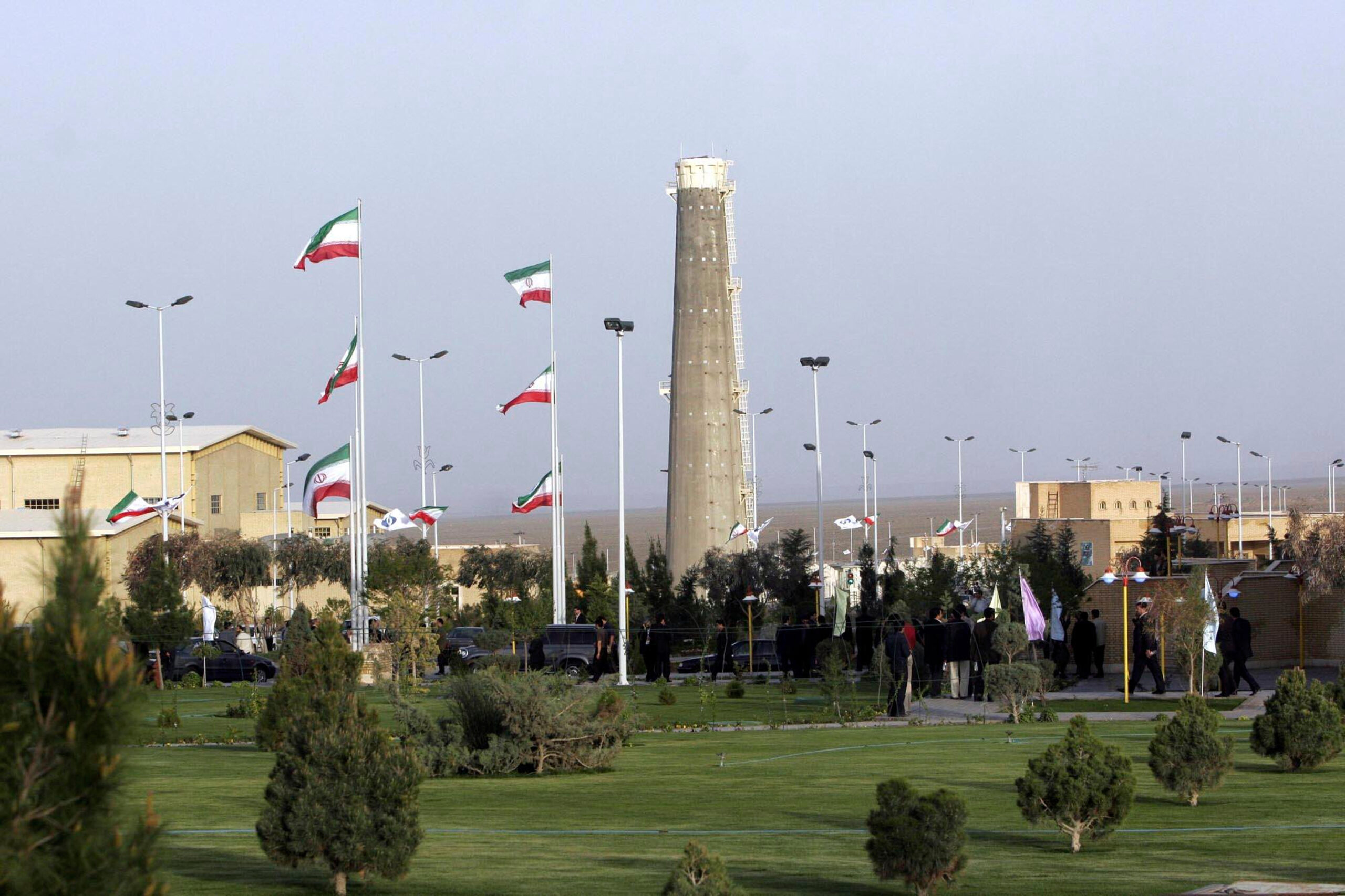
Book Talk: Iran and the Bomb: The United States, Iran and the Nuclear Question
On June 16, AGSI hosted a discussion on the evolution of Iran's nuclear program.
Speakers

Apr 21, 2026
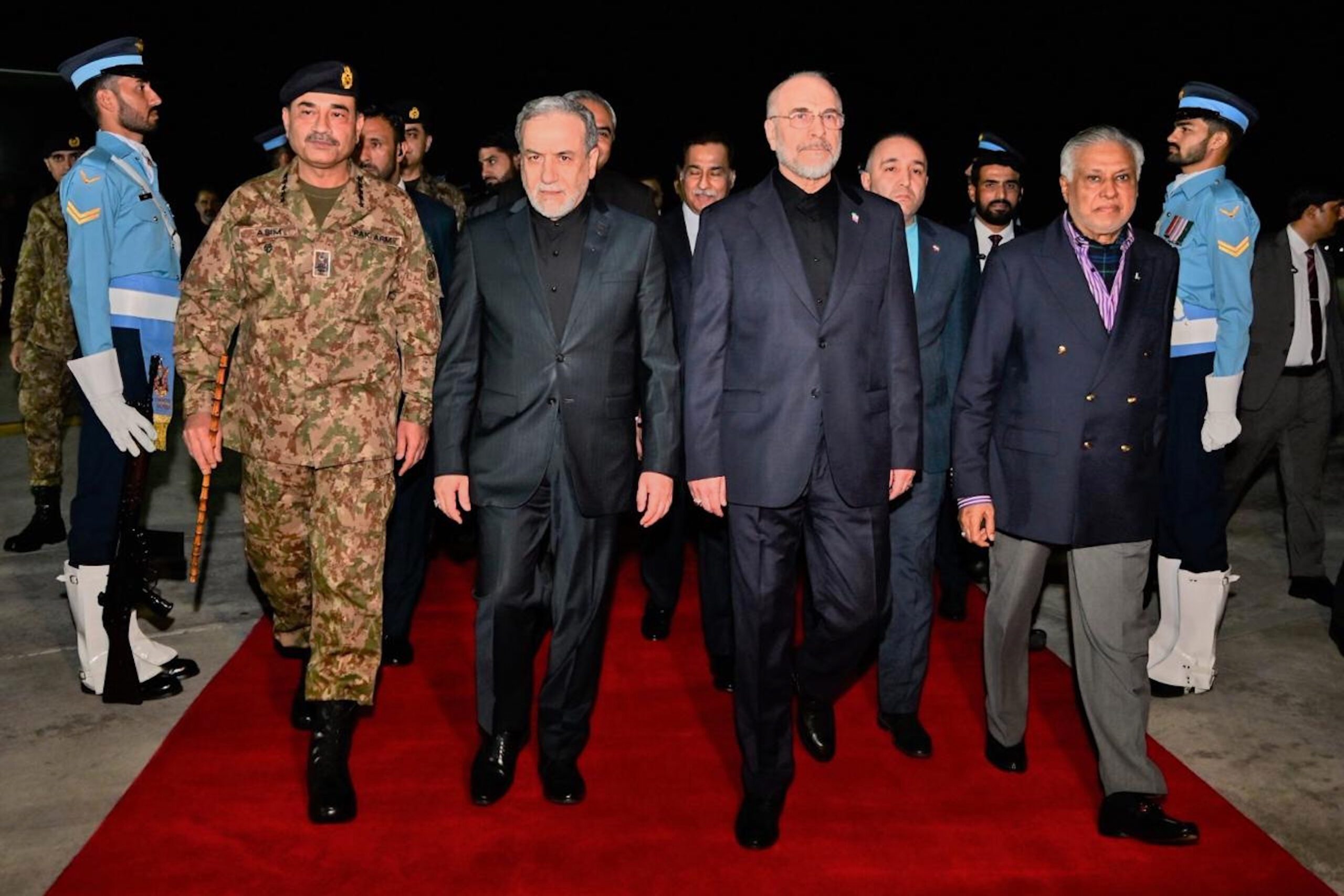
Inside Iran’s Wartime Leadership: Power, Succession, and Regime Stability
On April 21, AGSI hosted a discussion on the evolution of Iran's leadership during the war.
Speakers

Mar 18, 2026
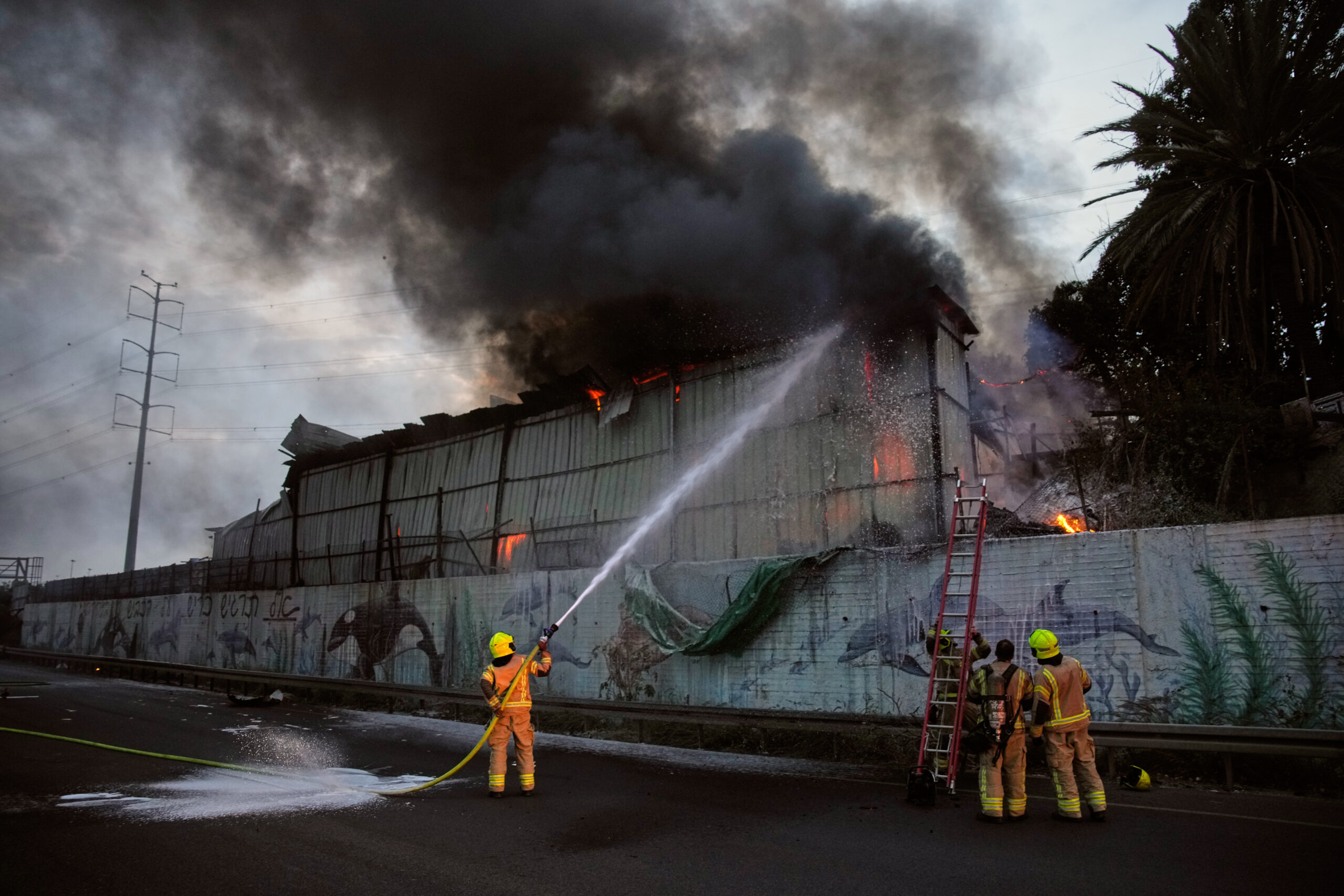
In Its Conflict With the United States and Israel, Does Escalation Favor Iran?
On March 18, AGSI hosted a discussion on the escalation of the Iran war.
Speakers


Mar 2, 2026
After the Shock: Implications of the U.S.–Israeli Strikes and Iran’s Leadership Transition
On March 2, AGSI hosted a discussion on the U.S.-Israeli strikes on Iran.
Speakers