Dec 16, 2025
Popular Resistance Front: New Umbrella Organization for Anti-Regime Militants
The December 16 edition of the Iran Media Review considers Iranian media responses to the newly announced merger of militant anti-regime groups in Sistan and Baluchistan province.

Since November, rumors have circulated about the emergence of a new umbrella organization for militant groups in Iran’s restive Sistan and Baluchistan province. By December, Iran’s government-censored media had also begun reporting on the group, which allegedly no longer calls for separatism or the establishment of a Baluchi state and has instead sought to reach out to other ethnic and religious minorities across Iran. Initial reactions to the formation suggest that the Islamic Revolutionary Guard Corps views the initiative as a rebranding effort aimed at whitewashing Jaish al-Adl, which both Iran and the United States have designated a terrorist organization.
- December 13: Aklitha, which specializes in Iran’s ethnic and religious minorities, ran a background article on the groups composing the newly established Popular Resistance Front:
- “According to reports by state media, this merger includes several smaller groups, such as Pada Baluch, the Nasr Movement of Baluchistan, and the Mohammad Rasulallah group – marginal factions that have not recently been particularly active in clashes along the Iran-Pakistan border. However, initial evidence indicates that the core of the new front is Jaish al-Adl, the most prominent Sunni Baluch militant group, which has carried out deadly attacks inside Iran for years.”
- “The spokesperson of this front, introduced only by the name Mohammad Baluch, delivered a speech in Persian from an official platform and stated that the ‘Popular Resistance Front’ represents the ‘single voice’ of the various factions.”
- “The announcement of the new front and the change in its slogans represent an important step in the evolution of Baluch militant groups. The signs point to a shift away from the traditional focus on Sunni identity, jihad, and Baluch-specific demands toward a broader political discourse that encompasses all of Iran’s minorities. This discourse includes an appeal to Kurds, Arabs, Turks, Turkmen, Gilaks, and ‘followers of all sects and religions’ to join the ranks of the front, indicating a clear ambition to expand the front’s membership and political message beyond traditional geographic and ethnic boundaries.”
- “Observers believe this shift reflects the Baluch militants’ awareness of the limitations associated with a geographically confined ethnic insurgency in Sistan and Baluchistan province, one of Iran’s poorest regions. Through this new discourse, the front is seeking to enhance its legitimacy domestically and internationally and create new opportunities for recruitment and funding beyond the traditional base of Baluch armed groups.”
- December 14: Islamic Revolutionary Guard Corps-affiliated Tasnim News published an article on the new coalition, writing:
- “In a video statement released by Jaish al-Adl on November 29, an unnamed spokesperson announced that it has joined a coalition called the ‘Popular Resistance Front.’ The group, while referring to its support for the rights of the Baluch minority, stated that within the framework of this coalition it seeks to expand the scope of its struggle beyond regional issues. The new coalition is, in fact, a cover for the internal merger of the same scattered elements of Jaish al-Zolm,” or Army of Injustice, the term Iranian official sources use to refer to the group. “The new face of this coalition makes no reference to separatism, and the change in tone of the group’s new outer shell indicates an attempt at new branding – or, in other words, rebranding.”
- “The new move by Jaish al-Zolm has, in practice, failed to change the anti-human nature of this group. This newly formed coalition is effectively a combination of the same old elements and lacks any popular base, and so far it has not brought about any meaningful change in the group’s operational capabilities. By contrast, Iran’s armed forces, with full intelligence dominance, are monitoring even the slightest movement by members of this coalition.”
The views represented herein are the author's or speaker's own and do not necessarily reflect the views of AGSI, its staff, or its board of directors.
Related
Iran Media Review
Dec 12, 2025
Iranian Media Reacts to the U.S. National Security Strategy
The December 12 edition of the Iran Media Review highlights Iranian media responses to the release of the latest U.S. National Security Strategy.
Iran Media Review
Dec 9, 2025
Iranian Media Lashes Out at UAE and Bahrain Over GCC Statement
The December 9 edition of the Iran Media Review analyzes Iranian media attacks on the United Arab Emirates and Bahrain in response to a Gulf Cooperation Council communique.
Iran Media Review
Dec 5, 2025
Is Tehran Rethinking Its Approach to the GCC States?
The December 5 edition of the Iran Media Review examines Iranian responses to a new communique from the Gulf Cooperation Council on three contested islands and a disputed oil field.
Dec 12, 2025
Iranian Media Reacts to the U.S. National Security Strategy
The December 12 edition of the Iran Media Review highlights Iranian media responses to the release of the latest U.S. National Security Strategy.
Dec 9, 2025
Iranian Media Lashes Out at UAE and Bahrain Over GCC Statement
The December 9 edition of the Iran Media Review analyzes Iranian media attacks on the United Arab Emirates and Bahrain in response to a Gulf Cooperation Council communique.
Dec 5, 2025
Is Tehran Rethinking Its Approach to the GCC States?
The December 5 edition of the Iran Media Review examines Iranian responses to a new communique from the Gulf Cooperation Council on three contested islands and a disputed oil field.
Analysis
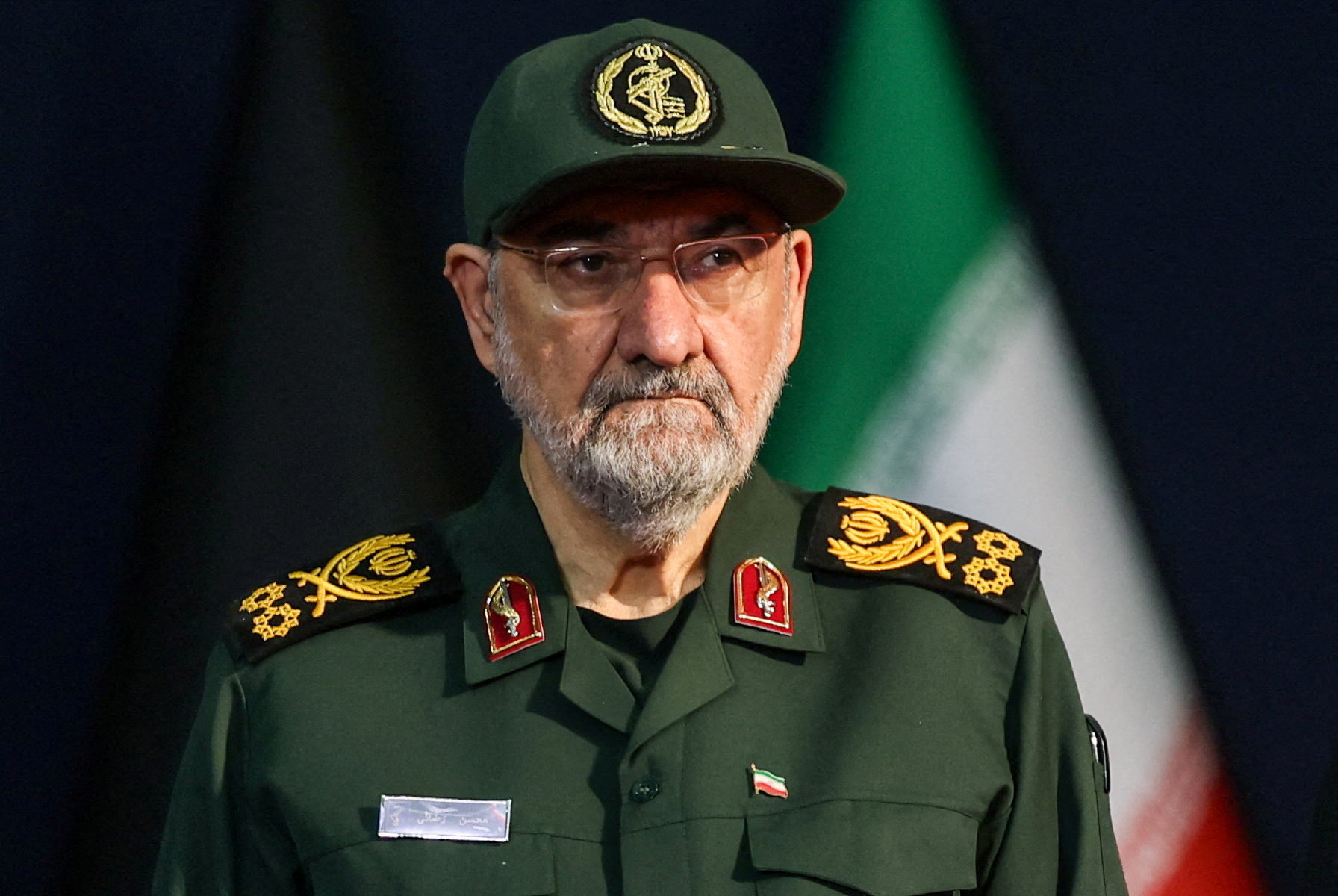
Mohsen Rezaei at the Helm of Iran’s Supreme National Security Council
Under Rezaei, the SNSC could prove constructive or paralyze strategic decision making.
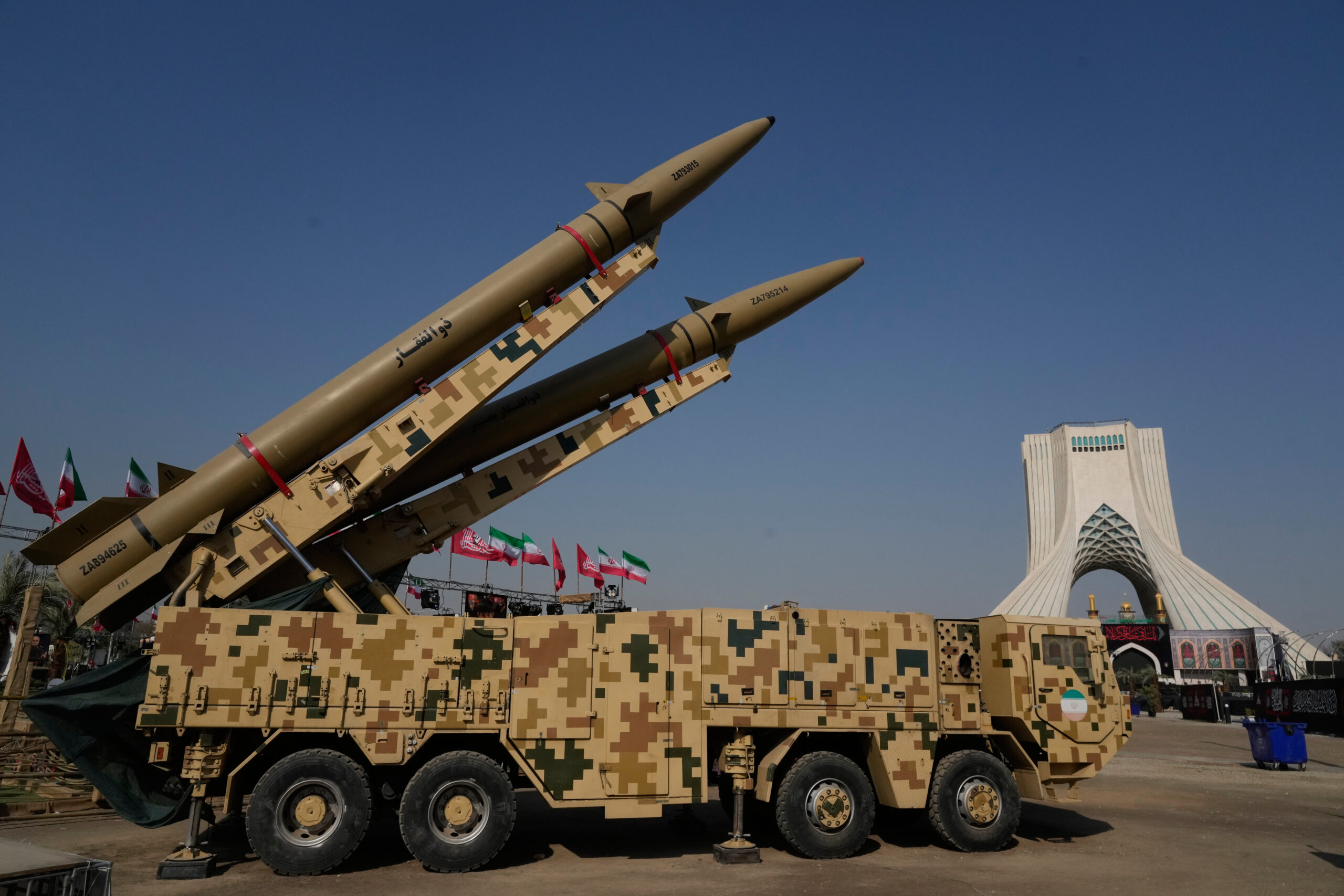
The Islamic Republic Returns to Offense
After U.S.-Israeli strikes killed Supreme Leader Ayatollah Ali Khamenei on February 28, Iran’s collective leadership has concluded that the best defense is a good offense.
Iran’s Collective Strategic Decision Making
Wartime pressure has temporarily aligned the leadership’s overriding interest in regime survival, even as its members continue to differ over the costs, methods, and ultimate objectives of the war.
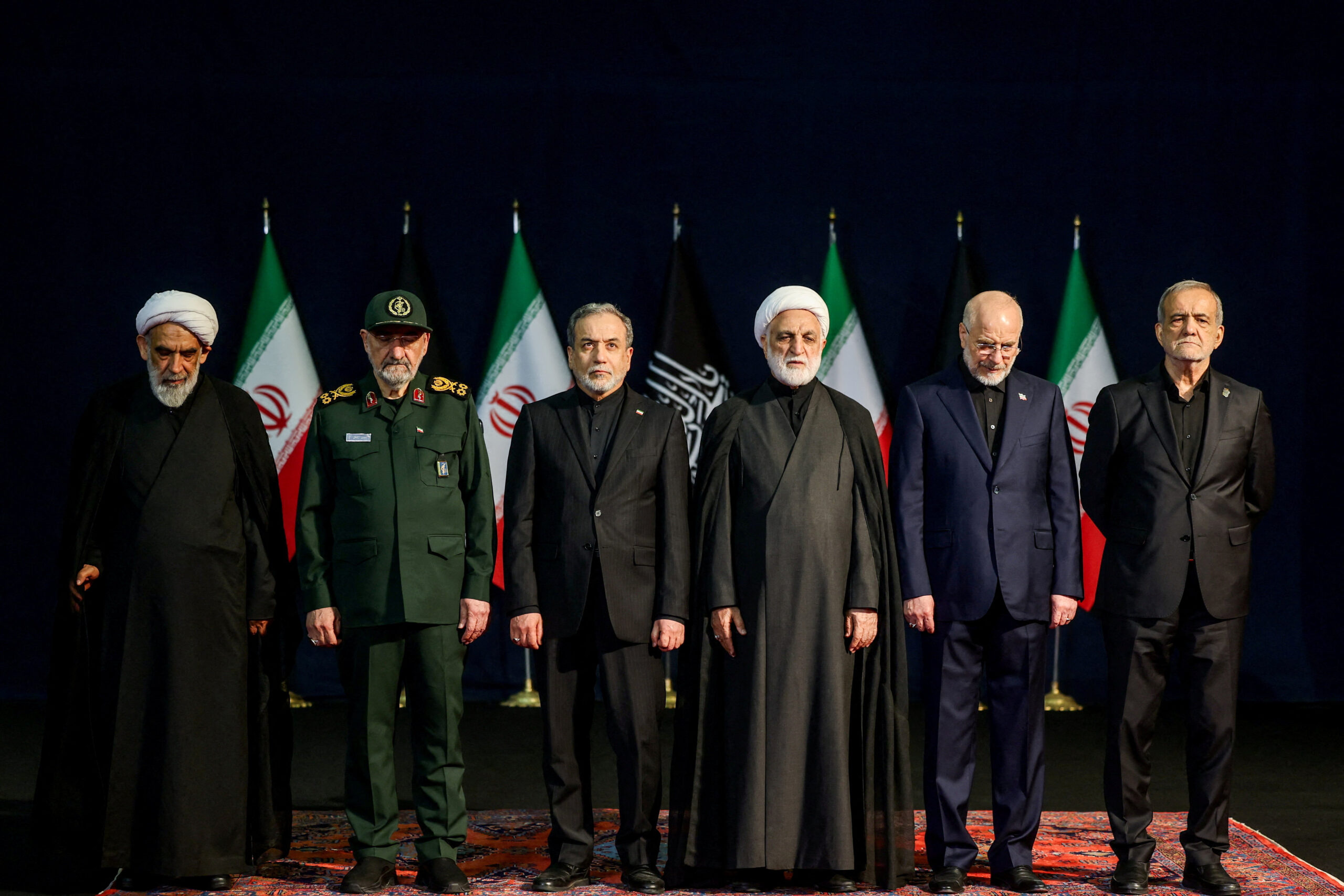
The Islamic Republic’s Collective Leadership
While there is historical precedent for collective leadership in Iran, today’s leadership includes representatives of the IRGC and regular military – a reflection of the IRGC’s expanding role and the necessities of governing under wartime conditions.
Events
Oct 6, 2026
Is the U.S.-Iran Stalemate a “New Normal” or the Prelude to Another Explosion?
On October 6, AGSI hosted a discussion on the U.S.-Iran stalemate and the prospects for a cease-fire.
Speakers



Book Talk: Iran and the Bomb: The United States, Iran and the Nuclear Question
On June 16, AGSI hosted a discussion on the evolution of Iran's nuclear program.
Speakers
Apr 21, 2026
Inside Iran’s Wartime Leadership: Power, Succession, and Regime Stability
On April 21, AGSI hosted a discussion on the evolution of Iran's leadership during the war.
Speakers

Mar 18, 2026
In Its Conflict With the United States and Israel, Does Escalation Favor Iran?
On March 18, AGSI hosted a discussion on the escalation of the Iran war.
Speakers