Dec 12, 2025
Iranian Media Reacts to the U.S. National Security Strategy
The December 12 edition of the Iran Media Review highlights Iranian media responses to the release of the latest U.S. National Security Strategy.

Islamic Revolutionary Guard Corps-aligned Javan seemed almost disappointed that the latest U.S. National Security Strategy document, published in November, contains only three references to Iran. But Iranian technocrats appeared reassured that the Middle East has receded as a U.S. priority, and that regime change in Tehran no longer seems to be on Washington’s agenda.
- December 6: Islamic Revolutionary Guard Corps-affiliated Mashregh News compared the U.S. National Security Strategy document with the first administration of President Donald J. Trump’s National Security Strategy document, released in December 2017:
- “The previous version was drafted using a combined diplomacy-military model in which diplomacy accounted for roughly 60% of the weight, whereas, in the new document, the military component rises to about 70%. Moreover, in the earlier document, Iran was depicted as a medium-level challenger to the United States, while in the new one this threat has been downgraded, though the focus remains on the nuclear file.”
- December 7: Amir Ali Abolfath, an expert in American studies, was quoted in economic newspaper Donya-ye Eqtesad:
- “In the 2025 document, Iran is no longer considered a strategic threat to the United States, nor is it placed among the rogue states, because – according to the authors of the 2025 document – Iran is in decline.”
- As for expected implications for U.S. policy toward Iran, Abolfath wrote: “From the American perspective the nuclear issue is considered resolved, and therefore there is no reason to negotiate over Iran’s nuclear program … Furthermore, the United States is not seeking regime change … The 2025 document likewise states that if the Abraham Accords expand, Iran will become isolated, and to further isolate Iran it recommends expanding these accords. Military intervention in west Asia is not something they are contemplating … They believe that the Iran-Israel issue is not over, and that the conflict may continue in other forms. But for now, the Americans themselves do not intend to take the initiative in launching an attack against Iran.”
- December 7: Technocratic Sazandegi published an article asserting:
- “This is an approach in which Washington has replaced direct intervention with remote management: Iran is no longer viewed as an enemy to be confronted militarily but as a target for smart containment, and the Middle East has ceased to be the center of gravity in U.S. foreign policy. In this context, Tom Barrack’s remarks are more than a personal analysis; they reflect an official orientation – no to regime change and yes to managed coexistence – toward a region that is no longer the top priority yet remains vital for energy security and for Israel.”
- December 7: Rahman Qahremanpour, a foreign policy analyst, wrote in Cabinet mouthpiece Iran:
- While the Middle East no longer appears to be a strategic priority, “if regional security is threatened, the document makes clear that the United States will act without delay. The reference in the document to keeping strategic straits open most likely points to the Strait of Hormuz and the Bab el-Mandeb. The purpose of this emphasis is to signal that, in the new order the United States envisions for the Middle East, Iran must not pose a threat to American interests in the region.”
- December 8: Foreign Ministry Spokesman Esmaeil Baqaei was quoted in hard-line Kayhan:
- “This document is less a U.S. national security strategy and, at least regarding west Asia, more a national security strategy for the Zionist regime. All of the United States’ focus is on enforcing the Zionist regime’s dominance over the region, which in itself amounts to American complicity in the continuation of the crimes committed by that regime.”
- December 8: IRGC-affiliated Javan published an article comparing the new national security strategy to previous documents:
- “While the 2025 document mentions Iran only three times, the 2022 document referred to Iran seven times, and the 2017 document addressed the Iran issue 17 times. Thus, one can say that this document exhibits a kind of disregard and denial of Iran that is almost unprecedented.”
- “The reference to energy routes as a red line – specifically the Strait of Hormuz – shows that, although the United States is compelled to shift its focus from west to east Asia, it nevertheless recognizes that threats to U.S. interests in west Asia persist, and that, despite its claims, it has not been able to resolve its problems in the Middle East.”
The views represented herein are the author's or speaker's own and do not necessarily reflect the views of AGSI, its staff, or its board of directors.
Related
Iran Media Review
Dec 9, 2025
Iranian Media Lashes Out at UAE and Bahrain Over GCC Statement
The December 9 edition of the Iran Media Review analyzes Iranian media attacks on the United Arab Emirates and Bahrain in response to a Gulf Cooperation Council communique.
Iran Media Review
Dec 5, 2025
Is Tehran Rethinking Its Approach to the GCC States?
The December 5 edition of the Iran Media Review examines Iranian responses to a new communique from the Gulf Cooperation Council on three contested islands and a disputed oil field.
Iran Media Review
Dec 2, 2025
Shadow of 2019 Unrest Looms Over Gasoline Subsidy Reform
The December 2 edition of the Iran Media Review explores commentary regarding the Iranian government’s proposed gas price reforms.
Dec 9, 2025
Iranian Media Lashes Out at UAE and Bahrain Over GCC Statement
The December 9 edition of the Iran Media Review analyzes Iranian media attacks on the United Arab Emirates and Bahrain in response to a Gulf Cooperation Council communique.
Dec 5, 2025
Is Tehran Rethinking Its Approach to the GCC States?
The December 5 edition of the Iran Media Review examines Iranian responses to a new communique from the Gulf Cooperation Council on three contested islands and a disputed oil field.
Dec 2, 2025
Shadow of 2019 Unrest Looms Over Gasoline Subsidy Reform
The December 2 edition of the Iran Media Review explores commentary regarding the Iranian government’s proposed gas price reforms.
Analysis
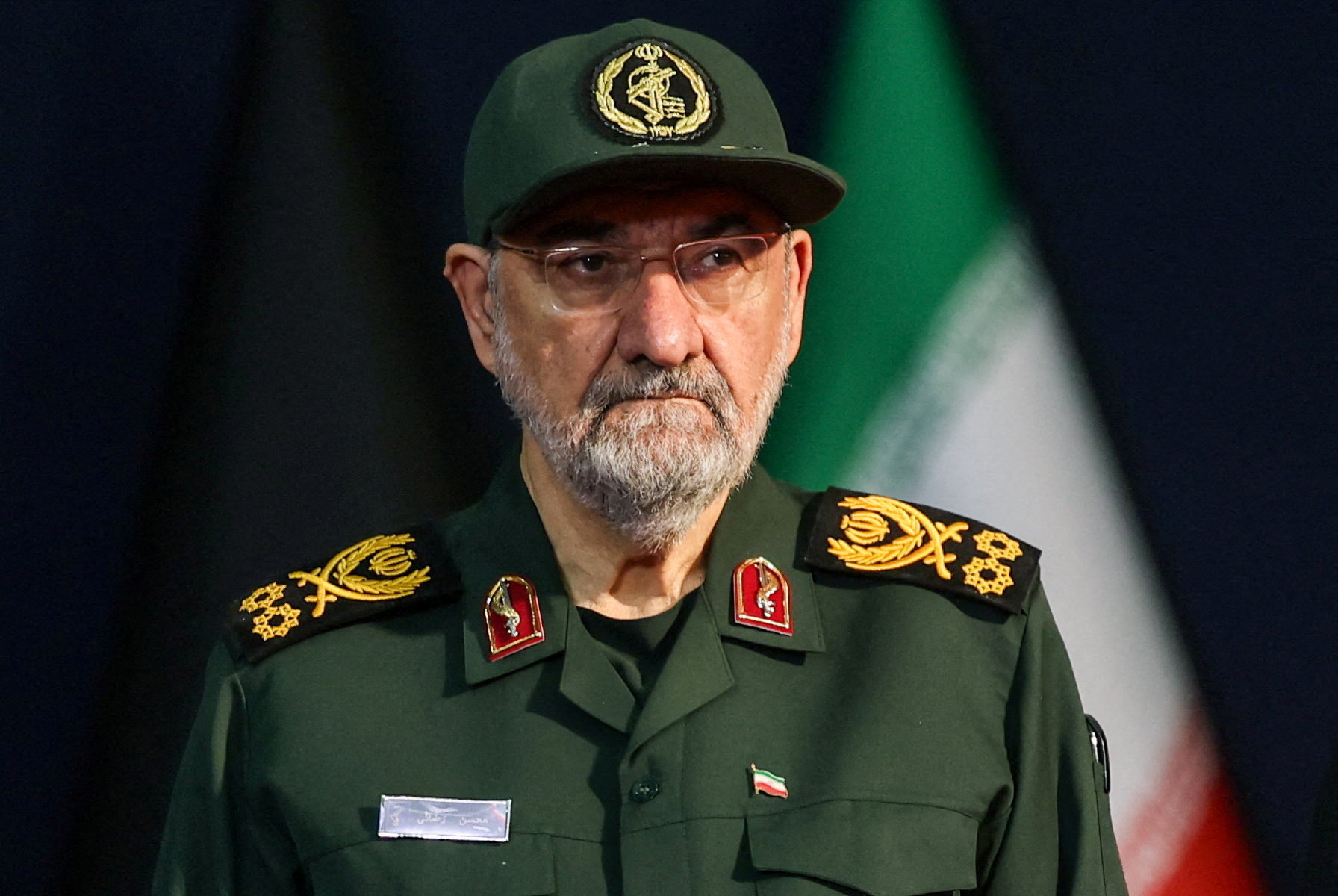
Mohsen Rezaei at the Helm of Iran’s Supreme National Security Council
Under Rezaei, the SNSC could prove constructive or paralyze strategic decision making.
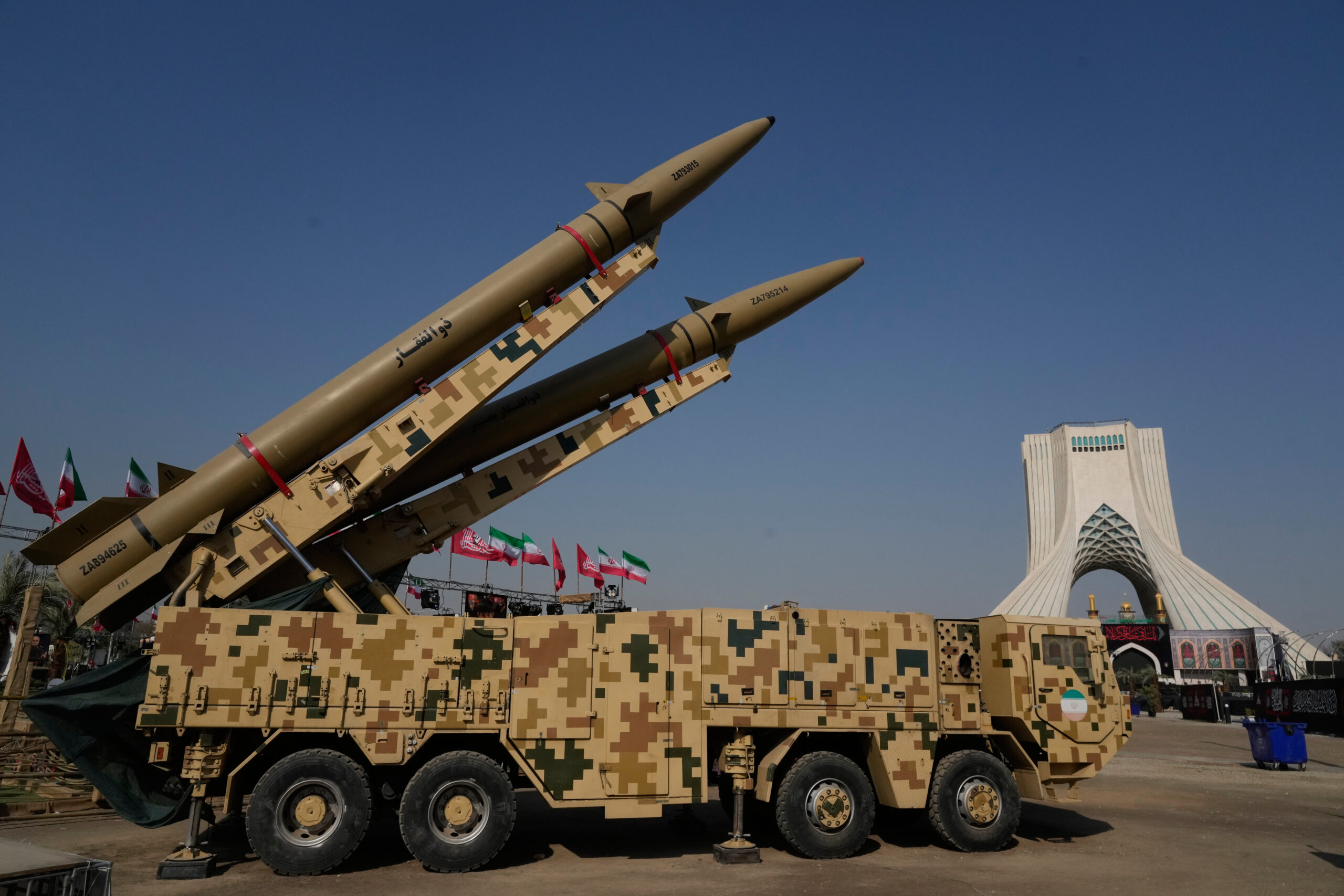
The Islamic Republic Returns to Offense
After U.S.-Israeli strikes killed Supreme Leader Ayatollah Ali Khamenei on February 28, Iran’s collective leadership has concluded that the best defense is a good offense.
Iran’s Collective Strategic Decision Making
Wartime pressure has temporarily aligned the leadership’s overriding interest in regime survival, even as its members continue to differ over the costs, methods, and ultimate objectives of the war.
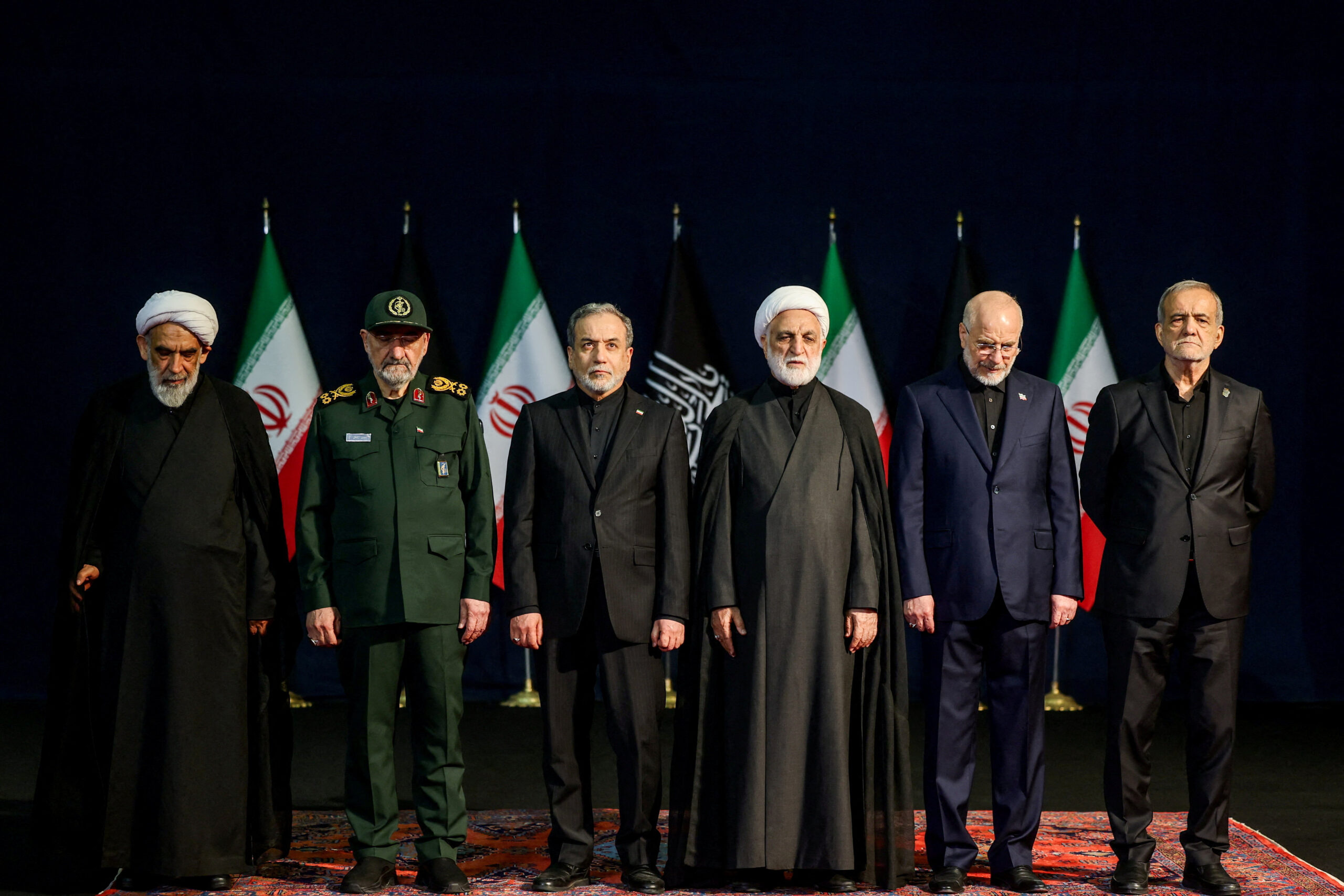
The Islamic Republic’s Collective Leadership
While there is historical precedent for collective leadership in Iran, today’s leadership includes representatives of the IRGC and regular military – a reflection of the IRGC’s expanding role and the necessities of governing under wartime conditions.
Events
Oct 6, 2026
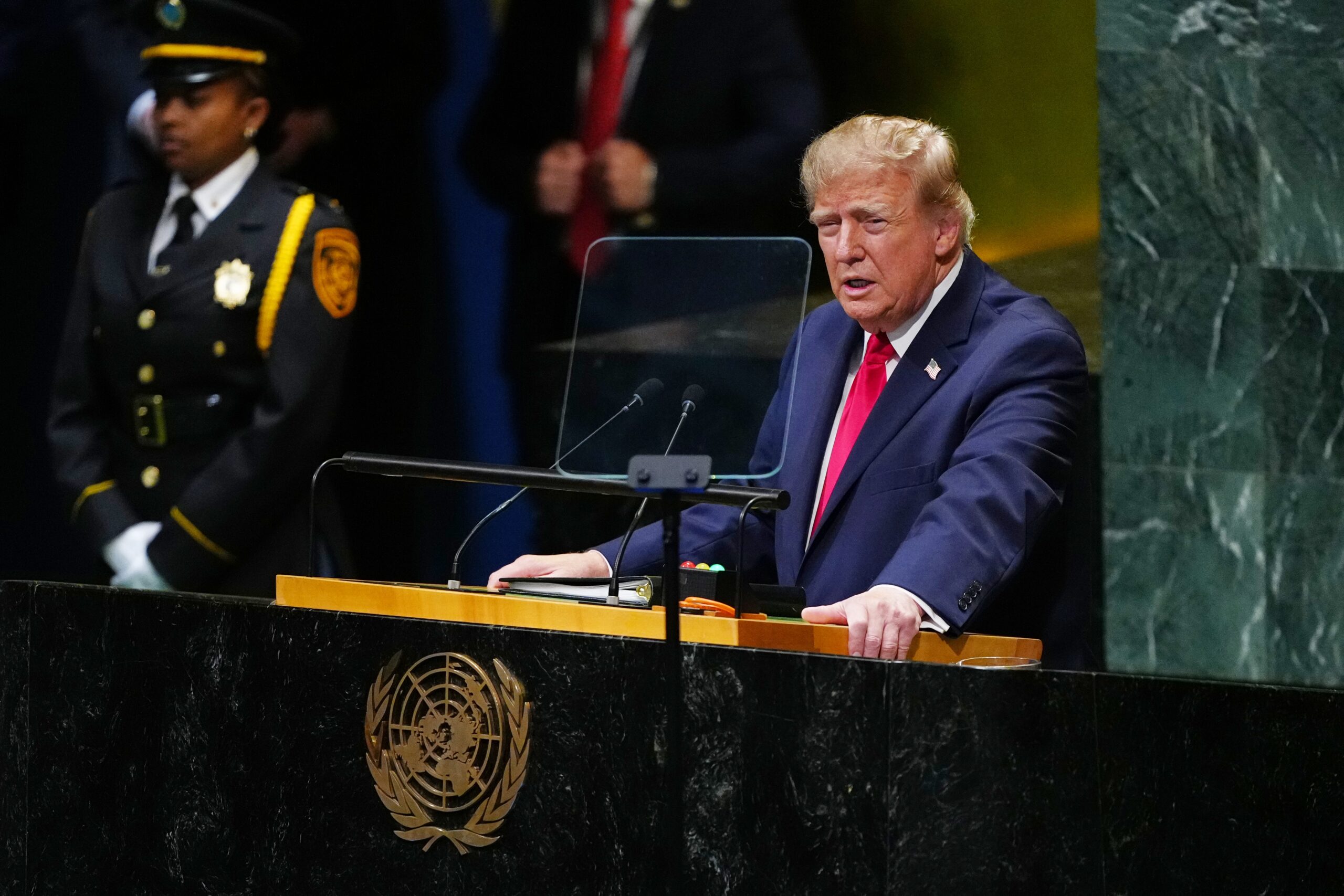
Is the U.S.-Iran Stalemate a “New Normal” or the Prelude to Another Explosion?
On October 6, AGSI hosted a discussion on the U.S.-Iran stalemate and the prospects for a cease-fire.
Speakers



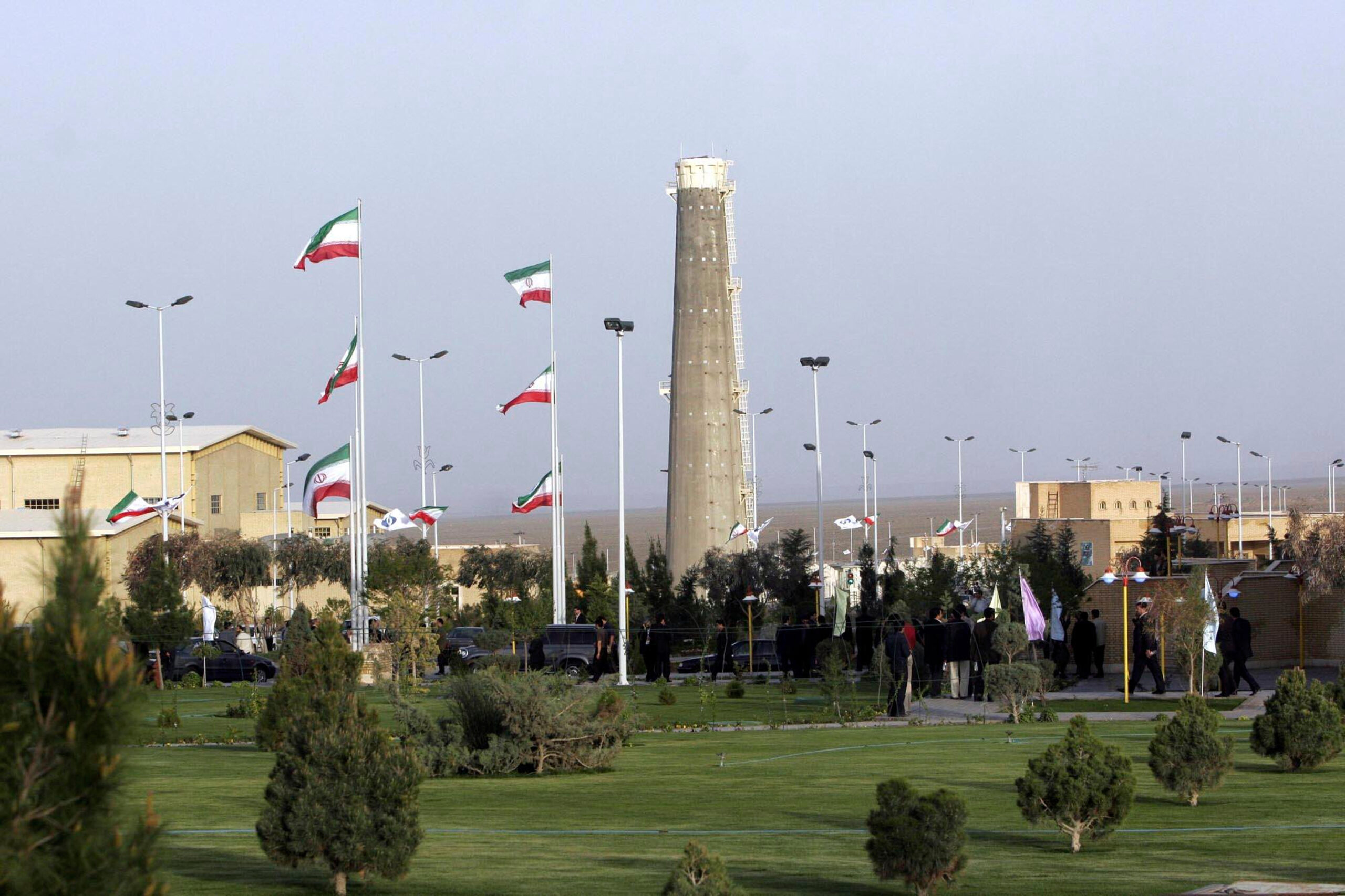
Book Talk: Iran and the Bomb: The United States, Iran and the Nuclear Question
On June 16, AGSI hosted a discussion on the evolution of Iran's nuclear program.
Speakers

Apr 21, 2026
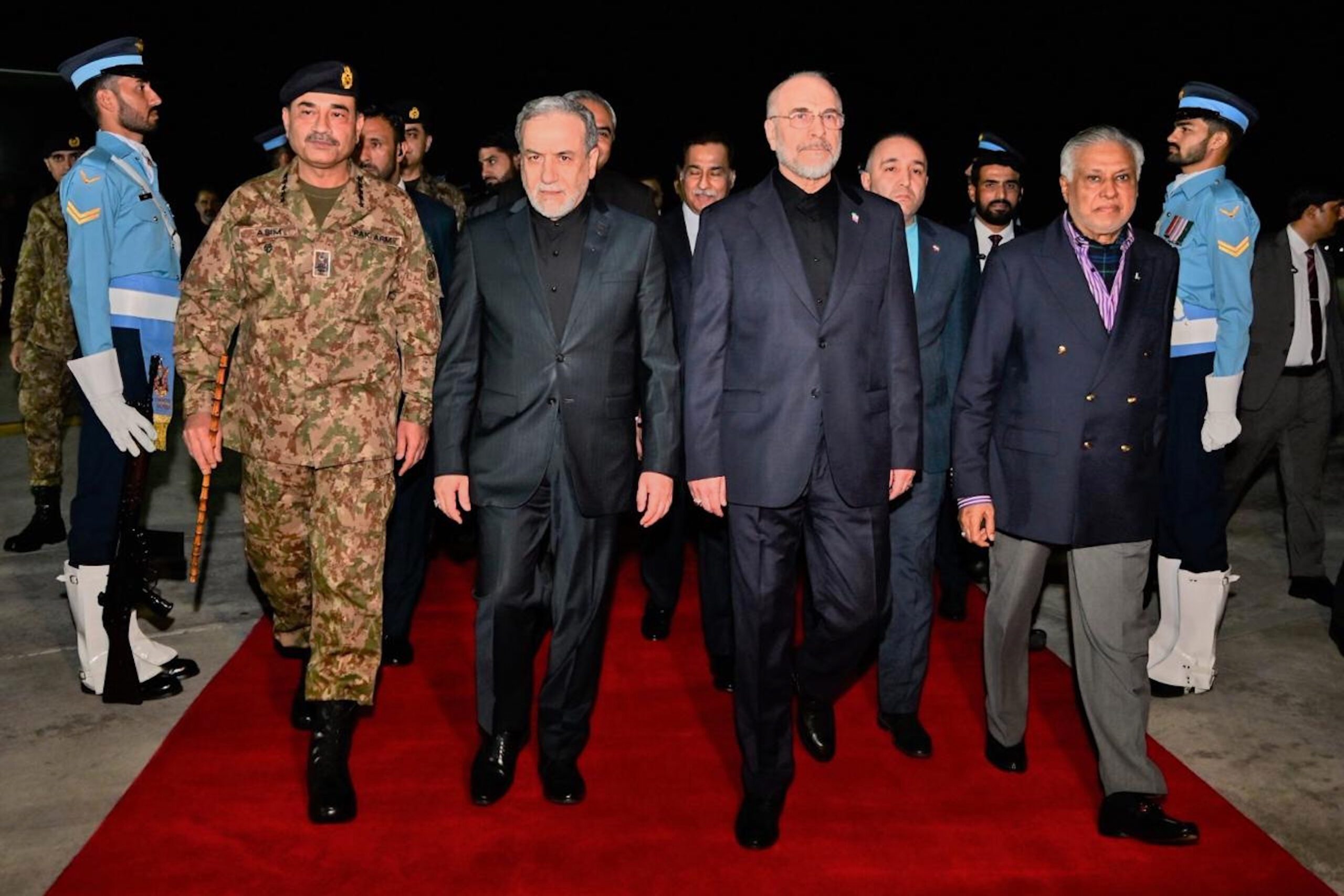
Inside Iran’s Wartime Leadership: Power, Succession, and Regime Stability
On April 21, AGSI hosted a discussion on the evolution of Iran's leadership during the war.
Speakers

Mar 18, 2026
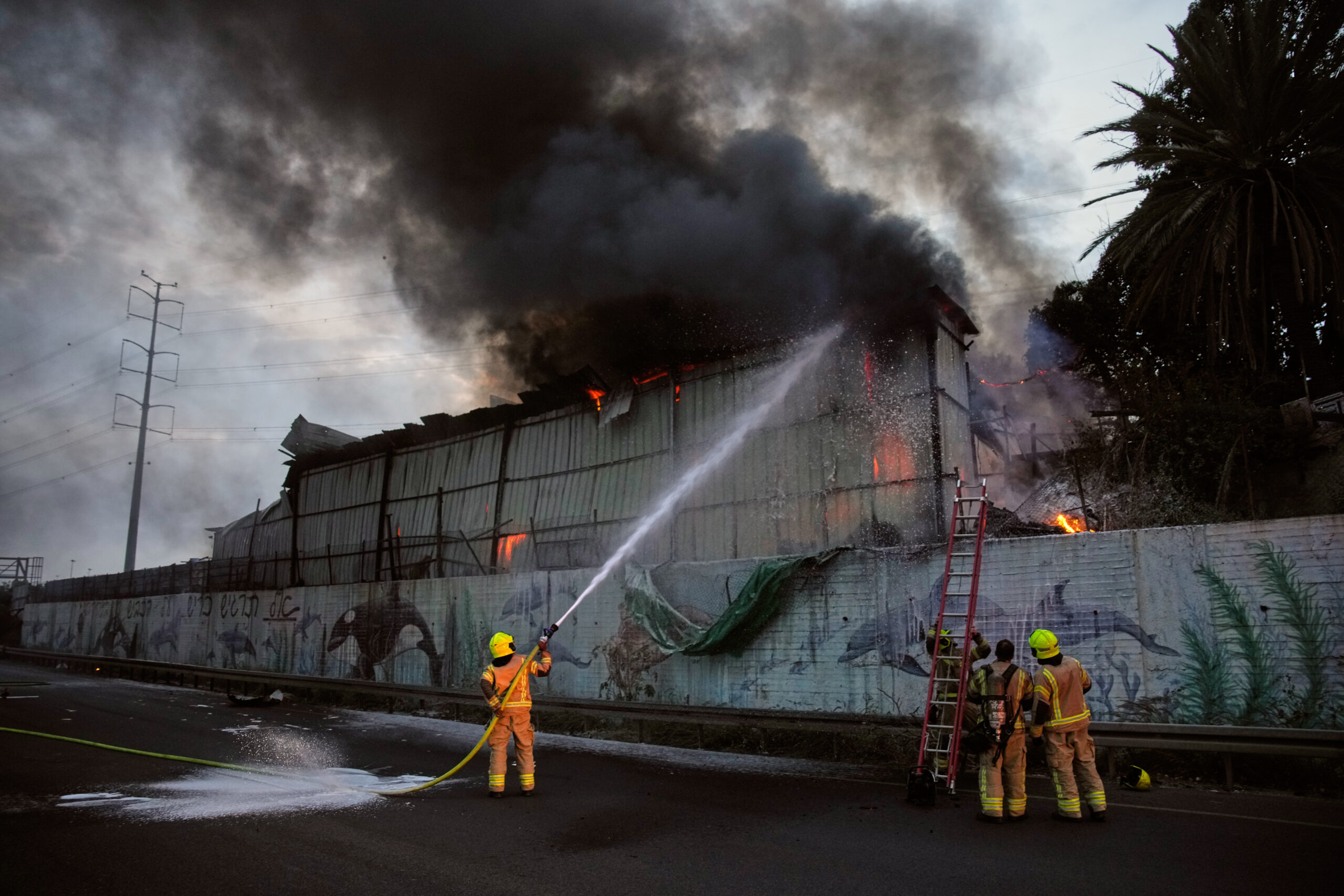
In Its Conflict With the United States and Israel, Does Escalation Favor Iran?
On March 18, AGSI hosted a discussion on the escalation of the Iran war.
Speakers