Nov 25, 2025
Tehran Reacts to Assassination of Lebanese Hezbollah Commander
The November 25 edition of the Iran Media Review examines Iranian reactions to Israel’s killing of Haytham Ali Tabatabaei, Lebanese Hezbollah's chief of staff.

Israel’s November 23 assassination of Haytham Ali Tabatabai, Lebanese Hezbollah’s chief of staff, in Beirut was initially interpreted by Iranian analysts as a prelude to renewed Israeli strikes against Iran’s nonstate allies and possibly against Iran itself. This reading helps explain former Islamic Revolutionary Guard Corps Chief Commander Mohsen Rezaei’s call on the “axis of resistance” to abandon patience and “self-restraint” toward Israel. Yet Iran’s state of preparedness does not alter the fundamental reality that little restrains Israel from striking Iranian allies – or Iran – whenever it chooses.
- November 23: Mahdi Mohammadi, an advisor to Speaker of Parliament Mohammad-Bagher Qalibaf, wrote on X: “The time has come,” referring back to an earlier post in which he predicted that Israel was on the verge of launching another round of strikes against Iran.
- November 23: In a statement quoted by official Islamic Republic News Agency, Iran’s Foreign Ministry condemned the assassination of Haytham Ali Tabatabai.
- November 23: Supreme National Security Council Secretary Ali Larijani expressed his condolences to Tabatabai’s family and Hezbollah in an Arabic-language post on X and concluded:
- Israel has achieved its objectives, but the adventurism of the present Israeli government will persuade everyone that “there is no other path except to confront this fabricated entity.”
- November 24: In a post on X, former Supreme National Security Council Secretary Admiral Ali Shamkhani stated:
- “I offer my condolences to the people of Lebanon, the heroic Hezbollah, and the axis of resistance on the martyrdom of Tabatabai and his comrades. The continuation of Tel Aviv’s crimes not only fails to create a secure future for the Zionists but further clarifies the inevitable path of resistance. The fallacious Zionist regime understands no language other than that of resistance.”
- November 24: Former Islamic Revolutionary Guard Corps Chief Commander Mohsen Rezaei said, as quoted by reformist Aftab News:
- “We do not seek to issue orders to the axis of resistance – they make their own decisions – but in my view, the patience and self-restraint shown by the resistance forces must now be reconsidered, as Israel is exploiting it.”
- November 24: IRGC-affiliated Mashregh News published a background on Tabatabai and, in a first for an IRGC-affiliated media outlet, acknowledged that he had served as an advisor to Yemen’s Houthis and a liaison between the IRGC Quds Force and Houthis in 2016.
The views represented herein are the author's or speaker's own and do not necessarily reflect the views of AGSI, its staff, or its board of directors.
Related
Iran Media Review
Nov 21, 2025
Iran’s State-Censored Media on Saudi Mediation Between Tehran and Washington
The November 21 edition of the Iran Media Review highlights Iranian commentary on U.S.-Iranian relations and considers the possibility of Saudi mediation.
Iran Media Review
Nov 18, 2025
Seizure of Oil Tanker, U.S. Negotiations, and IAEA Relations
The November 18 edition of the Iran Media Review considers Iranian statements about Iran’s seizure of a Marshall Islands-flagged oil tanker.
Iran Media Review
Nov 14, 2025
Iranian Media Expresses Relief Over Iraqi Election Outcome
The November 14 edition of the Iran Media Review analyzes Iranian reactions to recent Iraqi parliamentary election results.
Nov 21, 2025
Iran’s State-Censored Media on Saudi Mediation Between Tehran and Washington
The November 21 edition of the Iran Media Review highlights Iranian commentary on U.S.-Iranian relations and considers the possibility of Saudi mediation.
Nov 18, 2025
Seizure of Oil Tanker, U.S. Negotiations, and IAEA Relations
The November 18 edition of the Iran Media Review considers Iranian statements about Iran’s seizure of a Marshall Islands-flagged oil tanker.
Nov 14, 2025
Iranian Media Expresses Relief Over Iraqi Election Outcome
The November 14 edition of the Iran Media Review analyzes Iranian reactions to recent Iraqi parliamentary election results.
Analysis
Mohsen Rezaei at the Helm of Iran’s Supreme National Security Council
Under Rezaei, the SNSC could prove constructive or paralyze strategic decision making.
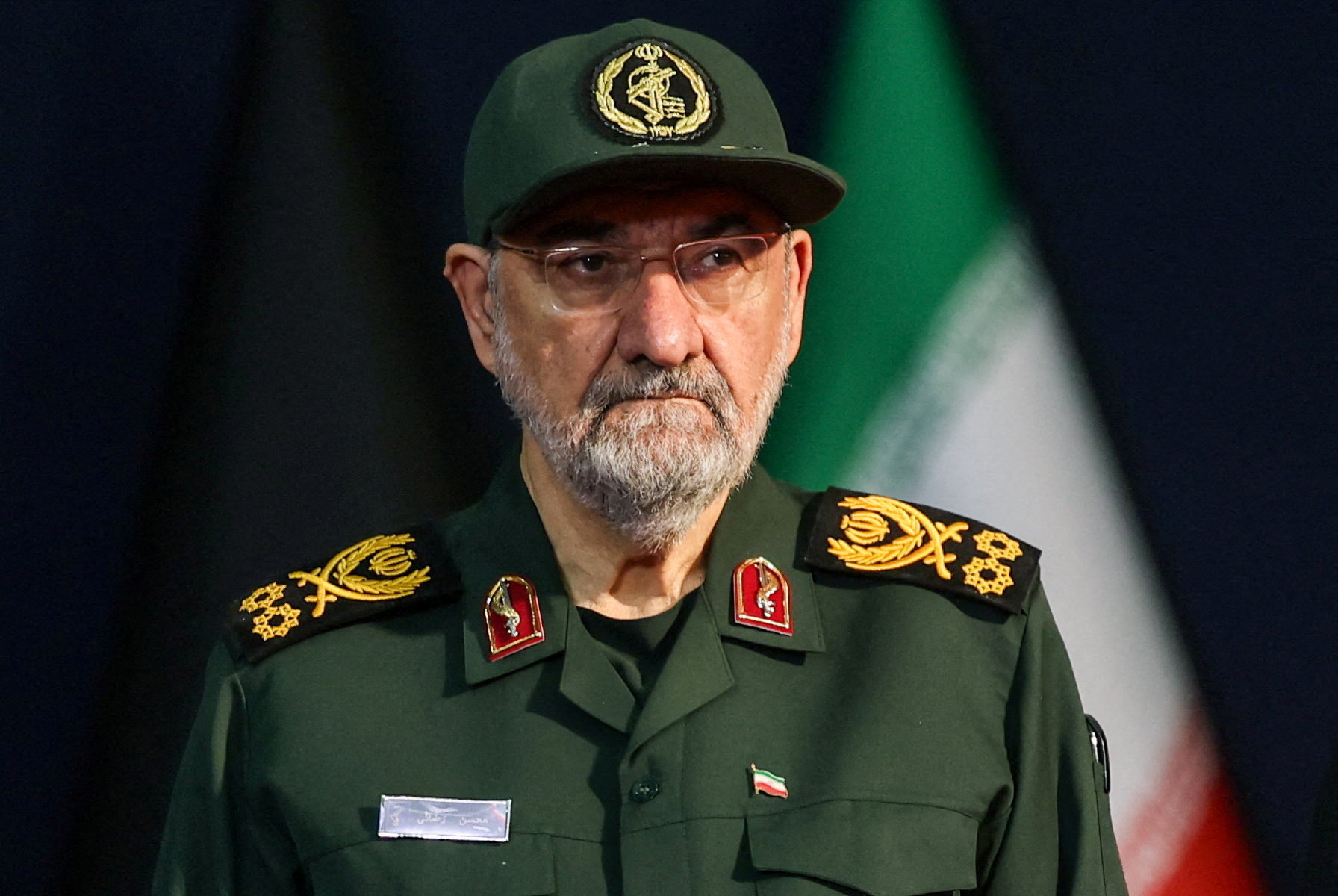
The Islamic Republic Returns to Offense
After U.S.-Israeli strikes killed Supreme Leader Ayatollah Ali Khamenei on February 28, Iran’s collective leadership has concluded that the best defense is a good offense.
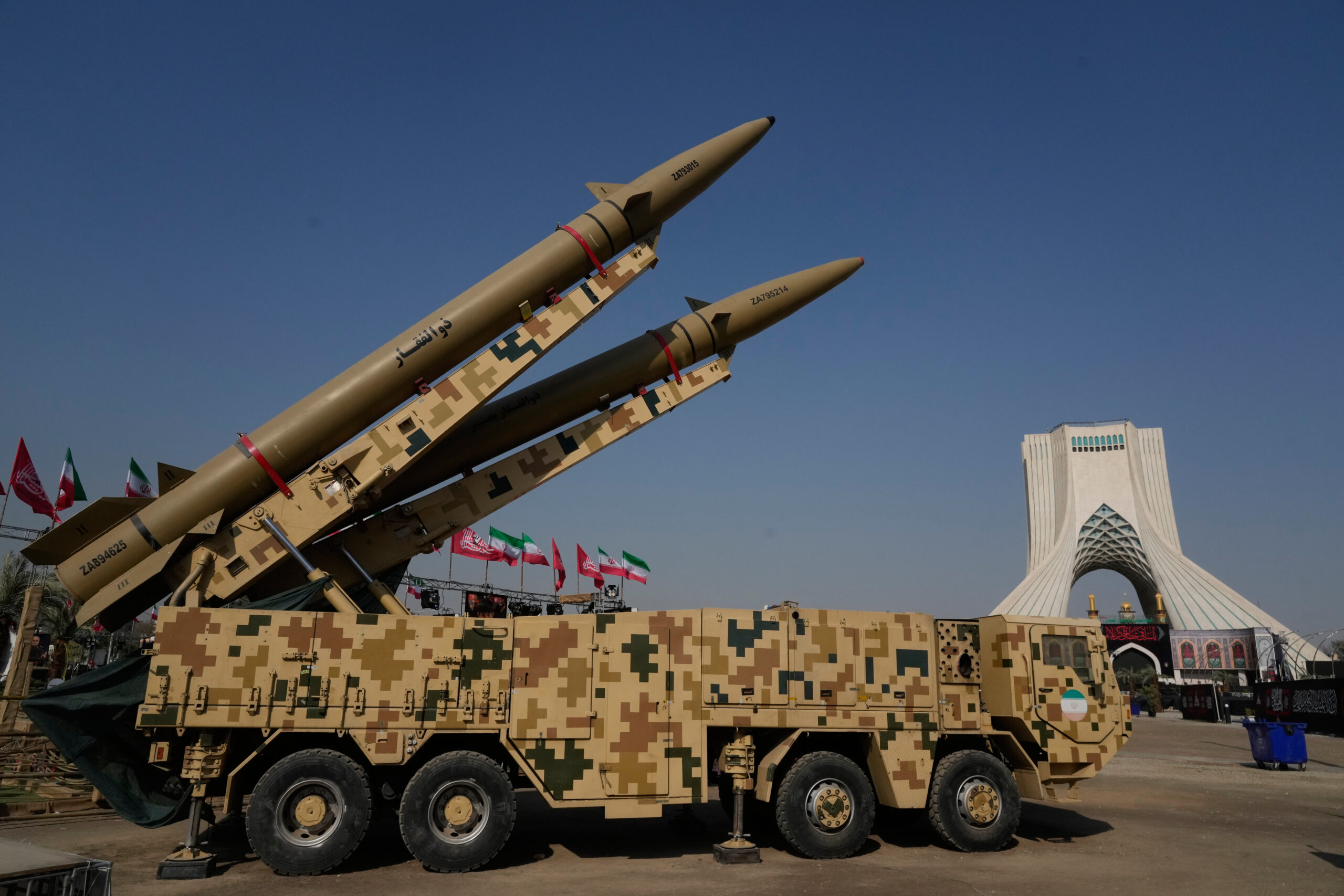
Iran’s Collective Strategic Decision Making
Wartime pressure has temporarily aligned the leadership’s overriding interest in regime survival, even as its members continue to differ over the costs, methods, and ultimate objectives of the war.
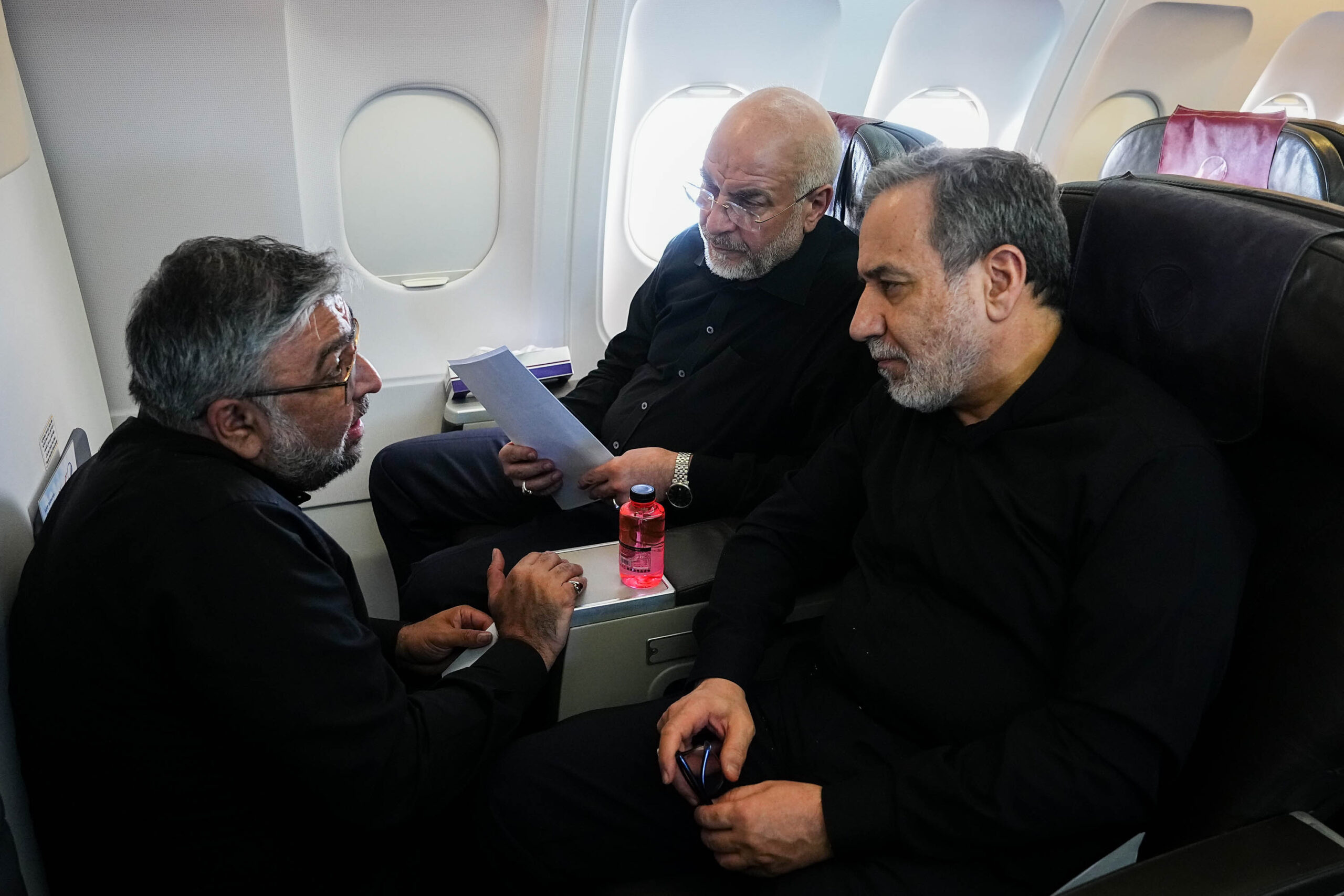
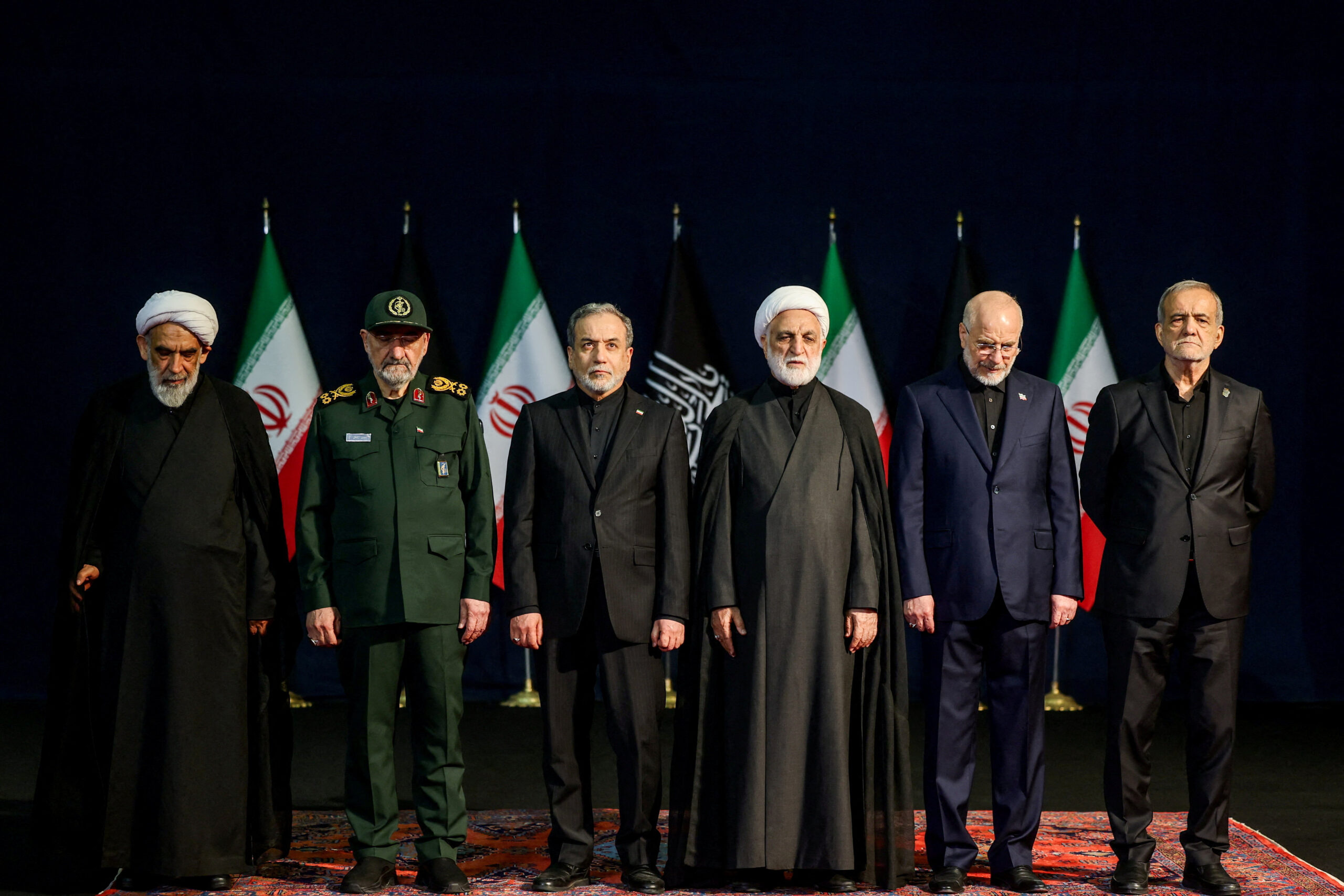
The Islamic Republic’s Collective Leadership
While there is historical precedent for collective leadership in Iran, today’s leadership includes representatives of the IRGC and regular military – a reflection of the IRGC’s expanding role and the necessities of governing under wartime conditions.
Events
Oct 6, 2026
Is the U.S.-Iran Stalemate a “New Normal” or the Prelude to Another Explosion?
On October 6, AGSI hosted a discussion on the U.S.-Iran stalemate and the prospects for a cease-fire.
Speakers



Book Talk: Iran and the Bomb: The United States, Iran and the Nuclear Question
On June 16, AGSI hosted a discussion on the evolution of Iran's nuclear program.
Speakers
Apr 21, 2026
Inside Iran’s Wartime Leadership: Power, Succession, and Regime Stability
On April 21, AGSI hosted a discussion on the evolution of Iran's leadership during the war.
Speakers

Mar 18, 2026
In Its Conflict With the United States and Israel, Does Escalation Favor Iran?
On March 18, AGSI hosted a discussion on the escalation of the Iran war.
Speakers