Nov 21, 2025
Iran’s State-Censored Media on Saudi Mediation Between Tehran and Washington
The November 21 edition of the Iran Media Review highlights Iranian commentary on U.S.-Iranian relations and considers the possibility of Saudi mediation.

While Saudi Crown Prince Mohammed bin Salman appears to be conveying a message from Iranian leadership to President Donald J. Trump, public statements by Iranian officials do not suggest any significant shift in Tehran’s positions on key strategic issues.
- November 19: In a major interview with centrist Khabar Online, Iranian Foreign Minister Abbas Araghchi said:
- “We will by no means accept zero enrichment, because it has become a matter of national honor and pride. We have paid enormous material and moral costs for it, and we have sacrificed numerous nuclear martyrs to preserve it … any agreement aimed at reducing nuclear enrichment to zero would be considered a betrayal, and we will not submit to it.”
- November 19: Kamal Kharazi, director of the Strategic Foreign Relations Council, said in an exclusive interview with CNN, as reported by technocratic Sazandegi:
- “Iran will not halt uranium enrichment, although the level of enrichment could be subject to negotiation with the United States and others … Iran will not negotiate over its missile program.”
- “We do not recognize the Israeli state, because it was established through the occupation of others’ land. However, if the Palestinian side decides to establish a Palestinian state, we have no objection.”
- Kharazi said that if President Donald J. Trump “adopts a positive approach, we will reciprocate. But to do so, he must refrain from using force against Iran. He has tried that before and has realized that force is ineffective.”
- November 20: Reformist Etemad wrote about potential Saudi mediation between Iran and the United States:
- “On Monday night, news came that President Masoud Pezeshkian’s letter addressed to the Saudi crown prince had been delivered to the officials of that country. Although some government officials tried to downplay the importance of the contents of the president’s letter to a dry and purely formal expression of gratitude, the analytical and media atmosphere indicates that something more significant is embedded in Pezeshkian’s message to Riyadh. This reality was also evident during the Trump-Mohammed bin Salman meeting, in which both sides repeatedly spoke about the need to end the standoff between Iran and the United States and reach an agreement.”
- November 20: An analysis published by reformist Shargh claimed the United States has chosen a policy toward Iran resembling former President Ronald Reagan’s policy toward the Soviet Union:
- “Unlike in 2018, when the strategy of ‘maximum pressure’ was pursued with the goal of rapid economic collapse, Trump’s current approach bears a striking resemblance to Reagan’s policies toward the Soviet Union in the 1980s. In this model, the aim is neither necessarily a hot war nor regime change through a coup. Rather, the goal is to draw the opponent to the negotiating table in a way that the outcome becomes ‘internal transformation.’”
- “Strategic analysts believe that Trump wants to subject Iran to a process of attrition by combining ‘smart economic pressure’ with ‘open diplomatic channels.’ In this scenario, any future agreement would be designed so that, for Iran to benefit economically, it would have no choice but to accept standards that contradict its ideological nature and revolutionary structure. A controlled opening toward interaction with the West is precisely the Achilles’ heel that, in Trump’s team’s view, could activate what they call ‘Iran’s internal contradictions’ and trigger a project of ‘soft collapse.’”
- November 20: Criticizing unnamed Iranian “cheerleaders of Mohammed bin Salman,” hard-line Kayhan, in an editorial, rhetorically asked:
- “Does Trump see Saudi Arabia and, more broadly, the wealthy oil-producing countries of the region as ‘milking cows’ or not? Has he not repeatedly said that he sees the leaders of these countries as sources of money and that they must be milked? The answers to these questions are obvious – a simple search will show them. Now our pro-Western friends should explain … Do you mean that we should pour $1 trillion into Trump’s pocket? If yes, then does that mean you enjoy being milked so much?”
- “There are also those who claim Saudi Arabia is about to convey Iran’s message to the United States … Can’t you think of anything but negotiations?”
The views represented herein are the author's or speaker's own and do not necessarily reflect the views of AGSI, its staff, or its board of directors.
Related
Iran Media Review
Nov 18, 2025
Seizure of Oil Tanker, U.S. Negotiations, and IAEA Relations
The November 18 edition of the Iran Media Review considers Iranian statements about Iran’s seizure of a Marshall Islands-flagged oil tanker.
Iran Media Review
Nov 14, 2025
Iranian Media Expresses Relief Over Iraqi Election Outcome
The November 14 edition of the Iran Media Review analyzes Iranian reactions to recent Iraqi parliamentary election results.
Iran Media Review
Nov 12, 2025
Iraqi Elections and a Water Crisis
The November 12 edition of the Iran Media Review examines Iranian commentary on the upcoming elections in Iraq and Tehran’s water shortage.
Nov 18, 2025
Seizure of Oil Tanker, U.S. Negotiations, and IAEA Relations
The November 18 edition of the Iran Media Review considers Iranian statements about Iran’s seizure of a Marshall Islands-flagged oil tanker.
Nov 14, 2025
Iranian Media Expresses Relief Over Iraqi Election Outcome
The November 14 edition of the Iran Media Review analyzes Iranian reactions to recent Iraqi parliamentary election results.
Nov 12, 2025
Iraqi Elections and a Water Crisis
The November 12 edition of the Iran Media Review examines Iranian commentary on the upcoming elections in Iraq and Tehran’s water shortage.
Analysis
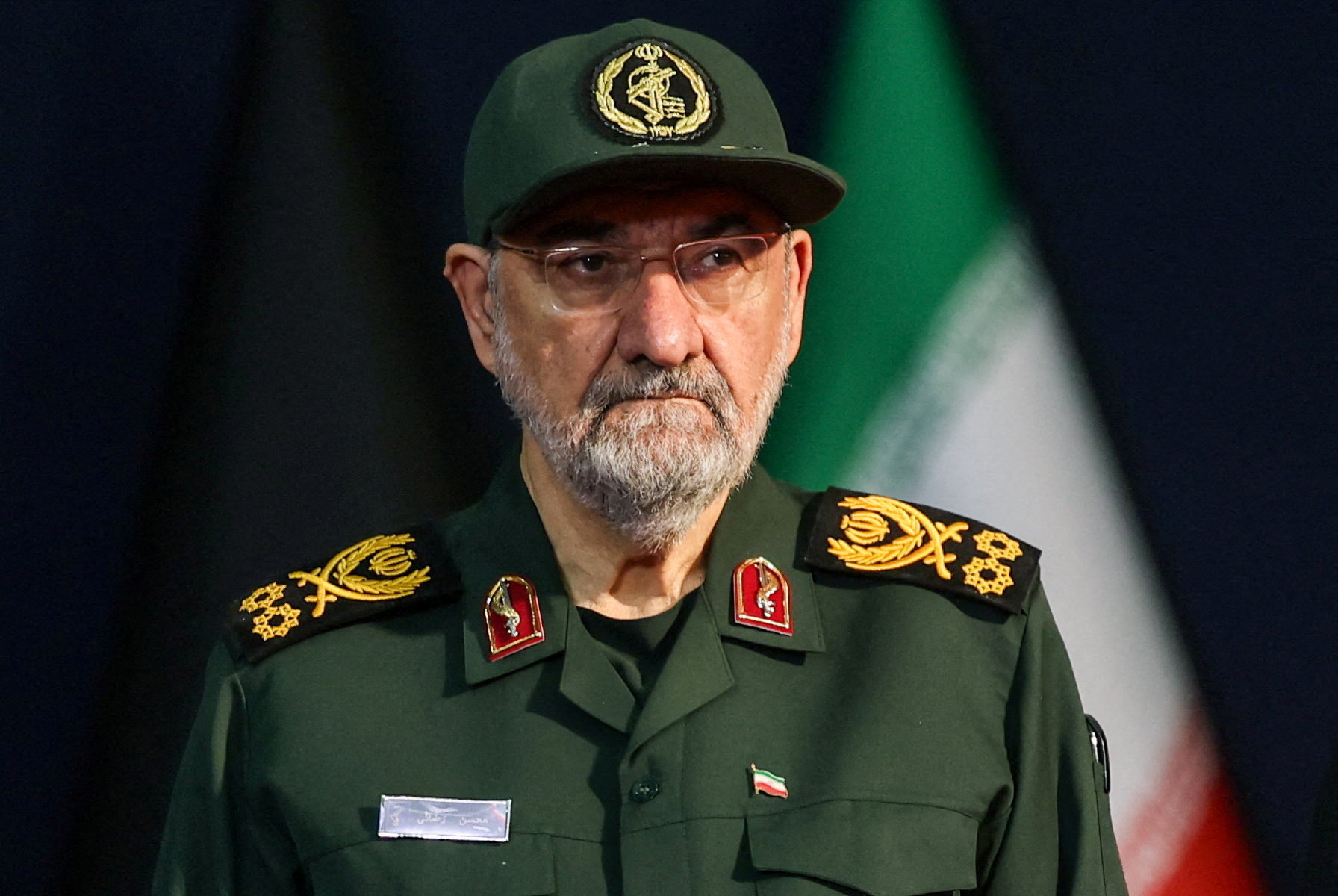
Mohsen Rezaei at the Helm of Iran’s Supreme National Security Council
Under Rezaei, the SNSC could prove constructive or paralyze strategic decision making.
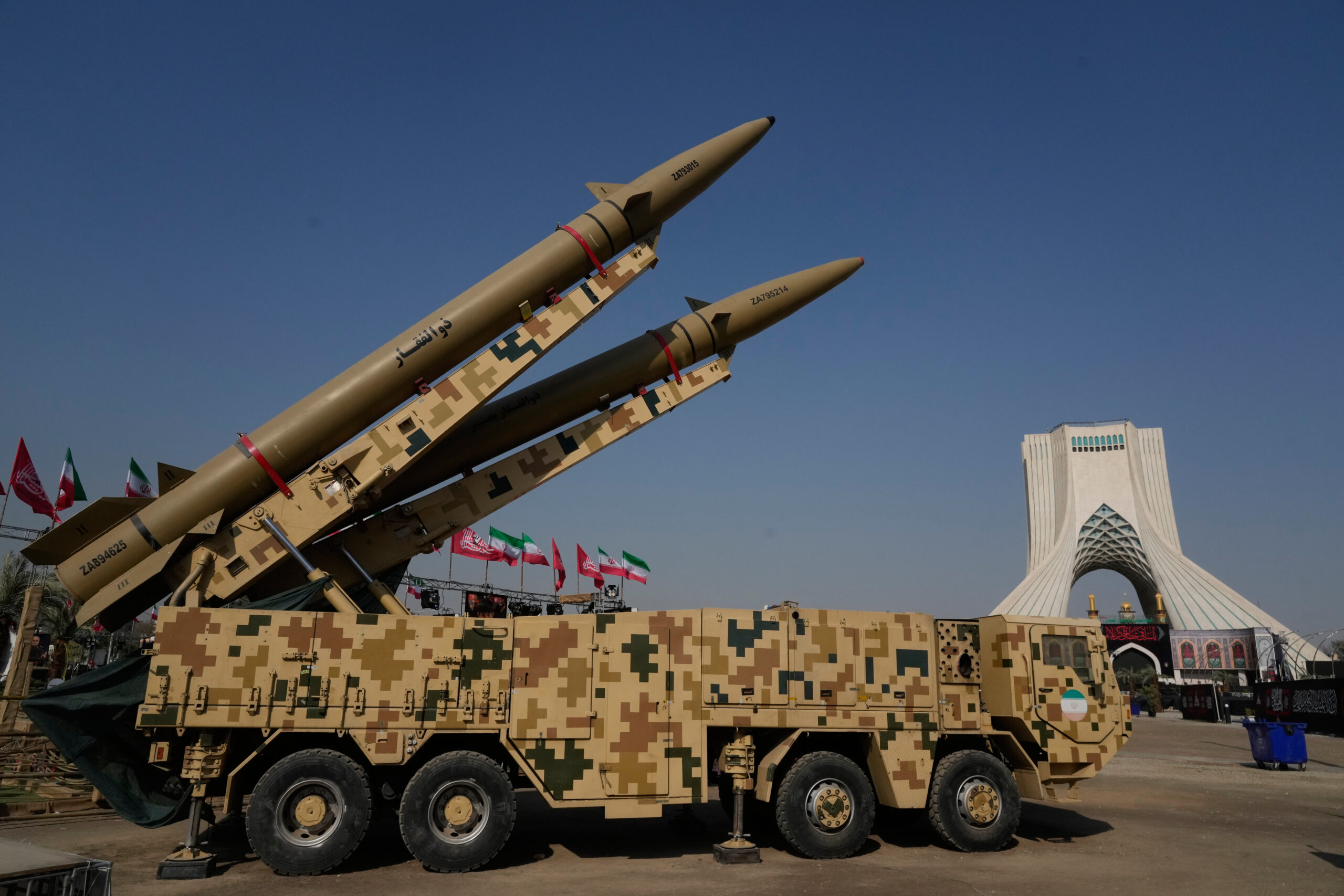
The Islamic Republic Returns to Offense
After U.S.-Israeli strikes killed Supreme Leader Ayatollah Ali Khamenei on February 28, Iran’s collective leadership has concluded that the best defense is a good offense.
Iran’s Collective Strategic Decision Making
Wartime pressure has temporarily aligned the leadership’s overriding interest in regime survival, even as its members continue to differ over the costs, methods, and ultimate objectives of the war.
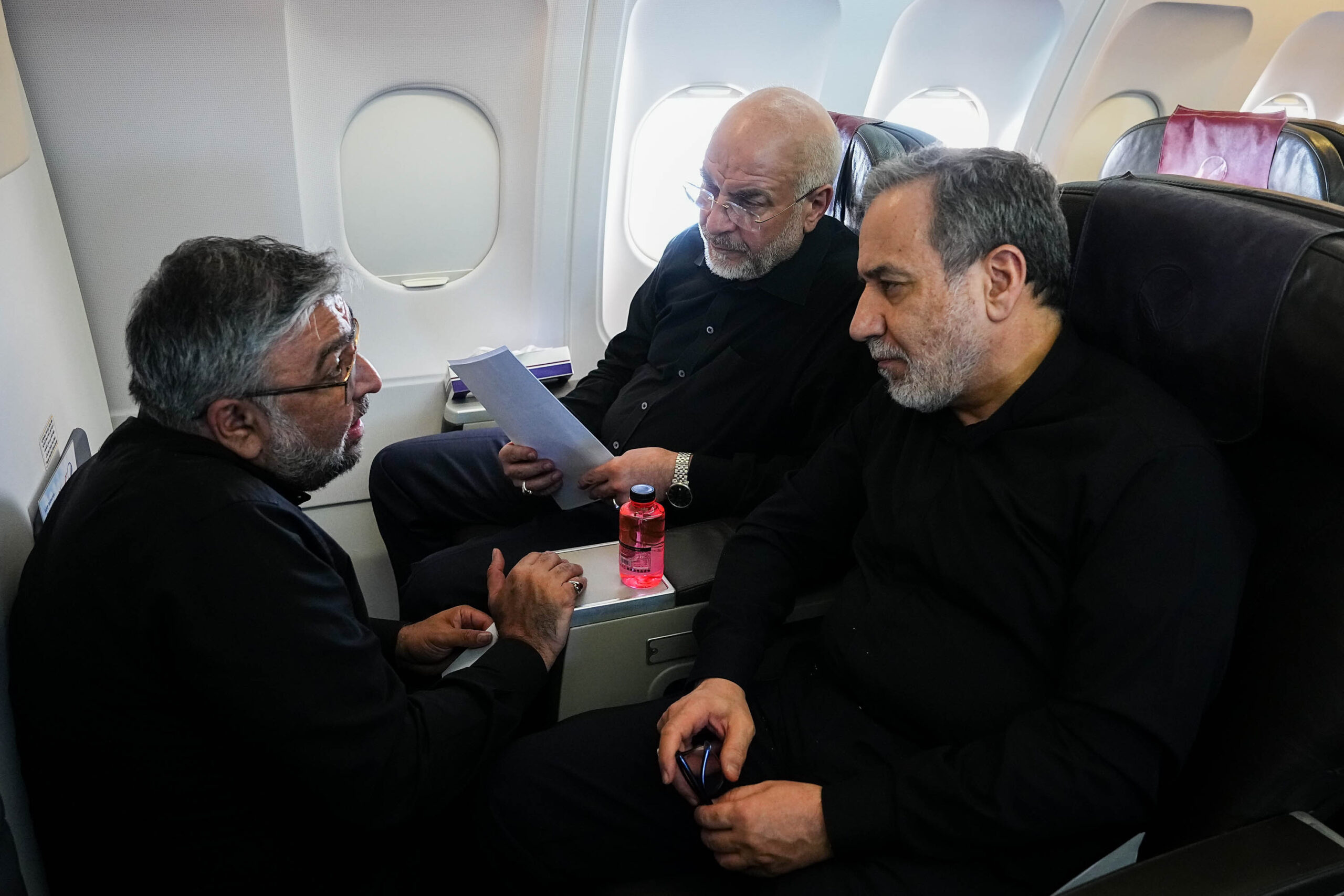
The Islamic Republic’s Collective Leadership
While there is historical precedent for collective leadership in Iran, today’s leadership includes representatives of the IRGC and regular military – a reflection of the IRGC’s expanding role and the necessities of governing under wartime conditions.
Events
Oct 6, 2026
Is the U.S.-Iran Stalemate a “New Normal” or the Prelude to Another Explosion?
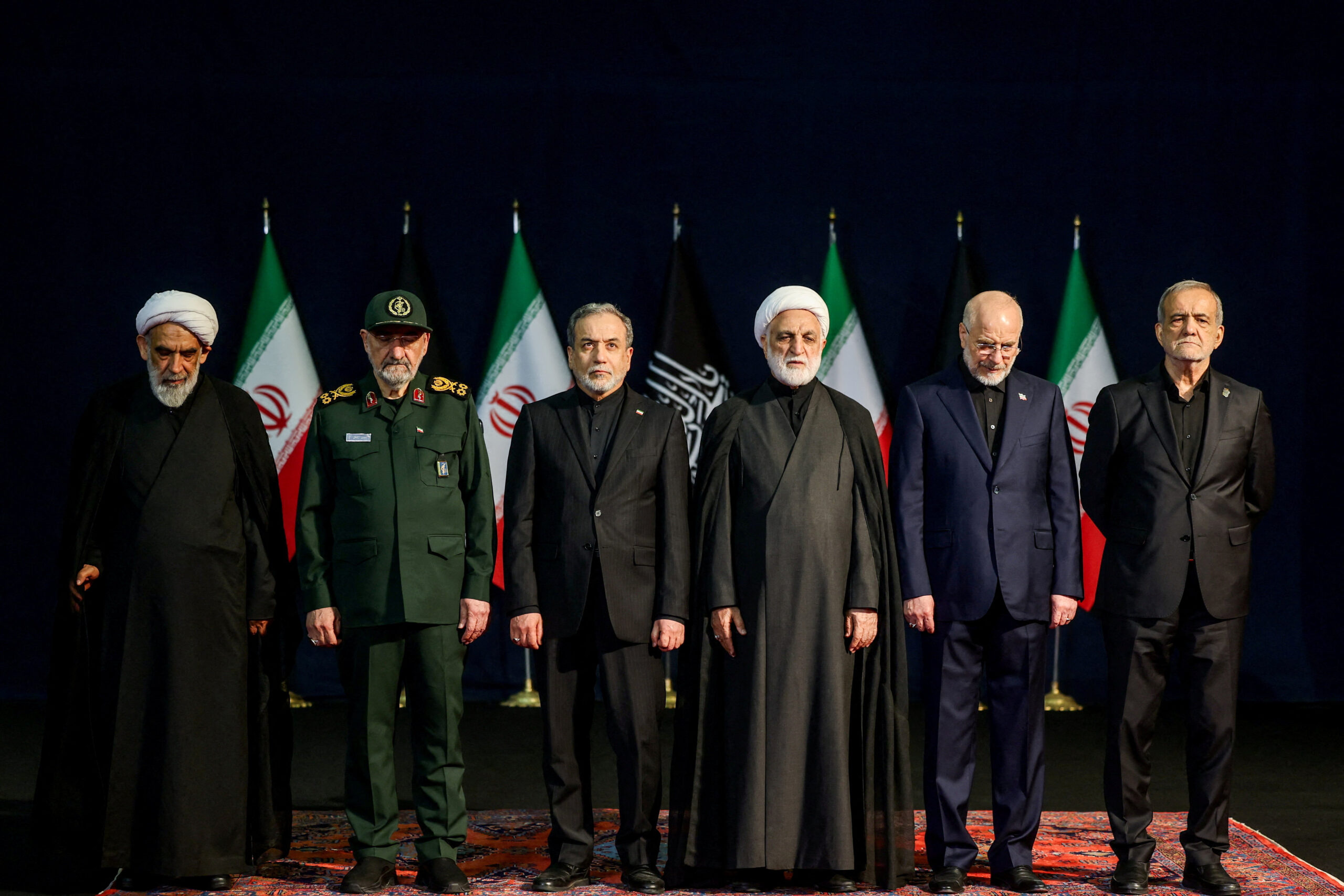
On October 6, AGSI hosted a discussion on the U.S.-Iran stalemate and the prospects for a cease-fire.
Speakers


Book Talk: Iran and the Bomb: The United States, Iran and the Nuclear Question
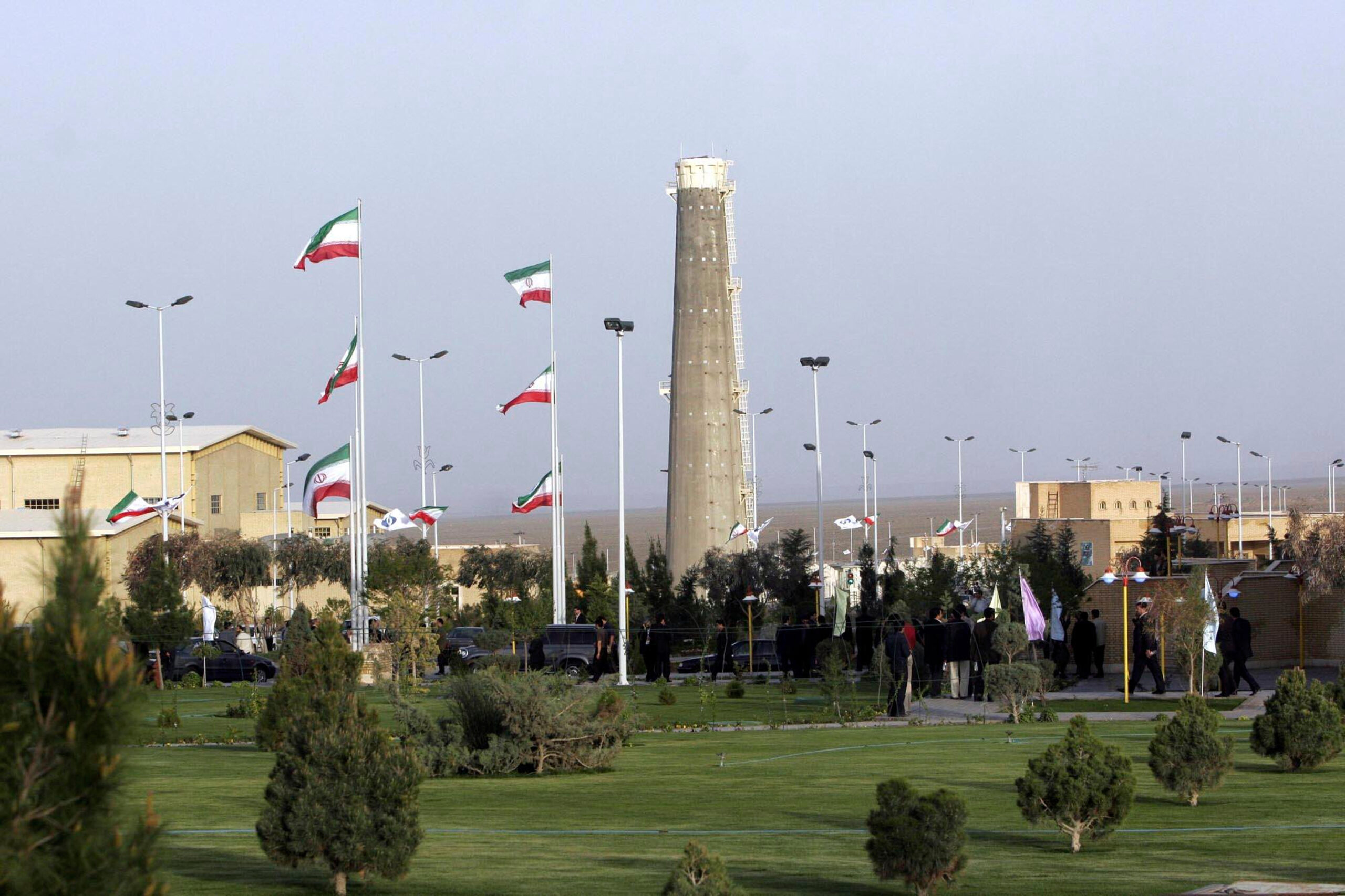
On June 16, AGSI hosted a discussion on the evolution of Iran's nuclear program.
Speakers
Apr 21, 2026
Inside Iran’s Wartime Leadership: Power, Succession, and Regime Stability
On April 21, AGSI hosted a discussion on the evolution of Iran's leadership during the war.
Speakers

Mar 18, 2026
In Its Conflict With the United States and Israel, Does Escalation Favor Iran?
On March 18, AGSI hosted a discussion on the escalation of the Iran war.
Speakers