Aug 15, 2025
U.S.-Iran Negotiations: Dead End
The August 15 edition of the Iran Media Review considers Iranian commentary suggesting an impasse in U.S.-Iran talks.

Nuclear negotiations between Iran and the United States appear to have reached an impasse: Tehran is not inclined to give in to Washington’s demands, and President Donald J. Trump appears to have lost interest in Iran. Iranian President Masoud Pezeshkian openly admitted that Iran continues to negotiate due to bureaucratic inertia and a lack of alternatives and inadvertently revealed the Cabinet’s decision not to rebuild Iran’s nuclear installations, fearing renewed U.S. attacks. Just as inadvertently, the Islamic Revolutionary Guard Corps revealed that it shares the Cabinet’s analysis but considers it impolitic of the president to disclose such matters. Reformist and hard-line analysts and political actors also appear to believe the negotiations have reached a dead end.
- August 11: Reformist Ham-Mihan released excerpts of President Masoud Pezeshkian’s comments about U.S.-Iran negotiations, delivered during a meeting with Iranian media representatives:
-
- Hard-line Kayhan Editor Hossein Shariatmadari asserted that the United States wants to impose its will on Iran, and there is no reason for Iran to continue negotiating. Pezeshkian responded: “What should we do if not negotiate?” Pezeshkian continued that if Iran tries to rebuild its nuclear installations, Iran will be attacked by the United States.
- August 13: Ham-Mihan reported on reactions to Pezeshkian’s statements on Iran-U.S. negotiations:
-
- Fouad Izadi, a commentator close to Saeed Jalili, Supreme Leader Ayatollah Ali Khamenei’s representative to the Supreme National Security Council, wrote on X: “The next U.S. attack against Iran will not entail any cost to the United States. This is how U.S. authorities will interpret his excellency the president’s statements. This increases the risk of another military action against Iran.”
-
- Shariatmadari wrote: “The meaning of the president’s statements is: We must either surrender to U.S. demands in the course of negotiations or submit to the U.S. in war.”
-
- Aziz Ghazanfari, an IRGC political deputy, wrote in Basirat News: “There is no doubt about the sincerity and honesty of the honorable president, but foreign policy is not a field in which you can say everything openly.”
- August 13: A Donya-ye Eqtesad article quoted a statement Deputy Foreign Minister Majid Takht-Ravanchi made to Kyodo News:
-
- “A resumption of negotiations with the United States depends on them guaranteeing they will not attack us while we negotiate and accepting a win-win formula … Zero-percent uranium enrichment is nonnegotiable, but we can discuss enrichment capacity and level … Iran’s missile capability is not negotiable … Foreign Minister Abbas Araghchi has not made U.S. compensation for the damage inflicted on Iran a precondition for negotiations, although Iran is legally entitled to compensation … It is not clear when the next round of negotiations will begin.”
- August 13: Saeed Jalili, quoted in hard-line Kayhan, said:
-
- “Negotiating with the United States or refraining from negotiations are both diplomatic instruments. At times, each of these instruments is useful, and at other times, not … If negotiations do not serve the purpose of taking advantage of opportunities that arise, you will suffer losses. But there are those who consider this matter a universal medicine and the solution to all problems. For them, this instrument has become a sanctity beyond and above criticism.”
- August 13: Amir Ali Abolfath, an American studies expert, commented on Takht-Ravanchi’s statements in an interview with reformist Etemad:
-
- “Iran will not easily change its negotiation position unless something huge happens, something resembling Japan and Germany’s unconditional surrender in World War II … We have not reached that point yet, and I find it unlikely that an agreement is within reach.”
The views represented herein are the author's or speaker's own and do not necessarily reflect the views of AGSI, its staff, or its board of directors.
Related
Iran Media Review
Aug 12, 2025
In Iran, YouTube Emerges as a Security Valve to Vent Anger Over Intelligence Failure
The August 12 edition of the Iran Media Review examines an Iranian security official’s video criticizing Iran’s security establishment.
Iran Media Review
Aug 8, 2025
The IRGC Backs Ali Larijani the Pragmatist
The August 8 edition of the Iran Media Review analyzes an IRGC-affiliated newspaper’s reaction to Ali Larijani’s appointment to the SNSC.
Iran Media Review
Aug 5, 2025
Cornered at Home and Abroad, the Regime Turns to the Pragmatists
The August 5 edition of the Iran Media Review highlights Iranian media responses to a potential change in Iran’s national security leadership.
Aug 12, 2025
In Iran, YouTube Emerges as a Security Valve to Vent Anger Over Intelligence Failure
The August 12 edition of the Iran Media Review examines an Iranian security official’s video criticizing Iran’s security establishment.
Aug 8, 2025
The IRGC Backs Ali Larijani the Pragmatist
The August 8 edition of the Iran Media Review analyzes an IRGC-affiliated newspaper’s reaction to Ali Larijani’s appointment to the SNSC.
Aug 5, 2025
Cornered at Home and Abroad, the Regime Turns to the Pragmatists
The August 5 edition of the Iran Media Review highlights Iranian media responses to a potential change in Iran’s national security leadership.
Analysis
The Islamic Republic Returns to Offense
After U.S.-Israeli strikes killed Supreme Leader Ayatollah Ali Khamenei on February 28, Iran’s collective leadership has concluded that the best defense is a good offense.
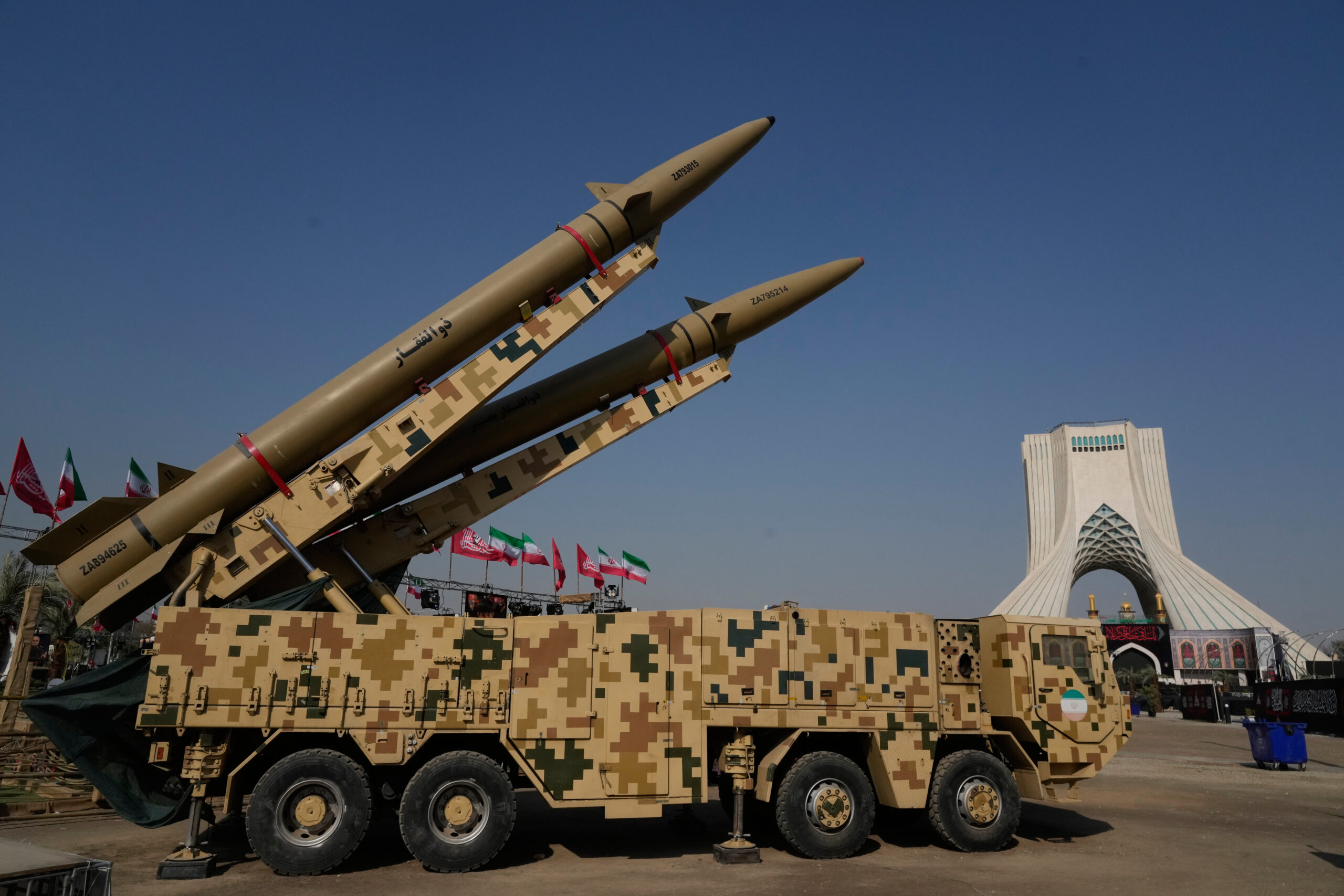
Iran’s Collective Strategic Decision Making
Wartime pressure has temporarily aligned the leadership’s overriding interest in regime survival, even as its members continue to differ over the costs, methods, and ultimate objectives of the war.
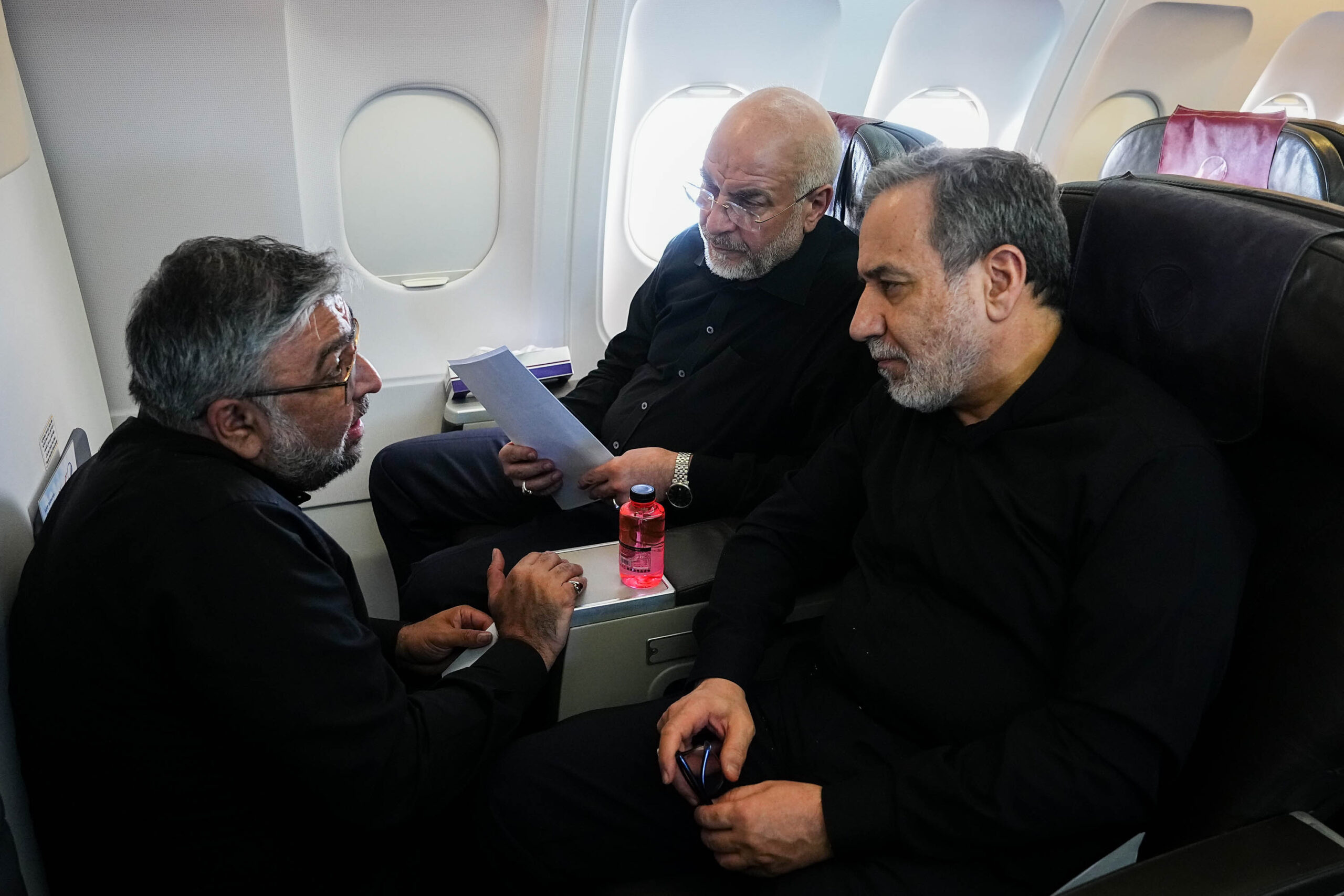
The Islamic Republic’s Collective Leadership
While there is historical precedent for collective leadership in Iran, today’s leadership includes representatives of the IRGC and regular military – a reflection of the IRGC’s expanding role and the necessities of governing under wartime conditions.
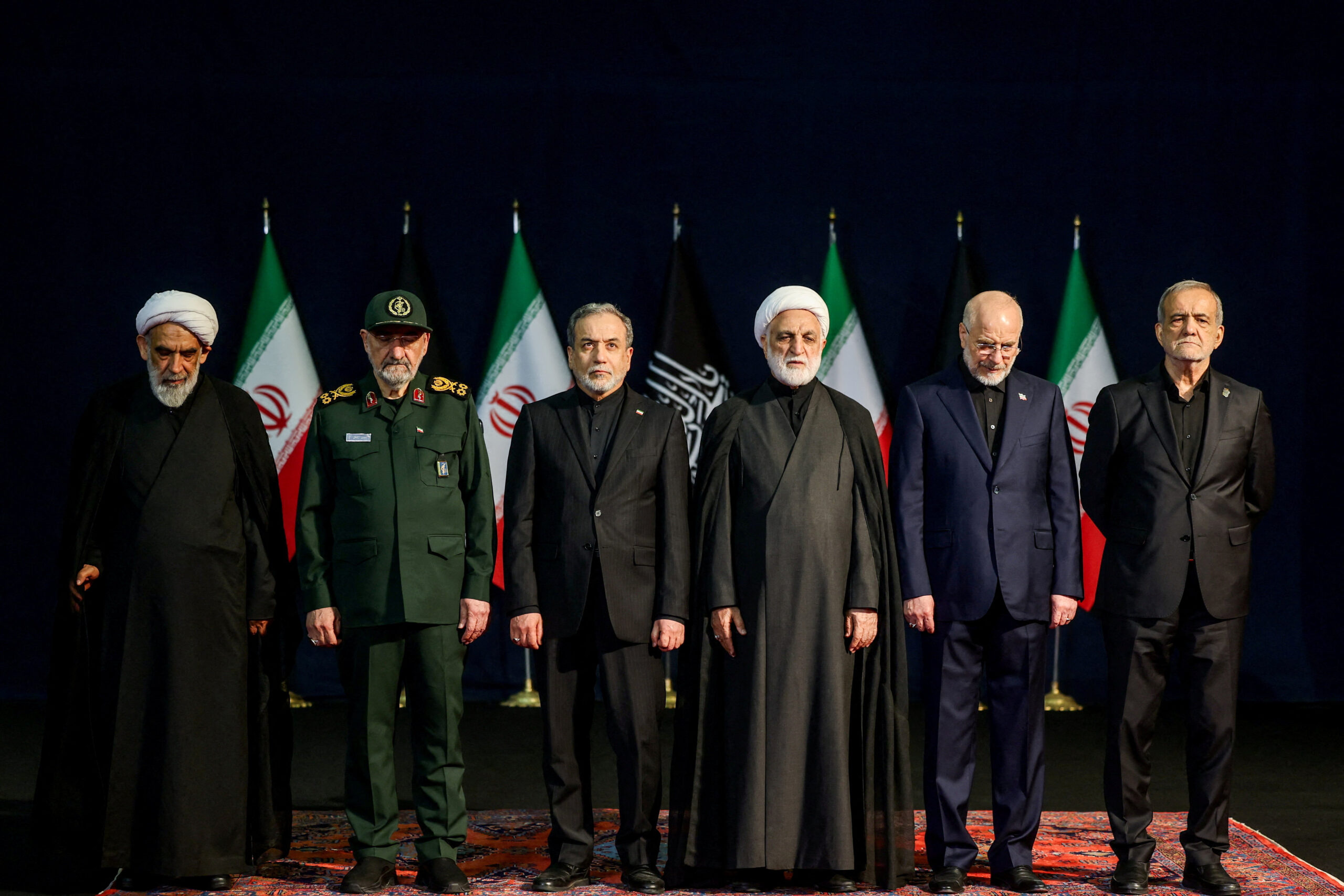
How Did the IRGC Seize Power in Iran?
The IRGC did not seize power in a single stroke. It accumulated it – patiently, methodically – until no counterweight remained.
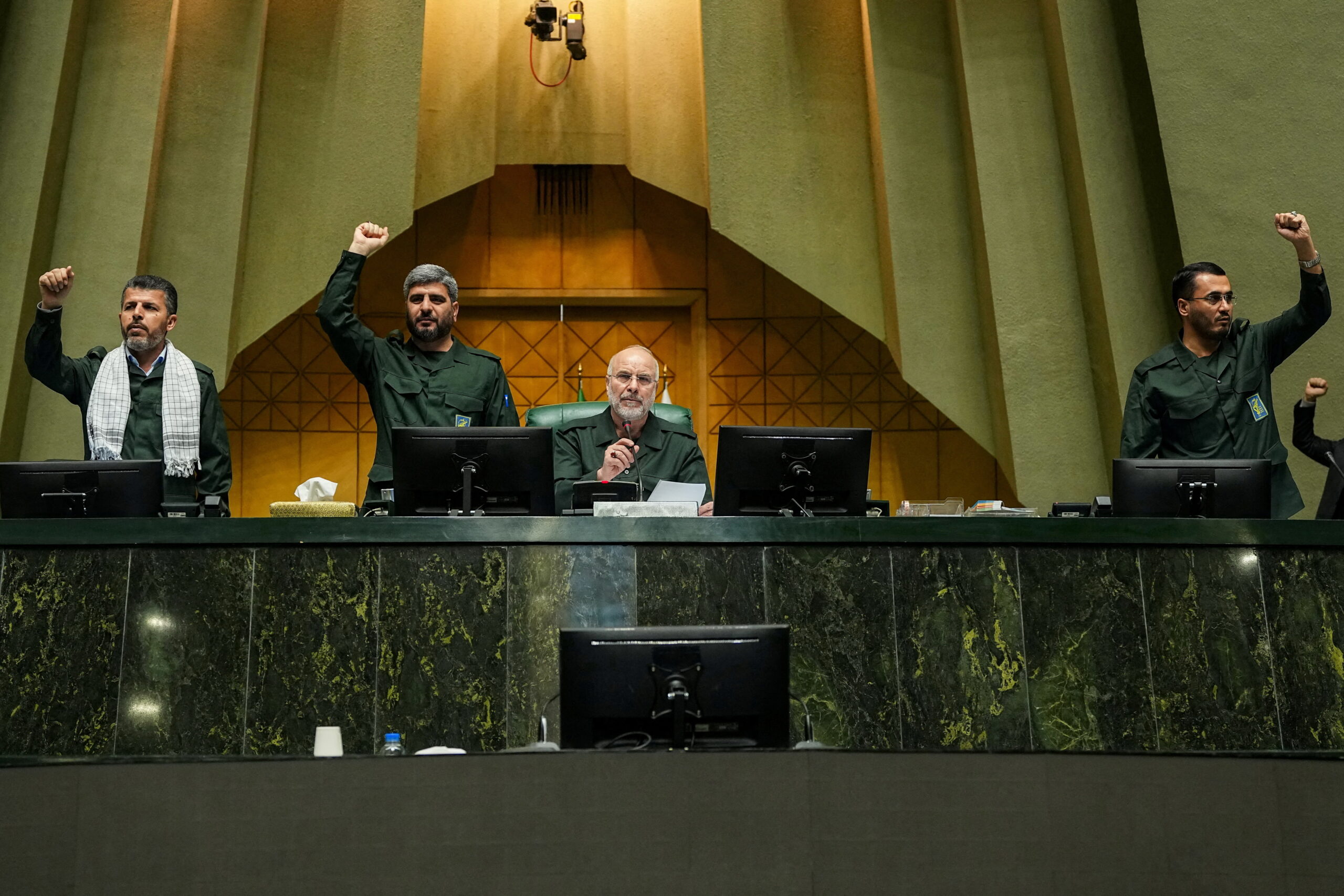
Events
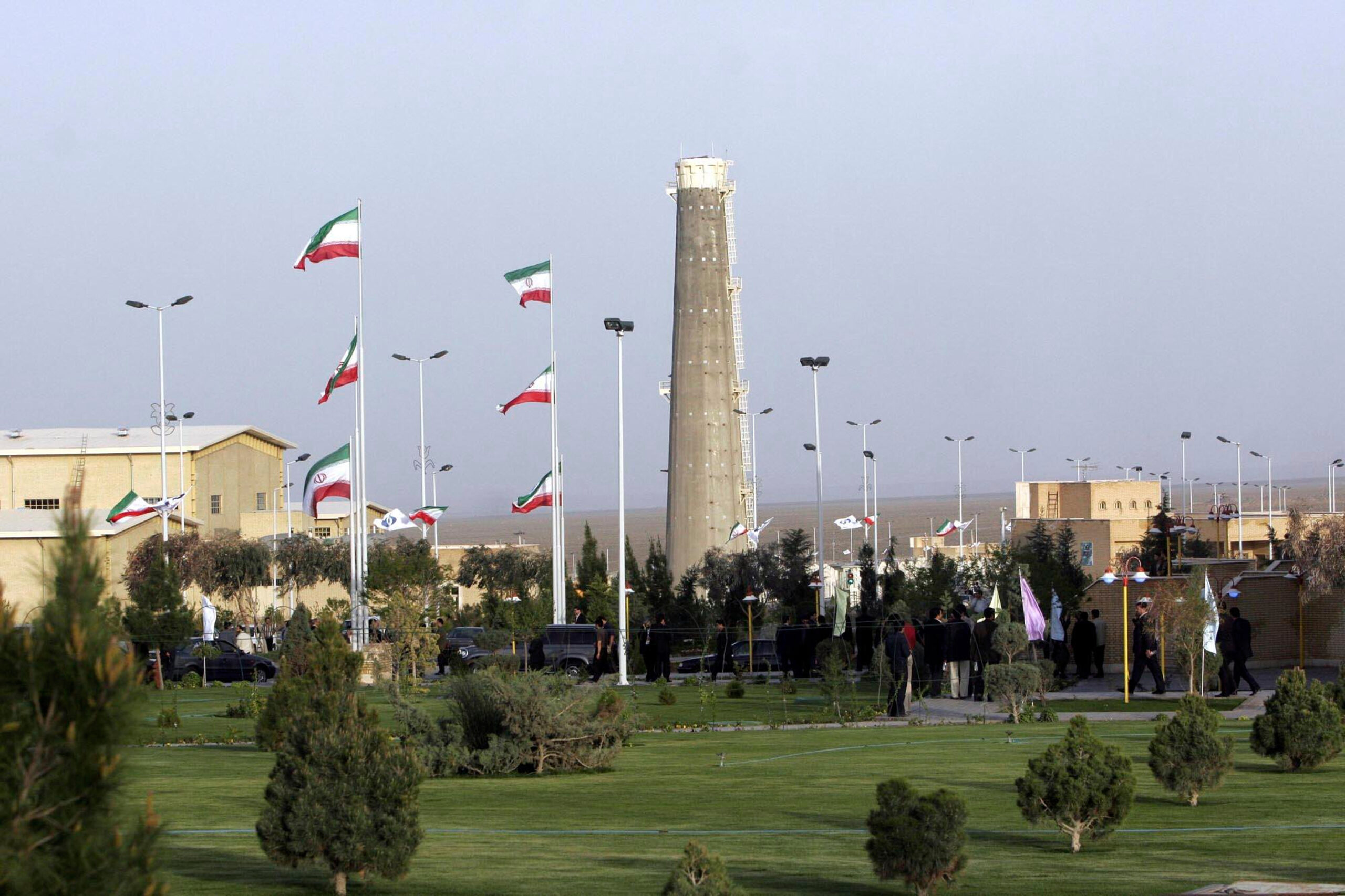
Book Talk: Iran and the Bomb: The United States, Iran and the Nuclear Question
On June 16, AGSI hosted a discussion on the evolution of Iran's nuclear program.
Speakers

Apr 21, 2026
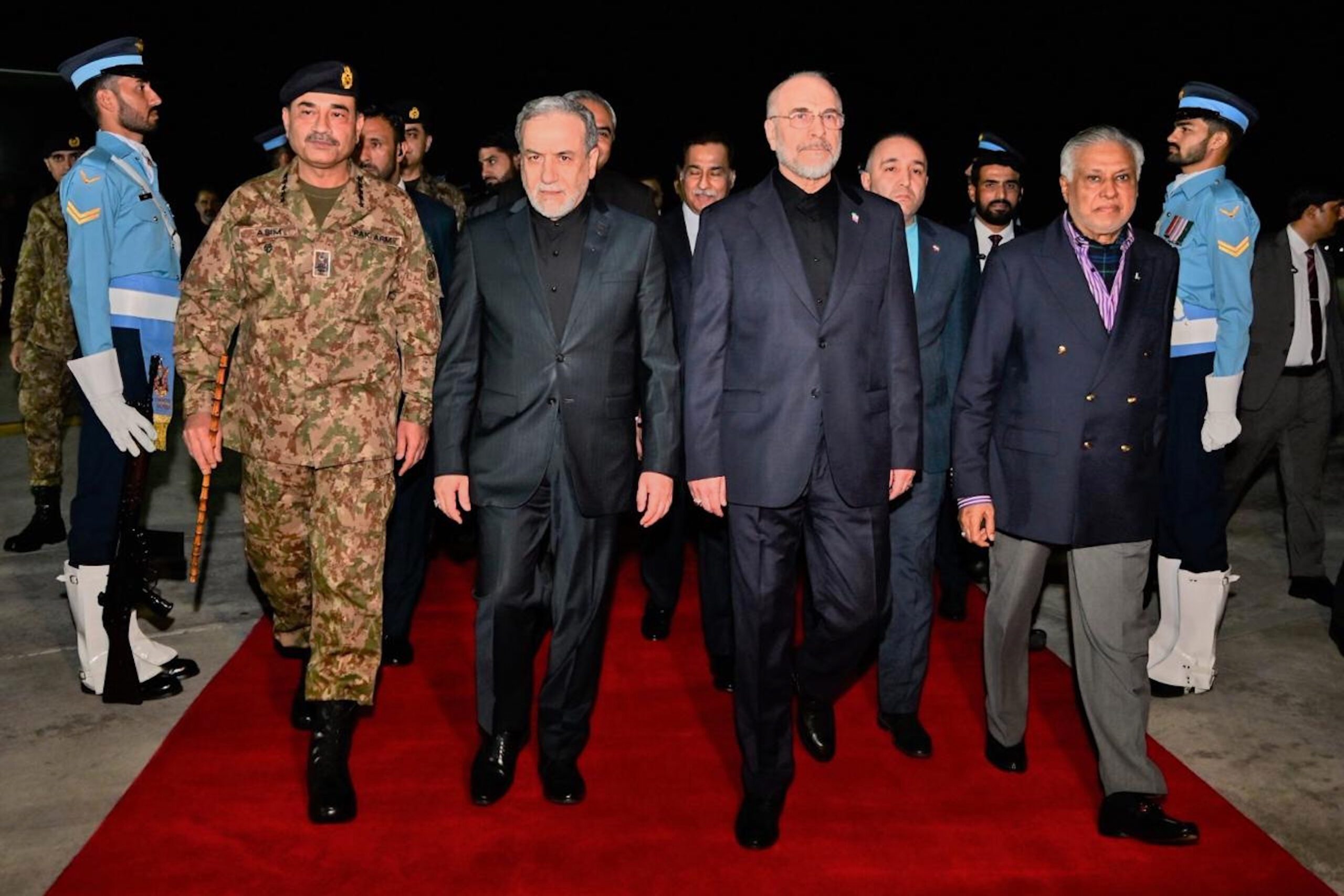
Inside Iran’s Wartime Leadership: Power, Succession, and Regime Stability
On April 21, AGSI hosted a discussion on the evolution of Iran's leadership during the war.
Speakers

Mar 18, 2026
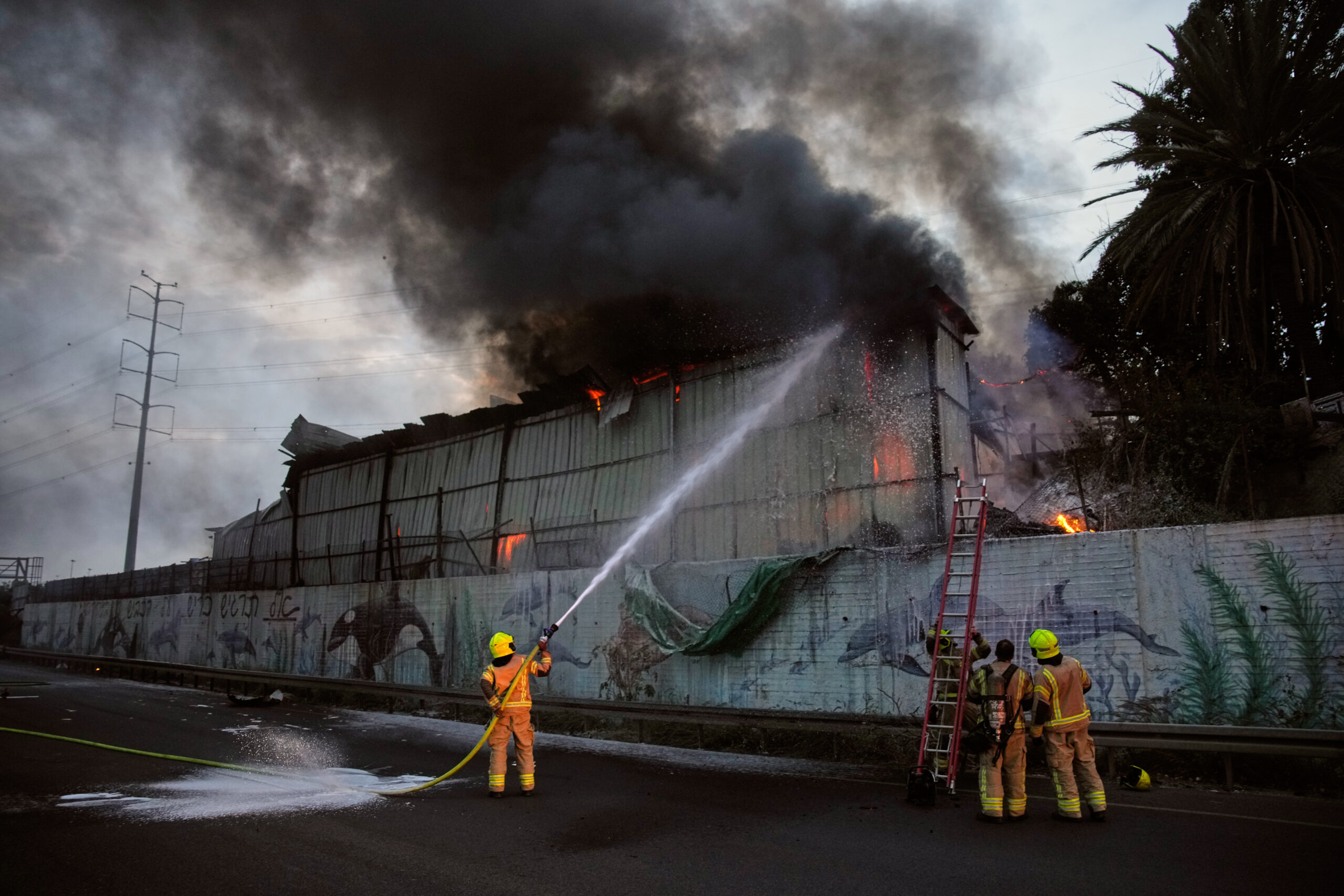
In Its Conflict With the United States and Israel, Does Escalation Favor Iran?
On March 18, AGSI hosted a discussion on the escalation of the Iran war.
Speakers



Mar 2, 2026
After the Shock: Implications of the U.S.–Israeli Strikes and Iran’s Leadership Transition
On March 2, AGSI hosted a discussion on the U.S.-Israeli strikes on Iran.
Speakers