Jul 15, 2025
“Nothing Is Bleaker Than the Color Black”
The July 15 edition of the Iran Media Review analyzes Iranian media reactions to European threats to reimpose sanctions on Iran.

Iran’s hard-line, technocratic, and even reformist factions appear to be in agreement: Following the U.S. withdrawal from the Joint Comprehensive Plan of Action, the Israeli strikes against Iran, and subsequent U.S. military attacks on Iran’s nuclear infrastructure, Tehran should not be deterred by European threats to invoke the JCPOA’s snapback mechanism. This provision empowers any United Nations Security Council participant to unilaterally restore all previously lifted U.N. sanctions on Iran, bypassing veto constraints, if the country is deemed uncompliant with its JCPOA obligations. Previously, Iranian technocrats and reformists warned that referring Iran’s nuclear dossier back to the Security Council would entail considerable economic consequences and could pave the way for a military confrontation reminiscent of the lead-up to the 2003 Iraq War. Today, however, their strategic calculus has shifted: European signatories to the JCPOA proved either unwilling or unable to shield Iran from the reimposition of U.S. primary and secondary sanctions, and Iran has already endured military aggression. How much worse can it get?
- July 14: In a front-page article, hard-line Kayhan called on Iranian policymakers to initiate preparations for withdrawal from the Treaty on the Non-Proliferation of Nuclear Weapons in response to Europe’s invocation of the snapback mechanism:
-
- While former Foreign Minister Mohammad-Javad Zarif and “other people from the president’s circle claimed diplomatic stratagems would remove the shadow of war, this country was attacked by the Zionists and the Americans after two months of negotiations … Europe, too, is pursuing the betrayal of Iran by threatening to activate the snapback mechanism … It is now incumbent on the Foreign Ministry not to be deceived … The sanctioning power of the snapback mechanism is not stronger than the present U.S. sanctions, and its potential to pave the path for another war is also limited, as Israel and the United States hardly needed” a Security Council resolution or a snapback mechanism to attack Iran.
-
- Confronting the emerging threats, Kayhan further urged decision makers to “prepare the ground to leave the nonproliferation treaty in case the European countries activate the snapback mechanism … Although diplomacy is an important instrument for this country, there is no logical reason for continued negotiations and diplomacy under circumstances where the other party is seeking increased pressure on us rather than solving the issues.”
- July 14: Reformist Etemad featured a front-page article, co-authored by former diplomats Cyrus Nasseri and Nosratollah Tajik, advocating for Russian and Chinese withdrawal from the JCPOA:
-
- “Iran renouncing the JCPOA will have little to no influence on the snapback mechanism, but should Russia, China, or both, renounce it, a small window opens to a legal-political prevention of the snapback mechanism. This requires that the two countries declare they renounce the JCPOA and use their vote in the Security Council to veto reimposition of previous sanctions against Iran.”
- July 14: Islamic Revolutionary Guard Corps-aligned Javan dismissed the European Union as a “defanged wolf” and downplayed its threat to trigger the snapback mechanism as strategically inconsequential.
The views represented herein are the author's or speaker's own and do not necessarily reflect the views of AGSI, its staff, or its board of directors.
Related
Iran Media Review
Jul 11, 2025
Hard-Line Ridicule of Pezeshkian Widely Condemned
The July 11 edition of the Iran Media Review examines Iranian media responses to the Iranian president’s interview with Tucker Carlson.
Iran Media Review
Jul 8, 2025
From Ummah to Nation: Khamenei Swaps Shia Internationalism for Iranian Nationalism
The July 8 edition of the Iran Media Review highlights Ayatollah Khamenei’s rhetorical shift from Shia internationalism to Iranian nationalism.
Iran Media Review
Jul 1, 2025
Fragile Cease-Fire, Succession Anxiety, and Internal Rifts
The July 1 edition of the Iran Media Review analyzes Iranian official and media commentary about Iran’s future after the cease-fire with Israel and the United States.
Jul 11, 2025
Hard-Line Ridicule of Pezeshkian Widely Condemned
The July 11 edition of the Iran Media Review examines Iranian media responses to the Iranian president’s interview with Tucker Carlson.
Jul 8, 2025
From Ummah to Nation: Khamenei Swaps Shia Internationalism for Iranian Nationalism
The July 8 edition of the Iran Media Review highlights Ayatollah Khamenei’s rhetorical shift from Shia internationalism to Iranian nationalism.
Jul 1, 2025
Fragile Cease-Fire, Succession Anxiety, and Internal Rifts
The July 1 edition of the Iran Media Review analyzes Iranian official and media commentary about Iran’s future after the cease-fire with Israel and the United States.
Analysis
The Islamic Republic Returns to Offense
After U.S.-Israeli strikes killed Supreme Leader Ayatollah Ali Khamenei on February 28, Iran’s collective leadership has concluded that the best defense is a good offense.
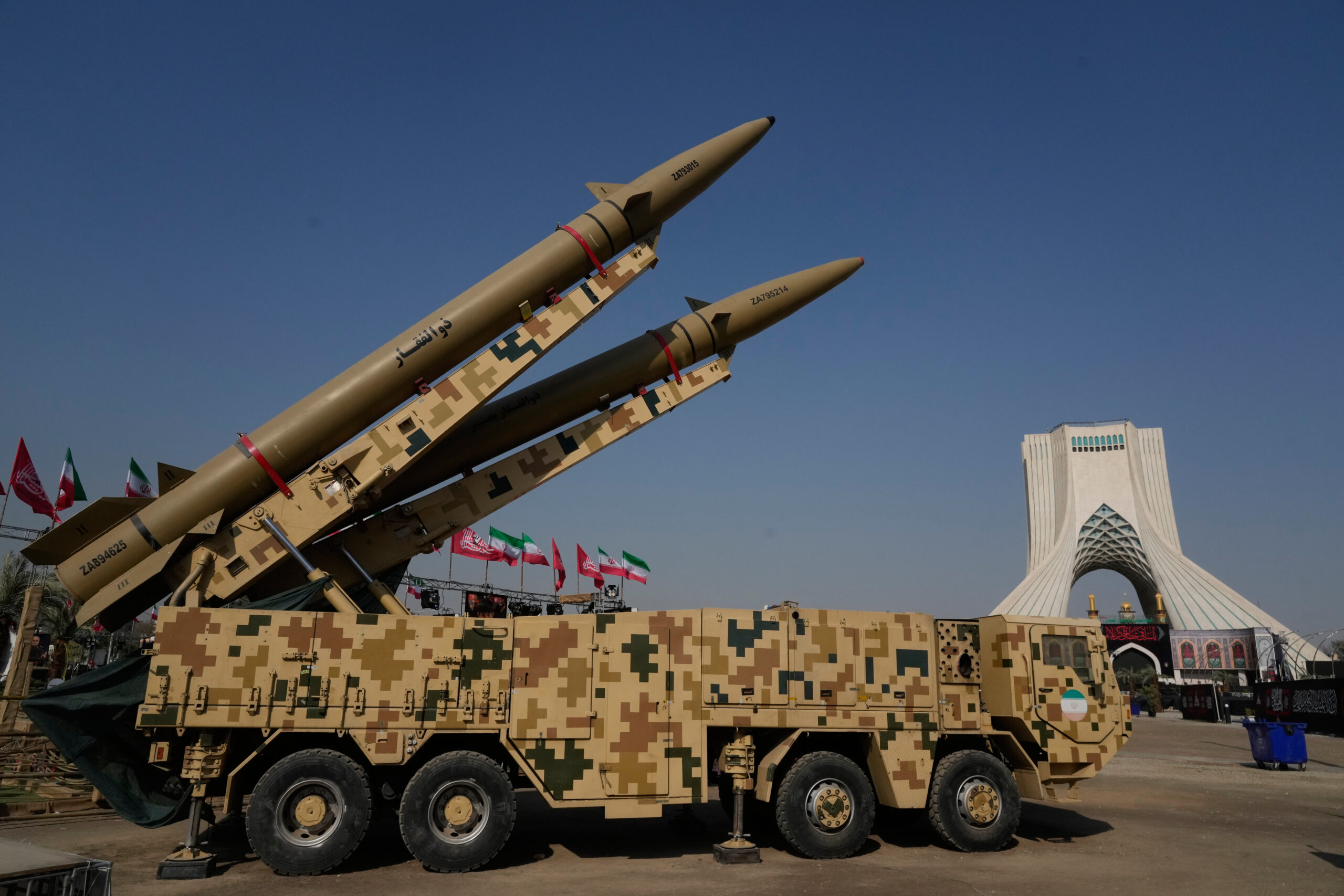
Iran’s Collective Strategic Decision Making
Wartime pressure has temporarily aligned the leadership’s overriding interest in regime survival, even as its members continue to differ over the costs, methods, and ultimate objectives of the war.
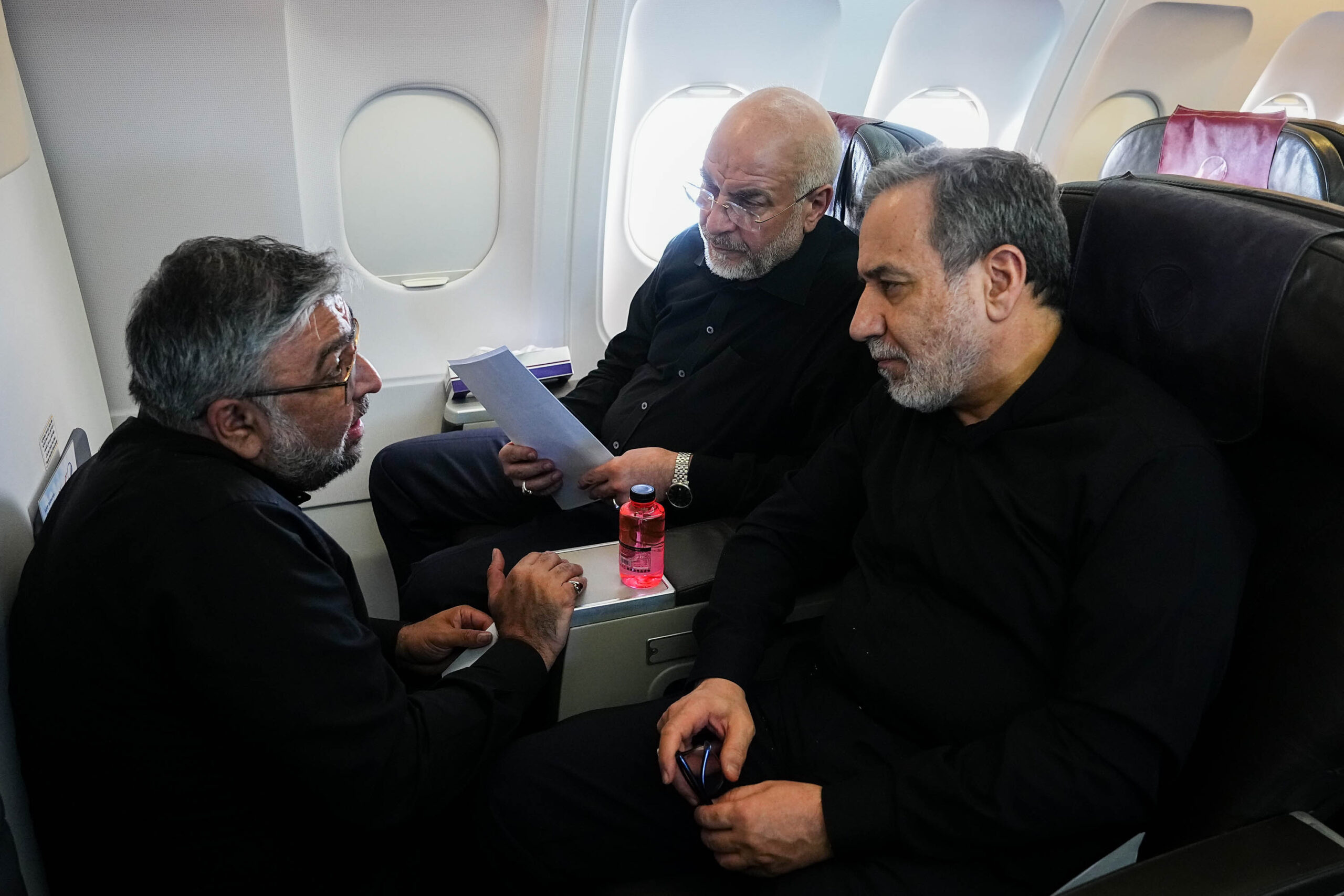
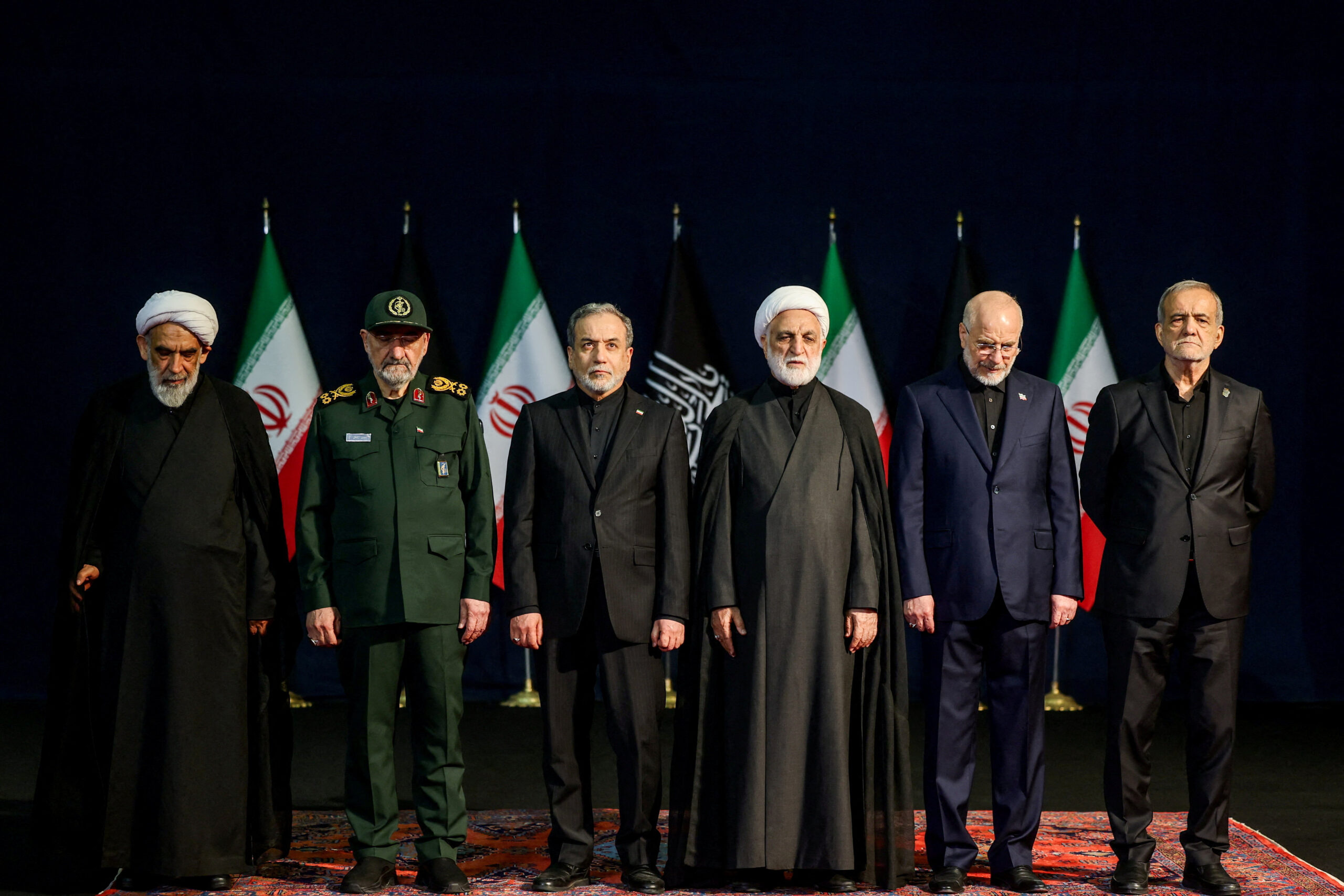
The Islamic Republic’s Collective Leadership
While there is historical precedent for collective leadership in Iran, today’s leadership includes representatives of the IRGC and regular military – a reflection of the IRGC’s expanding role and the necessities of governing under wartime conditions.
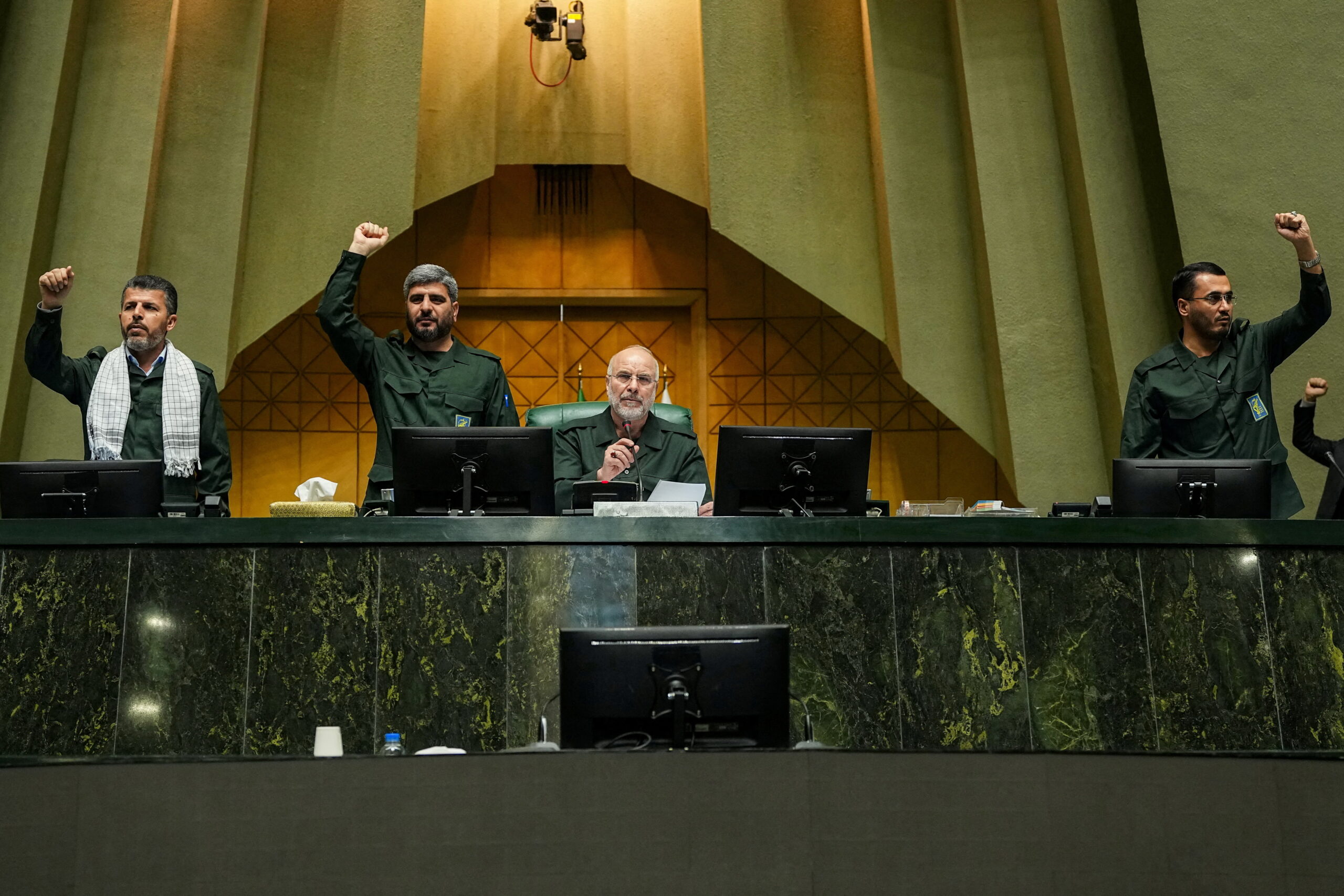
How Did the IRGC Seize Power in Iran?
The IRGC did not seize power in a single stroke. It accumulated it – patiently, methodically – until no counterweight remained.
Events
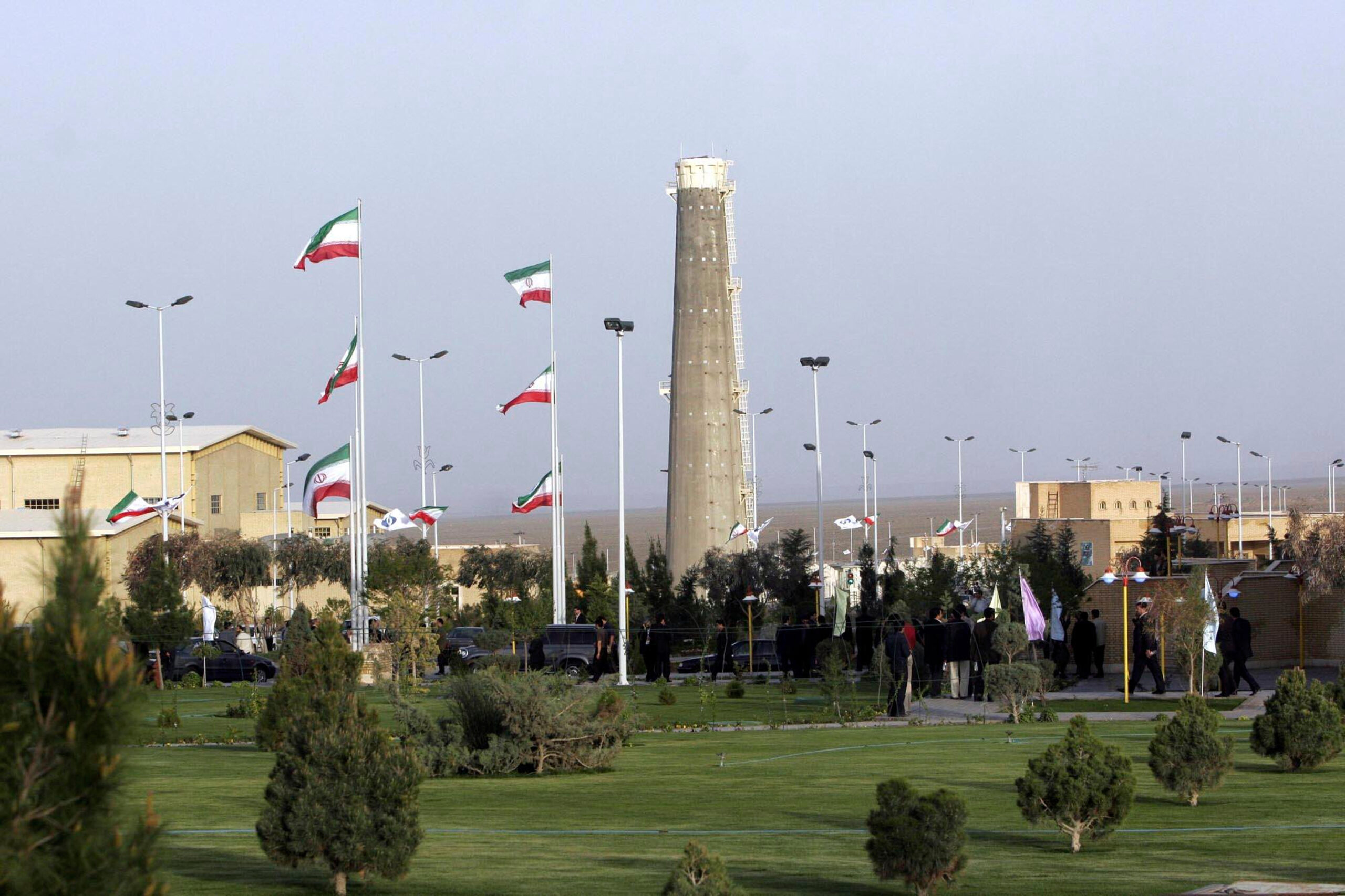
Book Talk: Iran and the Bomb: The United States, Iran and the Nuclear Question
On June 16, AGSI hosted a discussion on the evolution of Iran's nuclear program.
Speakers


Apr 21, 2026
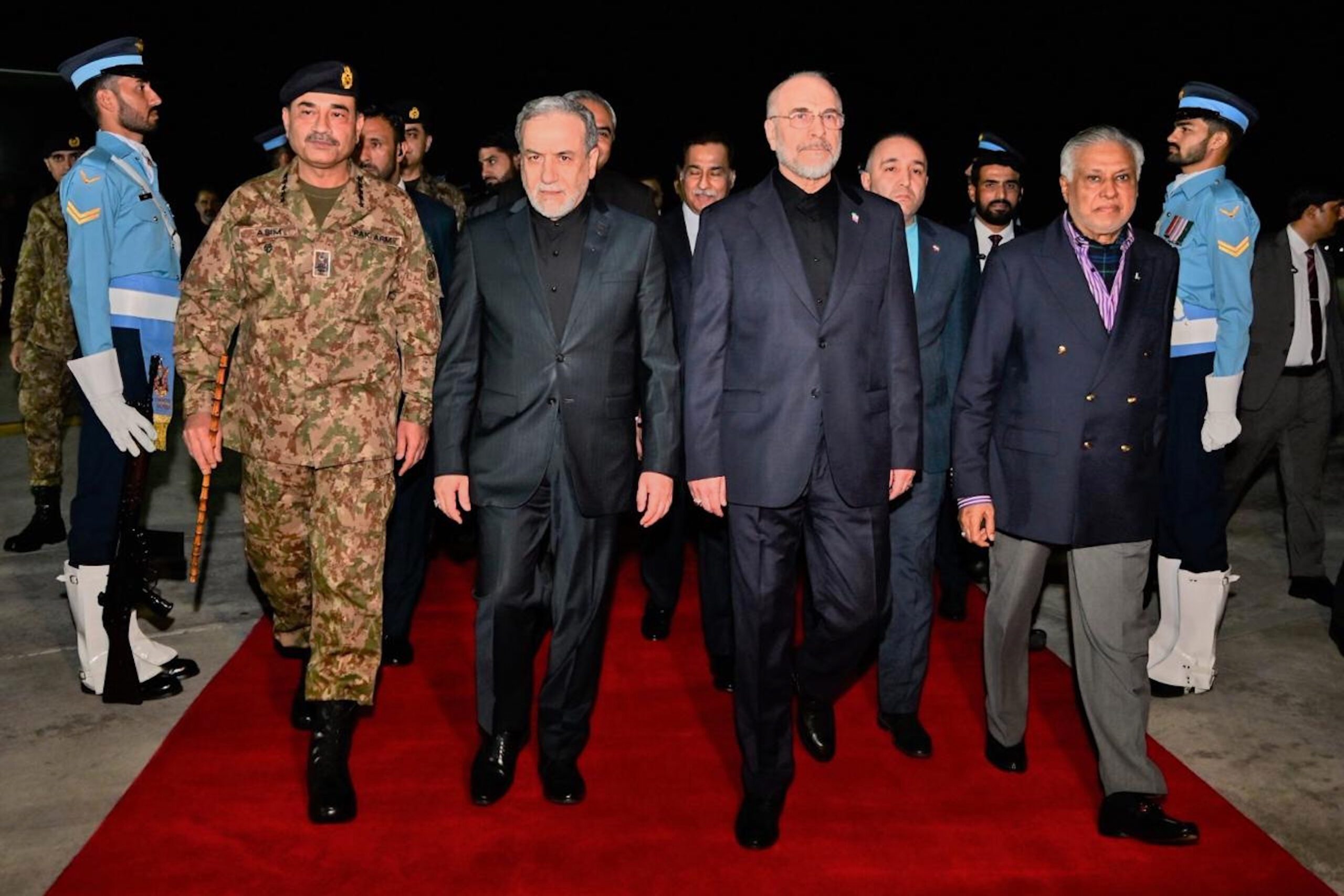
Inside Iran’s Wartime Leadership: Power, Succession, and Regime Stability
On April 21, AGSI hosted a discussion on the evolution of Iran's leadership during the war.
Speakers

Mar 18, 2026
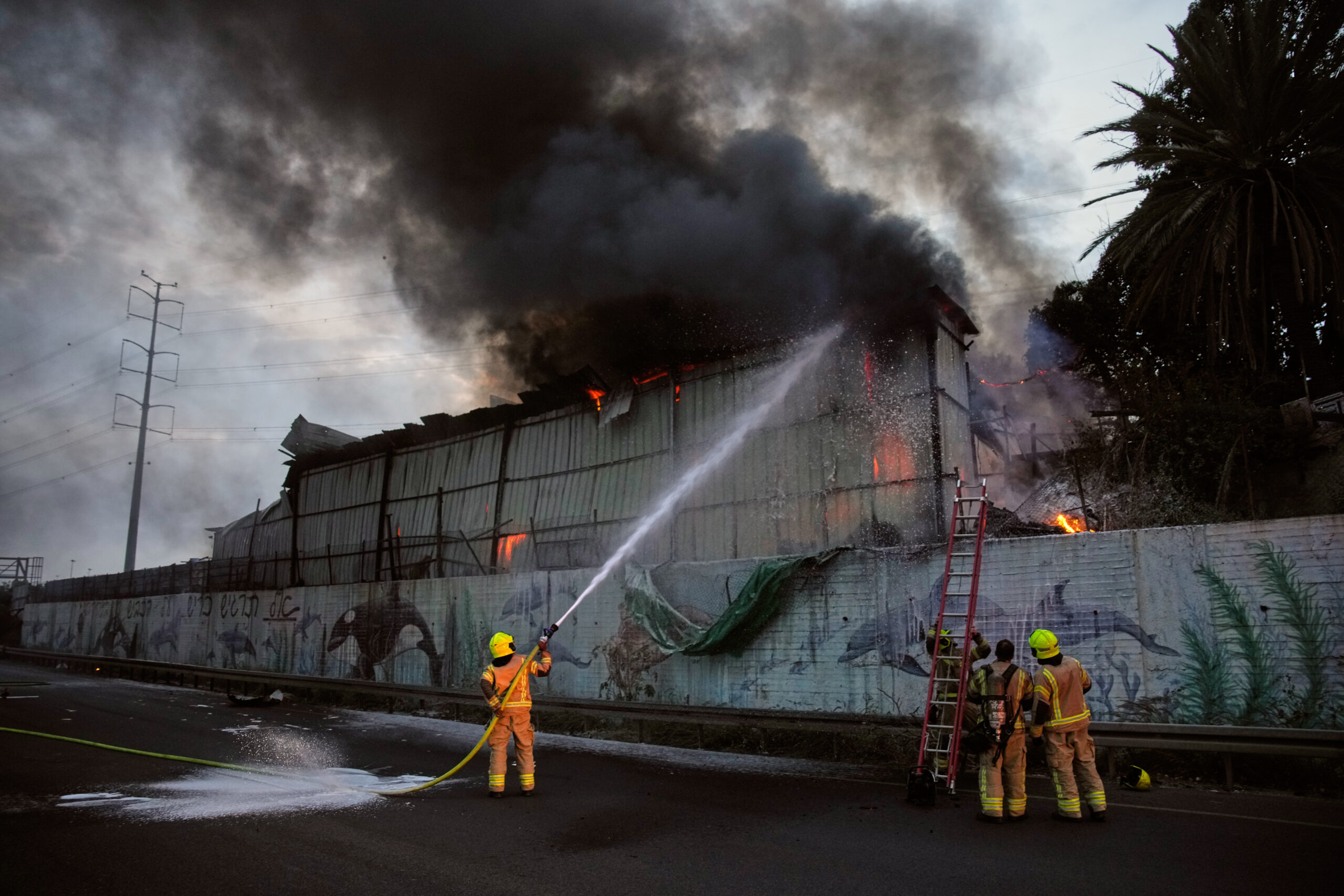
In Its Conflict With the United States and Israel, Does Escalation Favor Iran?
On March 18, AGSI hosted a discussion on the escalation of the Iran war.
Speakers


Mar 2, 2026
After the Shock: Implications of the U.S.–Israeli Strikes and Iran’s Leadership Transition
On March 2, AGSI hosted a discussion on the U.S.-Israeli strikes on Iran.
Speakers