Jul 11, 2025
Hard-Line Ridicule of Pezeshkian Widely Condemned
The July 11 edition of the Iran Media Review examines Iranian media responses to the Iranian president’s interview with Tucker Carlson.

After Iranian President Masoud Pezeshkian cautioned the United States against becoming entangled in a war with Iran on Israel’s behalf in an interview with U.S. media personality Tucker Carlson, Iranian hard-liners lampooned the president. For now, however, they appear to lack the backing of individuals close to Supreme Leader Ayatollah Ali Khamenei and, more significant, the Islamic Revolutionary Guard Corps. Conversely, reformist political analysts continue to criticize Iran’s intelligence and security services, accusing them of prioritizing hijab enforcement over countering espionage and preventing Israeli infiltration.
- July 9: Parliamentarian Hamid Rasaei, in a Telegram post, mocked Iranian President Masoud Pezeshkian’s interview with Tucker Carlson:
-
- “Having listened to Mr. Pezeshkian’s interview with Tucker Carlson … I came across a tweet by a political activist in Baku. With deep regret, I must shamefully admit his description was accurate: ‘Pezeshkian is … soft spoken and kind but useful only in ceremonies where the groom formally asks the parents for their daughter’s hand, on the condition that he merely sips tea and remains silent, lest he ruin everything with a single sentence.’”
- July 10: Mehdi Fazaeli, a member of the Office for the Preservation and Propagation of the Works of His Holiness Grand Ayatollah Khamenei, posted a rebuttal on X:
-
- “Insulting the honorable president undermines one of the key components of national resilience: internal unity.”
- July 11: Javan, which is affiliated with the IRGC, sharply criticized Rasaei in an editorial:
-
- “Who gave this nobody permission to ridicule and insult the president in such critical circumstances?”
- July 11: Columnist Abbas Abdi critiqued the proposed bill “Increased Punishment for Espionage and Collaboration With the Zionist Regime and Hostile Governments Against National Security and Interests” in a column for reformist Etemad:
-
- “Three possible rationales underlie this legislation: a) Existing laws were insufficiently punitive; b) Existing laws were adequate but poorly enforced; c) Relevant authorities failed to detect the perpetrators … The third issue must be addressed: How did numerous agents and spies conduct extensive operations without detection? Will this bill help identify them? Parliament is meant to serve as a watchdog over the security services, but what attention was paid to this issue over the past year? It seems the answer is zero. Instead, hard-line parliamentarians were fixated on regulating the appearance of women and girls … Moreover, they provide no substantive analysis of why citizens commit such crimes. A few lines on why an Iranian might choose to spy for Israel would have been instructive. It would benefit the country if lawmakers reflected on the consequences of their own policies.”
The views represented herein are the author's or speaker's own and do not necessarily reflect the views of AGSI, its staff, or its board of directors.
Related
Iran Media Review
Jul 8, 2025
From Ummah to Nation: Khamenei Swaps Shia Internationalism for Iranian Nationalism
The July 8 edition of the Iran Media Review highlights Ayatollah Khamenei’s rhetorical shift from Shia internationalism to Iranian nationalism.
Iran Media Review
Jul 1, 2025
Fragile Cease-Fire, Succession Anxiety, and Internal Rifts
The July 1 edition of the Iran Media Review analyzes Iranian official and media commentary about Iran’s future after the cease-fire with Israel and the United States.
Iran Media Review
Jun 27, 2025
For Ayatollah Khamenei, Survival Is Victory
The June 27 edition of the Iran Media Review considers Ayatollah Khamenei’s remarks declaring Iran’s “victory” in the conflict with Israel and the United States.
Jul 8, 2025
From Ummah to Nation: Khamenei Swaps Shia Internationalism for Iranian Nationalism
The July 8 edition of the Iran Media Review highlights Ayatollah Khamenei’s rhetorical shift from Shia internationalism to Iranian nationalism.
Jul 1, 2025
Fragile Cease-Fire, Succession Anxiety, and Internal Rifts
The July 1 edition of the Iran Media Review analyzes Iranian official and media commentary about Iran’s future after the cease-fire with Israel and the United States.
Jun 27, 2025
For Ayatollah Khamenei, Survival Is Victory
The June 27 edition of the Iran Media Review considers Ayatollah Khamenei’s remarks declaring Iran’s “victory” in the conflict with Israel and the United States.
Analysis
The Islamic Republic Returns to Offense
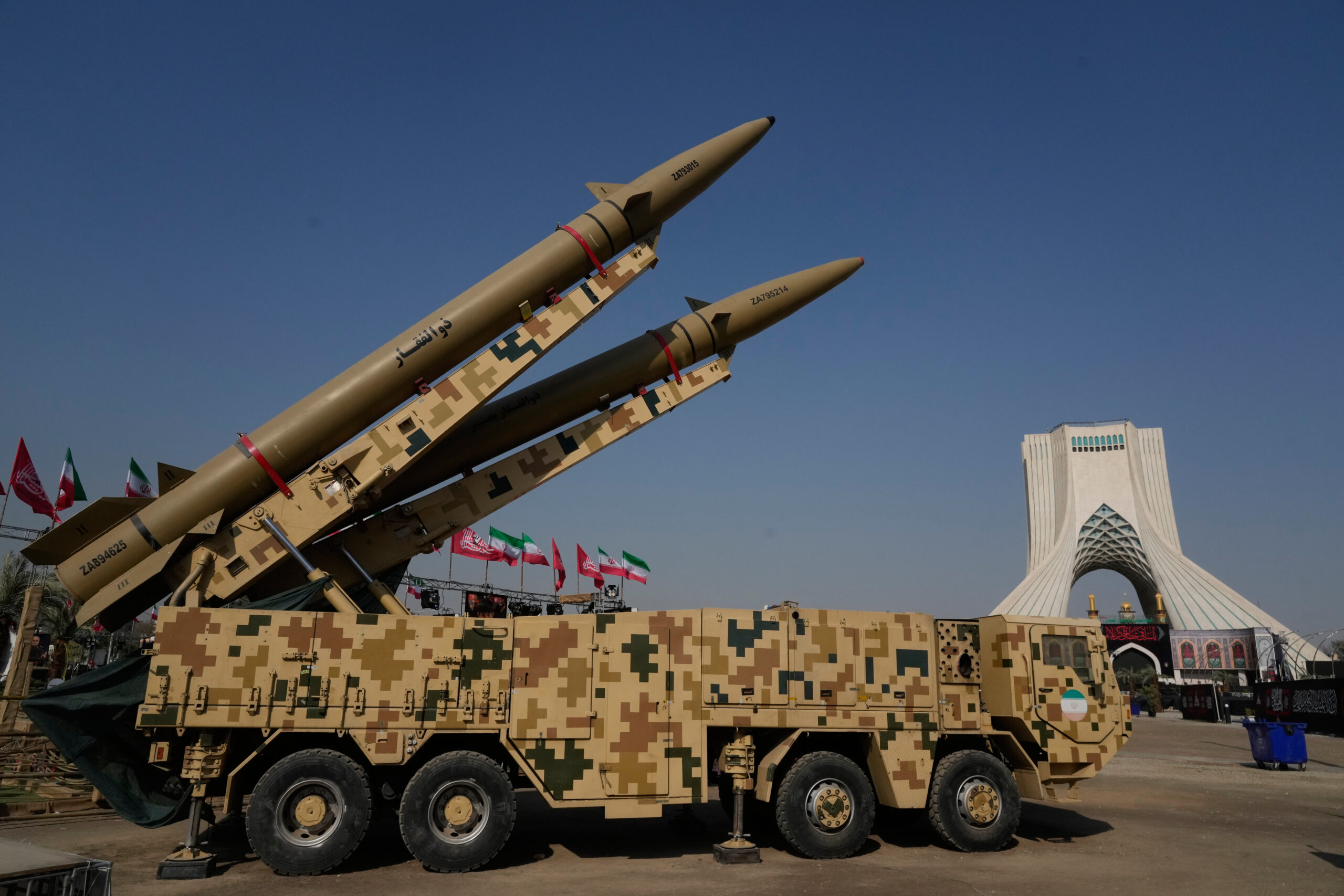
After U.S.-Israeli strikes killed Supreme Leader Ayatollah Ali Khamenei on February 28, Iran’s collective leadership has concluded that the best defense is a good offense.
Iran’s Collective Strategic Decision Making
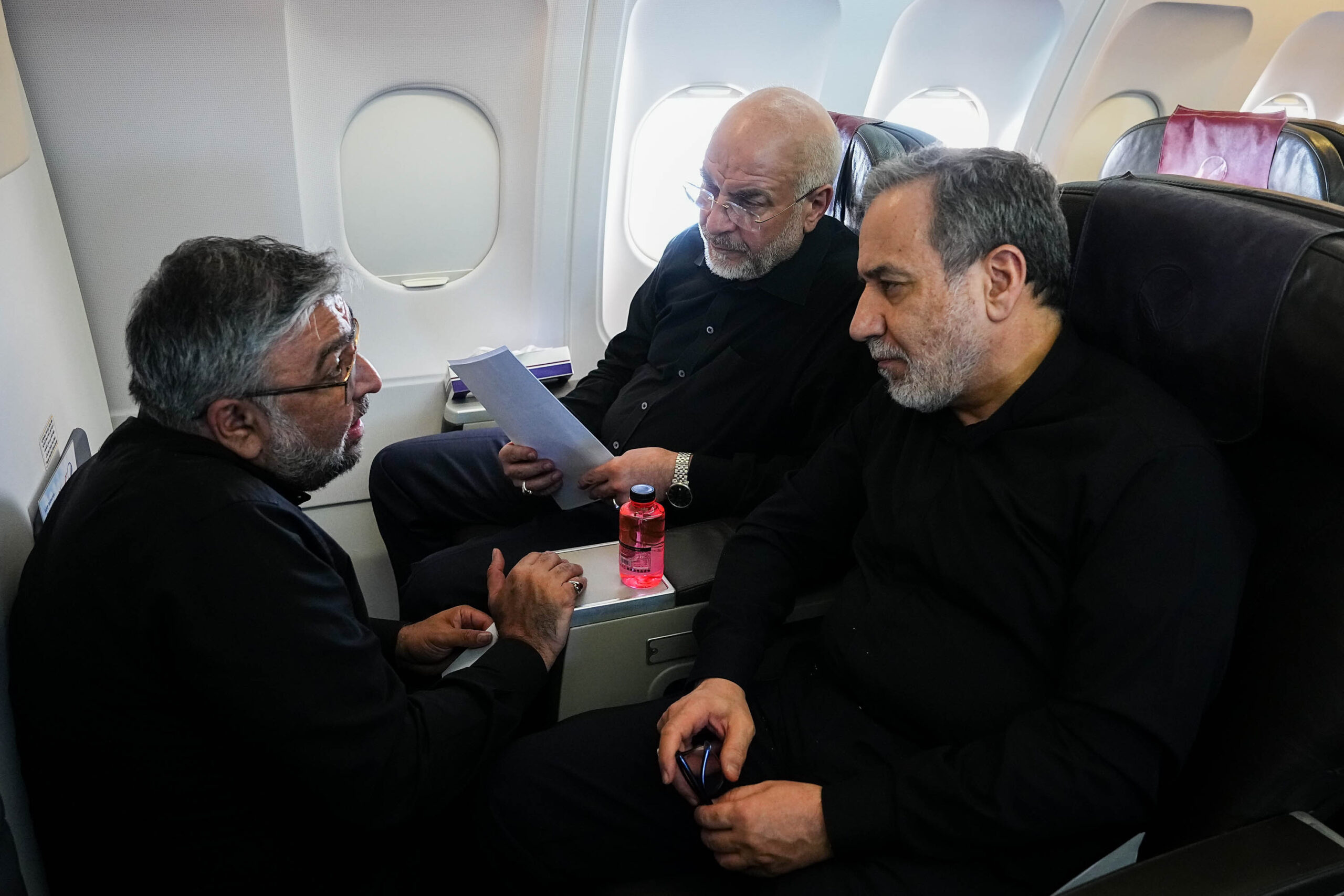
Wartime pressure has temporarily aligned the leadership’s overriding interest in regime survival, even as its members continue to differ over the costs, methods, and ultimate objectives of the war.
The Islamic Republic’s Collective Leadership
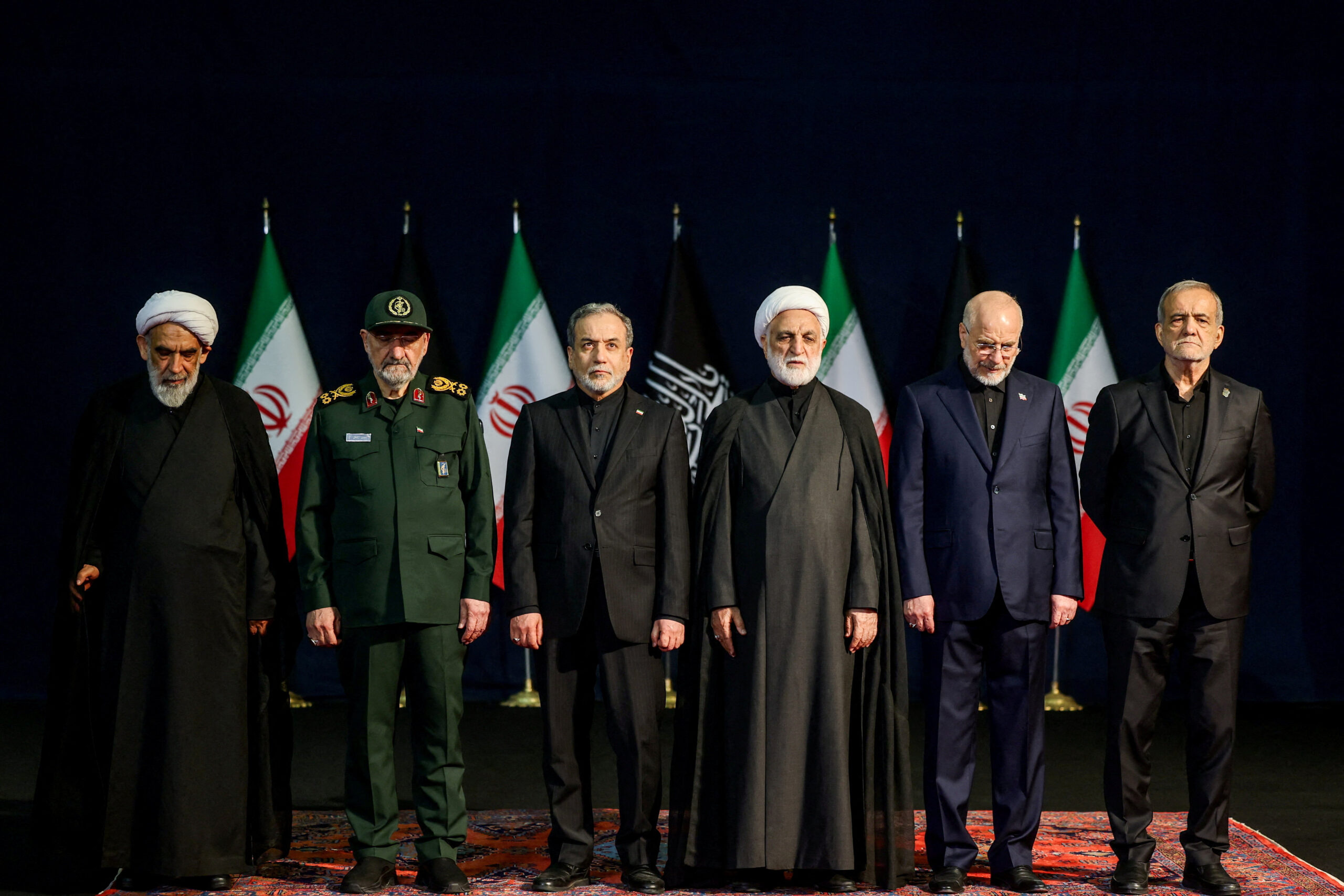
While there is historical precedent for collective leadership in Iran, today’s leadership includes representatives of the IRGC and regular military – a reflection of the IRGC’s expanding role and the necessities of governing under wartime conditions.
How Did the IRGC Seize Power in Iran?
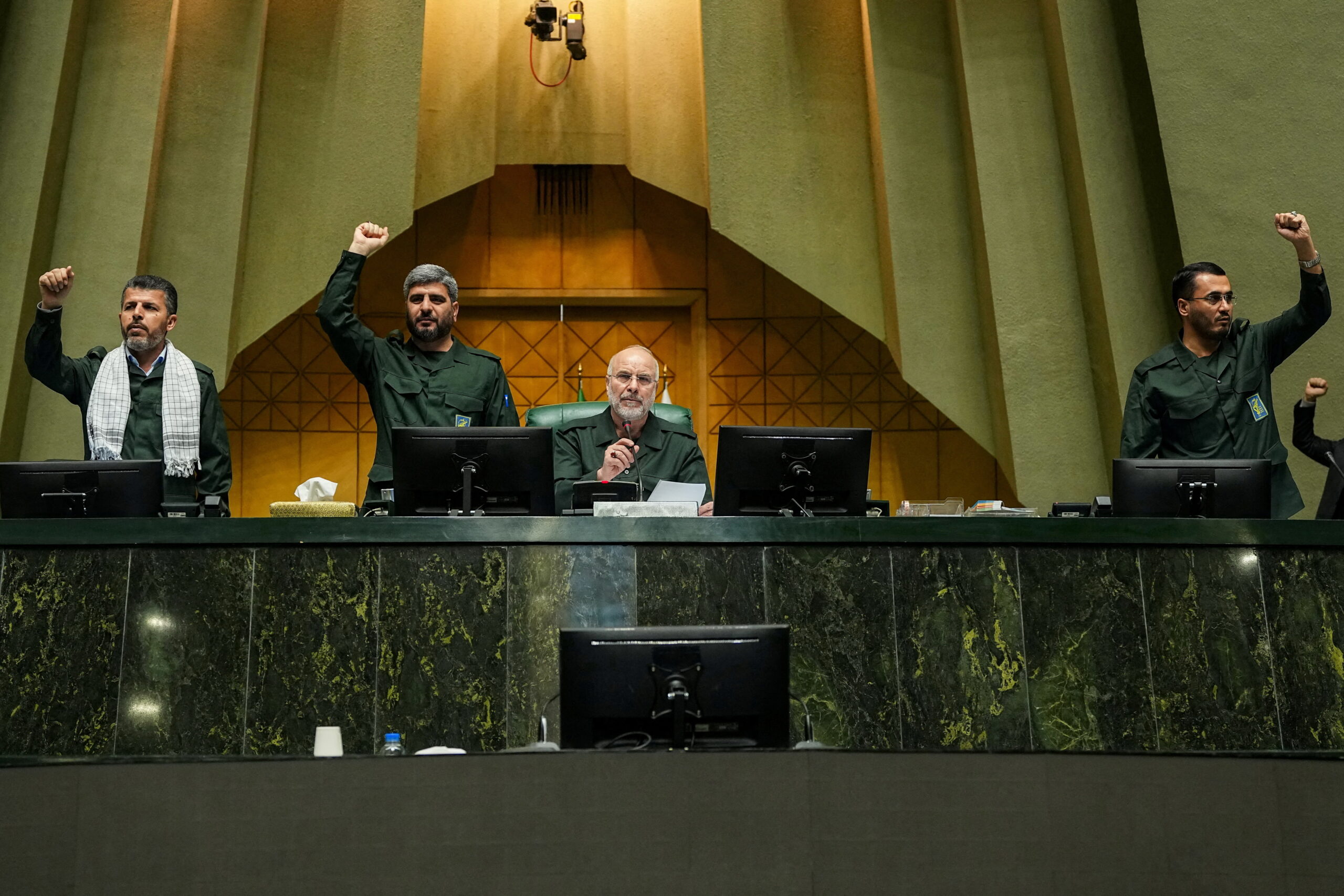
The IRGC did not seize power in a single stroke. It accumulated it – patiently, methodically – until no counterweight remained.
Events
Book Talk: Iran and the Bomb: The United States, Iran and the Nuclear Question
On June 16, AGSI hosted a discussion on the evolution of Iran's nuclear program.

Speakers


Apr 21, 2026
Inside Iran’s Wartime Leadership: Power, Succession, and Regime Stability
On April 21, AGSI hosted a discussion on the evolution of Iran's leadership during the war.

Speakers

Mar 18, 2026
In Its Conflict With the United States and Israel, Does Escalation Favor Iran?
On March 18, AGSI hosted a discussion on the escalation of the Iran war.
Speakers



Mar 2, 2026
After the Shock: Implications of the U.S.–Israeli Strikes and Iran’s Leadership Transition
On March 2, AGSI hosted a discussion on the U.S.-Israeli strikes on Iran.
Speakers