Jun 17, 2025
Iran Warns of the Spread of War to the Region
The June 17 edition of the Iran Media Review highlights Iranian comments warning of the spread of the Iran-Israel conflict to the rest of the Gulf.

Facing the risk of direct U.S. involvement in the ongoing conflict between Iran and Israel, Iranian officials indirectly warned that they would target regional oil infrastructure in the event of U.S. military intervention.
- June 17: In a phone conversation with his Polish counterpart, Iranian Foreign Minister Abbas Araghchi warned of the spread of the conflict between Iran and Israel. Islamic Revolutionary Guard Corps-affiliated Tasnim News Agency reported:
-
- “The Zionist regime’s attack against Iran not only violates the charter of the United Nations and international law but also constitutes an immediate threat to world peace and stability.”
-
- Pointing at Israel’s targeting of Iran’s oil infrastructure in the Gulf, Araghchi warned of the risk of the “spread” of the conflict to the region and asserted: “The Iranian nation will defend itself by all means against this savage attack.”
- June 17: Supreme National Security Council mouthpiece Nour News warned that the Gulf would be “on the verge of explosion” if the United States were to involve itself in the conflict. An anonymous Nour News analyst argued:
-
- “Why would Trump want to enter a war that ruins all of his economic and geopolitical gains in the Persian Gulf region? Trump’s threat is just to strengthen his bargaining position and not a prelude to involvement in the fight … Separately, U.S. entanglement in a real war against Iran will have catastrophic consequences for U.S. interests in the region … Disruption in oil exports, explosion in the oil price in the global energy markets … are some of the consequences of such a war.”
The views represented herein are the author's or speaker's own and do not necessarily reflect the views of AGSI, its staff, or its board of directors.
Related
Iran Media Review
Jun 13, 2025
Iran: Unprepared, Defenseless, and Under Attack
The June 13 edition of the Iran Media Review analyzes Iranian responses to widespread Israeli attacks on IRGC leaders, Iranian scientists, and multiple nuclear facilities.
Iran Media Review
Jun 10, 2025
Spy War: Iran vs. Israel
The June 10 edition of the Iran Media Review considers Iranian media reports about stolen Israeli nuclear documents and Israeli sabotage of Iranian nuclear infrastructure.
Iran Media Review
Jun 6, 2025
Supreme Displeasure
The June 6 edition of the Iran Media Review highlights comments by Ayatollah Khamenei expressing anger with U.S. negotiation messaging.
Jun 13, 2025
Iran: Unprepared, Defenseless, and Under Attack
The June 13 edition of the Iran Media Review analyzes Iranian responses to widespread Israeli attacks on IRGC leaders, Iranian scientists, and multiple nuclear facilities.
Jun 10, 2025
Spy War: Iran vs. Israel
The June 10 edition of the Iran Media Review considers Iranian media reports about stolen Israeli nuclear documents and Israeli sabotage of Iranian nuclear infrastructure.
Jun 6, 2025
Supreme Displeasure
The June 6 edition of the Iran Media Review highlights comments by Ayatollah Khamenei expressing anger with U.S. negotiation messaging.
Analysis
The Islamic Republic Returns to Offense
After U.S.-Israeli strikes killed Supreme Leader Ayatollah Ali Khamenei on February 28, Iran’s collective leadership has concluded that the best defense is a good offense.
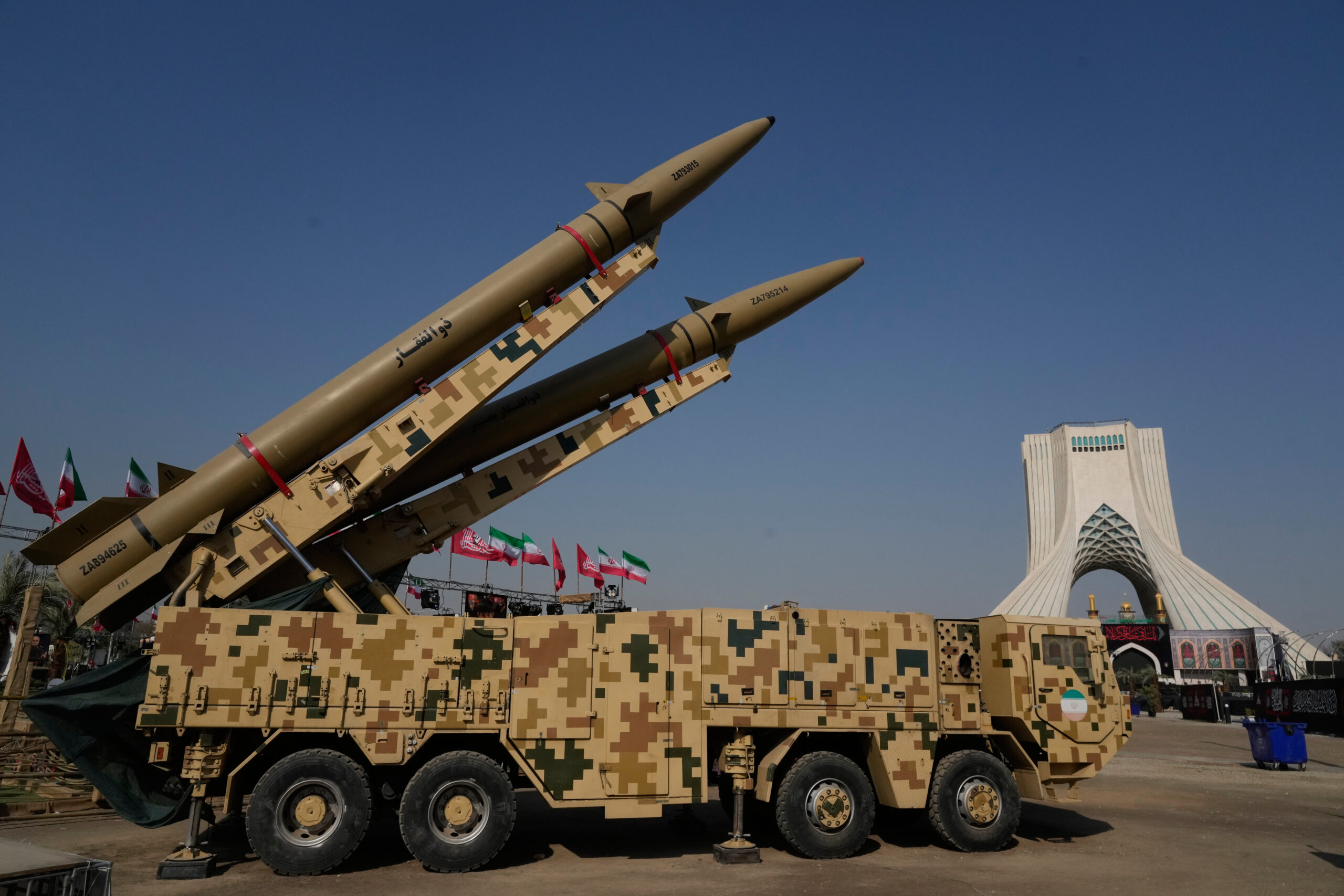
Iran’s Collective Strategic Decision Making
Wartime pressure has temporarily aligned the leadership’s overriding interest in regime survival, even as its members continue to differ over the costs, methods, and ultimate objectives of the war.
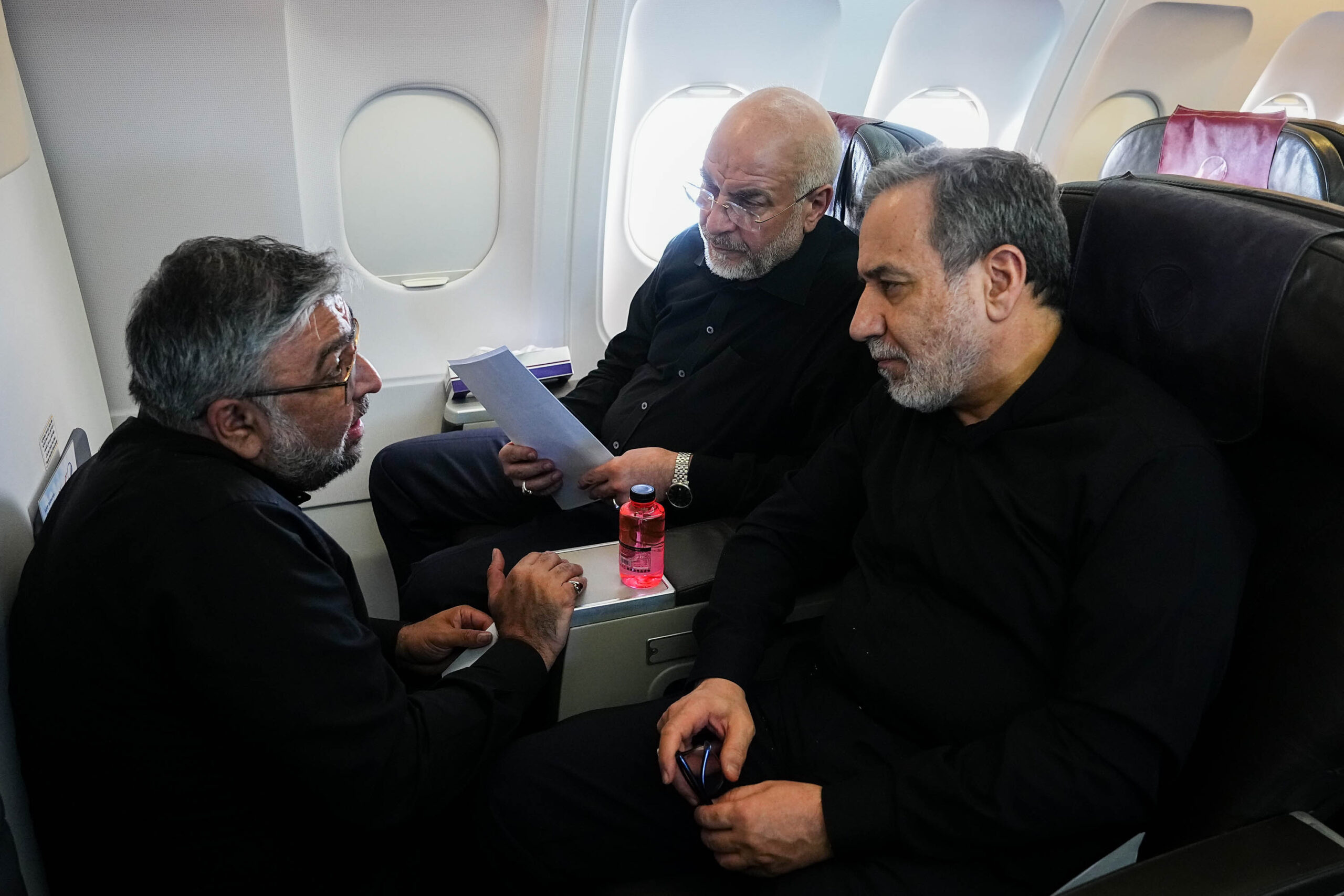
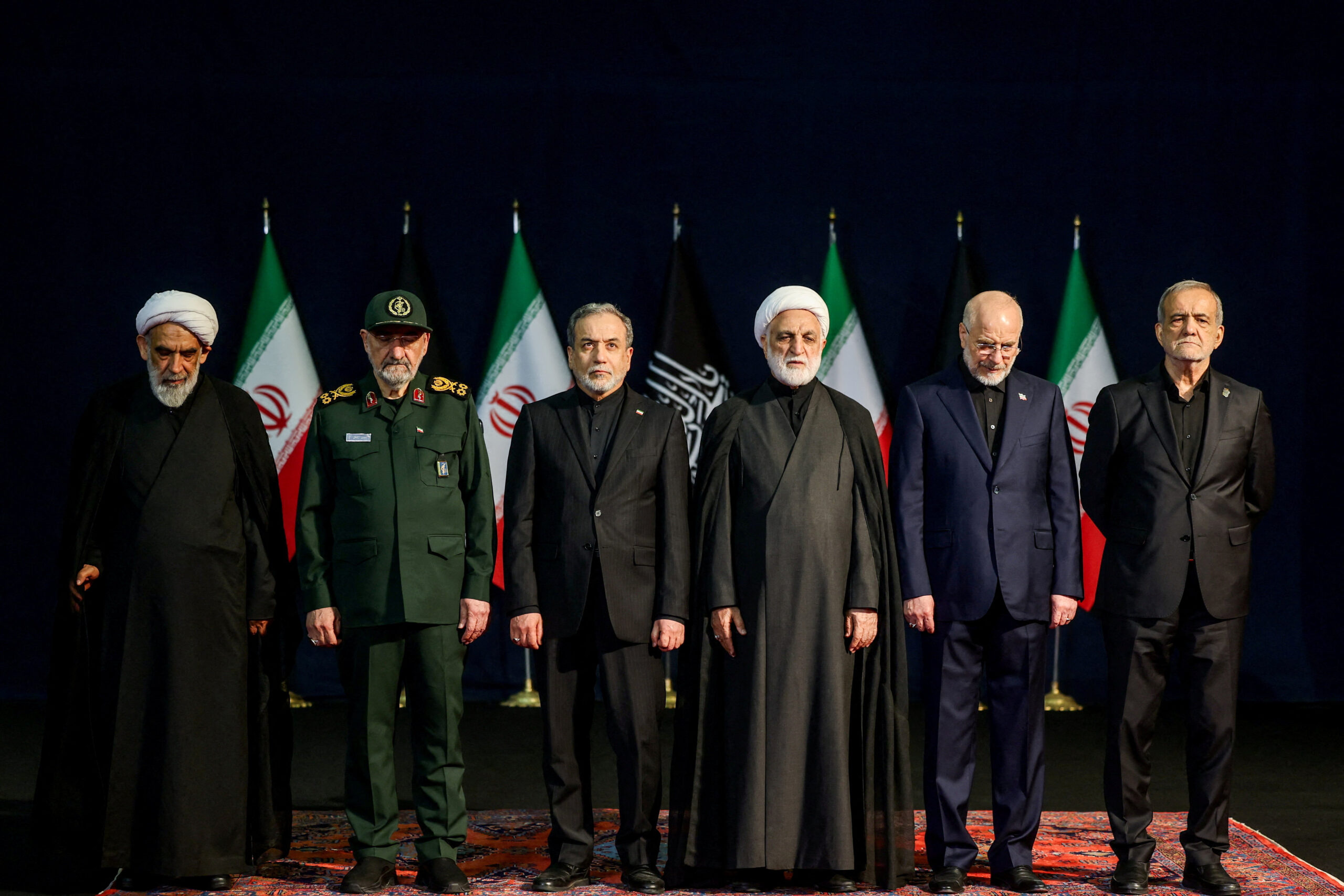
The Islamic Republic’s Collective Leadership
While there is historical precedent for collective leadership in Iran, today’s leadership includes representatives of the IRGC and regular military – a reflection of the IRGC’s expanding role and the necessities of governing under wartime conditions.
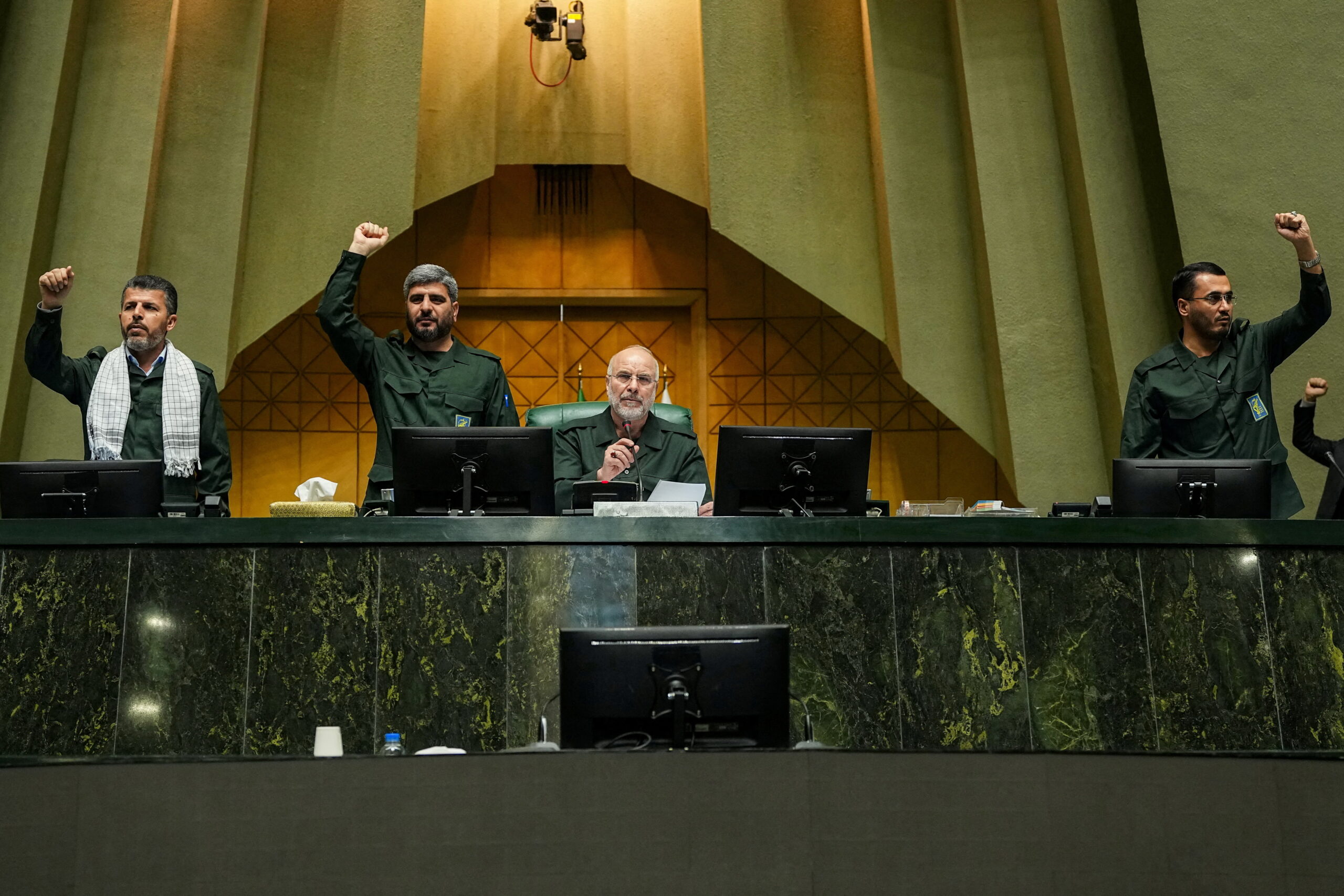
How Did the IRGC Seize Power in Iran?
The IRGC did not seize power in a single stroke. It accumulated it – patiently, methodically – until no counterweight remained.
Events
Book Talk: Iran and the Bomb: The United States, Iran and the Nuclear Question
On June 16, AGSI hosted a discussion on the evolution of Iran's nuclear program.
Speakers


Apr 21, 2026
Inside Iran’s Wartime Leadership: Power, Succession, and Regime Stability
On April 21, AGSI hosted a discussion on the evolution of Iran's leadership during the war.
Speakers

Mar 18, 2026
In Its Conflict With the United States and Israel, Does Escalation Favor Iran?
On March 18, AGSI hosted a discussion on the escalation of the Iran war.
Speakers



Mar 2, 2026
After the Shock: Implications of the U.S.–Israeli Strikes and Iran’s Leadership Transition
On March 2, AGSI hosted a discussion on the U.S.-Israeli strikes on Iran.
Speakers