Jun 6, 2025
Supreme Displeasure
The June 6 edition of the Iran Media Review highlights comments by Ayatollah Khamenei expressing anger with U.S. negotiation messaging.

The perceived incongruity between the U.S. government’s confidential diplomatic proposals to Iran and President Donald J. Trump’s public pronouncements against domestic uranium enrichment by Iran has increasingly aggravated the leadership in Tehran. Marking the 36th anniversary of the death of Grand Ayatollah Ruhollah Khomeini, the founding leader of the Islamic Republic, Supreme Leader Ayatollah Ali Khamenei once again articulated strong anti-U.S. rhetoric, employing notably more confrontational language, but is not likely to stop the negotiations with the United States, as continued talks minimize the risk of war.
- June 4: Supreme Leader Ayatollah Ali Khamenei said, as posted on his website:
-
- “What benefit is there in having hundreds of nuclear power plants if we lack the capability to enrich uranium and secure our own nuclear fuel? These power plants require fuel, and, if we are unable to produce it domestically, we become dependent on the United States. And the United States may attach numerous conditions to the delivery of that fuel. We have experienced this before.”
-
- “In the 2000s, the United States – through a number of friendly intermediaries – proposed that Iran provide a sample of its 3.5% enriched uranium in exchange for an equivalent quantity of 20% enriched uranium, which we needed at the time. Our authorities accepted the offer. However, I told our government: ‘Let them first deliver the 20% enriched uranium … We will test it to confirm its quality. Once we are assured it is what they claim, we will hand over the 3.5% enriched uranium in exchange.’ When they realized we were serious, they withdrew the offer and failed to deliver. In the meantime, our scientists succeeded in enriching uranium to the 20% level themselves.”
-
- “What the Americans are effectively saying is this: ‘You should not have a nuclear industry at all. You should remain dependent on us for nuclear medicine, energy, desalination, and so forth.’ The impolite officials of the United States have the audacity to repeat this demand in various forms. They oppose progress – specifically, the progress of the Iranian nation and its independence. Our response to the irrational and blustering statements of the American government is clear – and it will remain clear.”
-
- “Those in power today, the Zionist-Americans, they should know that they can’t do a damned thing … Who the hell are you to meddle in Iran having or not having enrichment capability? What is it to you? You have nuclear power, the nuclear bomb, and destruction of the world is in your hands. What is it to you that Iran has or does not have nuclear enrichment? Who the hell are you, and what is the legal basis of your claims?”
The views represented herein are the author's or speaker's own and do not necessarily reflect the views of AGSI, its staff, or its board of directors.
Related
Iran Media Review
Jun 3, 2025
Iranian Media Breaks Taboos
The June 3 edition of the Iran Media Review examines how Iranian media is breaking long held political taboos.
Iran Media Review
May 30, 2025
Iranian-Saudi Rapprochement: Provocateur Hung Out to Dry
The May 30 edition of the Iran Media Review analyzes Iranian officials’ willingness to sacrifice an anti-Saudi hard-liner to preserve Iran’s relationship with the kingdom.
Iran Media Review
May 27, 2025
Tehran Maintains Diplomatic Optimism Amid Protracted Negotiations
The May 27 edition of the Iran Media Review evaluates Iranian media reports about the state of negotiations after the fifth round of U.S.-Iran talks.
Jun 3, 2025
Iranian Media Breaks Taboos
The June 3 edition of the Iran Media Review examines how Iranian media is breaking long held political taboos.
May 30, 2025
Iranian-Saudi Rapprochement: Provocateur Hung Out to Dry
The May 30 edition of the Iran Media Review analyzes Iranian officials’ willingness to sacrifice an anti-Saudi hard-liner to preserve Iran’s relationship with the kingdom.
May 27, 2025
Tehran Maintains Diplomatic Optimism Amid Protracted Negotiations
The May 27 edition of the Iran Media Review evaluates Iranian media reports about the state of negotiations after the fifth round of U.S.-Iran talks.
Analysis
The Islamic Republic Returns to Offense
After U.S.-Israeli strikes killed Supreme Leader Ayatollah Ali Khamenei on February 28, Iran’s collective leadership has concluded that the best defense is a good offense.
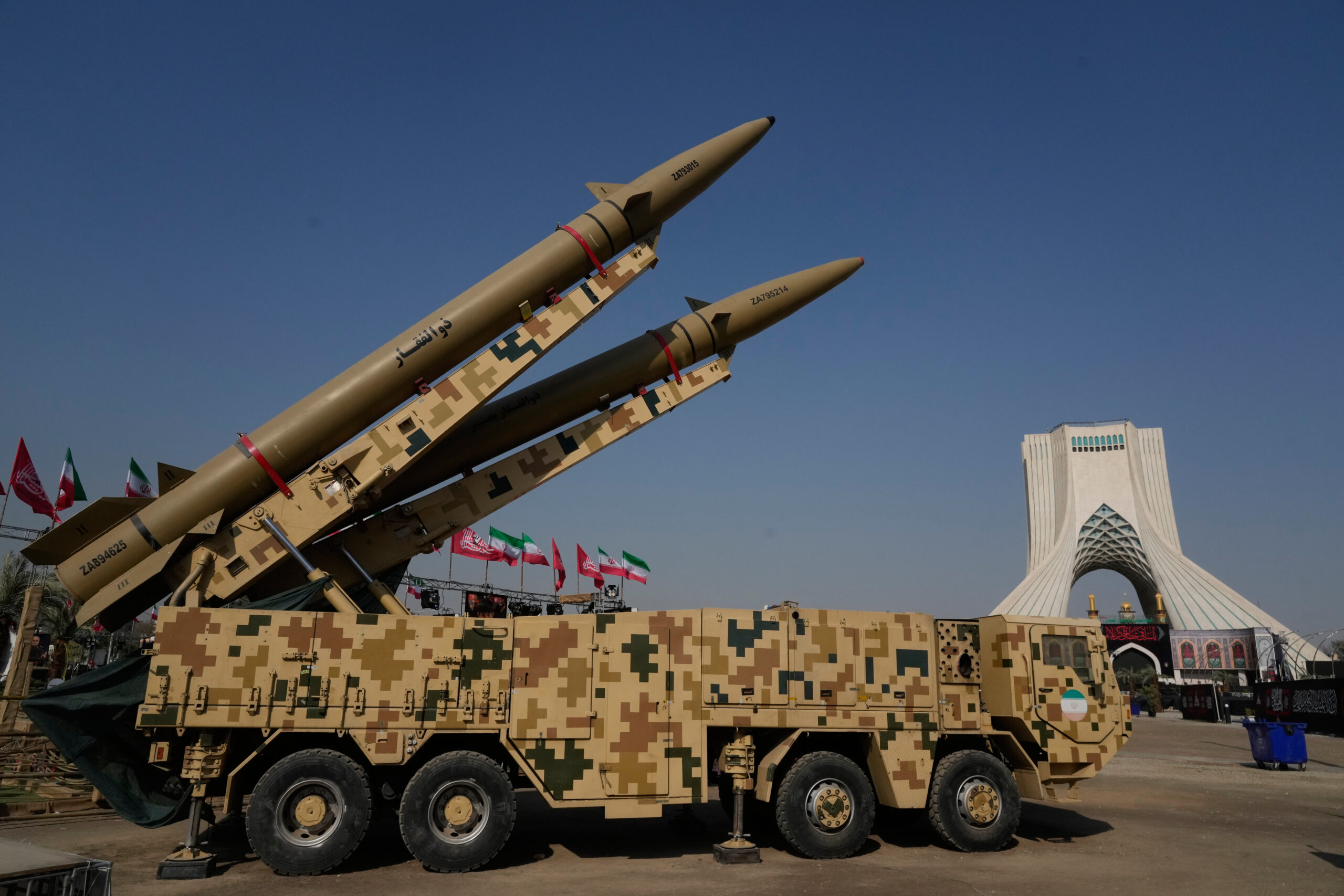
Iran’s Collective Strategic Decision Making
Wartime pressure has temporarily aligned the leadership’s overriding interest in regime survival, even as its members continue to differ over the costs, methods, and ultimate objectives of the war.
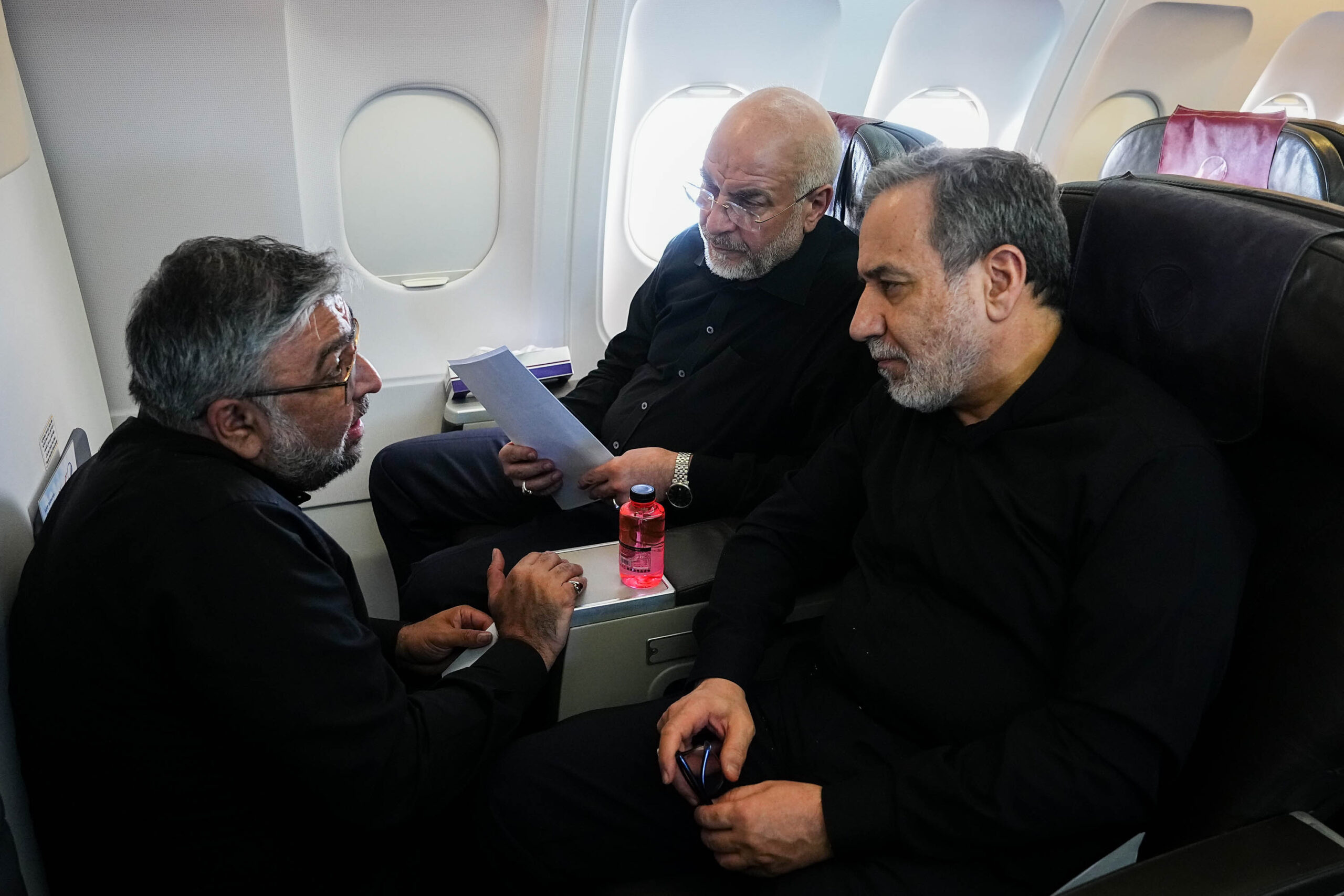
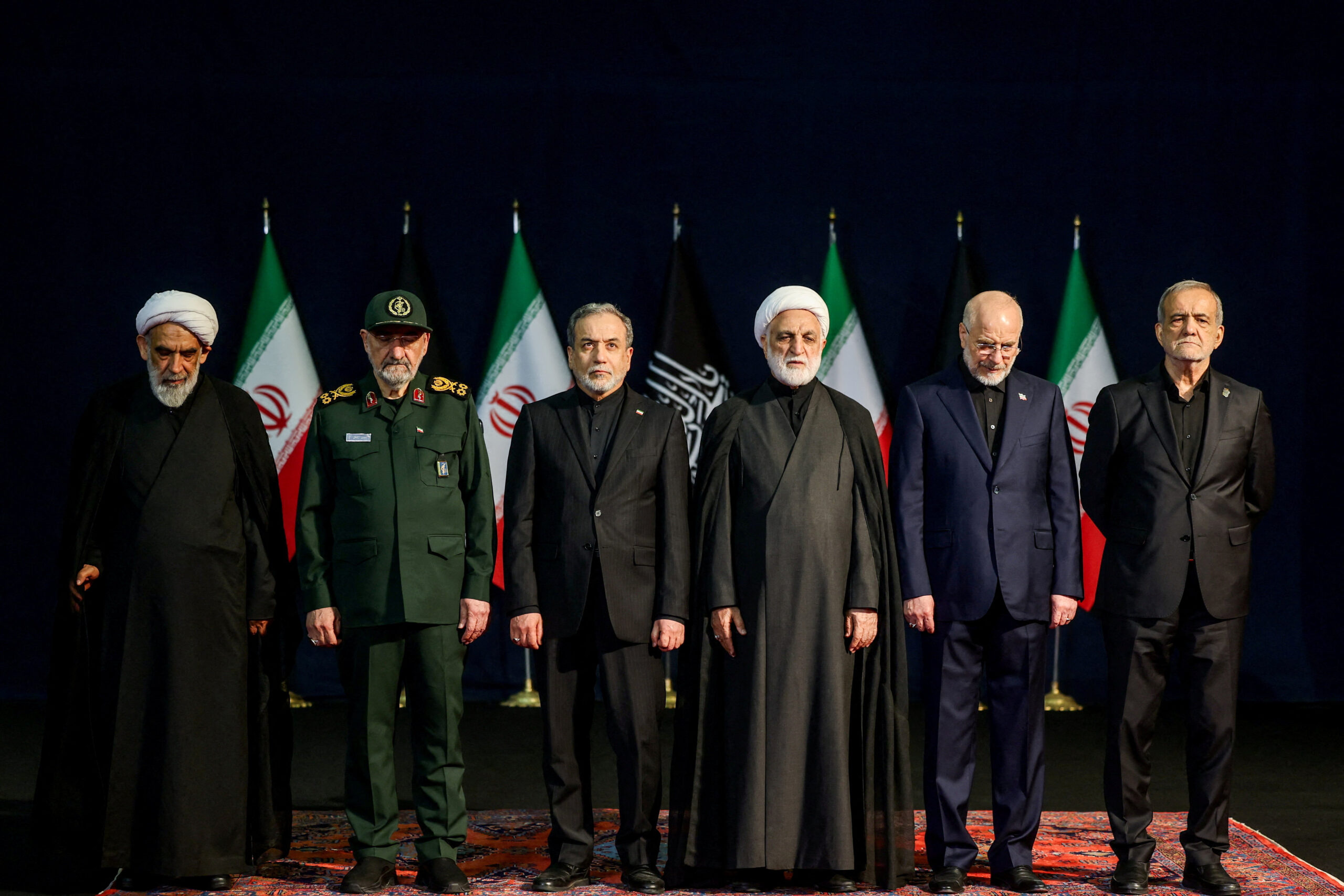
The Islamic Republic’s Collective Leadership
While there is historical precedent for collective leadership in Iran, today’s leadership includes representatives of the IRGC and regular military – a reflection of the IRGC’s expanding role and the necessities of governing under wartime conditions.
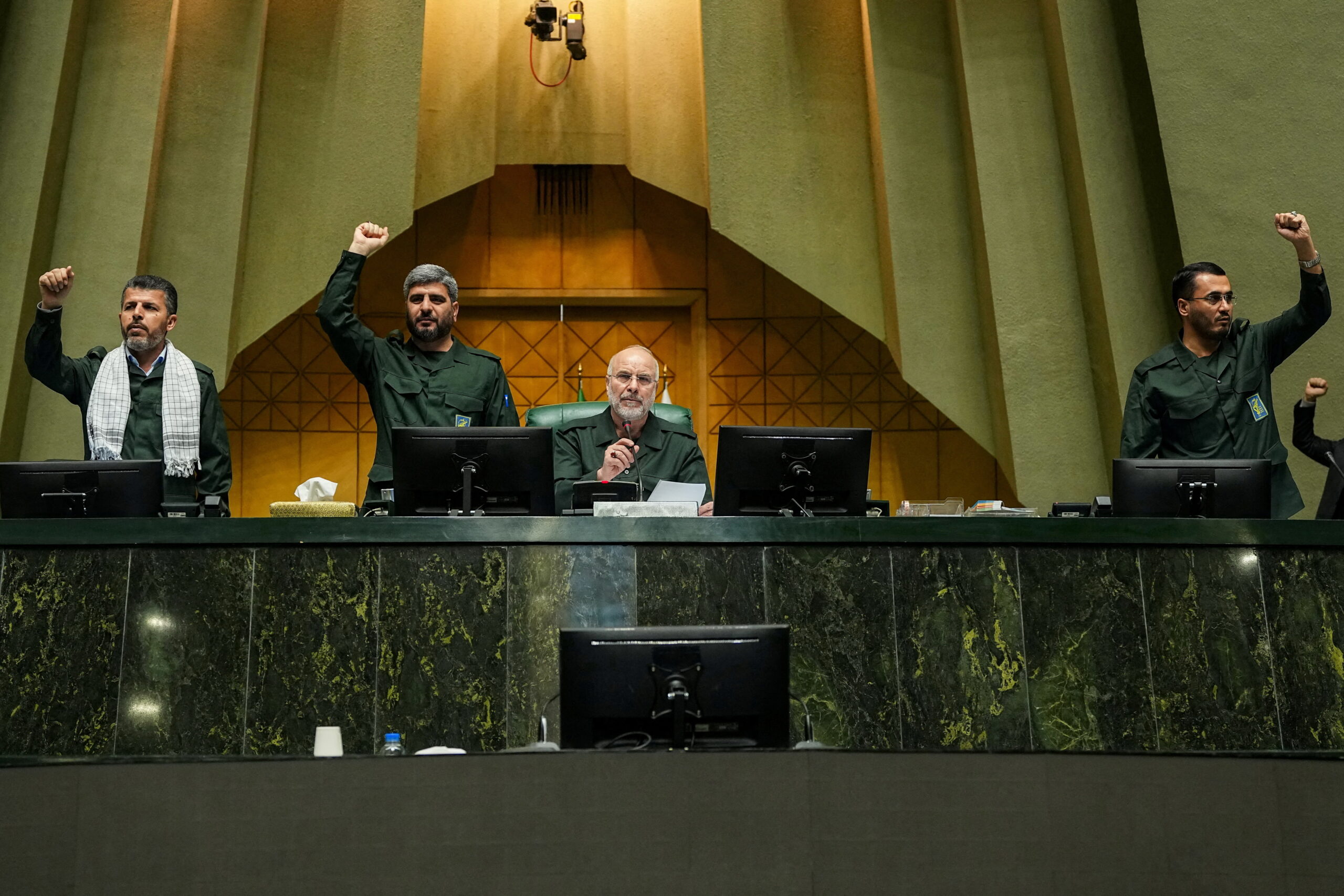
How Did the IRGC Seize Power in Iran?
The IRGC did not seize power in a single stroke. It accumulated it – patiently, methodically – until no counterweight remained.
Events
Book Talk: Iran and the Bomb: The United States, Iran and the Nuclear Question
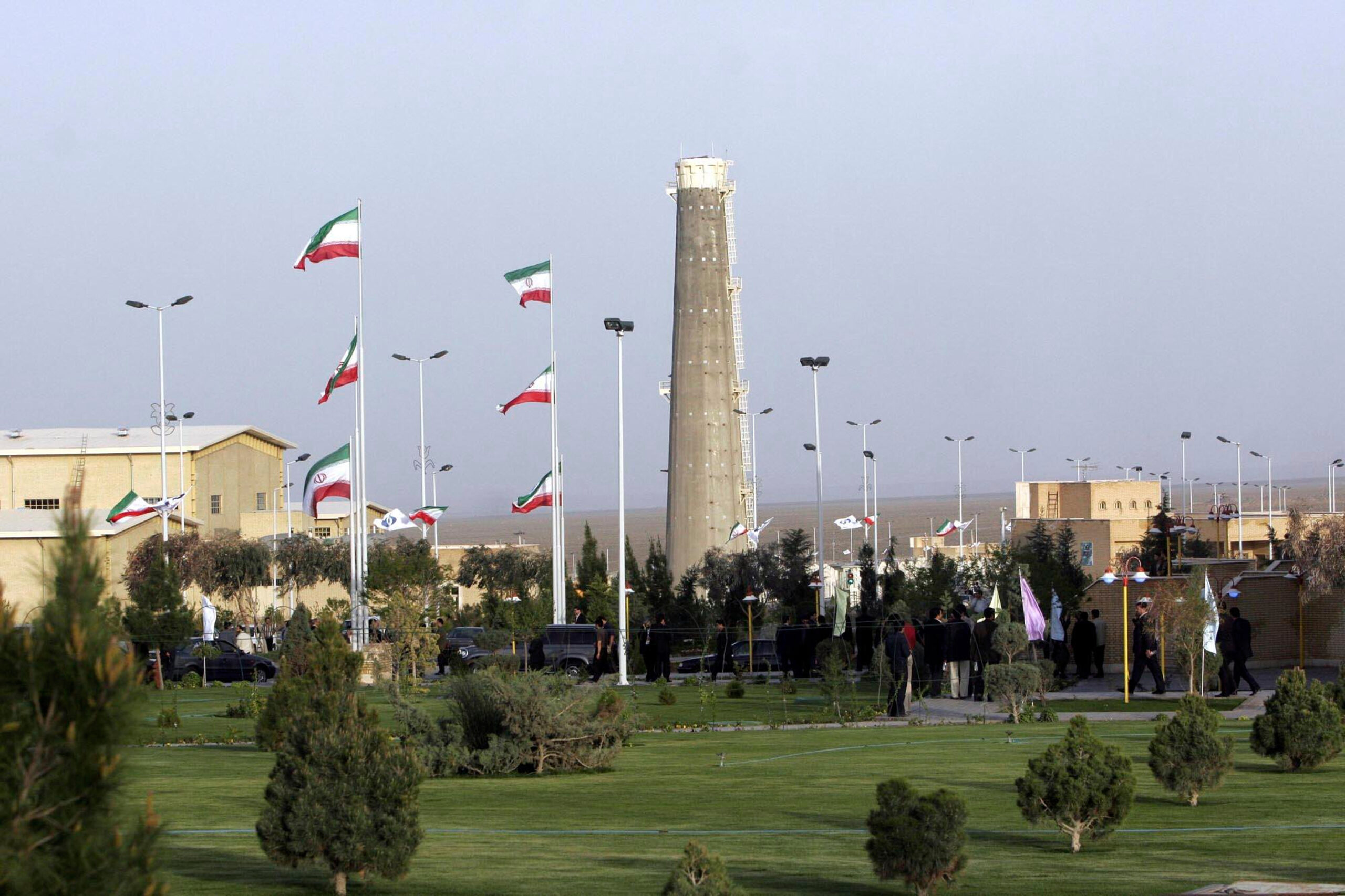
On June 16, AGSI hosted a discussion on the evolution of Iran's nuclear program.
Speakers

Apr 21, 2026
Inside Iran’s Wartime Leadership: Power, Succession, and Regime Stability
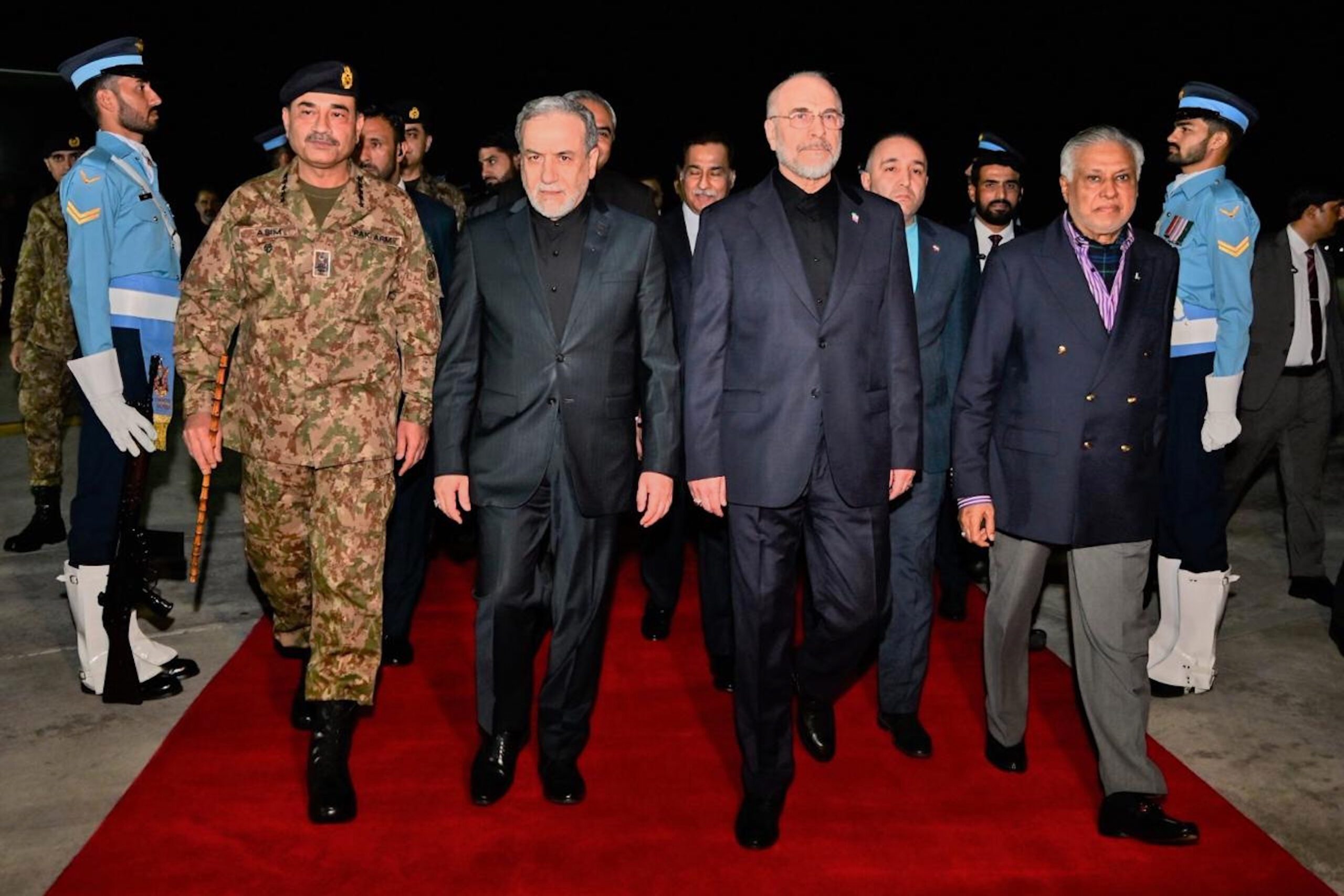
On April 21, AGSI hosted a discussion on the evolution of Iran's leadership during the war.
Speakers

Mar 18, 2026
In Its Conflict With the United States and Israel, Does Escalation Favor Iran?
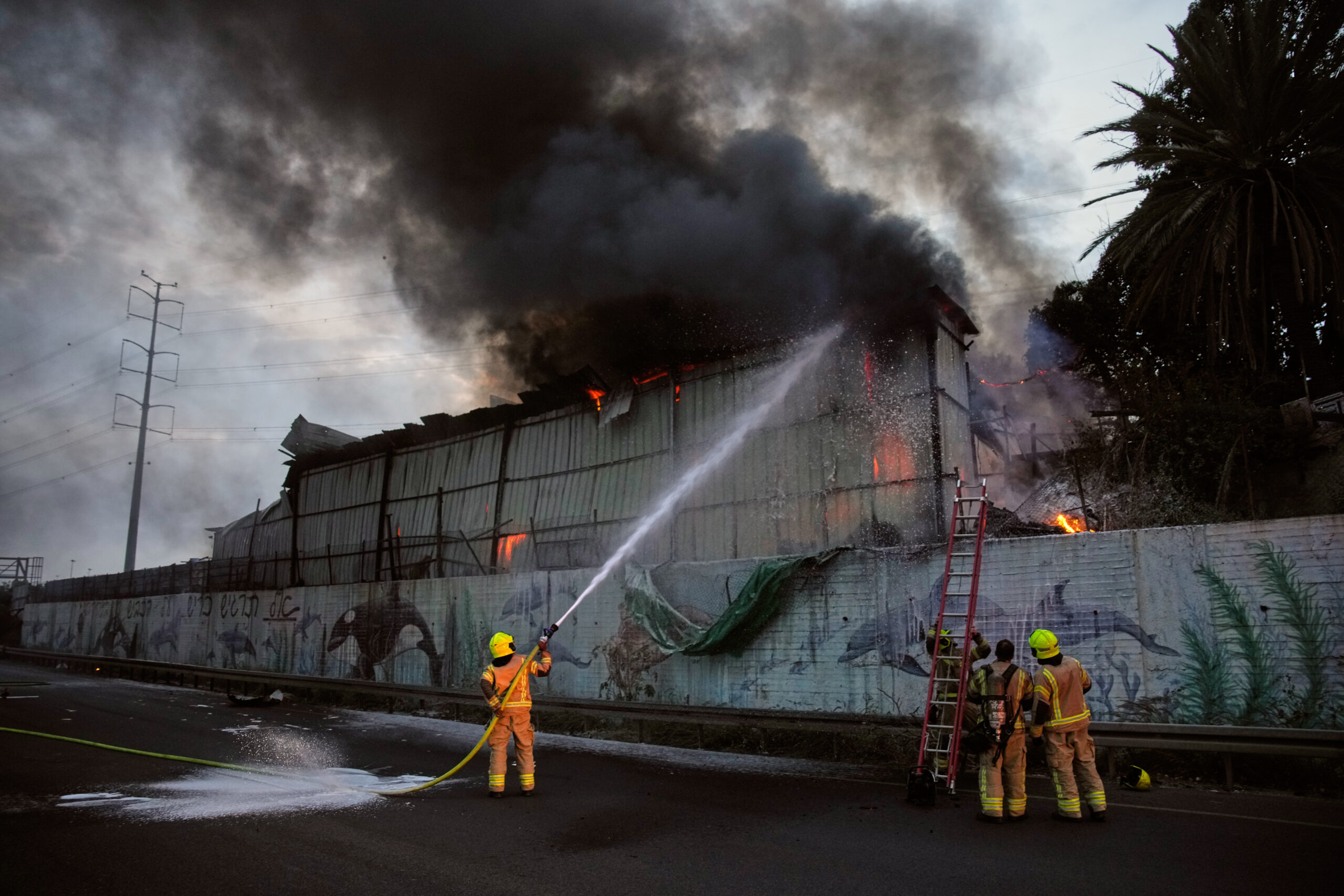
On March 18, AGSI hosted a discussion on the escalation of the Iran war.
Speakers


Mar 2, 2026
After the Shock: Implications of the U.S.–Israeli Strikes and Iran’s Leadership Transition
On March 2, AGSI hosted a discussion on the U.S.-Israeli strikes on Iran.
Speakers