Jun 3, 2025
Iranian Media Breaks Taboos
The June 3 edition of the Iran Media Review examines how Iranian media is breaking long held political taboos.
The heterogeneous composition of Iran’s ruling elites has traditionally allowed for a degree of public intra-elite debate. However, increasingly, Iranian media and officials are breaking political taboos. One news agency broke the taboo of pan-Islamism by expressing ethnonationalist concerns about the influx of fellow Shia Afghan migration to Iran. Another news site attacked the Islamic Revolutionary Guard Corps’ use of Persepolis, a historical site, as a venue to deliver the New Year address and accused the IRGC of moderation. A third newspaper openly accused the provisional Tehran Friday prayer leader of corruption.
- May 22: Tabnak News Agency, which is affiliated with former IRGC Chief Commander Mohsen Rezaei, expressed concern for “the future of the Iranian look” as a result of immigration from Afghanistan to Iran:
-
- “According to the National Organization for Civil Registration, Iran’s demographic growth has reached minus 7.3% … At the same time, Iran is hosting one of the largest refugee populations in the world … According to the United Nations Refugee Agency, Iran is hosting 3.7 million Afghan refugees, but the real number is significantly higher.”
-
- “While the average Iranian woman gives birth to 1.65 children … Afghan women residing in Iran give birth to 3.4 children … This development is likely to considerably change the ethnic composition in several provinces.”
-
- How will the Iranian look change “as a result of a vast presence of Afghans and mixed marriages? Mixed marriages are likely to result in blurring of the genetic differences between Afghans and Iranians, and a look that is neither completely Afghan nor completely Iranian may emerge. This is particularly likely to happen in Tehran, Mashhad, and the eastern provinces of Iran.”
- May 30: Following an address by Major General Mohammad Bagheri at the police academy urging the officers “not to use the truncheon when talking with the younger generation,” Raja News, which is owned by the brother of the son-in-law of the late President Ebrahim Raisi, criticized Bagheri, writing:
-
- “Bagheri is now delivering his Iranian New Year address at Persepolis, dressed in civilian clothes … warning the authorities against using the truncheon when talking with the younger generation … Why is he not even referring to operation Truthful Promise III,” a reference to Iran’s unrealized promise of retaliating against Israel. “What calculation has led the second-highest military commander in this country to behave in such a way?”
- June 1: After the provisional Tehran Friday prayer leader, Ayatollah Kazem Seddiqi, claimed during a Friday prayer sermon that Raisi expressed support for him privately when Sediqqi was accused of corruption, centrist Asr-e Iran accused Seddiqi of corruption and of lying about having Raisi’s support:
-
- “Mr. Raisi is dead. How do we know what he actually told you? Perhaps he said: ‘You have discredited the institution of the Friday prayer. How are we going to answer the people?'”
The views represented herein are the author's or speaker's own and do not necessarily reflect the views of AGSI, its staff, or its board of directors.
Related
Iran Media Review
May 30, 2025
Iranian-Saudi Rapprochement: Provocateur Hung Out to Dry
The May 30 edition of the Iran Media Review analyzes Iranian officials’ willingness to sacrifice an anti-Saudi hard-liner to preserve Iran’s relationship with the kingdom.
Iran Media Review
May 27, 2025
Tehran Maintains Diplomatic Optimism Amid Protracted Negotiations
The May 27 edition of the Iran Media Review evaluates Iranian media reports about the state of negotiations after the fifth round of U.S.-Iran talks.
Iran Media Review
May 23, 2025
U.S.-Iran Negotiations Approach Inflection Point
The May 23 edition of the Iran Media Review discusses Iranian media analysis of the disagreement between Iran and the United States over the future of Iran’s uranium enrichment program.
May 30, 2025
Iranian-Saudi Rapprochement: Provocateur Hung Out to Dry
The May 30 edition of the Iran Media Review analyzes Iranian officials’ willingness to sacrifice an anti-Saudi hard-liner to preserve Iran’s relationship with the kingdom.
May 27, 2025
Tehran Maintains Diplomatic Optimism Amid Protracted Negotiations
The May 27 edition of the Iran Media Review evaluates Iranian media reports about the state of negotiations after the fifth round of U.S.-Iran talks.
May 23, 2025
U.S.-Iran Negotiations Approach Inflection Point
The May 23 edition of the Iran Media Review discusses Iranian media analysis of the disagreement between Iran and the United States over the future of Iran’s uranium enrichment program.
Analysis
The Islamic Republic Returns to Offense
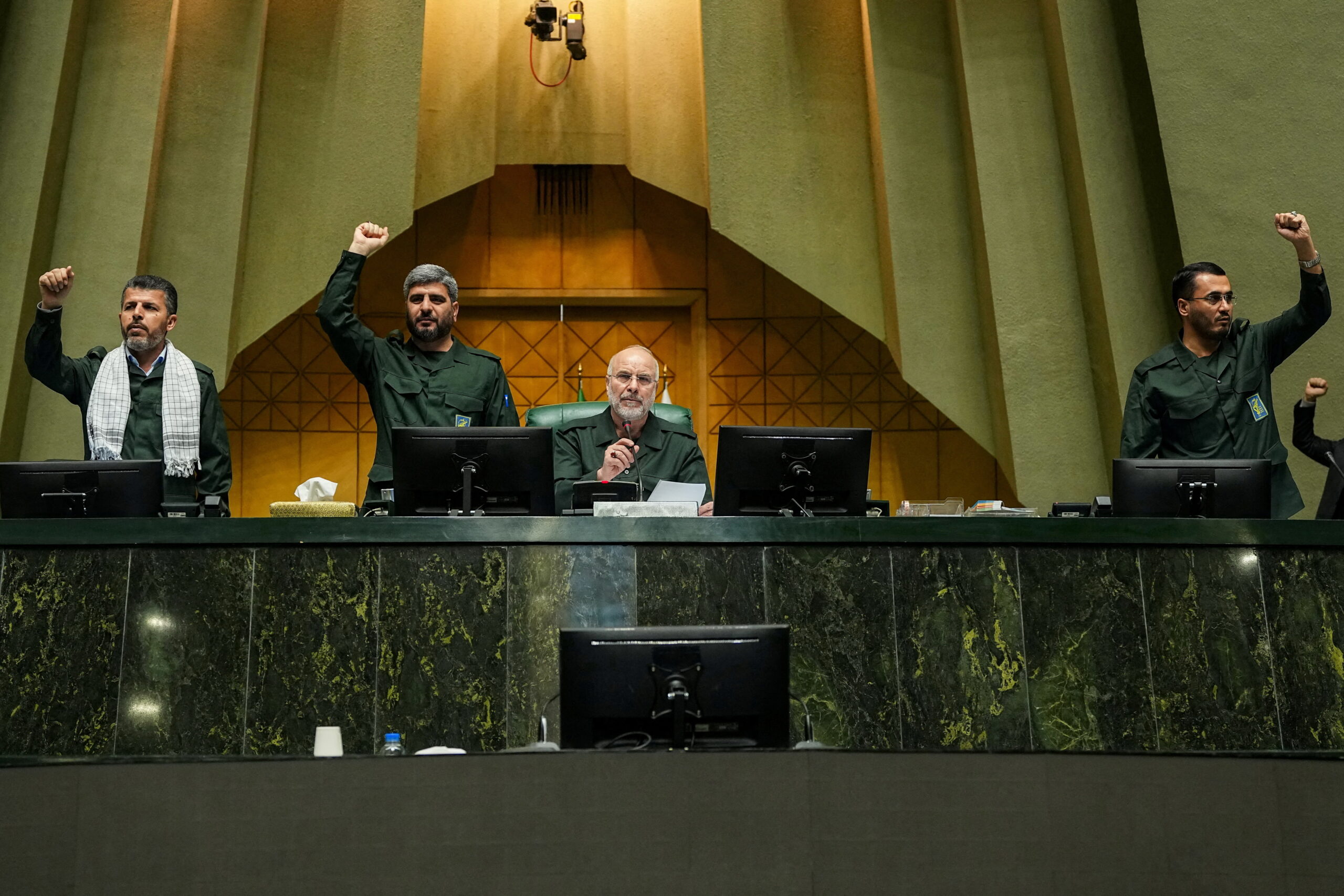
After U.S.-Israeli strikes killed Supreme Leader Ayatollah Ali Khamenei on February 28, Iran’s collective leadership has concluded that the best defense is a good offense.
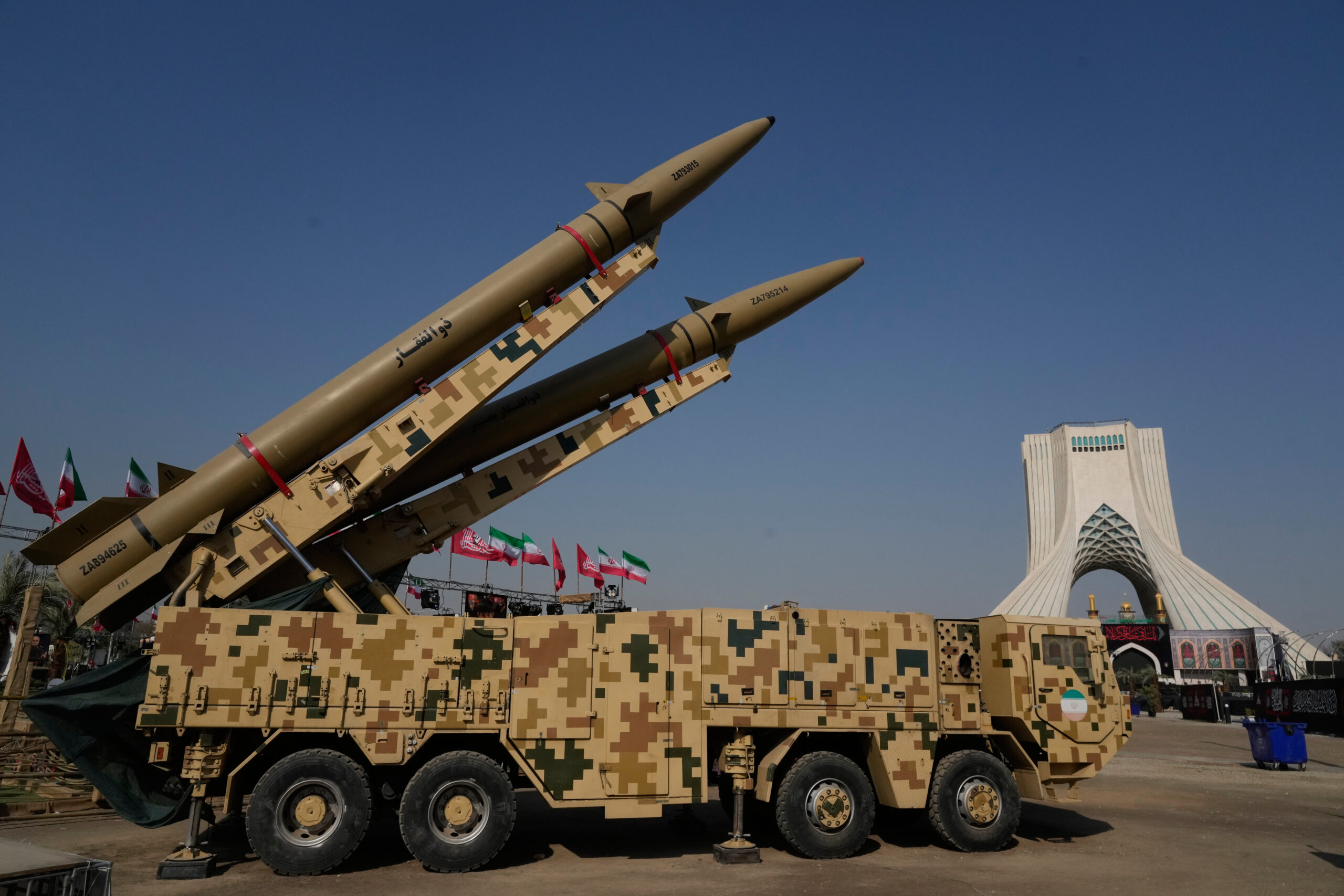
Iran’s Collective Strategic Decision Making
Wartime pressure has temporarily aligned the leadership’s overriding interest in regime survival, even as its members continue to differ over the costs, methods, and ultimate objectives of the war.
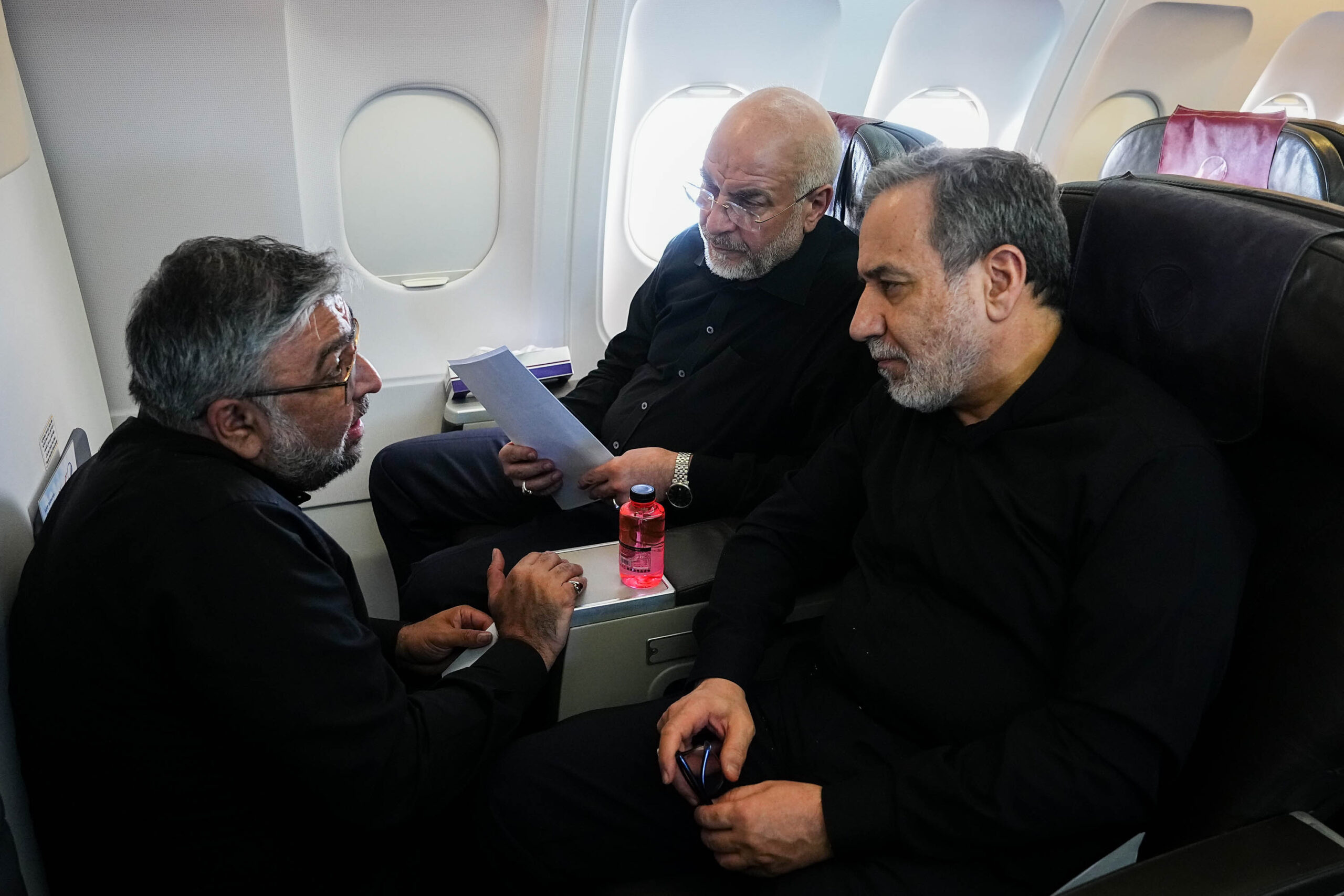
The Islamic Republic’s Collective Leadership
While there is historical precedent for collective leadership in Iran, today’s leadership includes representatives of the IRGC and regular military – a reflection of the IRGC’s expanding role and the necessities of governing under wartime conditions.
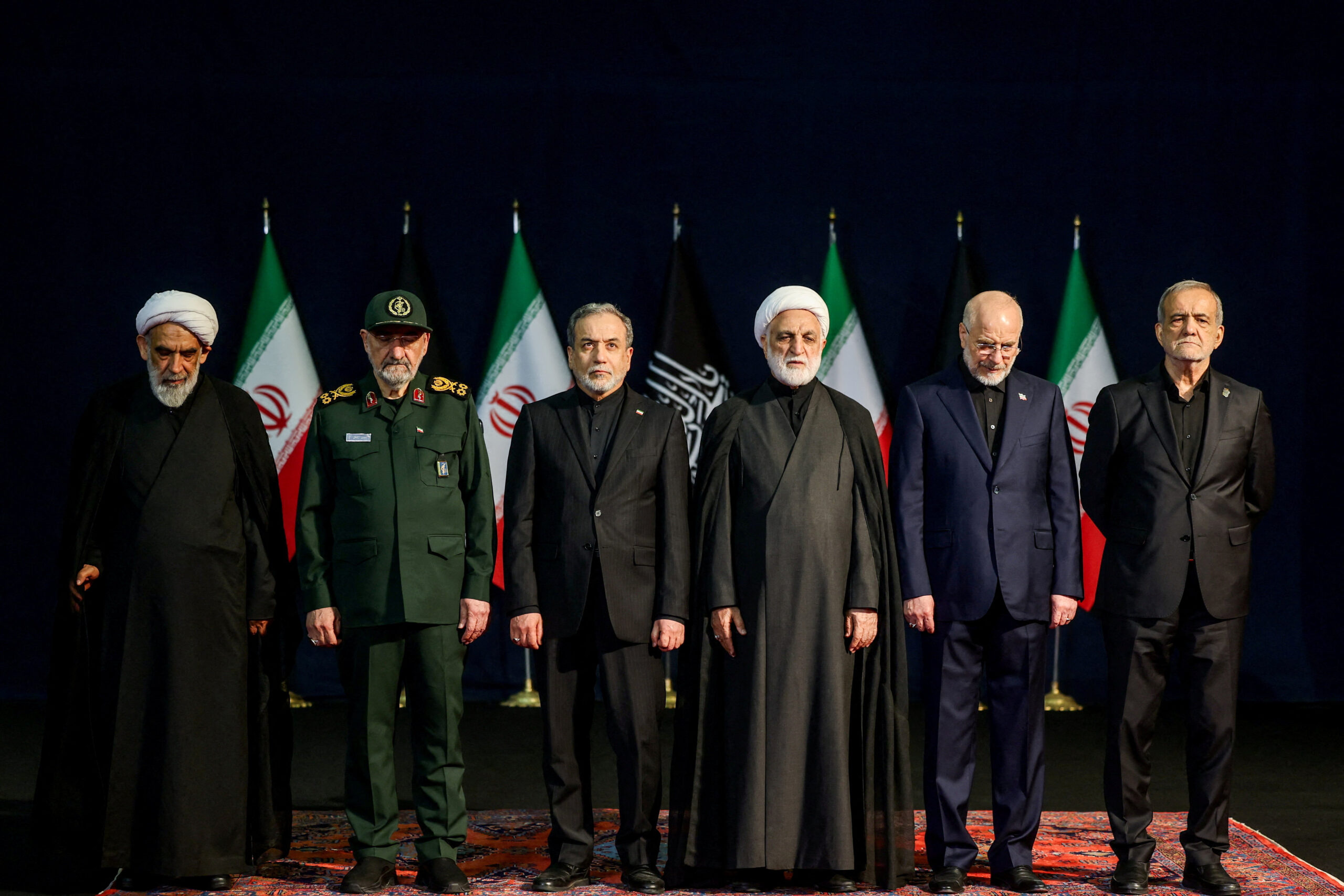
How Did the IRGC Seize Power in Iran?
The IRGC did not seize power in a single stroke. It accumulated it – patiently, methodically – until no counterweight remained.
Events
Book Talk: Iran and the Bomb: The United States, Iran and the Nuclear Question
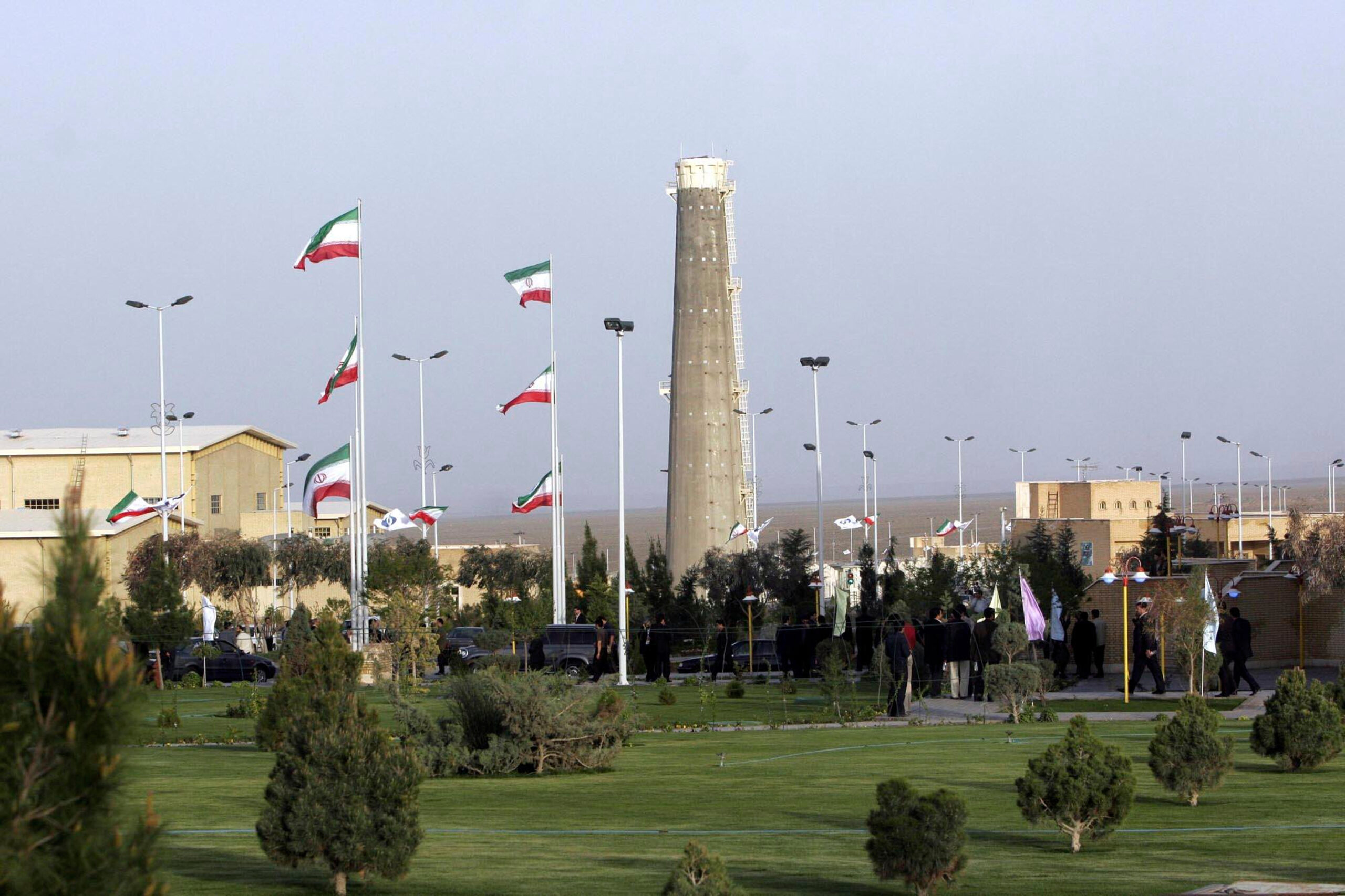
On June 16, AGSI hosted a discussion on the evolution of Iran's nuclear program.
Speakers

Apr 21, 2026
Inside Iran’s Wartime Leadership: Power, Succession, and Regime Stability
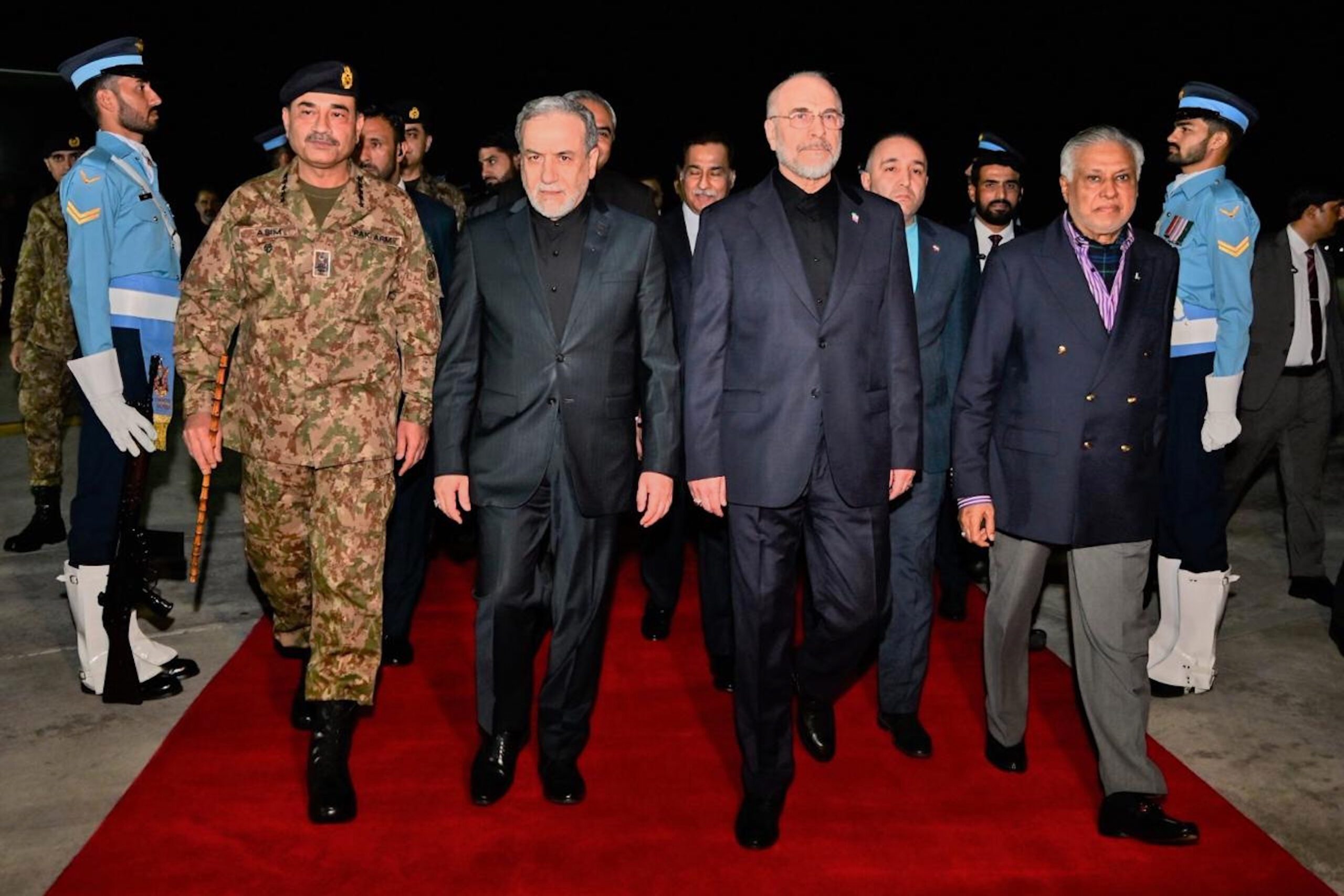
On April 21, AGSI hosted a discussion on the evolution of Iran's leadership during the war.
Speakers

Mar 18, 2026
In Its Conflict With the United States and Israel, Does Escalation Favor Iran?
On March 18, AGSI hosted a discussion on the escalation of the Iran war.
Speakers


Mar 2, 2026
After the Shock: Implications of the U.S.–Israeli Strikes and Iran’s Leadership Transition
On March 2, AGSI hosted a discussion on the U.S.-Israeli strikes on Iran.
Speakers