May 13, 2025
Araghchi: U.S. and Iran Agree on Continued Talks
The May 13 edition of the Iran Media Review evaluates remarks by the Iranian foreign minister and state-controlled media endorsing continued U.S.-Iran negotiations.

Following the conclusion of the fourth round of negotiations between Iran and the United States, Iranian Foreign Minister Abbas Araghchi indicated an increased level of mutual understanding between the two sides. Iran’s state-controlled media largely echoed this sentiment, reflecting a cautious endorsement of continued diplomatic engagement.
- May 11: In an interview with the Islamic Republic of Iran Broadcasting – later disseminated via Islamic Revolutionary Guard Corps-affiliated Tasnim News Agency – Foreign Minister Abbas Araghchi discussed the latest round of diplomatic engagement:
- “Today marked the fourth round of negotiations. Compared to the previous sessions, I would characterize these talks as notably more candid and substantive. We have moved beyond general frameworks and are now engaged in detailed, issue-specific dialogue. Naturally, such depth brings added complexity to the process. Nonetheless, I can affirm that despite the challenges and forthright exchanges, the discussions were constructive. Both delegations now possess a clearer grasp of each other’s respective positions. A number of contentious matters, along with their various dimensions, have been explored in greater detail, leading to improved mutual understanding. I would even venture to say that our positions have, to some extent, converged. From my perspective, this represents tangible progress. Both sides have expressed a firm commitment to continuing these talks. While the precise date and venue of the next round have yet to be finalized – owing to logistical considerations on both sides – we have requested the Omani foreign minister’s assistance in coordinating these arrangements. I anticipate that the next session will take place within a week, give or take a day or two.”
- When asked about the inconsistency of public statements by U.S. officials, Araghchi remarked: “You have rightly identified a significant challenge. Regrettably, there have been inconsistencies in the public messaging of American officials, particularly in media engagements. Such contradictions are not conducive to the negotiation process and were among the topics we raised today. This approach undermines the negotiations and ought to be rectified. The Islamic Republic of Iran, for its part, maintains a coherent and deliberate articulation of its positions, avoiding contradictory statements. We expect a similar level of consistency from our American counterparts. That said, today’s discussions were productive, and we remain hopeful that such discrepancies will be less frequent moving forward. I must emphasize that we do not attach importance to media rhetoric; however, persistent inconsistencies could have consequences. Should such behavior persist, we may find ourselves compelled to respond in kind. Encouragingly, even on such difficult matters, our perspectives appear to be drawing closer.”
- On the technical aspects of the negotiations, Araghchi stated that nuclear enrichment and sanctions relief “remain at the core of our discussions. From our standpoint, enrichment is fundamental and not subject to compromise. While the scale and scope of enrichment activities might be subject to temporary limitations as confidence-building measures, the principle itself is nonnegotiable. Regarding sanctions, our central objective in these negotiations is the lifting of sanctions. For us, sanctions relief constitutes a cornerstone of the talks, and this is now acknowledged by both sides. As I noted earlier, we have achieved a deeper mutual understanding on these critical points. Our positions are transparent, and our counterpart has now a better appreciation of them. We are hopeful that continued dialogue will lead to further progress, God willing.”
- State-censored media coverage of the fourth round of U.S.-Iran negotiations suggested a cautious endorsement of continuing the diplomatic process:
- May 12: Nour News Agency, which is affiliated with the Supreme National Security Council, reported: “Both parties are committed to the continuation of the diplomatic process … Negotiations remain ongoing … The Islamic Republic maintains its resistance against coercive tactics, threats, or the imposition of nonnegotiable demands.”
- May 12: Reformist Etemad observed: “The outcome of the fourth round of talks reveals a disconnect between the atmosphere in the formal diplomatic process and the prevailing atmosphere” of skepticism in international media.
- May 12: Hard-line Kayhan wrote in an editorial that “crippling analyses are more damaging than crippling sanctions,” calling on policymakers to disregard “alarmist voices” during strategic deliberations with the United States.
- May 12: The reformist Shargh ran a piece with the headline: “Diplomacy Revitalized Once Again.”
- May 12: IRGC-affiliated Javan reported on the negotiations without offering any editorial commentary.
- May 12: Sazandegi, a technocratic-leaning newspaper, similarly refrained from editorializing in its coverage.
- May 12: Ham-Mihan, a reformist paper, warned in an editorial: “If the U.S. side continues to insist on a zero-enrichment policy within Iranian territory, the negotiations are unlikely to yield success … Innovative mechanisms must be considered, including the establishment of a regional or international consortium to facilitate uranium enrichment on Iranian soil under International Atomic Energy Agency oversight … One possible avenue might involve situating enrichment facilities on an Iranian island in the Persian Gulf, in cooperation with Arab states.”
The views represented herein are the author's or speaker's own and do not necessarily reflect the views of AGSI, its staff, or its board of directors.
Related
Iran Media Review
May 9, 2025
The Use of Force and the Trajectory of U.S.-Iran Talks
The May 9 edition of the Iran Media Review examines disagreements among Iranian media outlets about the effect of a Houthi missile strike targeting Israel on U.S.-Iranian negotiations.
Iran Media Review
May 6, 2025
Nour News on Postponement of Talks: “Neither a Dead End, nor Complete Progress”
The May 6 edition of the Iran Media Review highlights Iranian media analysis about the postponement of U.S.-Iran negotiations.
Iran Media Review
May 2, 2025
All Roads Lead Away From Rome?
The May 2 edition of the Iran Media Review considers a report by an Iranian news agency following the postponement of the fourth round of U.S.-Iran talks.
May 9, 2025
The Use of Force and the Trajectory of U.S.-Iran Talks
The May 9 edition of the Iran Media Review examines disagreements among Iranian media outlets about the effect of a Houthi missile strike targeting Israel on U.S.-Iranian negotiations.
May 6, 2025
Nour News on Postponement of Talks: “Neither a Dead End, nor Complete Progress”
The May 6 edition of the Iran Media Review highlights Iranian media analysis about the postponement of U.S.-Iran negotiations.
May 2, 2025
All Roads Lead Away From Rome?
The May 2 edition of the Iran Media Review considers a report by an Iranian news agency following the postponement of the fourth round of U.S.-Iran talks.
Analysis
The Islamic Republic Returns to Offense
After U.S.-Israeli strikes killed Supreme Leader Ayatollah Ali Khamenei on February 28, Iran’s collective leadership has concluded that the best defense is a good offense.
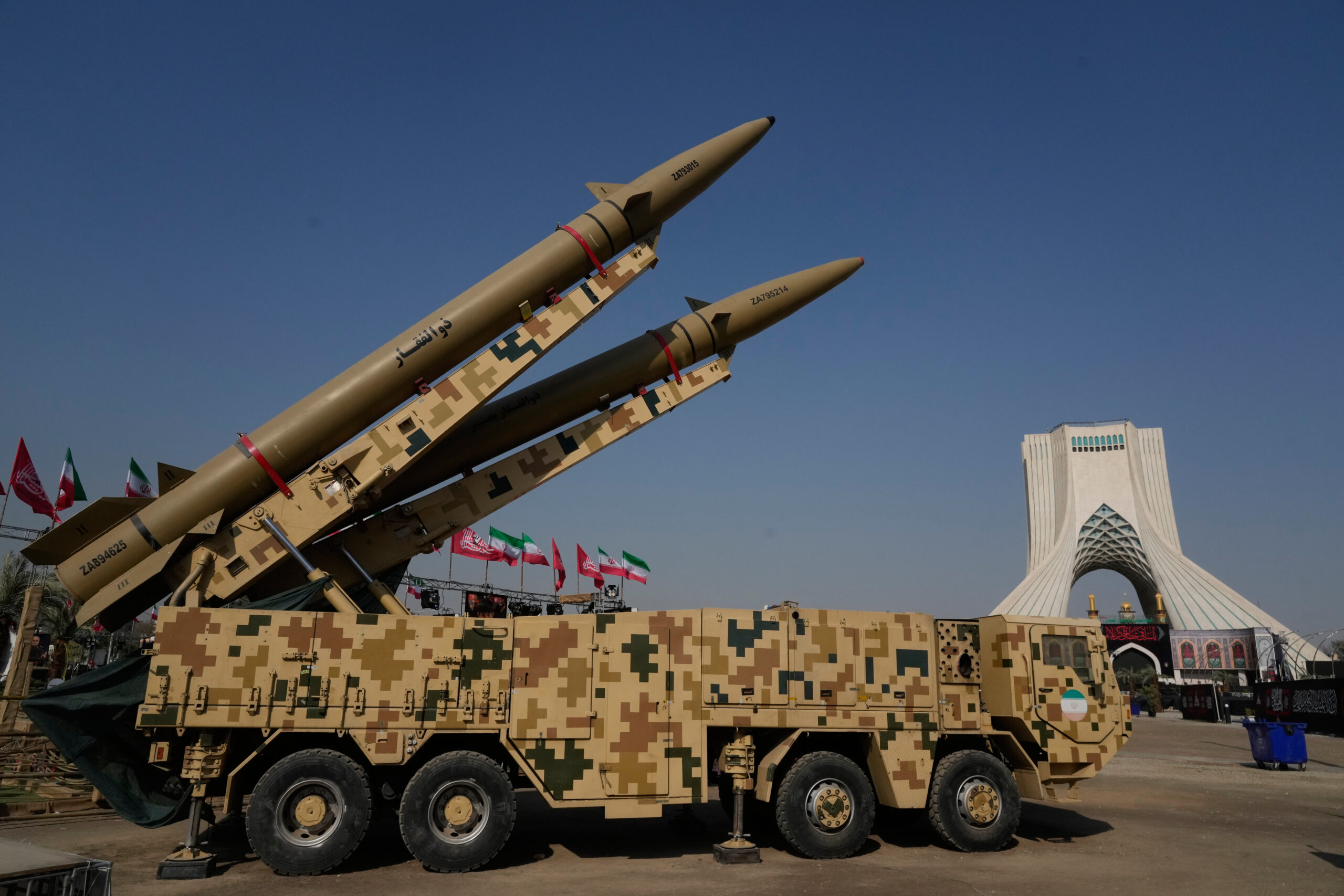
Iran’s Collective Strategic Decision Making
Wartime pressure has temporarily aligned the leadership’s overriding interest in regime survival, even as its members continue to differ over the costs, methods, and ultimate objectives of the war.
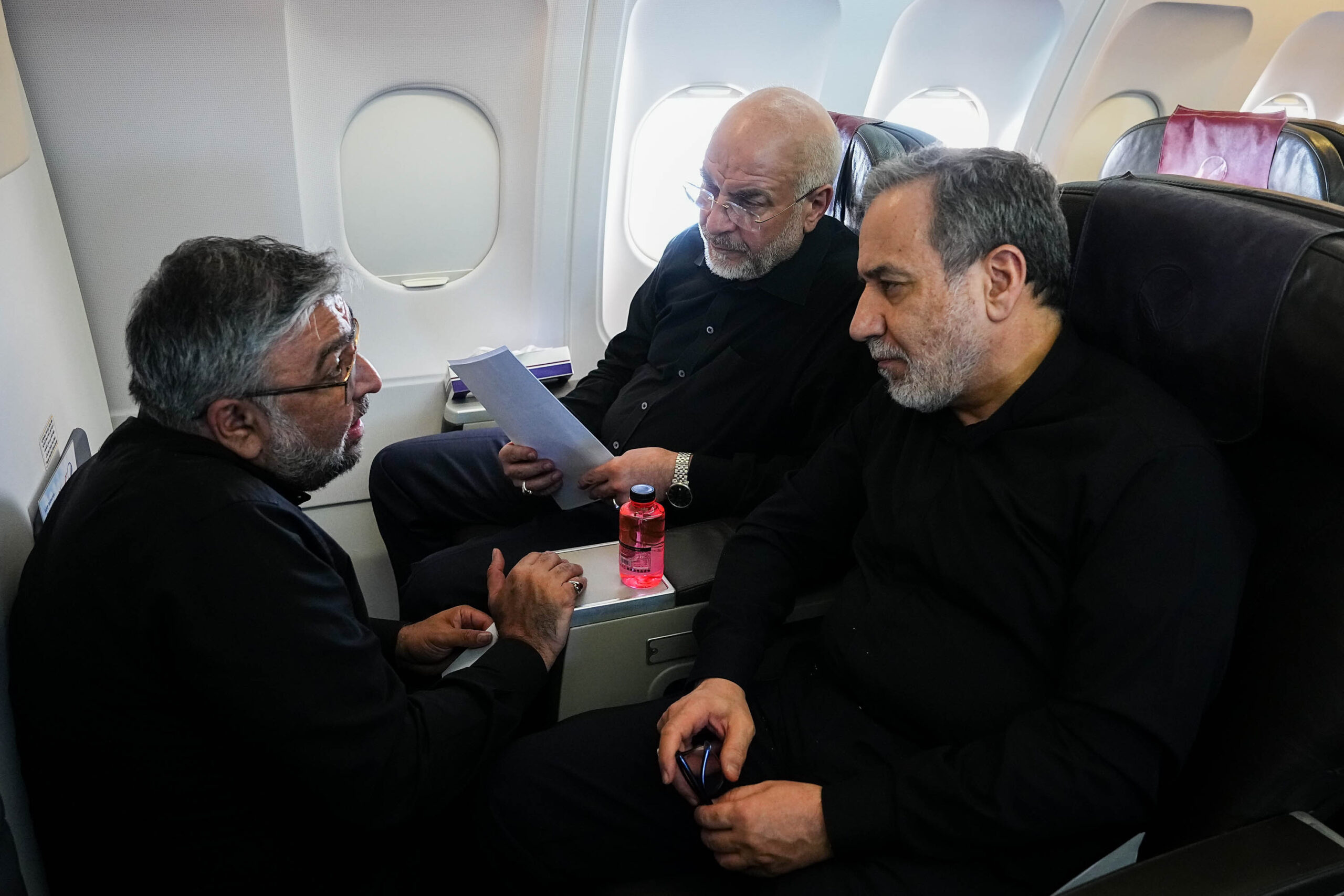
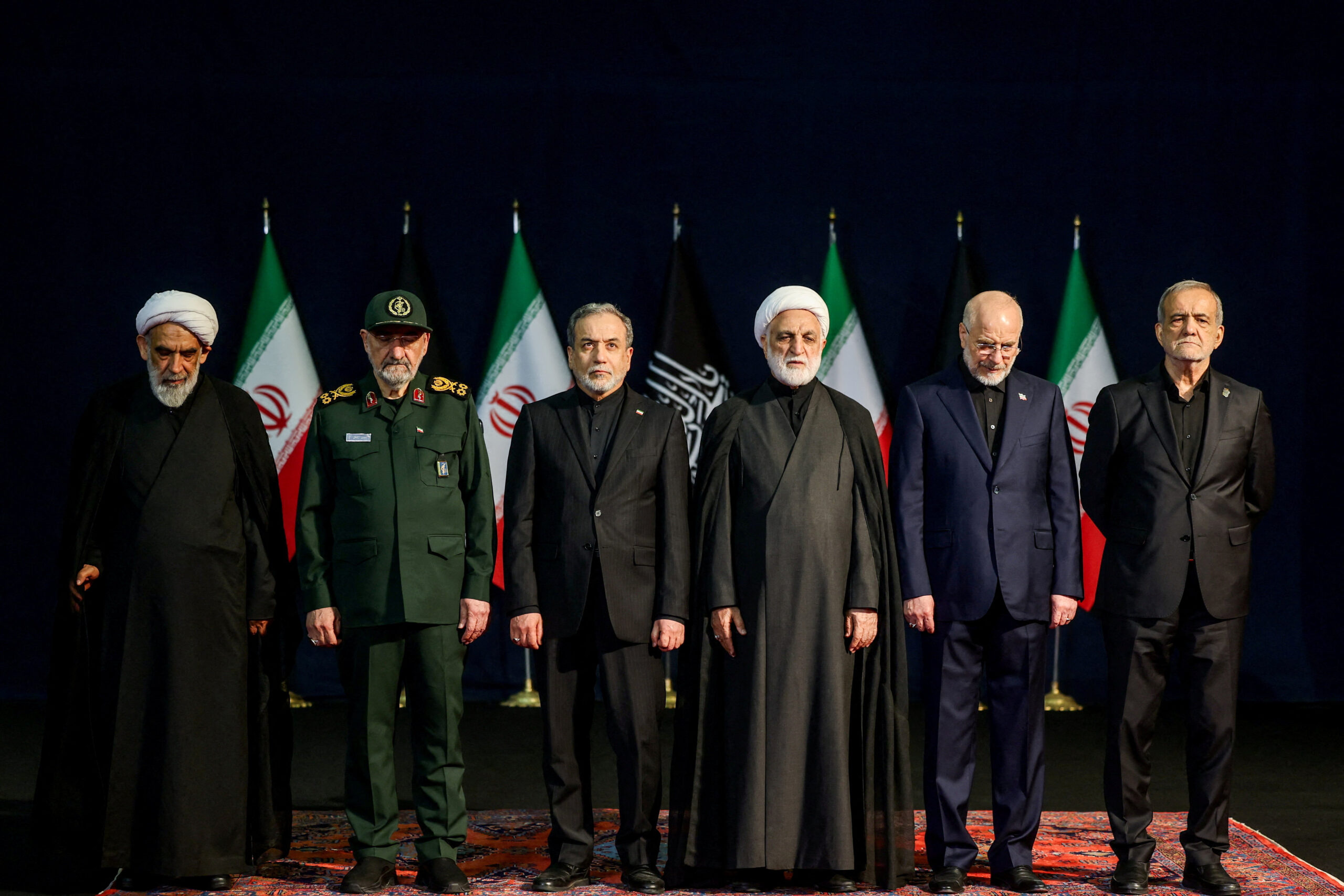
The Islamic Republic’s Collective Leadership
While there is historical precedent for collective leadership in Iran, today’s leadership includes representatives of the IRGC and regular military – a reflection of the IRGC’s expanding role and the necessities of governing under wartime conditions.
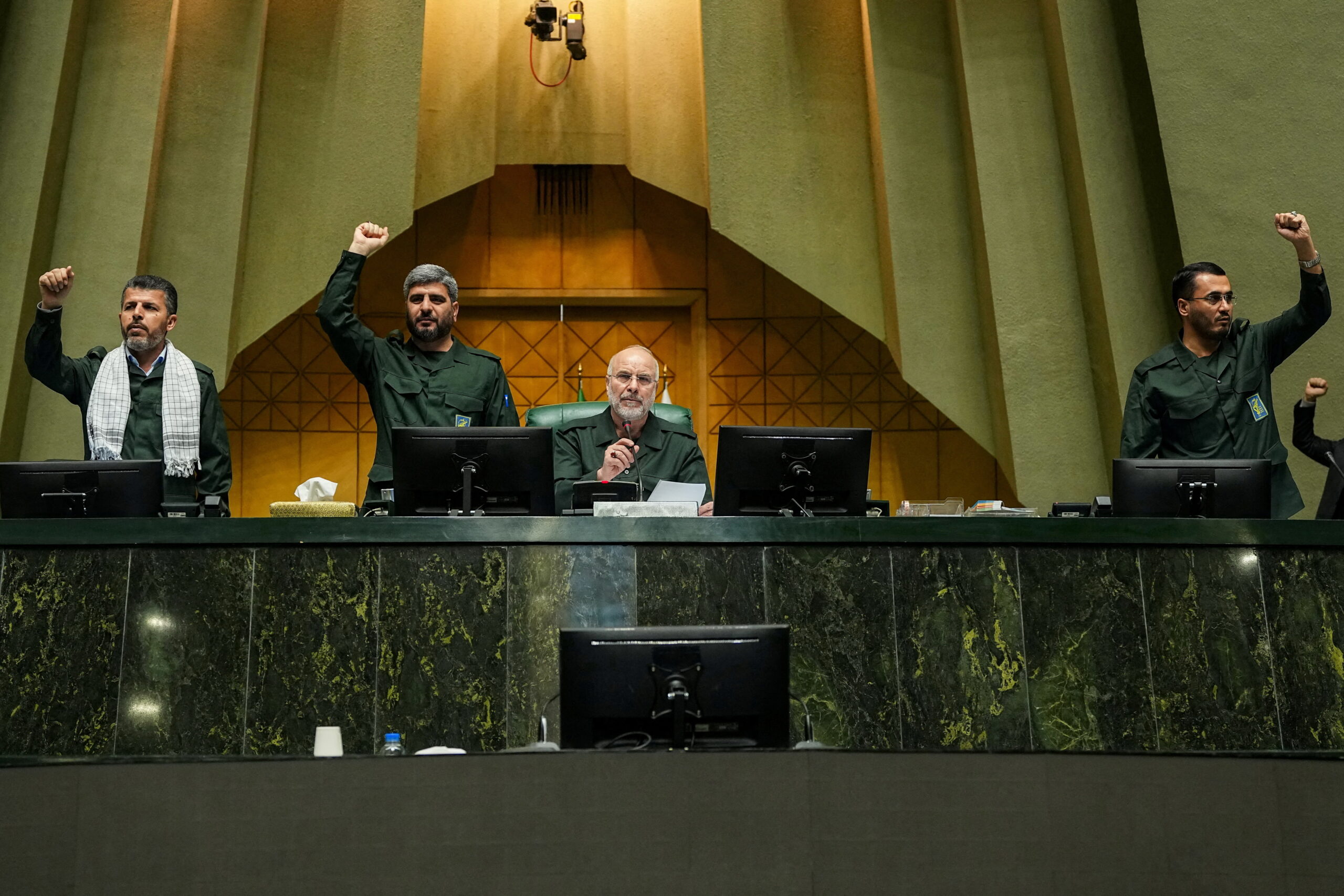
How Did the IRGC Seize Power in Iran?
The IRGC did not seize power in a single stroke. It accumulated it – patiently, methodically – until no counterweight remained.
Events
Book Talk: Iran and the Bomb: The United States, Iran and the Nuclear Question
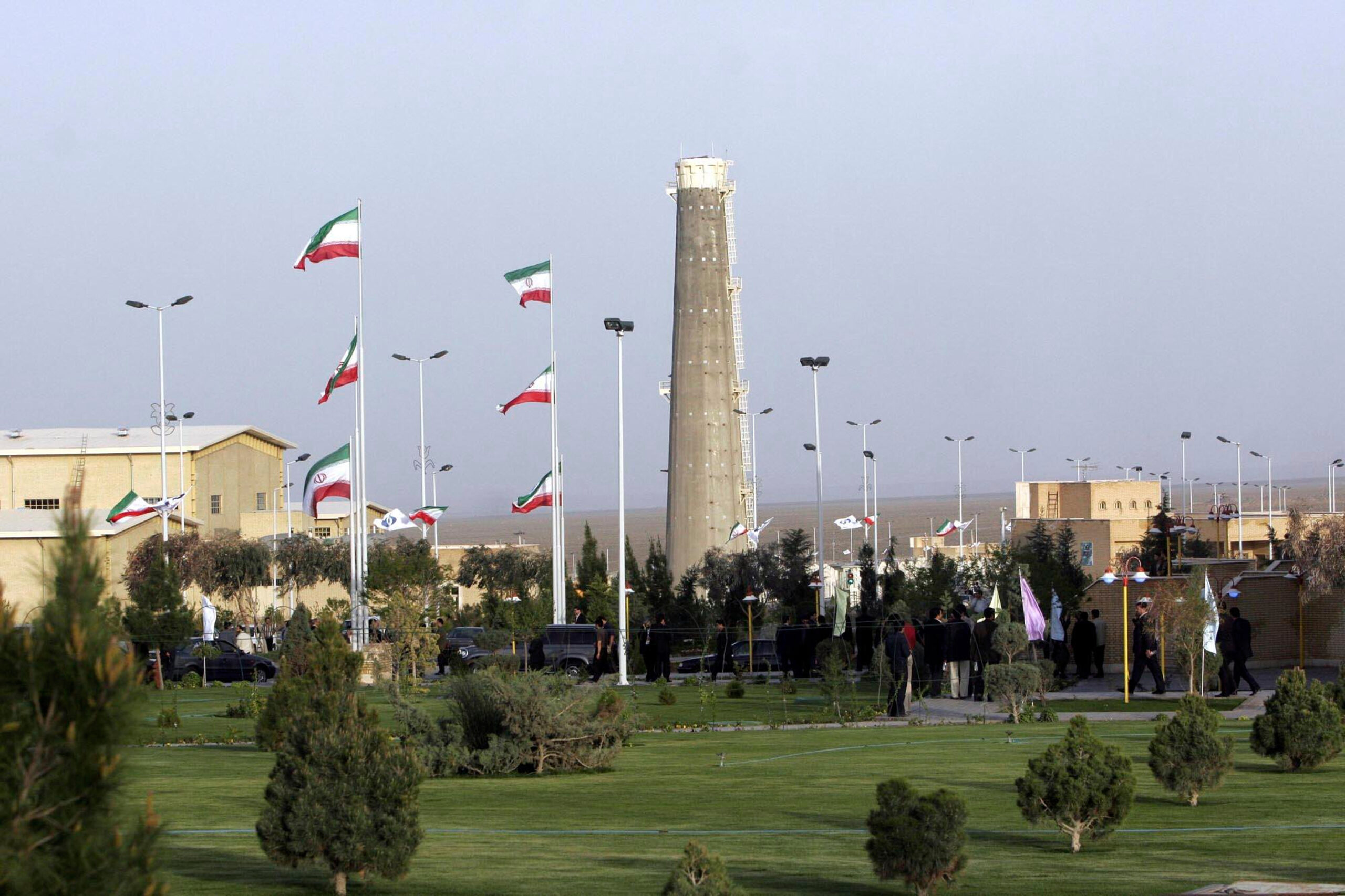
On June 16, AGSI hosted a discussion on the evolution of Iran's nuclear program.
Speakers

Apr 21, 2026
Inside Iran’s Wartime Leadership: Power, Succession, and Regime Stability
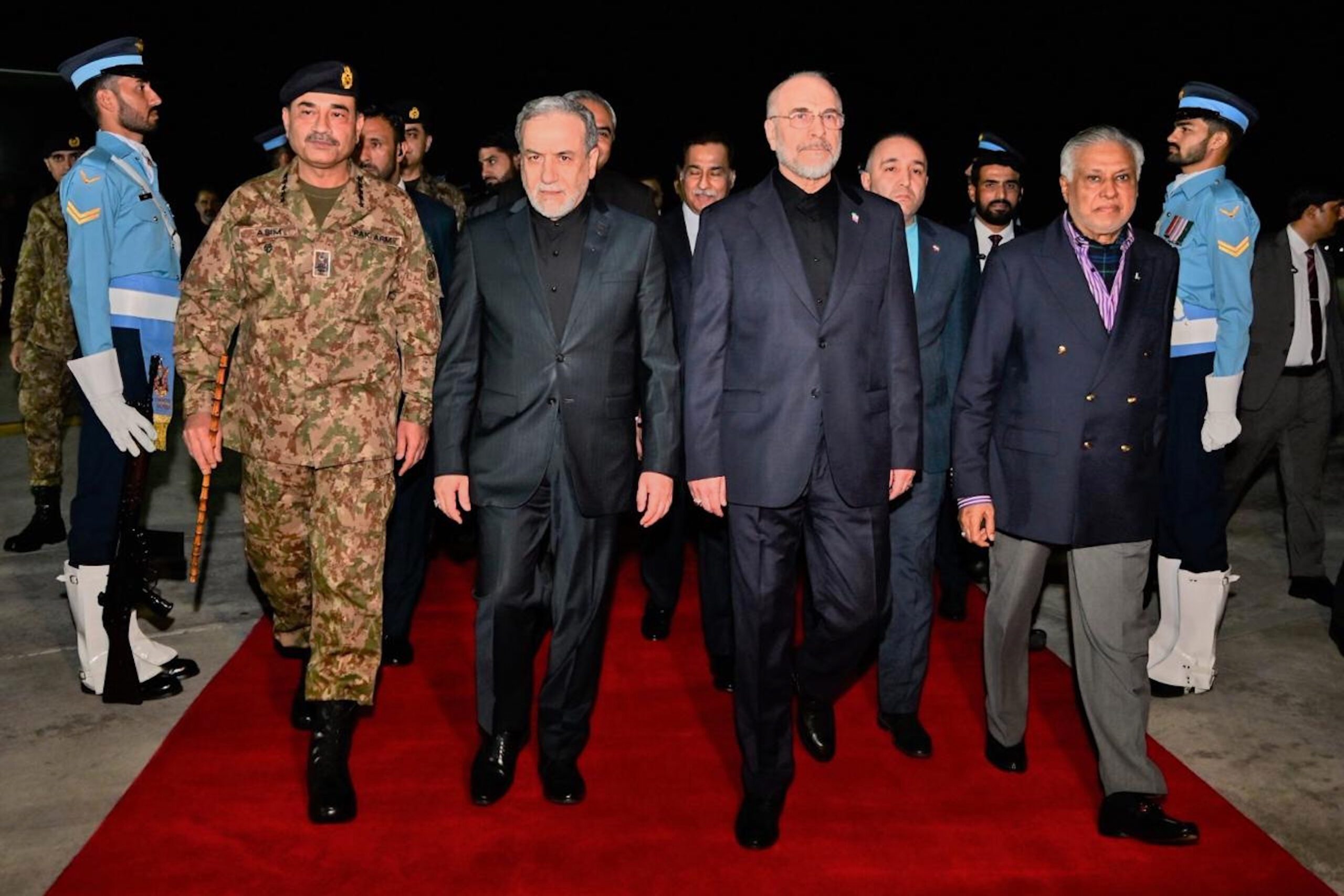
On April 21, AGSI hosted a discussion on the evolution of Iran's leadership during the war.
Speakers

Mar 18, 2026
In Its Conflict With the United States and Israel, Does Escalation Favor Iran?
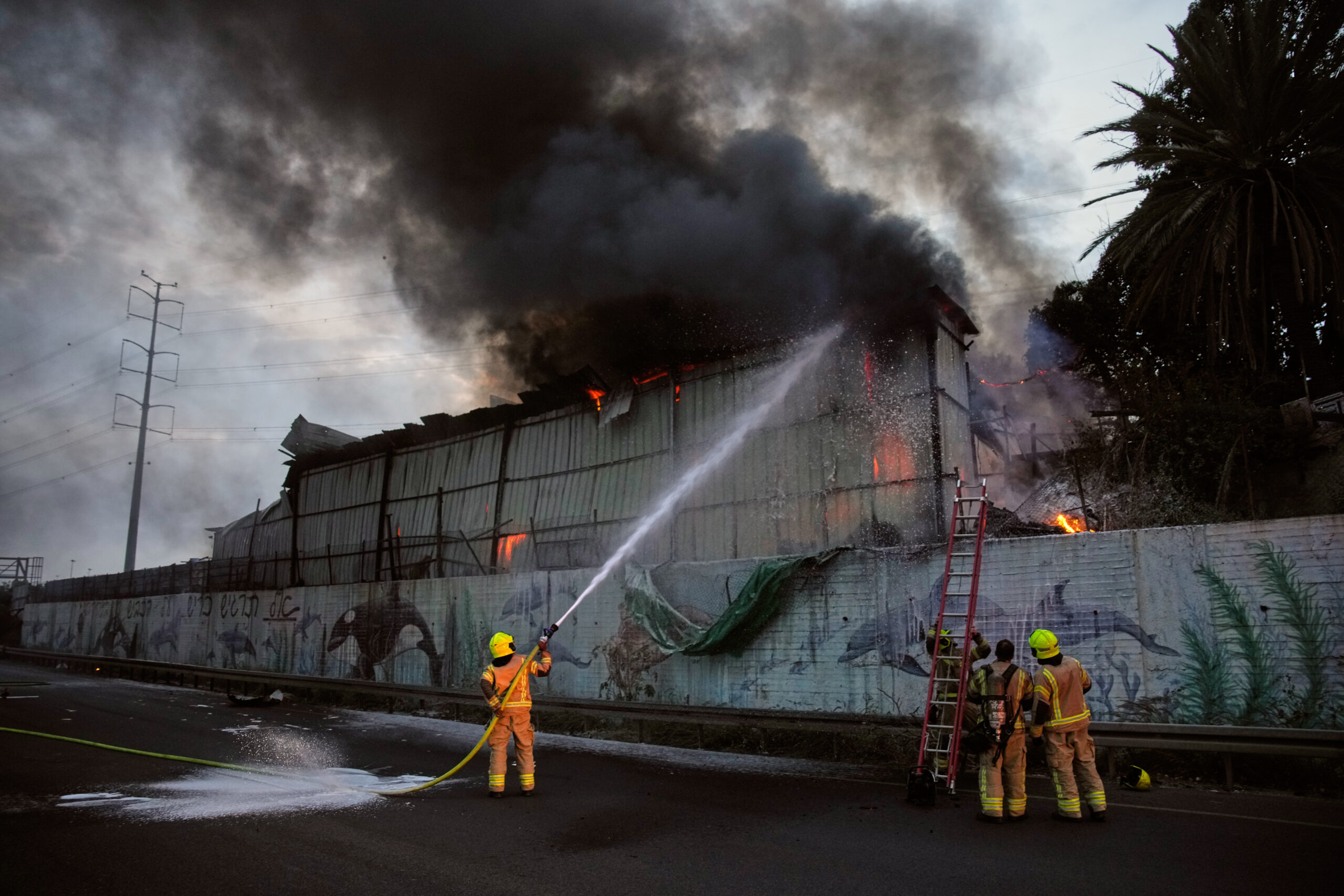
On March 18, AGSI hosted a discussion on the escalation of the Iran war.
Speakers


Mar 2, 2026
After the Shock: Implications of the U.S.–Israeli Strikes and Iran’s Leadership Transition
On March 2, AGSI hosted a discussion on the U.S.-Israeli strikes on Iran.
Speakers