May 9, 2025
The Use of Force and the Trajectory of U.S.-Iran Talks
The May 9 edition of the Iran Media Review examines disagreements among Iranian media outlets about the effect of a Houthi missile strike targeting Israel on U.S.-Iranian negotiations.

A May 4 missile strike on Israel’s Ben Gurion Airport by Yemen’s Houthi rebels does not appear to have significantly disrupted ongoing U.S.-Iranian diplomatic engagement, contrary to concerns voiced by reformist media outlets in Iran. This, in part, lends credence to the strategic calculus advanced by segments of the Iranian foreign policy elite who argued that calibrated use of force can serve as a means of coercive diplomacy to enhance Iran’s bargaining leverage.
- May 5: The reformist Ham-Mihan contextualized the Houthi missile strike within the broader framework of nuclear negotiations, asserting:
- “The impact of the missile strike on U.S.-Iran nuclear talks renders the situation acutely sensitive. While negotiations had seen modest momentum, recent developments suggest renewed vulnerability, with Israeli actors seizing any opportunity to derail the diplomatic track between Tehran and Washington. The attack on Ben Gurion Airport serves as a pretext for such sabotage.”
- May 5: In response, the Islamic Revolutionary Guard Corps-affiliated Mashregh News issued a rebuttal, framing Ham-Mihan’s analysis as ideologically and strategically flawed:
- “Once again, the reformist press aligns itself with Western narratives by attributing the autonomous decisions of the Yemeni resistance to Tehran. More troubling is the conditional logic that ties the success of indirect U.S.-Iran negotiations to the security imperatives of the Zionist entity. Why does Ham-Mihan employ Zionist terminology, and why does it, like Israel, lament a strategic blow delivered by the Yemeni axis of resistance?”
- May 5: Hard-line Kayhan, via its satire column, caricatured Ham-Mihan as “swooning into the embrace of America and Israel.”
- May 6: Ham-Mihan columnist Ahmad Zeidabadi responded, defending the newspaper’s editorial stance:
- “These guys behave as if possessed by evil spirits. They either don’t read our commentary or lack the cognitive capacity to grasp its content … More likely, they oppose negotiations with the United States in principle but, unable to declare this openly, redirect their opposition toward Ham-Mihan … It was not Ham-Mihan, however, that initiated engagement with Washington.”
- May 6: National security analyst Mehdi Kharatian, in an open letter addressed to Iranian Foreign Minister Abbas Araghchi and disseminated via X, advocated for targeting international oil shipments to persuade the United States of Iran’s ability to disrupt international energy transportation.
- May 6: Mashregh News claimed U.S.-Iran negotiations were postponed due to “conflicts within the U.S. administration,” pointing at public disagreements between Donald Trump Jr. and the Foundation for Defense of Democracies.
- May 7: Former Supreme National Security Council Secretary Ali Shamkhani, on X, expressed optimism concerning resumption of the negotiations:
- “Washington has finally accepted the assessments of” the International Atomic Energy Agency “and its own intelligence agencies that Iran does not possess a nuclear weapon. Both parties are determined to continue the correct path of negotiations. The complete removal of sanctions and recognizing Iran’s right to industrial-scale enrichment bring an agreement within reach.”
- May 7: In an implicit rebuttal to Shamkhani on X, Mohammad-Hossein Ranjbaran, a media advisor to the foreign minister, cautioned against unauthorized disclosures:
- “Institutions and respected officials who are privy to classified intelligence must adhere to protocol and avoid disseminating sensitive information through affiliated media channels.”
The views represented herein are the author's or speaker's own and do not necessarily reflect the views of AGSI, its staff, or its board of directors.
Related
Iran Media Review
May 6, 2025
Nour News on Postponement of Talks: “Neither a Dead End, nor Complete Progress”
The May 6 edition of the Iran Media Review highlights Iranian media analysis about the postponement of U.S.-Iran negotiations.
May 6, 2025
Nour News on Postponement of Talks: “Neither a Dead End, nor Complete Progress”
The May 6 edition of the Iran Media Review highlights Iranian media analysis about the postponement of U.S.-Iran negotiations.
Analysis
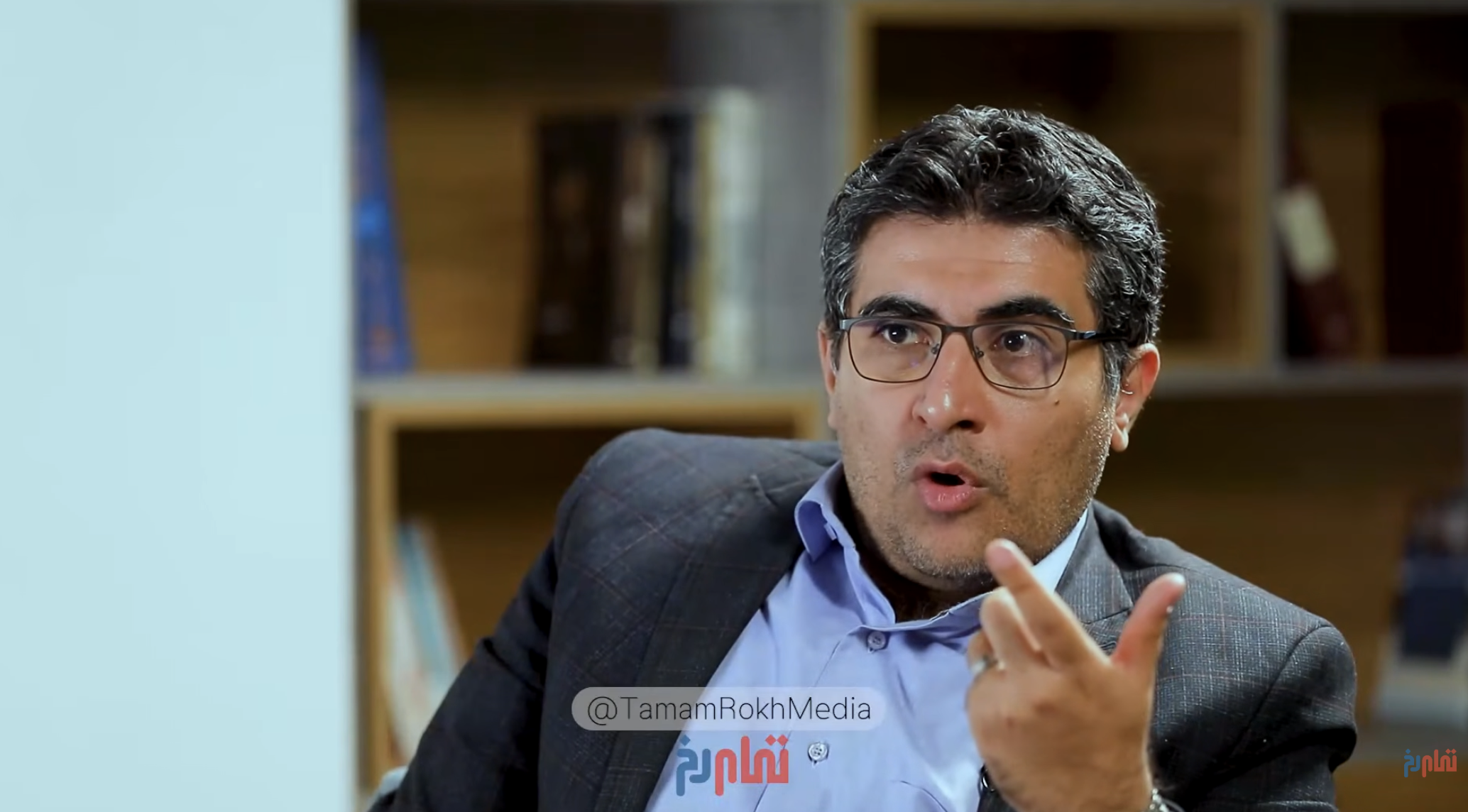
Debating Policy in Public: Iranian Elites Turn to YouTube
Rival camps within the Islamic Republic are increasingly turning to YouTube for policy debate, but there is a limit to the regime’s tolerance for that debate.
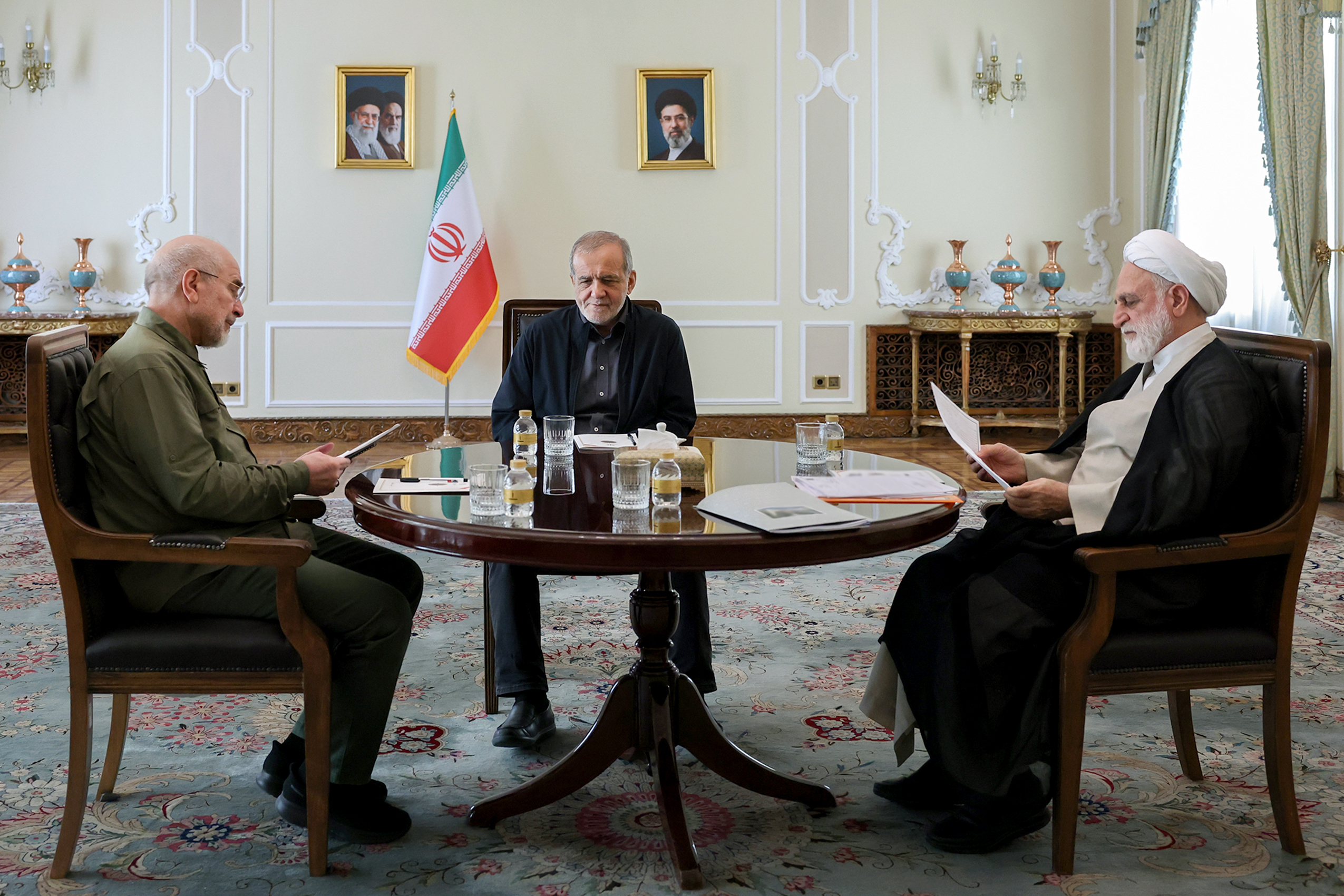
The Committee of Six and Strategic Decision Making in Iran
Remarks by Iran’s president offer a rare glimpse of how the Islamic Republic has adapted its decision making to the absence of its supreme leader.
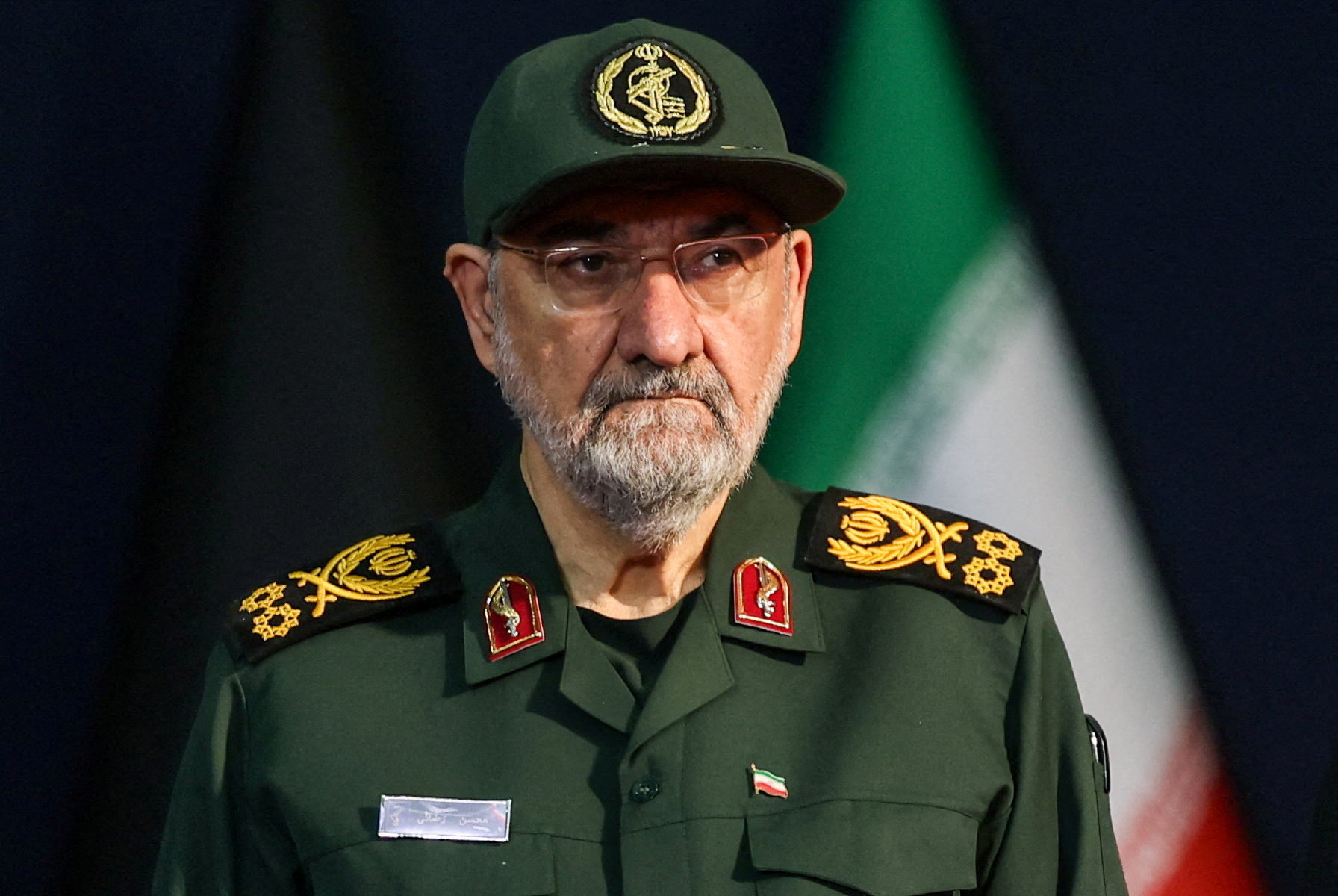
Mohsen Rezaei at the Helm of Iran’s Supreme National Security Council
Under Rezaei, the SNSC could prove constructive or paralyze strategic decision making.
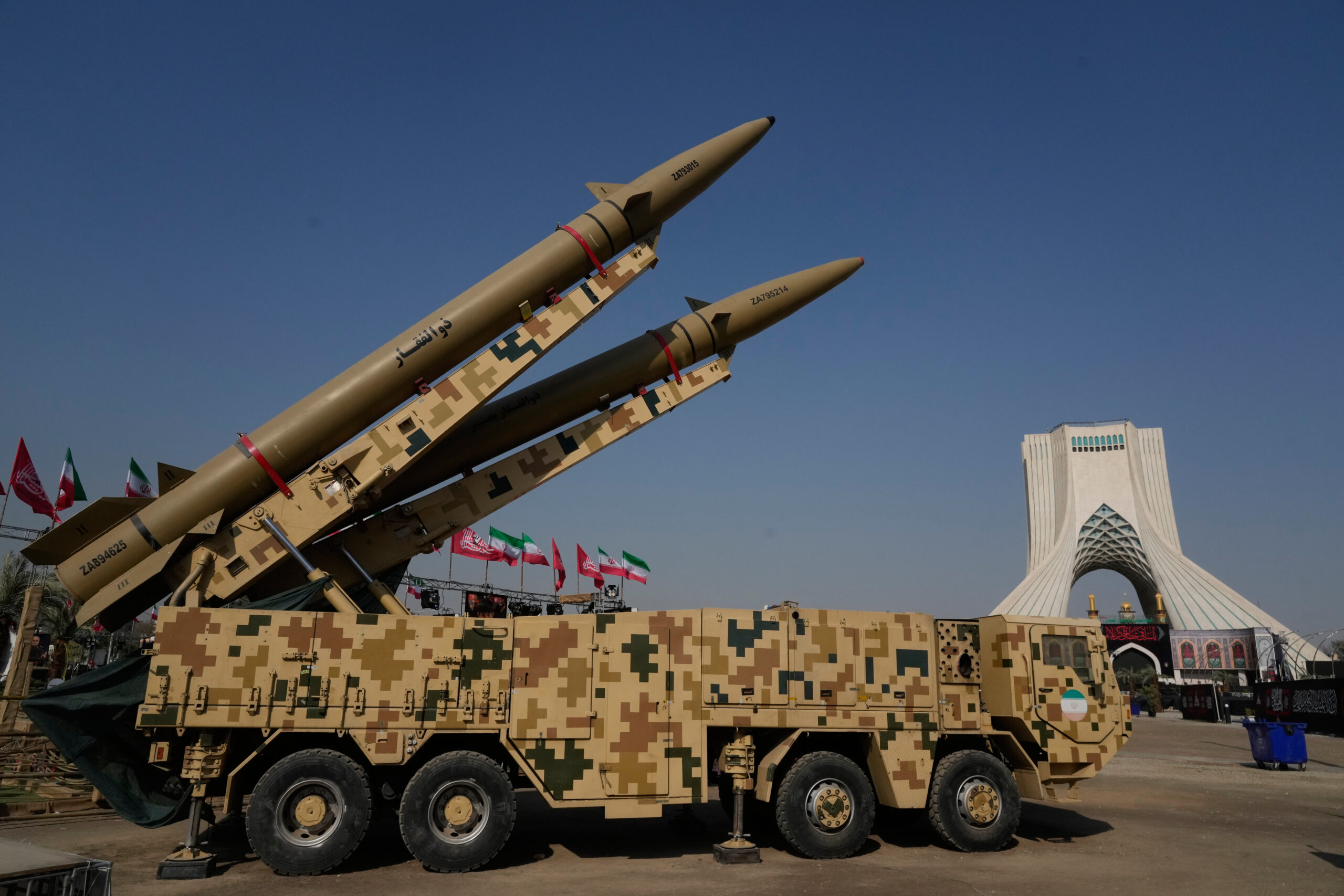
The Islamic Republic Returns to Offense
After U.S.-Israeli strikes killed Supreme Leader Ayatollah Ali Khamenei on February 28, Iran’s collective leadership has concluded that the best defense is a good offense.
Events
Oct 6, 2026
Is the U.S.-Iran Stalemate a “New Normal” or the Prelude to Another Explosion?
On October 6, AGSI hosted a discussion on the U.S.-Iran stalemate and the prospects for a cease-fire.
Speakers



Book Talk: Iran and the Bomb: The United States, Iran and the Nuclear Question
On June 16, AGSI hosted a discussion on the evolution of Iran's nuclear program.
Speakers

Apr 21, 2026
Inside Iran’s Wartime Leadership: Power, Succession, and Regime Stability
On April 21, AGSI hosted a discussion on the evolution of Iran's leadership during the war.
Speakers

Mar 18, 2026
In Its Conflict With the United States and Israel, Does Escalation Favor Iran?
On March 18, AGSI hosted a discussion on the escalation of the Iran war.
Speakers