Mar 25, 2025
Somber Resilience: Ayatollah Khamenei’s New Year Address
The March 25 edition of the Iran Media Review examines the Iranian supreme leader’s remarks about Iran’s proxy forces.

Supreme Leader Ayatollah Ali Khamenei’s March 20 Persian New Year address was far from jubilant, conveying a tone of somber resilience rather than triumph. He acknowledged that Iranians had endured significant economic hardship over the past year with further challenges likely in the year ahead. Regarding recent communications from President Donald J. Trump and other U.S. officials, Khamenei adopted a posture of defiance, though his rhetoric was not categorically intransigent: Iran has no proxies in the Middle East region, he asserted, which may indicate his willingness to accommodate Trump’s demands regarding Iran’s regional activities.
- March 20: Supreme Leader Ayatollah Ali Khamenei delivered an address commemorating the Persian holiday of Nowruz, which was reported on by his official website:
- Drawing from the Quranic narrative of the “Book of Exodus,” Khamenei invoked the plight of the Israelites under Pharaoh’s oppression, recounting their lamentations. Yet Moses urged them to maintain faith in divine intervention and persevere. Analogously, Khamenei acknowledged the hardships endured by the Iranian people over the past year but urged them to remain steadfast: “Resist. Your steadfastness shall bring about the defeat of the wicked and depraved Zionist regime.”
- Addressing recent pronouncements from President Donald J. Trump and other U.S. government officials, Khamenei remarked:
- “There is much talk about the statements of the Americans and U.S. government officials: One of them says something, another completes those statements, a third dismisses it, and the fourth proves the statements. Let me just say a couple of things in this regard: First, and most important, the Americans must understand that their threats shall avail them nothing. Second, they and others should know that, for their malevolence, they shall receive a resounding slap in the face if they betray the Iranian nation.”
- “Another issue: American, European, and other politicians are gravely mistaken in calling regional resistance centers ‘Iran’s proxy forces.’ This is an insult. A proxy? The Yemeni nation has its own motives and so do other centers of resistance in the region. The Islamic Republic of Iran is not in need of proxies. What is the meaning of such statements? From the beginning of the usurpation of Palestine, Yemen became a frontline state resisting the usurpation … the struggle of the Yemeni nation” and others is born of their own volition and cause.
- “The Islamic Republic resists the bullies and the betrayals. We have clearly expressed our position: We defend the Palestinian and Lebanese fighters who defend their country, Gaza, and Palestine. This has always been the approach of the Islamic Republic despite the threats. They should know that we have never started the fight and struggle, but if anyone engages in villainy and starts a fight, he will be dealt many a hard slap!”
The views represented herein are the author's or speaker's own and do not necessarily reflect the views of AGSI, its staff, or its board of directors.
Related
Iran Media Review
Mar 21, 2025
Iran’s Seismic Vulnerability, Energy and Water Crises
The March 21 edition of the Iran Media Review evaluates the compounding environmental and infrastructural crises facing Iran.
Iran Media Review
Mar 18, 2025
Iranian Media Responds to President Trump’s Warnings
The March 18 edition of the Iran Media Review considers Iranian commentary on the potential for U.S. military action against Iran.
Mar 21, 2025
Iran’s Seismic Vulnerability, Energy and Water Crises
The March 21 edition of the Iran Media Review evaluates the compounding environmental and infrastructural crises facing Iran.
Mar 18, 2025
Iranian Media Responds to President Trump’s Warnings
The March 18 edition of the Iran Media Review considers Iranian commentary on the potential for U.S. military action against Iran.
Analysis
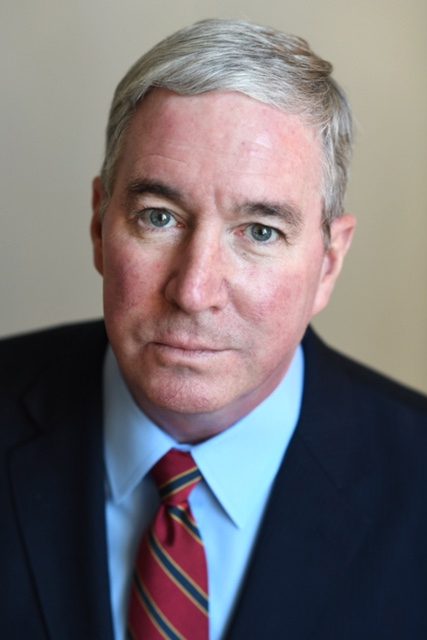
Mohsen Rezaei at the Helm of Iran’s Supreme National Security Council
Under Rezaei, the SNSC could prove constructive or paralyze strategic decision making.
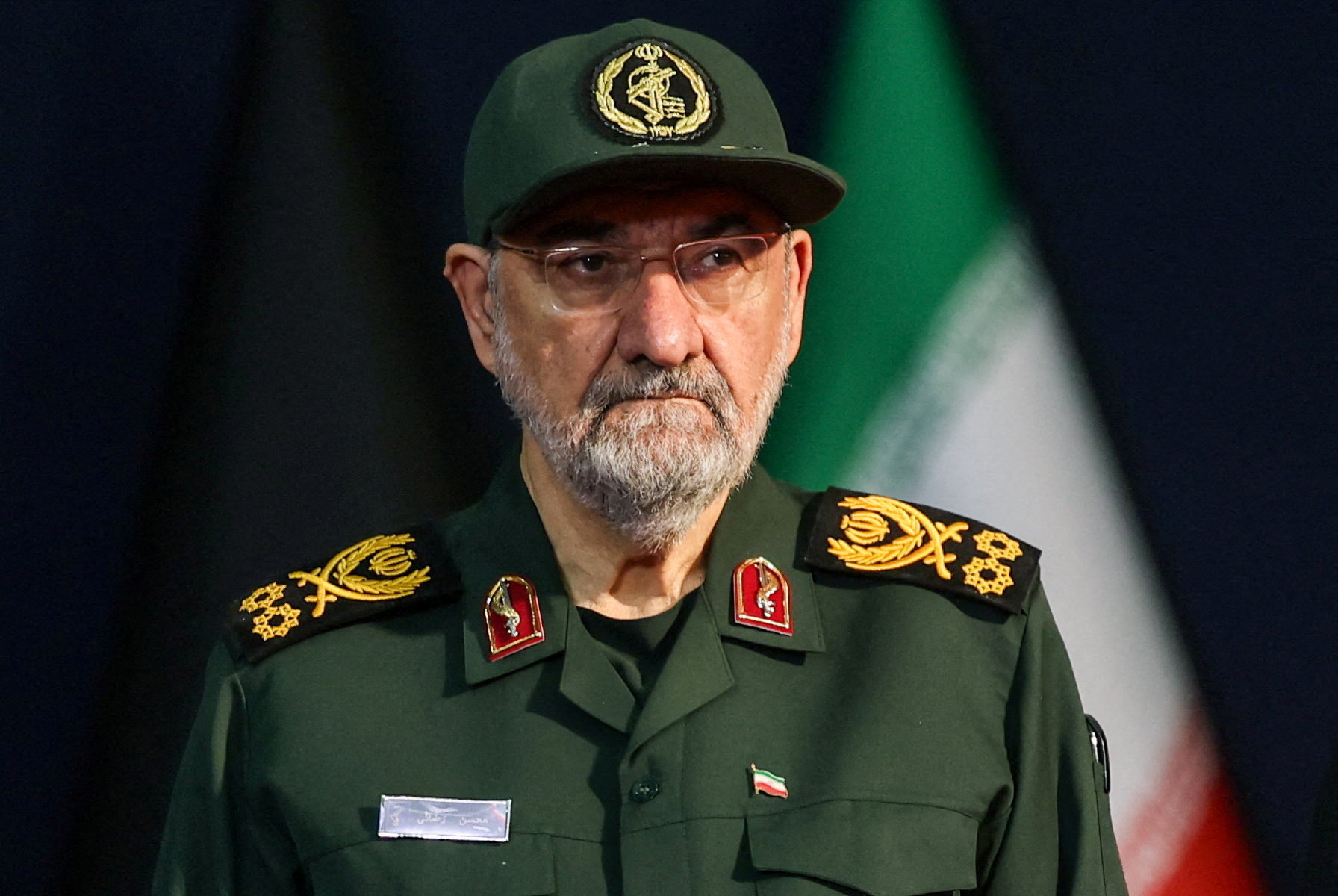
The Islamic Republic Returns to Offense
After U.S.-Israeli strikes killed Supreme Leader Ayatollah Ali Khamenei on February 28, Iran’s collective leadership has concluded that the best defense is a good offense.
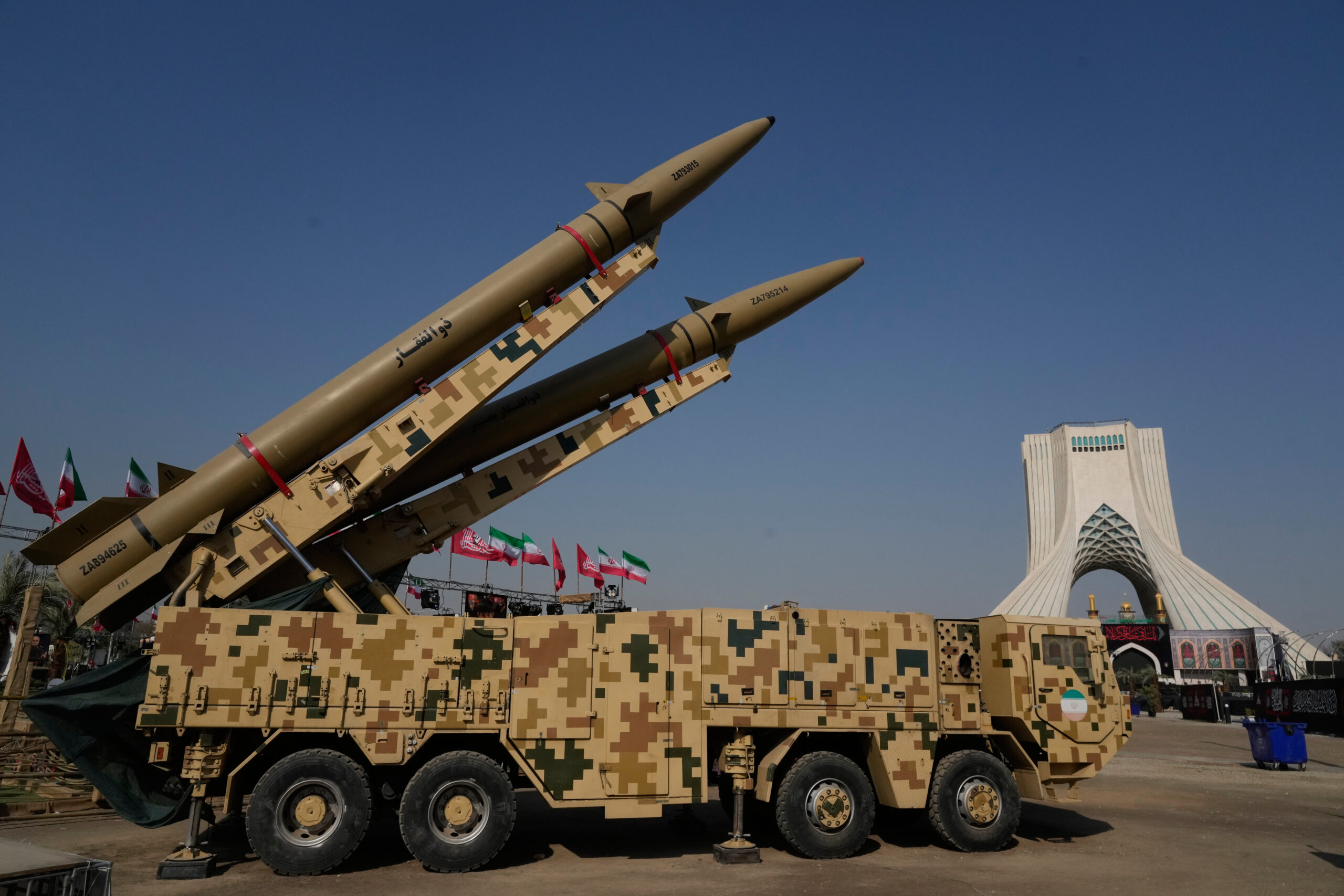
Iran’s Collective Strategic Decision Making
Wartime pressure has temporarily aligned the leadership’s overriding interest in regime survival, even as its members continue to differ over the costs, methods, and ultimate objectives of the war.
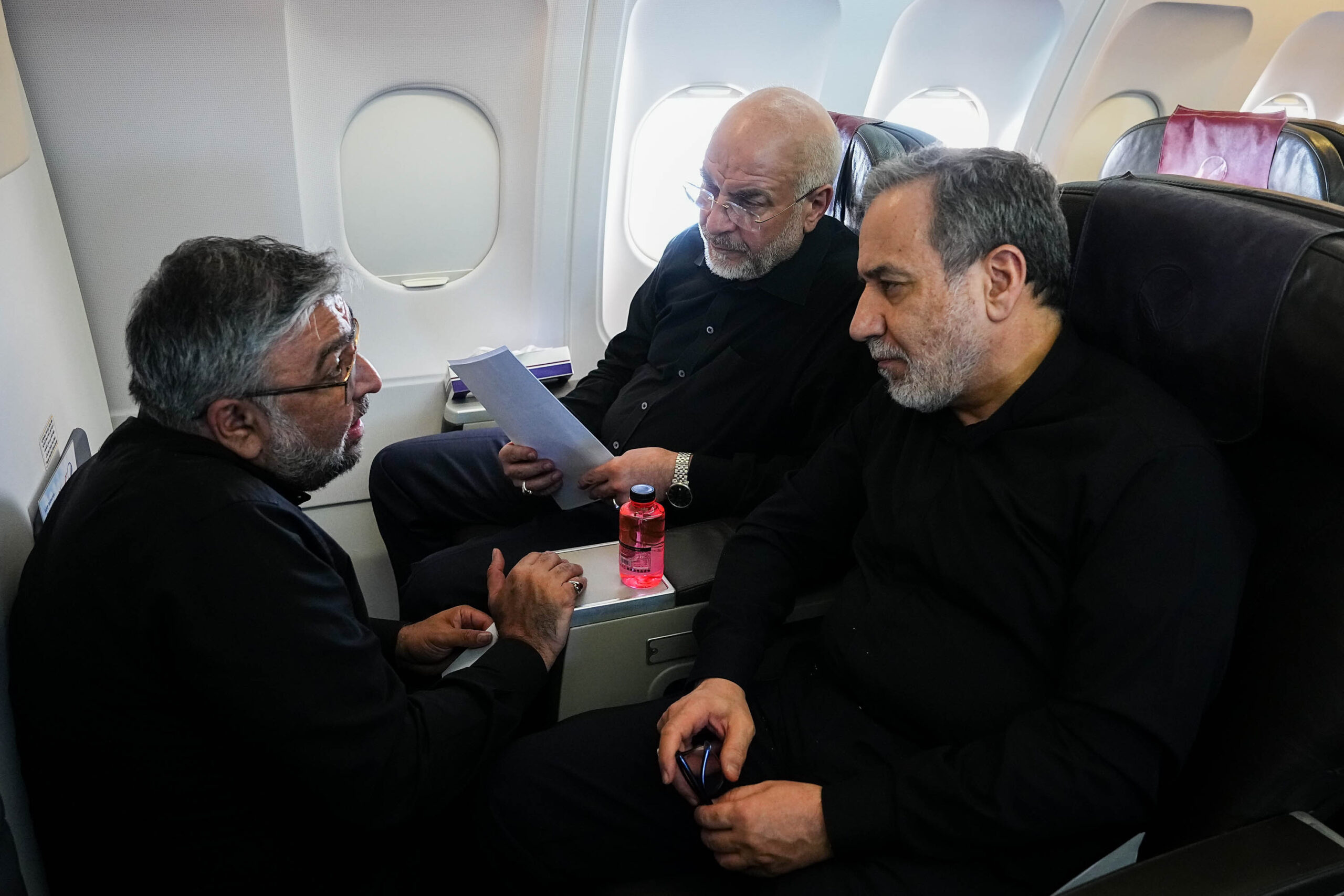
The Islamic Republic’s Collective Leadership
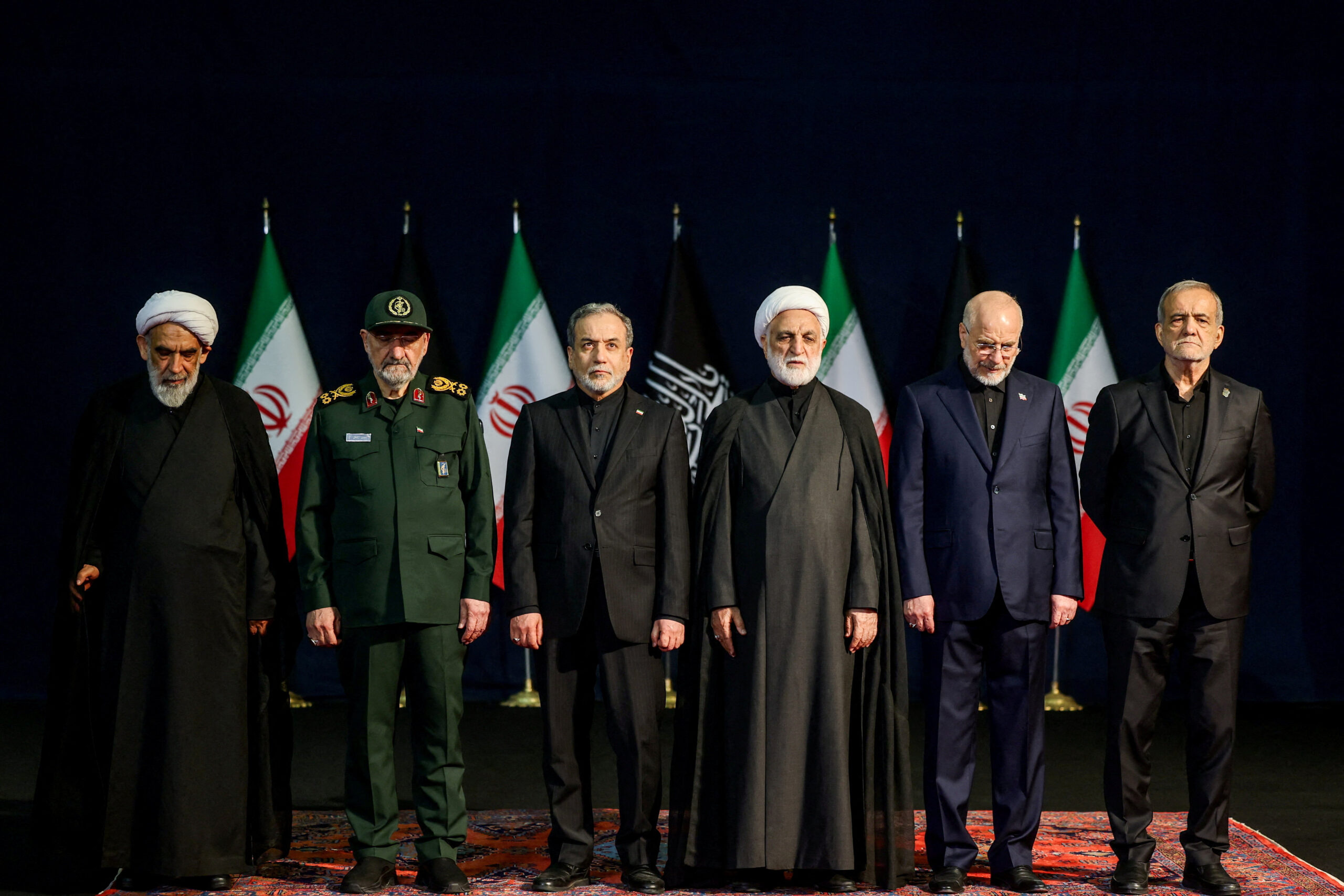
While there is historical precedent for collective leadership in Iran, today’s leadership includes representatives of the IRGC and regular military – a reflection of the IRGC’s expanding role and the necessities of governing under wartime conditions.
Events
Oct 6, 2026
Is the U.S.-Iran Stalemate a “New Normal” or the Prelude to Another Explosion?
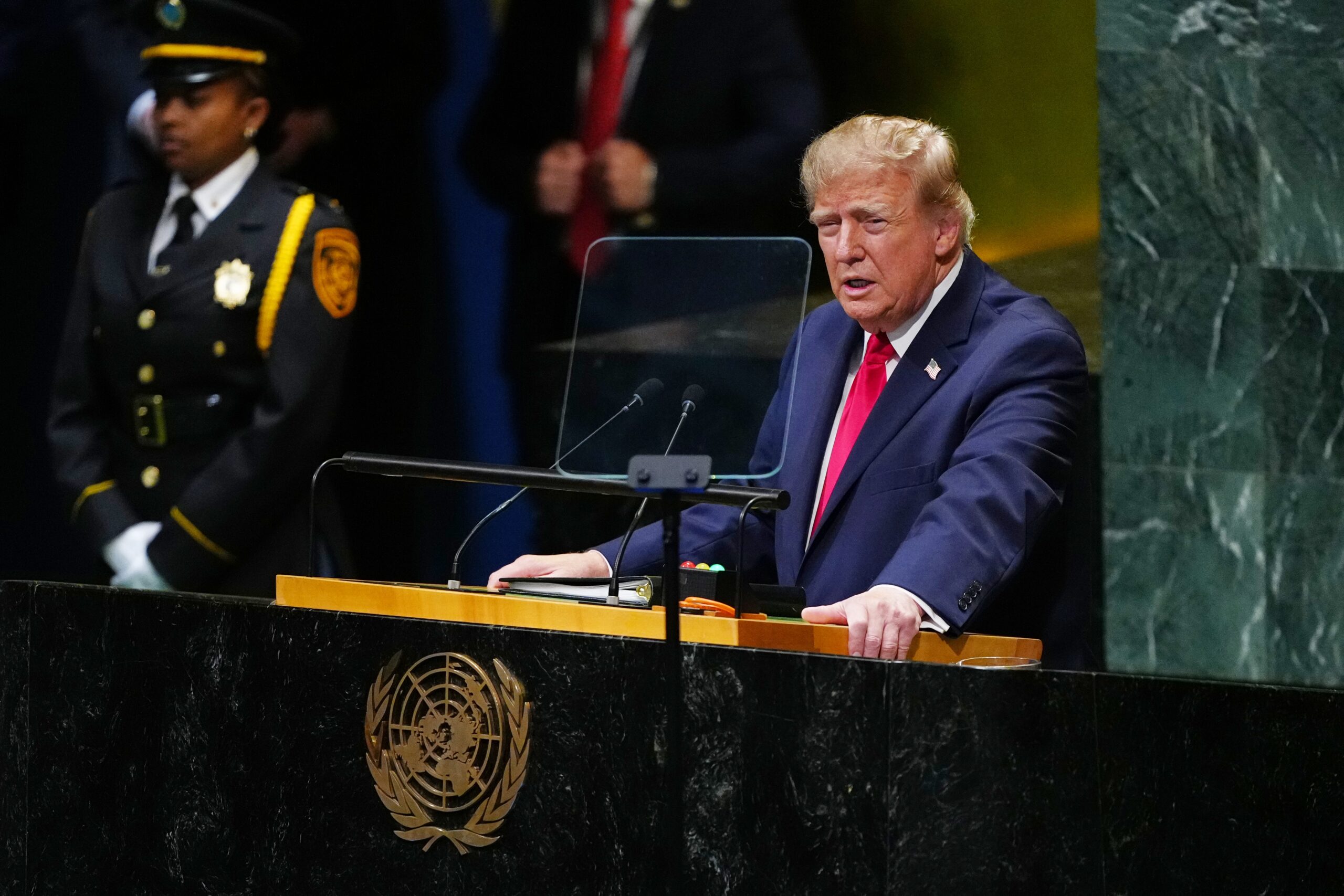
On October 6, AGSI hosted a discussion on the U.S.-Iran stalemate and the prospects for a cease-fire.
Speakers



Book Talk: Iran and the Bomb: The United States, Iran and the Nuclear Question
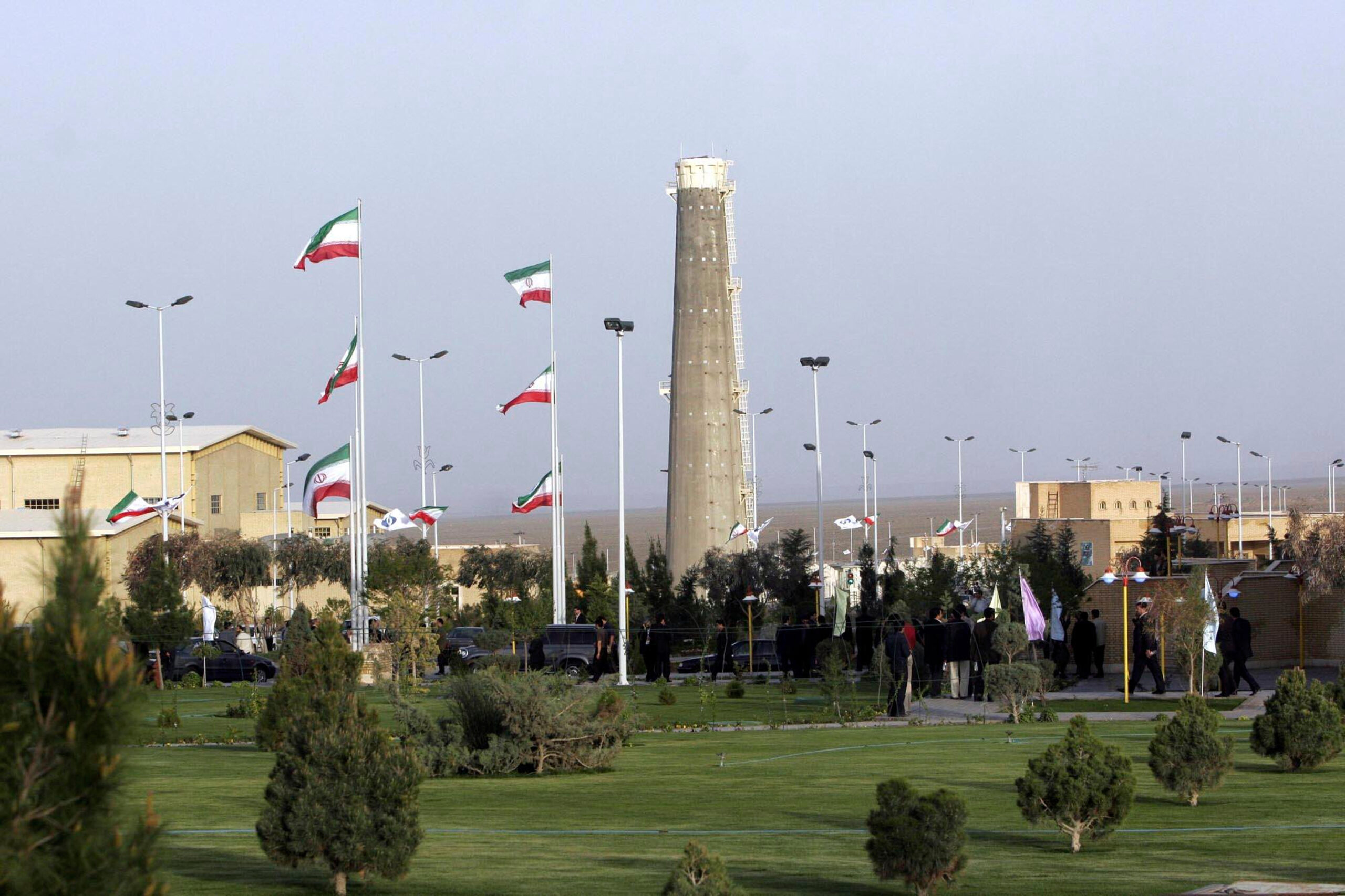
On June 16, AGSI hosted a discussion on the evolution of Iran's nuclear program.
Speakers
Apr 21, 2026
Inside Iran’s Wartime Leadership: Power, Succession, and Regime Stability
On April 21, AGSI hosted a discussion on the evolution of Iran's leadership during the war.
Speakers

Mar 18, 2026
In Its Conflict With the United States and Israel, Does Escalation Favor Iran?
On March 18, AGSI hosted a discussion on the escalation of the Iran war.
Speakers